Top 20 Natural Monuments around Hippach
Best natural monuments around Hippach are situated in the Ziller Valley, surrounded by the Zillertal Alps, Tux Alps, and Kitzbühel Alps. This region features a diverse natural landscape, making it suitable for outdoor activities. The area is characterized by high-mountain terrain, cultivated cultural landscapes, and various geological formations. It offers opportunities to explore mountains, valleys, and water features.
Best natural monuments around Hippach
- The most popular natural monuments is Waterfall Trail at Stillup Reservoir, a trail that offers numerous…
Last updated: May 27, 2026
Ahorn Lake
Highlight • Lake
Translated by Google •
Tip by

Devil’s Bridge over the Tuxbach Gorge
Highlight • Bridge
Translated by Google •
Tip by

Sign up now to discover places like this
Get recommendations on the best single tracks, peaks, & plenty of other exciting outdoor places.
Sign up for free
Penkenjoch Reservoir and Granat Chapel
Highlight • Lake
Translated by Google •
Tip by

Waterfall Trail at Stillup Reservoir
Highlight • Trail
And if you then drive to the end of the valley, it's perfect
Translated by Google •
Tip by

Filzenkogel Summit (2,227 m)
Highlight • Summit
Translated by Google •
Tip by

Sign up for free to discover even more natural monuments around Hippach.
Sign up for free
Already have an account?
Start today with a free account
Your next adventure awaits.
Login or Signup
Popular around Hippach
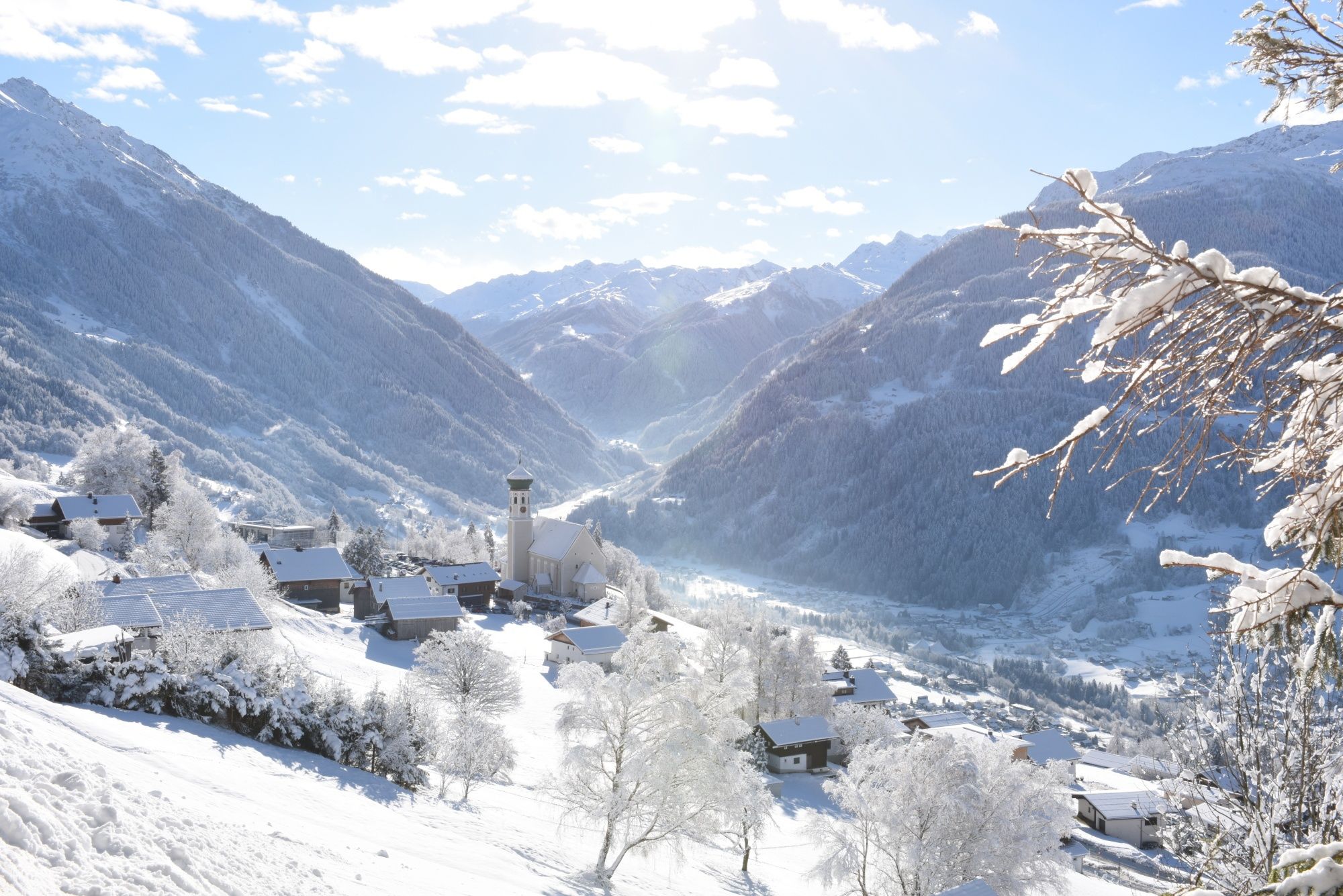
Tobogganing, ice bathing and hiking – winter away from the slopes
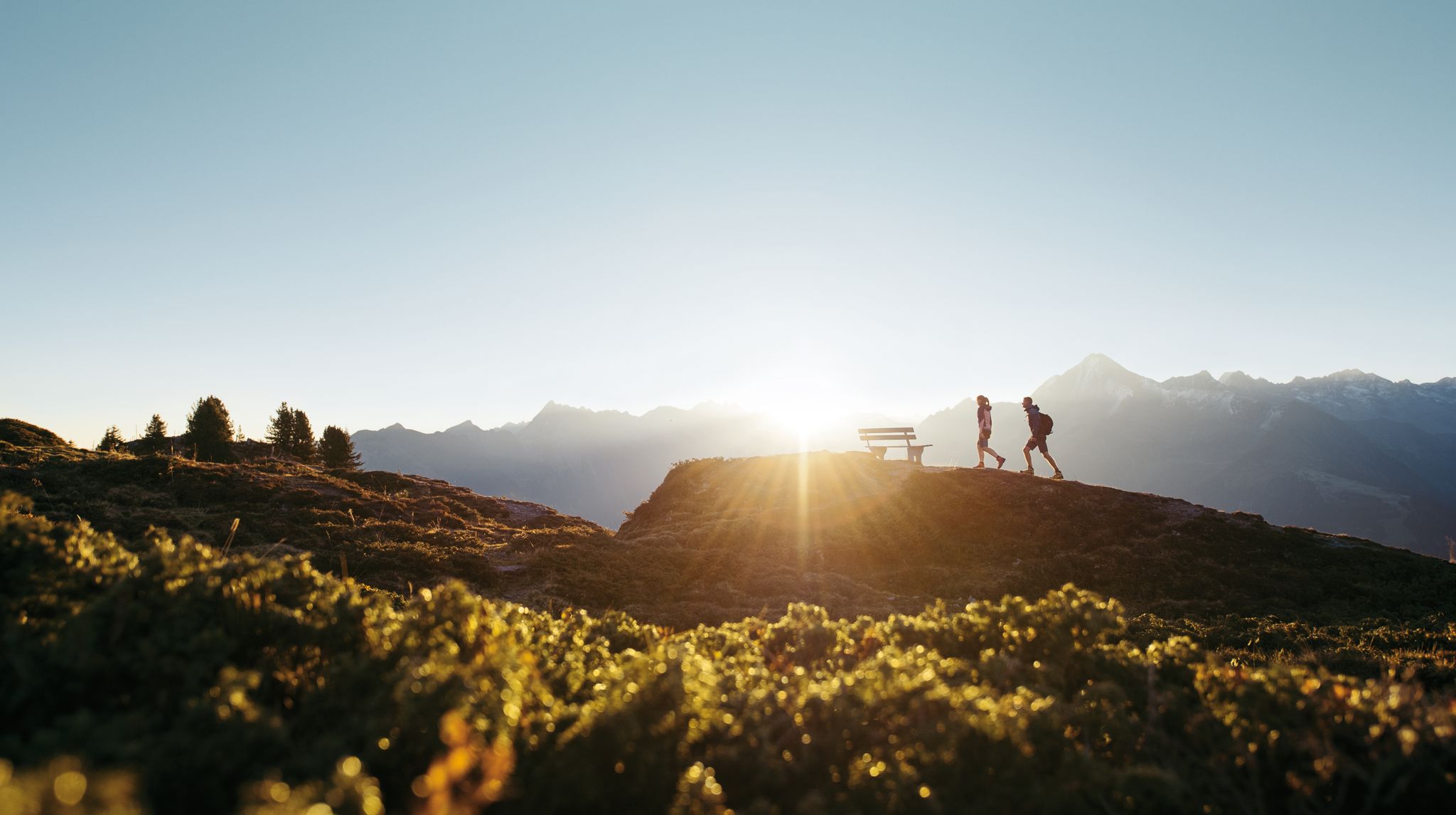
A peaceful haven in the mountains – hiking in Zillertal
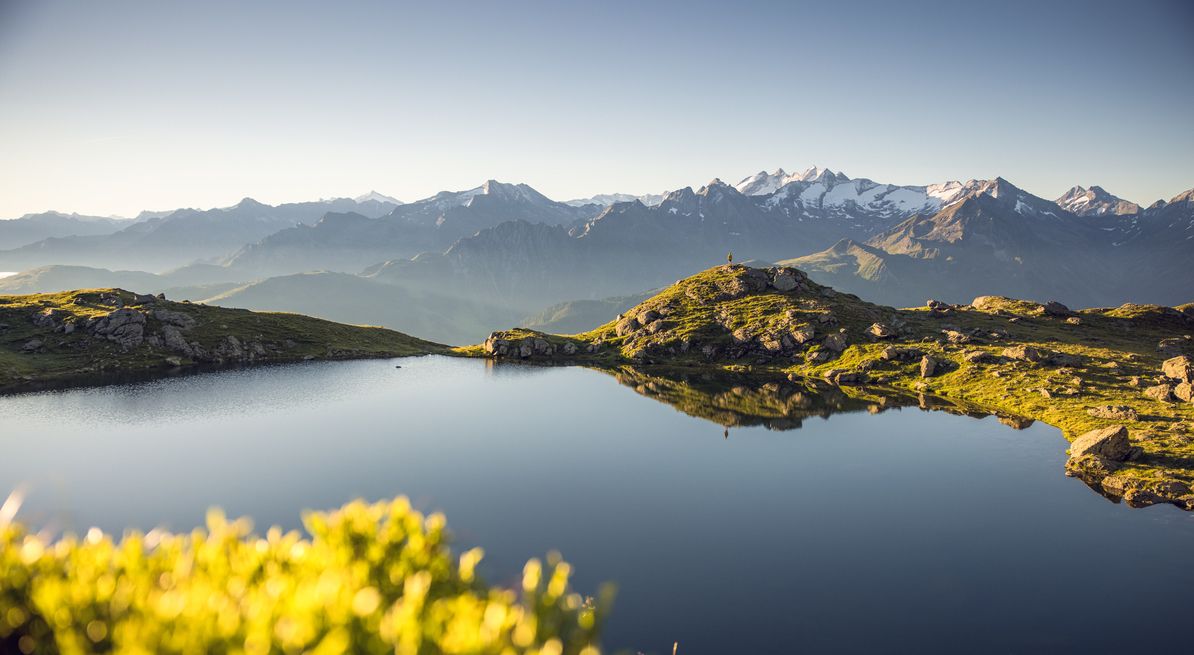
Panoramic hiking Tours with a far-reaching view in the Zillertal
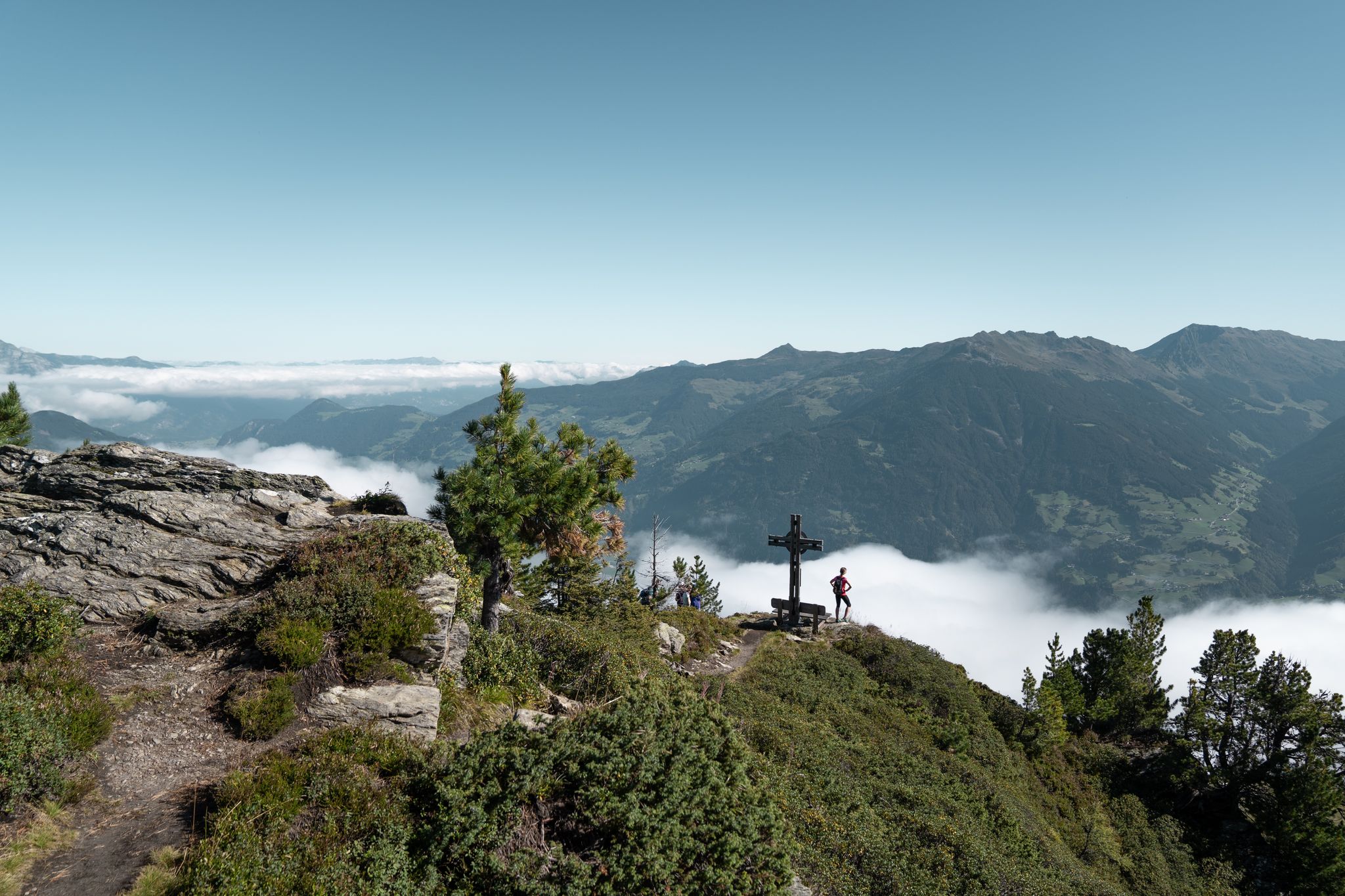
Aussichtsreiche Gipfelwandertouren im Zillertal
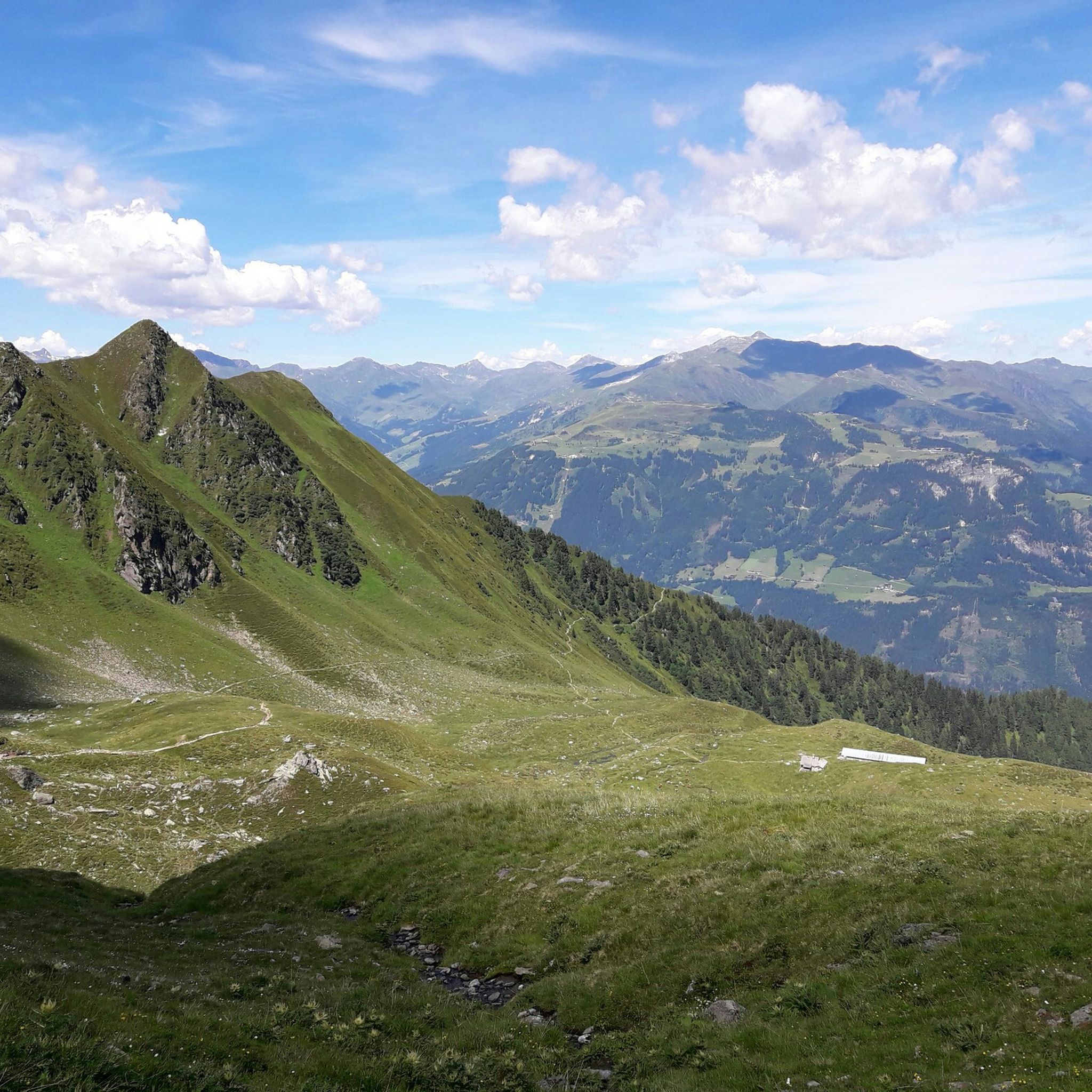
Hiking around Hippach
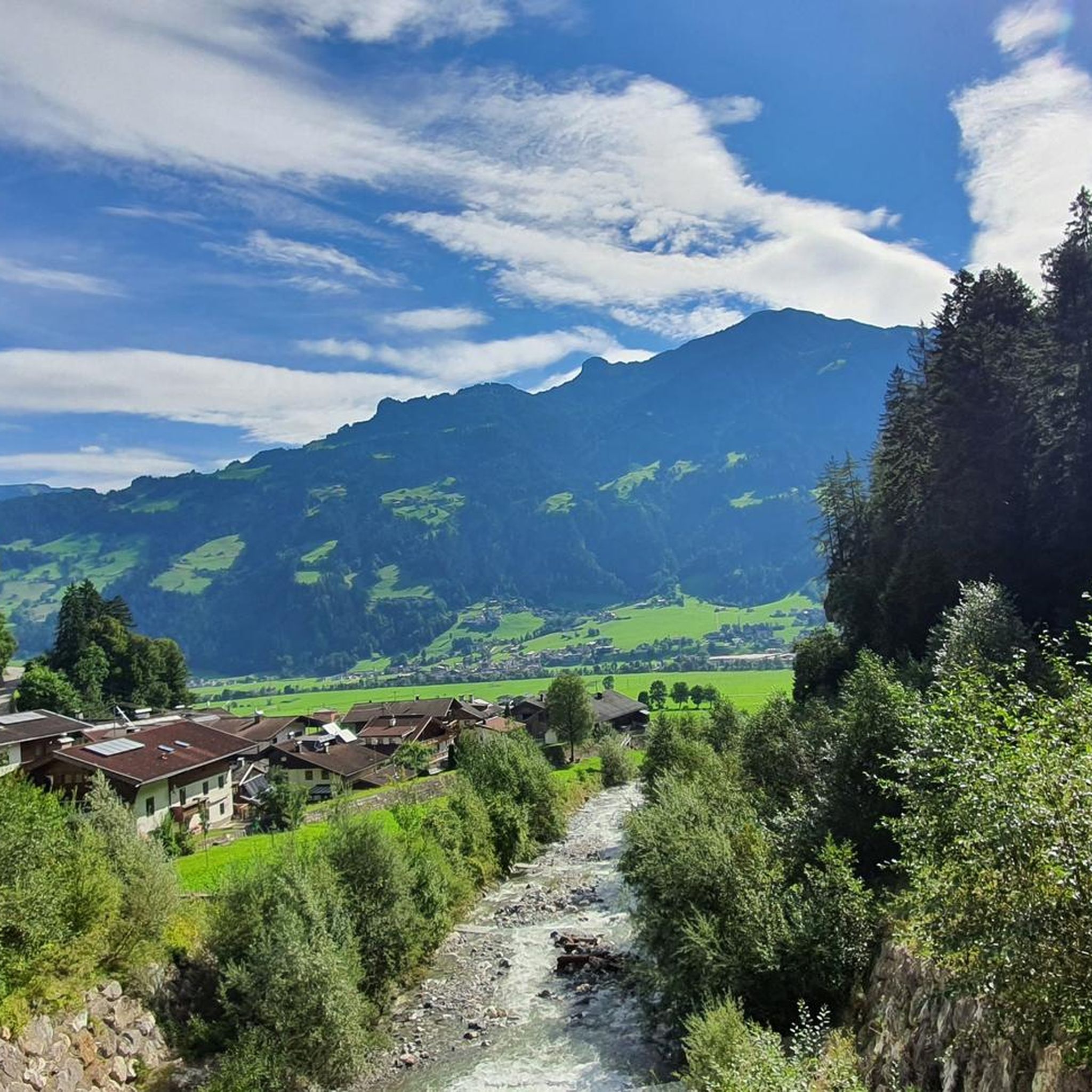
MTB Trails around Hippach
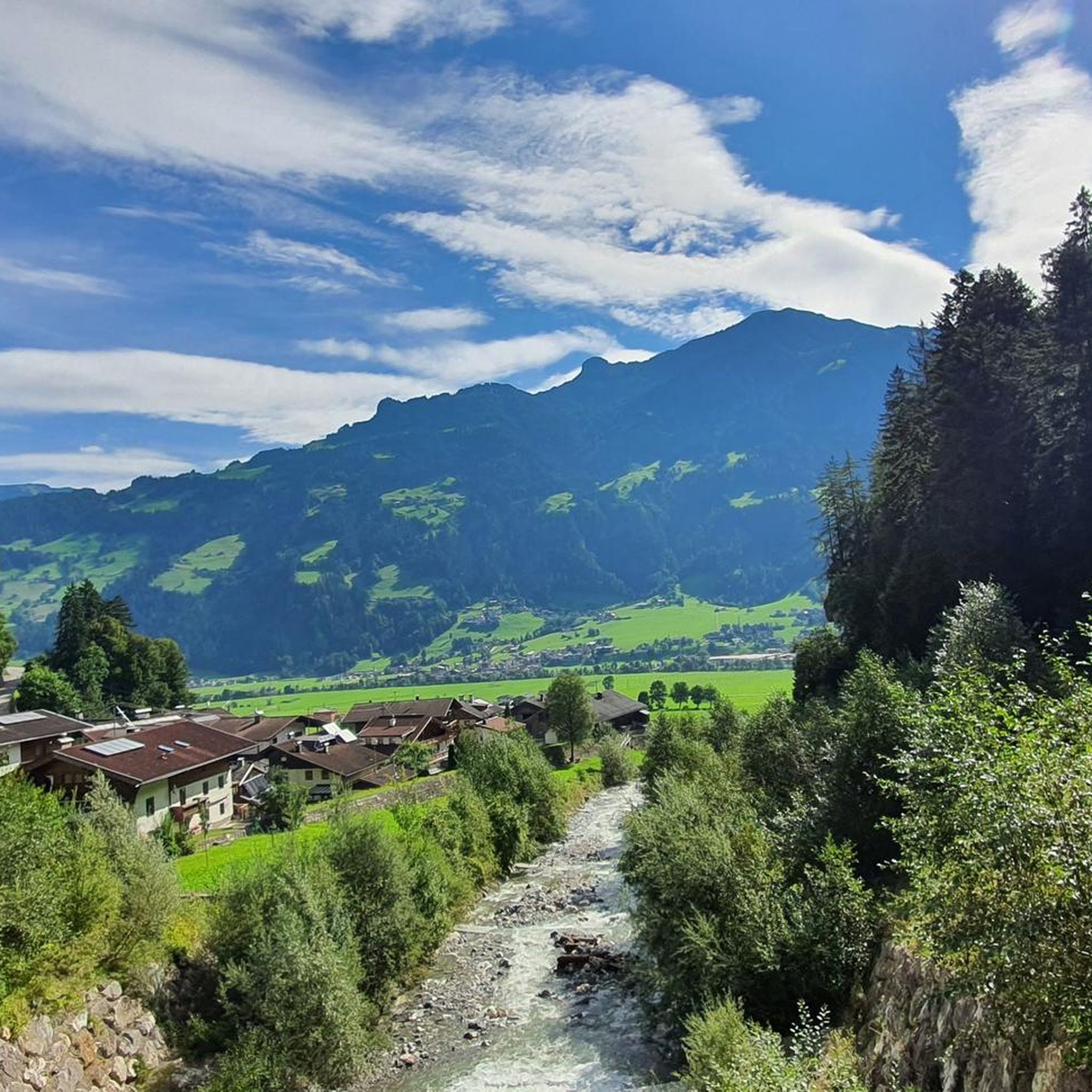
Road Cycling Routes around Hippach
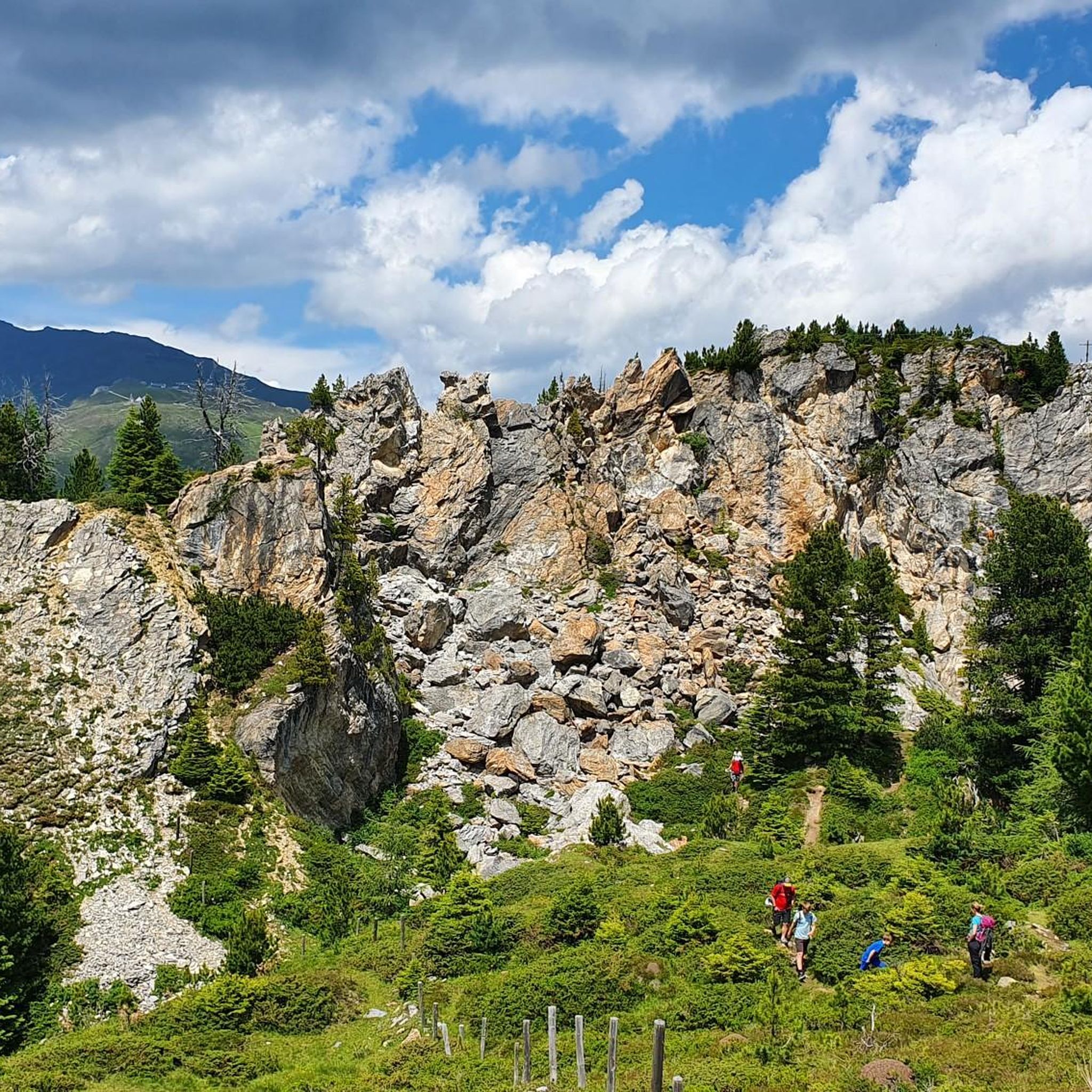
Cycling around Hippach

Mountain Hikes around Hippach
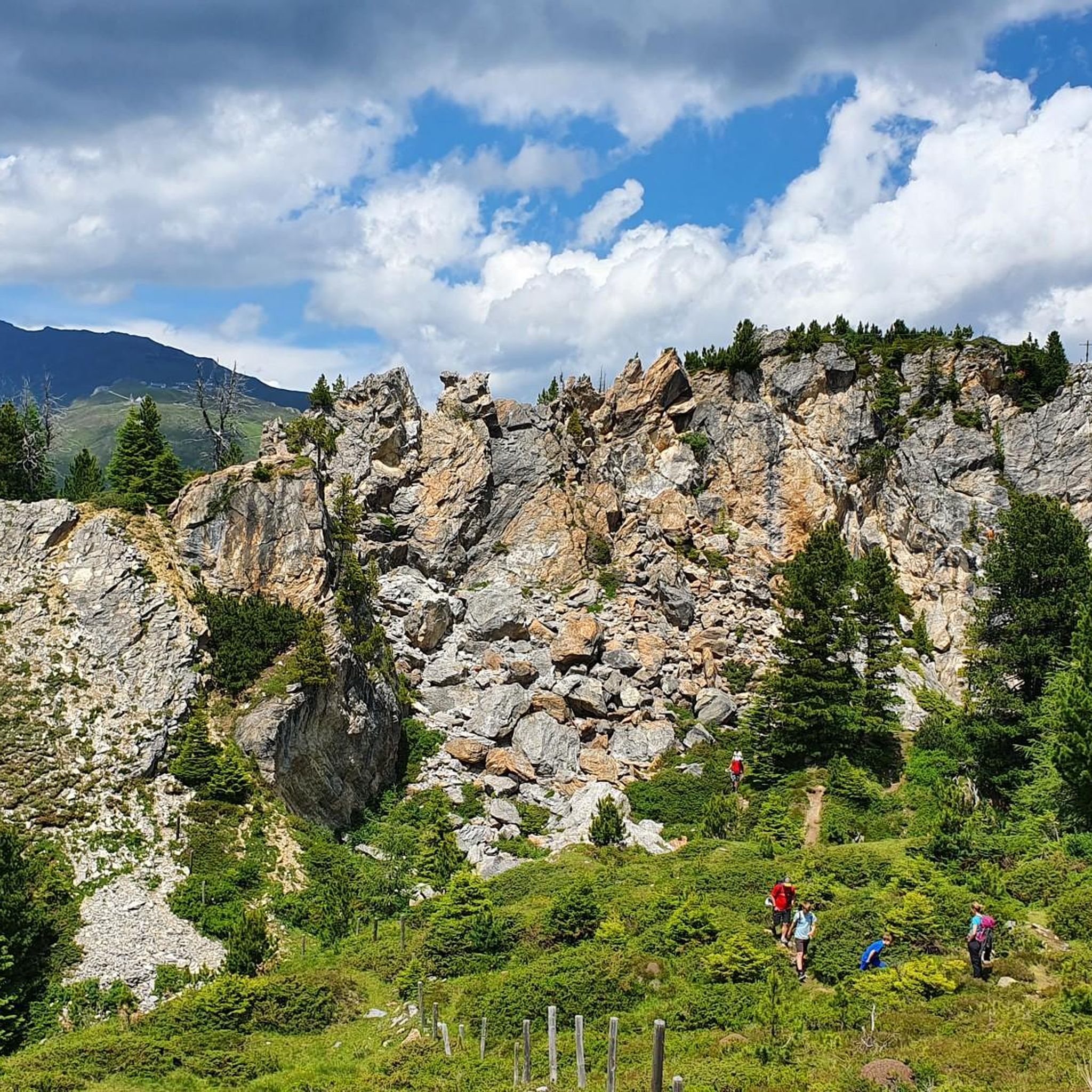
Running Trails around Hippach
Other adventures around Hippach


Tips from the Community

Dreamy path along the Stillup reservoir and the countless waterfalls
3
0

The view of the gorge is very impressive.
7
0
Impressive, old wooden bridge with a fantastic view of the gorge.
7
0
The view over the lake towards the chapel is just great.
10
0
Wonderful place to linger and enjoy
8
0

In the background you can see the Frakbachjoch+Rosskopf. There, on November 4th, 1957, Josef Leiter (smuggler Seppl) & Alois Gruber (Schtina Lois) were swept 300m down in an avalanche. The story can be read in the book Tageswerk by Hans Rieder. LG
4
0

A beautiful view of the valley.
3
0

Summit easily accessible from the Ahornbahn. The view is really fantastic.
3
0
Frequently Asked Questions
What are some of the most impressive natural monuments to visit around Hippach?
The region offers a variety of stunning natural monuments. You can explore the powerful Waterfall Trail at Stillup Reservoir, known for its turquoise water and views of glaciated mountains. Another highlight is the Devil’s Bridge over the Tuxbach Gorge, an impressive example of Tyrolean timber construction spanning a deep gorge. For panoramic views, consider the Filzenkogel Summit (2,227 m), offering a great overview of the maple plateau.
Are there family-friendly natural attractions around Hippach?
Yes, several natural monuments are suitable for families. Ahorn Lake is perfect for cooling off your feet and features a playground for children. The Penkenjoch Reservoir and Granat Chapel also offers a wonderful resting place with magnificent colors and is considered family-friendly. Additionally, the Zillertal Alps Nature Park has numerous easy walks and educational opportunities at the Nature Park House in Ginzling.
What kind of natural features can I expect to see in the Hippach area?
The Hippach area, nestled in the Ziller Valley, is rich in diverse natural features. You'll find impressive waterfalls like the Talbach and Laimach Waterfalls, serene lakes such as Ahorn Lake and the Penkenjoch Reservoir, and majestic mountain summits like Filzenkogel Summit. The region also features deep gorges, like the one spanned by the Devil’s Bridge over the Tuxbach Gorge, and extensive alpine landscapes within the Zillertal Alps Nature Park.
What is the best time to visit the natural monuments around Hippach?
The best time to visit largely depends on the activity. For hiking and exploring most natural monuments, late spring through early autumn (May to October) offers pleasant weather and accessible trails. During this period, you can enjoy the lush meadows, clear lakes, and waterfalls at their fullest. Winter offers a different experience, with snow-covered landscapes, though some higher-altitude monuments or trails might be less accessible.
Are there any historical or cultural sites among the natural monuments?
Yes, the region blends natural beauty with cultural elements. The Devil’s Bridge over the Tuxbach Gorge is a notable historical site, being a rare example of 19th-century Tyrolean timber construction. The Granat Chapel, located by the Penkenjoch Reservoir, is another interesting site, offering a unique blend of religious architecture within a stunning natural setting. The Zillertal Alps Nature Park also highlights a cultivated cultural landscape shaped by mountain farming.
What outdoor activities can I do near these natural monuments?
The area around Hippach is ideal for outdoor enthusiasts. You can find numerous opportunities for hiking, from easy walks to challenging mountain routes, especially within the Zillertal Alps Nature Park. There are also options for gravel biking and running. For specific routes, you can explore guides like Mountain Hikes around Hippach, Gravel biking around Hippach, and Running Trails around Hippach.
Are there any viewpoints offering great panoramic views?
Absolutely. The Filzenkogel Summit (2,227 m) is renowned for its breathtaking panoramic views, providing an excellent overview of the maple plateau and surrounding areas. The Rastkogel and its surrounding peaks also offer challenging hikes rewarded with expansive vistas of the Zillertal Alps. Even at lower altitudes, spots like the Penkenjoch Reservoir offer magnificent views towards the Granat Chapel and the surrounding mountains.
What do visitors enjoy most about the natural monuments around Hippach?
Visitors frequently praise the stunning natural beauty and the diverse experiences available. Many appreciate the photo opportunities around the turquoise waters of the Waterfall Trail at Stillup Reservoir and the impressive sight of the Devil’s Bridge over the Tuxbach Gorge. The panoramic views from summits like Filzenkogel Summit are also highly rated, as are the family-friendly amenities and tranquil resting spots at places like Ahorn Lake.
Are there opportunities for educational experiences related to nature?
Yes, the Zillertal Alps Nature Park offers significant educational opportunities. The Nature Park House in Ginzling features an exhibition called 'Hidden Treasures,' which delves into earth history, geology, crystals, and minerals of the region. It also includes a nature garden and bouldering area, providing an interactive way to learn about the local environment.
Are there any less crowded natural monuments or hidden gems?
While popular spots like the Stillup Reservoir can be busy in summer, the vastness of the Zillertal Alps Nature Park offers many opportunities to find quieter trails and less frequented spots. Exploring some of the numerous alpine pastures and rustic mountain huts away from the main tourist paths can lead to a more serene experience. The Laimach Waterfall, while significant, might also offer a more tranquil contemplation amidst nature compared to more easily accessible sites.
What are the accessibility options for reaching these natural monuments?
Accessibility varies by monument. Waterfalls like Talbach are often easily accessible via paths or stairways. For higher-altitude attractions like the Penkenjoch Reservoir or Ahorn Lake, cable cars often provide convenient access, followed by relatively easy walks. For summits like Filzenkogel Summit or the Rastkogel peaks, more challenging hikes are required. Public transport options are available to reach the general area, and parking is typically available near trailheads or cable car stations.
Can I bring my dog to the natural monuments around Hippach?
Generally, dogs are welcome on most hiking trails and in natural areas around Hippach, including many natural monuments. However, it's always advisable to keep them on a leash, especially in nature protection areas like the Zillertal Alps Nature Park, and to clean up after them. Specific rules might apply to certain attractions or cable cars, so checking local regulations for individual sites is recommended.
Most popular routes around Hippach
Most popular attractions around Hippach

Get inspired with the komoot mobile app


Explore more
Extend your search for the best caves by checking out these guides of the top ones around Hippach:
