Hainburg an der Donau
Hainburg an der Donau
Top 20 Natural Monuments around Hainburg an der Donau
Best natural monuments around Hainburg an der Donau are characterized by their geological significance and rich biodiversity. The region, situated at the Danube's shore, includes the Braunsberg and the Hundsheimer Berge, which form a geological link between the Alps and the Carpathians. This area is recognized for its diverse ecosystems, including rock steppes and dry grasslands, supporting numerous rare plant and animal species. Visitors can explore a landscape that combines natural beauty with historical and ecological importance.
Best natural monuments…
Last updated: June 24, 2026
Devín Castle
Highlight • Castle
Translated by Google •
Tip by

Slavín War Memorial and Military Cemetery
Highlight • Monument
Tip by

Sign up now to discover places like this
Get recommendations on the best single tracks, peaks, & plenty of other exciting outdoor places.
Sign up for free
Fountain of the Planet of Peace at the Presidential Palace
Highlight • Monument
Translated by Google •
Tip by

Družba Fountain (Linden Blossom) – Námestie Slobody
Highlight • Monument
Translated by Google •
Tip by

Baroque Garden of Schloss Hof
Highlight • Natural Monument
After 15 years of detailed reconstruction, the garden in Schloss Hof can now be experienced by our guests in …
Translated by Google •
Tip by

Sign up for free to discover even more natural monuments around Hainburg an der Donau.
Sign up for free
Already have an account?
Start today with a free account
Your next adventure awaits.
Login or Signup
Popular around Hainburg an der Donau
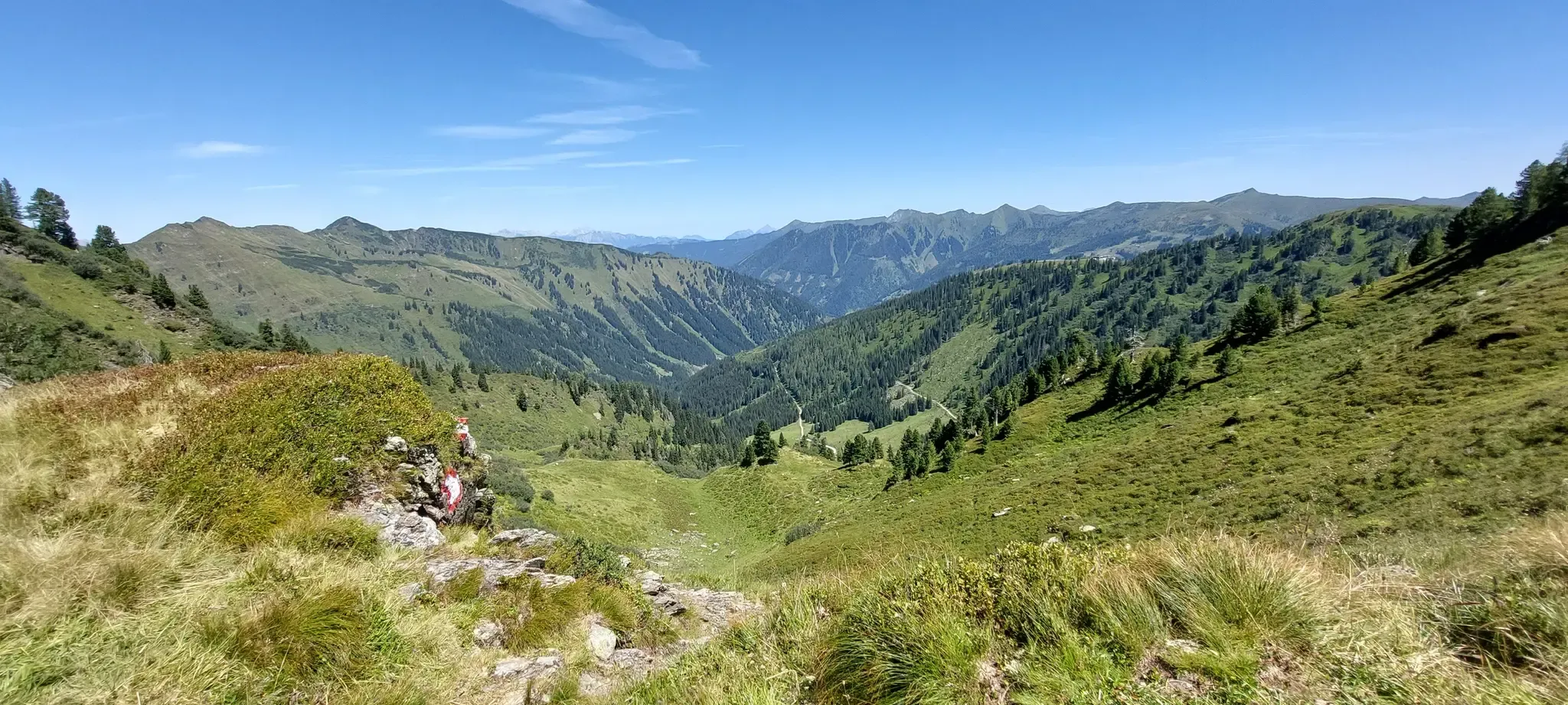
Central Alps Trail Eastern Section – Discover Austria
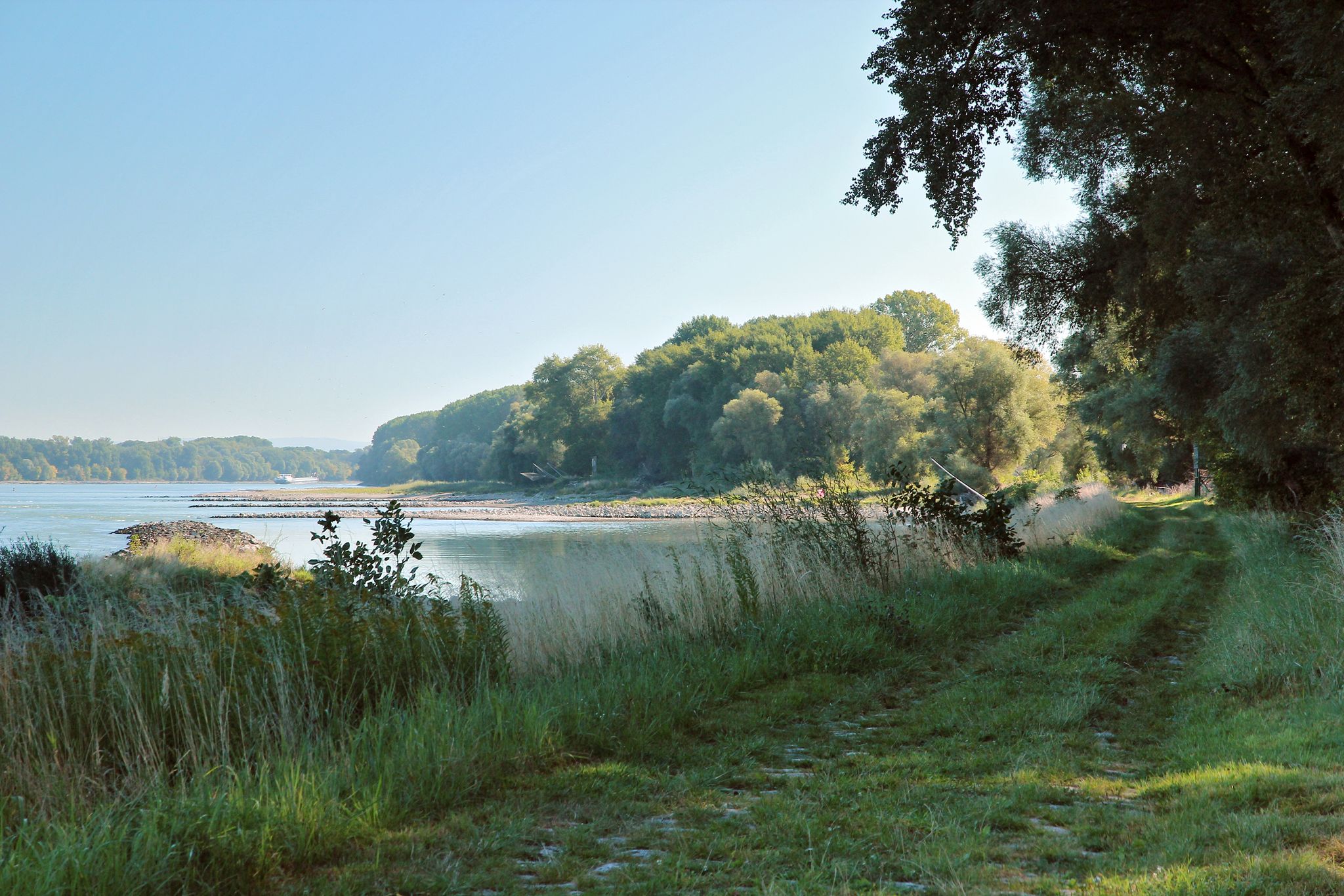
From Vienna to the state border at Hainburg - Tours in the National Park Donau-Auen
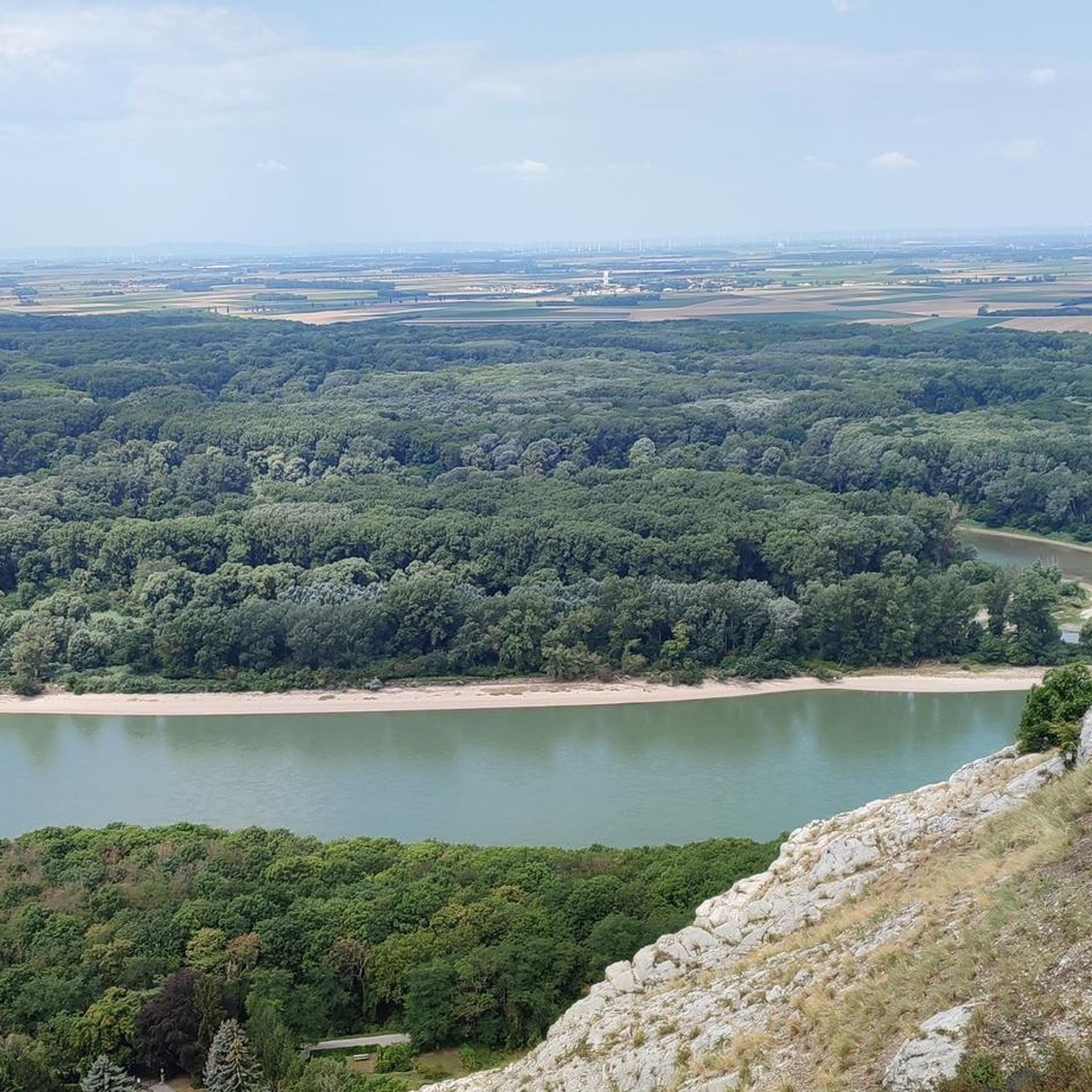
Hiking around Hainburg an der Donau
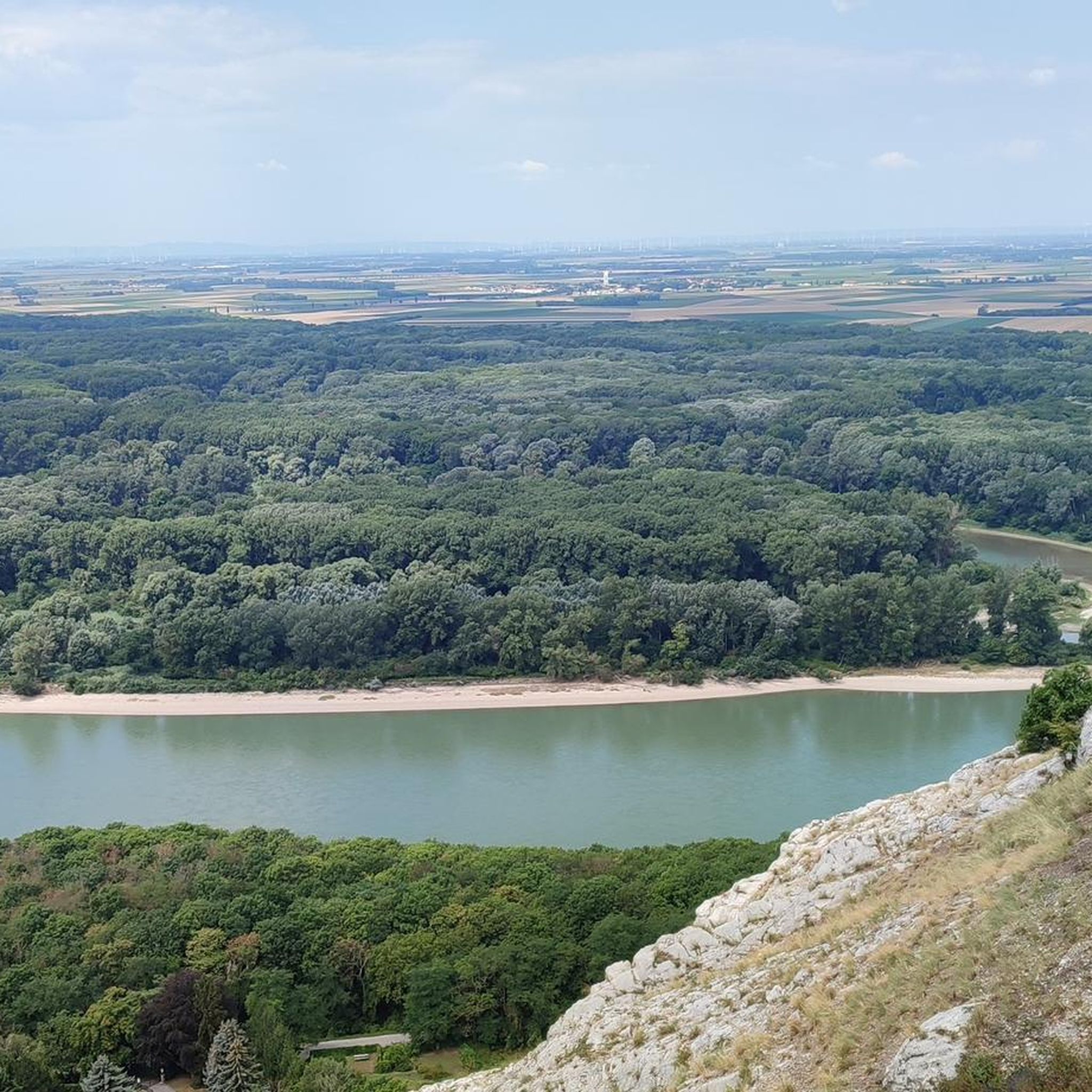
Cycling around Hainburg an der Donau
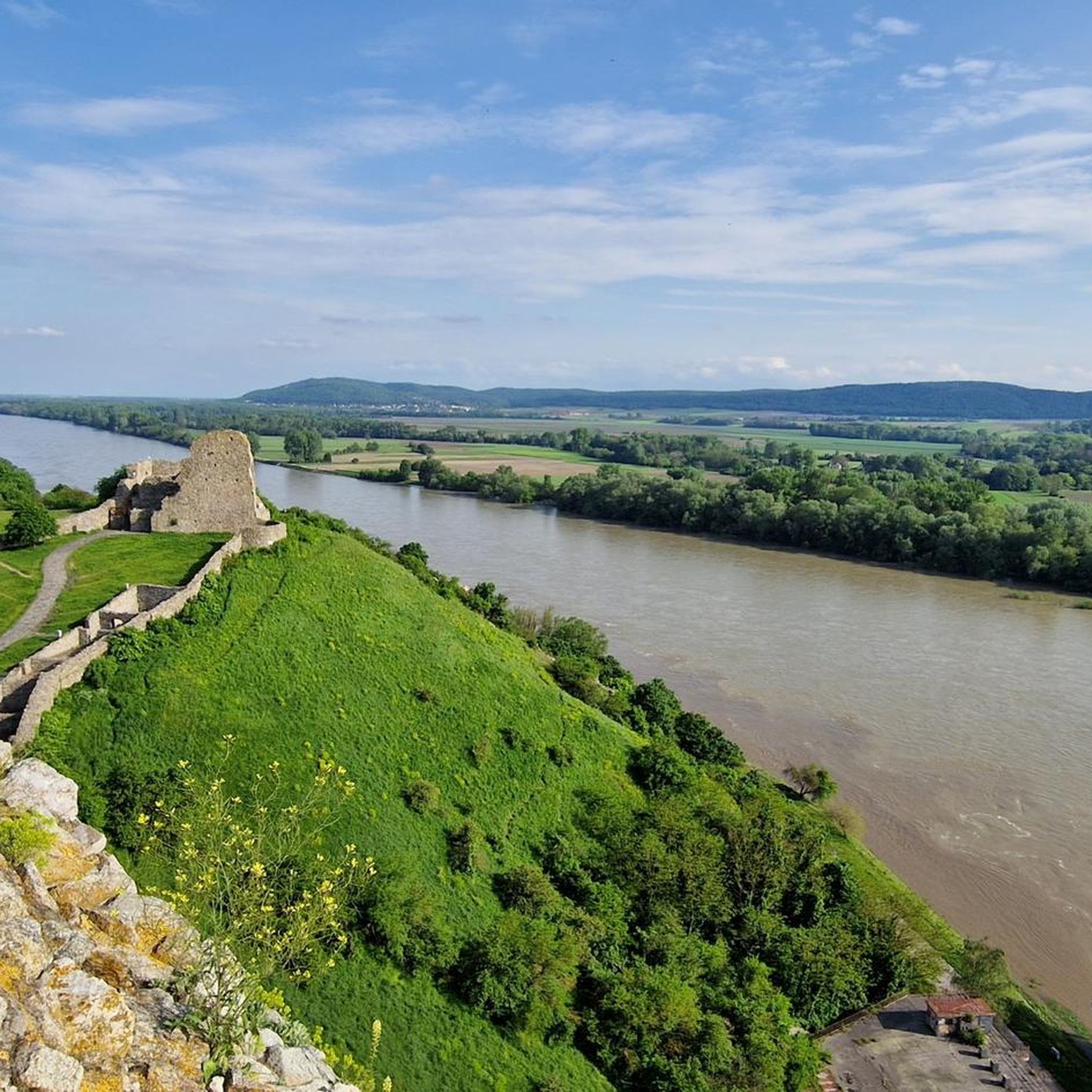
Road Cycling Routes around Hainburg an der Donau
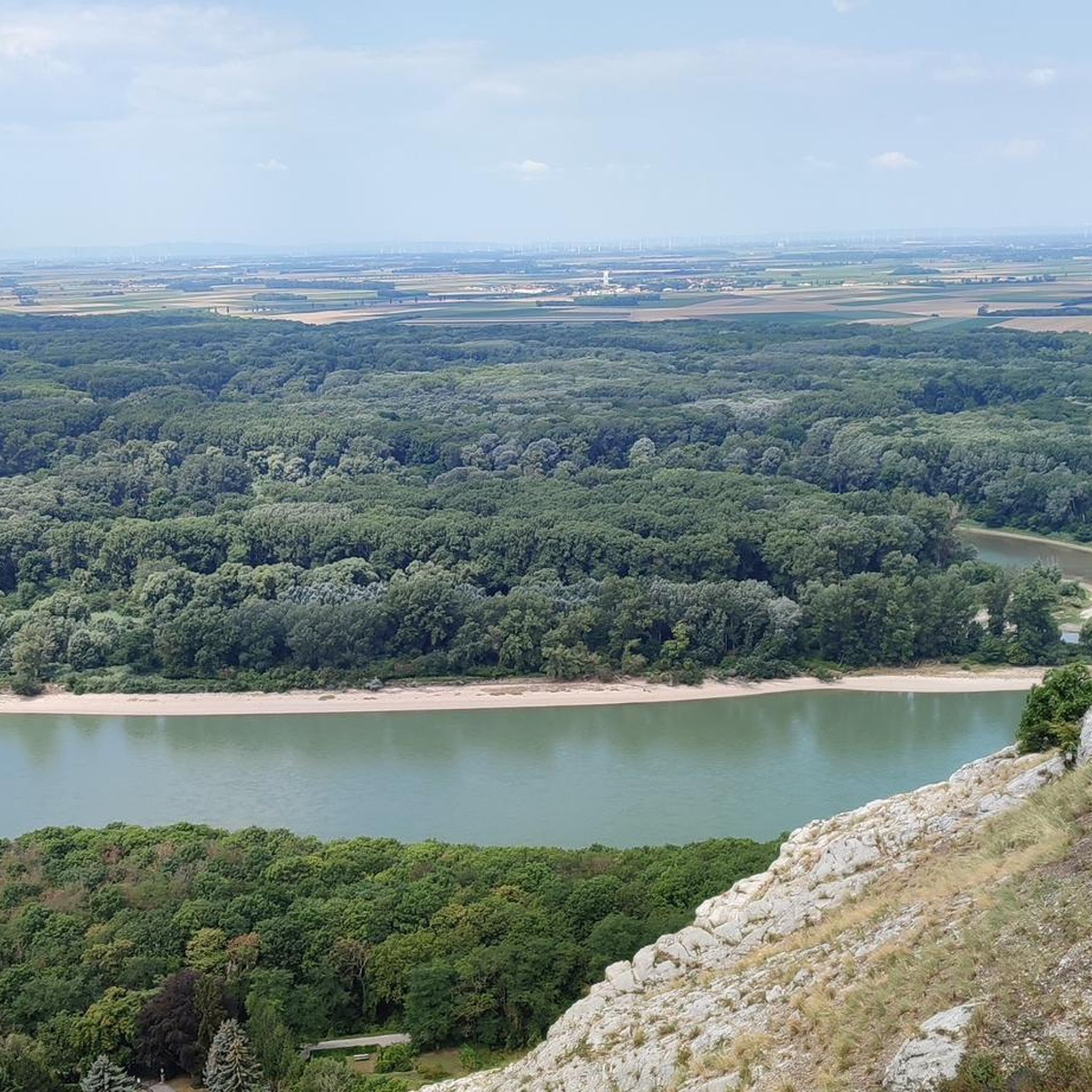
MTB Trails around Hainburg an der Donau
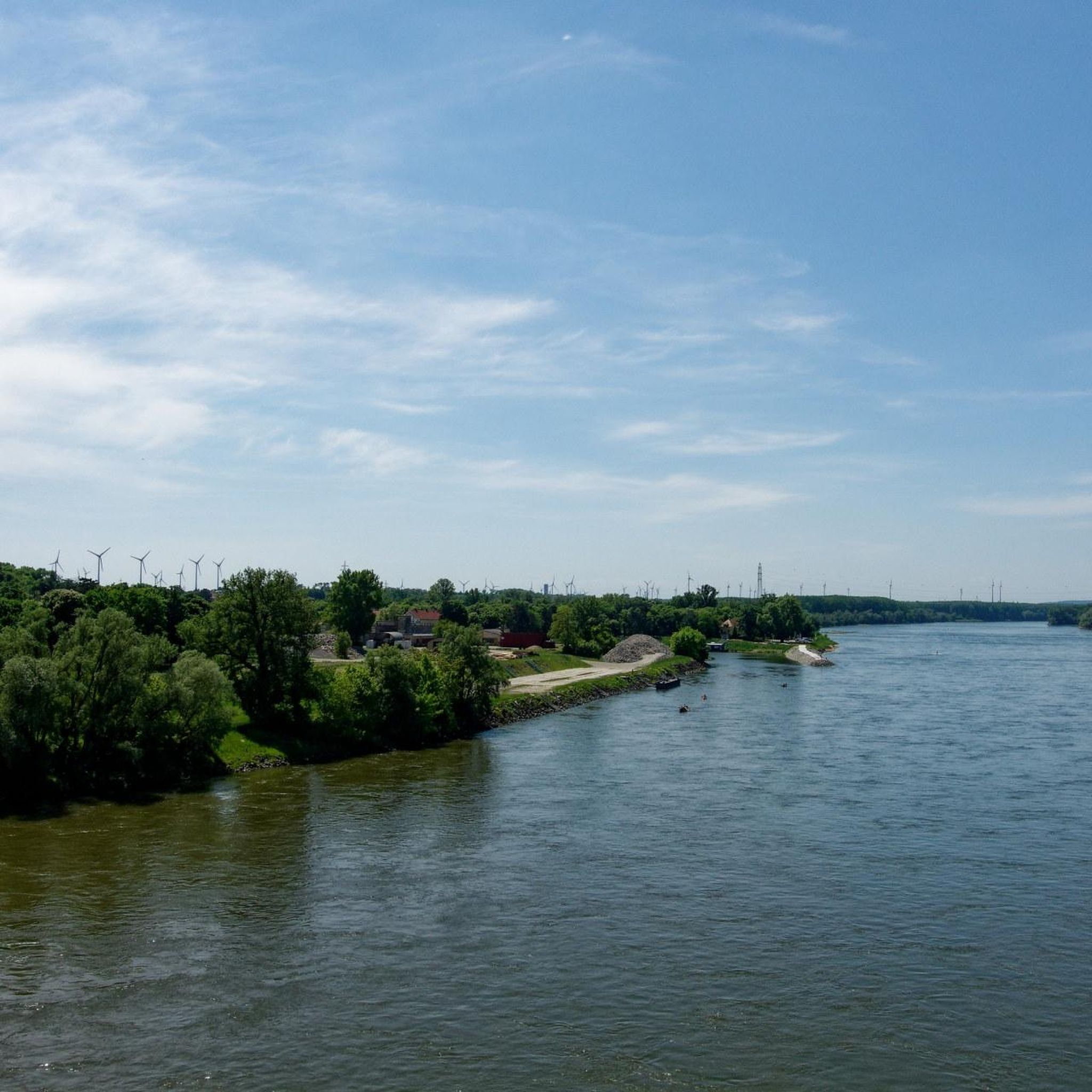
Running Trails around Hainburg an der Donau

Gravel biking around Hainburg an der Donau


Tips from the Community

The elegant fountain directly in front of the Presidential Palace draws all eyes with its clear water jets and ornate bronze sculptures. Surrounded by manicured green spaces and benches, it invites you to take a refreshing break while admiring the palace's magnificent façade. An ideal photo stop and place to take a breather on your tour of Bratislava.
6
0

Baroque Garden - The Garden Paradise, Hof Castle The area sloping down to the March lowlands to the east of the castle was predestined to create a garden based on the French model simply because of its location. In just a few years, Prince Eugene had the architect Johann Lucas von Hildebrandt and the garden engineer Anton Zinner create one of the most important gardens in the German-speaking world on a total of seven terraces. The vertical central axis, along which there are numerous fountains, divides the garden into two mirror-image areas on each level. A well-thought-out sculpture program created by the sculptor Johann Christoph Mader pays homage to the lord of the castle, Prince Eugene. The water required to operate the fountains and to supply the plants was derived from three ponds in the nearest village of Groißenbrunn. In the 19th and 20th centuries, the garden gradually fell into disrepair. The three paintings by Bernardo Belotto, known as Canaletto, were one of the most important sources for the gradual reconstruction of the individual terrace areas since 2002. These views of the palace complex were created on Maria Theresa's commission around 1760. Text / Source: Schloss Hof, 2294 Schloßhof 1 https://www.schlosshof.at/ueber-schloss-hof/garten
13
0
Baroque Garden - The revitalization of the Baroque Garden, Schloss Hof After 15 years of detailed reconstruction, the garden in Schloss Hof can now be experienced by our guests in its 18th century appearance right down to the last terrace! We have accompanied this journey for you and provide insights into the exciting period of restoration work. With the restoration of the seventh garden terrace in 2019 and the completed reconstruction of the Great Cascade in 2018, the 15-hectare Baroque Garden of Schloss Hof can once again be experienced in its entirety as it was in the 18th century. Text / Source: Schloss Hof, 2294 Schloßhof 1 https://www.schlosshof.at/ueber-schloss-hof/garten/revitalisierung-barockgarten
13
0

Freedom Square is the largest square in Bratislava. In the Middle Ages, there were vineyards on the current square. The square probably came into being in the 17th century after the construction of the Archbishop's Summer Palace on the west side of the square, which now serves as a government building. In the period after World War II, the square and its surroundings were rebuilt. In 1946–1951, the Postal Palace was built on the north side, which now houses the Ministry of Transport of the Slovak Republic; on the south and east sides, buildings of the current Slovak Technical University were built. In 1980, the whole square was turned into a park; in the center there is a fountain called Družba (Friendship). In the middle of the fountain there is a stainless steel linden blossom with a diameter of 9 meters, a Slavic symbol. Excerpts from https://de.wikipedia.org/wiki/N%C3%A1mestie_slobody
2
0

The gigantic Slavín war memorial can be seen from many places in the city. Located on a hill above the castle, it commemorates the liberation of the city by the Red Army in April 1945. The largest war memorial in Central Europe, at 52 meters, towers over the city as an unmissable dominant feature. The gigantic Slavín memorial stands on a hill with a view of Bratislava Castle and most of the city. 6845 soldiers of the Soviet Army found their resting place in this military cemetery. All of them fought for the liberation of Bratislava during the last weeks of World War II. The city was finally liberated in April 1945. The 39.5 meter high pillar is dominated by the memorial, a statue of a victorious Soviet soldier with a flag. The central hall of honor with various statues is decorated with inscriptions of Slovak cities that the Soviet Army liberated in 1944-1945. Slavín was built between 1957 and 1960 on the site of a Soviet war cemetery and opened to the public on April 3, 1960, on the 15th anniversary of the liberation of the city. In 1961 it was declared a national cultural monument. It is an example of the monumental style of Soviet architecture. The monument was placed in the middle of a wealthy district with villas from the Austro-Hungarian Empire, the interwar period and modern architectural showpieces. Not far away is a beautiful mountain park - Horský park, which invites you to take a peaceful walk in the green.
2
0

The gigantic Slavín war memorial is visible from much of the city. On a hill overlooking the castle, it commemorates the city’s liberation by the Red Army in April 1945. It is also a cemetery for 6,845 Soviet soldiers who died during the battles for the city and the surrounding region that took place in the final weeks of World War II.The scale of the memorial is impressive: the central obelisk is more than 39 metres high, and is topped by an 11-metre tall statue (by Alexander Trizuljak) of a victorious Soviet soldier carrying a flag. Around the base are inscriptions recording the Slovak cities liberated by the Red Army during its westward advance in 1944 and 1945. https://www.visitbratislava.com/places/slavin/
5
0

It is located on a hill in the Bratislava-Patrónka district and offers impressive views over the city. The monument was built between 1957 and 1960 and is an architectural masterpiece by Slovak sculptor Ján Svetlík and architect Dušan Kuzma. The central statue depicts a Soviet soldier holding a flag, standing on a pedestal surrounded by a ring of 12 columns. It is a place that attracts visitors from all over the world to honor the history and victims of World War II.
2
0
Slavín is the name of a war memorial and cemetery in Bratislava in honor of the Soviet soldiers who lost their lives during the capture of the city of Bratislava in April 1945 during the Second World War. It is located on a mountain in the western part of Bratislava's Old Town. The memorial, designed by Ján Svetlík, was built between 1957 and 1960 on the site of a Soviet honorary cemetery and opened to the public on April 3, 1960 on the 15th anniversary of the city's liberation. In 1961 it was declared a national cultural monument. Wikipedia
3
0
Frequently Asked Questions
What natural features define the Hainburg an der Donau region?
The region is characterized by significant geological formations like the Braunsberg and the wider Hundsheimer Berge range. These areas form the 'Hainburg Gate' of the Danube, linking the Alps and the Carpathians. You'll find diverse ecosystems including rock steppes, dry grasslands, and dry forests, which are home to numerous rare plant and animal species.
Are there any historical natural monuments to explore near Hainburg an der Donau?
Yes, the region boasts several historical sites. For instance, Devín Castle, a former Roman military base, offers expositions on the history of the Slavs. The Braunsberg itself holds historical importance as a former Celtic town with traces of the Celtic-Roman era. Additionally, the Baroque Garden of Schloss Hof is a meticulously reconstructed 18th-century garden with historical significance.
What kind of wildlife and plant species can I expect to see in the natural monuments area?
The Hundsheimer Berge, a designated nature reserve, is an ecological hotspot. Its karst cliffs and dry grasslands support rare plant species like feather grass and the Hainburg carnation. The area is also renowned for its rich insect life, with over 1000 species of butterflies recorded, and new species still being discovered.
Are there family-friendly natural monuments around Hainburg an der Donau?
Absolutely. The Baroque Garden of Schloss Hof is a great option for families, offering expansive gardens and fountains to explore. While not strictly a natural monument, the Slavín War Memorial and Military Cemetery is also listed as family-friendly and provides a significant historical experience with panoramic views.
What are the hiking opportunities within the natural monuments of Hainburg an der Donau?
The Braunsberg and Hundsheimer Berge offer excellent hiking opportunities. A road leads directly to the summit of Braunsberg, providing panoramic views, and there are trails, including one through tunnels carved into the cliffs. The Hundsheimer Berge feature scenic circular routes through unique steppe landscapes, caves, and gorges. You can find more details on various hiking trails in the Easy hikes around Hainburg an der Donau guide.
Can I access these natural monuments using public transport?
While specific public transport routes to every natural monument might vary, Hainburg an der Donau itself is accessible. From there, local buses or shorter walks can connect you to many of the natural monuments, especially those closer to the town like the Braunsberg. For more remote areas within the Hundsheimer Berge, checking local transport schedules is recommended.
Are there any accessible natural monuments for visitors with mobility considerations?
Yes, some sites offer better accessibility. The Fountain of the Planet of Peace at the Presidential Palace and the Družba Fountain (Linden Blossom) – Námestie Slobody are both listed as wheelchair accessible, providing pleasant outdoor experiences in urban settings near the natural monuments.
What is the best time of year to visit the natural monuments in Hainburg an der Donau?
The spring and autumn months are generally ideal for visiting. During these seasons, the weather is pleasant for hiking and exploring the outdoor landscapes of the Braunsberg and Hundsheimer Berge, and the unique flora and fauna are often at their most vibrant. Summer can also be good, but be prepared for warmer temperatures, especially on exposed steppe areas.
Are dogs allowed on trails within the natural monuments?
Many natural areas and trails around Hainburg an der Donau, including parts of the Hundsheimer Berge, are dog-friendly. However, as the Hundsheimer Berge is a nature reserve, it's always best to keep dogs on a leash to protect the delicate ecosystems and wildlife. Specific rules may apply in certain protected zones, so look for local signage.
Where can I find panoramic views of the region?
The summit of the Braunsberg offers breathtaking panoramic views of the Hundsheimer Berge, the Danube, the city of Bratislava, and the vast Marchfeld. The Hundsheimer Berge themselves also provide expansive views, including the Donau-Auen National Park and the surrounding hills, from various elevated points.
Are there opportunities for cycling near these natural monuments?
Yes, the region is excellent for cycling. The Hundsheimer Berge offer scenic routes, and the Danube riverside paths provide numerous options. You can explore various cycling tours in the Cycling around Hainburg an der Donau guide, which includes routes like the Danube Riverside Path.
What is the significance of the Güntherhöhle (Günther Cave) in the Hundsheimer Berge?
The Güntherhöhle, located on the southern slope of Hundsheimer Berg, is famous for the discovery of a rhinoceros skeleton that dates back approximately 500,000 years to the Middle Ice Age. While generally closed to the public, keys can sometimes be borrowed for visits, highlighting its paleontological importance.
What makes the Hundsheimer Berge an 'ecological hotspot'?
The Hundsheimer Berge were declared a nature reserve in 1965 and recognized by the Council of Europe as a biogenetic reserve due to their exceptional biodiversity. Botanists have studied its vegetation for over a century, and it's home to more than 1000 species of butterflies, along with rare plants and insects, making it a crucial area for ecological research and conservation.
Most popular routes around Hainburg an der Donau
Most popular attractions around Hainburg an der Donau

Get inspired with the komoot mobile app


Explore more
Extend your search for the best caves by checking out these guides of the top ones around Hainburg an der Donau:
