Top 20 Natural Monuments around Seesen
Best natural monuments around Seesen are situated on the western edge of the Harz Mountains, a region known for its distinct geological features and ecological importance. This area offers opportunities for outdoor recreation and experiencing natural beauty. The landscape includes historical water management systems, significant trees, and renatured industrial sites.
Best natural monuments around Seesen
- The most popular natural monuments is Lower Grumbacher Pond and Shelter (HWN 113), a lake located in the Grumbachtal, one of the last fully…
Last updated: May 26, 2026
Lower Grumbacher Pond and Shelter (HWN 113)
Highlight • Lake
Translated by Google •
Tip by

Grumbach Waterfall
Highlight • Waterfall
Translated by Google •
Tip by

Sign up now to discover places like this
Get recommendations on the best single tracks, peaks, & plenty of other exciting outdoor places.
Sign up for free
New Grumbach Pond
Highlight (Segment) • Lake
Translated by Google •
Tip by

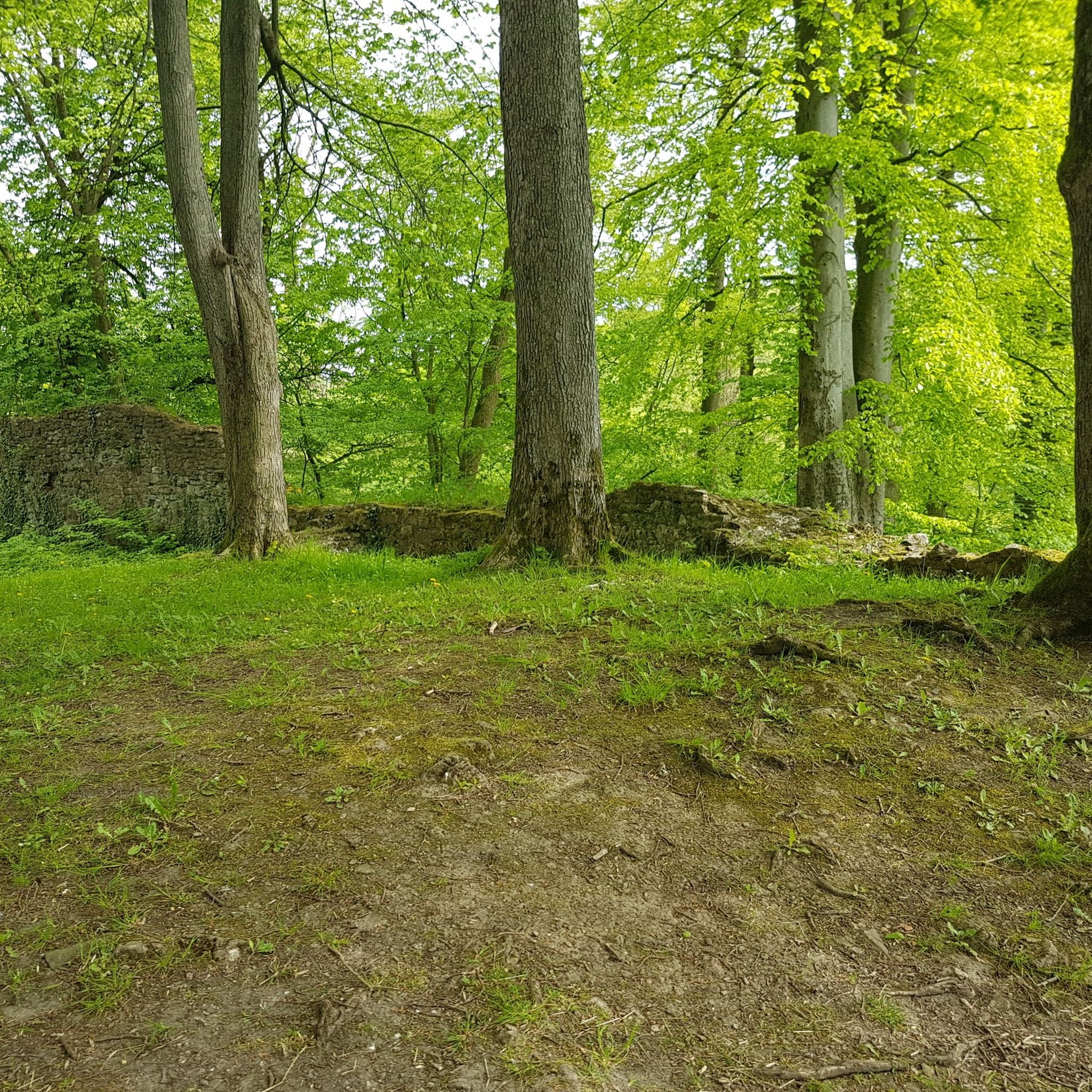
Luchsstein Memorial (Harzer Wandernadel stamp 103)
Highlight • Monument
Translated by Google •
Tip by

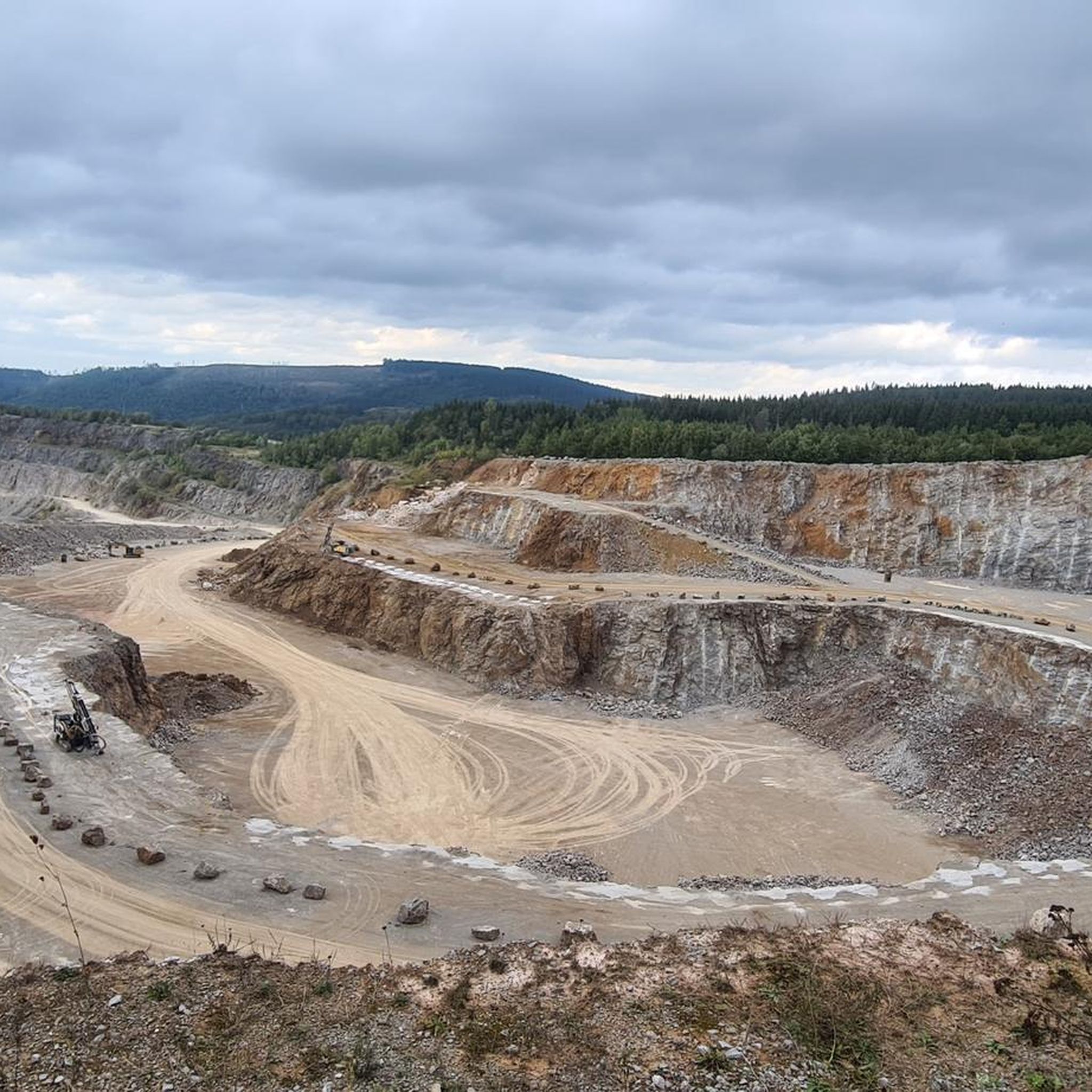
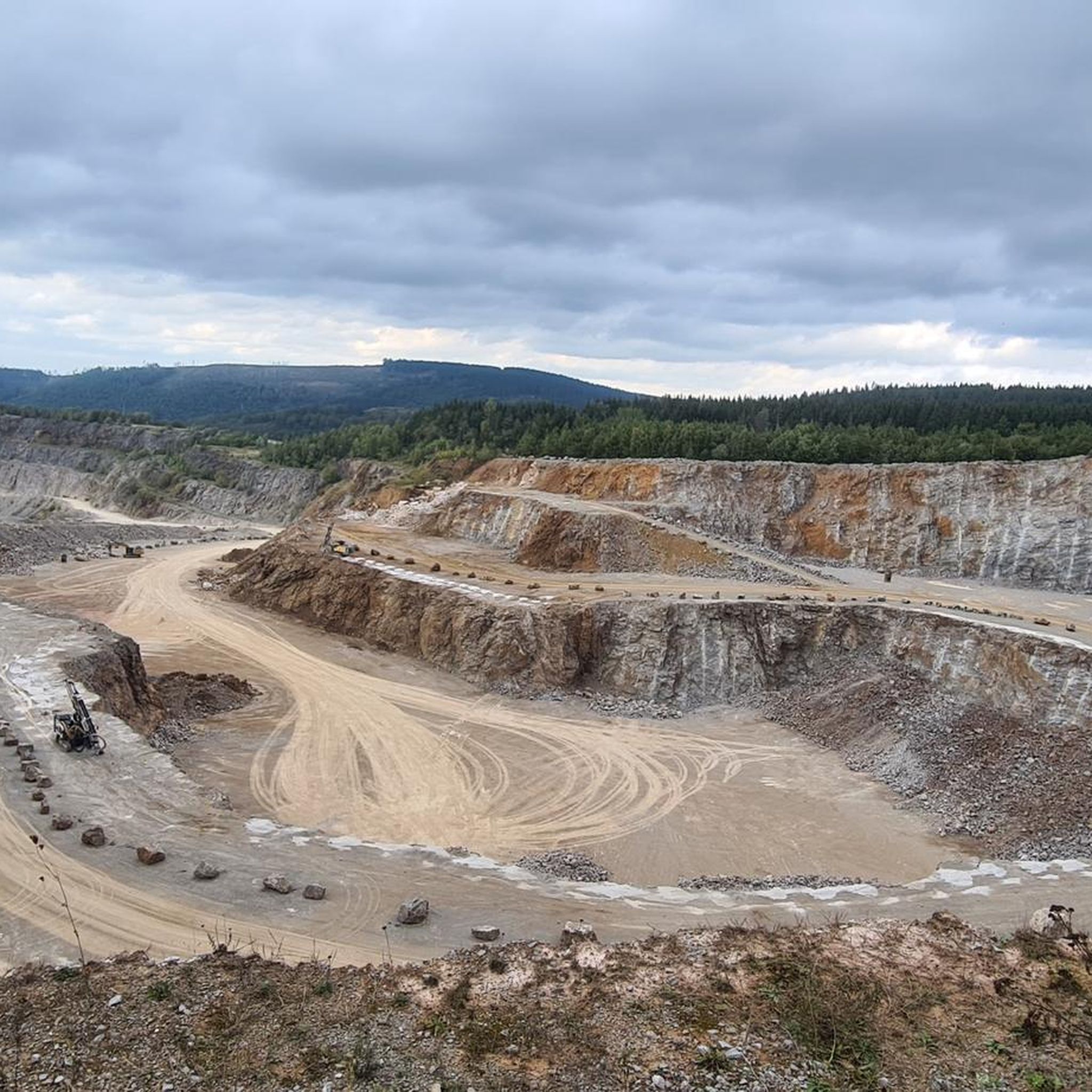
View of the Diabase Quarry at Wolfshagen (HWN 109)
Highlight • Viewpoint
Translated by Google •
Tip by

Sign up for free to discover even more natural monuments around Seesen.
Sign up for free
Already have an account?
Start today with a free account
Your next adventure awaits.
Login or Signup
Tips from the Community

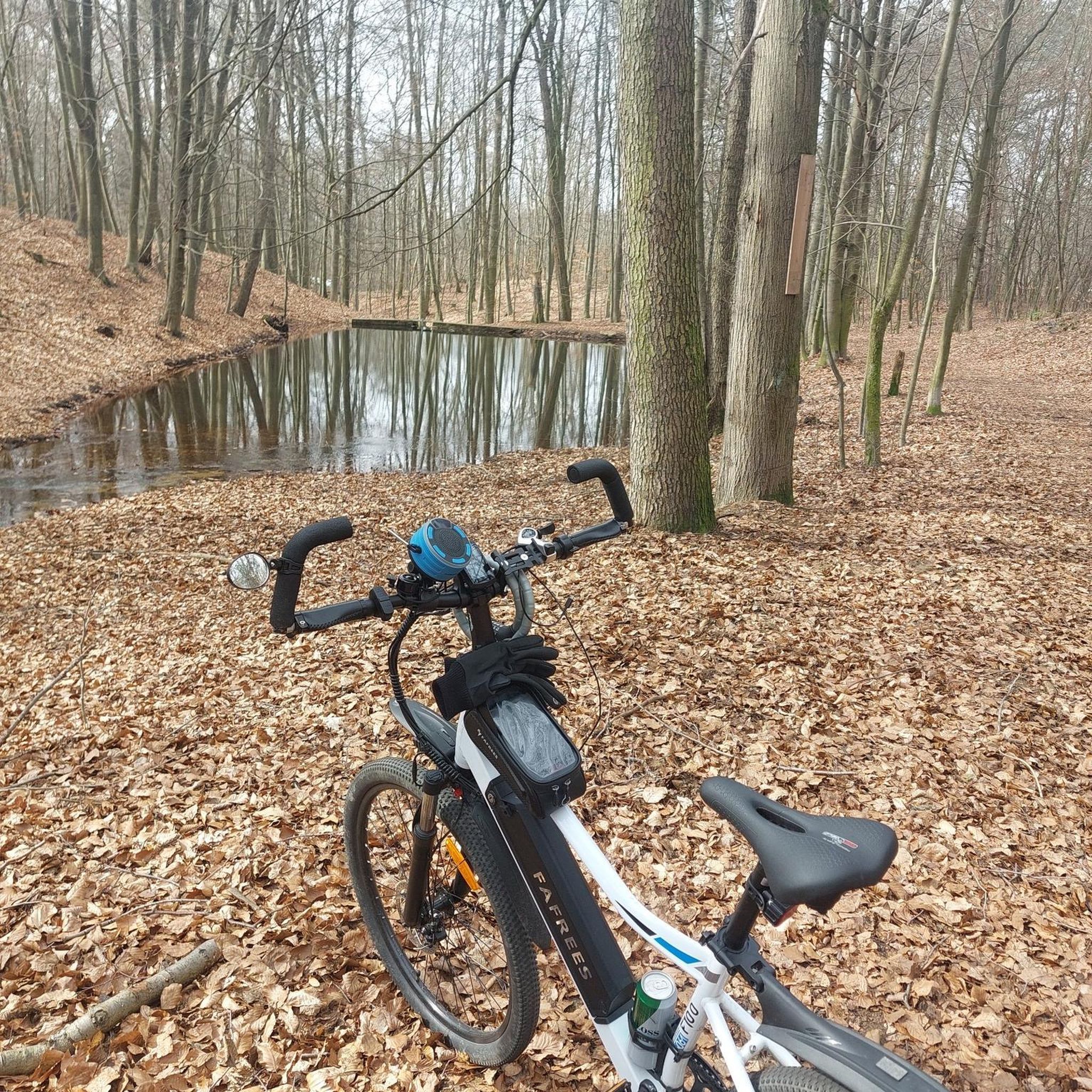
A beautiful hiking trail along the many ponds. There are trees with wooden plaques where many hikers have left their mark 👌 A lovely idea and especially heartfelt messages ❤️
1
0

Beautiful path along the Liebesbankweg.With many ponds.
2
0

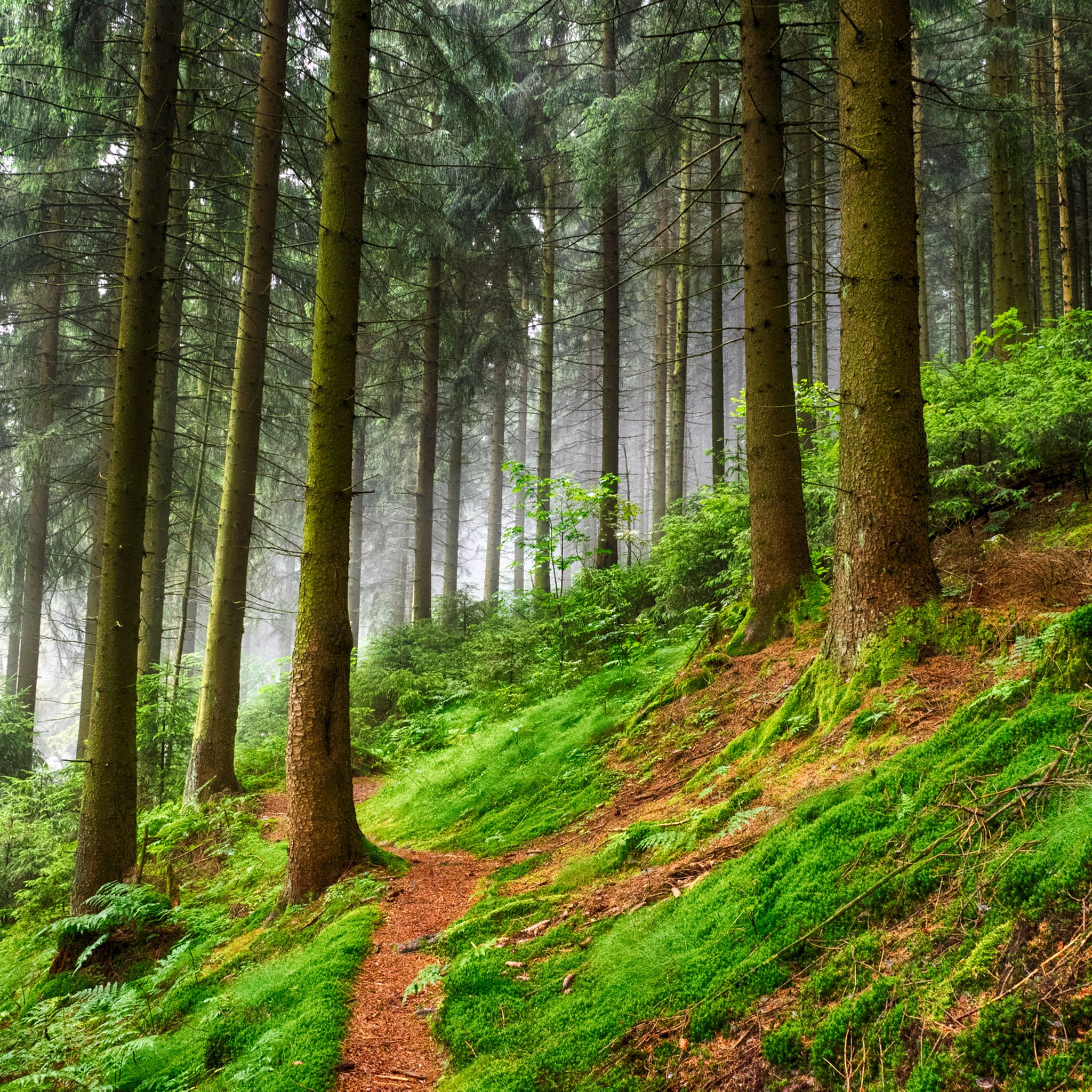
For me, one of the most idyllic stamping points for the Harz hiking pin. The path along the “Allee der Bäume” is recommended. Here you walk through the Grumbachtal: one of the last completely forested valleys in the Upper Harz. An easy path to walk, the Grumbach gently babbles along and there is dense coniferous forest everywhere. Just before the Grumbach pond, you pass the Grumbach waterfall and then suddenly the Grumbach pond, surrounded by forest, lies quiet and calm in front of you - it doesn't get more Harz idyll than this! The reflection of the trees in the water is also beautiful! By the way, the stamping point is not only necessary for the HWN, but also for the Wildemann hiking pin!
8
0

One of six ponds in an existing cascade in the Grumbach valley and various moats, which were used to transport the precious water. All of these facilities were built from 1680 to supply the water wheels of the mines around Hahnenklee-Bockswiese. They are part of the cultural monument "Oberharzer Wasserregal" and since 2010 also a UNESCO World Heritage Site.
8
3

This section leads past the New Grumbacher Teich and the Auerhahner Teich. Both belong to the Auerhahn cascade
8
0

At the end of the Grumbacher Flößgraben is the Grumbacher waterfall and a small viewing platform. The precious water falls around 15 meters down the slope until it reaches the Grumbach below the Grumbacher Teich. However, the location at the end of the ditch is less suitable for observing the waterfall. You can see more at the foot of the waterfall. To do this, go back to the stairs, which will take you to the southeast end of the dam of the Grumbacher Teich. There you take the narrow, steeply descending path. After about one hundred meters you will reach the waterfall visible between the boulders. In winter, the icy Grumbacher waterfall offers a thoroughly impressive sight. During the warm and dry season, however, you should not expect an all too impressive spectacle here with lush vegetation. Source: https://www.harzlife.de/teiche/unterer-grumbacher-teich.html
8
0

Magnificent nature, a beautiful pond with roots on the shore. Hikers should definitely take a break here.
5
0
At the beginning of September 2022, the Grumbacher Teich had so little water that the waterfall was just a trickle.
10
0
Frequently Asked Questions
What are some unique natural monuments to explore near Seesen?
Seesen offers a variety of unique natural monuments. You can visit the Lower Grumbacher Pond and Shelter (HWN 113), part of the UNESCO World Heritage Upper Harz Water System, known for its tranquil setting in a fully forested valley. Another notable site is the View of the Diabase Quarry at Wolfshagen (HWN 109), which showcases the successful renaturation of a former industrial site with a 50-meter high breeding rock.
Are there any historical natural monuments in the Seesen area?
Yes, the region has several natural monuments with historical significance. The Grumbacher Ponds, for instance, are part of the historic Upper Harz Water Management System, originally built in 1680 to supply water to mines. Additionally, the Luchsstein Memorial (Harzer Wandernadel stamp 103) marks the historical spot where the last lynx in the Harz was shot in 1818, serving as a poignant historical marker in the forest.
What kind of trees are protected as natural monuments in Seesen?
In the Seesen district of Rhüden, specific trees are protected as natural monuments due to their age, unique characteristics, and landscape-defining presence. These include an ancient hornbeam (Hainbuche) located 'Auf der Hanlah' and a remarkable oak tree (Eiche) 'Auf dem Berge 4', both recognized for their impressive size and contribution to the townscape. Another significant tree is the Friedenseiche (Peace Oak) at Wilh.-Busch-Straße / Bei der Großen Brücke.
Are there family-friendly natural monuments or activities around Seesen?
Many natural monuments around Seesen are suitable for families. Steinway Park, on the edge of Seesen, is a great option with its tree nature trail, ponds, and paths, offering an educational and relaxing environment for all ages. The easy paths around the Grumbacher Ponds are also very family-friendly, perfect for a peaceful stroll.
What outdoor activities can I do near these natural monuments?
The natural monuments around Seesen are excellent starting points for various outdoor activities. You can find numerous hiking trails, including easy walks like the 'Steinway Park, Seesen – Bridge over the Schildau loop from Seesen' or more challenging routes. For cycling enthusiasts, there are MTB trails and gravel biking routes available. Explore options like the easy hikes around Seesen or the MTB trails around Seesen for detailed route information.
Where can I find a waterfall near Seesen's natural monuments?
You can find the Grumbach Waterfall located right next to the Grumbacher Ponds. It's a very impressive sight, especially after rainfall, and is easily accessible along the paths leading to the Lower Grumbacher Pond.
Are there any viewpoints offering scenic vistas of the natural landscape?
Yes, the region boasts several viewpoints. The View of the Diabase Quarry at Wolfshagen (HWN 109) provides a unique perspective over a renatured quarry. Another excellent spot is the View of Granetalsperre from Altarklippen (HWN 171), offering wonderful views over the Granetalsperre reservoir towards the Rammelsberg.
What is the best time to visit the natural monuments around Seesen?
The natural monuments around Seesen can be enjoyed year-round. Spring and autumn offer pleasant temperatures and vibrant colors, ideal for hiking and nature observation. Summer is great for longer walks and enjoying the open-air theater in Steinway Park. Even in winter, the forested valleys and ponds can offer a peaceful, idyllic experience, though some paths might be more challenging.
Can I bring my dog to the natural monuments and trails?
Generally, dogs are welcome on trails and in natural areas around Seesen. However, it's always recommended to keep them on a leash, especially in protected areas or near wildlife, and to respect local signage. The easy paths around the Grumbacher Ponds and in Steinway Park are popular choices for walks with dogs.
What do visitors enjoy most about the natural monuments in Seesen?
Visitors particularly appreciate the tranquil and idyllic settings, such as the Lower Grumbacher Pond, often described as a 'Harz idyll' with beautiful reflections of trees in the water. The successful renaturation of sites like the Diabase Quarry at Wolfshagen is also highly regarded, showcasing nature's resilience. The historical context, like the Luchsstein Memorial, also adds a unique layer to the experience.
Are there any easy hiking trails to reach these natural monuments?
Yes, many natural monuments are accessible via easy hiking trails. For example, the path along the Grumbachtal to the Lower Grumbacher Pond is described as an easy walk. Steinway Park also offers various easy paths for leisurely strolls. You can find several easy routes in the easy hikes around Seesen guide, such as the 'ASV Herrhausen Fish Ponds – Am Brillteich Campsite loop from Seesen'.
Is there parking available near the natural monuments?
While specific parking details for every natural monument may vary, generally, you can find parking options near popular trailheads and attractions in the Seesen area. For example, areas around the Grumbacher Ponds and Steinway Park are typically accessible by car with designated parking spots nearby, making it convenient for visitors to start their exploration.
Most popular routes around Seesen
Most popular attractions around Seesen

Get inspired with the komoot mobile app


Explore more
Extend your search for the best caves by checking out these guides of the top ones around Seesen:
