Top 20 Natural Monuments around Bad Mergentheim
Best natural monuments around Bad Mergentheim are found within a landscape characterized by its therapeutic thermal springs and diverse natural areas. The region, a renowned spa town, features a variety of natural attractions that offer recreational opportunities. Bad Mergentheim officially lists many protected natural monuments, encompassing both area natural monuments and individual natural formations. These sites contribute to the overall natural richness available for exploration.
Best natural monuments around Bad Mergentheim
- The most popular natural monuments is Hollow Oak Shrine…
Last updated: October 10, 2026
Rose and Japanese Gardens in the Kurpark, Bad Mergentheim
Highlight • Natural
Translated by Google •
Tip by

Karl's Spring (Karlsquelle) – Bad Mergentheim
Highlight • Natural Monument
Translated by Google •
Tip by

Sign up now to discover places like this
Get recommendations on the best single tracks, peaks, & plenty of other exciting outdoor places.
Wilhelmsquelle
Highlight • Natural Monument
Translated by Google •
Tip by

Ringelstaler-Weinhalde Nature Reserve
Highlight • Natural Monument
Größe 90,2 Hektar
Ausgewiesen 28. Nov. 2000
Das Naturschutzgebiet „Ringelstaler-Weinhalde" liegt im mittleren Taubertal.
Es umfaßt die Steillagen der westlichen Talseite einschließlich der kleinen Seitentäler zwischen dem Mehlberg …
Tip by

Lourdes Grotto, Zaisenhausen
Highlight • Religious Site
In 893, the teacher Vogele, who was a teacher in Zaisenhausen from 1883 to 1890, built the …
Translated by Google •
Tip by

Sign up for free to discover even more natural monuments around Bad Mergentheim.
Already have an account?
Start today with a free account
Your next adventure awaits.
Popular around Bad Mergentheim
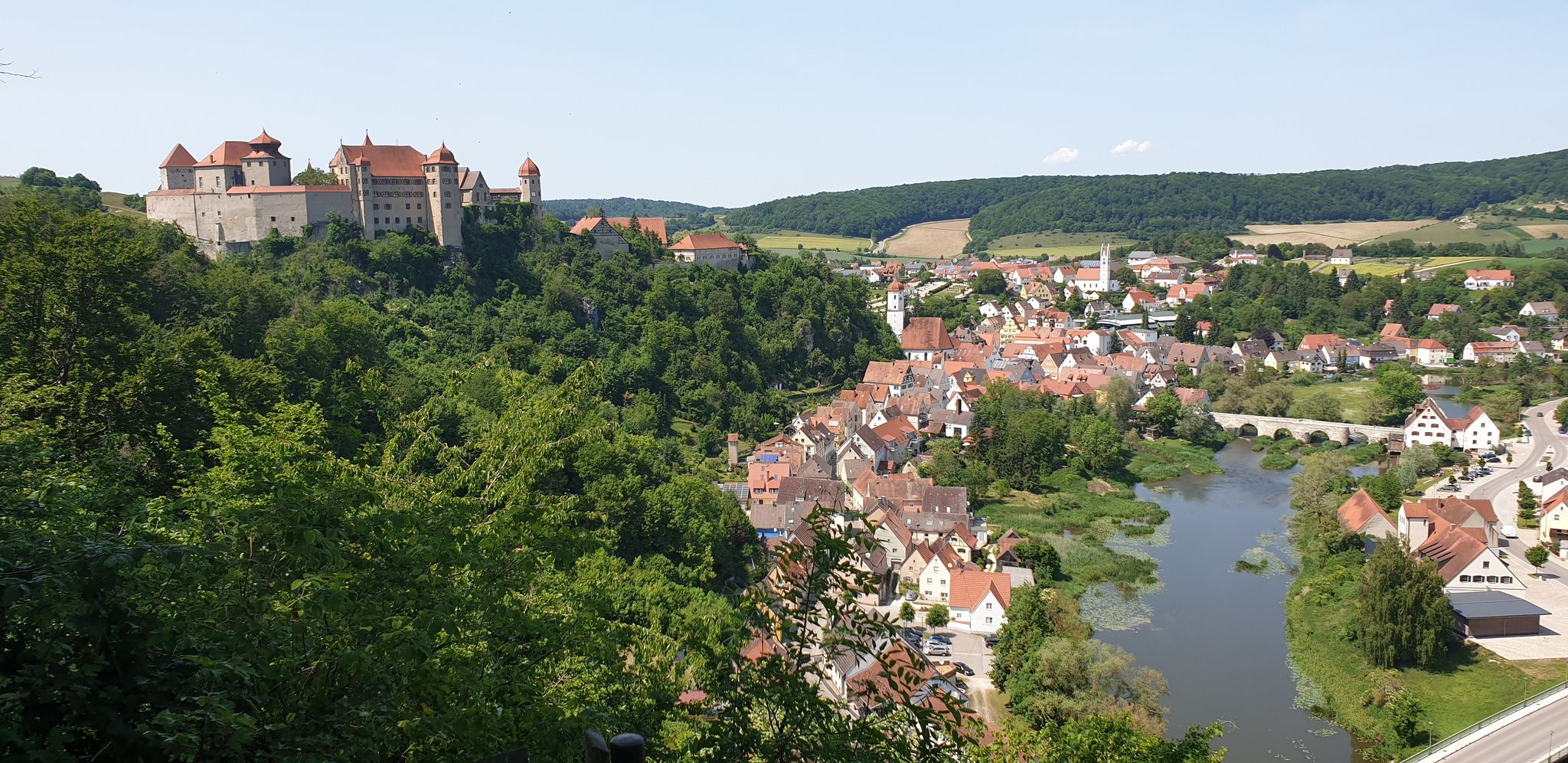
The Romantic Road – To the Pearls of Southern Germany
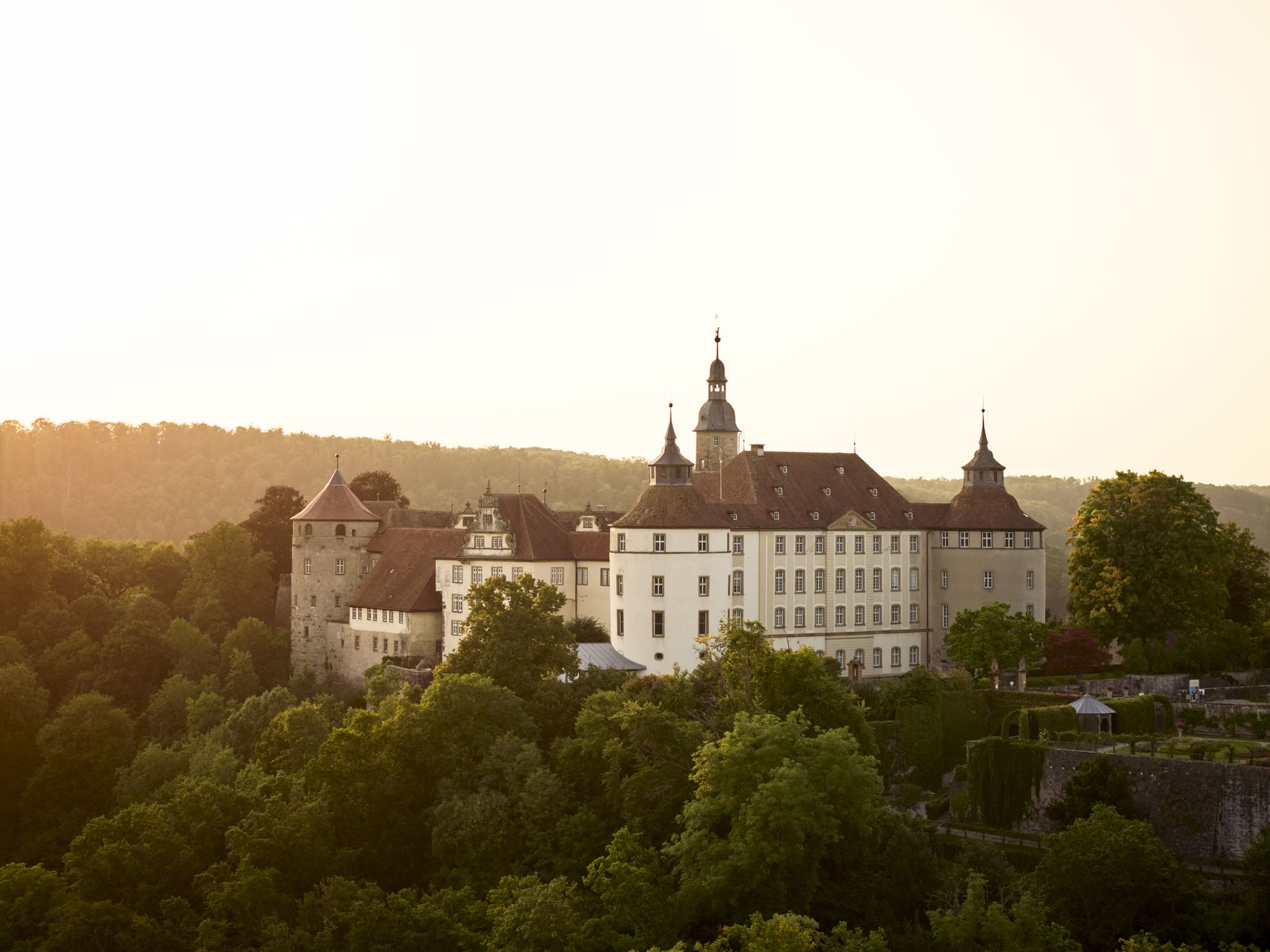
Where castles reign and palaces shine – cycling in the Süden ganz oben
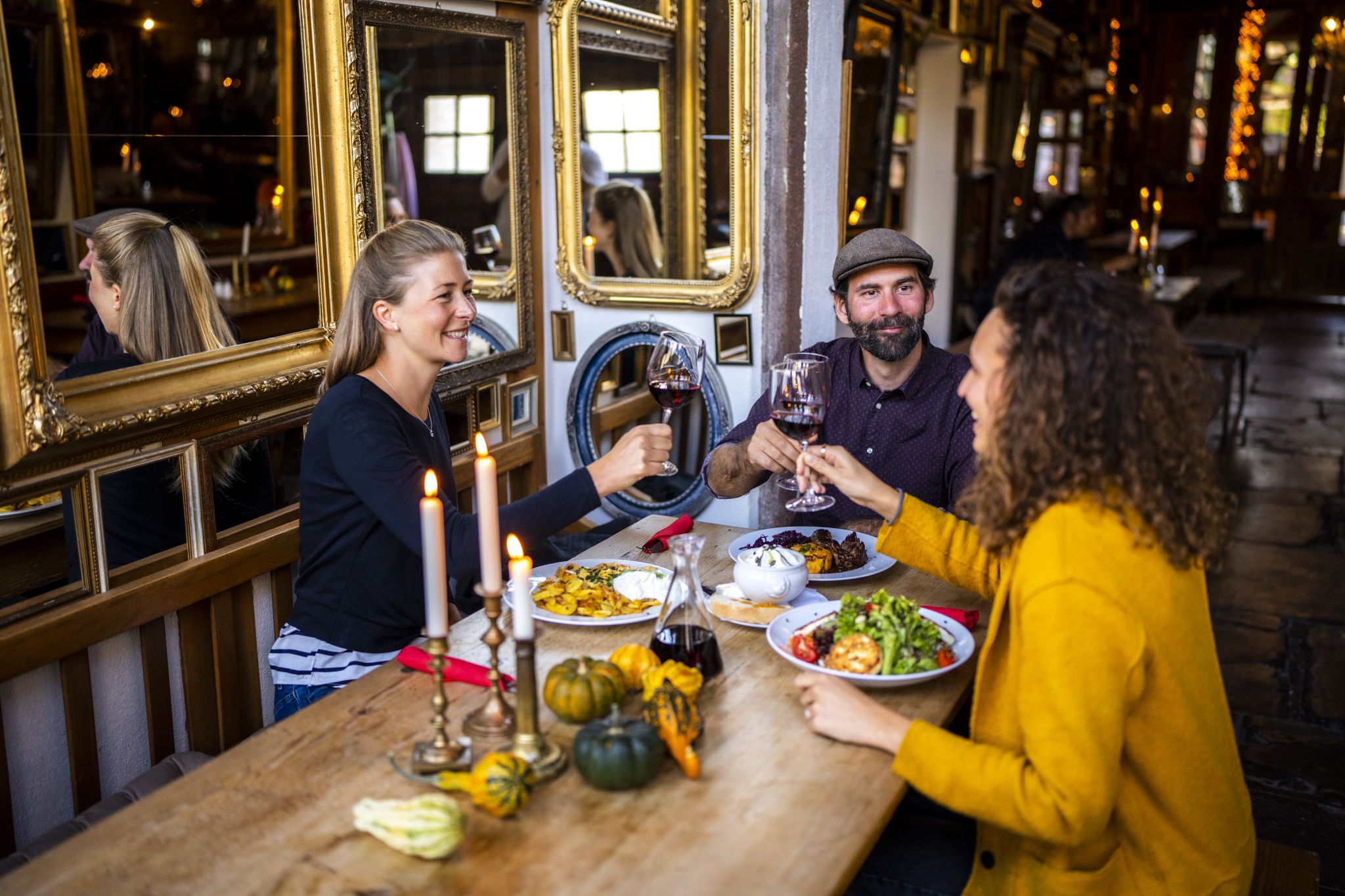
Hikes to seasonal taverns along the Baden Wine Route in Germany
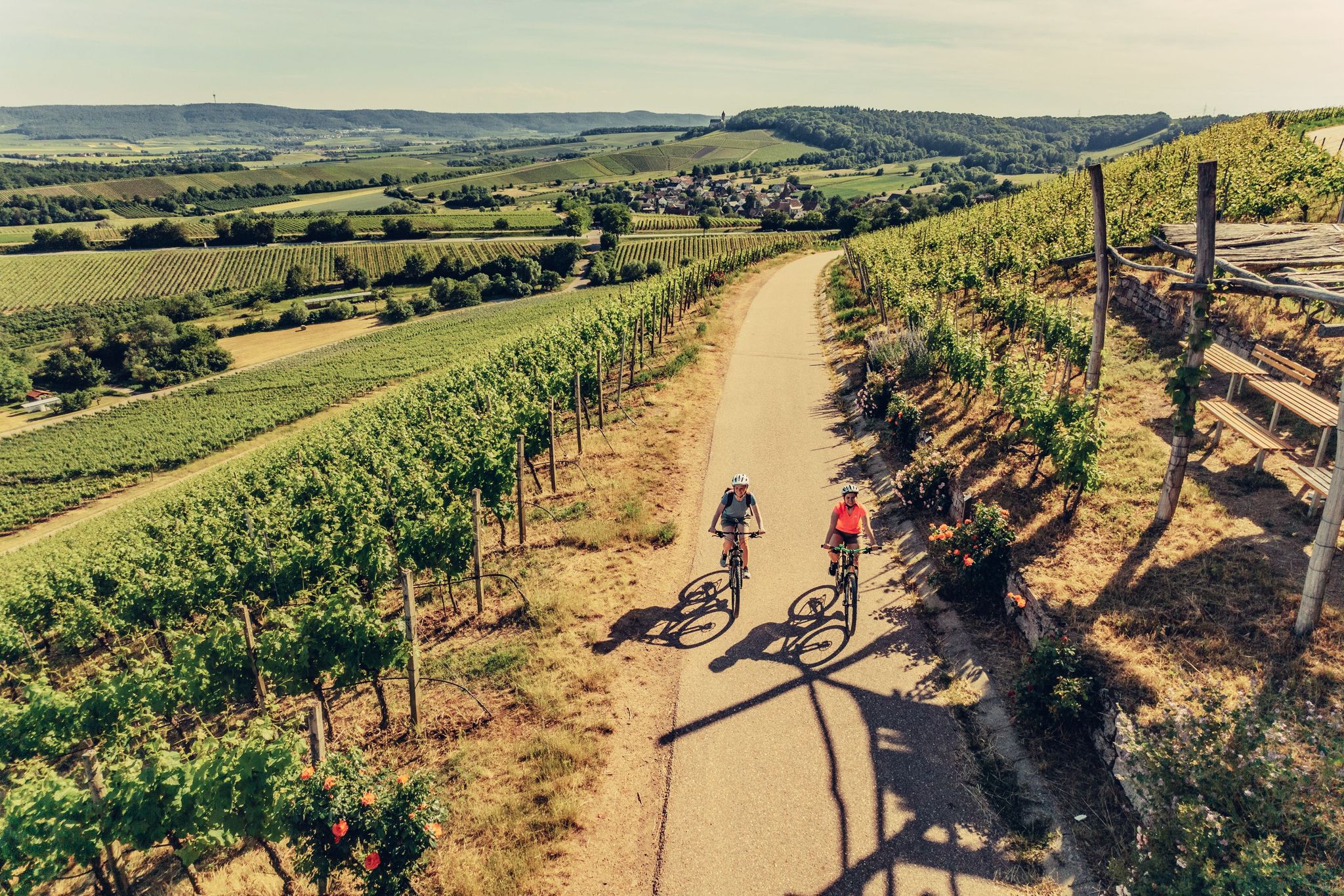
E-bike day Tours along the Tauber, Kocher, Jagst and Neckar rivers
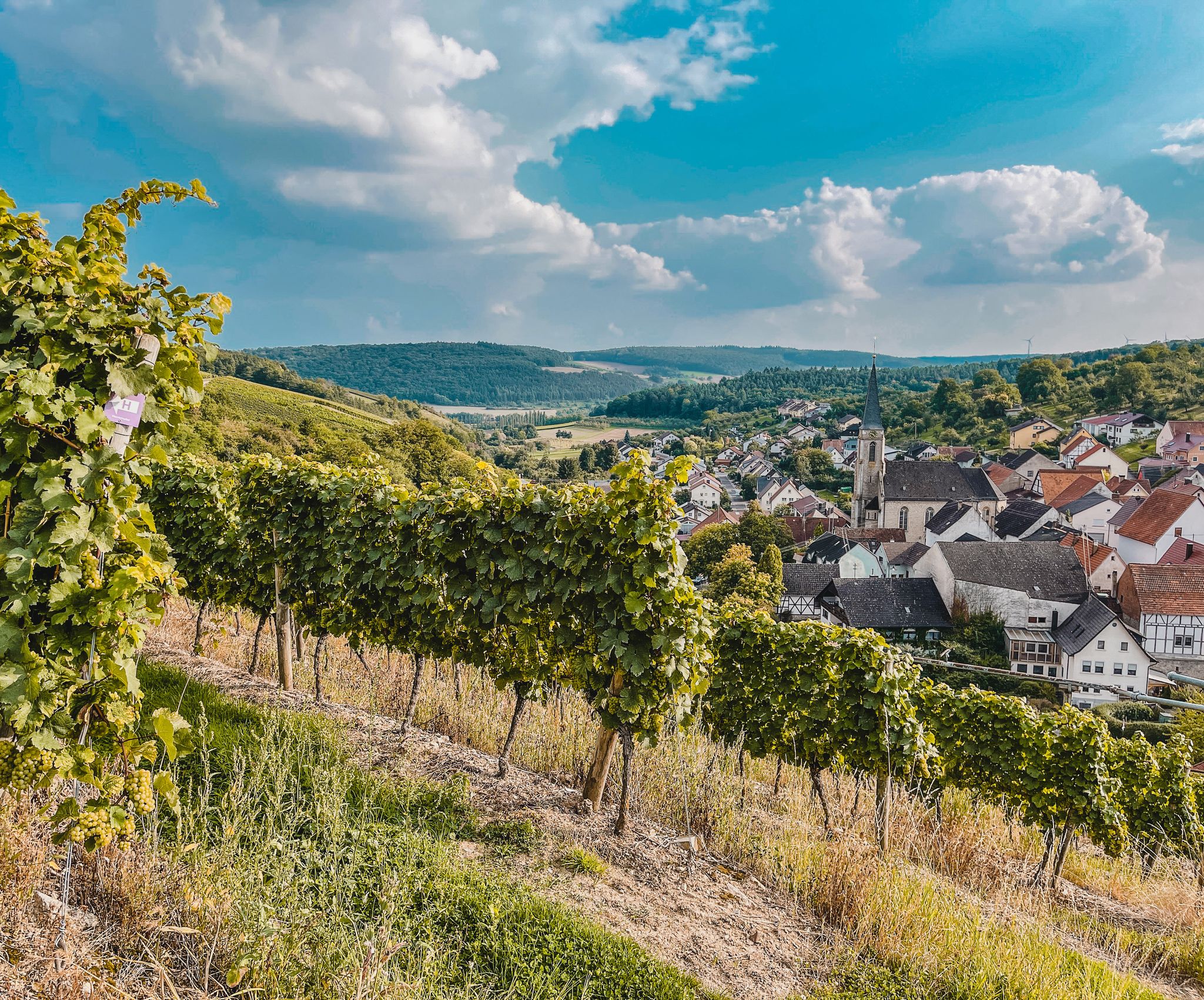
Vineyards and meadows — cycling with wine in the Tauber Valley
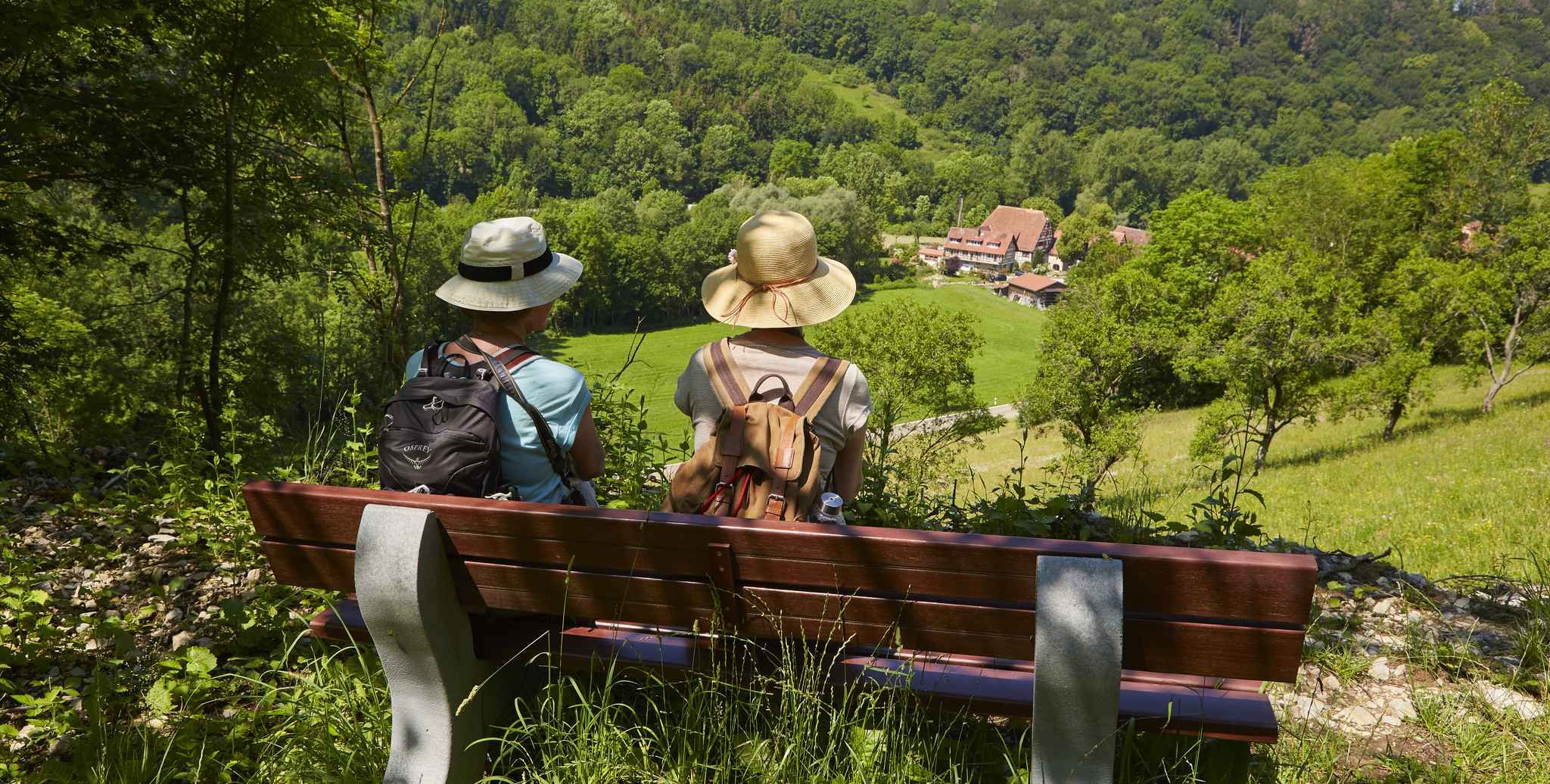
Gentle hills & wide forests – day Tours in the Lovely Tauber Valley
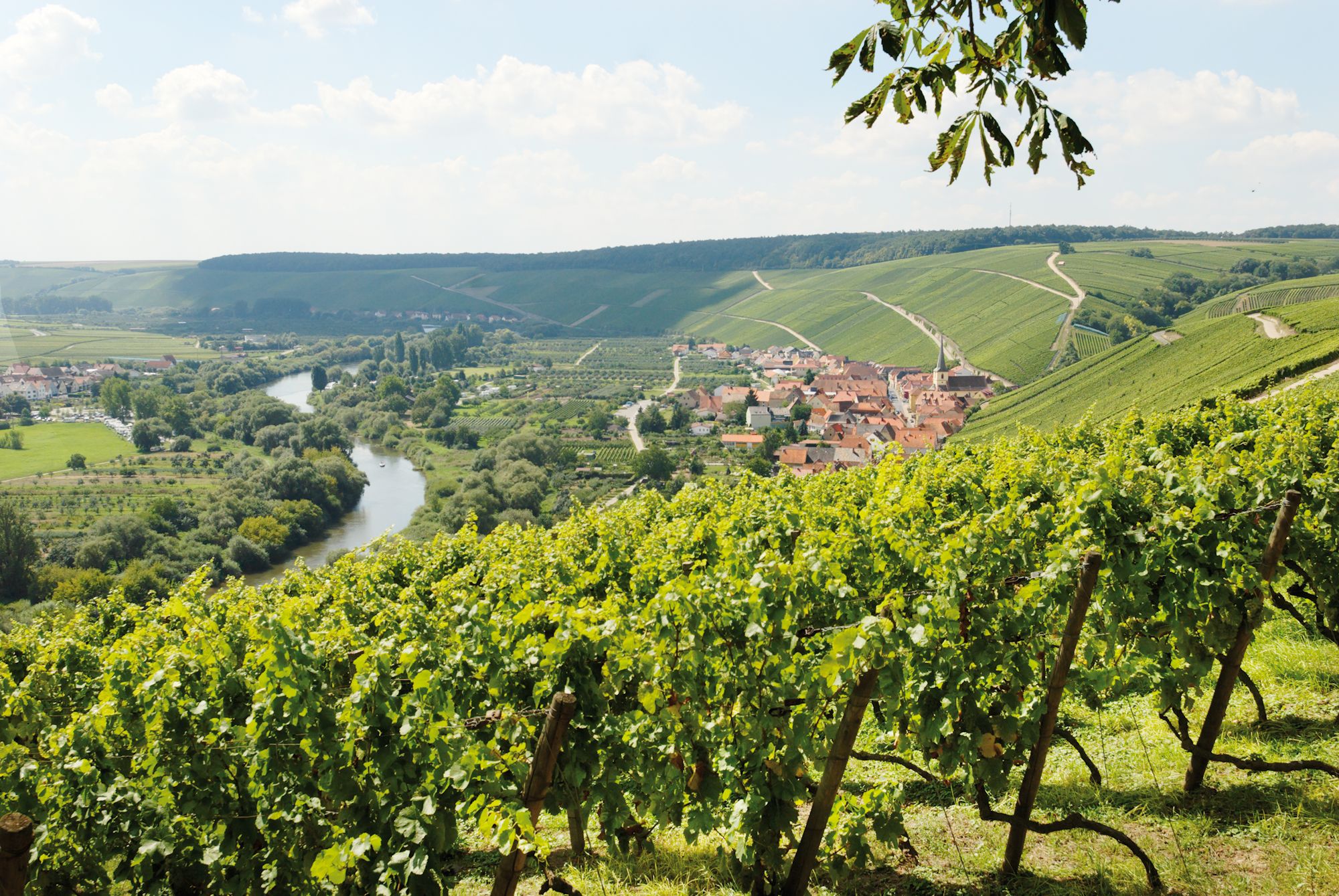
Discovering Germany’s wine region by bike – Franconia
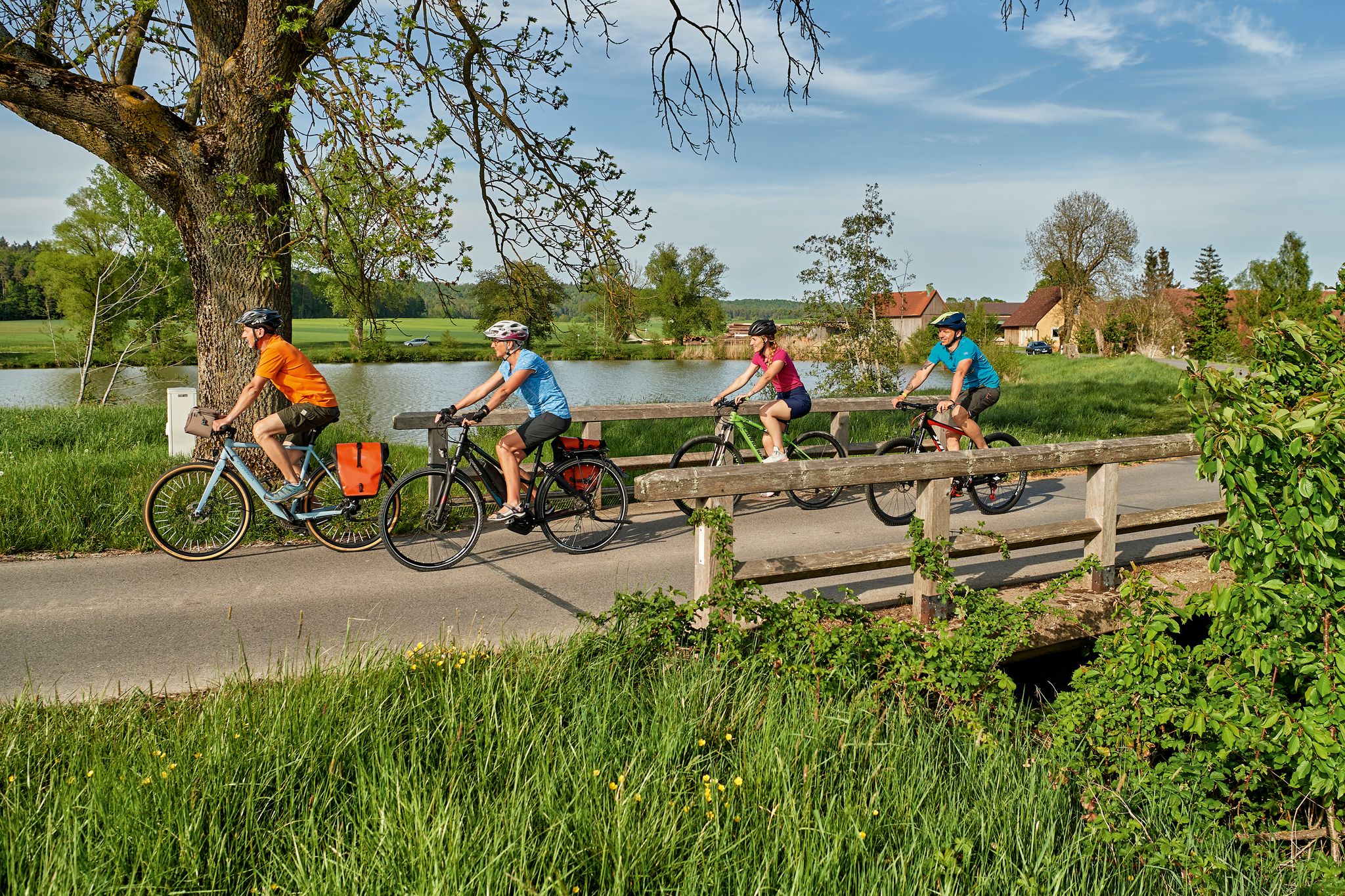
The Tauber Altmühl cycle path - cycling along two picturesque rivers
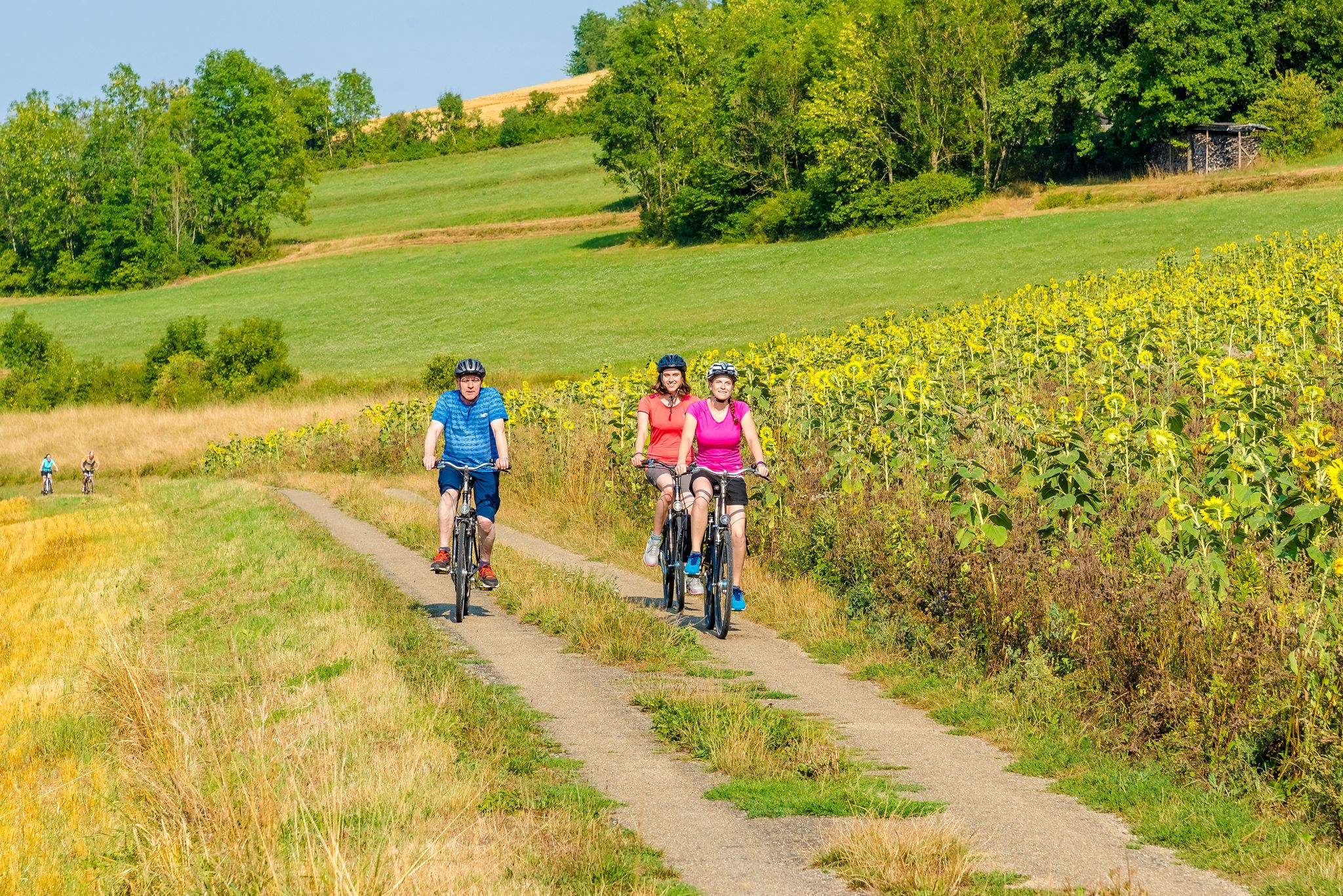
Cycling through the Tauber Valley – Germany’s prettiest countryside
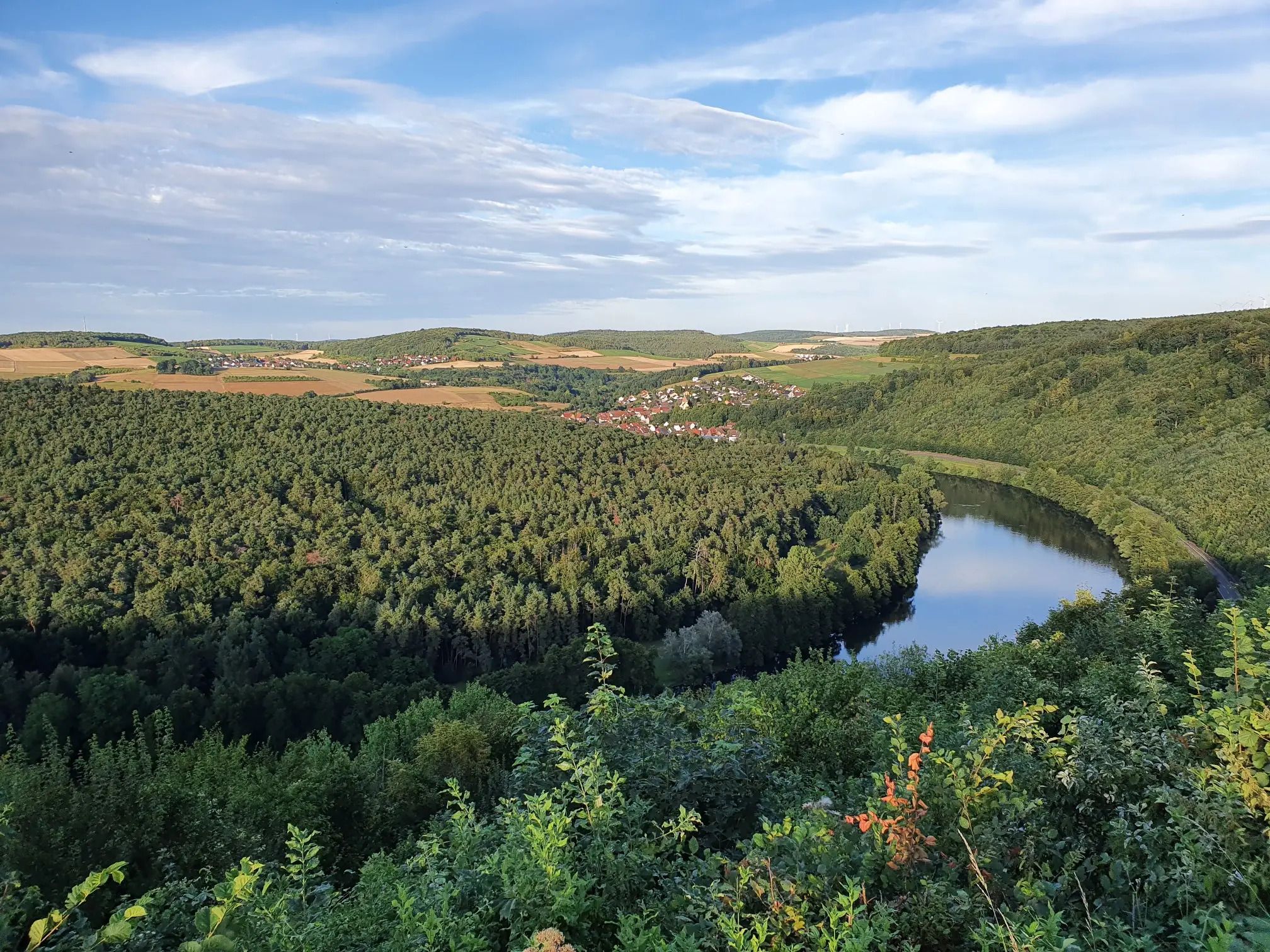
Jakobswanderweg Odenwald-Main-Taubertal
Other adventures around Bad Mergentheim


Tips from the Community

A little tip for hiking groups visiting the grotto: The path in front of the grotto is designed with a kind of staircase. It's a great spot for a group photo. The background is incredibly beautiful.
0
0
The grotto complex is a beautiful sight. It's definitely a must-see. Even a rest here on hot days is very pleasant and relaxing.
0
0

Spiritual places: Places of reflection and inner peace. Cultural treasures: Impressive architecture and often beautiful works of art.
0
0
Different landscapes offer new impressions, colors and shapes that stimulate our creativity and imagination.
0
0
The existing bench makes it possible to take a lunch break there even on hot days.
0
0

The springs formed the basis for Bad Mergentheim as a spa town and international health resort. The decisive event was the discovery of salty water by a shepherd and his sheep in 1826.
0
0
Three of the four springs, Albertquelle, Karlsquelle and Wilhelmsquelle, are drinking springs based on their mineral composition, whereas the Paulsquelle, which is unsuitable for drinking, is a bathing spring.
0
0

The Lourdes Grotto in Zaisenhausen is the largest grotto complex in southern Germany. In 893, the teacher Vogele, who was a teacher in Zaisenhausen from 1883 to 1890, built the Lourdes grotto made of tuff stone as a thank you for the fact that the water supply in Zaisenhausen did not collapse during a long period of drought.
1
0
Frequently Asked Questions
What unique natural monuments can I explore in Bad Mergentheim?
Beyond the well-known spa attractions, Bad Mergentheim offers unique natural monuments like the Hollow Oak Shrine, a centuries-old pedunculate oak with a decorated Madonna figure inside its hollow trunk. Another distinctive site is the Lourdes Grotto, Zaisenhausen, which is the largest grotto complex in southern Germany, built from tuff stone.
Are there natural monuments in Bad Mergentheim suitable for families?
Yes, several natural monuments are family-friendly. The Rose and Japanese Gardens in the Kurpark offer serene environments for all ages. The Hollow Oak Shrine and the Lourdes Grotto, Zaisenhausen are also noted as family-friendly, providing interesting sites for children and adults alike.
What kind of natural features can I expect to see among Bad Mergentheim's natural monuments?
The region is rich in diverse natural features. You can experience the therapeutic thermal springs, such as the Karl's Spring and Wilhelmsquelle, which are drinking sources. There are also ancient trees like the Hollow Oak Shrine, landscaped gardens within the Kurpark, and geological formations, including shell limestone outcrops, that highlight the region's natural heritage.
What outdoor activities can I do near the natural monuments in Bad Mergentheim?
The area around Bad Mergentheim is excellent for various outdoor activities. You can find numerous routes for cycling, including touring bicycle and road cycling, as well as jogging trails. For detailed routes and guides, explore options like Cycling around Bad Mergentheim, Running Trails around Bad Mergentheim, and Road Cycling Routes around Bad Mergentheim.
Are there accessible natural monuments in Bad Mergentheim for visitors with mobility needs?
Yes, some natural monuments are noted for their accessibility. The Rose and Japanese Gardens in the Kurpark and the Wilhelmsquelle are categorized as wheelchair accessible, offering pleasant experiences for visitors with mobility needs.
What is the best time to visit the natural monuments in Bad Mergentheim?
Bad Mergentheim's natural monuments can be enjoyed throughout the year. The Kurpark's gardens, such as the Rose and Japanese Gardens, are particularly vibrant in spring and summer with blooming flowers, and offer beautiful colors in autumn. The thermal springs are a year-round attraction for relaxation and wellness.
Where can I find parking near the natural monuments in Bad Mergentheim?
While specific parking details for every individual natural monument are not always listed, Bad Mergentheim, as a spa town, generally offers various parking options, especially near central attractions like the Kurpark and Solymar Therme. It is advisable to check local signage or municipal websites for the most convenient parking for your chosen destination.
Can I reach the natural monuments in Bad Mergentheim using public transport?
Bad Mergentheim has a local public transport network. Many of the more central natural monuments, such as the Kurpark and its gardens, are easily accessible within the town. For monuments further afield, like the Lourdes Grotto or the Hollow Oak Shrine, local bus services or a short drive might be necessary. Checking local bus schedules is recommended.
What do visitors enjoy most about the natural monuments in Bad Mergentheim?
Visitors frequently appreciate the serene beauty and well-maintained nature of the sites. For instance, the Rose and Japanese Gardens are praised for being beautifully laid out and well-cared for. The Hollow Oak Shrine is often described as a lovingly and spiritually built place, inviting visitors to linger and reflect.
Are there any historical natural monuments in Bad Mergentheim?
Yes, the region combines natural beauty with historical significance. The healing thermal springs, including Karl's Spring and Wilhelmsquelle, have a rich history dating back to their discovery in the 19th century, forming the basis of Bad Mergentheim's spa town status. The Lourdes Grotto, Zaisenhausen, built in 1893, also holds historical context related to its construction.
Can I bring my dog to the natural monuments in Bad Mergentheim?
While many outdoor areas in Bad Mergentheim are dog-friendly, specific rules may apply to certain natural monuments or enclosed gardens. Generally, dogs on a leash are welcome in public parks and on trails. It's always best to check for specific signage at each location, especially in sensitive areas like the Kurpark's themed gardens or wildlife zones.
Most popular routes around Bad Mergentheim
Most popular attractions around Bad Mergentheim

Get inspired with the komoot mobile app


Explore more
Extend your search for the best caves by checking out these guides of the top ones around Bad Mergentheim:
