Top 20 Castles around Güttingen
Castles around Güttingen are situated in the Swiss canton of Thurgau, offering a blend of historical sites and natural beauty along Lake Constance. The region features remnants of medieval structures and castles that have evolved into modern residences. These sites provide insights into the area's long history, from early settlements to aristocratic lifestyles. Exploring these landmarks allows visitors to experience the cultural heritage of Güttingen.
Best castles around Güttingen
- The most popular castles is Meersburg State Winery and Castle Park…
Last updated: September 26, 2026
Meersburg State Winery
Highlight • Historical Site
Translated by Google •
Tip by

Meersburg Lower Town Gate
Highlight • Monument
Translated by Google •
Tip by
Sign up now to discover places like this
Get recommendations on the best single tracks, peaks, & plenty of other exciting outdoor places.
Meersburg State Winery and Castle Park
Highlight • Historical Site
STATE SEGUTUT MEERSBURG
Seminar Street 6
D-88709 Meersburg …
Translated by Google •
Tip by

Hersberg Castle
Highlight • Castle
de.wikipedia.org/wiki/Schloss_Hersberg
Translated by Google •
Tip by

Hagenwil Moated Castle
Highlight • Castle
Since 1806 it has been owned by the Angehm family, who …
Translated by Google •
Tip by

Sign up for free to discover even more castles around Güttingen.
Already have an account?
Start today with a free account
Your next adventure awaits.
Tips from the Community

There is documented evidence of winegrowing in Meersburg since 1324. The historic buildings from the early 18th century and the vineyards were owned by the Prince-Bishops of Constance until 1802/1803. During secularization, the winery fell to the Grand Duchy of Baden and became the first wine-growing domain in Germany as the Grand Ducal Baden Domain Winery. After the First World War, in 1919, it was renamed Meersburg State Winery. As the legal successor to the state of Baden, the state winery now belongs to the state of Baden-Württemberg. Text: Wikipedia
4
0


Impressive building on the vineyard
4
1

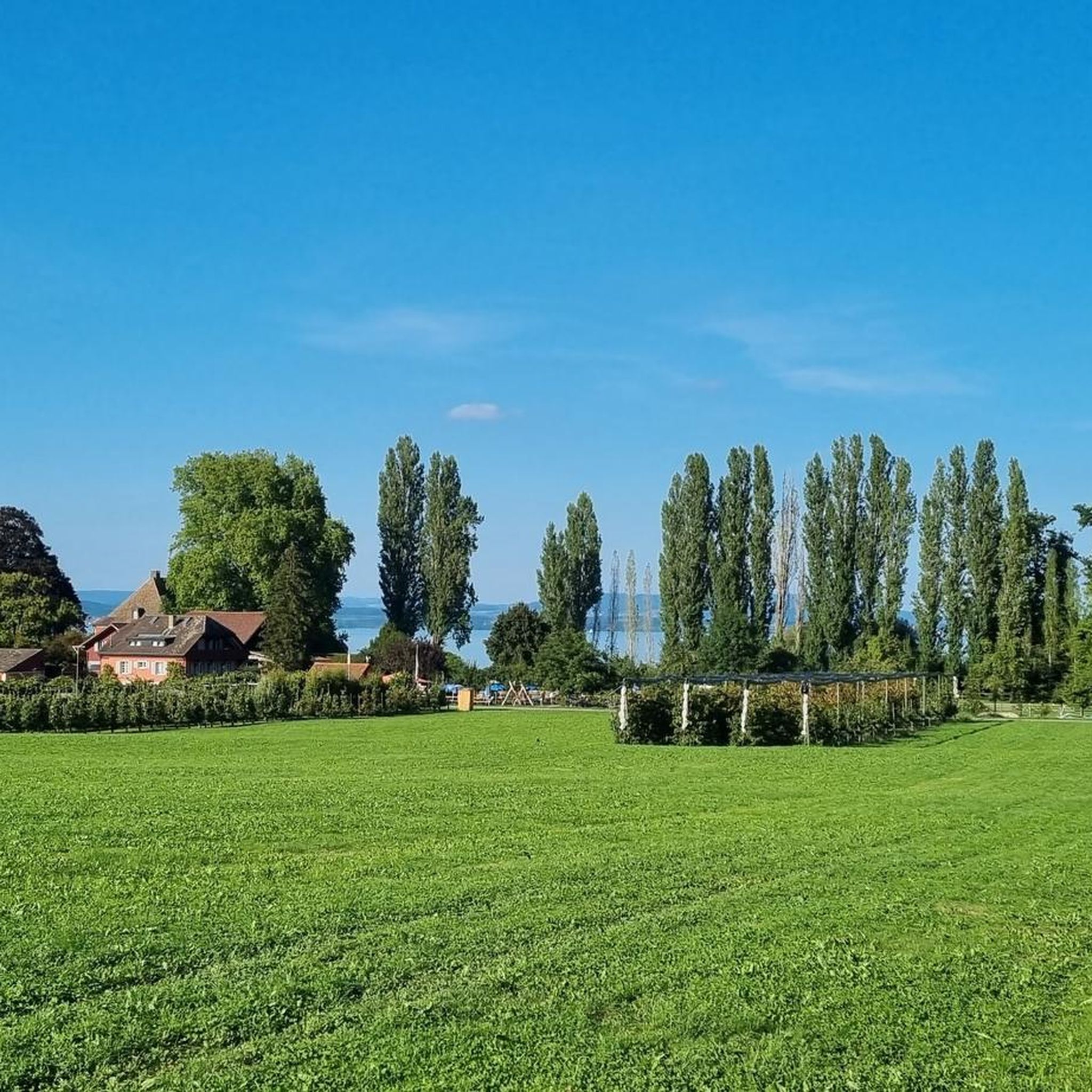
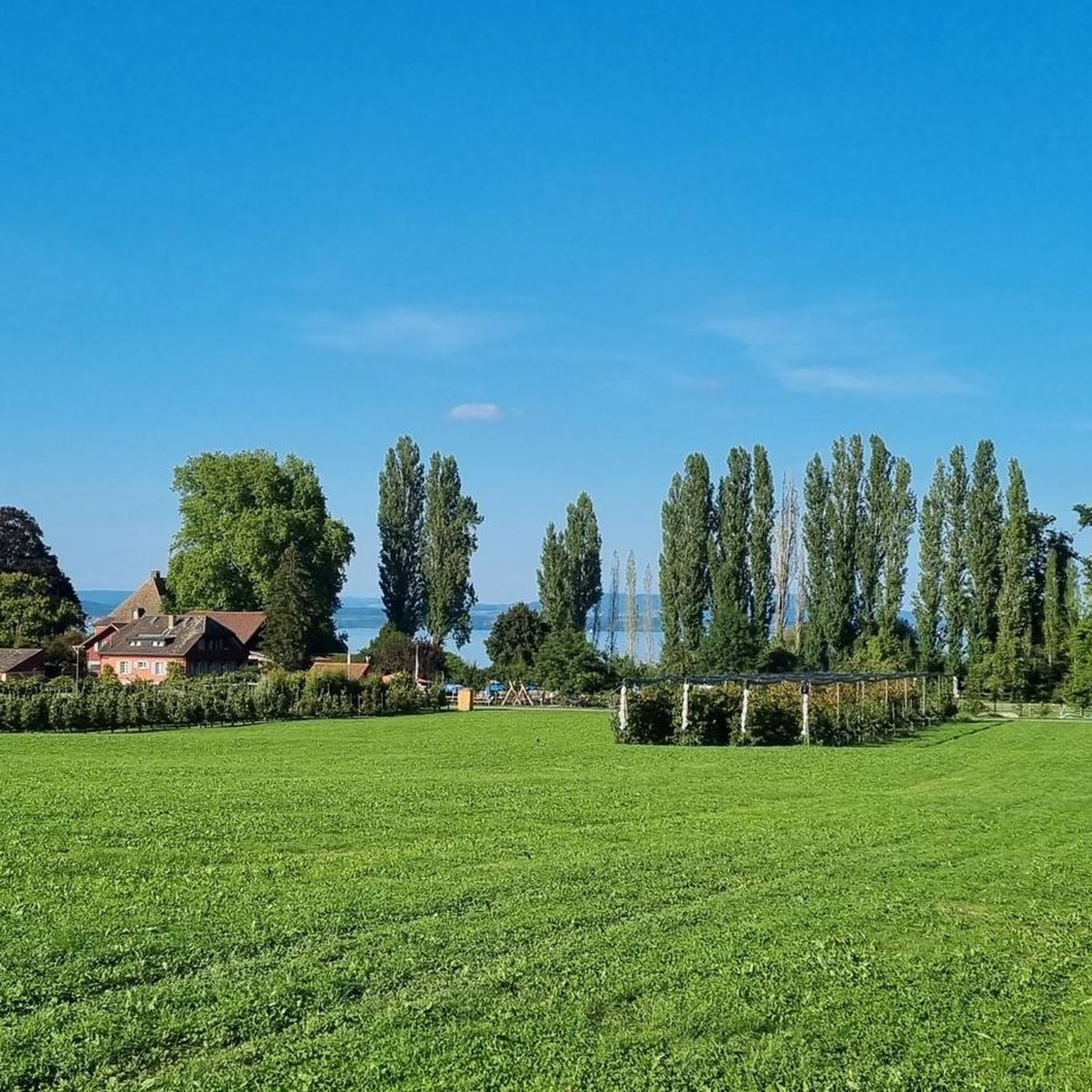
The Meersburg State Winery towers above vineyards.
5
1


The name Hersberg is probably derived from the Old High German root word hari/heri for mountain range.[1] The first unsecured written reference is a mention of the brothers Berctoldus and Heinricus von Herisberg in 1276. What is certain is that in 1466 the Hersberg was in the fief of the Überlingen citizen and later Fürstenberg vassal Konrad Rudolf von Härsberg. In 1621 the Benedictines of the Ochsenhausen monastery bought the Hersberg from Härsberg's descendants. After secularization, the monastic property passed to Prince Franz Georg Karl von Metternich in 1803, father of the Austrian State Minister Prince von Metternich. Hersberg was then bought by the House of Württemberg[2] in 1806 and by Prince Konstantin zu Salm-Reifferscheidt in 1838. In an exchange with Waggershausen near Friedrichshafen, the Württemberg exclave of Herrschberg - the name of the territory around Hersberg Castle - became Baden in 1846. Franz zu Salm-Reifferscheidt-Dyck, the descendant of Constantine, sold the castle property on February 7, 1929 to the Pallottines (“Society of the Catholic Apostolate”), who ran the “St. Josef-Hersberg” maintained school operations.[3] In 1994 it was reopened as the Pallottine Spiritual House (Wikipedia).
8
1

Hagenwil is a well-preserved, well-maintained moated castle and a worthy representative of the olden days
3
0

The Meersburg State Winery combines all of this, with wine lovers and gourmets getting their money's worth. Over 800 years of tradition are embedded in the walls and vineyards of the winery. The imposing wine cellar with a view of the lake was built in the former moat. The large wooden barrels in which the wine can mature are still stored there today.
7
0
Frequently Asked Questions
What are some of the most historically significant castles around Güttingen?
The region around Güttingen boasts several sites with rich histories. While some, like Meersburg State Winery and Castle Park, are known for their vineyards and historical significance, others offer unique insights. For instance, the Hagenwil Moated Castle is almost 800 years old and has been owned by the Angehm family since 1806. Additionally, the submerged remains of the Mäuseturm offer a unique archaeological perspective, with artifacts dating back to the Bronze Age and Roman period, alongside local legends.
Are there any castles near Güttingen that have been transformed over time?
Yes, both Schloss Güttingen and Schloss Moosburg illustrate significant transformations. Schloss Güttingen, originally a 13th-century moated castle, was demolished and rebuilt as an 18th-century residence. Similarly, Schloss Moosburg, a 12th-century moated castle, was replaced by a neoclassical villa in the 19th century, using stones from the original structure. These sites reflect the changing architectural styles and aristocratic lifestyles of the region.
What outdoor activities can I do near the castles around Güttingen?
The area around Güttingen offers various outdoor activities. You can find numerous cycling routes, such as the easy 'Lake Promenade in Uttwil – Lake Constance Cycle Route loop from Güttingen' or the moderate 'Inseli Romanshorn – Lake Promenade in Uttwil loop from Kesswil'. For hiking enthusiasts, there are easy trails like the 'Altnau Pier – Grand Tour Photo Spot Lake Constance loop from Güttingen' and the 'Enchanted Path, Moosburg – Apple Orchard loop from Güttingen'. You can explore more options on the Cycling around Güttingen and Hiking around Güttingen guide pages.
Are there family-friendly castles or attractions in the Güttingen area?
Many of the historical sites around Güttingen are considered family-friendly. For example, Meersburg State Winery and Castle Park and Hagenwil Moated Castle are both categorized as family-friendly. The historical context and scenic surroundings provide an engaging experience for all ages. The nearby cycling and hiking routes also offer easy options suitable for families.
Can I find places to eat or drink near the castles?
Yes, some castles offer dining options. Hagenwil Moated Castle, for instance, has an excellent restaurant serving Thurgau delicacies. Additionally, the town of Meersburg, home to the Meersburg State Winery, has numerous bars and shops, particularly in its lower town, offering various culinary experiences.
What kind of views can I expect when visiting castles around Güttingen?
The castles and historical sites around Güttingen often provide stunning views, especially due to their proximity to Lake Constance. Meersburg State Winery and Castle Park offers beautiful vistas over Lake Constance and towards Switzerland. Similarly, Hersberg Castle provides a panoramic view from the adjacent bike path, making it a perfect photo opportunity.
What is unique about the Meersburg State Winery?
The Meersburg State Winery has a rich history of viticulture dating back to 1324. It was once owned by the Prince-Bishops of Constance and later became the first wine-growing domain in Germany. Today, it continues to produce wine from 63 hectares of vineyards, benefiting from the heat-storing effect of Lake Constance and unique volcanic soils. Visitors can enjoy wine tours and tastings.
Are there any castles that are privately owned and have limited public access?
Yes, both Schloss Güttingen and Schloss Moosburg are privately owned. While their historical significance is undeniable and they contribute to the local heritage, direct public access to their interiors might be limited. However, their exteriors and historical context can still be appreciated from public vantage points.
What do visitors enjoy most about the castles and historical sites in this region?
Visitors frequently appreciate the blend of historical depth and natural beauty. The scenic views over Lake Constance, the well-preserved historical structures like Hagenwil Moated Castle, and the unique archaeological insights offered by sites like the Mäuseturm are often highlighted. The opportunity to combine cultural exploration with outdoor activities like cycling and hiking also adds to the appeal.
Can I explore the historical fortifications in the area?
Beyond the castles themselves, you can explore remnants of historical fortifications. For example, the Meersburg Lower Town Gate is a preserved part of the city's western fortifications, offering a glimpse into its defensive past. While exploring, be aware that areas like Meersburg's lower town can be very crowded, especially on weekends.
Are there any educational facilities or unique uses for the castles today?
Yes, Hersberg Castle, which was once a representative monastery outpost, is now used as an educational facility for the Pallottine community. This transformation highlights the evolving roles of these historical buildings in the modern era.
What is the best time of year to visit the castles around Güttingen?
The region around Lake Constance is beautiful throughout much of the year. Spring and autumn offer pleasant temperatures for exploring the castles and engaging in outdoor activities like hiking and cycling. The vineyards, such as those at Meersburg State Winery, are particularly picturesque during these seasons. Summer is also popular, though some areas, like Meersburg's lower town, can be quite crowded.
Most popular routes around Güttingen
Most popular attractions around Güttingen

Get inspired with the komoot mobile app


Explore more
Looking for the best castles somewhere else? Discover other guides around Güttingen:
