Top 20 Natural Monuments around Falkenstein
Best natural monuments around Falkenstein feature diverse landscapes, including imposing rock formations, scenic mountain environments, and unique geological features. The region offers a variety of natural attractions, from dramatic sandstone peaks to granite formations. Visitors can explore areas with challenging gorges, winding rivers, and extensive forests. These natural sites provide opportunities to experience the area's geological history and ecological diversity.
Best natural monuments around Falkenstein
- The most popular natural monuments is Hölltal Rock Formations, a natural monument featuring interesting…
Last updated: May 26, 2026
Höllbachtal Trail
Highlight • Trail
Translated by Google •
Tip by

Höllbach Valley (Hölle) Nature Reserve
Highlight (Segment) • Gorge
Translated by Google •
Tip by
Sign up now to discover places like this
Get recommendations on the best single tracks, peaks, & plenty of other exciting outdoor places.
Sign up for free
Höllbach Stream and Boulder Landscape
Highlight • River
Translated by Google •
Tip by

Otterbach Valley
Highlight • Gorge
Lobenstein Castle Ruins
Highlight • Castle
Translated by Google •
Tip by

Sign up for free to discover even more natural monuments around Falkenstein.
Sign up for free
Already have an account?
Start today with a free account
Your next adventure awaits.
Login or Signup
Popular around Falkenstein
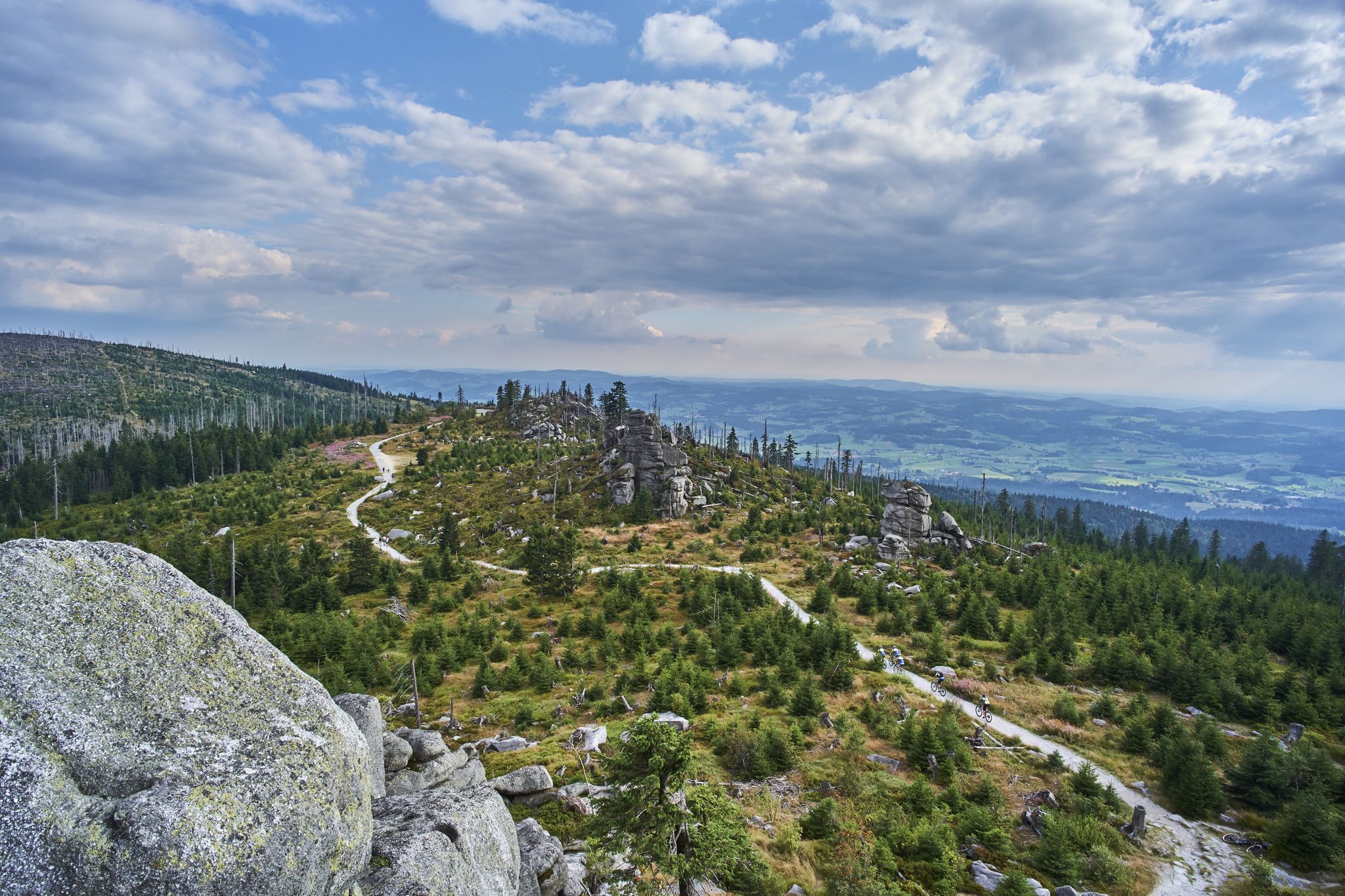
Trans Bayerwald – A mountain bike adventure through Bavaria's finest nature
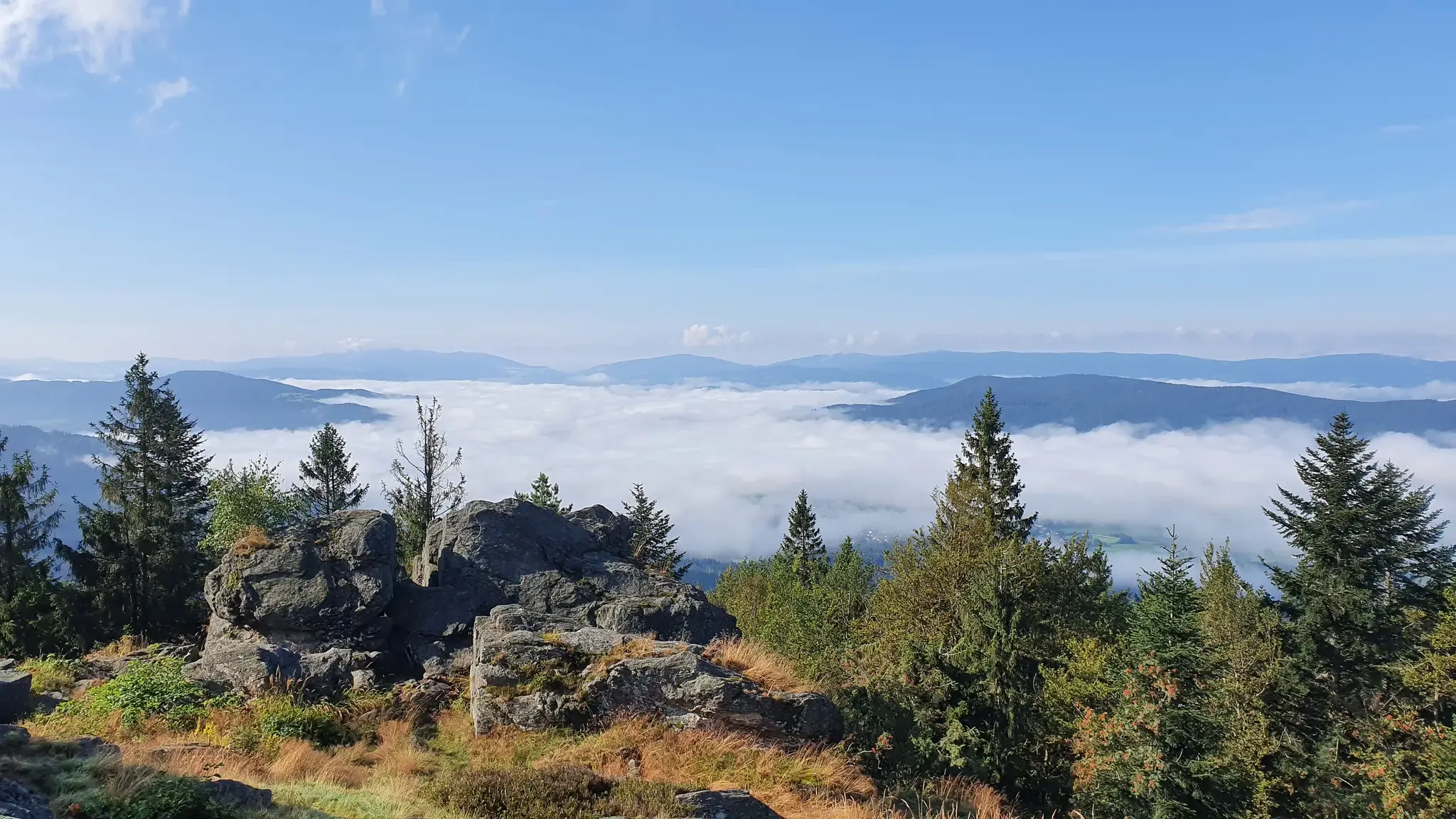
The Goldsteig – 38 stages between Upper Palatinate and Passau
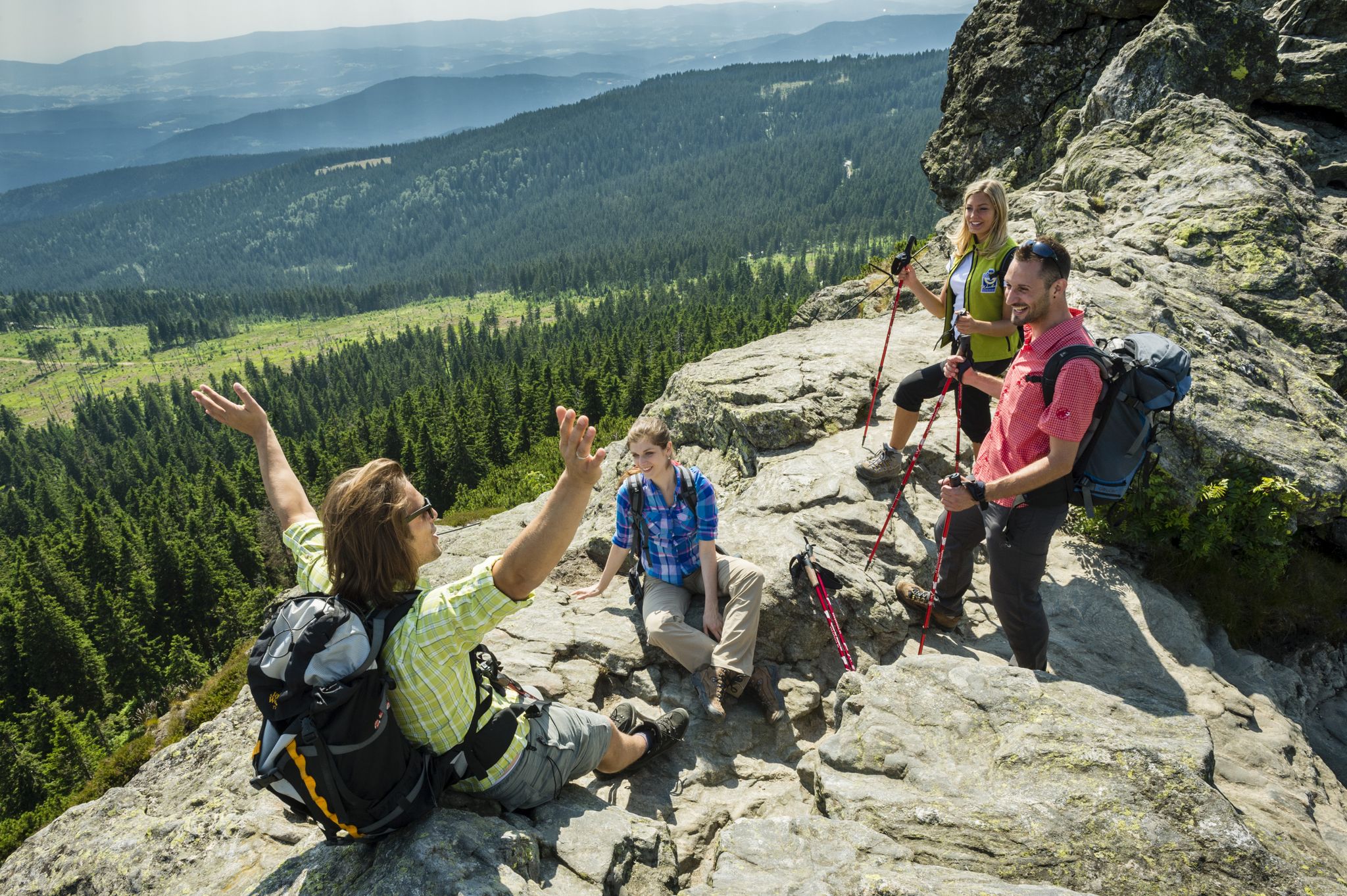
Goldsteig — The best routes for long distance hiking in Eastern Bavaria
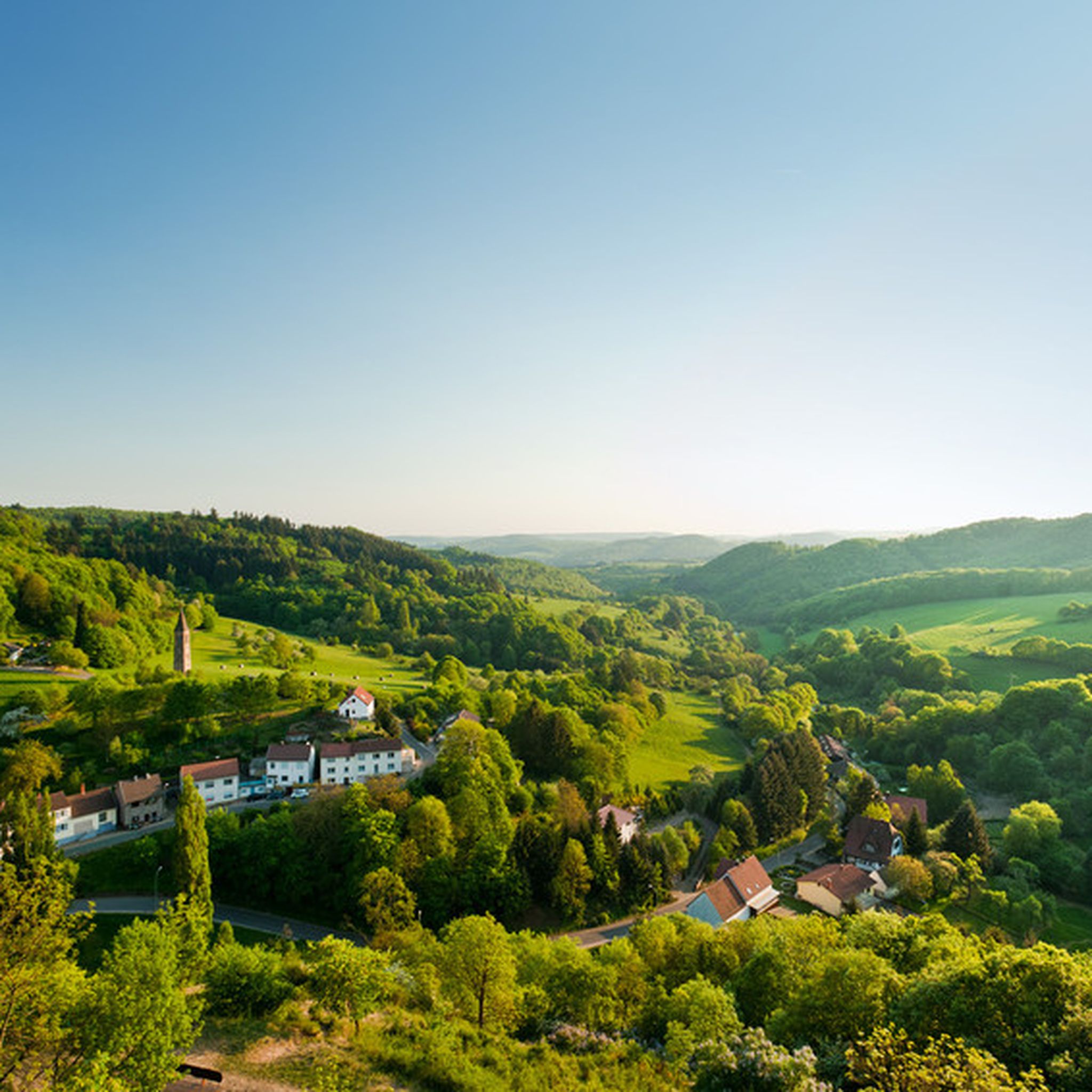
Hiking around Falkenstein
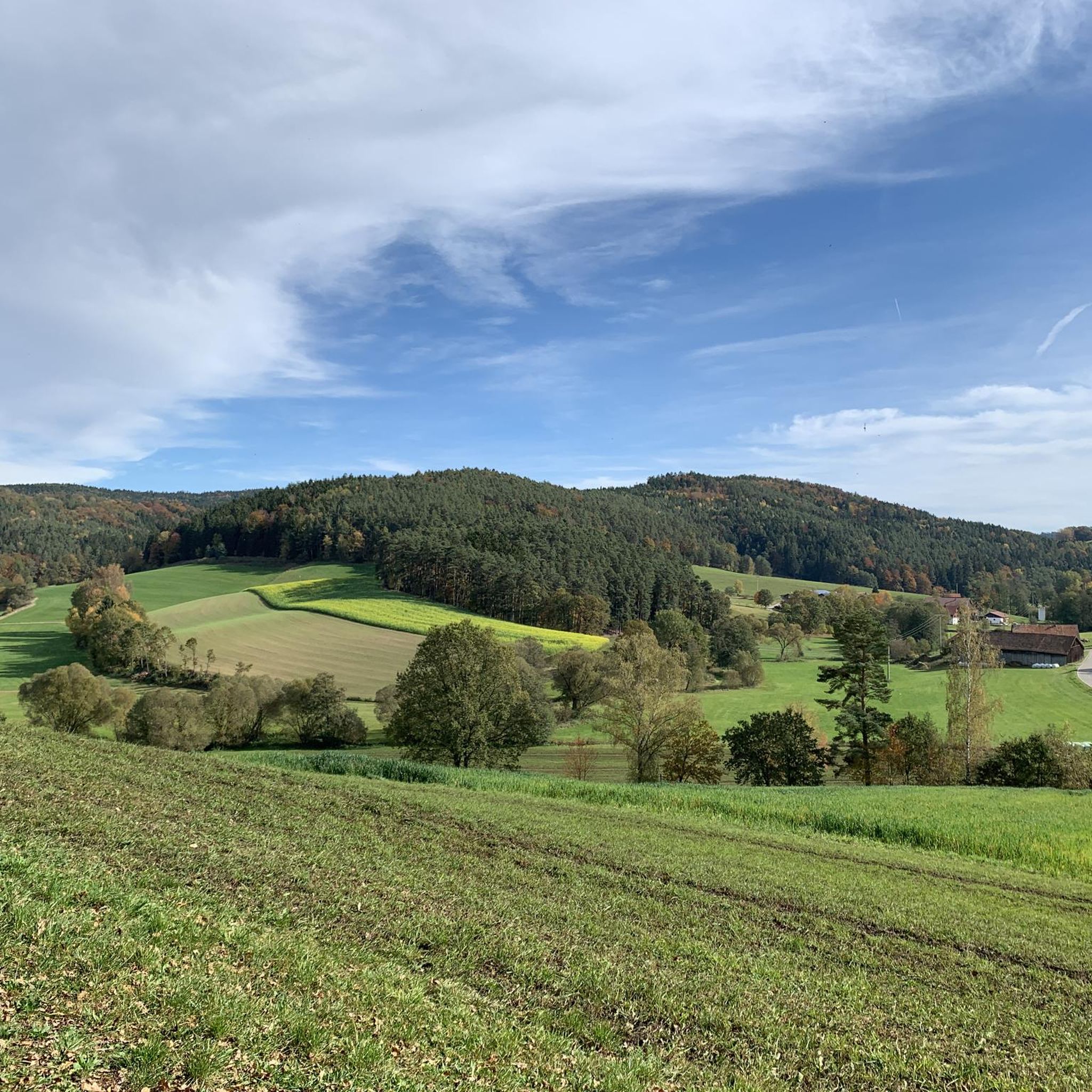
Cycling around Falkenstein
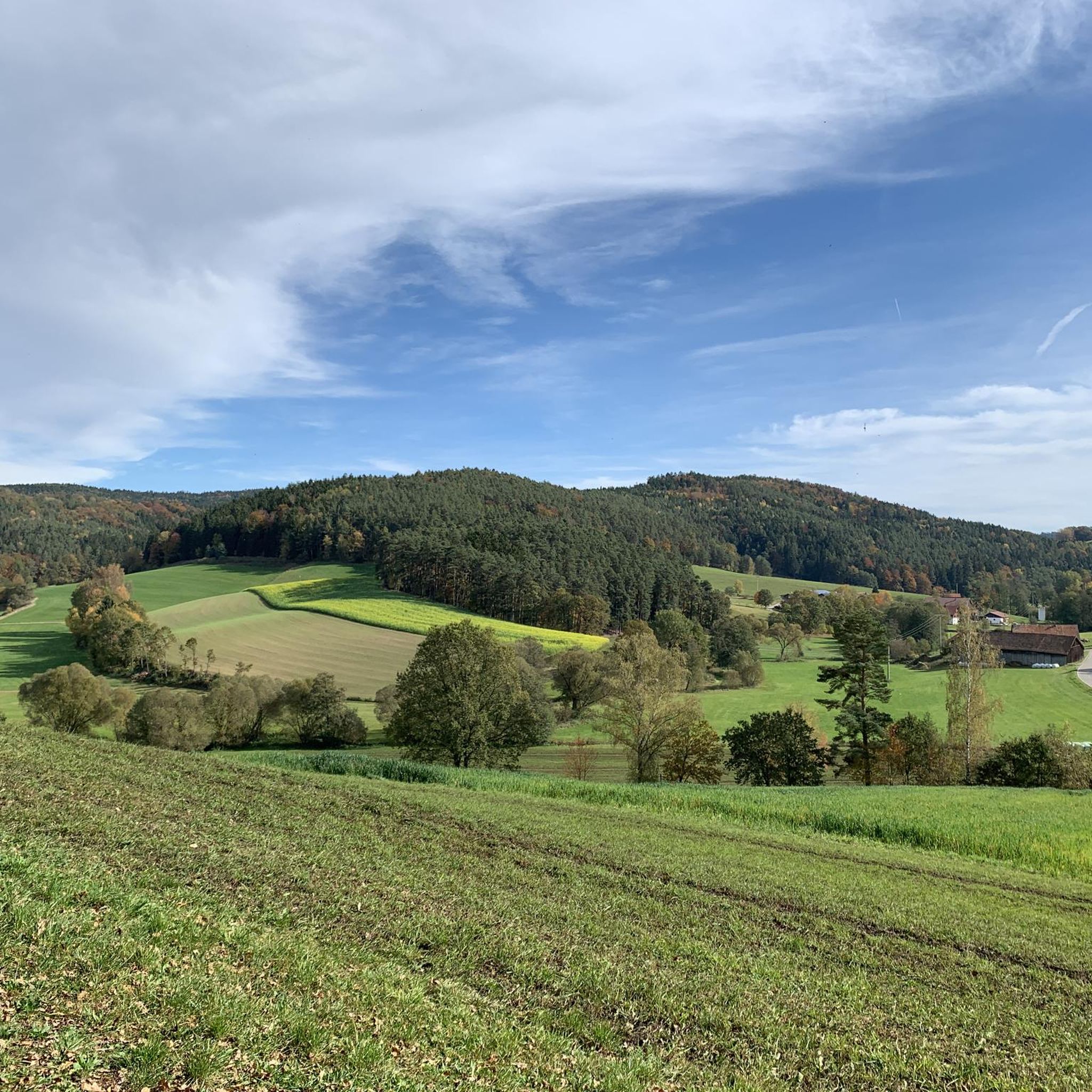
MTB Trails around Falkenstein
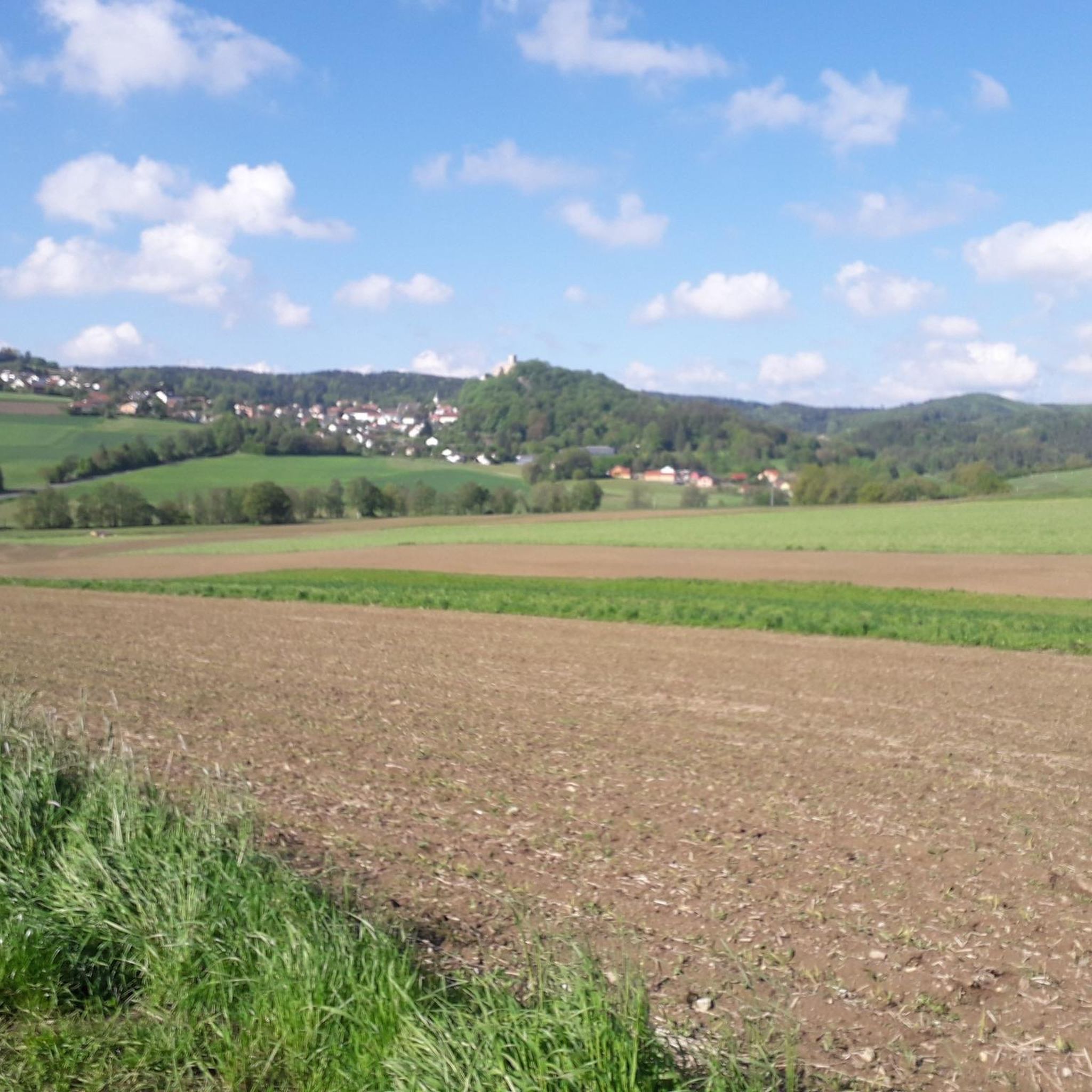
Running Trails around Falkenstein
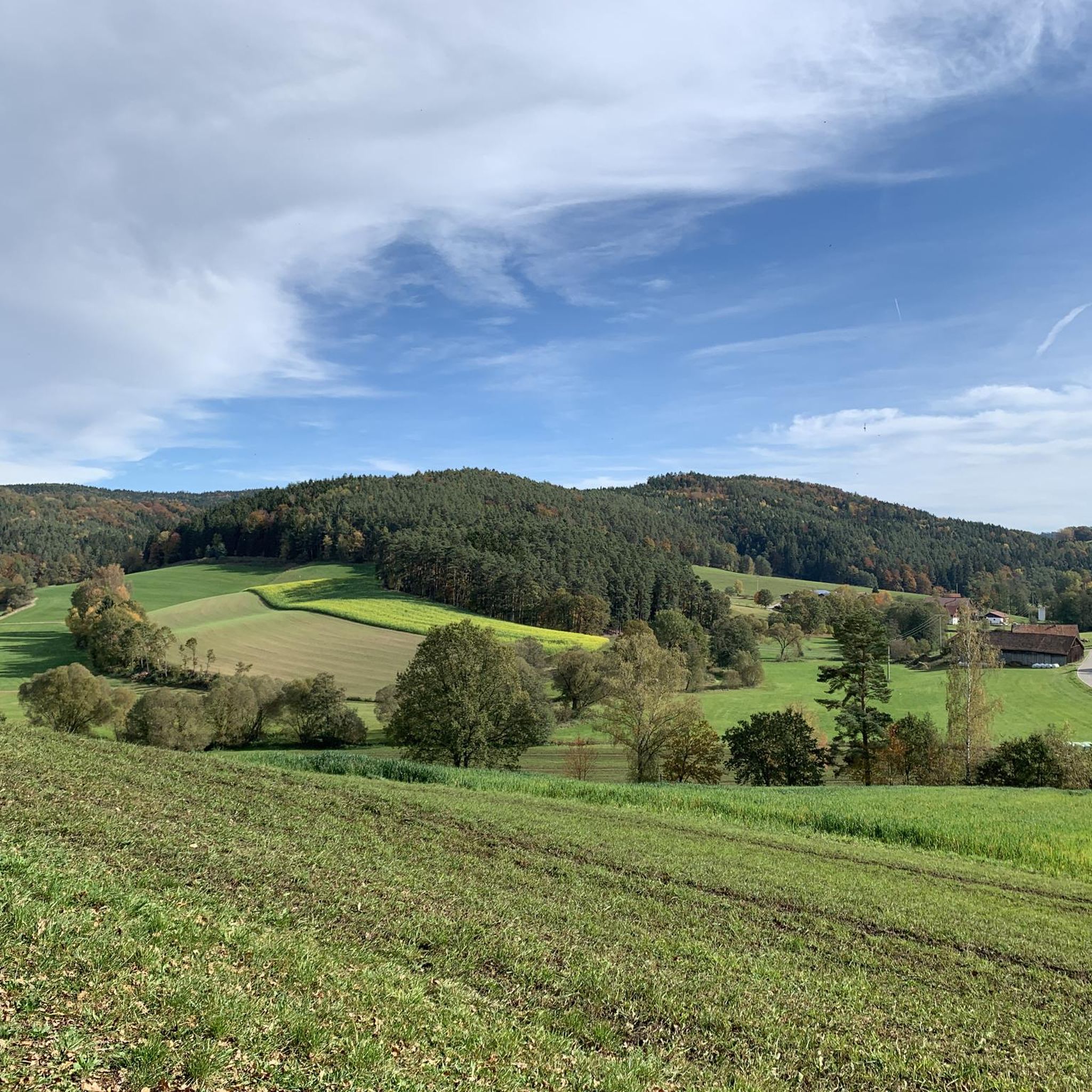
Road Cycling Routes around Falkenstein
Gravel biking around Falkenstein
Mountain Hikes around Falkenstein
Other adventures around Falkenstein


Tips from the Community

it's a dream here
0
1

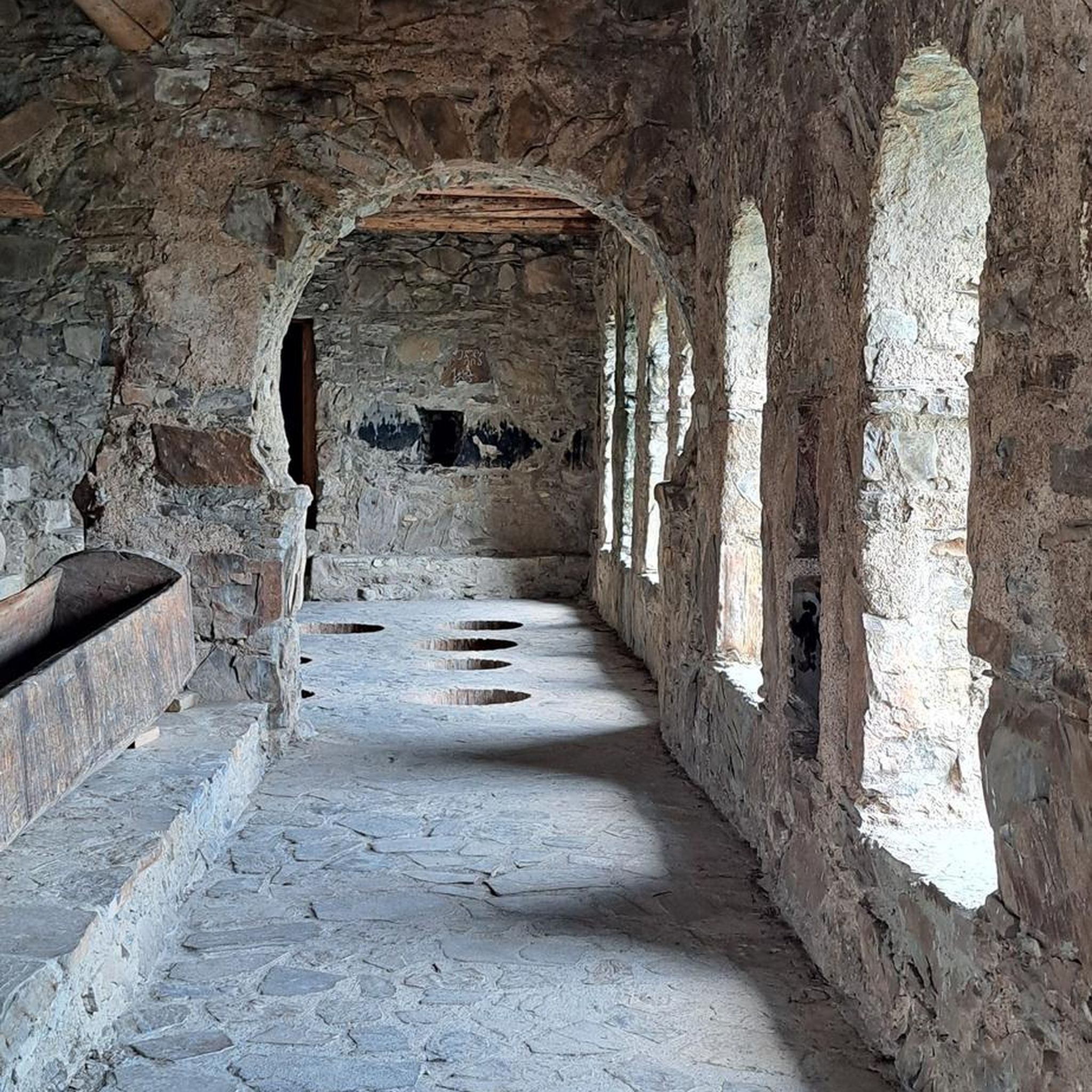
Lobenstein Castle Ruins Around 1150, Othmar and Rizman von Lobeneck appear in local documents as ministerials of the Margrave of Cham. It is uncertain whether the nobility was referring to the later Lobenstein Castle. We are on safe ground in 1340, when Eberhard von Hof buys an existing "purkstal near Zelle" from Eiban von Peilstein and receives permission from Emperor Ludwig the Bavarian to build there in return for the right to open it. From 1342, Eberhard calls himself Hofer von Lobenstein. He manages a Hofmark in Zell for Bavaria and appoints judges there. After the castle is destroyed by the Hussites at the beginning of the 15th century, the Hofers run into financial difficulties and become robber barons. In 1443, Duke Albrecht III of Bavaria occupied the castle because Degenhard Hofer had killed some of his subjects. Hans Hofer's part of the castle was taken away from him by Count Palatine Otto II in 1468 for similar crimes. From 1489, Dietrich Hofer was a member of the Löwler Knights' League, which opposed the Bavarian Duke. He conquered the castle and only returned it to Dietrich's son Wolf in 1507. In 1530, Lobenstein became part of the Palatinate, but after the damage it was probably never properly inhabited again. The Hofers remained the owners because nobody wanted to buy the ruins. The last Hofer to live in Lobenstein was Hans Georg, who had to leave his domain in 1629 because of his Protestant faith. The Bavarian-occupied Lobenstein Castle was probably finally destroyed by the Swedes in 1633. It has remained a ruin ever since. All that is left of Lobenstein Castle today is the residential tower, which seems to literally grow out of the stone of the granite rock tower. The slightly raised entrance was protected by a round wall tower on the southeast corner. Instead of simple beamed ceilings, barrel vaults were built on Lobenstein with plaster that is still clearly visible today. The residential tower has 3 floors and is 18 m high with a wall thickness of 2.5 m. The walls are built from rough rubble stone and the corners are made of ashlars. In the lower regions between these rocks, remains of walls can still be found that stand out clearly from the rest and could have come from the previous castle. In the basement there are a few narrow light slits, while the larger windows on the upper floors have comfortable seating niches. On the northwest corner of the second floor, the consoles of a toilet bay can still be seen. Source: Excerpts from www.burgenseite.de
3
0

Beautiful surroundings, quiet location and great rock formations
1
1

Definitely high if you're in the area. Very nice.
3
0
A highlight, of course. Definitely go up to the Schlossberg.
2
0
The Höllbach The stream has its origins in the Falkensteiner Vorwald near Wiesenfelden as the outflow of the Hammerweiher. Up to the Rettenbach reservoir it is called Arracher Bach, from Rettenbach it is called Höllbach, and from the mouth of the Rupertsbühler Bach near Heilsberg it is called Wiesent. The Wiesent and its upper reaches flow through the towns of Wiesenfelden, Neumühle, Hammermühl, Arrach, Rettenbach, Postfelden, Fahnmühle, Heilsberg, Waffenschmiede, Wiesent and Oberachdorf, among others. Before it flows into today's Danube, the Wiesent flows through the oxbow lake known as the “Old Danube” in the Gmünder Au nature reserve and, after a 25 km run, flows into the Danube between Wörth an der Donau and Niederachdorf. Source: Excerpts from Wikipedia
1
1

Helfenstein natural monument in the immediate vicinity of the ruins of Lobenstein Castle. A Celtic place of sacrifice
2
0

Impressive for the senses
1
1
Frequently Asked Questions
What are some of the most popular natural monuments to visit around Falkenstein?
Visitors frequently enjoy the Hölltal Rock Formations, known for their interesting rocks to look at or climb on. Another highly-rated spot is the Höllbach Valley (Hölle) Nature Reserve, a wild and romantic gorge with a rocky forest landscape.
Are there family-friendly natural monuments around Falkenstein?
Yes, the Otterbach Valley is considered family-friendly, offering a relaxed section suitable for easy hiking or a walk amidst its scenic granite rocks and forest. While some areas require surefootedness, many parts are enjoyable for families.
What kind of geological features can I expect to see in the natural monuments around Falkenstein?
The region boasts diverse geological features. You'll find imposing rock formations, such as the granite formations in the Upper Palatinate's natural rock park near Falkenstein Castle, and sandstone peaks like the Falkenstein rock in Saxon Switzerland. The area also features dramatic gorges, river valleys, and unique boulder landscapes like the Höllbach Stream and Boulder Landscape.
What outdoor activities can I do near these natural monuments?
The area around Falkenstein is excellent for various outdoor activities. You can find numerous hiking trails, including those through gorges and forests. Cycling and road cycling routes are also available. For detailed routes, explore the Hiking around Falkenstein, Cycling around Falkenstein, and Road Cycling Routes around Falkenstein guides.
Are there challenging hiking trails among the natural monuments?
Yes, for experienced hikers, the Großer Falkenstein in the Bavarian Forest National Park features the challenging Höllbachgspreng, a gorge with a stream and several waterfalls. Additionally, the Höllbachtal Trail is an intermediate route that leads through narrow angles and over stone blocks, requiring sturdy shoes and surefootedness.
What historical significance do some of the natural monuments hold?
In Saxon Switzerland, the Falkenstein rock, a prominent climbing peak, has historical significance with visible steps carved into it from medieval fortifications. This blends natural beauty with a glimpse into the region's past.
What do visitors enjoy most about the natural monuments around Falkenstein?
Visitors frequently praise the wild and romantic atmosphere of places like the Höllbach Valley, where the sound of rushing water and moss-covered rocks create a captivating experience. The unique rock formations, the opportunity to climb, and the feeling of being immersed in untouched nature are also highly appreciated.
Is there a natural rock park in the Falkenstein area?
Yes, in the Upper Palatinate region of Bavaria, there is a natural rock park on the slopes of Falkenstein Castle. This 12-hectare park showcases massive granite formations sculpted over centuries, with marked walking tracks and intriguing features like the 'Froschmaul' (frog mouth) rock.
What kind of views can be enjoyed from the natural monuments?
From the summit of the Hohe Bogen mountain in the Upper Palatinate, you can enjoy breathtaking views. Similarly, the Großer Falkenstein in the Bavarian Forest offers expansive views of the surrounding Bavarian Forest, including other peaks like Großer Arber and Großer Osser.
Are there any natural monuments that are particularly good for wildlife observation?
The natural rock park near Falkenstein Castle in the Upper Palatinate highlights the natural cycle of death and renewal, with dead trees providing habitats for various creatures and diverse plant species thriving amongst the rocks, making it a good spot for observing local flora and fauna.
What should I wear when visiting the natural monuments around Falkenstein?
Given the varied terrain, which includes rocky paths, gorges, and areas requiring climbing, sturdy shoes are absolutely mandatory. Depending on the season, layers are advisable, especially for higher elevations or shaded valleys.
Are there circular walks available through the natural monuments?
Yes, many areas offer circular routes. For instance, the Höllbachtal area features circular routes like the 149, which guides you through the rocky forest gorge. These routes are designed to showcase the natural beauty and geological features of the region.
Most popular routes around Falkenstein
Most popular attractions around Falkenstein

Get inspired with the komoot mobile app


Explore more
Extend your search for the best caves by checking out these guides of the top ones around Falkenstein:
