Top 20 Natural Monuments in Slovenia
Natural monuments in Slovenia showcase a diverse landscape, from alpine lakes and dramatic gorges to extensive cave systems and coastal reserves. The country's topography is characterized by the Julian Alps, numerous rivers, and significant karst formations. These sites offer unique geological features and provide varied opportunities for outdoor exploration. Slovenia's natural heritage is well-preserved, with many areas designated for their ecological and scenic importance.
Best natural monuments in Slovenia
- The most popular natural monuments is Lake Bled, a lake…
Last updated: August 16, 2026
Large Soča rock pools
Highlight • Gorge
Translated by Google •
Tip by

Vintgar Gorge
Highlight (Segment) • Gorge
The canyon itself is beautiful, but during the usual "rush hour" tourists are busily bushland and the visit is not fun anymore ...
Translated by Google •
Tip by

Sign up now to discover places like this
Get recommendations on the best single tracks, peaks, & plenty of other exciting outdoor places.
Sign up for free
Lake Bled
Highlight • Lake
Formation of the Lake
The unique shape of the lake as we know it today is no coincidence. Its location once occupied a tectonic basin, …
Translated by Google •
Tip by

Soča Gorge Swimming Area
Highlight • Gorge
Translated by Google •
Tip by

Mostnica Gorge
Highlight (Segment) • Gorge
Translated by Google •
Tip by

Lake Bohinj
Highlight • Lake
Translated by Google •
Tip by

Sunikov Waterfall
Highlight • Waterfall
Translated by Google •
Tip by

View of Šum Waterfall
Highlight • Waterfall
Translated by Google •
Tip by

View of Bled Castle and Lake Bled
Highlight • Viewpoint
A great photo opportunity.
More information: de.wikipedia.org/wiki/Burg_von_Bled
Translated by Google •
Tip by

Veliki Kozjak Waterfall
Highlight • Waterfall
Translated by Google •
Tip by

Sign up for free to discover even more natural monuments in Slovenia.
Sign up for free
Already have an account?
Start today with a free account
Your next adventure awaits.
Login or Signup
Popular around Slovenia
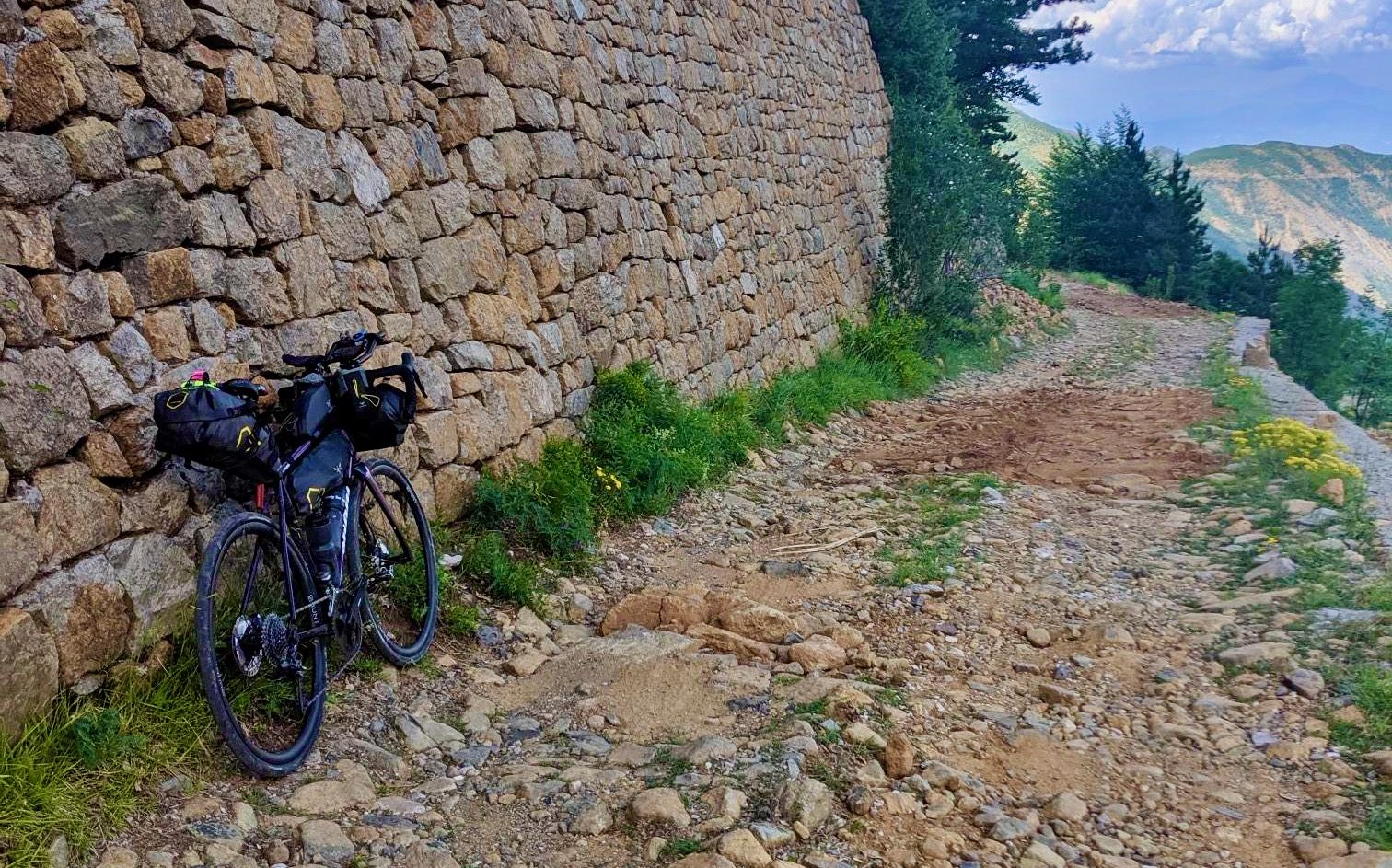
Traversing the Dinaric Alps — bikepacking from the mountains to the sea
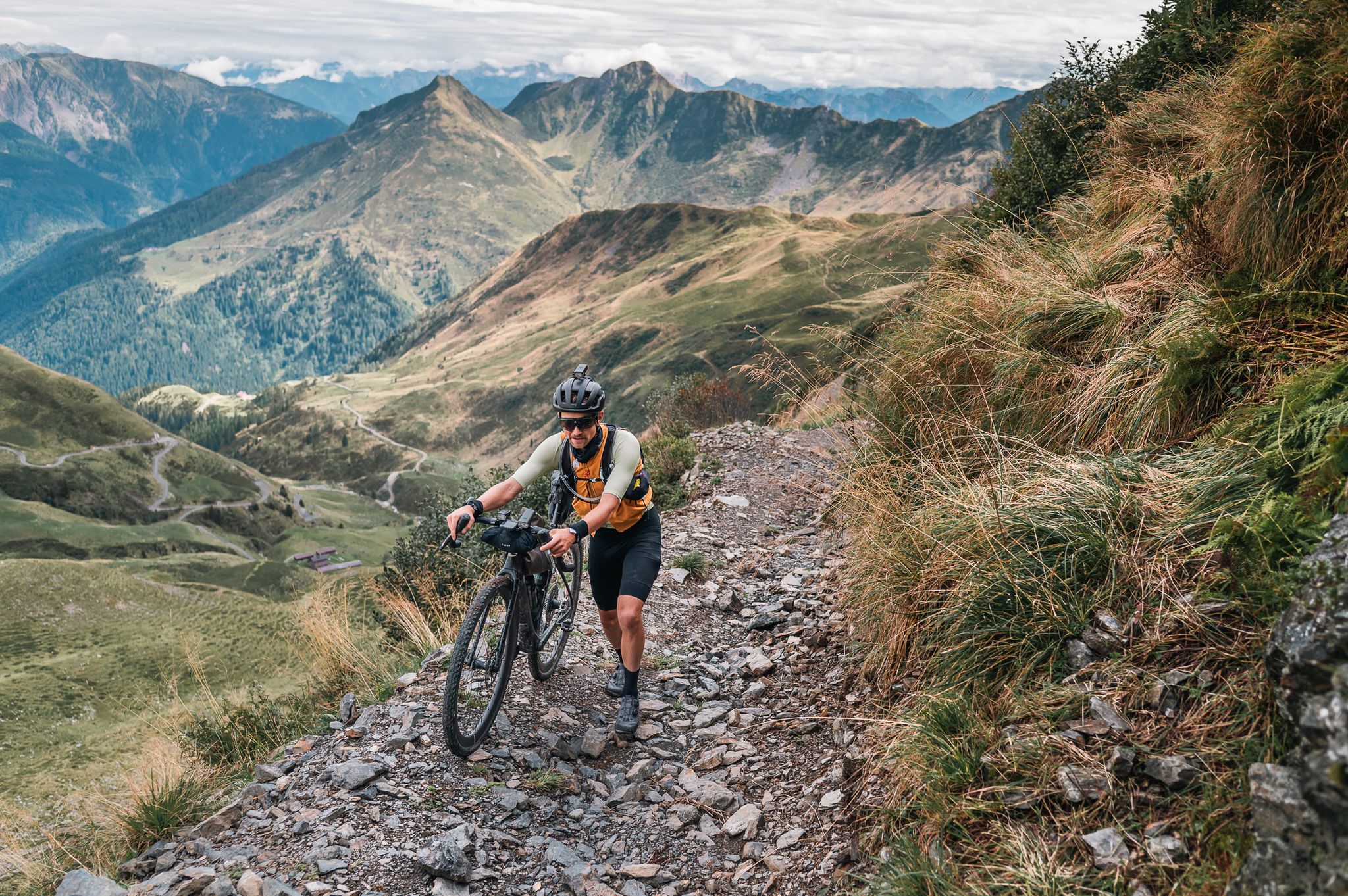
Sneak Peaks ADVENTURE 🥇
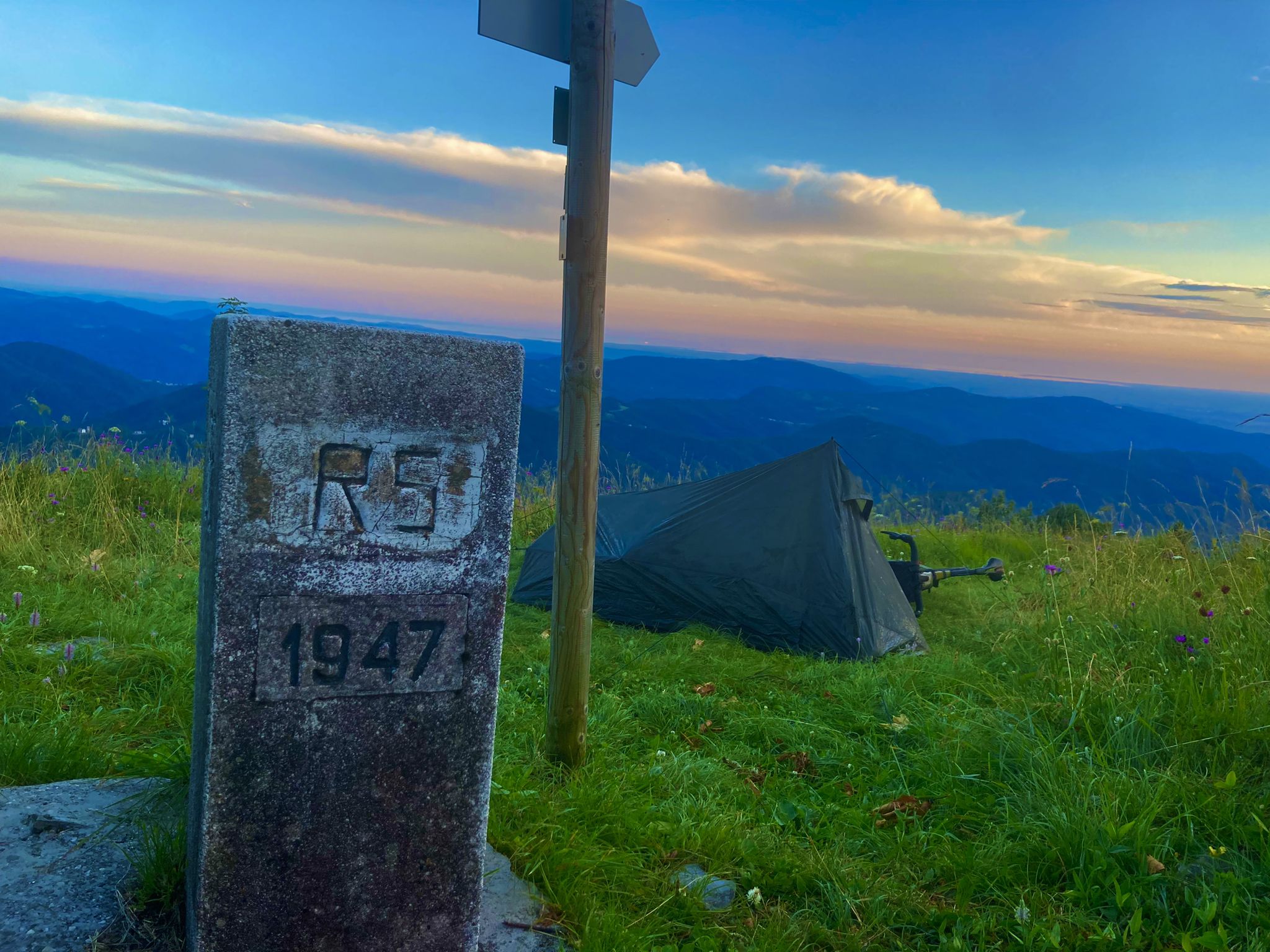
From Bavaria to the Adriatic - My Bikepacking Adventure to Croatia 2023
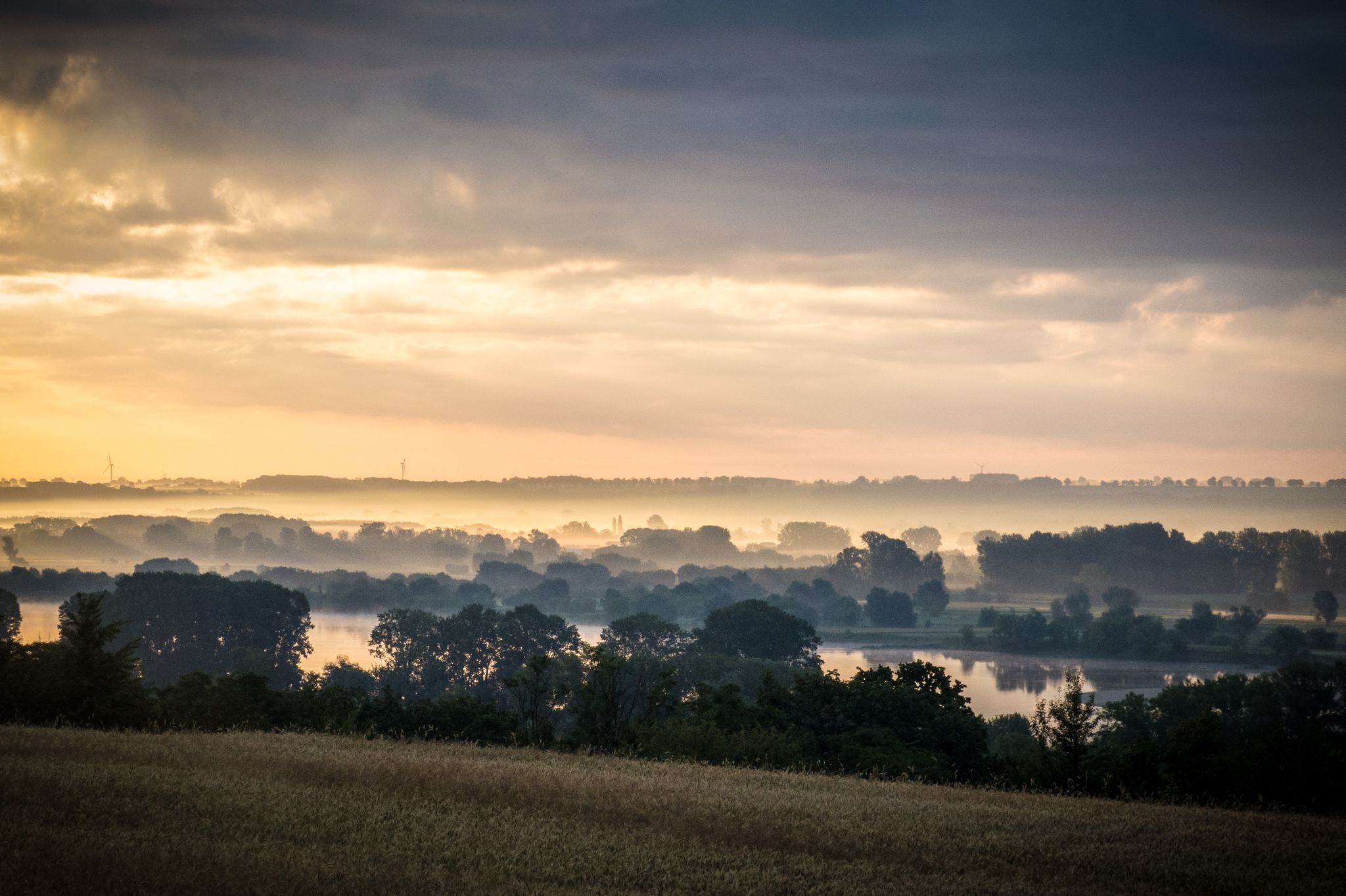
EuroVelo 9 – The Amber Route from the Baltic to Adriatic Sea
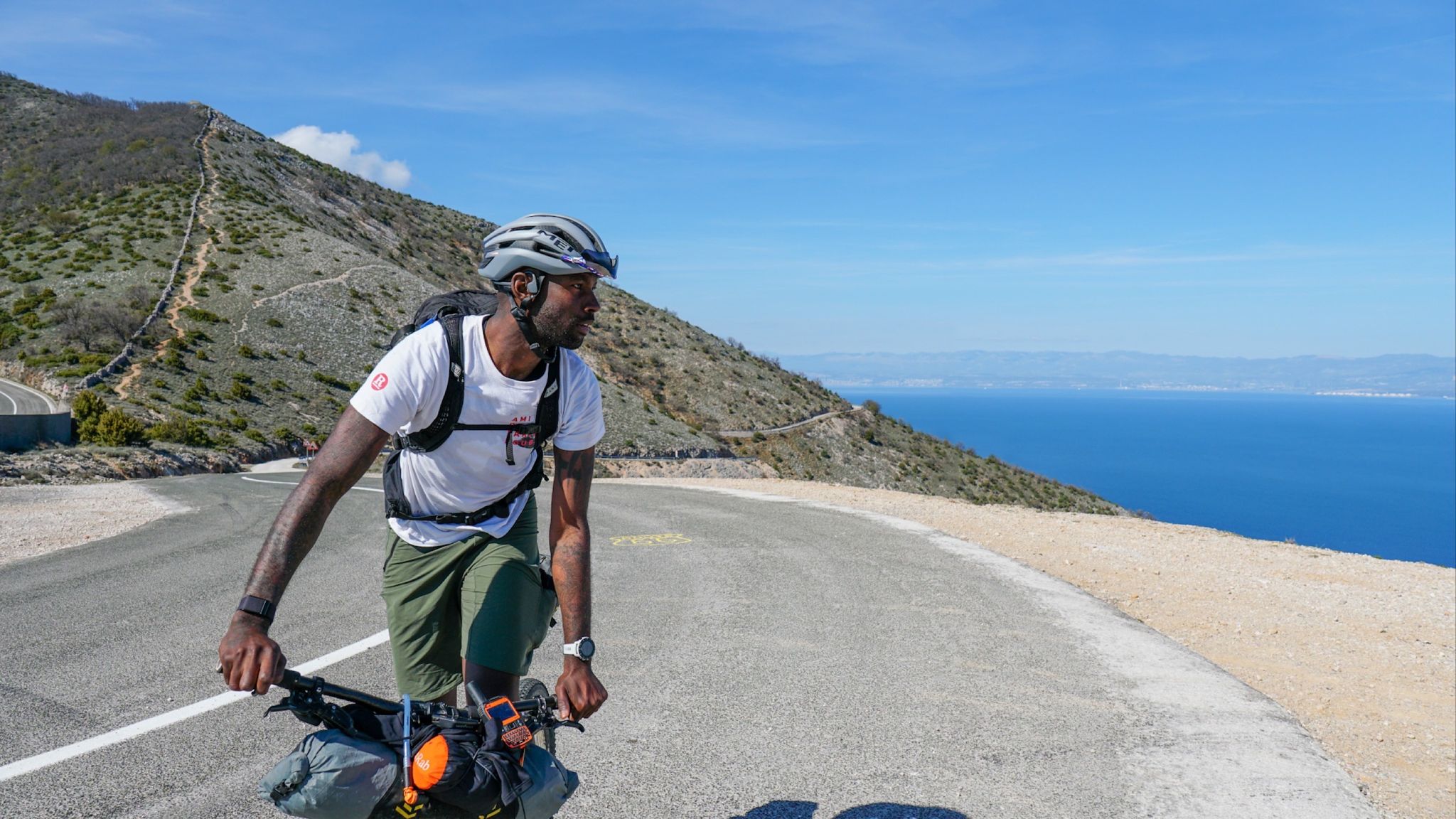
Slovenian mountains to island hopping around the Adriatic Crest
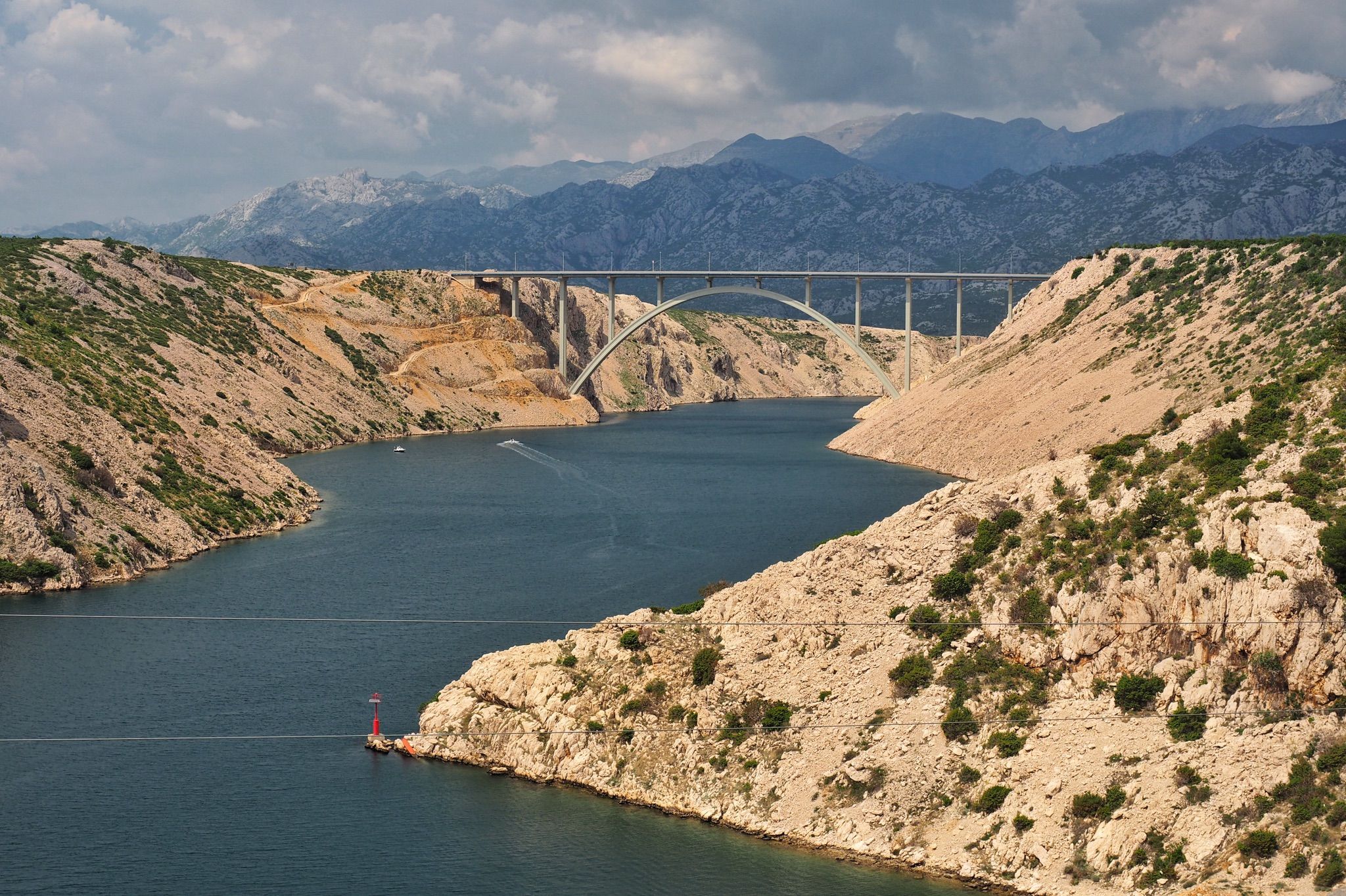
The Dinaric Alps – explore the Adriatic Sea in a different way
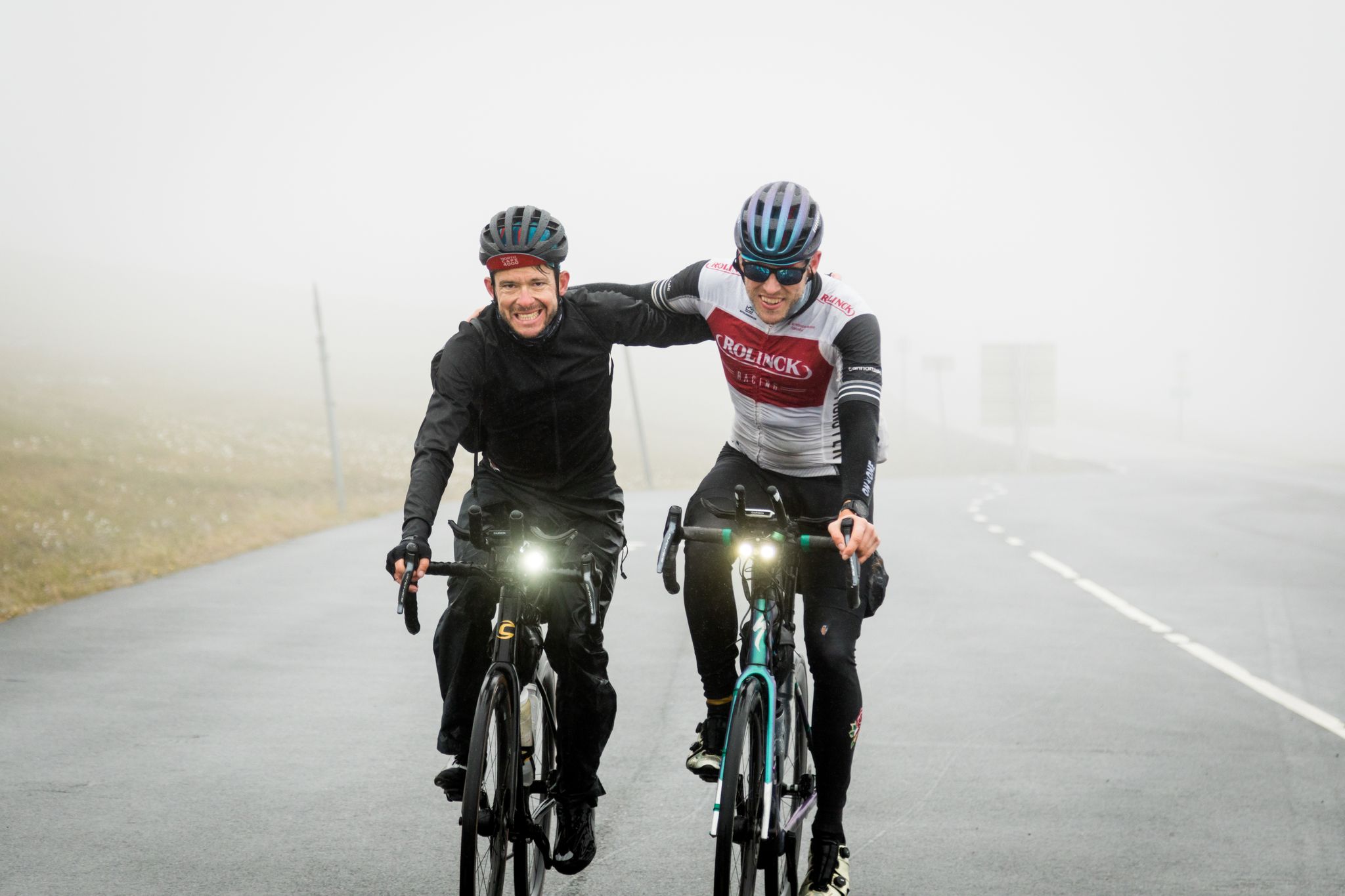
NorthCape4000 – 12 days from Lake Garda to the North Cape
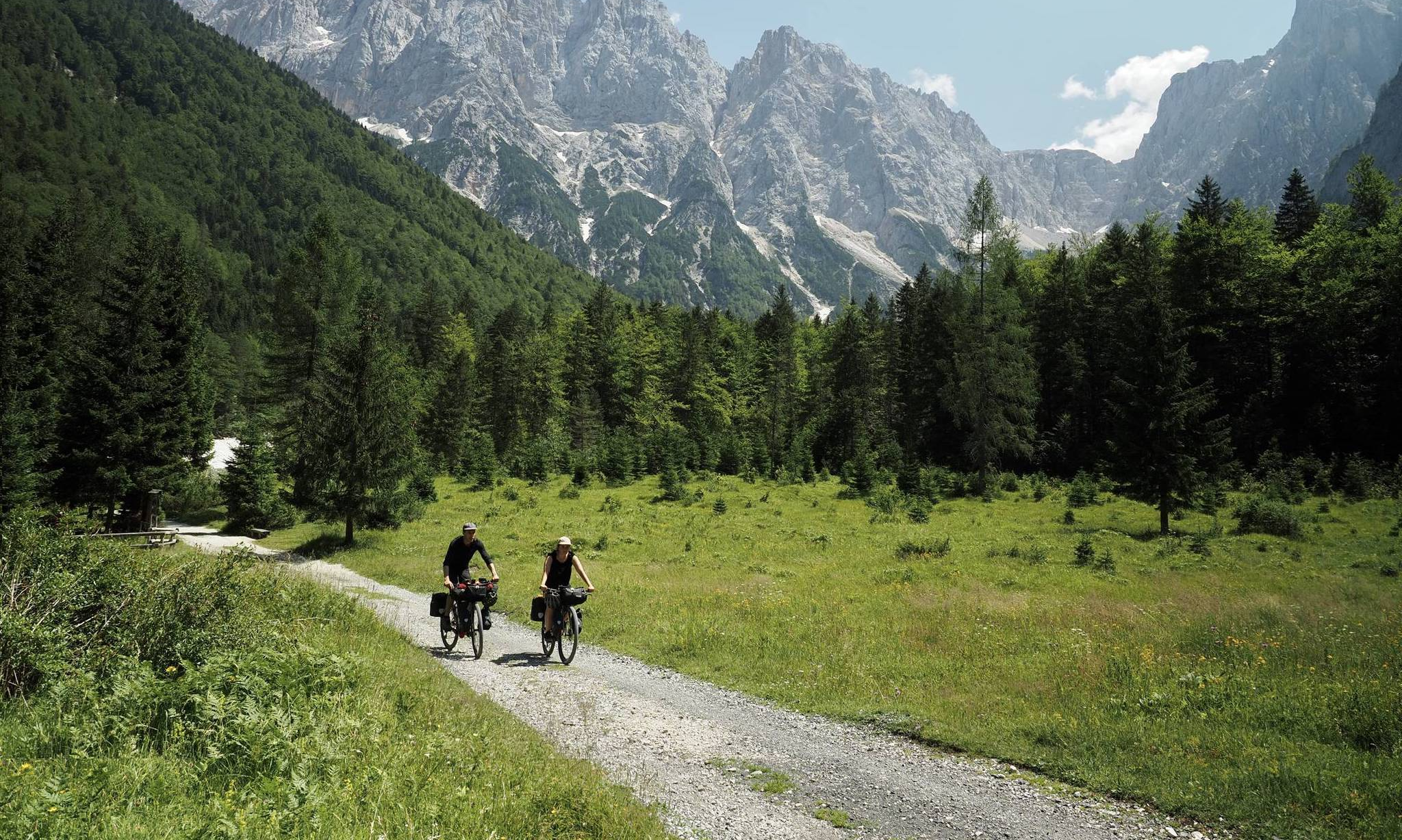
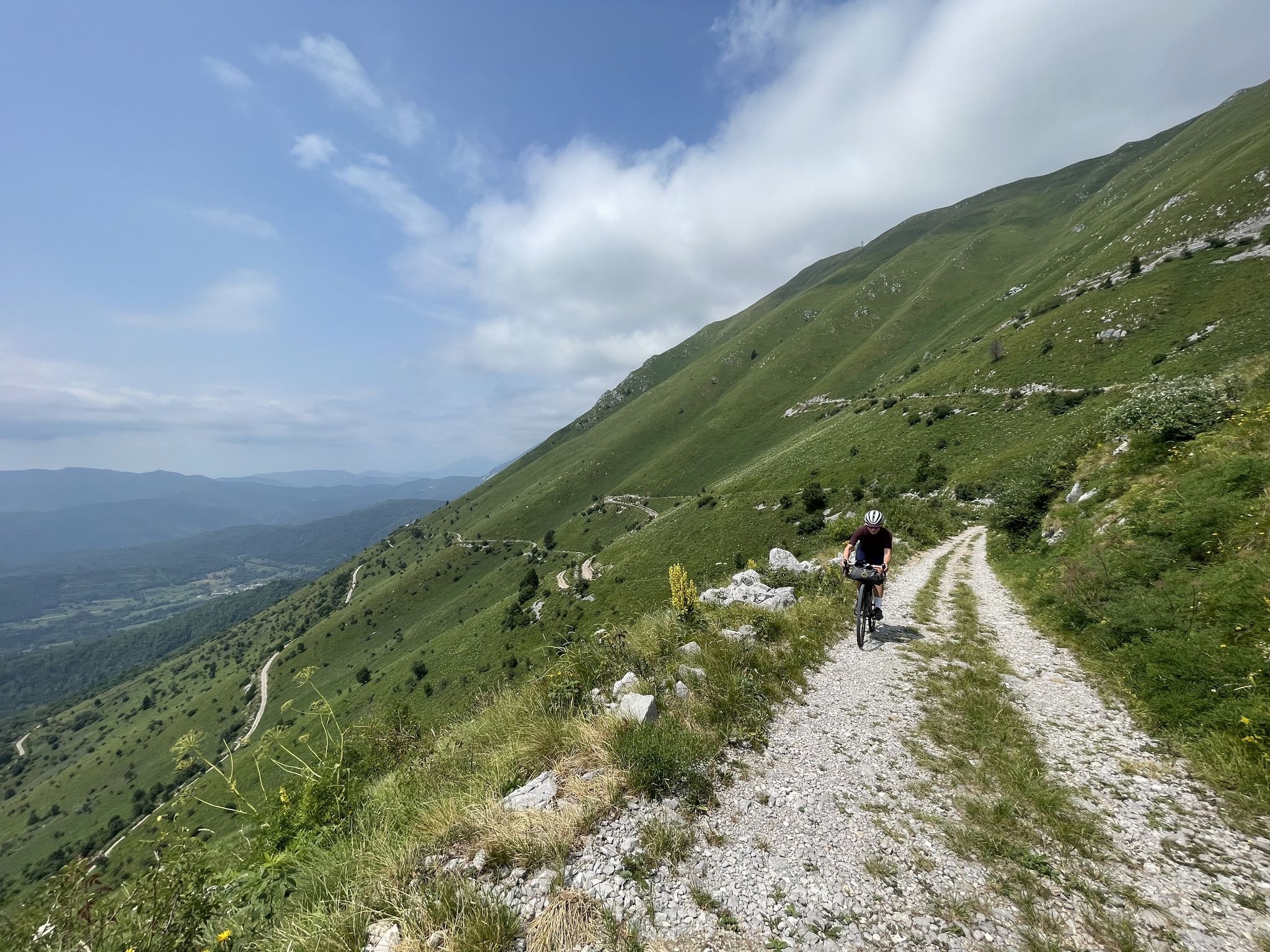
Slovenia West Loop (Soča Variation) – Bikepacking
The West Loop — Bikepacking Slovenia in five days
The River Drava Cycle Path – From the Dolomites to the vast landscapes of Pannonia
Other adventures in Slovenia


Tips from the Community

Lake Bled is located in the Upper Carniola region (Gorenjska) near the spa town of Bled at the foot of the Pokljuka Plateau. The lake lies at an elevation of 475 m. It's easy to walk around the lake, and there are plenty of places to stop for refreshments! The cream cakes are an absolute must! During the summer months, it's very busy, especially on weekends! Cycling around the lake is not recommended!
3
0

Incredibly beautiful and right on the trail. No real detour.
0
0

The water is really ice cold!!
1
0

The path begins at a small, free car park and goes along the water. First there is a small waterfall with a bridge over it and if you go a little further there are several larger waterfalls. Super beautiful. The birch forest is also very pretty with its moss-covered stones. You can take a nice little walk. Suitable for children.
3
0

Prices from 2024 Korita Mostnica and the Voje Valley are among the most beautiful and most visited natural attractions in Bohinj. On the way through the gorge you can admire the crystal clear waters and boldly transformed rocks, enjoy the diverse flora and fauna and the cultural landscape that has been cared for by the locals over the centuries. In summer, the path between cows and their bells takes us to the waterfall where the Voje Valley ends Source: https://www.bohinj.si
2
0

Lake Bled / Bled Lake Formation of the Lake The unique shape of the lake as we know it today is no coincidence. Its location once occupied a tectonic basin, carved out over the years by the Bohinj Glacier. Its path was obstructed by an enormous rock, which it eroded so persistently that only the current island remained. The ice melted, the basin flooded with water, and Lake Bled was formed. With depths of up to 30 meters in some places, it is a delight for divers. The lake is home to 19 different species of fish, including carp, catfish, and lake trout, and its surface is home to ducks, swans, and a diverse range of vegetation. Text / Source: Bled Tourism https://www.bled.si/
14
0
Lake Bled / Blejsko jezero The origin of the lake The unique shape of the lake as we know it today is no coincidence. In its place there was once a tectonic basin, which was formed over the years by the Bohinj glacier. On its way it was obstructed by an enormous rock, which it eroded so stubbornly that only the current island remained. The ice melted, the basin was flooded with water and Lake Bled was formed, which delights divers with its depth of up to 30 meters in some places. The lake is home to 19 different species of fish such as carp, catfish and lake trout, and its surface is home to ducks and swans as well as a diverse range of vegetation. Text / Source: Bled Tourism https://www.bled.si/
13
1
Frequently Asked Questions
What unique natural features can I explore in Slovenia's natural monuments?
Slovenia's natural monuments offer a diverse range of features. You can explore dramatic gorges like Vintgar Gorge with its wooden walkways and waterfalls, or the impressive Mostnica Gorge. The country is also famous for its extensive karst cave systems, such as Postojna Cave and the UNESCO-listed Škocjan Caves, known for their monumental underground canyons. Additionally, you'll find pristine alpine lakes like Lake Bohinj and the emerald waters of the Soča River.
Are there natural monuments in Slovenia that are suitable for families with children?
Yes, several natural monuments are great for families. Lake Bled is very family-friendly, offering boat rides to the island and pleasant walks. Lake Bohinj also has a scenic trail around it, suitable for walks. The Mostnica Gorge offers an easy hike, and the Sunikov Waterfall is an easy short hike with many small waterfalls, perfect for children.
What kind of outdoor activities can I do near Slovenia's natural monuments?
The natural monuments are excellent starting points for various outdoor activities. You can enjoy hiking, whitewater rafting on the Soča River, kayaking, and canyoning. For specific hiking routes, consider exploring the waterfall hikes in Slovenia, which include trails around Mostnica Gorge and the Šum Waterfall. There are also many easy hikes available, such as loops around Vintgar Gorge.
Which natural monuments offer the most stunning viewpoints?
Many natural monuments in Slovenia provide breathtaking views. For panoramic vistas of Lake Bled and its iconic island, viewpoints like Ojstrica and Osojnica are highly recommended. The Large Soča rock pools offer beautiful views of the river from suspension bridges. The Strunjan Nature Reserve along the coast provides dramatic cliff-top walks and views over the Adriatic Sea, especially from Moon Bay.
Are there any natural monuments that are less crowded or considered 'hidden gems'?
While popular sites can get busy, Lake Bohinj is often considered a more tranquil alternative to Lake Bled, offering serene beauty and pristine surroundings. The Zelenci Spring near Kranjska Gora, with its brilliant blue waters, is another captivating spot that might offer a more peaceful experience.
What makes the Soča River and its gorges so special?
The Soča River, particularly within Triglav National Park, is renowned for its striking emerald-green water, which is so pure that many safely drink from it. The river has carved impressive features like the Large Soča rock pools and the Soča Gorge Swimming Area, offering unique geological formations and opportunities for swimming and sunbathing. The Soča Valley is a hotspot for whitewater rafting and other water sports.
Can I find any historical or cultural sites integrated with Slovenia's natural monuments?
Yes, Slovenia offers unique combinations of natural and historical sites. Lake Bled features a charming church on its island and the historic Bled Castle perched above, offering both natural beauty and cultural heritage. Predjama Castle, while not purely a natural monument, is famously built into a vast limestone cliff and cave system, making it a remarkable example of human architecture integrated with nature.
What are some notable waterfalls to visit among Slovenia's natural monuments?
Slovenia boasts several impressive waterfalls. The 52-foot-high Šum waterfall is a highlight of Vintgar Gorge. Near Lake Bohinj, you can visit the impressive Savica Waterfall. The Sunikov Waterfall offers an easy short hike to multiple cascades. Additionally, the Peričnik Waterfall provides a unique experience where visitors can walk behind its 52-meter cascade.
What is the best time of year to visit Slovenia's natural monuments?
The best time to visit largely depends on the activities you plan. Spring (April-May) and autumn (September-October) generally offer pleasant weather for hiking and exploring, with fewer crowds than the peak summer months. Summer (June-August) is ideal for water activities in lakes and rivers, though popular sites like Lake Bled and Vintgar Gorge can be very busy. Some cave systems, like Postojna and Škocjan, are open year-round.
Are there opportunities for mountain biking near the natural monuments?
Yes, Slovenia offers mountain biking opportunities, especially in areas like Triglav National Park and the Soča Valley. You can find various MTB trails in Slovenia, ranging from moderate to difficult, such as the Soča Trail or routes near Vintgar Gorge. These trails often provide stunning views of the natural landscape.
What makes the Škocjan Caves a UNESCO World Heritage Site?
The Škocjan Caves are a UNESCO World Heritage Site due to their monumental underground canyon, recognized as the largest of its kind globally. Carved by the Reka River over millions of years, the system boasts exceptional biodiversity and scientific importance. A highlight for visitors is crossing an underground bridge suspended 50 meters above the river, offering a truly unique experience.
Can I bring my dog to Slovenia's natural monuments?
While many outdoor areas in Slovenia are dog-friendly, specific rules can vary by location, especially within national parks or protected sites. It's generally advisable to keep dogs on a leash. For specific natural monuments, it's best to check individual site regulations. For example, the trail around Lake Bohinj is popular for walks and often suitable for dogs.
Most popular routes in Slovenia
Most popular attractions in Slovenia

Get inspired with the komoot mobile app


Didn’t find what you were looking for?
Find even more amazing natural monuments in Slovenia by checking out the top Highlights region by region:
Explore more
Extend your search for the best caves by checking out these guides of the top ones in Slovenia:
