Top 20 Natural Monuments in the Dahme Lakeland
Best natural monuments in the Dahme Lakeland are concentrated within the Dahme-Heideseen Nature Park, a region shaped by the Ice Age and characterized by over 100 lakes and extensive forests. This area features a diverse natural landscape, including unique geological formations like inland dunes and significant archaeological sites. The region's waterways, such as the River Dahme, connect numerous lakes, providing a rich aquatic network. It is home to a wide array of flora and fauna, thriving in varied habitats from…
Last updated: August 3, 2026
Tiergarten Königs Wusterhausen Nature Reserve
Highlight • Forest
Translated by Google •
Tip by

Lake Tornow
Highlight • Lake
Translated by Google •
Tip by

Sign up now to discover places like this
Get recommendations on the best single tracks, peaks, & plenty of other exciting outdoor places.
Sign up for free
Pätzer Vordersee
Highlight • Lake
Translated by Google •
Tip by

Briesensee and Klingeberg Nature Reserve
Highlight (Segment) • Natural Monument
Translated by Google •
Tip by

Klingespring Spring
Highlight • Natural Monument
Translated by Google •
Tip by

Pätzer Hintersee
Highlight • Lake
Translated by Google •
Tip by

Wolzig Root Pine
Highlight • Natural Monument
Translated by Google •
Tip by

Lake Frauensee
Highlight • Lake
Translated by Google •
Tip by

Husareneck Peninsula
Highlight • Viewpoint
Translated by Google •
Tip by

Höllengrund Nature Reserve
Highlight • Natural Monument
The …
Translated by Google •
Tip by

Sign up for free to discover even more natural monuments in the Dahme Lakeland.
Sign up for free
Already have an account?
Start today with a free account
Your next adventure awaits.
Login or Signup
Popular around Dahme Lakeland
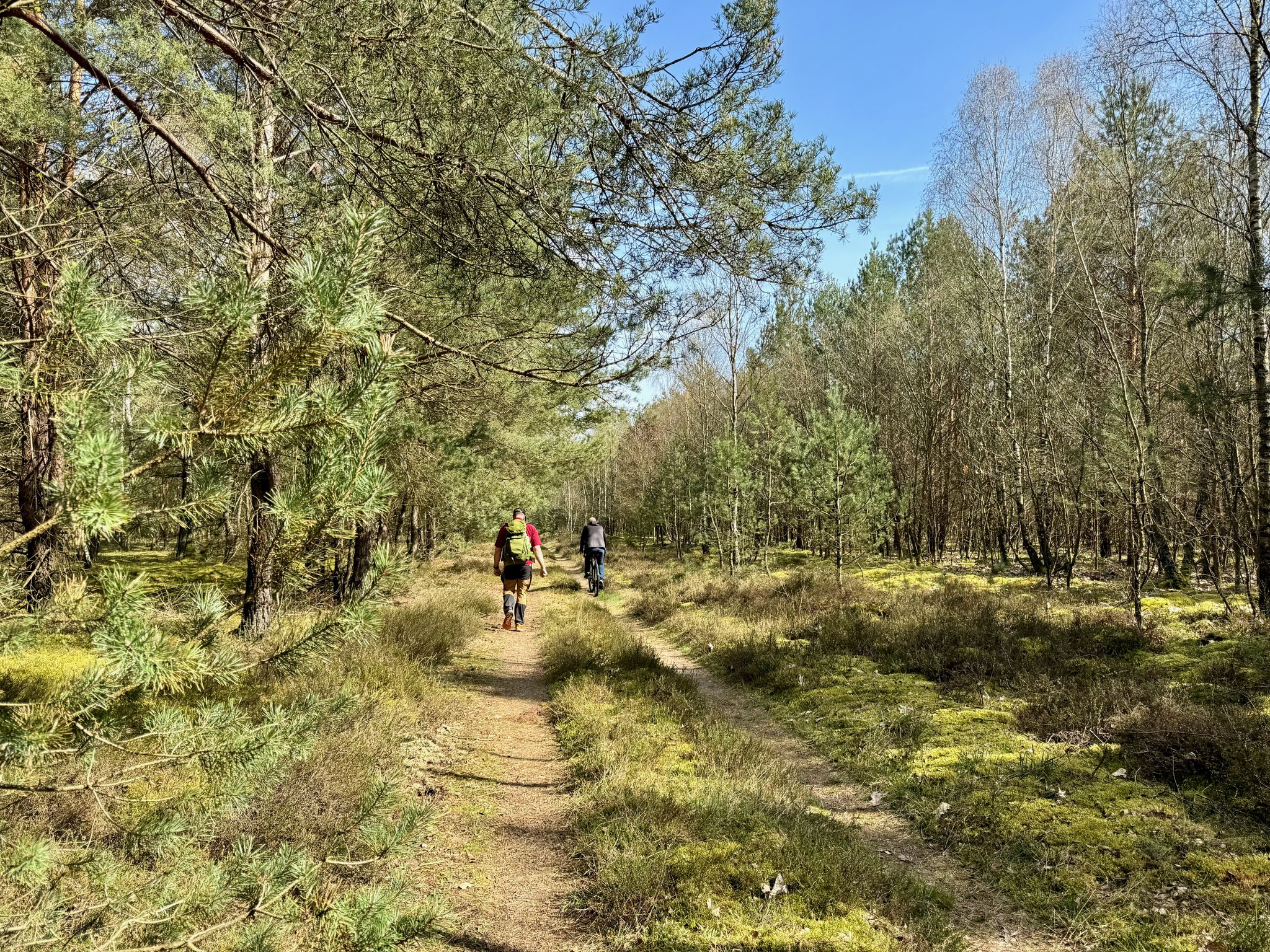
Hut or cask, tent or room – two-day hiking with the S-Bahn
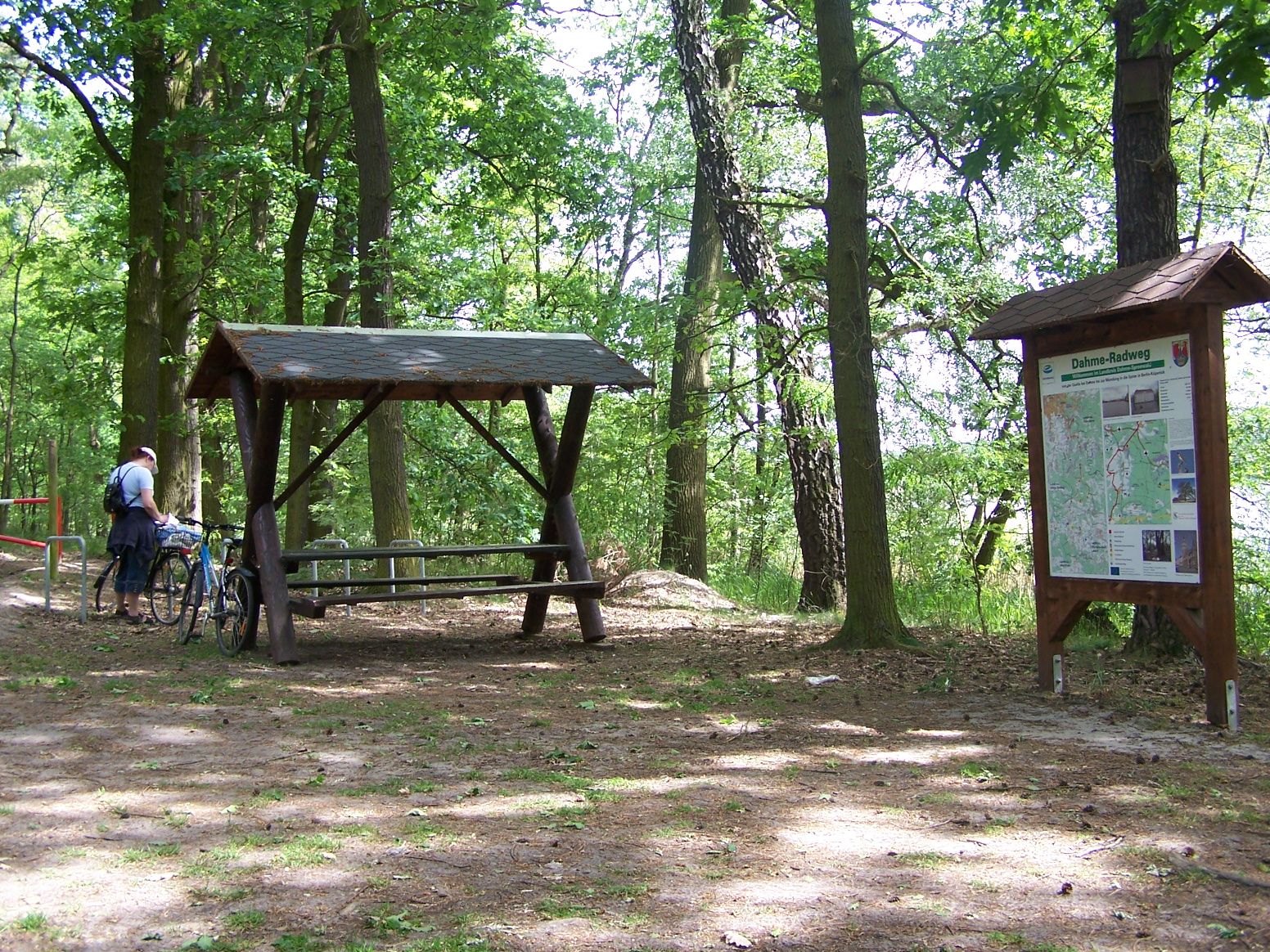
DahmeRadweg with train connection
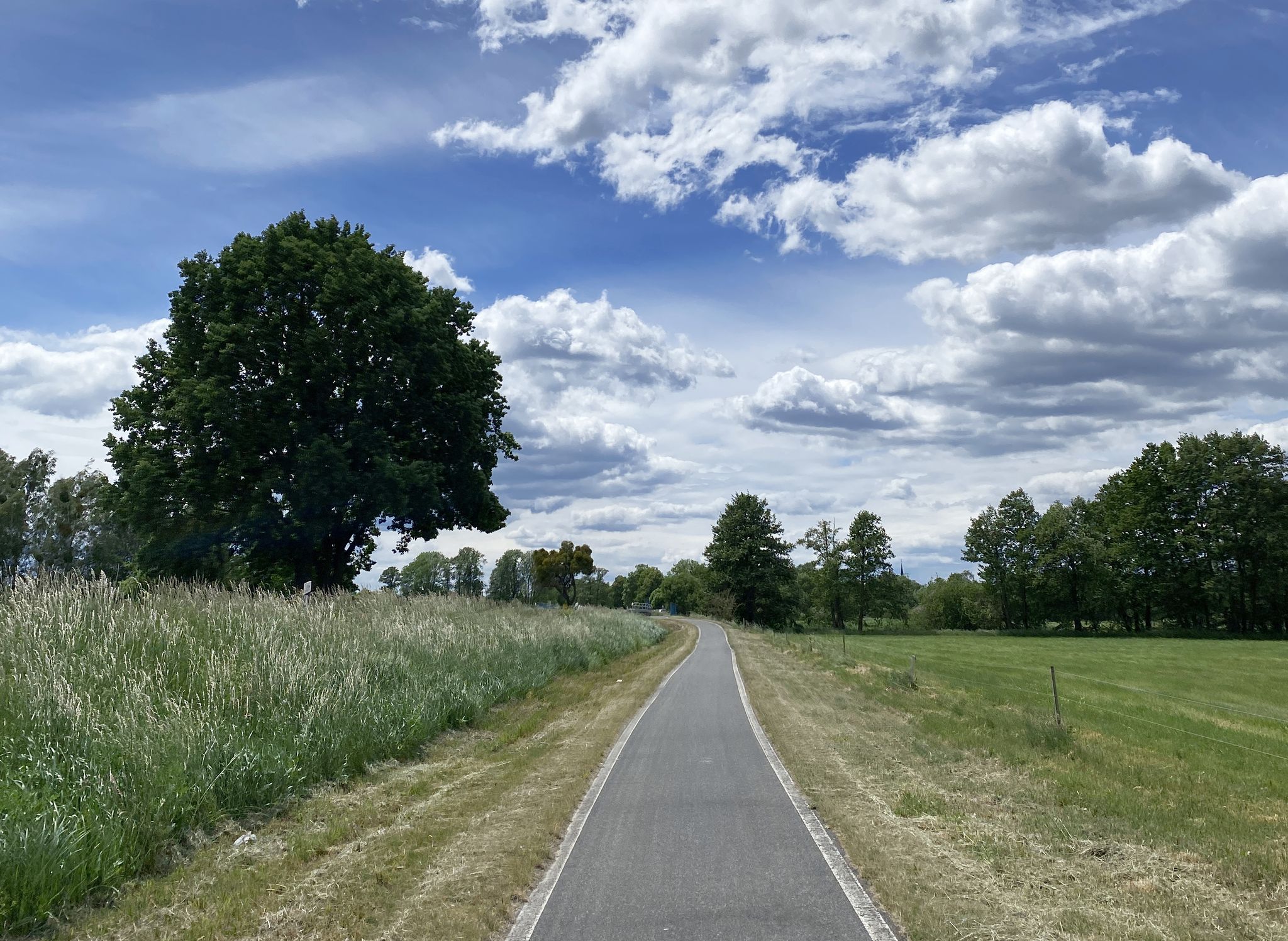
From mouth to source – Germany’s Dahme Cycle Route
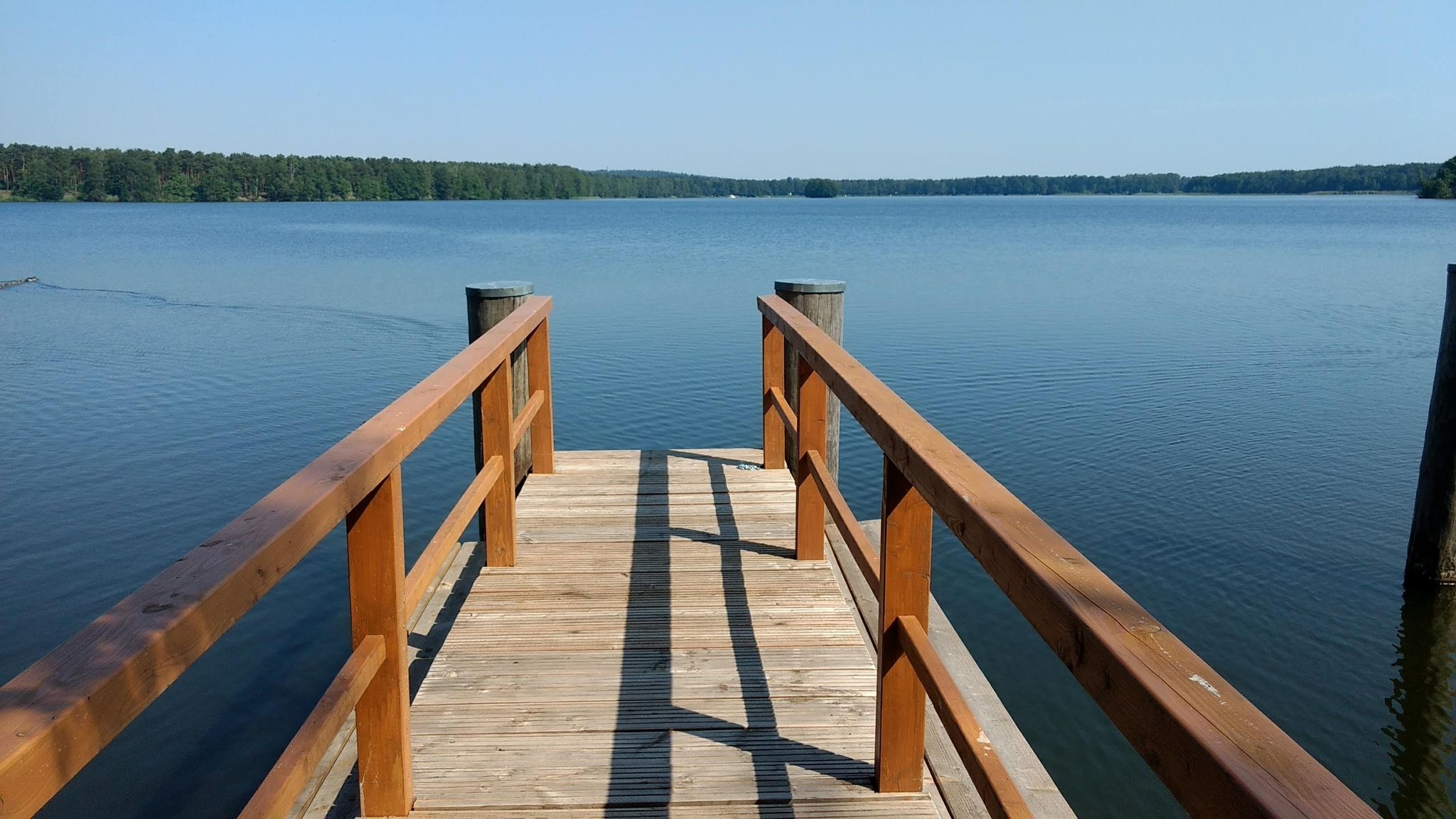
On the trail of the Sphinx - The Fontane hiking trail in Dahme-Seenland
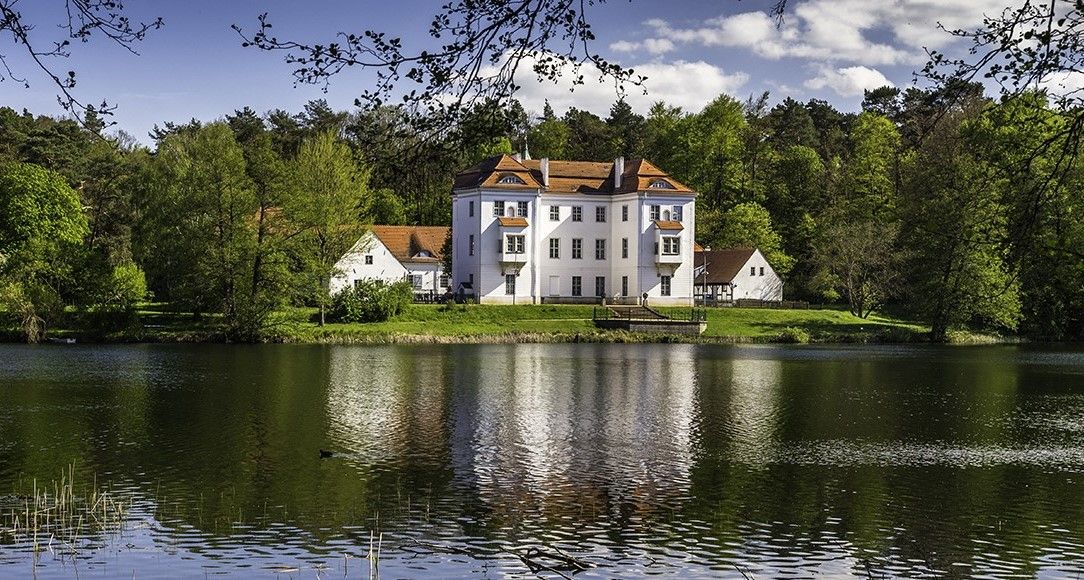
Where the Hohenzollerns worked — searching for traces with the S-Bahn
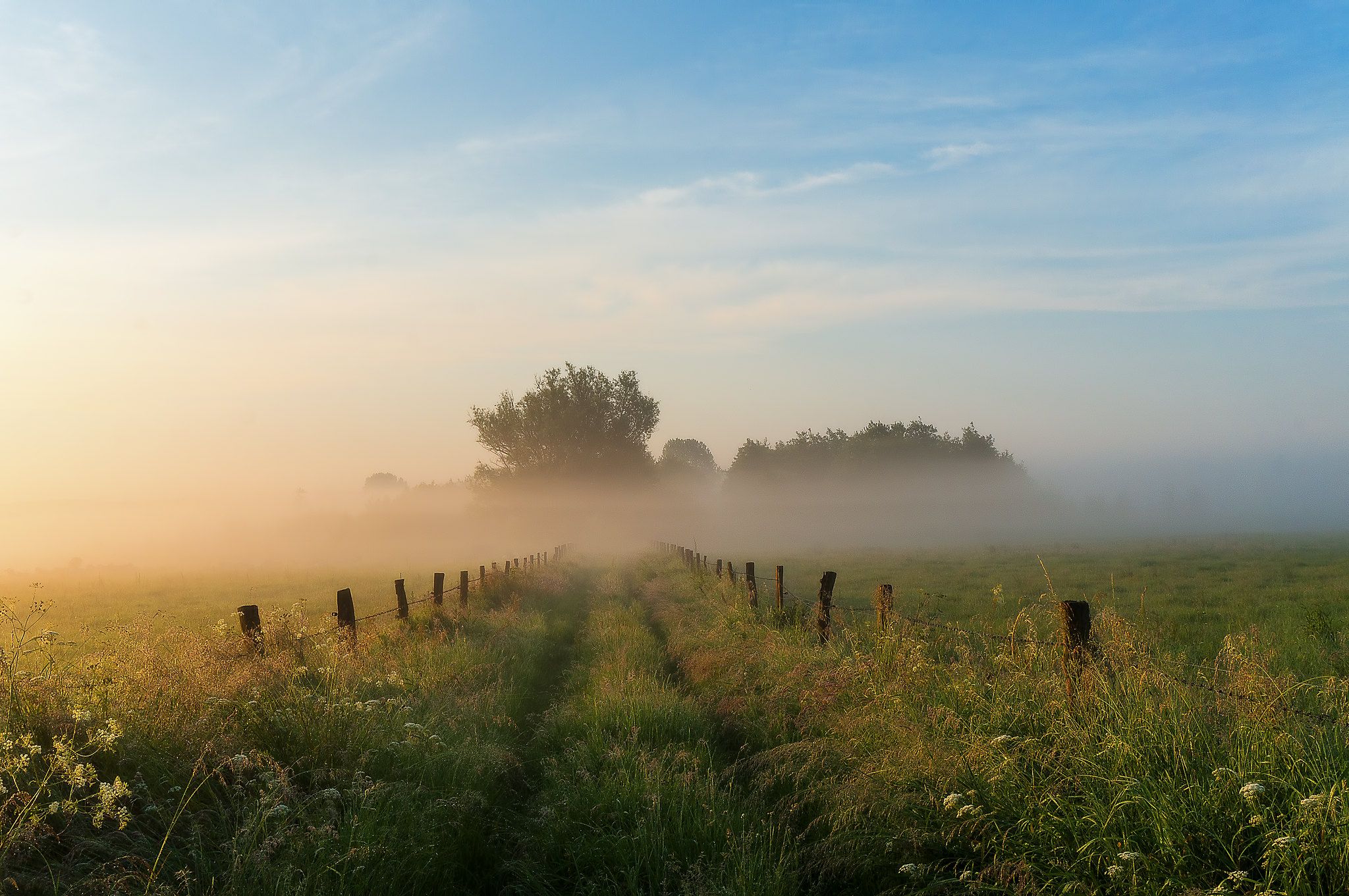
Hike Theodor Fontane’s beloved Brandenburg – S-Bahn Berlin
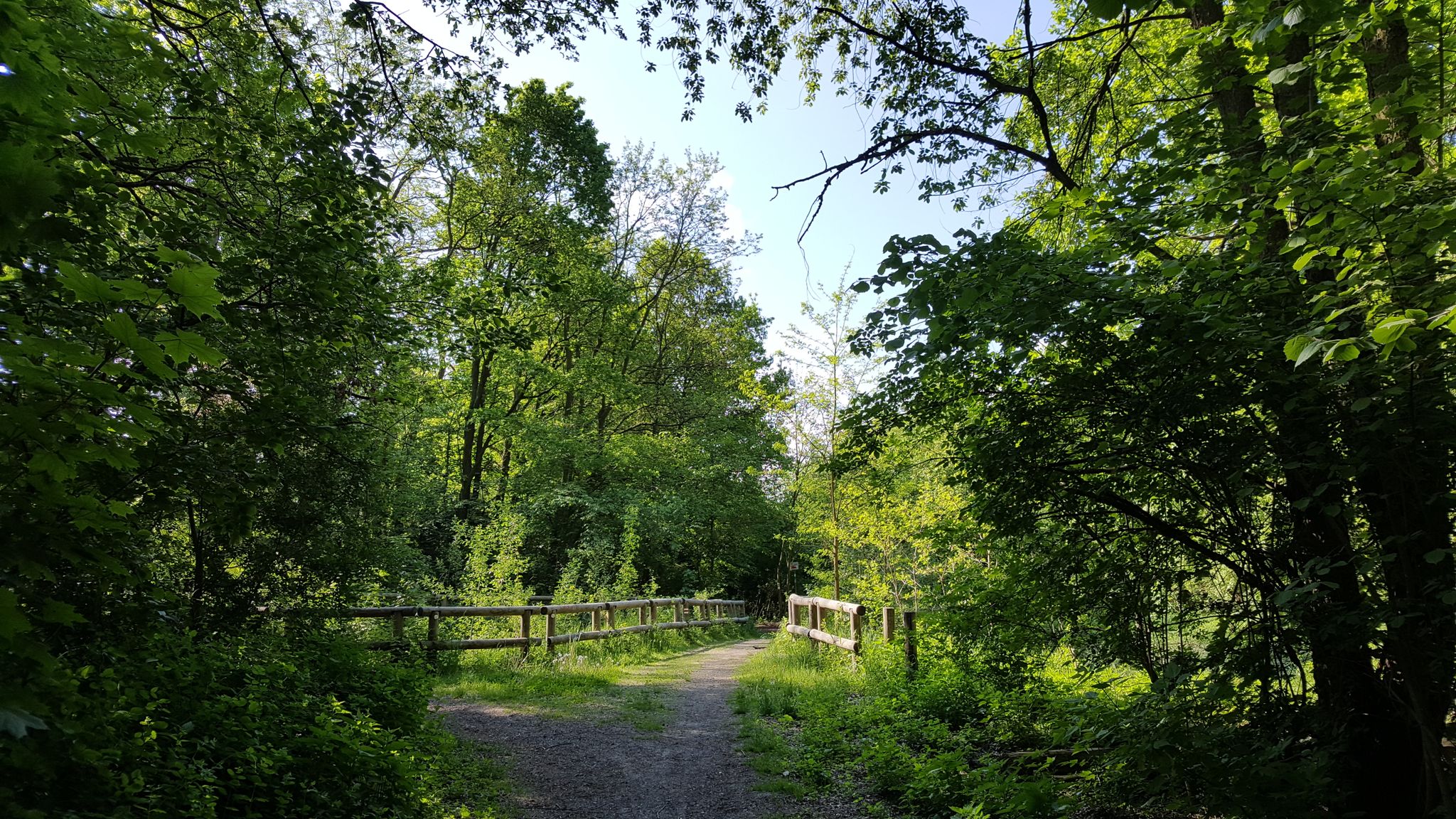
Hiking the Paul Gerhardt Path in the Dahme-Seenland
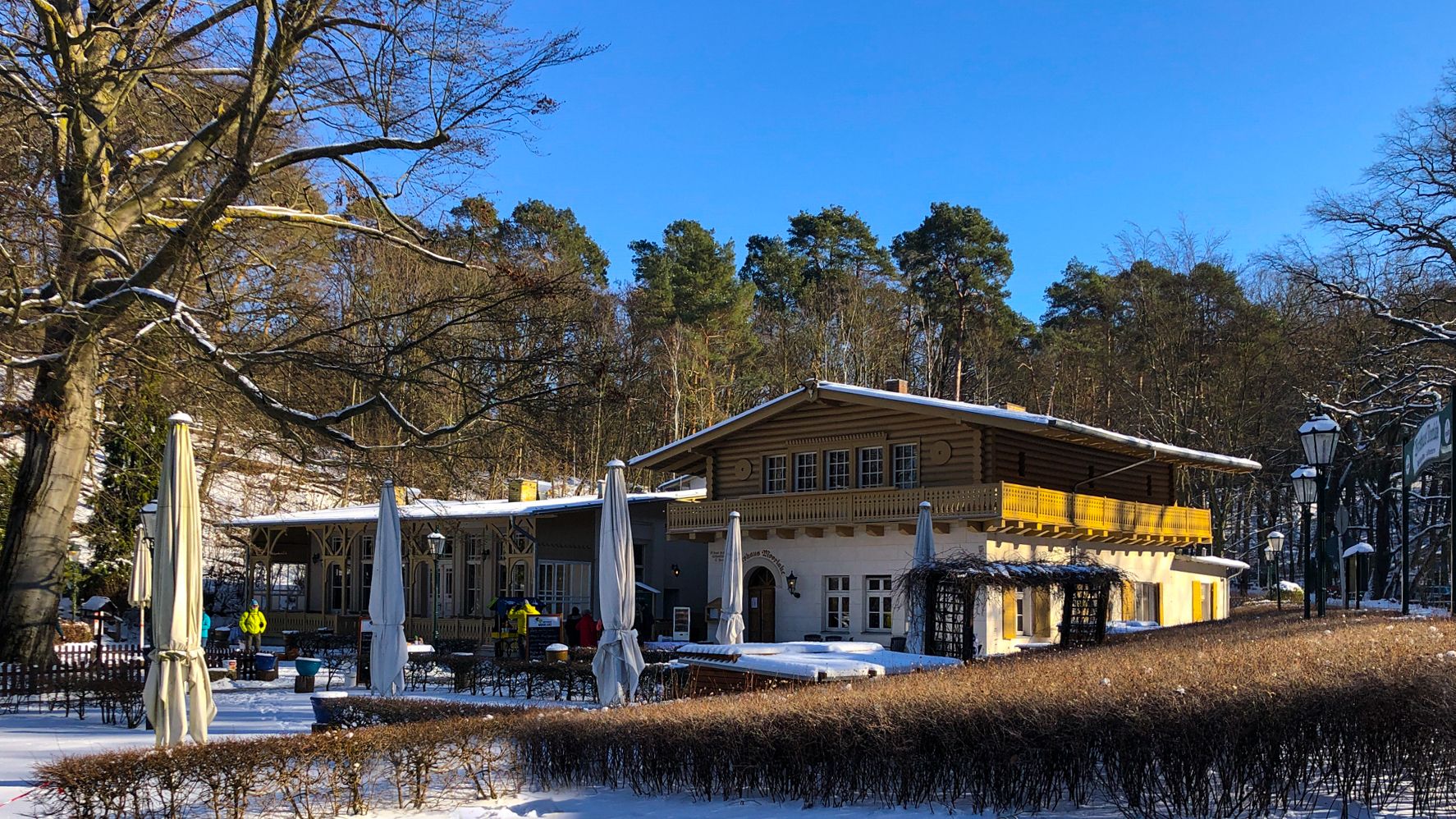
Fireplaces, dumplings and beer – visit rustic inns with Berlin’s S-Bahn
From romantic to kitsch – take the S-Bahn into the sunset
Swimming fun — on the S-Bahn to the lakes of Berlin and Brandenburg
Other adventures in the Dahme Lakeland


Tips from the Community

It looks like a mistake of nature – and yet is a masterpiece of survival. Wolzig's burr pine stands like an ancient dancer, balancing barefoot on tiptoes, its exposed roots digging into the sand like fingers. For a hundred years, it has defied wind and man, rain and dune retreat – and seems to have only grown stronger. Here, in the midst of the Brandenburg pine sea, this tree speaks of steadfastness. Of adaptation. And of the quiet dignity of one who does not complain, but grows. Everyone who stands before it suddenly falls silent. Perhaps because they sense: This pine has understood more about life than many a person with sturdy shoes.
2
0

Beautiful hike and good signage
0
0

According to legend, it was once again the devil who used a plough to plow the landscape not far from the Dahme to the Höllengrund. However, geologists prefer the explanation that this is the drainage valley for meltwater from the last ice age, through which the Ebbegraben meanders today.
8
0

You don't often see such an open root system
0
0

Very nice, the paths are easy to walk on
0
0
The Tornower See is near Tornow, a little south of Teupitz. There is a nature trail. Very nice paths along the bank and in the forest. There are benches and rest areas.
2
0

The lake is fed by groundwater and had an outflow towards Dolgensee. In the 1980s, this drain was closed by the forest department as the water level of the lake had fallen. In 1950, the foundation stone for a children's holiday camp was laid on the north bank of the Frauensee, the then pioneer tent camp “M. J. Kalinin”. The Frauensee children's and youth recreation center (KiEZ) is now located there. It has an overnight capacity of 850 beds and has a site of 24 hectares.
8
1

Circular route around the Pätz lakes The circular route around the Pätzer Vordersee and Hintersee is a little over 16 kilometers long. It's a trail for all seasons. The start and finish is at the train station “Bestensee”. The path leads along the main road fromBestensee to Pätzer Vordersee and on to Pätz with its historic village green. The place name comes from the Slavic and means something like sand. From here we continue into pure nature! A hundred years ago, the hillsides on the east bank of the Pätzer Hintersee were almost free of forest. A few junipers bear witness to the sparse heathland that once existed here. The lowlands with wet meadows are preserved with the support of landscape conservation. On the southern shore of the Pätzer Hintersee there are large moor areas that have been secured as a nature reserve. The path now leads north. An idiosyncratic pine forest with crooked trees is called Schweinewinkel. This is where the pigs used to be driven into the forest to the Waldwiede. Walking through the Pätz Hintersee settlement, you return to the starting point at the train station. Source https://www.dahme-heideseen-naturpark.de/themen/routen-touren/rundweg-um-die-paetzer-seen/
0
3
Frequently Asked Questions
What are some of the most popular natural monuments to visit in the Dahme Lakeland?
The Dahme Lakeland offers a variety of natural monuments. Highly rated by visitors are the Tiergarten Königs Wusterhausen Nature Reserve, known for its ancient trees and diverse vegetation, and Lake Tornow, which features a nature trail along its shores. Another unique spot is the Wolzig Root Pine, an impressive tree with exposed roots due to erosion.
Are there family-friendly natural monuments in the Dahme Lakeland?
Yes, many natural monuments in the Dahme Lakeland are suitable for families. For instance, Tiergarten Königs Wusterhausen Nature Reserve and Lake Tornow are categorized as family-friendly. Pätzer Vordersee even has a large playground, making it ideal for children.
What kind of natural features can I expect to see in the Dahme Lakeland?
The Dahme Lakeland is characterized by its diverse natural features, primarily within the Dahme-Heideseen Nature Park. You'll find over 100 interconnected lakes and waterways, extensive pine forests, and unique geological formations like the inland dune in Storkow. The region is also home to diverse flora and fauna, including rare species and iconic wildlife such as sea eagles and otters.
What outdoor activities can I do near the natural monuments?
The region is perfect for various outdoor activities. You can enjoy hiking on trails like the 'Krummer Lake loop from Bestensee' or 'Pätzer Hintersee – Pätzer Vordersee loop from Bestensee'. Cycling is also popular, with routes such as 'Grünauer Forst Natural Trails' and 'Teupitzer Lake – Prieros Drawbridge loop'. For more options, explore the hiking, running, and MTB guides for the Dahme Lakeland.
Are there any unique geological features or viewpoints worth visiting?
Absolutely. The Wolzig Root Pine is a remarkable natural monument where the tree's roots are exposed due to erosion of an inland dune. You can also find viewpoints at lakes like Lake Tornow and Pätzer Vordersee, offering scenic vistas of the water and surrounding forests. The Klingespring Spring is another natural monument with a viewpoint.
What is the best time of year to visit the natural monuments in the Dahme Lakeland?
The Dahme Lakeland is beautiful year-round, but each season offers a different experience. Spring and autumn are ideal for hiking and cycling, with pleasant temperatures and vibrant colors. Summer is perfect for water activities on the numerous lakes, while winter can offer tranquil, snowy landscapes for quiet walks, though some facilities might have reduced hours.
Are there opportunities for wild swimming in the Dahme Lakeland?
Yes, with over 100 lakes, the Dahme Lakeland offers many opportunities for swimming. Lakes like Pätzer Vordersee and Lake Frauensee have designated beach areas. Many other lakes and quiet spots are suitable for wild swimming, allowing you to enjoy the untouched feel of the water labyrinth.
What historical or cultural significance does the Dahme Lakeland hold?
Beyond its natural beauty, the Dahme Lakeland has historical depth. The Tiergarten Königs Wusterhausen Nature Reserve was once a royal hunting ground established in 1725. Archaeological excavations near Klein Köris have also revealed evidence of Germanic peoples living in the region until the sixth century, adding a rich cultural layer to your exploration.
Are there any nature reserves or protected areas to explore?
The entire Dahme-Heideseen Nature Park is a significant protected area. Within it, you can explore specific reserves like the Briesensee and Klingeberg Nature Reserve, known for its diverse habitats including lakes, trails, and forests. The Höllengrund Nature Reserve also offers a unique landscape with its gorge and forest.
What do visitors enjoy most about the natural monuments in the Dahme Lakeland?
Visitors frequently highlight the tranquility and natural beauty of the region. They appreciate the well-maintained nature trails, the opportunity to observe diverse flora and fauna, and the peaceful atmosphere of the lakes and forests. The unique geological features, like the Wolzig Root Pine, are also often mentioned as impressive sights.
Are there any lesser-known natural monuments or 'hidden gems' in the area?
While many spots are popular, areas like the Pätzer Hintersee offer a quieter experience, being a bit off the beaten track. This lake is surrounded by extensive lowland forests and reed beds, providing a peaceful escape and a chance to observe nature in a more secluded setting.
Most popular routes in the Dahme Lakeland
Most popular attractions in the Dahme Lakeland

Get inspired with the komoot mobile app


Didn’t find what you were looking for?
Find even more amazing natural monuments in the Dahme Lakeland by checking out the top Highlights region by region:
Explore more
Extend your search for the best caves by checking out these guides of the top ones in the Dahme Lakeland:
