Top 20 Mountain Passes in the Canary Islands
Best mountain passes in the Canary Islands traverse diverse volcanic landscapes and offer access to unique natural environments. These routes provide opportunities for sightseeing, hiking, and cycling across the islands. The terrain includes dramatic coastal areas, deep valleys, and high-altitude volcanic regions. Visitors can explore a variety of mountain environments, from ancient laurel forests to arid, rugged peaks.
Best mountain passes in the Canary Islands
- The most popular mountain passes is Alto de Fataga, a mountain pass that reaches…
Last updated: August 3, 2026
View of Masca, La Gomera, and Teide
Highlight • Viewpoint
Translated by Google •
Tip by

Masca Village
Highlight • Settlement
Translated by Google •
Tip by

Sign up now to discover places like this
Get recommendations on the best single tracks, peaks, & plenty of other exciting outdoor places.
Sign up for free
Cruz de Tejeda
Highlight • Mountain Pass
Showing Translation
Tip by

Alto de Fataga
Highlight • Mountain Pass
Translated by Google •
Tip by

Climb from La Filipina to Barranquillo Andrés
Highlight (Segment) • Climb
Translated by Google •
Tip by
Cofete Viewpoint
Highlight • Viewpoint
Translated by Google •
Tip by

Tauro Pass Serpentine Road
Highlight (Segment) • Mountain Pass
However, then you have the agony of choice on the pass: The road down to Soria is …
Translated by Google •
Tip by

Degollada de las Yeguas Astronomical Viewpoint
Highlight • Viewpoint
Great view from up here
Heading towards the coast and into the gorge.
Translated by Google •
Tip by

Roque Pass
Highlight • Mountain Pass
Translated by Google •
Tip by

Pájara to Tuineje Road
Highlight (Segment) • Cycleway
Translated by Google •
Tip by

Sign up for free to discover even more mountain passes in the Canary Islands.
Sign up for free
Already have an account?
Start today with a free account
Your next adventure awaits.
Login or Signup
Popular around Canary Islands
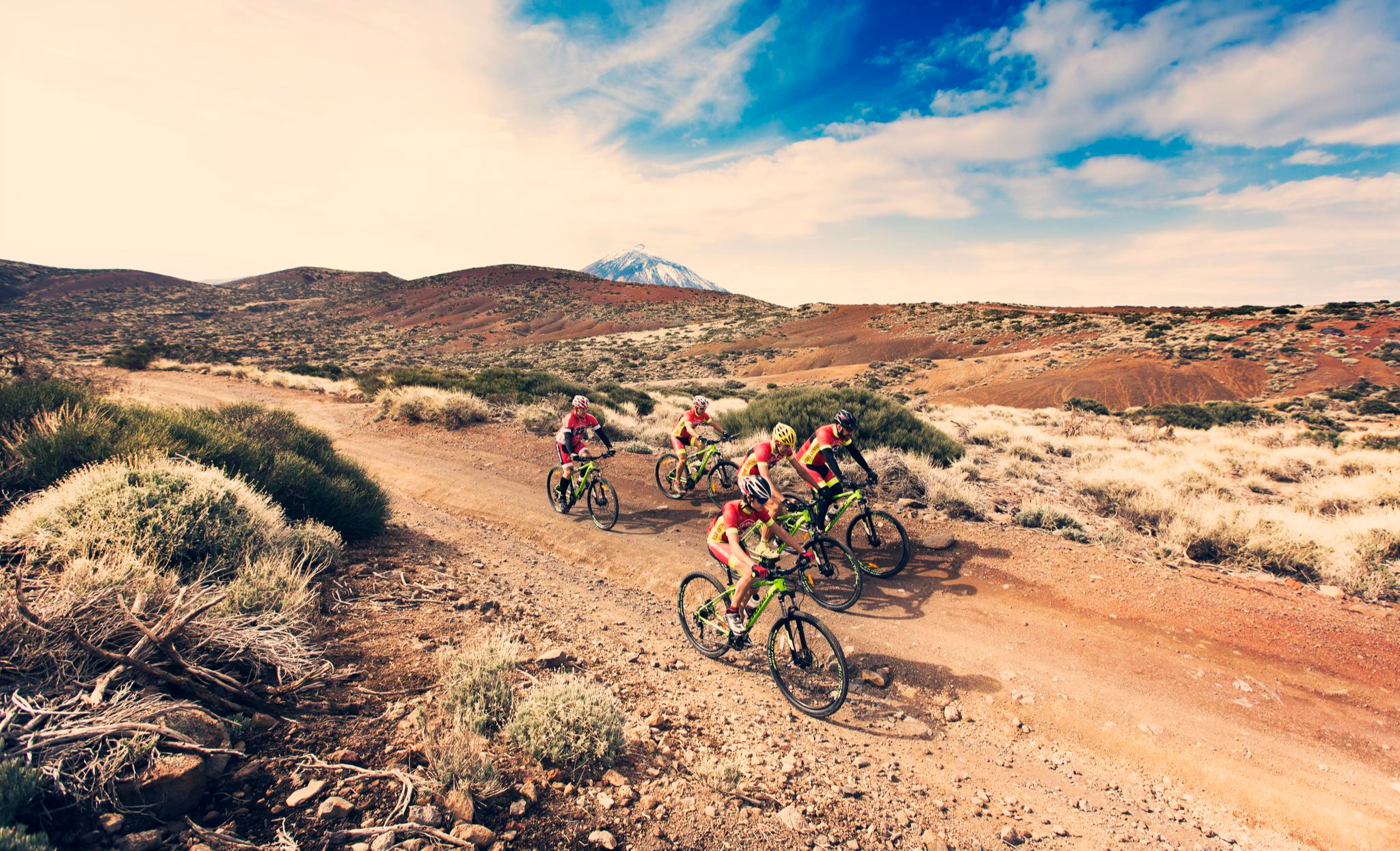
Mountain biking through the wild heart of Tenerife
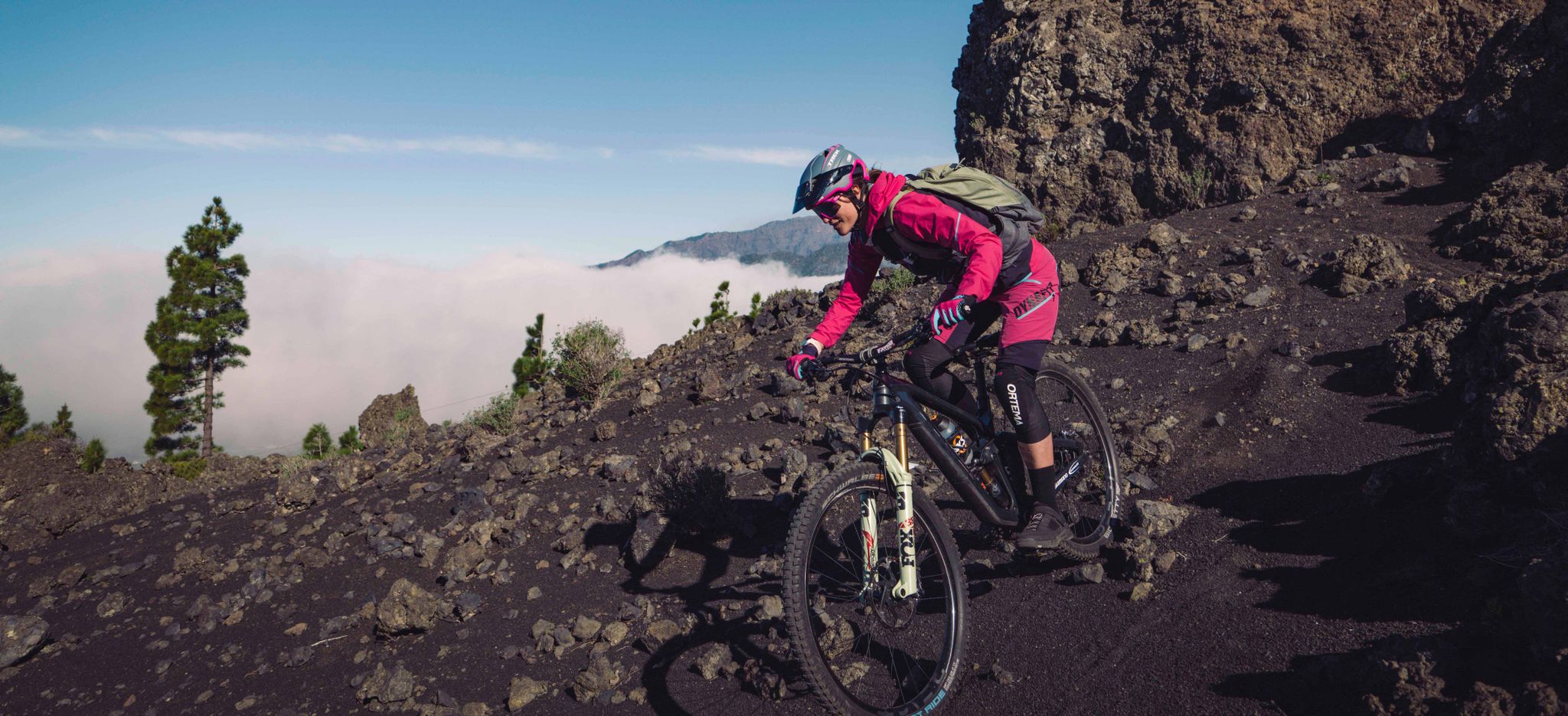
La Palma – my favourite Tours on the Canary Islands’ Isla Bonita
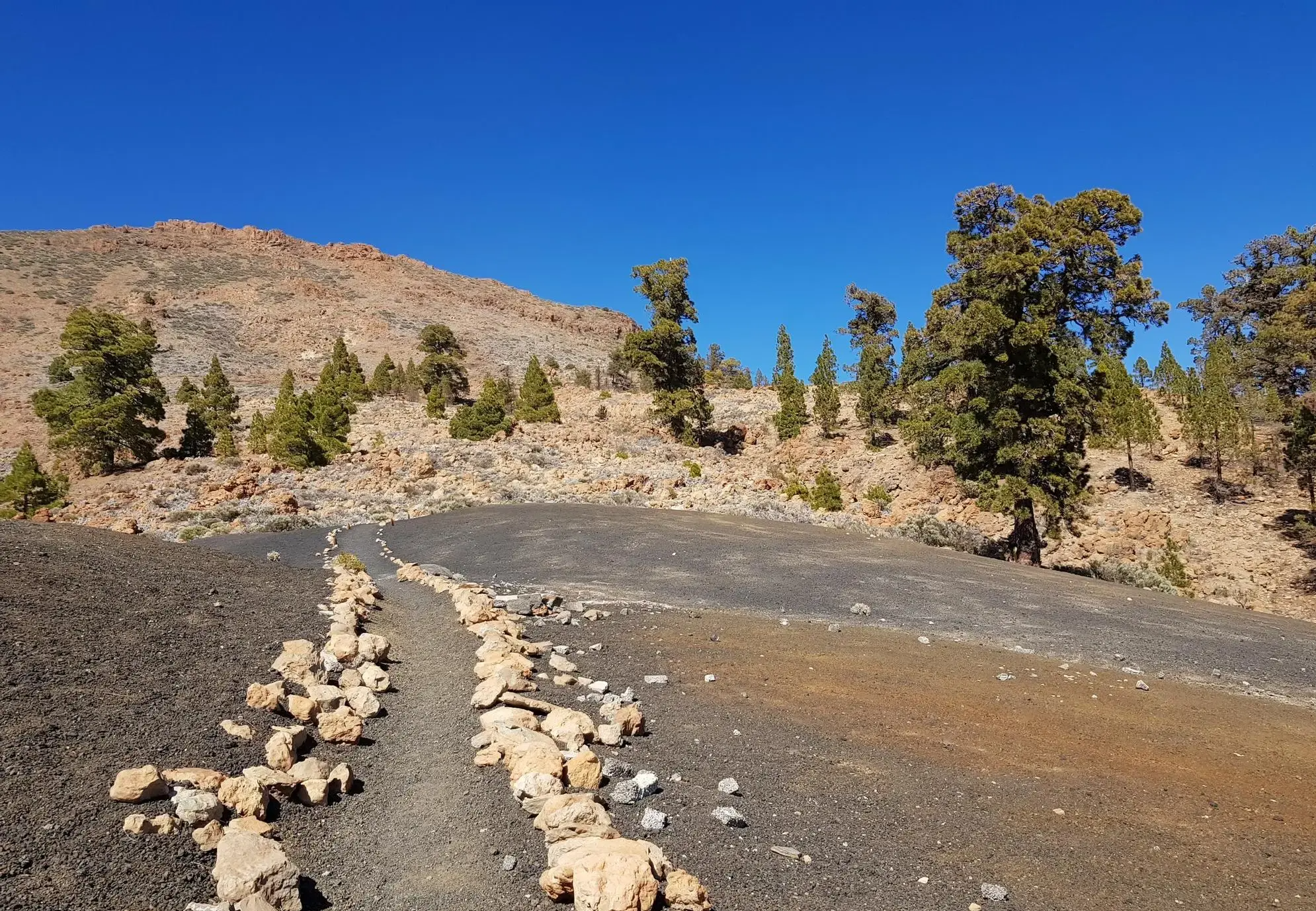
From the coast to the Teide - Tenerife Bluetrail by UTMB
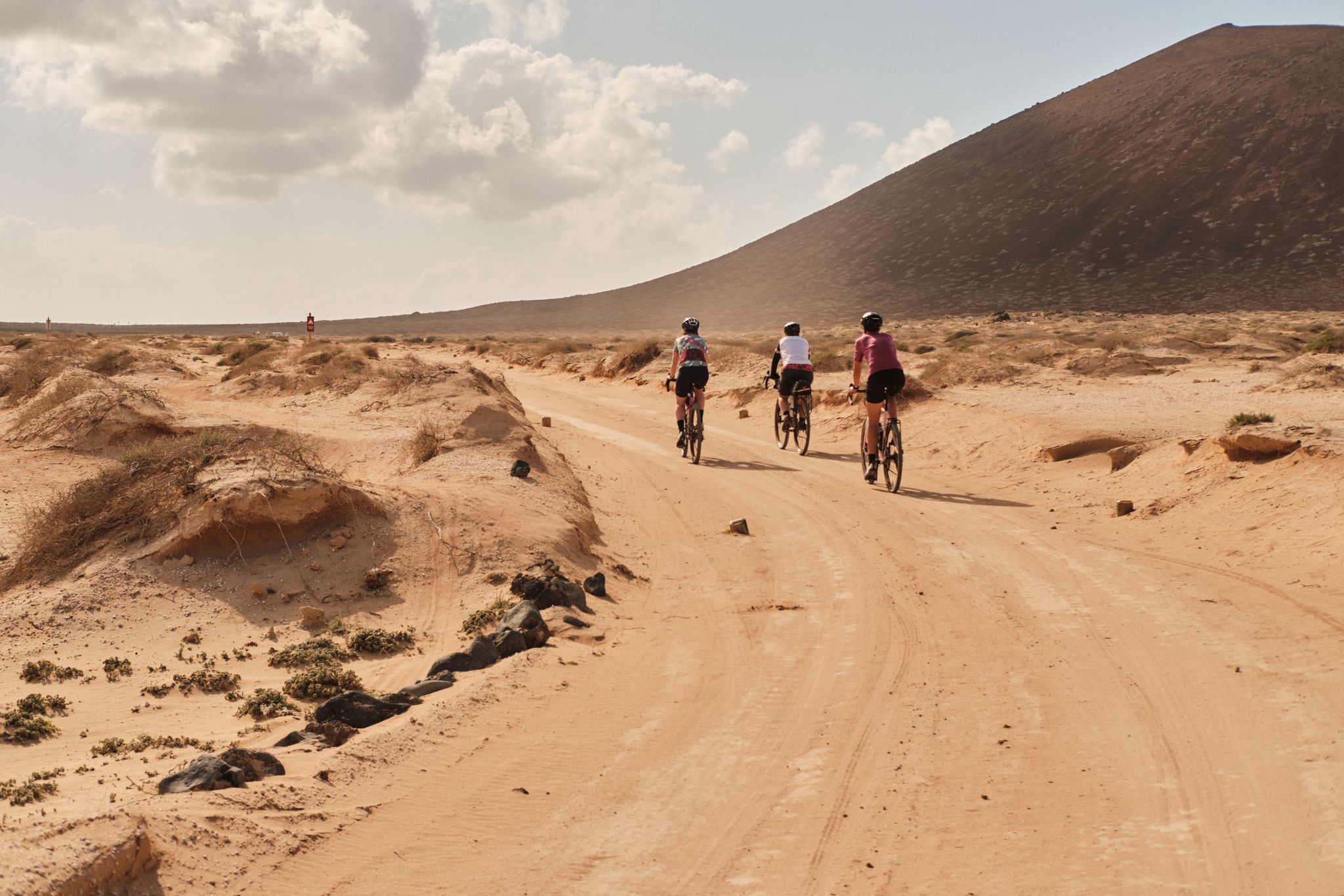
GranGuanche gravel – Komoot women's rally 2023
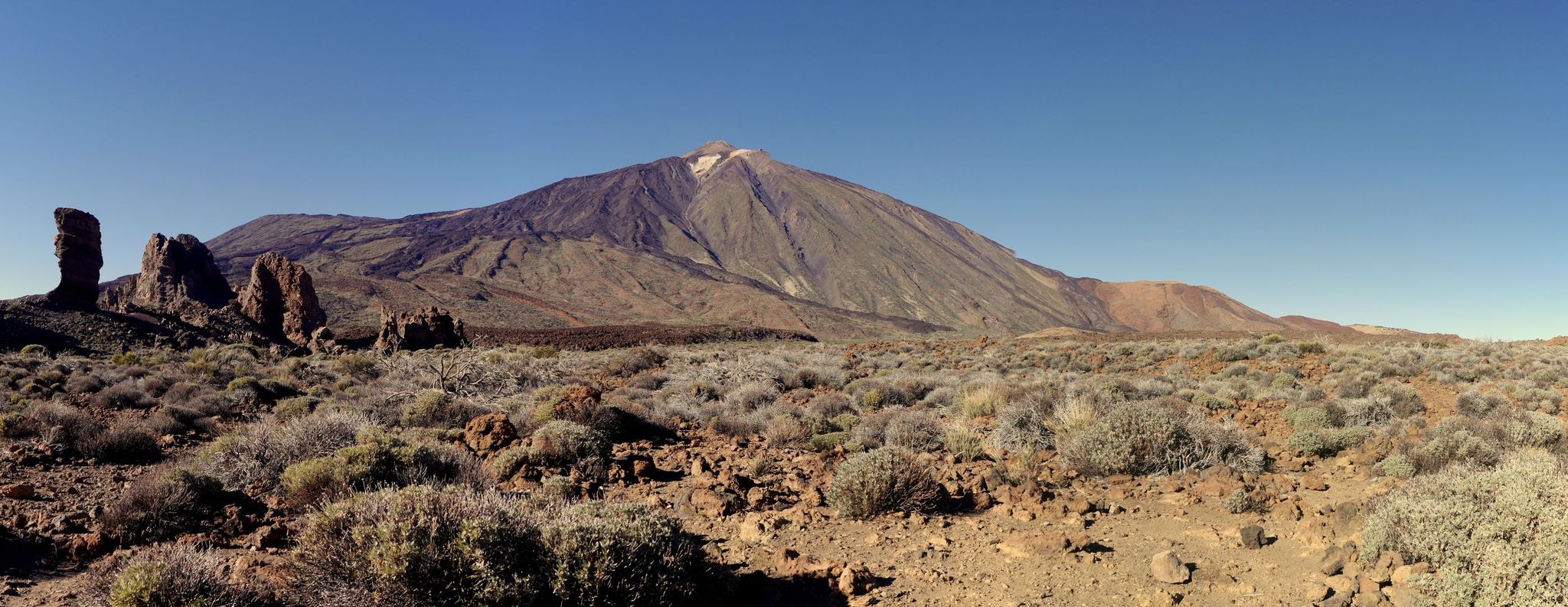
The giant of Tenerife — around Teide by road bike
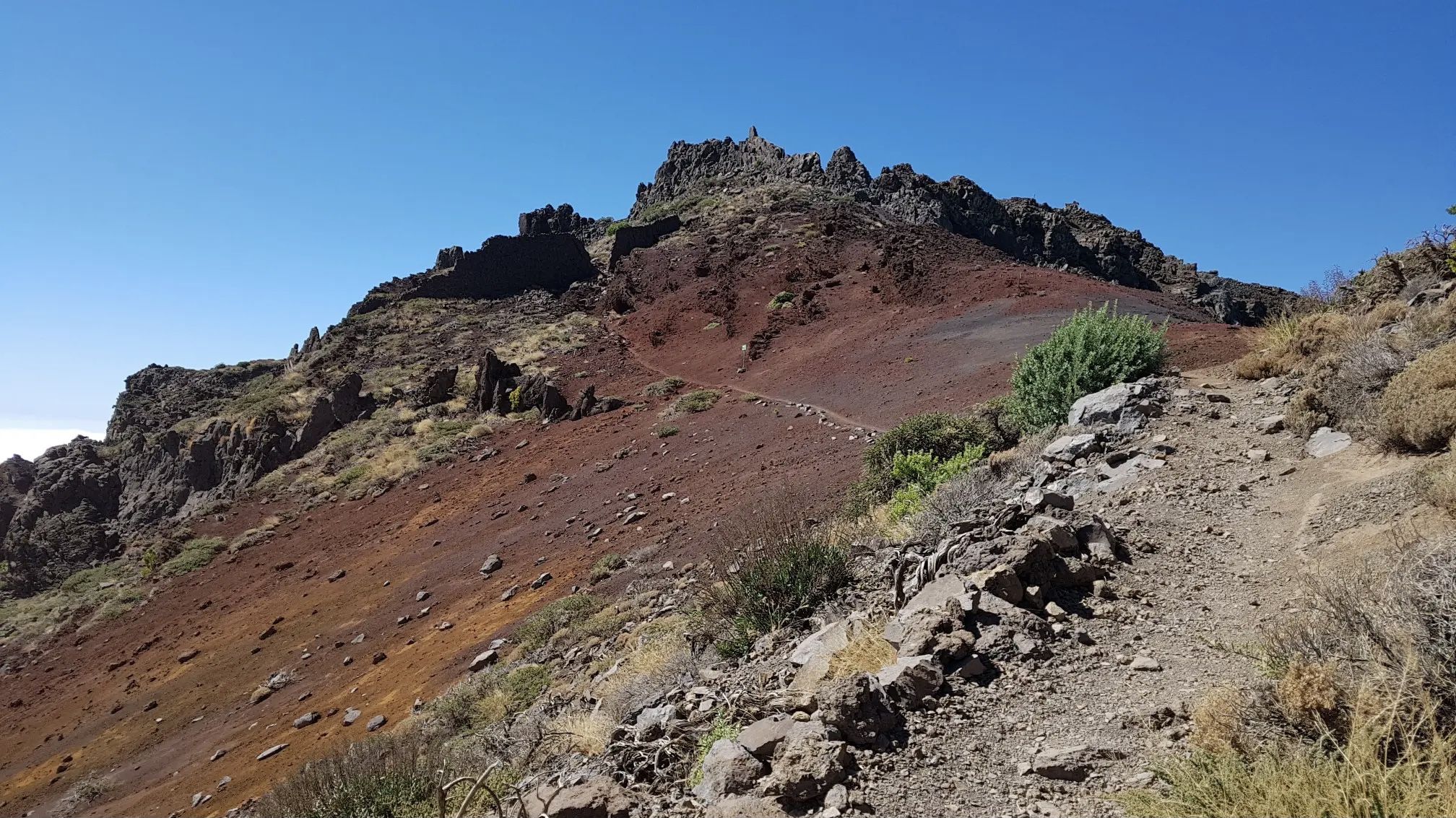
GR 131 El Bastón – La Palma in all its splendour
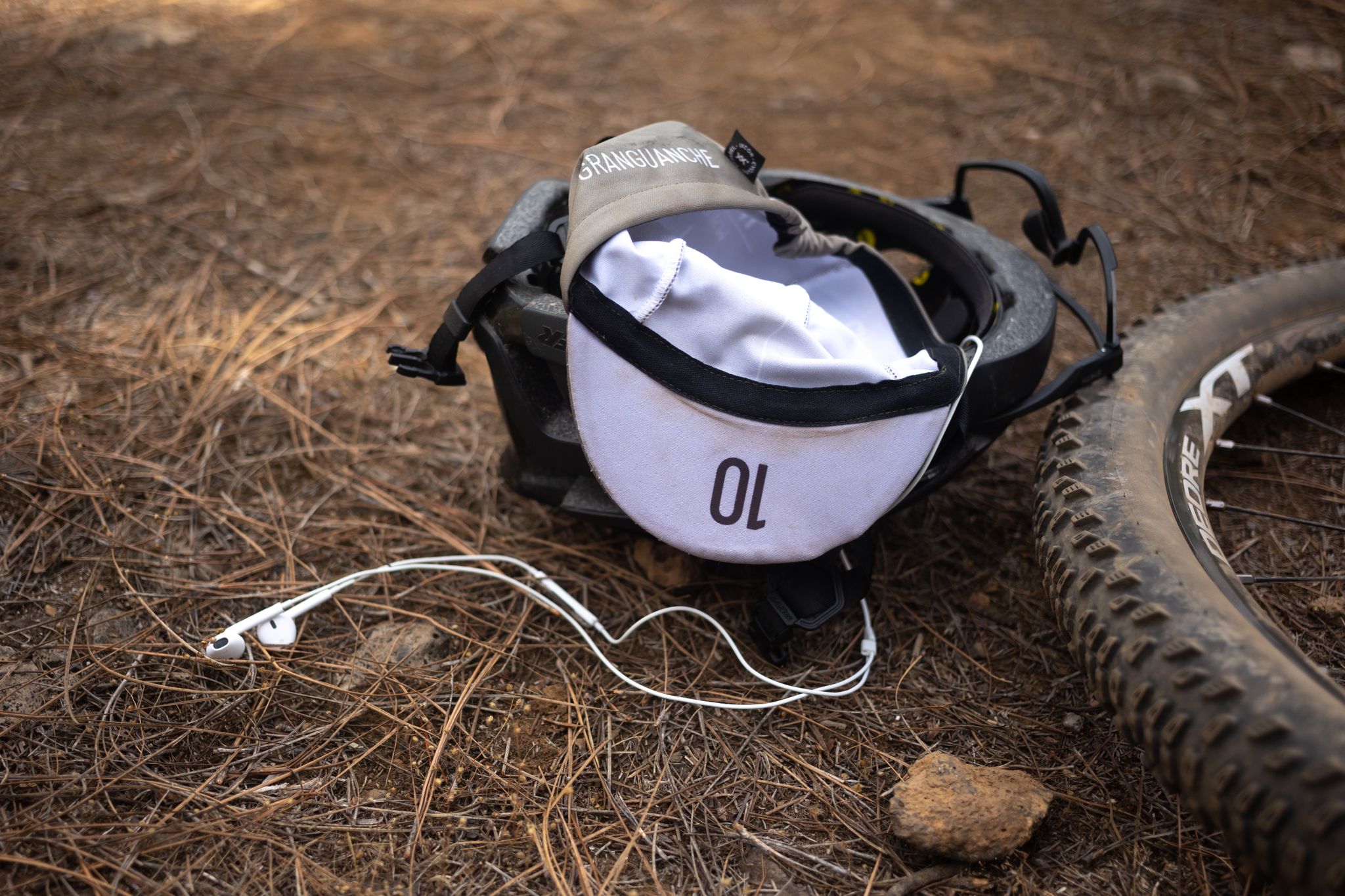
GranGuanche Audax Trail – my first ultra race on the Canary Islands
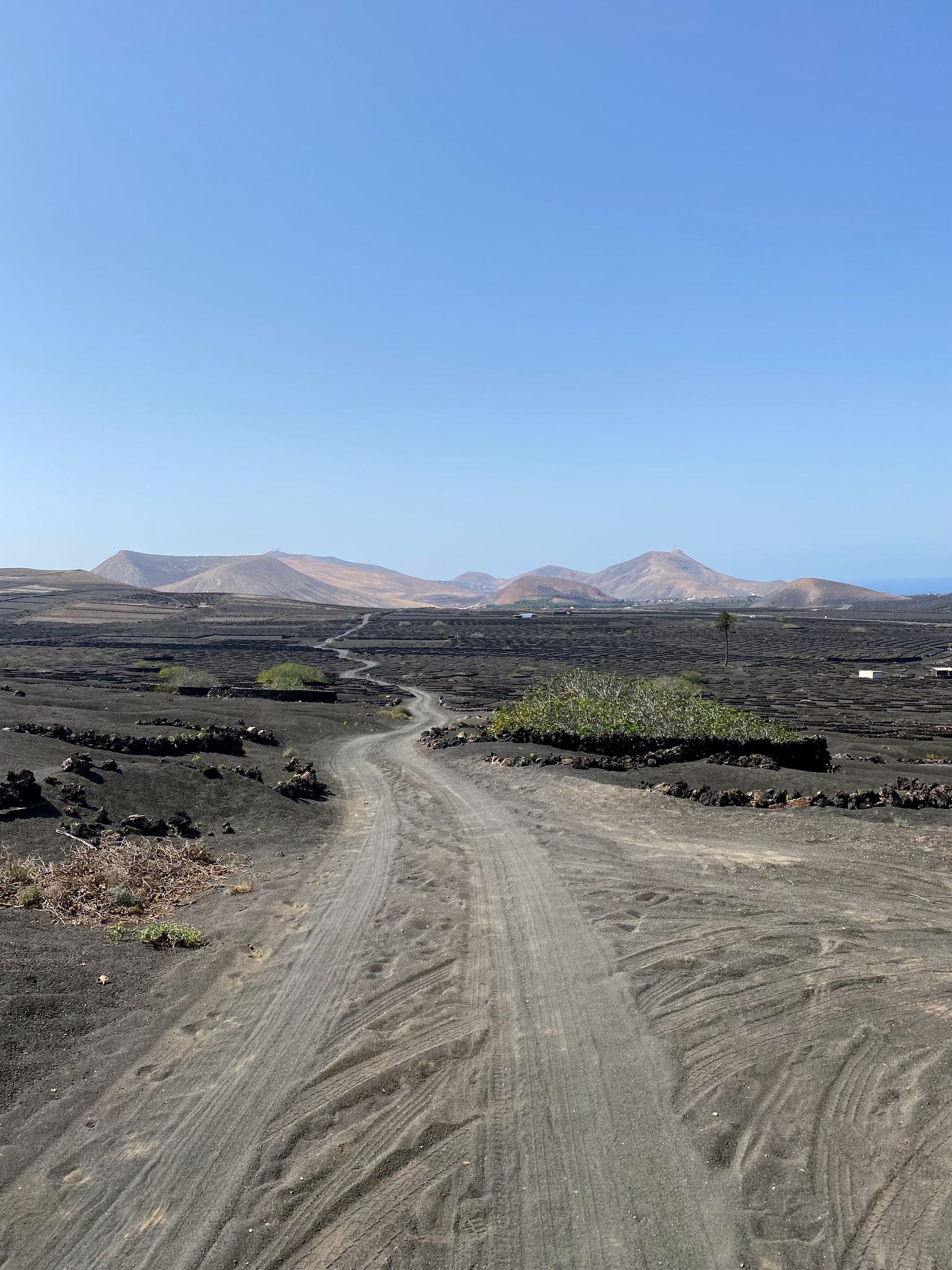
Bikepack in the Canary Islands – surprising adventures in the sun
GR 132 – Up and down on an island loop of La Gomera
Canary Islands at a slow pace – six hikes immersed in nature
Other adventures in the Canary Islands


Tips from the Community

The Valley of Tears must be attempted, but be left in no doubt that it is super difficult.
0
0


Great views of the west coast
2
0

If you're planning to explore this area by bike, on a run, or while hiking, make sure to bring your own Merlot. The region is known for its stunning views and outdoor activities, but finding a good spot to enjoy a glass of wine can be a challenge. Packing your favorite Merlot ensures you can savor a well-deserved drink after your adventure!
0
1

From here you can go hiking, there is a public car park nearby. Locals offer various delicacies😊
1
0

great asphalt and beautiful route
0
0

The path to Barancco Seco is closed from February to August due to bird breeding seasons. The upper path, which leads towards El bujero, is very impressive, especially the view of the valley. But the path is also adventurous and can be classified as T2+ in terms of level and in some areas up to T3+ (some exposed areas with a possible risk of falling. The path is mostly recognizable, sometimes only guessable. ), so not without it. At the end it is important to follow the red arrow and turn left up, otherwise you will end up on a short path (T4+) which, after some climbing on the slope, leads back to the actual path, but is very dangerous and you often cannot find the path so you have to look for it yourself. So be careful!
3
0

Nice viewpoint right on the road, which can also serve as a pleasant uphill for the Maspalomas home flow trail that starts here, which leads you back to Maspalomas in an entertaining way - partly flowing, partly with small steps.
3
0
Frequently Asked Questions
Which mountain passes offer the most spectacular views in the Canary Islands?
Many mountain passes in the Canary Islands provide breathtaking vistas. For panoramic views of Gran Canaria's interior, including Roque Nublo and Pico de las Nieves, visit Cruz de Tejeda. On Fuerteventura, Cofete Viewpoint offers incredible views of both sides of the island after a demanding climb. For a unique perspective of the Barranco de Fataga and the sea, the Degollada de las Yeguas Astronomical Viewpoint is highly recommended. In Tenerife, the roads through Teide National Park offer otherworldly volcanic landscapes, while the Anaga Mountains provide dramatic coastal views.
Are there any particularly challenging mountain passes for cycling or driving enthusiasts?
Yes, the Canary Islands offer several challenging routes. Gran Canaria's Tauro Pass is known for its 'perfect hairpin curves' and good asphalt, making it thrilling for cyclists and drivers. The Valley of the Tears (La Aldea de San Nicolás) is notorious for extremely steep gradients (up to 25%) and is considered one of the toughest and most beautiful roads for cyclists. On Fuerteventura, the mountain road from Vega de Rio Palmas to Pájara is narrow, winding, and features significant drops, offering a dramatic driving experience.
What unique natural features can I see on the mountain passes?
The mountain passes traverse diverse natural environments. In Gran Canaria, you'll find dense pine forests around Alto de Fataga. Tenerife's Anaga Mountains are home to ancient laurel forests (Laurisilva), while Mount Teide National Park showcases lava fields, volcanic rock formations, and craters. La Palma's Roque de los Muchachos offers views into the massive Caldera de Taburiente, a gigantic erosion crater. La Gomera's Alto de Garajonay is within a national park known for its dense laurel and cloud forests.
Are there family-friendly mountain passes or viewpoints in the Canary Islands?
Yes, some mountain passes and viewpoints are suitable for families. Cruz de Tejeda on Gran Canaria is listed as family-friendly and offers facilities. The Degollada de las Yeguas Astronomical Viewpoint is also categorized as family-friendly, providing easy access to stunning views. Many areas within national parks, like Garajonay in La Gomera, have accessible trails and viewpoints suitable for families, though some paths may be more challenging.
What outdoor activities can I do near these mountain passes?
The mountain passes are excellent starting points for various outdoor activities. You can find numerous hiking trails, from easy to challenging, across all islands. For example, the Anaga Mountains and Garajonay National Park are fantastic for hiking. Cyclists will enjoy the winding roads of Tauro Pass and the Pájara to Tuineje Road. For more detailed routes, you can explore Road Cycling Routes in the Canary Islands or Hiking in the Canary Islands.
What is the best time to visit the mountain passes in the Canary Islands?
The Canary Islands enjoy a mild climate year-round, making mountain passes accessible for most of the year. However, for hiking and cycling, spring (March to May) and autumn (September to November) offer pleasant temperatures and less crowded conditions. Winter can bring cooler temperatures and occasional rain, especially at higher altitudes, but also offers clear skies. Summer can be hot, particularly in exposed areas, so early morning or late afternoon visits are recommended.
Are there any mountain passes known for stargazing or astronomical observations?
Yes, the Canary Islands are renowned for their clear skies, making them ideal for astronomy. The Degollada de las Yeguas Astronomical Viewpoint on Gran Canaria is specifically named for its suitability for stargazing. On La Palma, the road to Roque de los Muchachos, the island's highest point, is a prime location for astronomical observatories due to its exceptional clear skies and elevation, offering extraordinary views of the night sky.
Can I find cafes or restaurants near the mountain passes?
Many popular mountain passes and viewpoints have amenities nearby. Cruz de Tejeda on Gran Canaria is a well-known stop with restaurants and cafes. The historic town of Tejeda is also nearby. Masca Village in Tenerife, nestled in the Teno Mountains, offers charming local eateries. When visiting Alto de Fataga, visitors often recommend stopping at the local bakery for coffee.
What kind of historical or cultural significance do some mountain passes hold?
Some mountain passes are steeped in history. Cruz de Tejeda, located at Gran Canaria's geographical center, is marked by a stone cross and was historically a meeting point for roads and a starting point for old 'caminos reales' (royal paths). Alto de Garajonay on La Gomera is not only the highest point but also a sacred site with historical significance, offering insights into the island's past.
Are there any mountain passes that are particularly good for birdwatching or observing local flora and fauna?
Yes, the diverse ecosystems around the mountain passes are excellent for nature observation. The Anaga Mountains in Tenerife, with their ancient laurel forests, are rich in unique flora and fauna. Garajonay National Park in La Gomera, a UNESCO World Heritage site, is known for its dense cloud forests and diverse plant life. Pico de Malpaso on El Hierro also boasts rich flora and fauna, including endemic species and laurel forests, making these areas ideal for nature enthusiasts.
What should I know about accessibility and parking at popular mountain passes?
Accessibility varies by location. Popular spots like Cruz de Tejeda and the Degollada de las Yeguas Astronomical Viewpoint typically have designated parking areas. However, roads to more remote passes, such as those leading to Masca Village in Tenerife or through the Valley of the Tears, can be narrow and winding with limited parking. It's advisable to check specific location details for parking availability and road conditions, especially for larger vehicles.
What do visitors enjoy most about the mountain passes in the Canary Islands?
Visitors consistently praise the spectacular natural beauty, the challenging yet rewarding routes, and the breathtaking panoramic views. Many appreciate the sense of accomplishment after conquering a difficult climb, whether by bike or car. The unique geological features, from volcanic landscapes to ancient forests, also leave a lasting impression. The opportunity to combine scenic drives with hiking and exploring charming villages is a major draw.
Most popular routes in the Canary Islands
Most popular attractions in the Canary Islands

Get inspired with the komoot mobile app


Didn’t find what you were looking for?
Find even more amazing mountain passes in the Canary Islands organized by region:
Explore more
See even more epic mountain passes by checking out these guides in the Canary Islands:
