Top 20 Natural Monuments in Landkreis Würzburg
Best natural monuments in Landkreis Würzburg offer diverse landscapes and unique ecological features for exploration. The region is characterized by its varied natural settings, including ancient trees, distinctive rock formations, and lush gorges. These protected areas provide opportunities to experience the local environment and its natural heritage. Landkreis Würzburg features 20 natural monuments, making it a notable destination for nature enthusiasts.
Best natural monuments in Landkreis Würzburg
- The most popular natural monuments is Anna Gorge, a gorge that is…
Last updated: July 7, 2026
Court Garden at the Würzburg Residence
Highlight • Natural Monument
More information: residenz-wuerzburg.de/deutsch/garten/geschichte.htm
Translated by Google •
Tip by

Veitshöchheim Palace and Rococo Garden
Highlight • Castle
Translated by Google •
Tip by

Sign up now to discover places like this
Get recommendations on the best single tracks, peaks, & plenty of other exciting outdoor places.
Sign up for free
Würzburg State Garden Show Park
Highlight • Natural Monument
Showing Translation
Tip by

Anna Gorge
Highlight (Segment) • Gorge
Translated by Google •
Tip by

Laichsee in the Steinbach Valley
Highlight • Lake
Translated by Google •
Tip by

Volkenberg Black Pine Forest
Highlight • Forest
Translated by Google •
Tip by

Stein Wine Trail (Würzburger Stein)
Highlight (Segment) • Trail
Translated by Google •
Tip by
Kunigunden Chapel on the Altenberg
Highlight • Religious Site
Translated by Google •
Tip by

Höchberg Quarry
Highlight • MTB Park
Translated by Google •
Tip by

Blutsee-Moor Nature Reserve
Highlight • Natural
Translated by Google •
Tip by

Sign up for free to discover even more natural monuments in Landkreis Würzburg.
Sign up for free
Already have an account?
Start today with a free account
Your next adventure awaits.
Login or Signup
Popular around Landkreis Würzburg
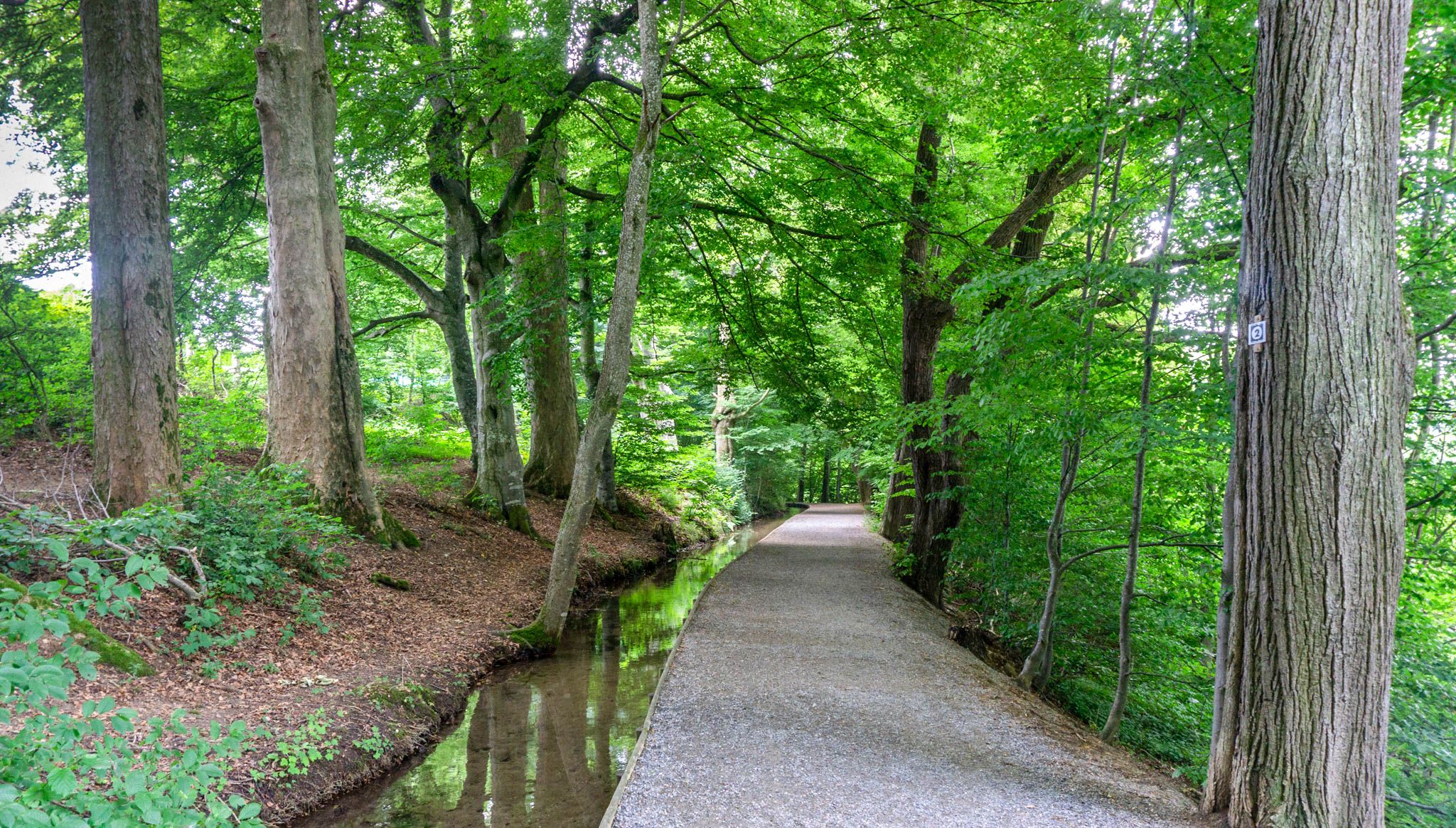
Main-Danube-Lake Constance Trail – Along iconic waters
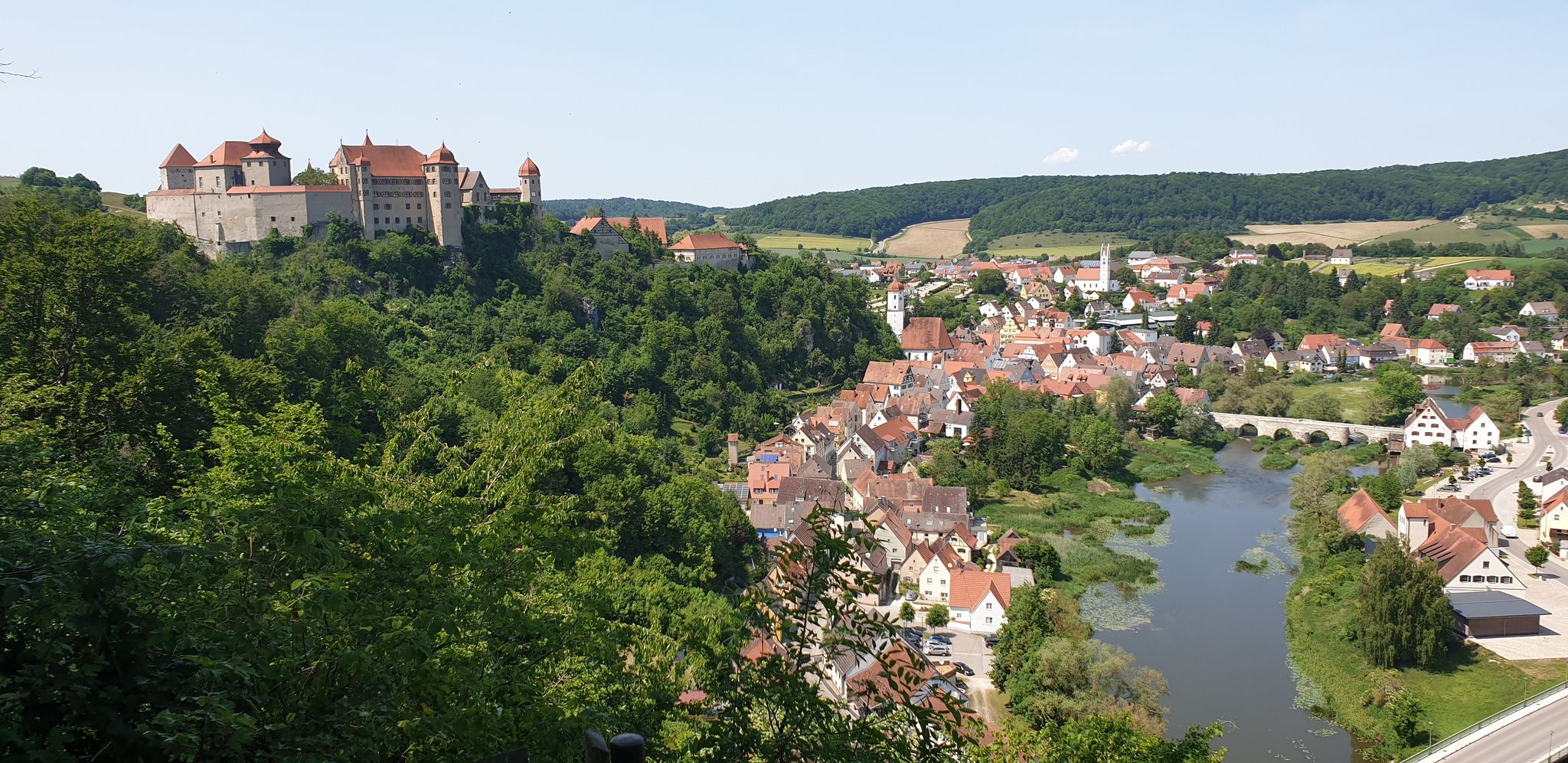
The Romantic Road – To the Pearls of Southern Germany
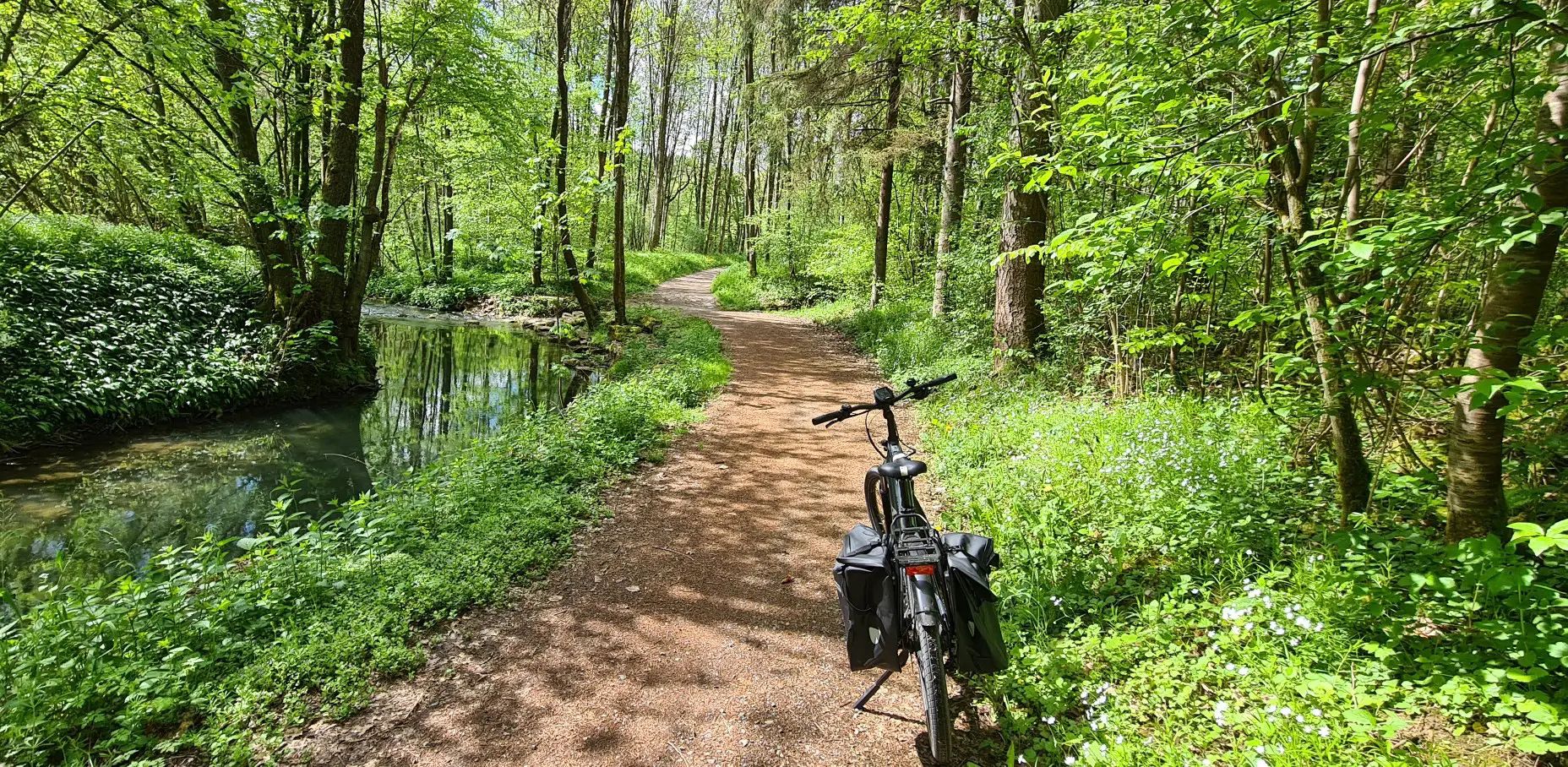
Germany's Main-Tauber-Franconian Radachter – two loops, one experience
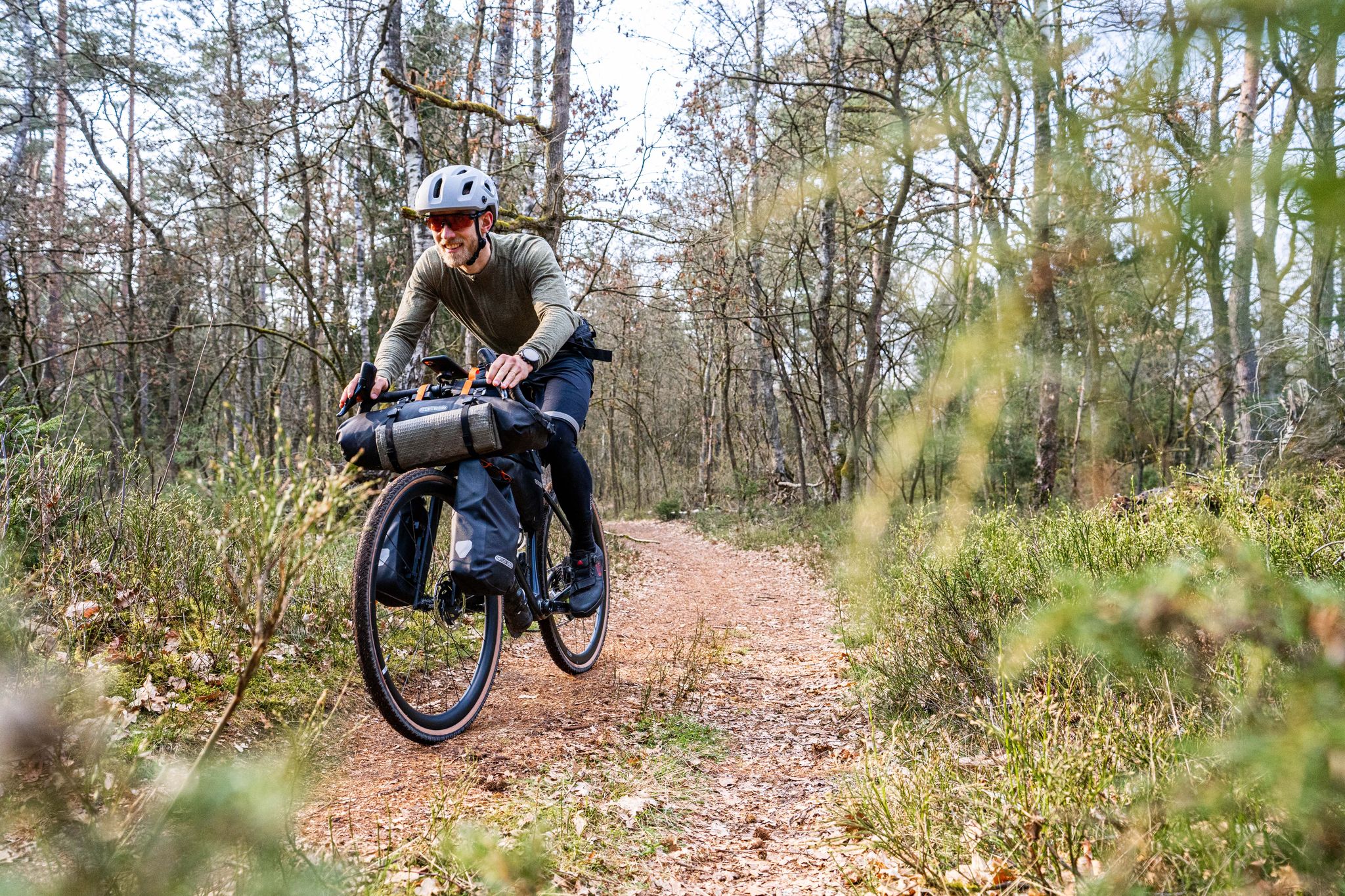
Gravel bikepacking from Hamburg to Munich
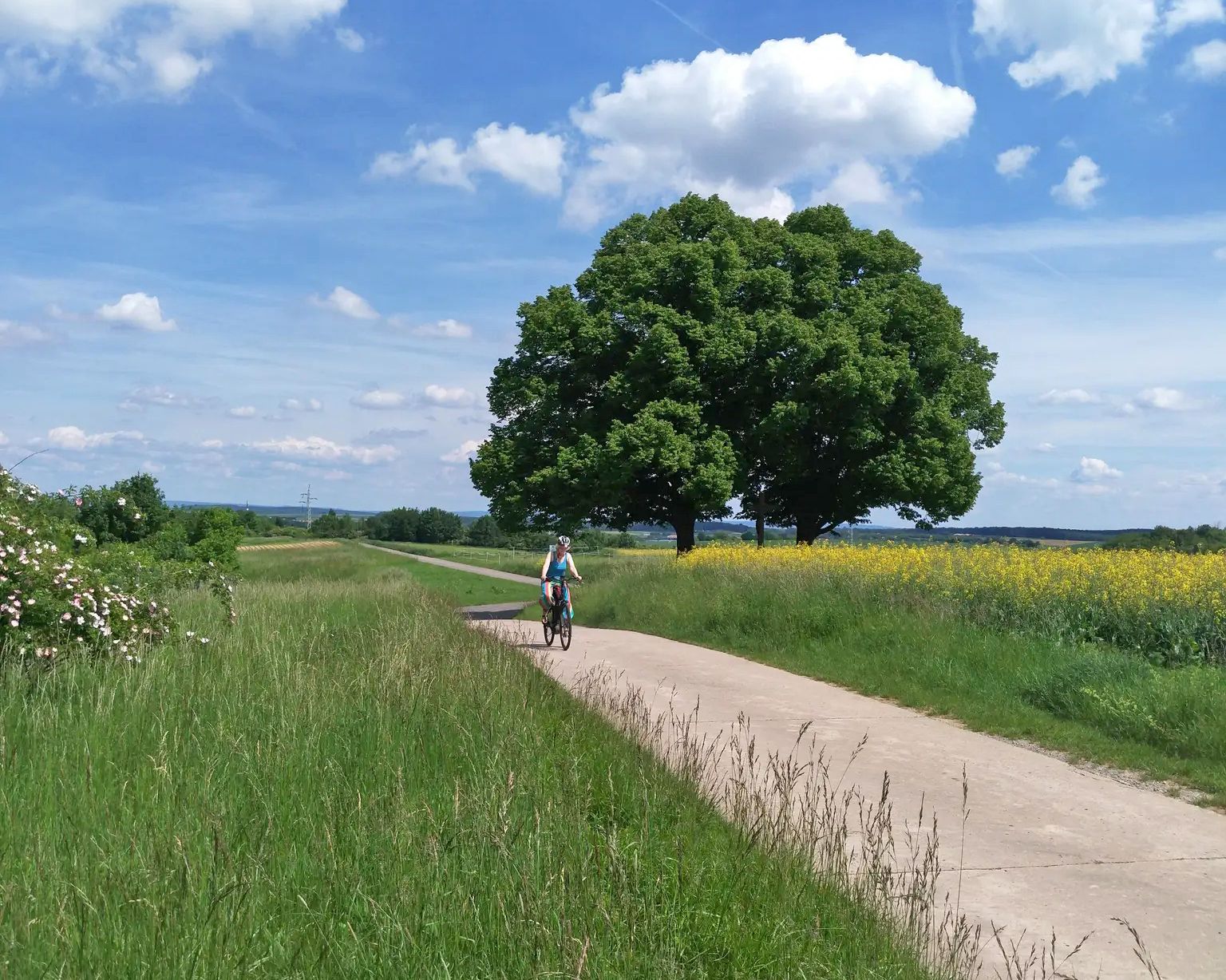
Main-Werra cycle path – From river to river
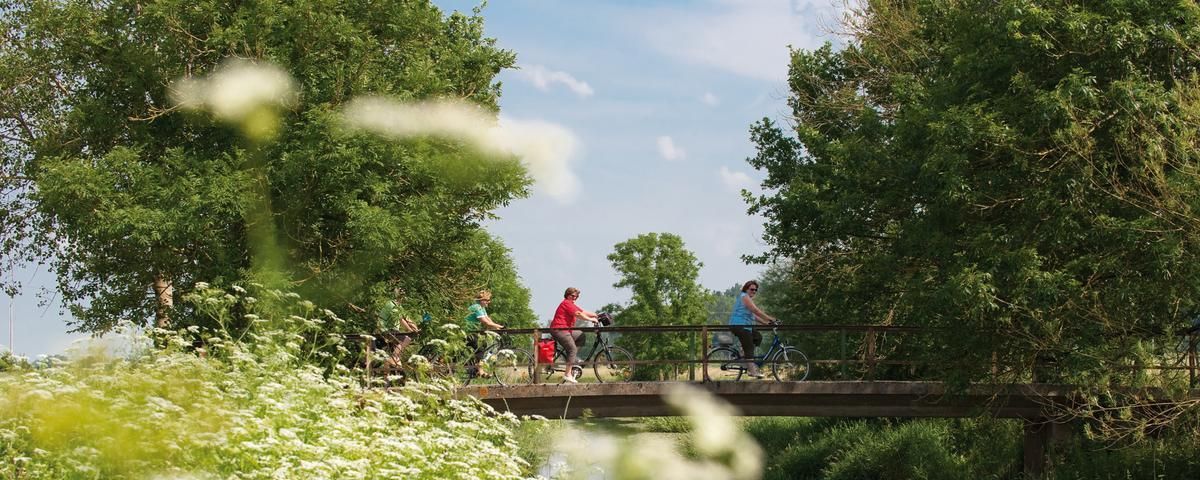
The most beautiful long-distance cycle paths in Franconia
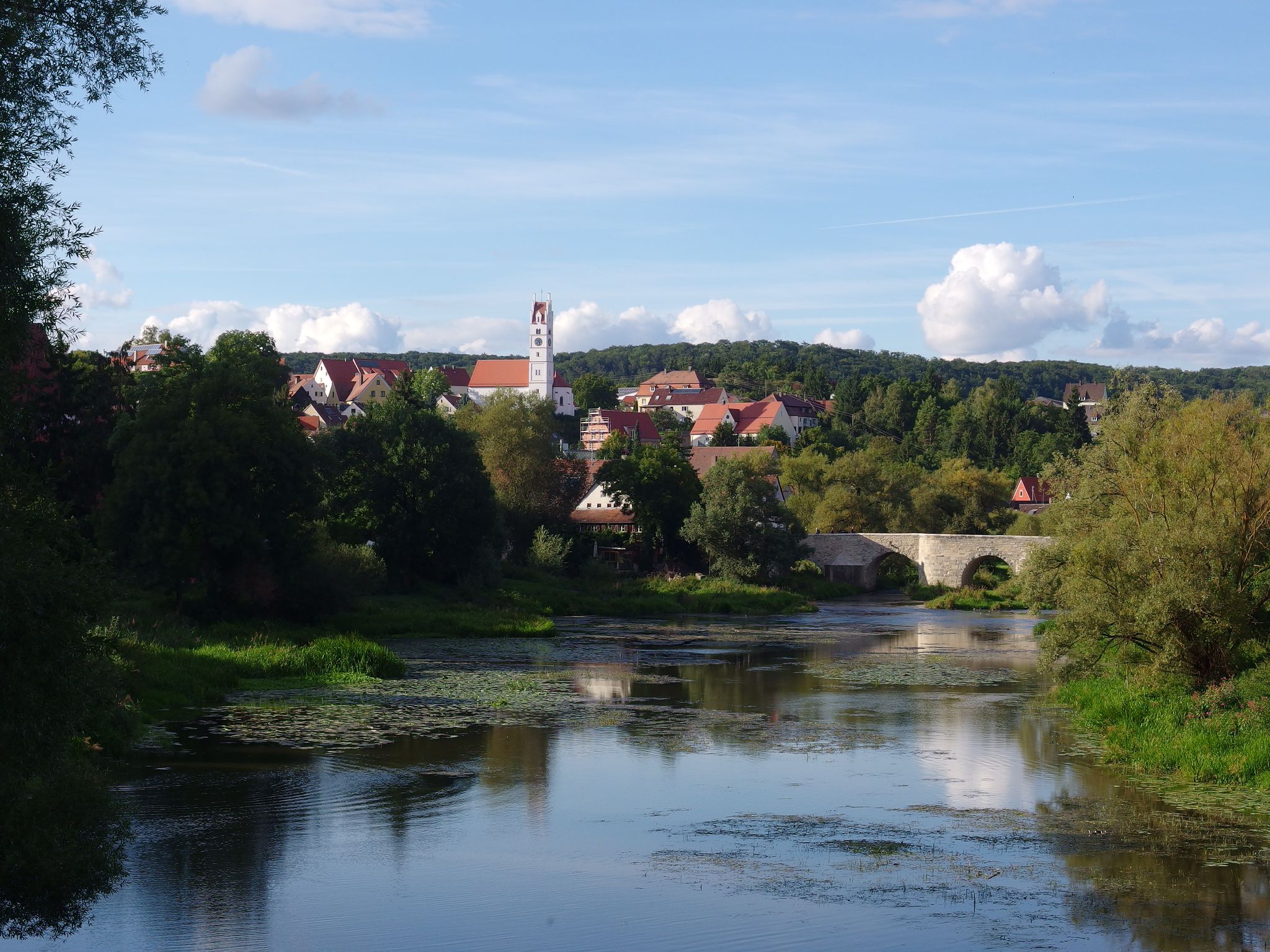
The Romantic Road – 10 fabulous stages

Family hiking with the adventure factor in the 'Süden ganz oben'
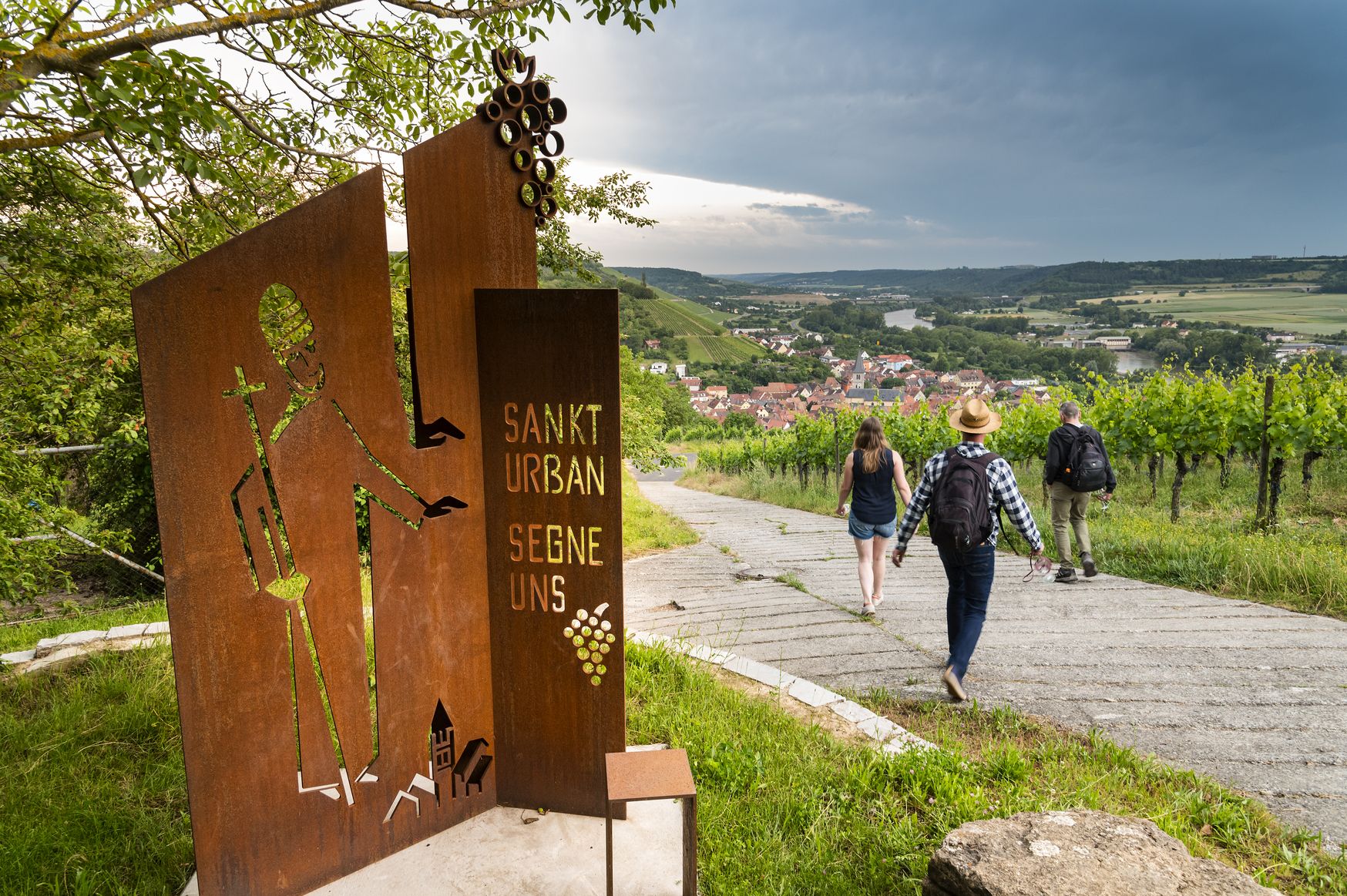
Hiking and culinary delights – walks in the Franconia wine region
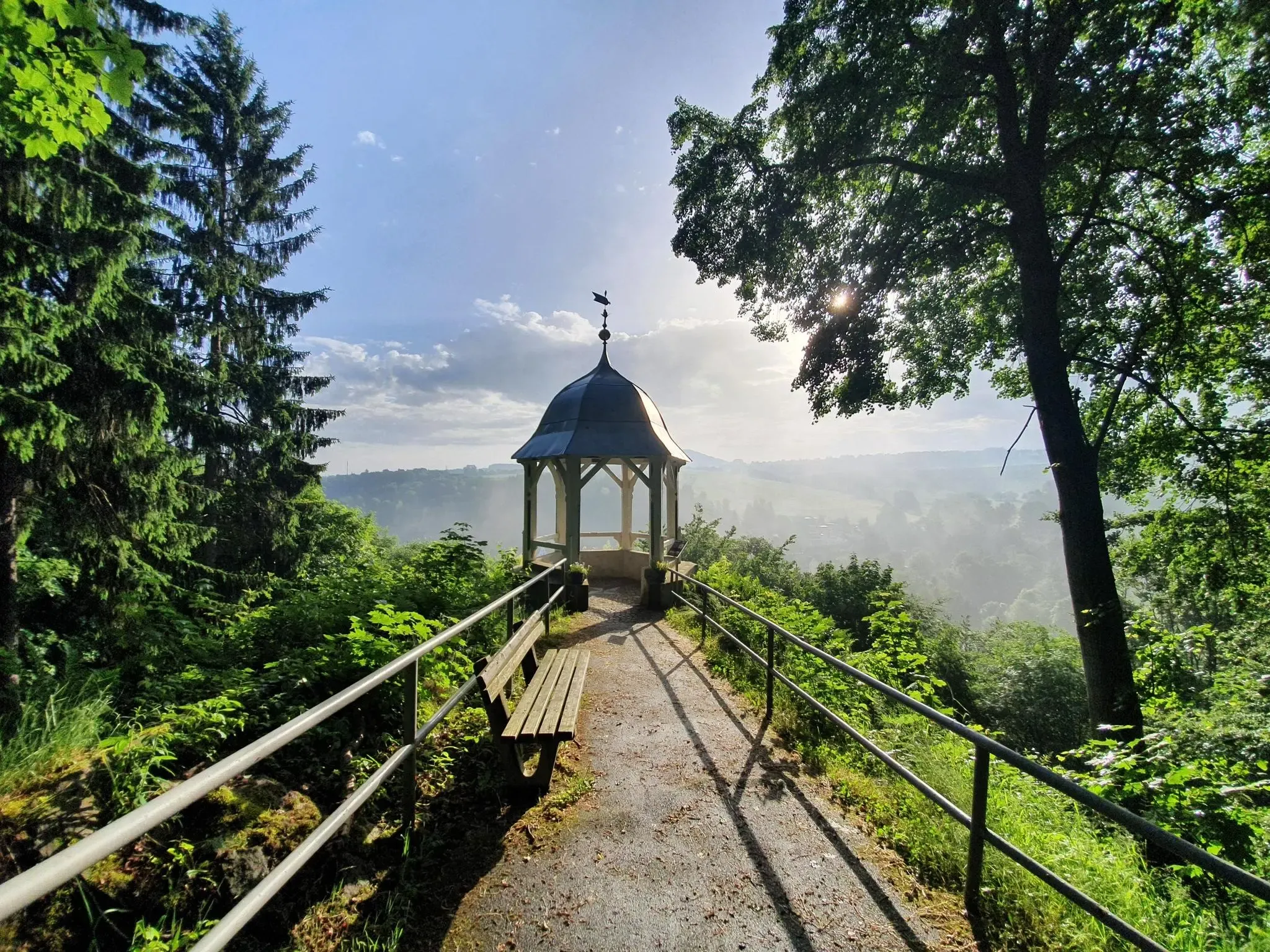
#GoFurther – discover the views of Germany!
Other adventures in Landkreis Würzburg


Tips from the Community

An average gradient of 20% speaks for itself. Unfortunately, the path is repeatedly interrupted by stairs.
1
0


Fine gorge, well secured… However, it would be nicer left natural and without an asphalt road
12
2

Veitshöchheim is very beautiful, you have to visit it
2
0

Veitshöchheim is a municipality in the Lower Franconian district of Würzburg and is located on the Main. The town is a former summer residence of the Prince-Bishops of Würzburg, later of the Kings of Bavaria. The palace complex with its Rococo garden is well-known. Veitshöchheim was first mentioned in 779. The parish of Veitshöchheim was donated to the monastery of St. Stephan in 1097 by the Würzburg bishop Emehard. Veitshöchheim Palace was built between 1680 and 1682 under Prince-Bishop Peter Philipp von Dernbach and expanded between 1749 and 1753 by Balthasar Neumann. The construction of the court garden, which belongs to the palace, began in 1702. The parish church of St. Vitus, which still exists today, was consecrated in 1691, and the Veitshöchheim synagogue was built between 1727 and 1730. In 1814, the town finally fell to the state of Bavaria, after only nine years earlier it had become part of the Grand Duchy of Würzburg. The municipality was formed in its current form in the course of the Bavarian administrative reforms in 1818. Veitshöchheim train station with the royal pavilion was built in 1853 and 1854 under Maximilian II of Bavaria. Source: Wikipedia
4
0


Kunigunde's linden tree "Thousand-year-old" Kunigunde's linden tree ♁⊙ on the west side of the churchyard Right next to the chapel stands the "Thousand-year-old" Kunigunde's linden tree, also named after the saint. According to the legend of the church's founding, it is the same tree in which Kunigunde's veil got caught and the little church was built under her. Since the historical Kunigunde died in 1033, this would confirm the linden tree's age of over 1000 years. The actual age of the tree is highly controversial, however, and very different information can be found in the literature. A dendrological determination of the age of the striking tree is not possible, since its trunk is completely hollow and the core of the trunk is missing. It is often assumed that the linden tree was planted at the same time as the chapel was built, which would make it at least 800 years old. The linden tree itself is a summer linden and a protected natural monument. Over the centuries of its life, its trunk has split into four parts and is completely hollow inside. The remaining remnants of the trunk shell are supported by massive iron rods. To prevent it from breaking apart under the weight of its own crown, a radical pruning is carried out approximately every 25 years - the Kunigundenlinde has been completely decapitated several times in recent decades during renovation work. https://de.wikipedia.org/wiki/Kunigundenkapelle_(Burgerroth)
4
0
After her canonization in 1200, Saint Kunigunde became one of the most popular saints, especially in Franconia. According to legend, the construction of the chapel in Burgerroth can be traced back to her. She had vowed to build three churches and wanted to leave the choice of building sites to divine providence. She let three veils fly from Bamberg Castle: wherever they were found, a church was to be built. One of the veils was carried by the wind to the Old Mountain, where it got caught in a linden tree that still stands there today. The little church was to serve as a parish church for both Burgerroth and the neighboring town of Buch, but the people of Buch felt that the location was too far away. They took the building materials to Buch on their own initiative, but the next day everything was back in its intended place. One carpenter is said to have even laid down on the stones in the evening and woke up on the stones on the Old Mountain the next morning. The people of Buch gave up their resistance and the chapel was built here. Kunigundenstein The saint is said to have prayed at a spot 150 m southeast of the chapel in the direction of Gollach and left her hand, knee and footprints there. https://de.wikipedia.org/wiki/Kunigundenkapelle_(Burgerroth)
4
0
Frequently Asked Questions
What types of natural monuments can I explore in Landkreis Würzburg?
Landkreis Würzburg offers a diverse range of natural monuments, including ancient trees, distinctive rock formations, tranquil lakes, and lush gorges. You can find unique ecosystems like steppe heaths and black pine forests, providing varied natural settings for exploration.
Are there family-friendly natural monuments in Landkreis Würzburg?
Yes, several natural monuments are suitable for families. For instance, the Anna Gorge is a popular spot with trails, and the Laichsee in the Steinbach Valley is a fascinating spawning ground for toads, especially in late May, offering an interesting nature observation experience for children.
What unique geological features can I discover in the region?
The region features several interesting geological formations. You can explore areas like "Das rote Loch" (The Red Hole) in Thüngersheim, a distinctive water puddle, or the Höchberg Quarry, which is recognized for its geological significance and offers insights into the area's past. Other notable formations include the Felsriegel am Hirschberg (Rock Ridge at Hirschberg).
Where can I find historical natural sites or ancient trees?
For a blend of history and nature, visit the Court Garden at the Würzburg Residence, a beautifully landscaped historical site. Another remarkable spot is the Kunigunden Chapel on the Altenberg, where you'll find an approximately 1000-year-old lime tree, a natural monument of a very special kind.
What outdoor activities can I do near these natural monuments?
Landkreis Würzburg offers numerous opportunities for outdoor activities. You can find various running trails, easy hikes, and challenging MTB routes. For example, you can explore trails near the natural monuments by checking out the Running Trails in Landkreis Würzburg, Easy hikes in Landkreis Würzburg, or MTB Trails in Landkreis Würzburg guides.
Are there specific natural monuments known for their unique ecosystems?
Yes, the region is home to several unique ecosystems. The Volkenberg Black Pine Forest is Germany's largest contiguous stock of black pine, offering a distinctive forest experience. Additionally, areas like the Steppenheide am Hönigsberg (Steppe Heath at Hönigsberg) and the Waldsteppe, Steppenheide Schrannenwald (Forest Steppe, Steppe Heath Schrannenwald) showcase rare dry grassland and transitional ecosystems.
What do visitors enjoy most about the natural monuments in Landkreis Würzburg?
Visitors particularly appreciate the peaceful settings and the opportunity to connect with the local environment. Many enjoy the diverse flora in places like Anna Gorge and the unique geological insights offered by sites such as the Höchberg Quarry. The well-maintained paths and natural beauty make them ideal for walks and nature observation.
Can I find viewpoints offering scenic vistas among the natural monuments?
Absolutely. Many natural monuments in Landkreis Würzburg offer stunning views. For example, the View of the Main River and Ochsenfurt provides a picturesque panorama. Other sites, like the Stein Wine Trail (Würzburger Stein), combine natural beauty with expansive vistas of the surrounding landscape.
Are there any nature reserves or protected areas within the natural monuments?
Yes, the region includes protected areas that contribute to its biodiversity. The Blutsee-Moor Nature Reserve is one such example, offering a glimpse into a unique moorland ecosystem. These areas are crucial for preserving the local environment and its natural heritage.
What is the best time to visit the natural monuments in Landkreis Würzburg?
The natural monuments can be enjoyed year-round, but the best time often depends on your interests. Spring (late May) is ideal for observing tadpoles at Laichsee. Summer and early autumn offer pleasant weather for hiking and exploring the forests and gorges. The changing colors of autumn also provide a beautiful backdrop for visits.
Are there any natural monuments that are particularly good for a quiet, refreshing escape?
For a refreshing natural escape, the Annaschlucht (Annas Gorge) is highly recommended. It's a wild, overgrown flood channel with diverse flora and a small spring, offering a tranquil setting away from the hustle and bustle. The forested areas, such as the Volkenberg Black Pine Forest, also provide peaceful paths for quiet contemplation.
Are there any natural monuments that are also historical sites?
Yes, some natural monuments intertwine with the region's history. Beyond the Court Garden at the Würzburg Residence, the Veitshöchheim Palace and Rococo Garden is another example where a historical site is also recognized for its natural monument qualities, offering a rich cultural and natural experience.
Most popular routes in Landkreis Würzburg
Most popular attractions in Landkreis Würzburg

Get inspired with the komoot mobile app


Didn’t find what you were looking for?
Find even more amazing natural monuments in Landkreis Würzburg by checking out the top Highlights region by region:
Explore more
Extend your search for the best caves by checking out these guides of the top ones in Landkreis Würzburg:
