Top 20 Natural Monuments in the Deister
Best natural monuments in the Deister encompass a forested mountain range southwest of Hanover, shaped by millions of years of geological processes. The Deister is primarily composed of limestone, marl, and sandstone from the Lower Cretaceous period, uplifted by tectonic movements. This landscape, further sculpted by glacial periods, offers varied rock types and topography. Exploring these natural landmarks provides insight into ancient geological forces and diverse natural features.
Best natural monuments in the Deister
- The most popular natural monuments is Quarry at Ebersberg, a natural monument that offers insight into geological formations. Visitors can observe the quarry's structure, which provides a perspective on the area's geological history.
- Another must-see spot is Süntel Beech Avenue in the spa park of Bad Nenndorf, a natural monument featuring rare Süntel beech trees. These trees are known for their distinctive twisted and contorted growth forms, making them a unique botanical attraction.
- Visitors also love Walterbach Valley Nature Reserve, a natural monument with a beautiful path through a nature reserve. This area offers varied terrain and is particularly notable for its autumn foliage and early spring flowers.
- Deister is known for its unique geological features, distinctive tree species, and serene water bodies. The region offers a variety of natural monuments to see and explore, from ancient quarries to rare beech avenues and tranquil springs.
- The natural monuments in the Deister are appreciated by the komoot community, with more than 2000 upvotes and over 1200 photos shared.
Last updated: September 26, 2026
Wennigsen Waterwheels
Highlight • Structure
Translated by Google •
Tip by

Blanketeich
Highlight • Lake
Translated by Google •
Tip by

Sign up now to discover places like this
Get recommendations on the best single tracks, peaks, & plenty of other exciting outdoor places.
Quarry at Ebersberg
Highlight • Natural Monument
Although it is nowhere near as deep as in the neighboring quarry, (komoot.de/highlight/396054) you should still be careful.
Translated by Google •
Tip by

Old Baptismal Font
Highlight • Natural Monument
Translated by Google •
Tip by

Kreuzbuche Memorial and Shelter
Highlight • Monument
Translated by Google •
Tip by

Walterbach Valley Nature Reserve
Highlight (Segment) • Natural Monument
Translated by Google •
Tip by

Walterbach Bridge in the Walterbachtal Nature Reserve
Highlight • Bridge
Translated by Google •
Tip by

Window to the Primeval Forest (Steinbrink, Deister)
Highlight • Viewpoint
Translated by Google •
Tip by

Ziegenbuche
Highlight • Natural Monument
Translated by Google •
Tip by

Böss Spring and Shelter
Highlight • Natural Monument
Translated by Google •
Tip by
Sign up for free to discover even more natural monuments in the Deister.
Already have an account?
Start today with a free account
Your next adventure awaits.
Popular around Deister
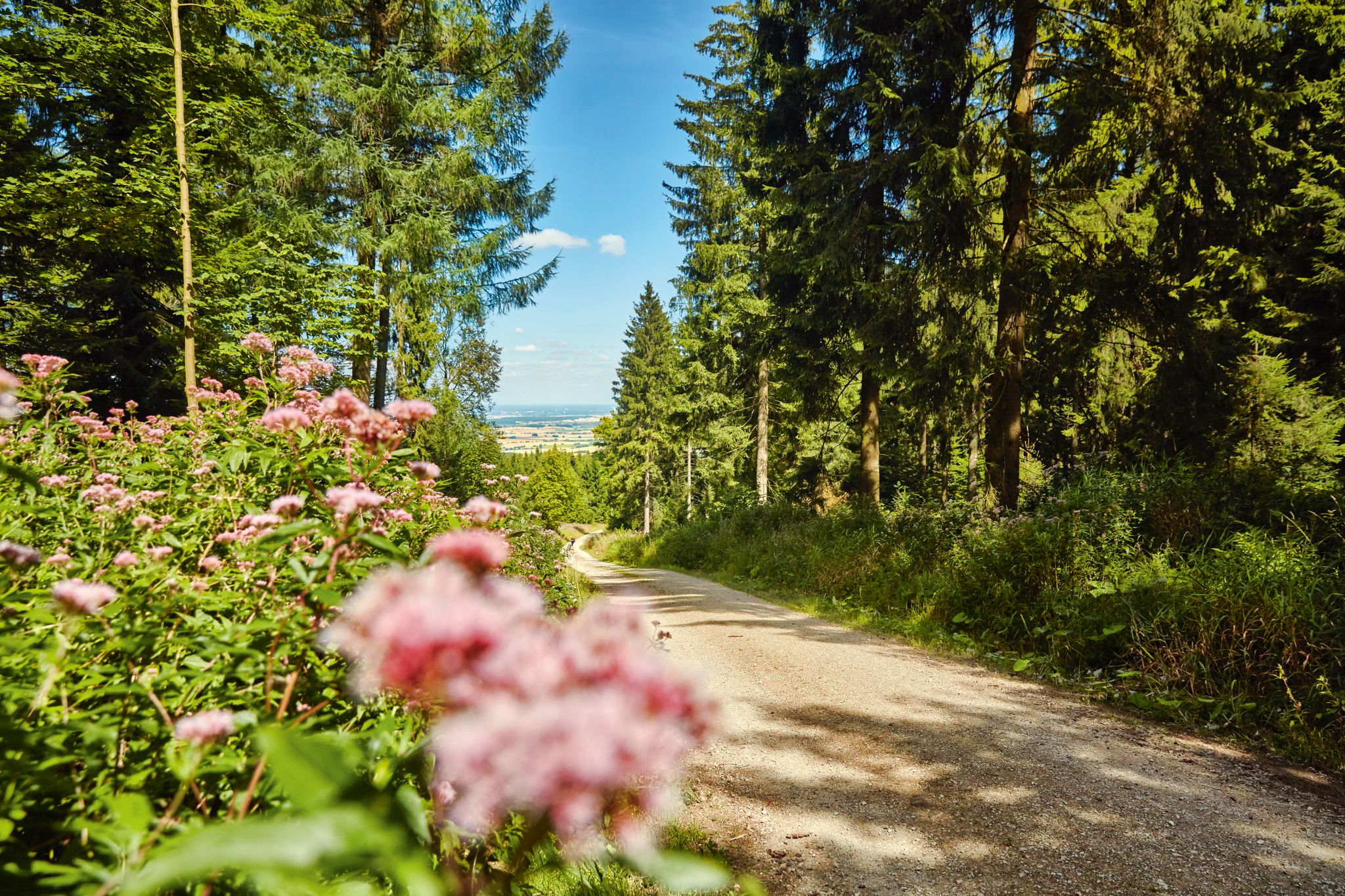
Hanover trails – hiking between Steinhuder Meer and Deister
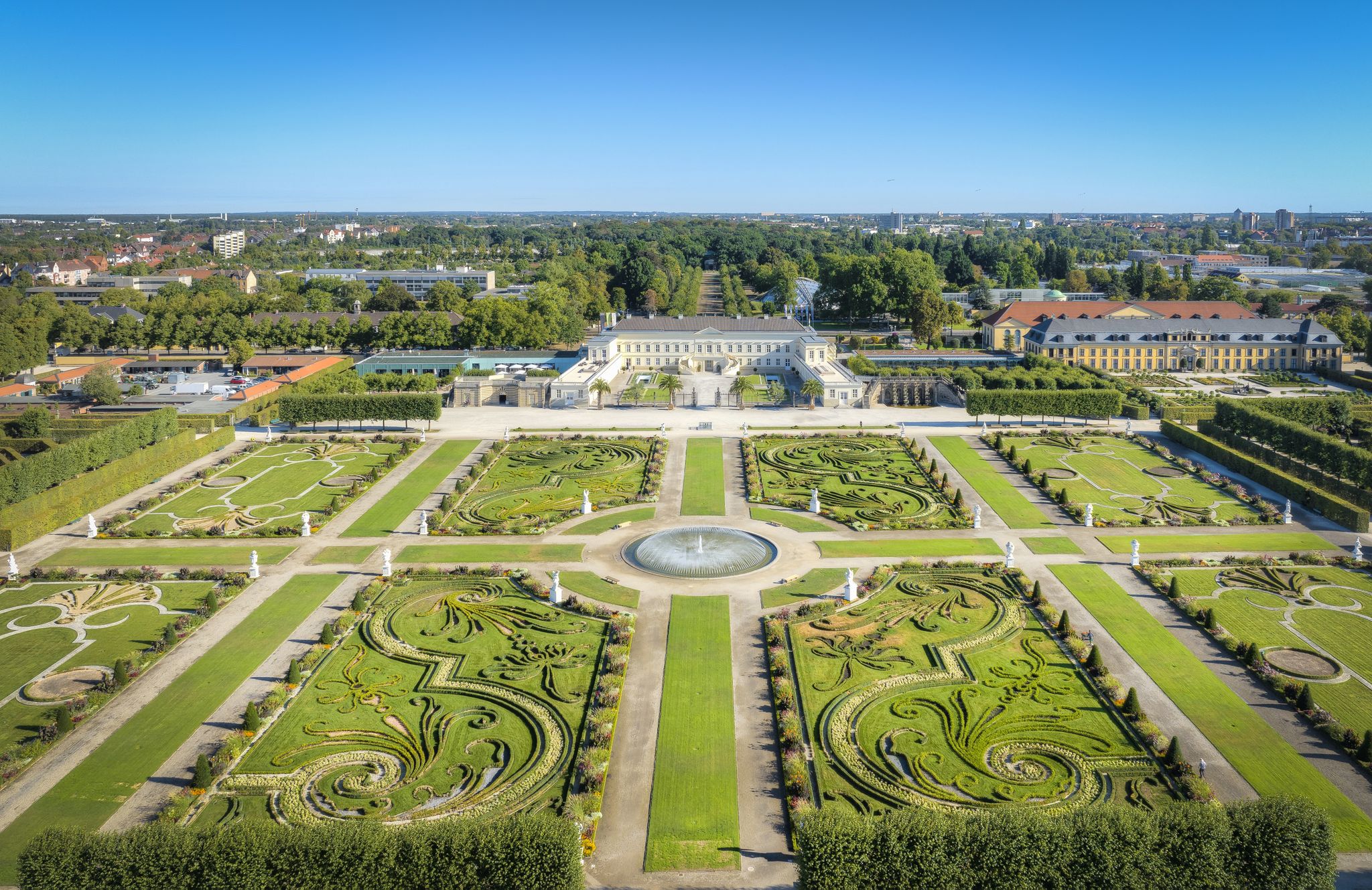
Hannover holiday region – varied cycling experiences in culture and nature
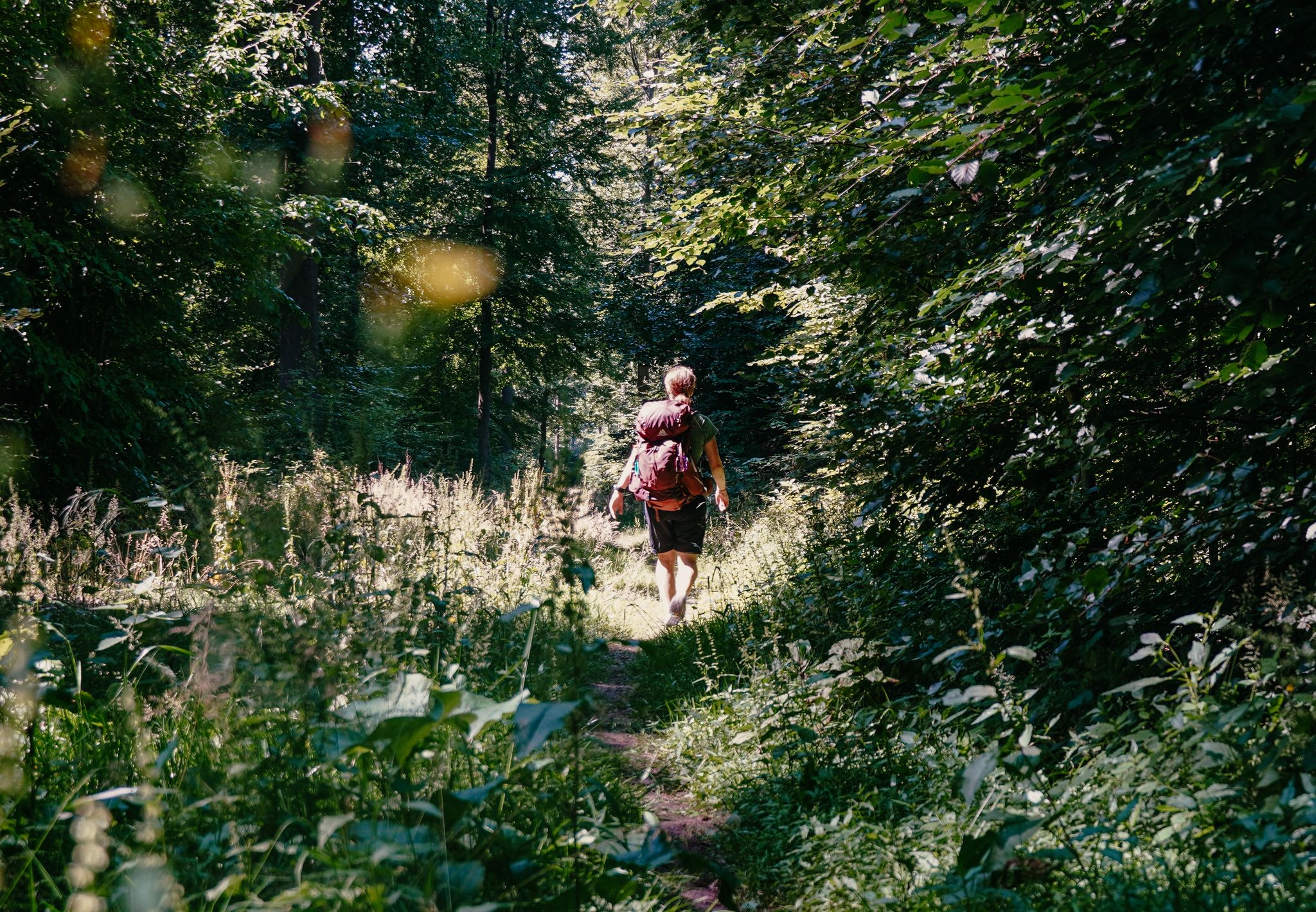
Experience nature with all your senses in the Weserbergland
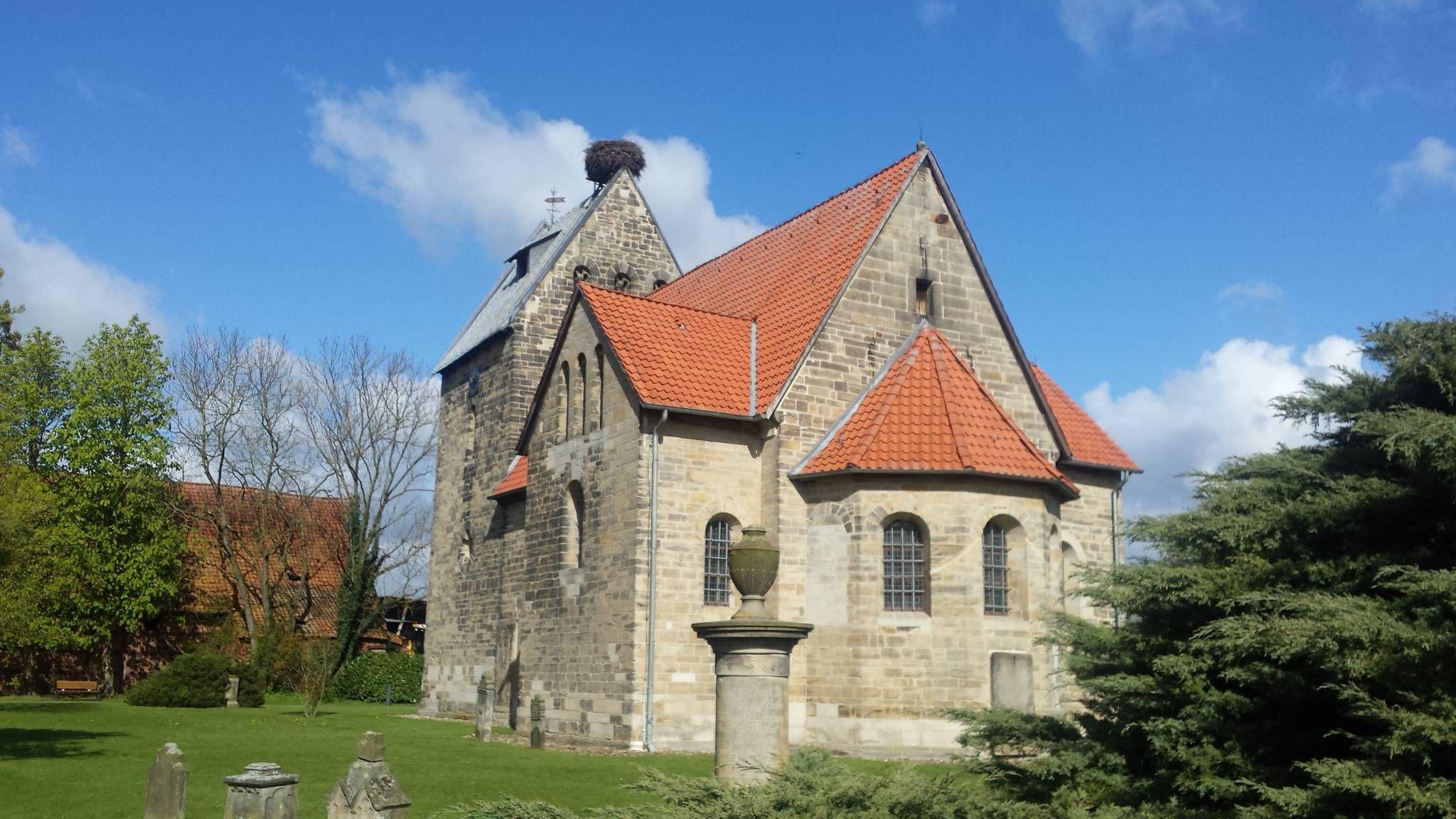
A 10-day pilgrimage in Lower Saxony – Sigwardsweg
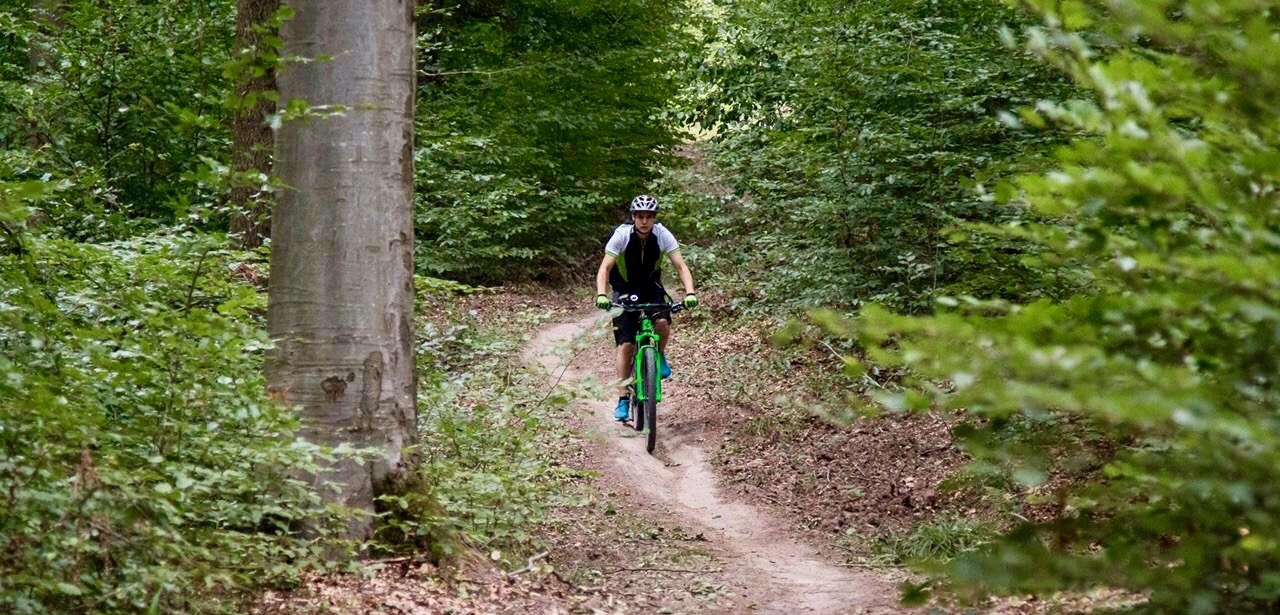
33 MTB trails through German forests
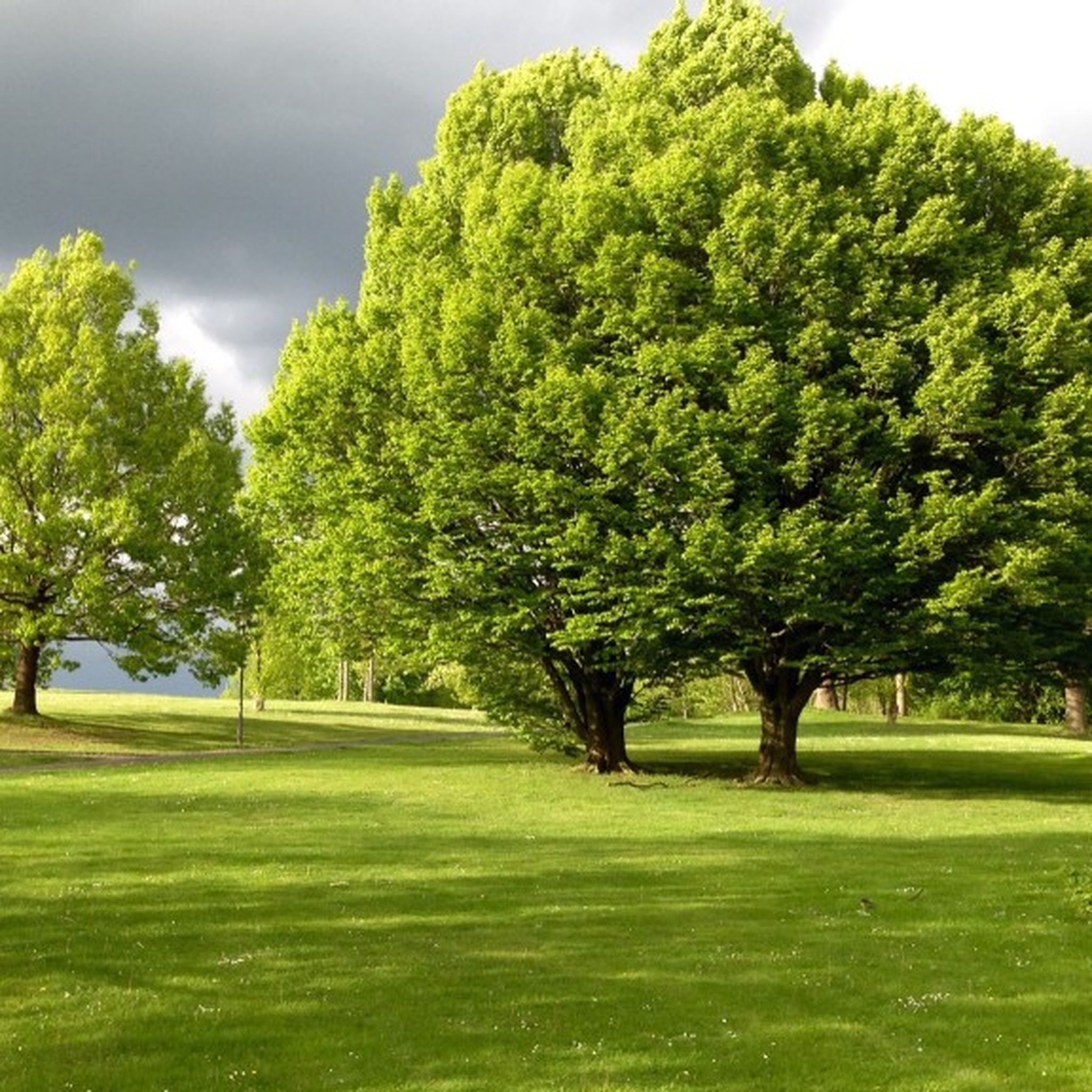
Hiking in the Deister
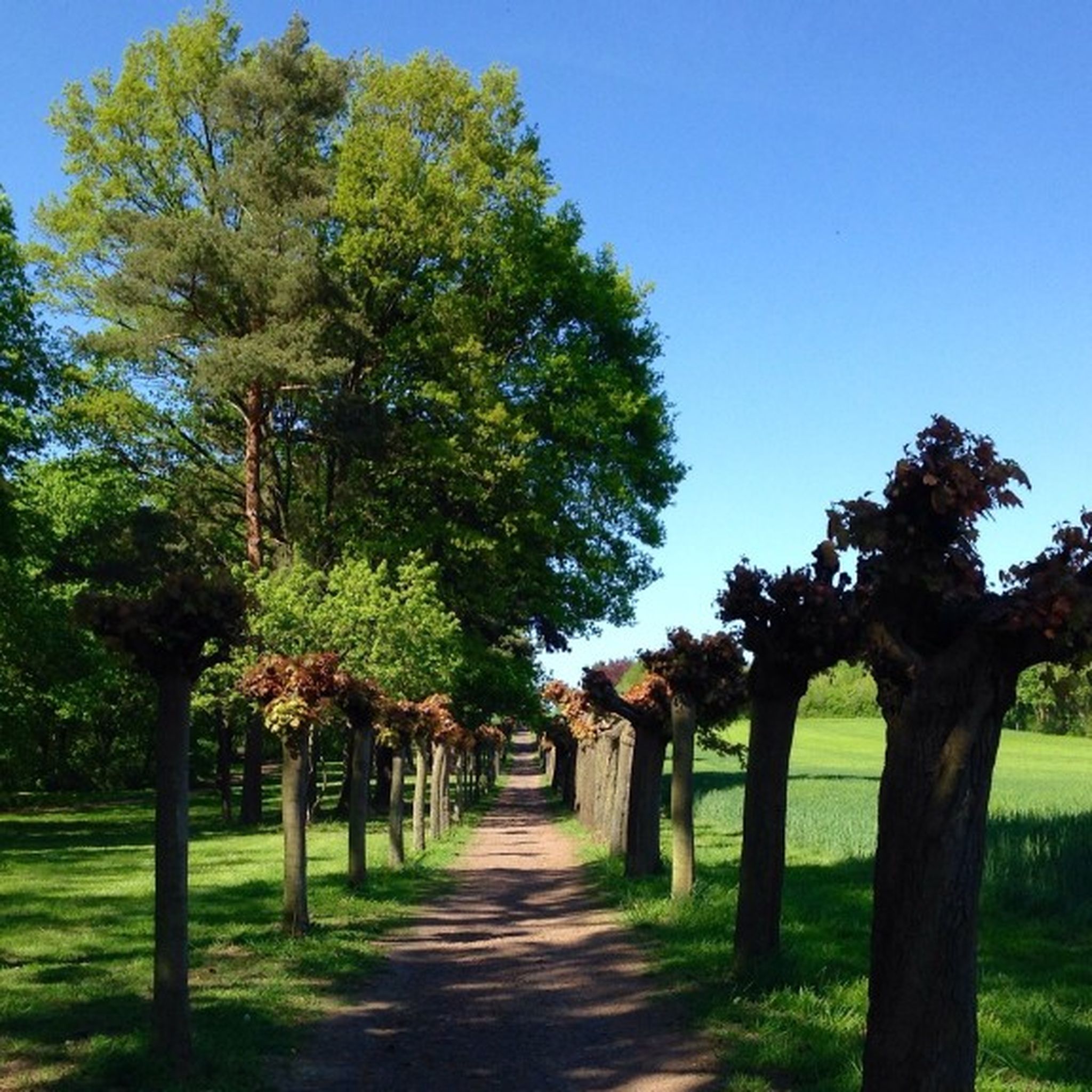
Cycling in the Deister
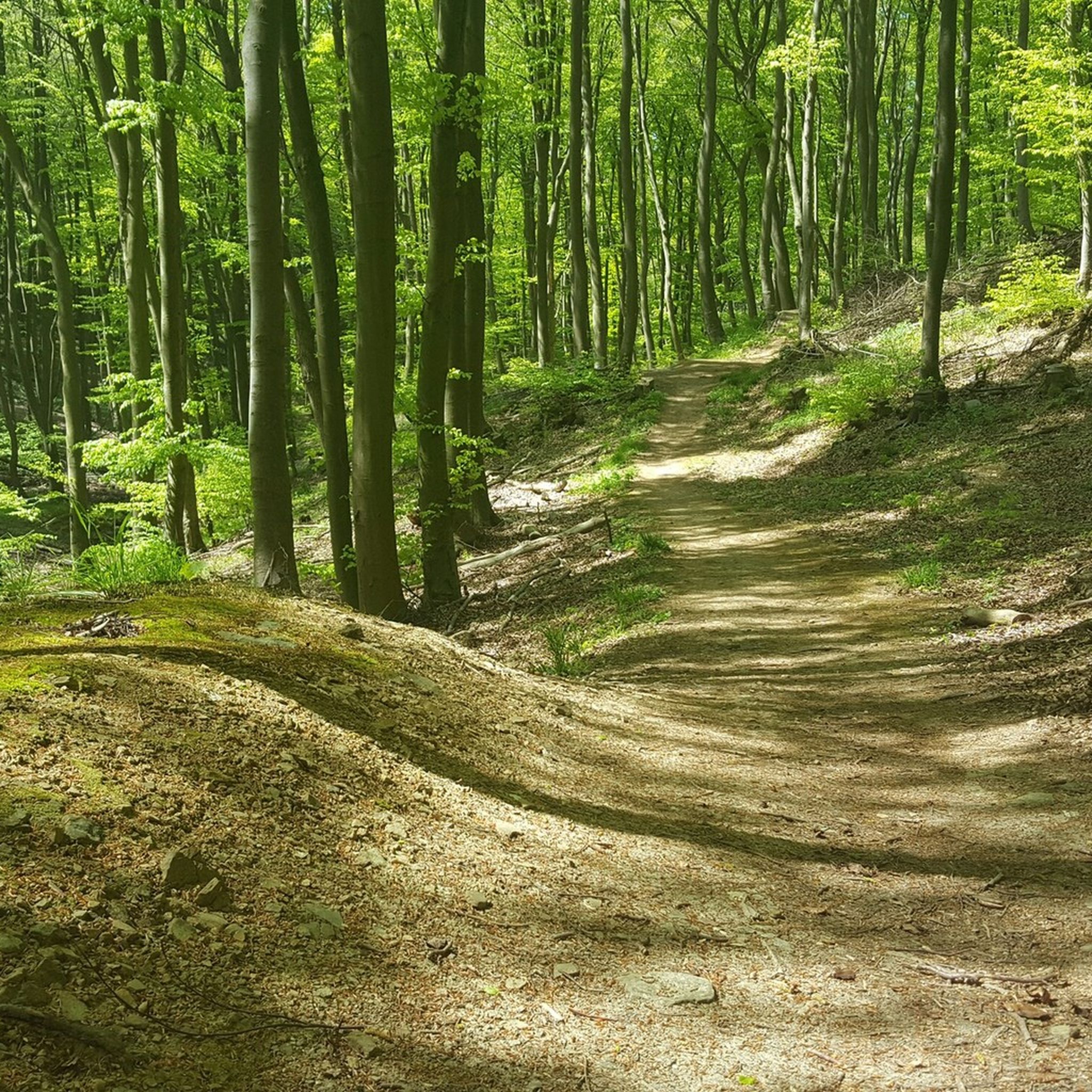
MTB Trails in the Deister
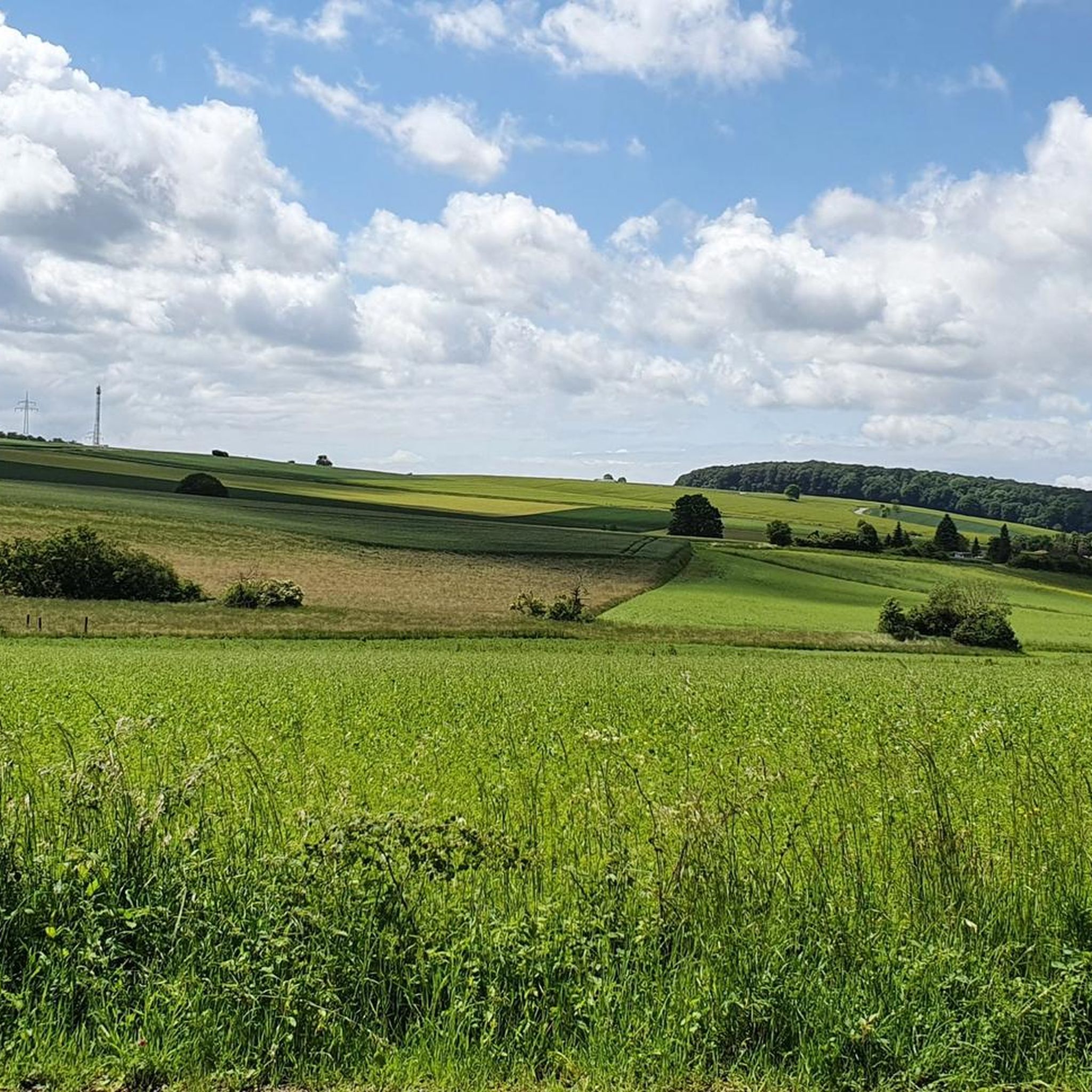
Road Cycling Routes in the Deister
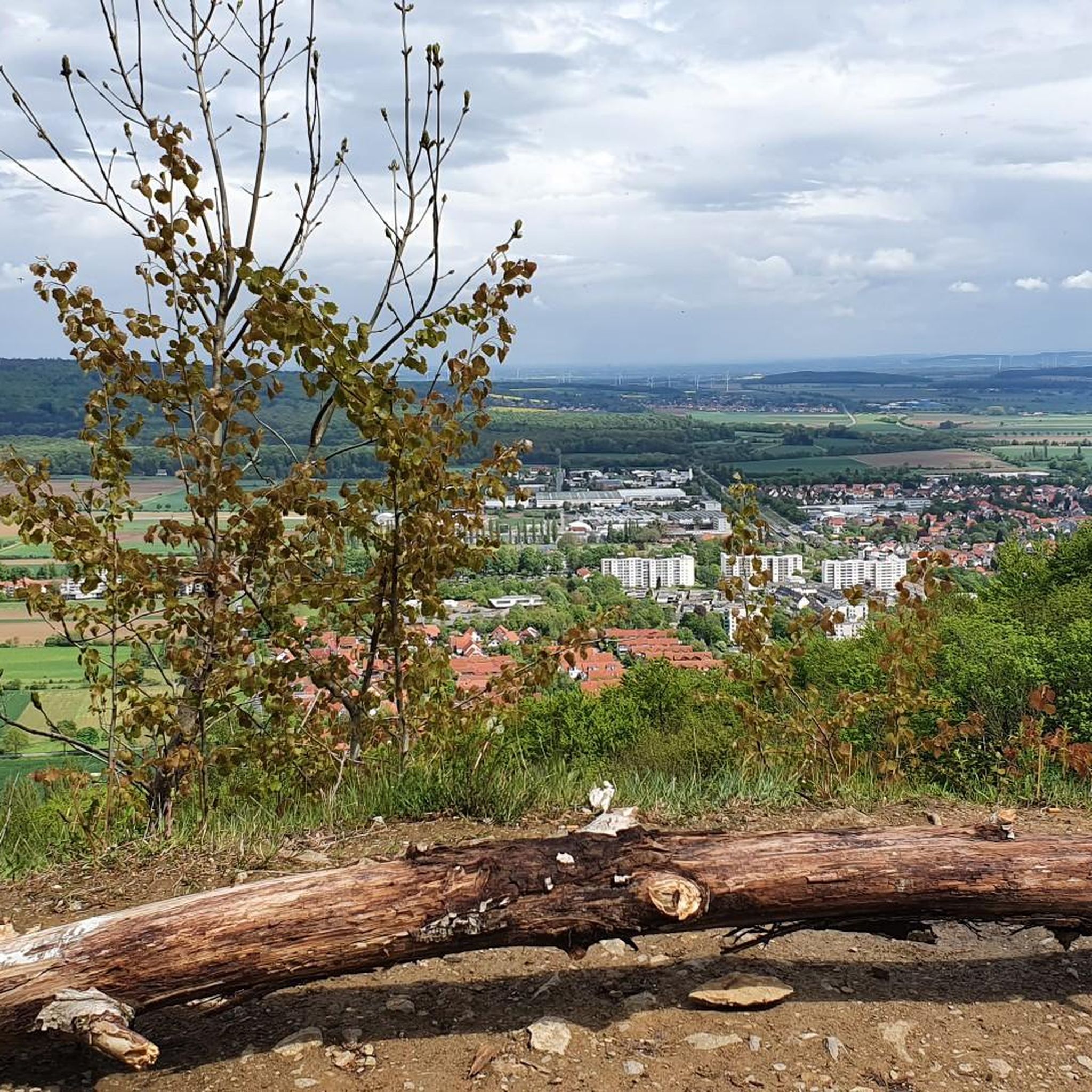
Running Trails in the Deister
Other adventures in the Deister


Tips from the Community

The Walterbach is a small, unassuming, yet significant stream in the Deister hills, giving its name to the Walterbach Valley. It originates in the wooded heights of this low mountain range and flows gently through a diverse valley of meadows, moorland, and dense deciduous forests. Its course appears natural and largely untouched, giving the stream special ecological value. Typical of the Walterbach is its clear, cool water, which meanders gently through the valley. Alders, willows, and ferns grow along its banks, providing shade for the stream and simultaneously offering habitat for numerous animals. Amphibians, dragonflies, and waterfowl find ideal conditions here, while the stream itself is home to small animals and insect larvae, which play a vital role in the ecological balance. The Walterbach not only shapes the natural landscape but also the atmosphere of the valley. Its soft babbling accompanies walkers and hikers on the surrounding paths, enhancing the feeling of peace and seclusion. Especially during periods of heavy rain, the stream becomes more prominent, demonstrating just how dynamic and vibrant this small body of water can be. Historically, the Walterbach likely played a role in the water supply and the use of the surrounding land, for example, for grazing livestock or small-scale forestry.
1
0

A very beautiful small bridge over the Walterbach
0
0
A shelter and fresh spring water invite you to rest. A memorial stone commemorates the 10th Pioneer Battalion. A water intake point was built in 1937/38. It was named Böss-Quelle, probably after the forester Bössenroth who worked here.
4
0

Unfortunately, it didn't go any further.
0
0

A nice idea to draw attention to the piece of untouched nature.
2
0
Hikers can get fresh spring water from the Bösquelle. The water flows from the source through the Fuchsbachtal water catchment area north to the valley.
2
0

Just the right place for a break.
2
0

Beautiful well-kept bridge over the Walterbach.
6
0
Frequently Asked Questions
What are some of the most unique natural monuments to visit in the Deister?
The Deister offers several unique natural monuments. Don't miss the Süntel Beech Avenue in the spa park of Bad Nenndorf, known for its rare, twisted Süntel beech trees. Another fascinating spot is the Quarry at Ebersberg, which provides a direct insight into the region's geological formations. For a blend of nature and human creativity, the Wennigsen Waterwheels are a charming, family-friendly destination.
Are there any natural monuments in the Deister with historical significance?
Yes, the Old Baptismal Font is an impressive natural monument with historical tales. This 3x3 meter cube-shaped sandstone block is surrounded by legends, with some suggesting it served as a sacrificial stone in ancient times or as a baptismal font for an early church.
What kind of geological features can I explore in the Deister?
The Deister mountain range itself is a testament to millions of years of geological processes. It's primarily composed of limestone, marl, and sandstone from the Lower Cretaceous period. You can observe these formations directly at sites like the Quarry at Ebersberg, which offers a clear perspective on the area's geological history and the effects of tectonic movements and glacial periods.
Are there family-friendly natural monuments or activities in the Deister?
Absolutely! The Wennigsen Waterwheels are a popular and lovingly designed destination, perfect for families. The Blanke Pond also offers a serene, family-friendly setting within the forest. Many natural monuments, including the Süntel Beech Avenue, are easily accessible and enjoyable for all ages.
What outdoor activities can I do near the natural monuments in the Deister?
The Deister is excellent for various outdoor activities. You can find numerous routes for cycling, mountain biking, and gravel biking. For detailed routes and guides, explore options like Cycling in the Deister, MTB Trails in the Deister, and Gravel biking in the Deister.
Are there specific hiking trails that lead to natural monuments?
Yes, many natural monuments are integrated into hiking trails. For instance, the Walterbach Valley Nature Reserve features a beautiful path that is a highlight, especially during autumn foliage or when early spring flowers bloom. The area around the Old Baptismal Font is also a worthwhile excursion in a scenic location.
Where can I find unique tree species in the Deister?
The Deister is home to the rare Süntel beech trees, known for their distinctive twisted and contorted growth forms. The largest concentration can be found at the Süntel Beech Avenue in the spa park of Bad Nenndorf, which features over 100 trees, some over a century old. You might also spot them near the barbecue area Lauenau-Feggendorf.
Are there any viewpoints offering panoramic views of the Deister's natural landscape?
While not natural monuments themselves, observation towers like the Nordmannsturm and Annaturm provide magnificent panoramic views of the Deister's natural grandeur and the surrounding Calenberger Land. These offer breathtaking perspectives of the forested slopes and valleys, highlighting the scale and beauty of the natural environment. Additionally, the Window to the Primeval Forest (Steinbrink, Deister) is a notable viewpoint.
What do visitors particularly enjoy about the natural monuments in the Deister?
Visitors frequently praise the unique natural beauty and the sense of tranquility. The Wennigsen Waterwheels are often highlighted as a 'beautiful excursion destination for the whole family.' The Walterbach Valley Nature Reserve is cherished for its 'beautiful path' and 'colorful autumn leaves,' while the Süntel Beech Avenue amazes both children and adults with its 'crooked things' and 'bizarre tree shapes'.
Are there any natural springs or water features to visit?
Yes, the Böss Spring and Shelter is a notable natural monument featuring a spring, offering a peaceful spot for visitors. The Walterbach Valley Nature Reserve also features a brook where Märzenbecher bloom in March.
When is the best time to visit the natural monuments in the Deister?
The Deister is beautiful year-round, but specific times offer unique experiences. Spring brings early flowers, particularly in areas like the Walterbach Valley Nature Reserve. Autumn is spectacular for its colorful foliage, making it an ideal time for scenic walks. The Süntel beech trees are captivating in any season, showcasing their unique forms.
Are there facilities like cafes or shelters near the natural monuments?
Some natural monuments offer nearby facilities. For example, the Ziegenbuche includes a restaurant, cafe, and hut. The Böss Spring and Shelter and the Kreuzbuche Memorial and Shelter also provide shelters, offering convenient resting spots for visitors.
Most popular routes in the Deister
Most popular attractions in the Deister

Get inspired with the komoot mobile app


Explore more
Extend your search for the best caves by checking out these guides of the top ones in the Deister:
