Top 13 Mountain Passes in the Rhön Mountains
Best mountain passes in the Rhön Mountains are found within a low mountain range in central Germany, characterized by elevated points that offer accessibility, panoramic views, and diverse attractions. This region features a unique landscape of rolling hills, forests, and open plateaus, providing a variety of natural and cultural landmarks. The Rhön Mountains are recognized for their distinctive terrain and significant historical sites.
Best mountain passes in the Rhön Mountains
- The most popular mountain pass is Guckas Pass, a…
Last updated: August 3, 2026
Guckas Pass
Highlight • Mountain Pass
Translated by Google •
Tip by

Kreuzbergsattel
Highlight • Mountain Pass
Translated by Google •
Tip by

Sign up now to discover places like this
Get recommendations on the best single tracks, peaks, & plenty of other exciting outdoor places.
Sign up for free
Reinhards Schlagbaum Pass (503 m)
Highlight • Mountain Pass
Translated by Google •
Tip by

Schwedenschanze
Highlight • Parking
Translated by Google •
Tip by
Ascent to Guckaspass
Highlight • Mountain Pass
Translated by Google •
Tip by

Bildtanne Pass summit (496 m)
Highlight • Mountain Pass
Translated by Google •
Tip by

Danzwiesen Pass Summit
Highlight • Mountain Pass
Translated by Google •
Tip by
Schwedenschanze Pass (Hessian-Bavarian Border)
Highlight • Mountain Pass
Translated by Google •
Tip by

Lange Heide Forest Road
Highlight (Segment) • Trail
The top of the pass is near the Stellerskuppe (481m above sea level)
Translated by Google •
Tip by

Bildtanne Pass – Border Between Hesse and Thuringia
Highlight • Mountain Pass
Translated by Google •
Tip by

Sign up for free to discover even more mountain passes in the Rhön Mountains.
Sign up for free
Already have an account?
Start today with a free account
Your next adventure awaits.
Login or Signup
Popular around Rhön Mountains
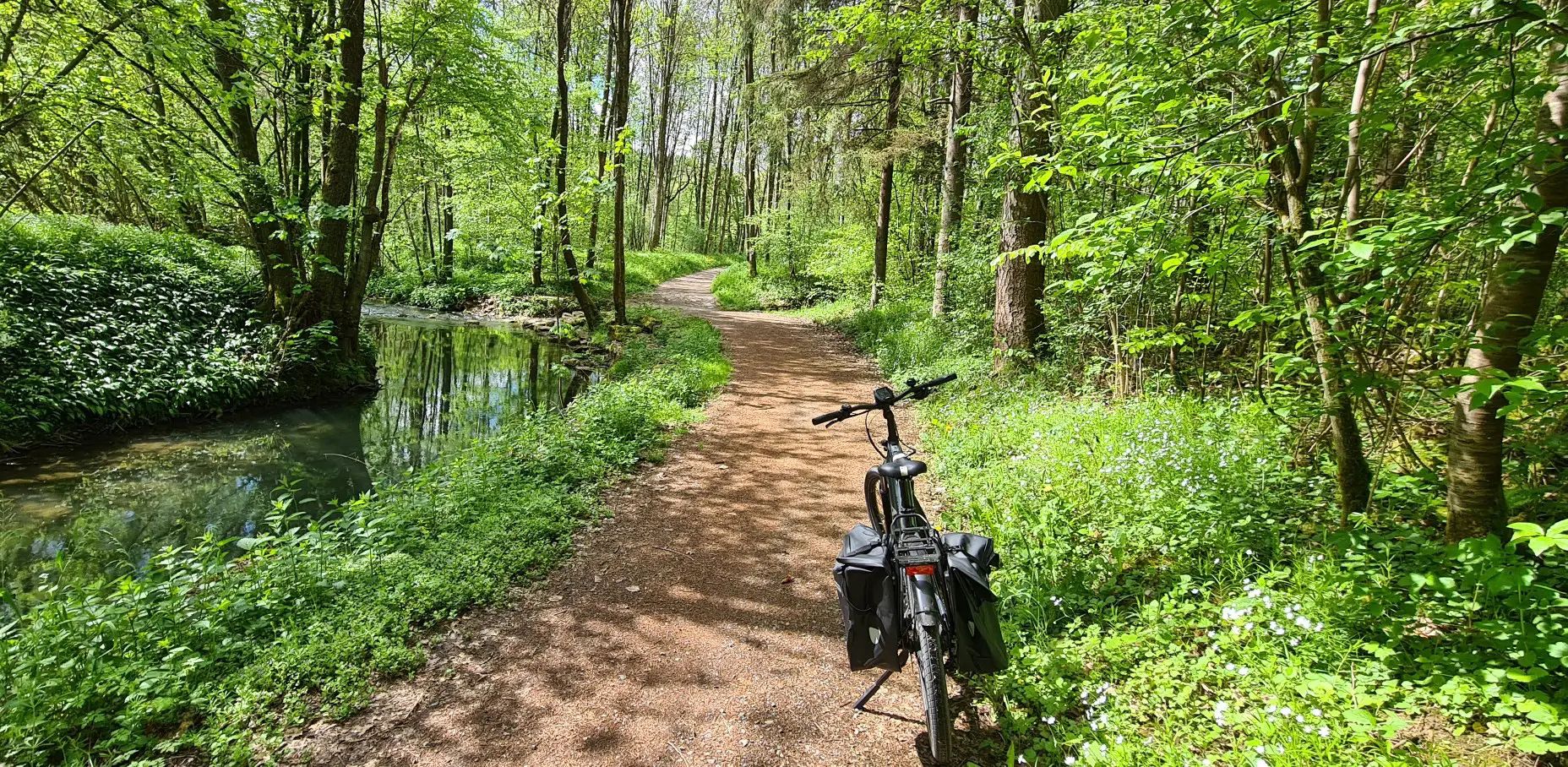
Germany's Main-Tauber-Franconian Radachter – two loops, one experience
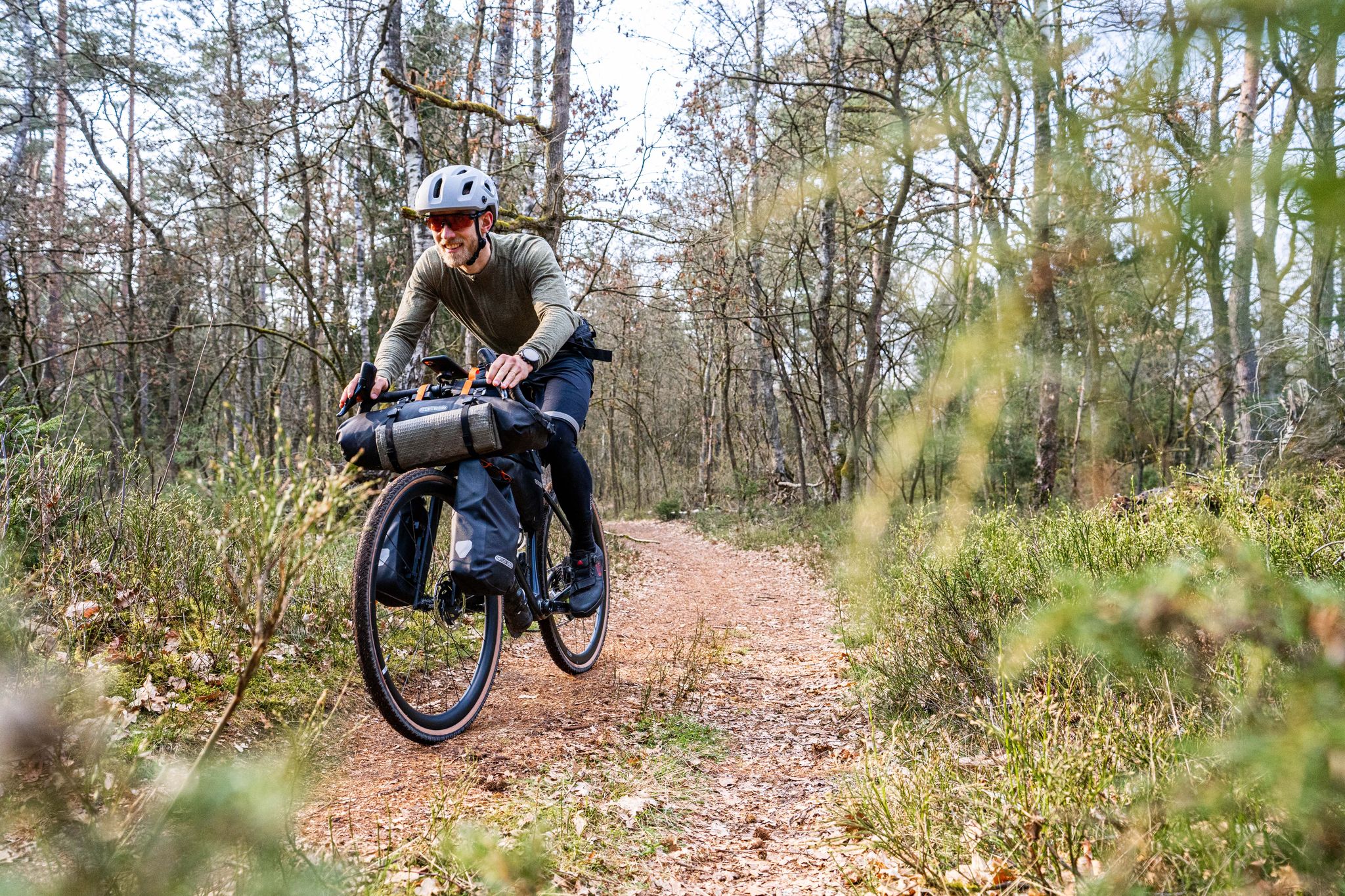
Gravel bikepacking from Hamburg to Munich
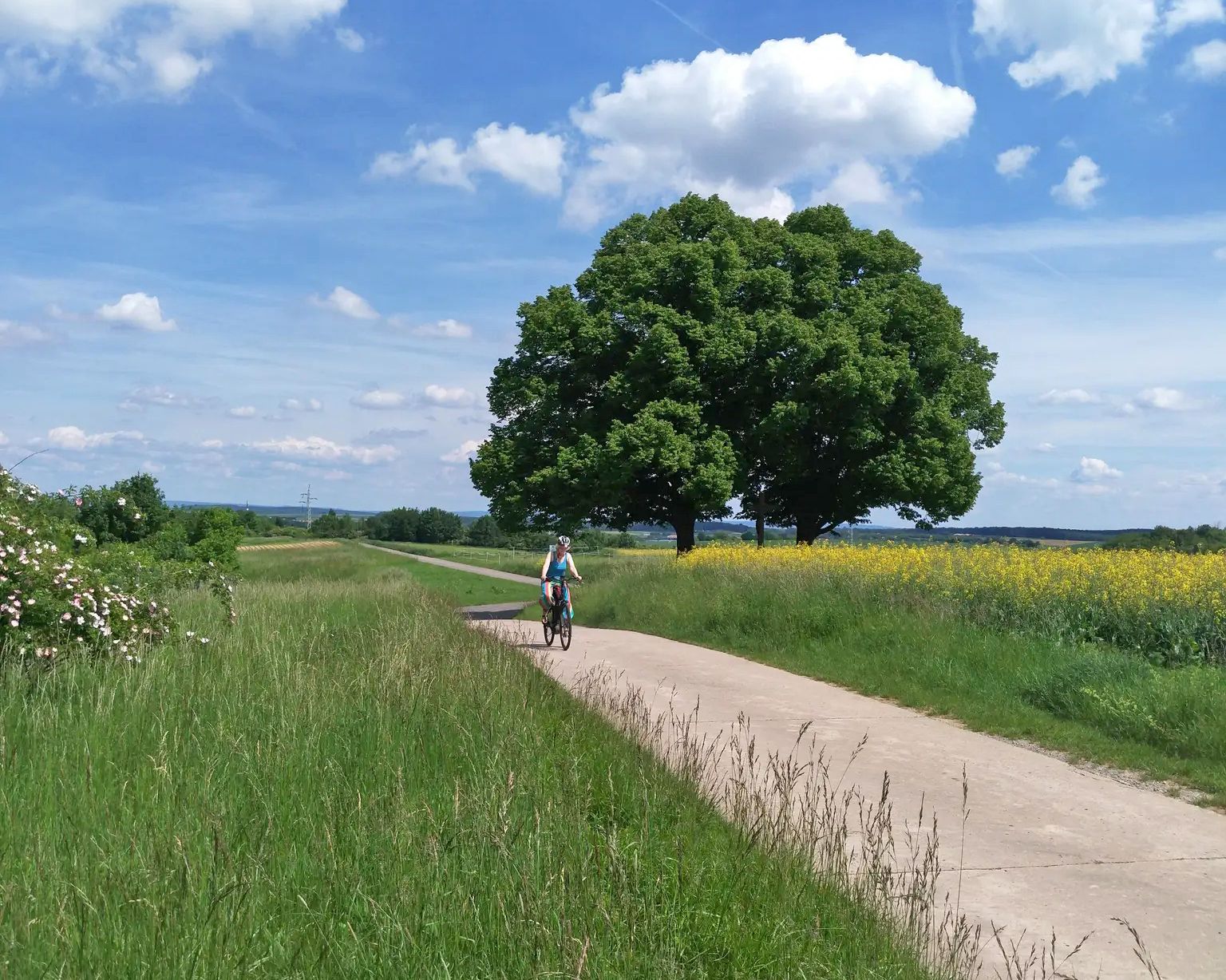
Main-Werra cycle path – From river to river
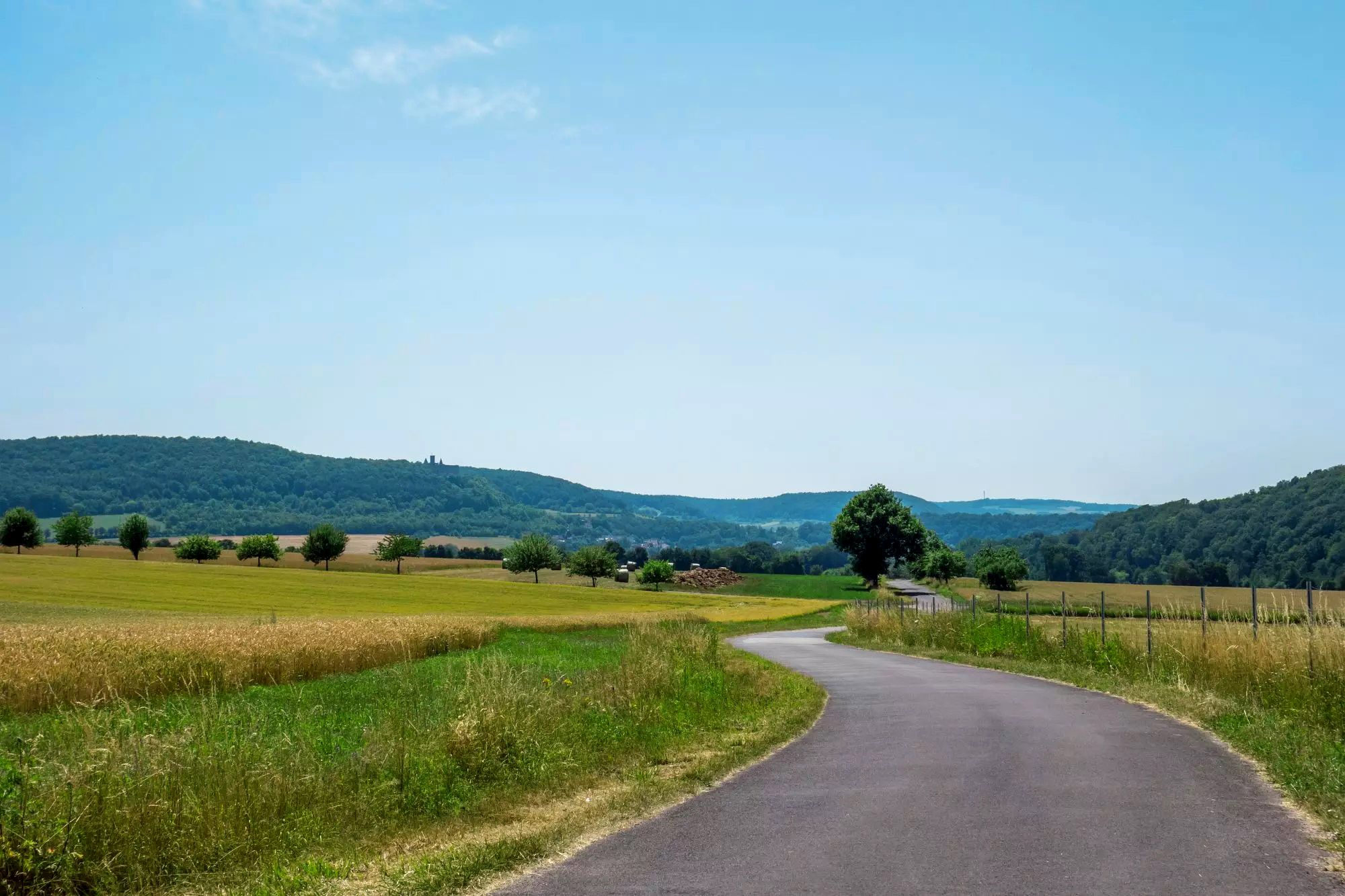
Rhön Cycleway in Germany – Cycling in the Land of Open Distances
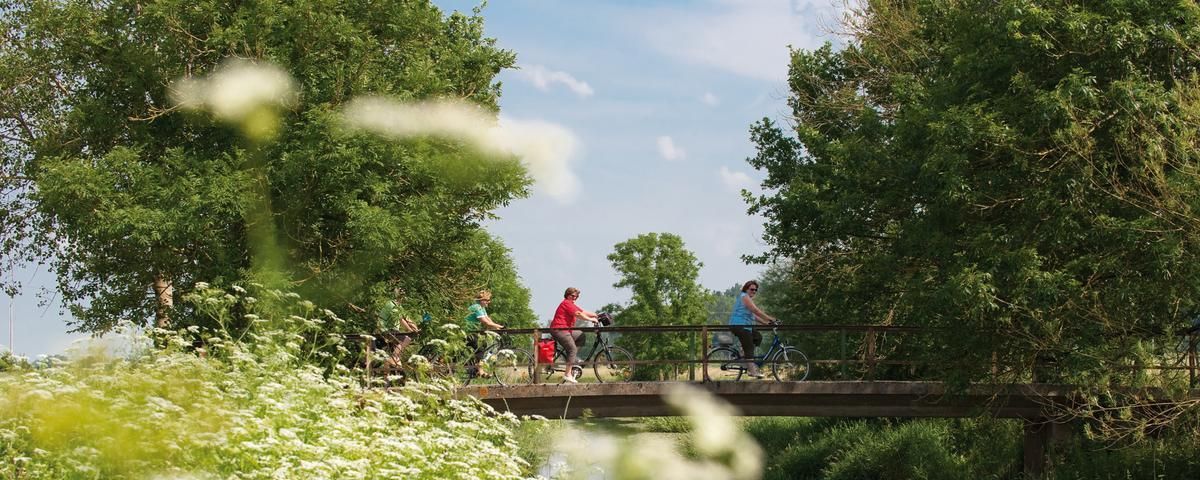
The most beautiful long-distance cycle paths in Franconia
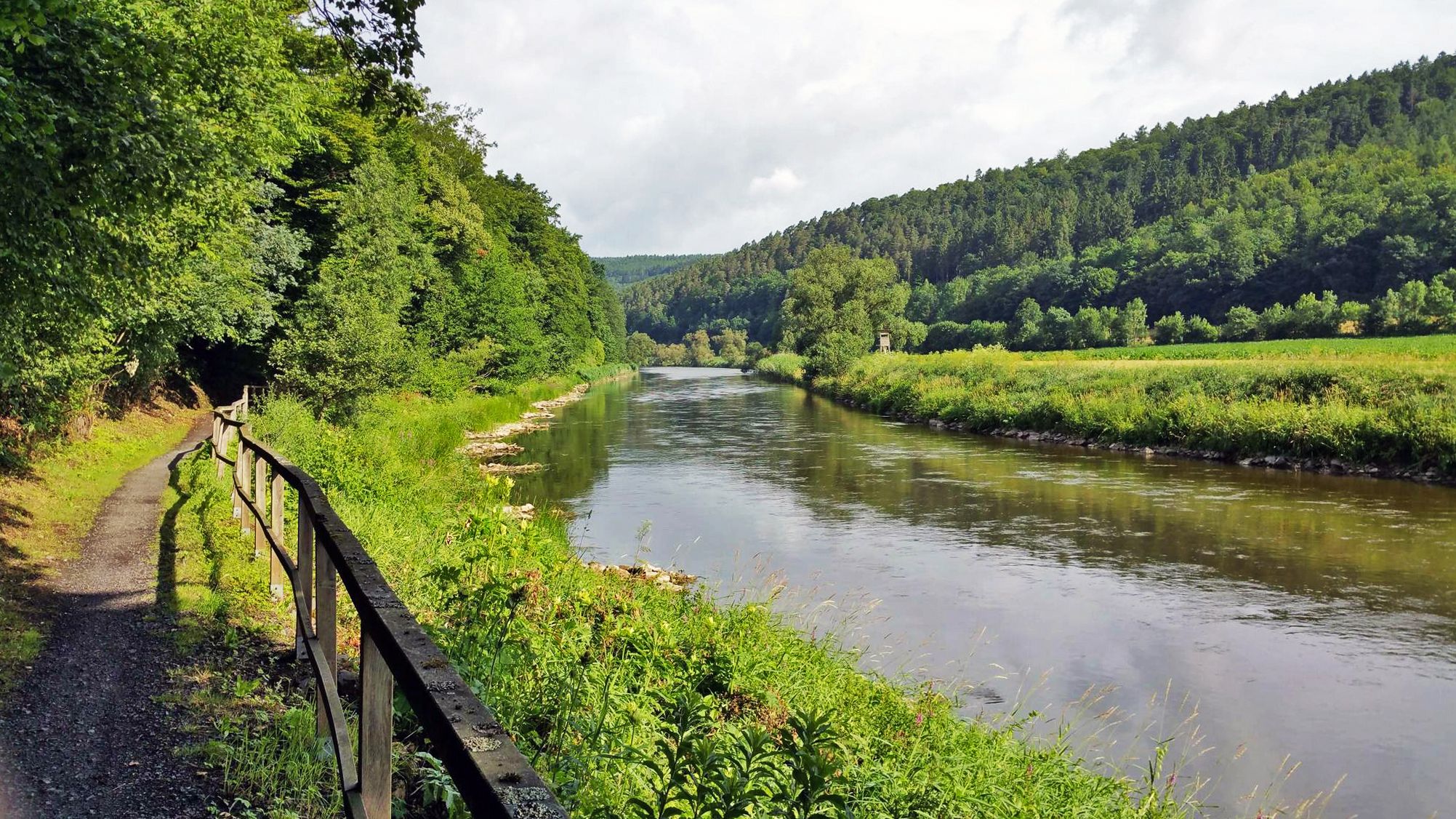
Werratal cycle path — 6 stages along the Werra to the Fulda
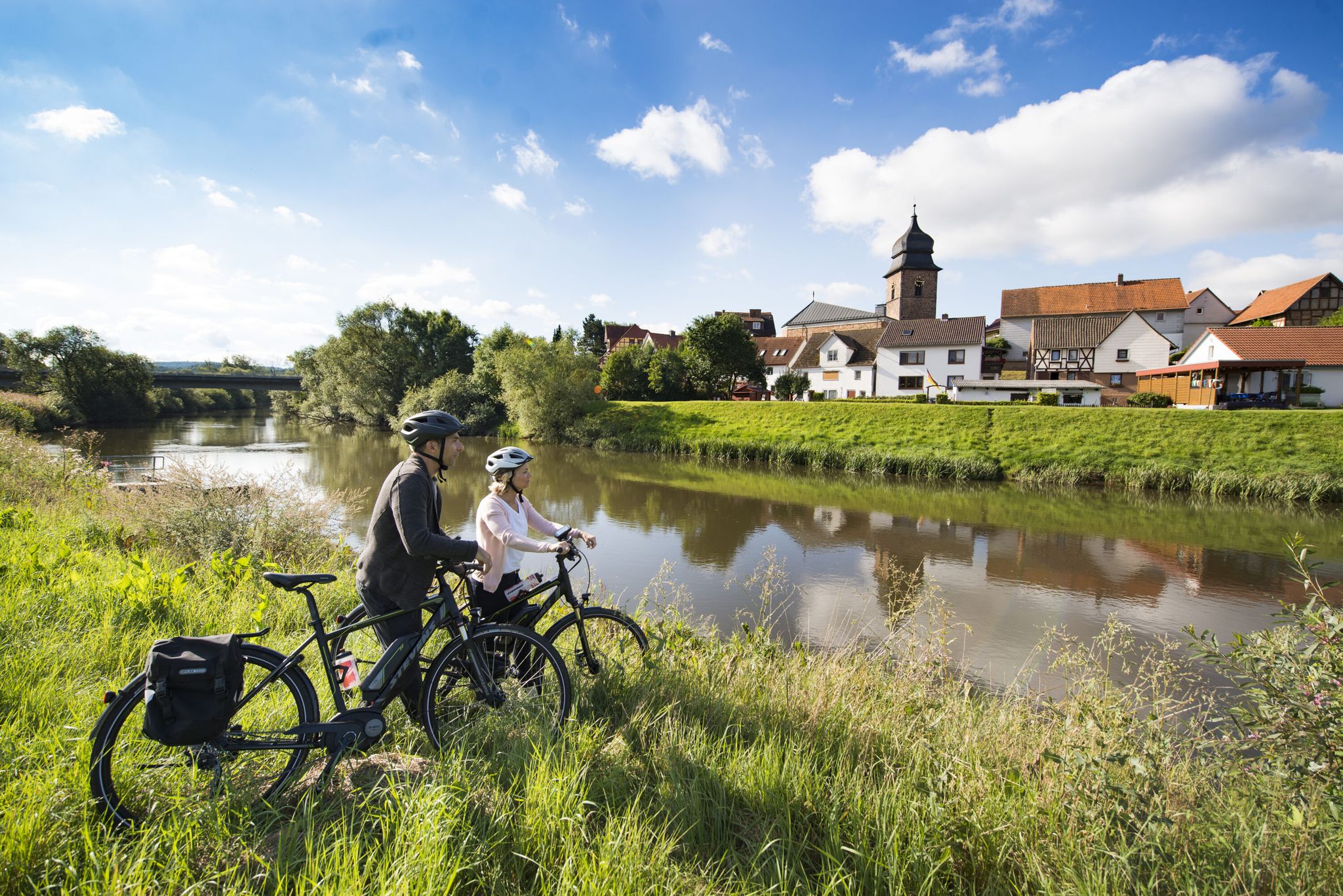
The Fulda cycle path R1 — in 5 stages from the Rhön to the Weser
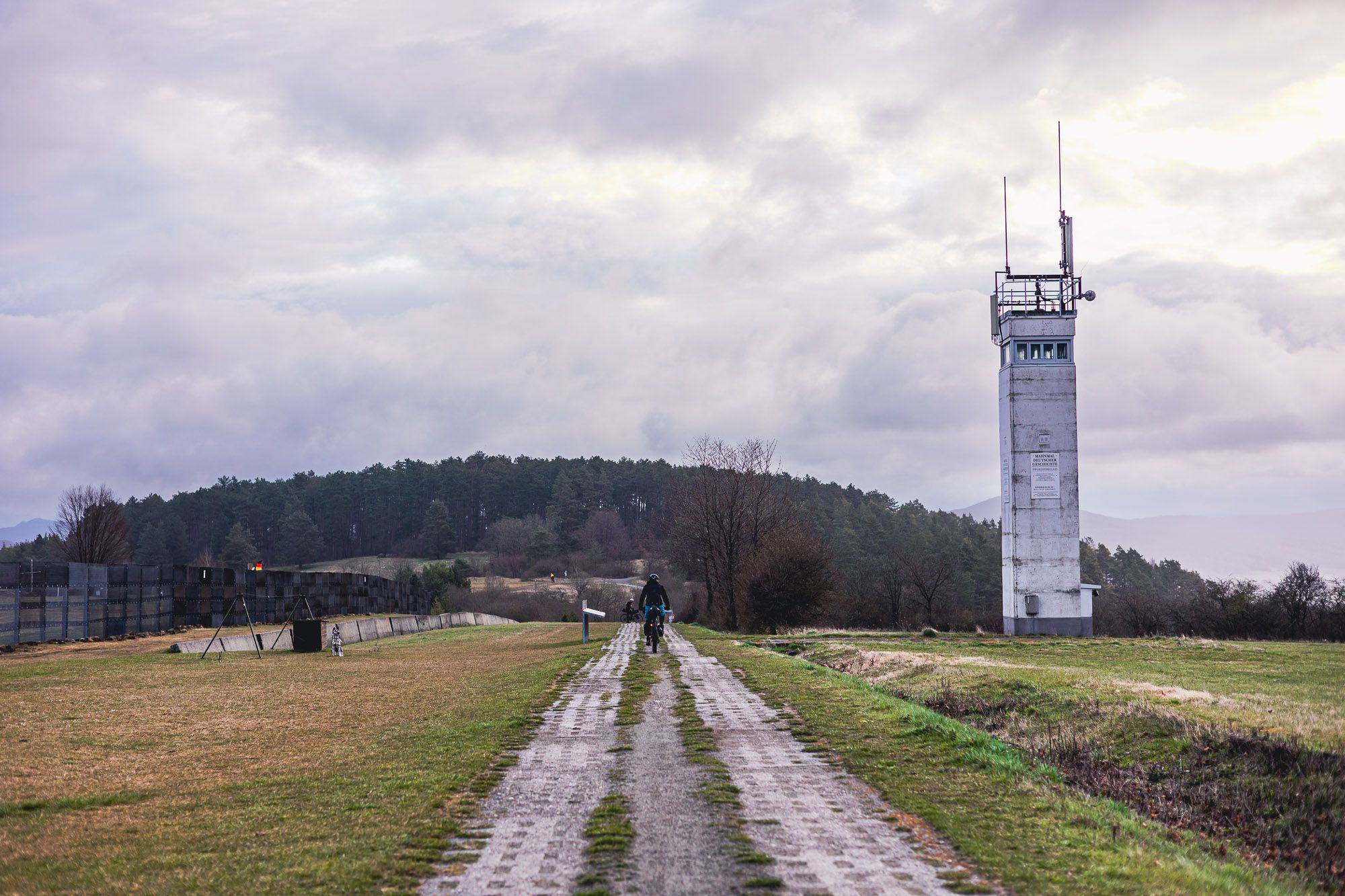
The Baltic Sea to Vogtland – 8 days along Germany's green former border
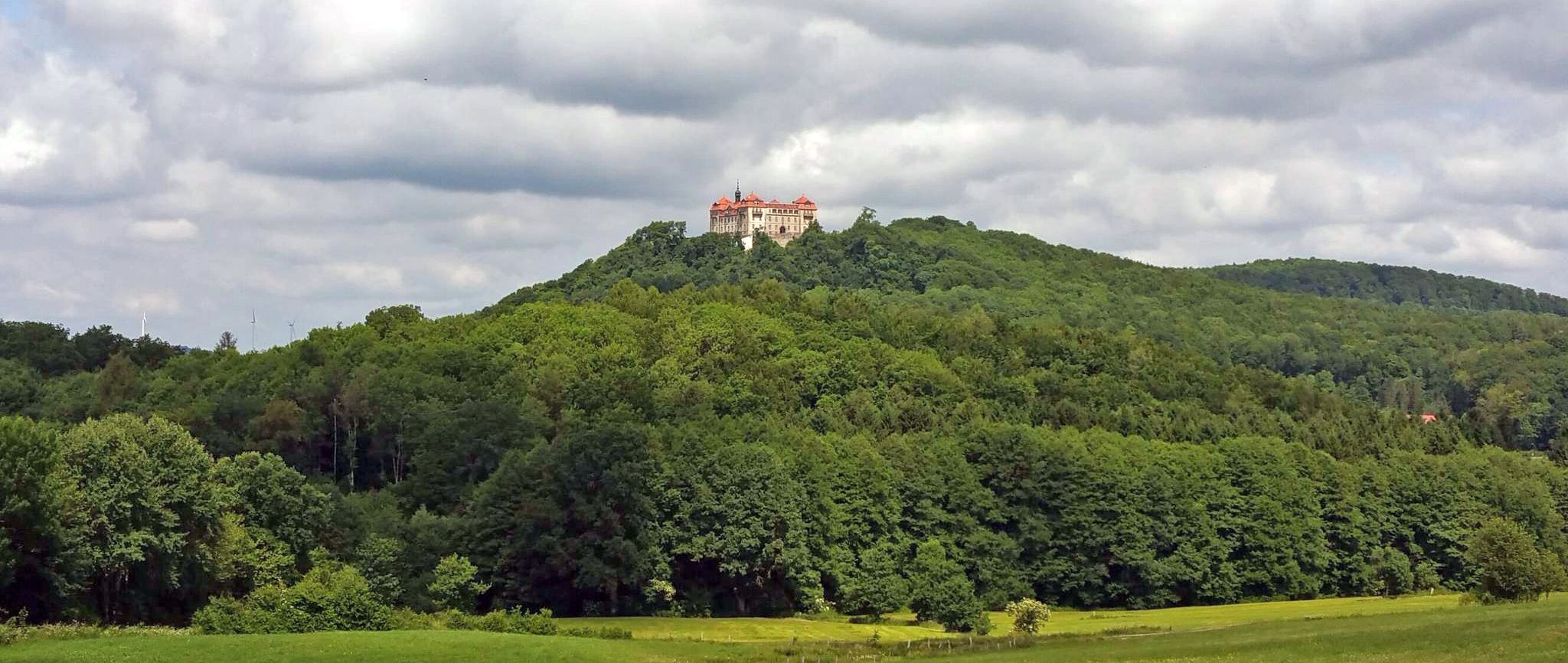
BahnRadweg Hessen — castles, palaces & beautiful nature
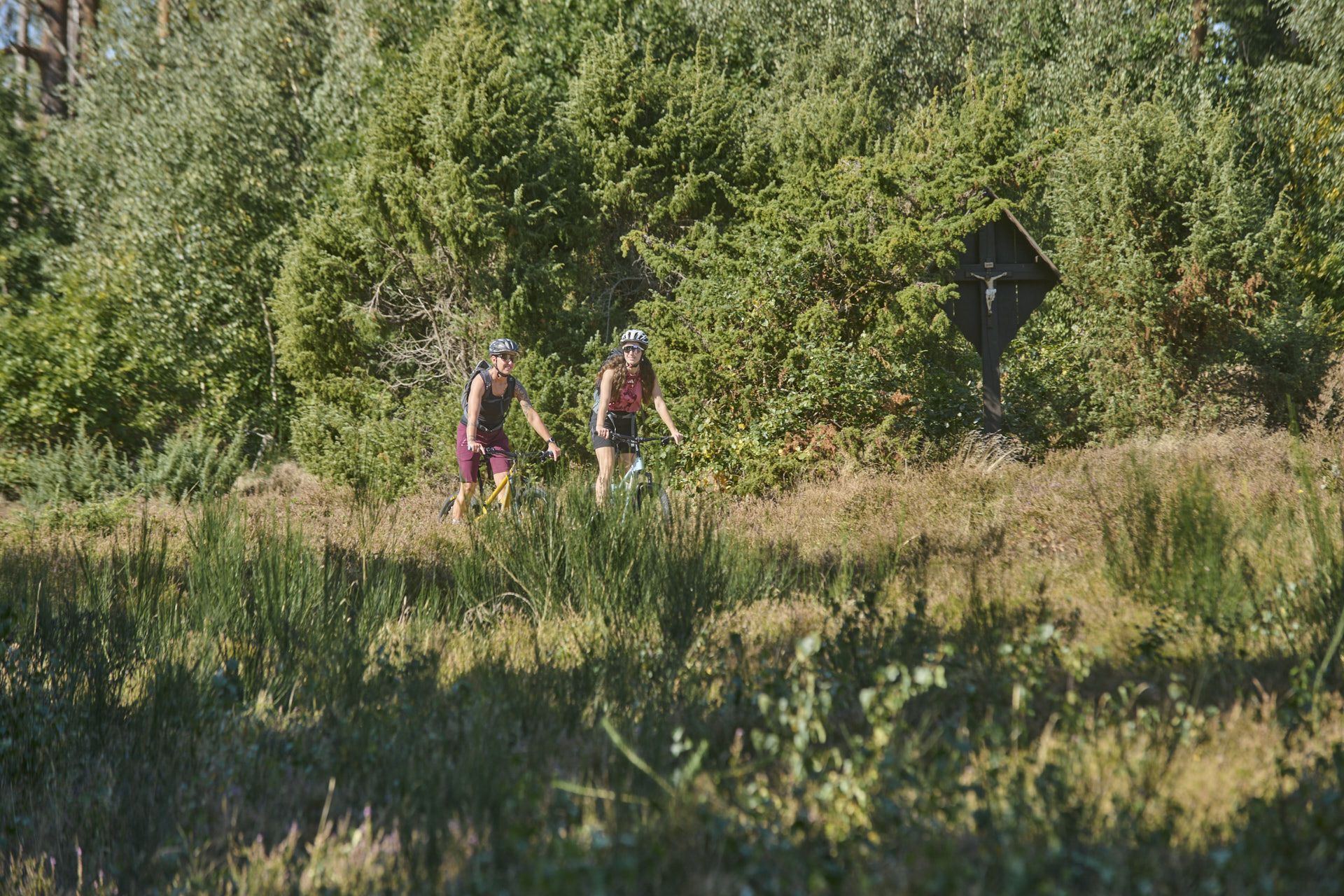
Nature, trails and local cuisine – MTB in the Spessart
Other adventures in the Rhön Mountains


Tips from the Community

Beautiful views into the distance and of the nearby Kreuzberg and Arnsberg mountains. Anyone who still has the energy at this point should tackle the last few meters to the Kreuzberg summit. The path is paved all the way to the summit, making it suitable for road bikes.
0
0

It's quite steep here, especially from the Fulda direction. Those who dare can also take the main road.
1
0
The Guckapass - named after the nearby 750 meter high mountain "Kleiner Guckas" - is located at an altitude of about 630 meters. The climb with an average gradient of 8% is easy to manage. The ST2267 is well developed, there is some traffic, so some caution is required.
3
0
Here it is a short and sweet climb up to the Schwedenschanze on the Hessian-Bavarian border.
1
0
The Guckapass - named after the nearby 750 meter high mountain "Kleiner Guckas" - is located at an altitude of about 630 meters. The climb with an average gradient of 8% is easy to manage. The ST2267 is well developed, there is some traffic, so some caution is required.
1
0


A beautiful, easy-to-ride, mostly steady climb with good asphalt and only moderate traffic. From up here you have the view into the distance that is typical of the Rhön. Anyone traveling in the area should put the route on their to-do list.
0
0
Frequently Asked Questions
What are some of the most scenic mountain passes in the Rhön Mountains?
The Rhön Mountains offer several passes with stunning views. The Kreuzbergsattel is known for its extensive views across the Franconian and Hessian Rhön. The Danzwiesen Pass Summit also provides great panoramic vistas. Beyond these, the Wasserkuppe, the highest mountain in the Rhön, features a converted radar dome offering Hesse's highest viewing platform, while the Arnsberg provides excellent views of surrounding peaks like the Kreuzberg.
Are there family-friendly mountain passes or activities in the Rhön Mountains?
Yes, several areas are great for families. The Wasserkuppe, for instance, offers summer toboggan runs, a climbing forest, and the Rhön-Bob. The Schwedenschanze is also categorized as family-friendly, as is the Bildtanne Pass summit, which is surrounded by forest.
What kind of outdoor activities can I do near the mountain passes in the Rhön Mountains?
The Rhön Mountains are ideal for various outdoor activities. You can find numerous cycling routes, including challenging tours like the 'Karlstadt Old Town – Stettener Stein Vineyards loop'. For mountain biking enthusiasts, there are dedicated MTB trails such as the 'Rhoen MTB Circuit 3 | Black Mountains'. Hikers can explore trails like the 'Rhön Circular Trail 1 Schwarzes Moor' or other waterfall hikes. The Wasserkuppe is also famous for gliding and paragliding.
What natural features can I expect to see around the mountain passes?
The Rhön Mountains are a UNESCO biosphere reserve, known for their unique natural landscape. Around the Guckas Pass, you'll find old stands of beech trees, noble deciduous trees, and wet forest habitats. Many passes offer panoramic views of rolling hills, forests, and open plateaus. The Fulda river also originates near the Wasserkuppe.
Are there any historical sites or cultural landmarks associated with the Rhön mountain passes?
Yes, the Rhön Mountains have a rich history. The Kreuzberg is known as the 'sacred mountain of the Franconians' and is home to the Kreuzberg Monastery, which has operated its own brewery since 1731. Other highlights like Reinhards Schlagbaum Pass, Schwedenschanze, and Bildtanne Pass – Border Between Hesse and Thuringia are also recognized as historical sites.
What is the best time of year to visit the Rhön mountain passes?
The best time to visit depends on your preferred activities. During warmer months, the partially unwooded slopes of the Arnsberg are popular for gliders and model aircraft pilots. The Wasserkuppe's summer attractions are also in full swing. In winter, the Arnsberg transforms into a destination for winter sports with ski lifts and prepared slopes. Hiking and cycling are enjoyable from spring through autumn, with autumn offering beautiful foliage.
Are there challenging routes for experienced hikers or cyclists around the passes?
Yes, the Rhön Mountains offer routes for various skill levels. While many passes are intermediate, some areas provide more challenging terrain. For instance, the Schwedenschanze Pass (Hessian-Bavarian Border) is categorized as challenging. The region's diverse landscape ensures that both beginners and advanced adventurers can find suitable paths.
What do visitors enjoy most about the mountain passes in the Rhön Mountains?
Visitors frequently highlight the great views and the peaceful, natural surroundings. Many appreciate the well-developed roads for cycling and the pleasant, even climbs. The unique blend of natural beauty, historical significance, and diverse outdoor activities, from gliding to hiking, makes the Rhön passes a popular destination.
Can I find cafes or places to eat near the mountain passes?
Yes, especially near the more popular passes. The Kreuzberg Monastery, for example, is famous for its own brewery and offers refreshments. While specific cafes vary by location, many popular passes and trailheads in the Rhön Mountains have facilities or nearby villages where you can find food and drinks.
Are there specific rules or restrictions when visiting the Rhön mountain passes, especially regarding nature protection?
Yes, as parts of the Rhön Mountains are within a UNESCO biosphere reserve core zone, there are strict path restrictions. For example, around the Guckas Pass, hiking, mountain biking, or cycling is only permitted on designated paths to protect the sensitive flora and fauna. Always stick to marked trails and official routes.
What is the elevation of some of the notable mountain passes in the Rhön Mountains?
The Rhön Mountains feature several elevated points. The Wasserkuppe is the highest at 950.2 meters. The Kreuzberg reaches 927.8 meters. The Arnsberg is 843 meters high. Among the komoot highlights, the Danzwiesen Pass Summit is at 645 meters above sea level, and the Bildtanne Pass summit is at 496 meters, marking the border between Hesse and Thuringia.
Most popular routes in the Rhön Mountains
Most popular attractions in the Rhön Mountains

Get inspired with the komoot mobile app


Explore more
See even more epic mountain passes by checking out these guides in the Rhön Mountains:
