Top 20 Natural Monuments in Hamburg
Best natural monuments in Hamburg encompass a diverse range of protected areas and unique ecological features. Approximately 9 percent of the city's area is under protection, showcasing landscapes from moors and forests to mudflats and marshes. These areas preserve biodiversity and provide opportunities to experience varied natural surroundings. Hamburg's natural monuments offer a range of terrains and natural features for exploration.
Best natural monuments in Hamburg
- The most popular natural monuments is Boberger Dunes, a natural monument that features…
Last updated: July 6, 2026
Heather Trails in the Fischbeker Heide
Highlight • Natural
Translated by Google •
Tip by

Elbe Island Kaltehofe water art
Highlight • Monument
Translated by Google •
Tip by

Sign up now to discover places like this
Get recommendations on the best single tracks, peaks, & plenty of other exciting outdoor places.
Sign up for free
Hasselbrack – Highest Point in Hamburg
Highlight • Summit
Translated by Google •
Tip by

Boberger Dunes
Highlight • Natural Monument
Translated by Google •
Tip by

Old Botanical Garden Hamburg (Alter Botanischer Garten Hamburg)
Highlight • Natural
Translated by Google •
Tip by

NSG Boberger Niederungen
Highlight • Natural Monument
Translated by Google •
Tip by

Die Reit Nature Reserve
Highlight • Natural
Translated by Google •
Tip by

Kuhteich Pond in the Fischbek Valley
Highlight • Lake
Translated by Google •
Tip by
Holzhafen Nature Reserve
Highlight • Natural Monument
Translated by Google •
Tip by

Lottbek Reservoir
Highlight • Lake
Translated by Google •
Tip by

Sign up for free to discover even more natural monuments in Hamburg.
Sign up for free
Already have an account?
Start today with a free account
Your next adventure awaits.
Login or Signup
Popular around Hamburg
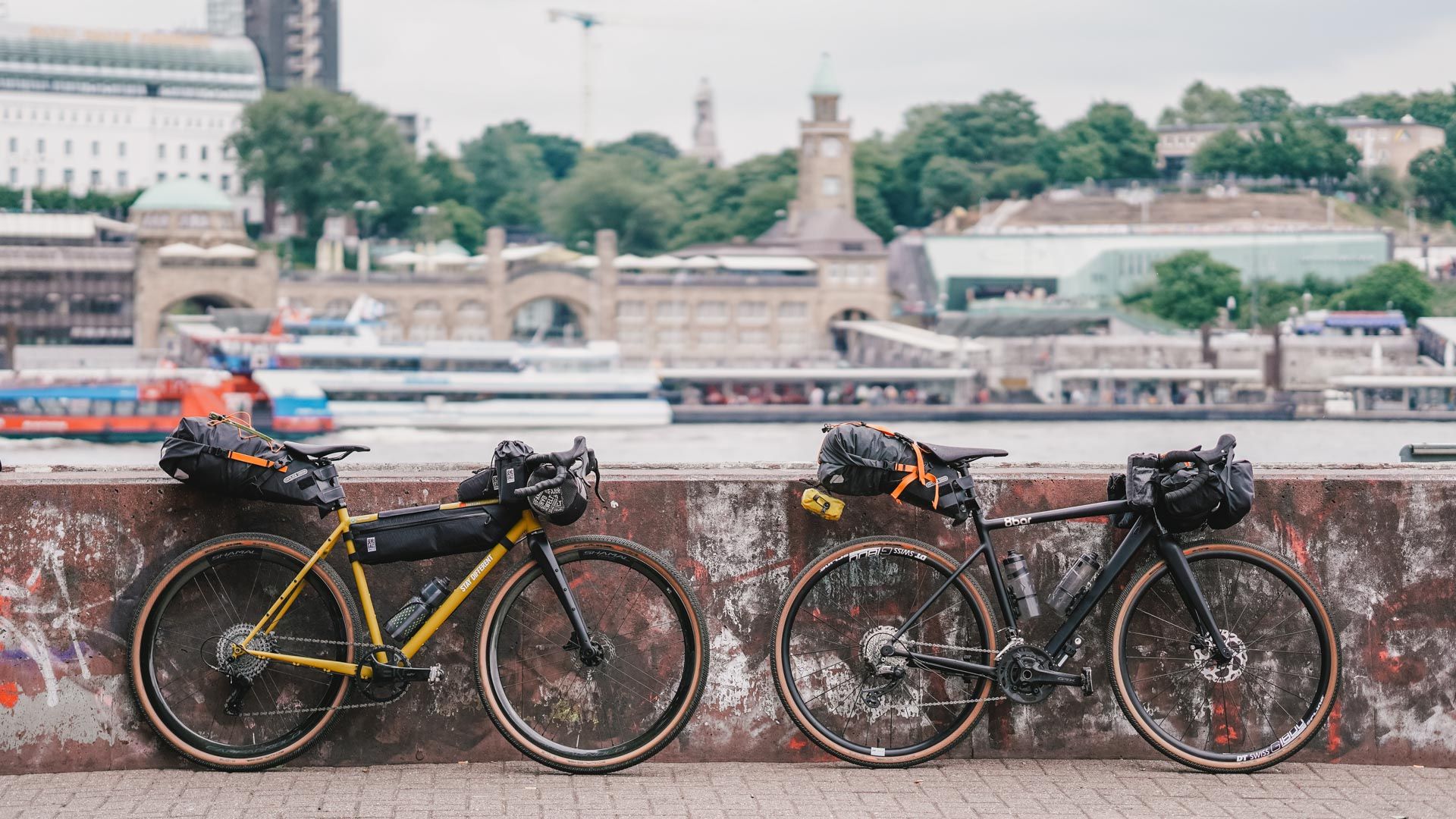
North Sea Deluxe — bikepacking with Radelmädchen
Naples to North Cape — Two friends, one purpose and many scoops of ice-cream
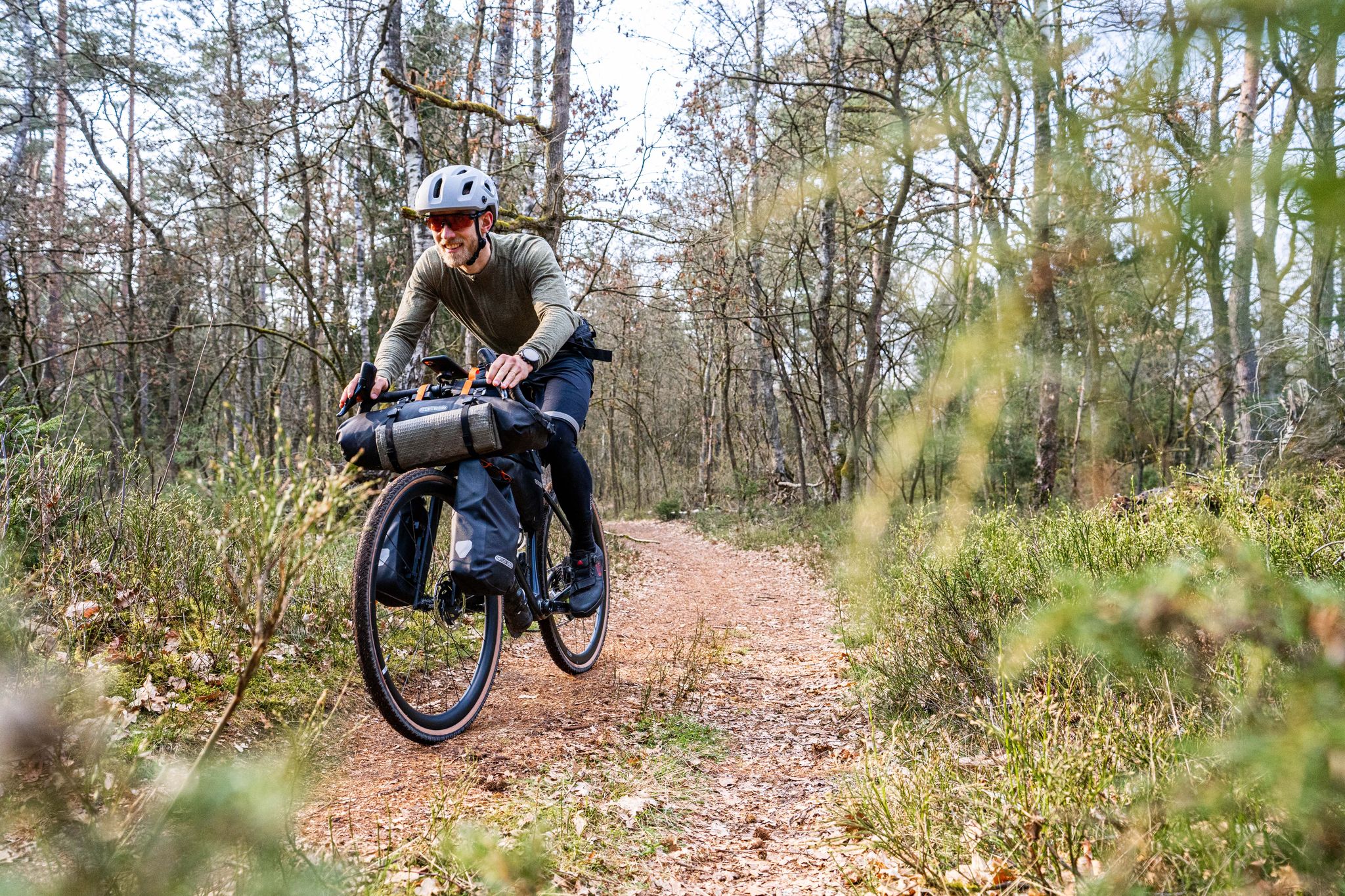
Gravel bikepacking from Hamburg to Munich
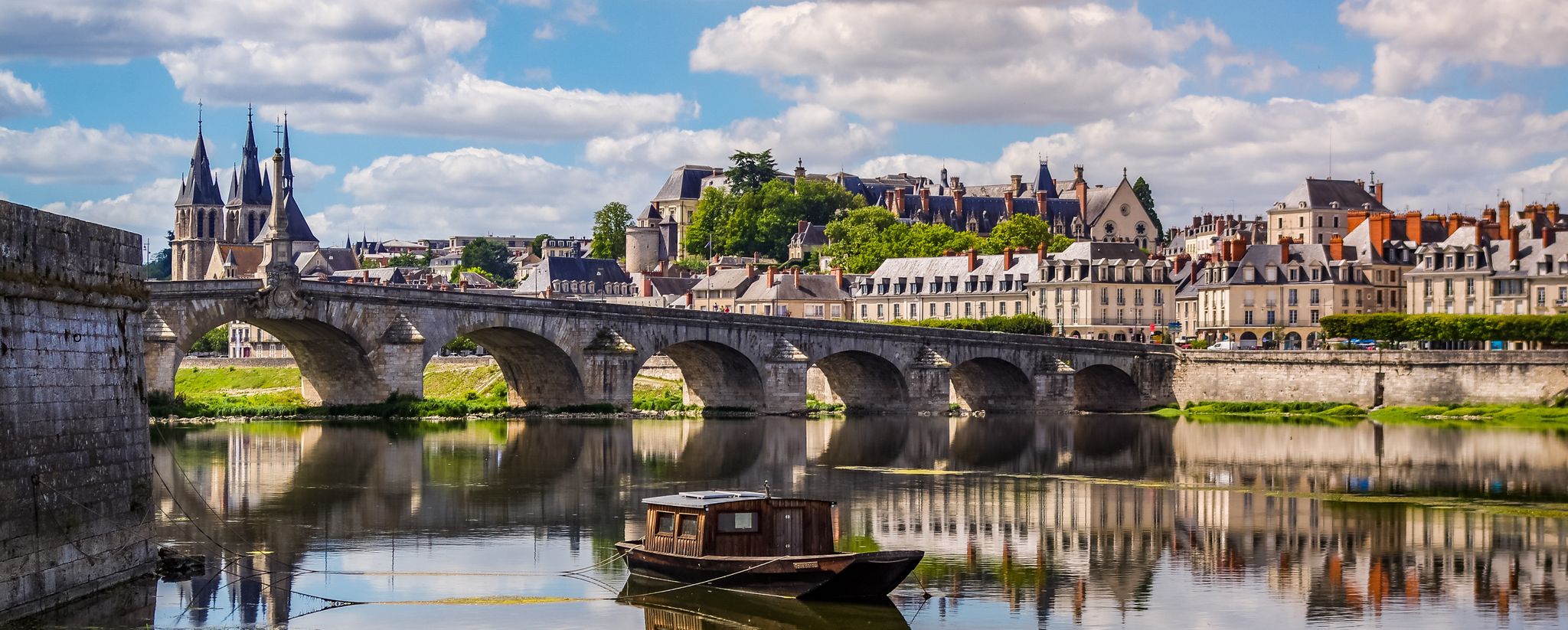
EuroVelo 3 – A cycling pilgrimage from Norway to France
Cycling from Hamburg to Copenhagen – salty air included
Hamburg-Bremen-Radweg — Cycling between Hanseatic cities
The Elbe Cycle Path — cross-border cycling pleasure
Beaches, marsh and wild banks – Elbe Cycle Route in Schleswig-Holstein
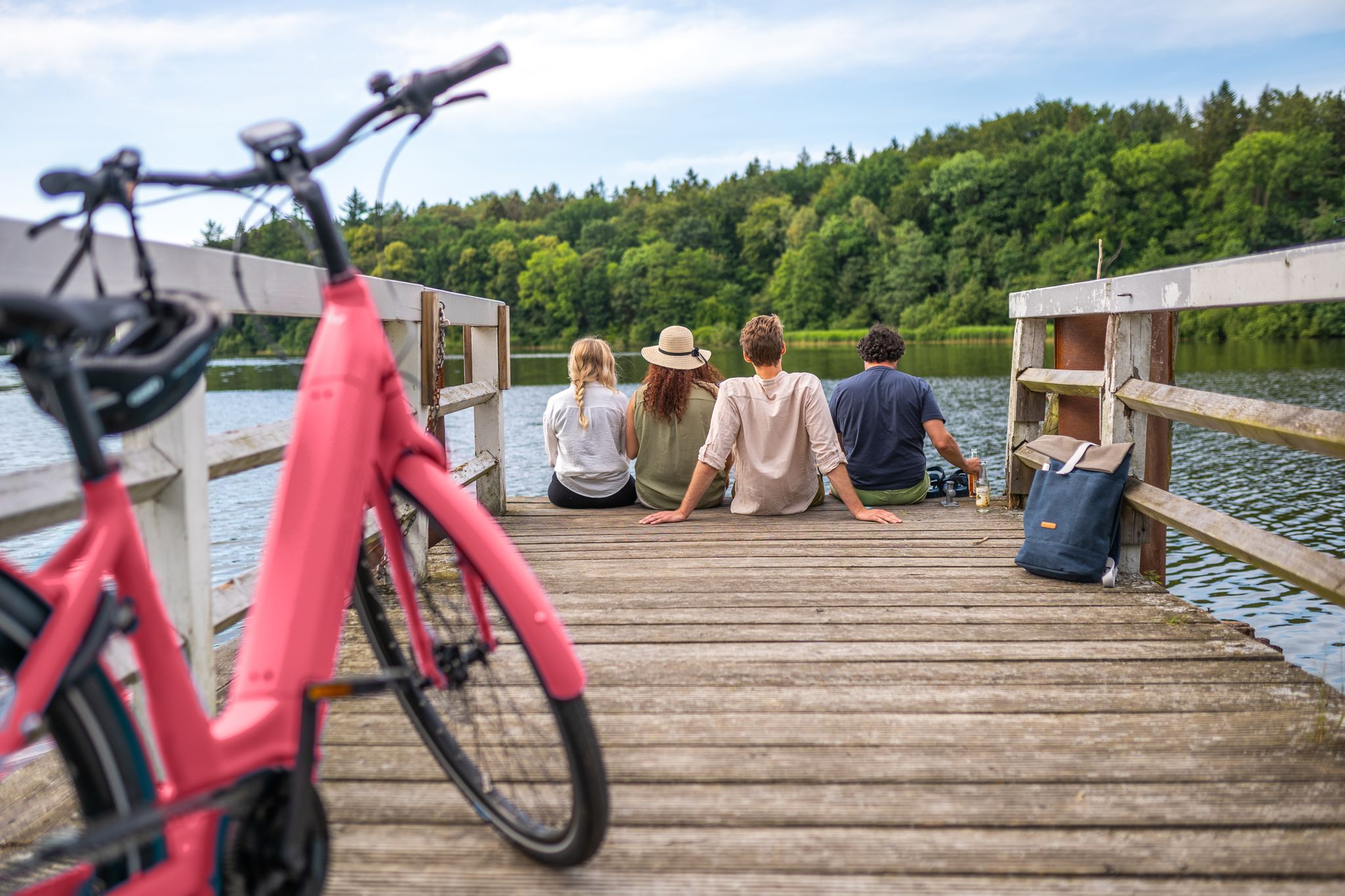
2,919 kilometres of adventure – cycling trails in Schleswig-Holstein
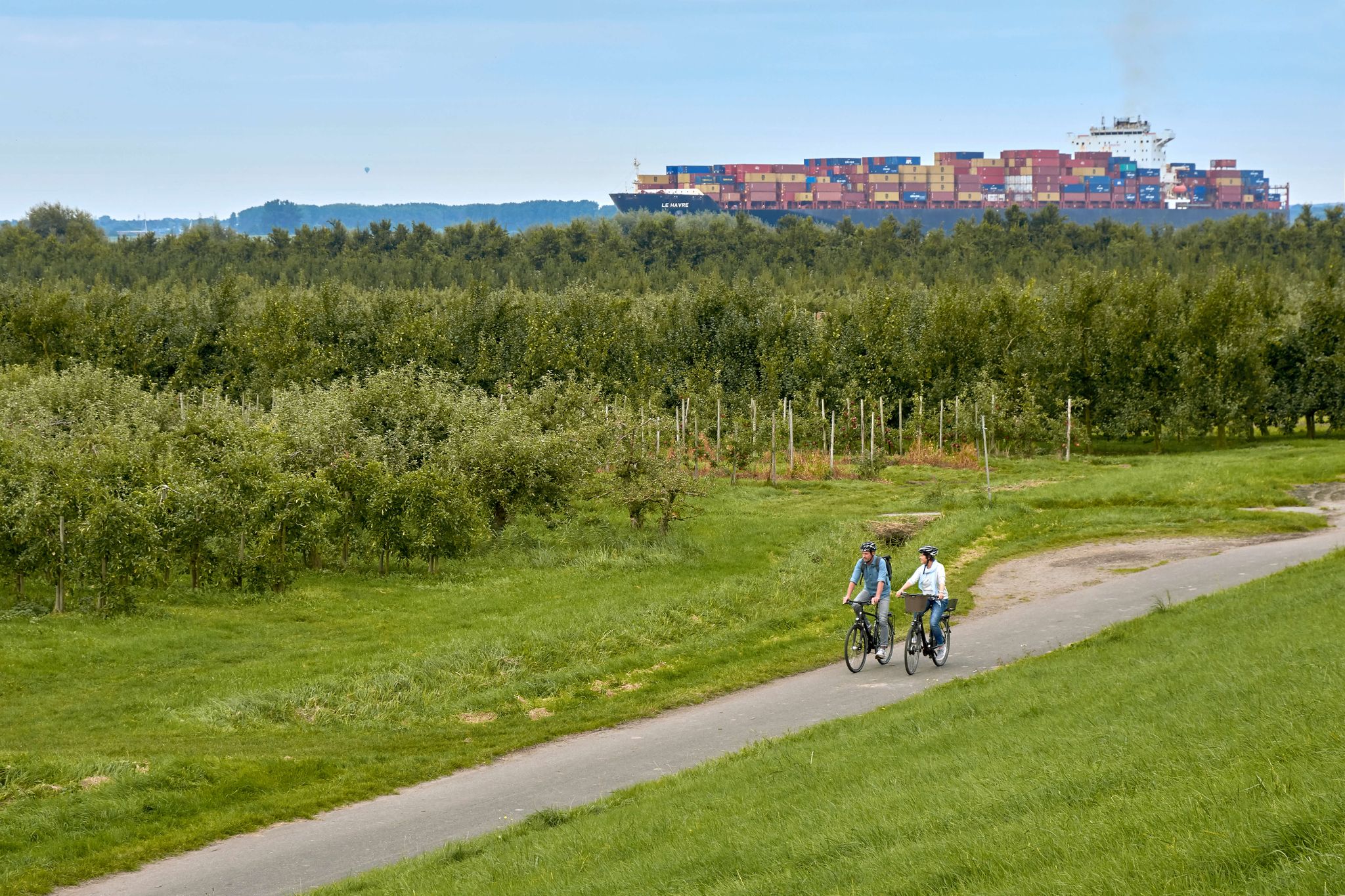
The Altes Land am Elbstrom – a northern cycling paradise
Other adventures in Hamburg


Tips from the Community

The GOOD is so close. A nature reserve that is characterized by its migratory, song and wandering birds. Willow marshes and many water zones. Always have binoculars with you. Kingfishers are more likely to be found on the Goseelbe.
1
0

Planten un Blomen is a park that was created on the former Hamburg ramparts. You should especially take a look at the water features. There are water light concerts here during the summer months.
13
0

Fantastic to hike here, there is so much to see and great photo opportunities
8
1

Simply worthwhile to make a trip here and leave the city behind. A few themes are waiting for you: various gardens, many water areas and countless trees and meadows. Gastronomy and sanitary facilities are also available. Think you discover something different here every day and especially in every season. Only to recommend
14
0

The park is a popular destination for excursions and local recreation because of its central location and diverse recreational opportunities. This is where you can retreat when the hustle and bustle of the big city gets too much. In the summer months, public children's theater performances, water light concerts and music performances take place here. Admission is free.
21
0

The greenhouses are located at the old location of the botanical garden in the city center at Dammtor (today: Planten un Blomen). They were built in 1962/63 and opened for the International Horticultural Exhibition in 1963. The greenhouses have a total area of 2800 m², a volume of 18,500 m³ and a maximum height (tropical house) of 13 m. The technical feature of the system is that the glass construction is suspended from external hollow box profiles and the interior is therefore completely free of supporting elements are. Today the greenhouses and the neighboring Mediterranean terraces are under monument protection.
13
0

Both humans and dogs like to use the bench as a resting place. Actually, the bank is never empty. From here you can hike in four directions.
4
0
This place is very popular as a resting place for humans and dogs. The bank is actually never empty.
4
0
Frequently Asked Questions
Which natural monuments in Hamburg are suitable for families with children?
Hamburg offers several natural monuments perfect for family outings. The Boberger Dunes provide a unique dune landscape where children can play in the sand, and there are ample walking paths. Another excellent option is the Old Botanical Garden Hamburg, which features two large playgrounds and various attractions within the Planten un Blomen park.
What unique natural landscapes can I explore in Hamburg?
Hamburg's natural monuments showcase a diverse range of landscapes. You can experience a surprising dune landscape at the Boberger Dunes. The Duvenstedter Brook Nature Reserve, the largest in Hamburg, offers varied scenery including meadows, moors, heathland, and swamp forests. For a tidal floodplain forest, visit the Heuckenlock Nature Preserve in Wilhelmsburg, one of Europe's last remaining examples.
Are there any natural monuments in Hamburg with historical significance?
Yes, some natural areas in Hamburg also hold historical significance. The Old Botanical Garden Hamburg, part of Planten un Blomen, was created on a section of the former Hamburg ramparts. Additionally, Jenischpark, a protected forest area, is designed as an English garden and houses the historic Jenisch House and the Ernst Barlach Museum.
What is the best time of year to visit Hamburg's natural monuments?
The best time to visit Hamburg's natural monuments largely depends on what you wish to experience. Spring and summer are ideal for enjoying lush greenery and outdoor activities. Autumn is particularly beautiful for witnessing the red deer rutting season in Duvenstedter Brook or seeing the heather bloom in Fischbeker Heide, which casts a purple veil over the landscape.
Can I spot wildlife at the natural monuments in Hamburg?
Absolutely. Hamburg's natural monuments are rich in wildlife. The Duvenstedter Brook Nature Reserve is home to over 38 mammal species, including foxes, wild boars, and a significant red deer population. The Holzhafen Nature Reserve is a crucial resting place for migratory birds like shovelers, teal, and shelducks, and its mudflats serve as feeding grounds for fish. The Hamburg Wadden Sea National Park is a UNESCO World Heritage site known for its high biodiversity, including common and gray seals and numerous seabirds.
Are there good viewpoints within Hamburg's natural monuments?
Many natural monuments offer excellent viewpoints. The Hasselbrack – Highest Point in Hamburg, while not offering a panoramic view, marks the city's highest natural elevation and is a notable landmark. Other highlights like Elbe Island Kaltehofe water art and Holzhafen Nature Reserve are also recognized as viewpoints, offering scenic perspectives of their surroundings.
What outdoor activities can I do near Hamburg's natural monuments?
You can enjoy a variety of outdoor activities near Hamburg's natural monuments. For gravel biking, consider routes like the 'Loop around Hamburg on the 2nd Green Ring' or 'Round trip from Hamburg to the Lower Elbe'. If you prefer running, the 'Alsterufer Running Trail' is a popular choice. Mountain biking enthusiasts can explore trails such as the 'Bunker Trail' or the 'Upper Alster Trail'. You can find more details on these and other routes in the Gravel biking in Hamburg, Running Trails in Hamburg, and MTB Trails in Hamburg guides.
Are there any natural monuments in Hamburg that are wheelchair accessible?
While many natural areas involve varied terrain, the Alster Fountain on the Binnenalster is noted as wheelchair accessible, offering a pleasant experience along the Binnenalster. For other natural monuments, it is advisable to check specific access details as terrain can vary from sandy dunes to forest paths.
How can I reach Hamburg's natural monuments using public transport?
Many of Hamburg's natural monuments are accessible via public transport. For instance, the Old Botanical Garden Hamburg (Planten un Blomen) is centrally located and well-connected. For areas further out, such as the Duvenstedter Brook or Fischbeker Heide, local bus services often provide access points. It's recommended to check the HVV (Hamburg Public Transport) website for specific routes and schedules to your chosen destination.
What types of water features can be found among Hamburg's natural monuments?
Hamburg's natural monuments feature a variety of water bodies. You can find lakes and ponds like the Kuhteich Pond in the Fischbek Valley, Lottbek Reservoir, and Rodenbeker Pond. The Alster Fountain on the Binnenalster is a prominent water feature within the city. Additionally, the Holzhafen Nature Reserve boasts extensive tidal water areas and mudflats, while the Hamburg Wadden Sea National Park is characterized by sand and mixed mudflats with shallow creeks.
Are there any natural monuments in Hamburg that are particularly good for hiking?
Yes, several natural monuments are excellent for hiking. The Duvenstedter Brook Nature Reserve offers diverse landscapes and trails for hiking and cycling. Fischbeker Heide is another popular destination with scenic trails, especially when the heather is in bloom. The Boberger Dunes also provide plenty of walking paths for exploration.
What is the highest natural point in Hamburg?
The highest natural point in Hamburg is Hasselbrack, located in the Harburg Mountains. It reaches an elevation of 116.2 meters above sea level and is a notable landmark for hikers and bikers within the state forest Rosengarten.
Most popular routes in Hamburg
Most popular attractions in Hamburg

Get inspired with the komoot mobile app


Explore more
Extend your search for the best caves by checking out these guides of the top ones in Hamburg:
