Top 20 Natural Monuments around Olot
Best natural monuments around Olot are found within the La Garrotxa Volcanic Zone, a region characterized by its unique volcanic landscape and lush forests. Olot, the capital, is home to over 40 volcanic cones and more than 20 lava flows. This area offers a diverse natural environment for exploration, featuring dormant volcanoes, ancient forests, and geological formations.
Best natural monuments around Olot
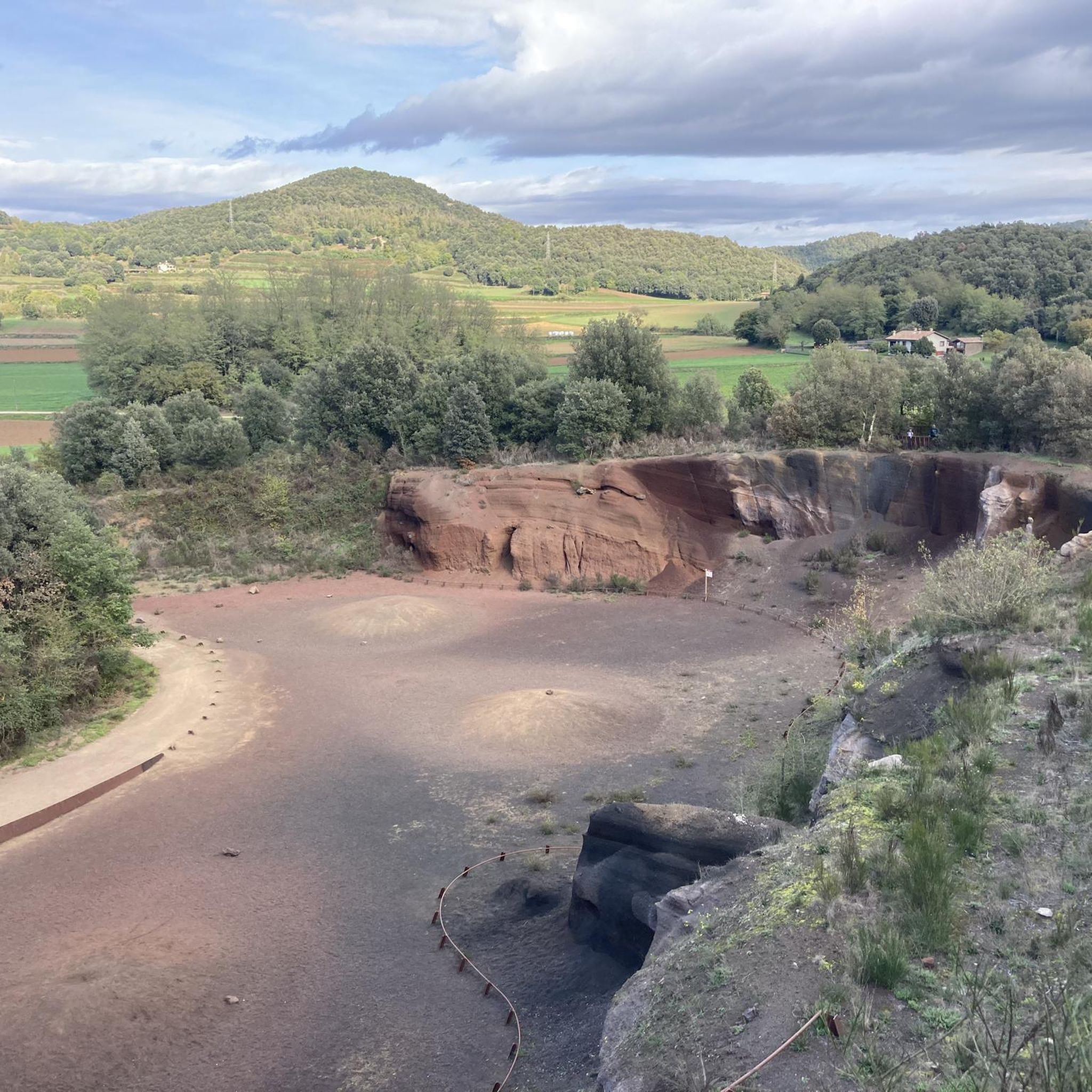
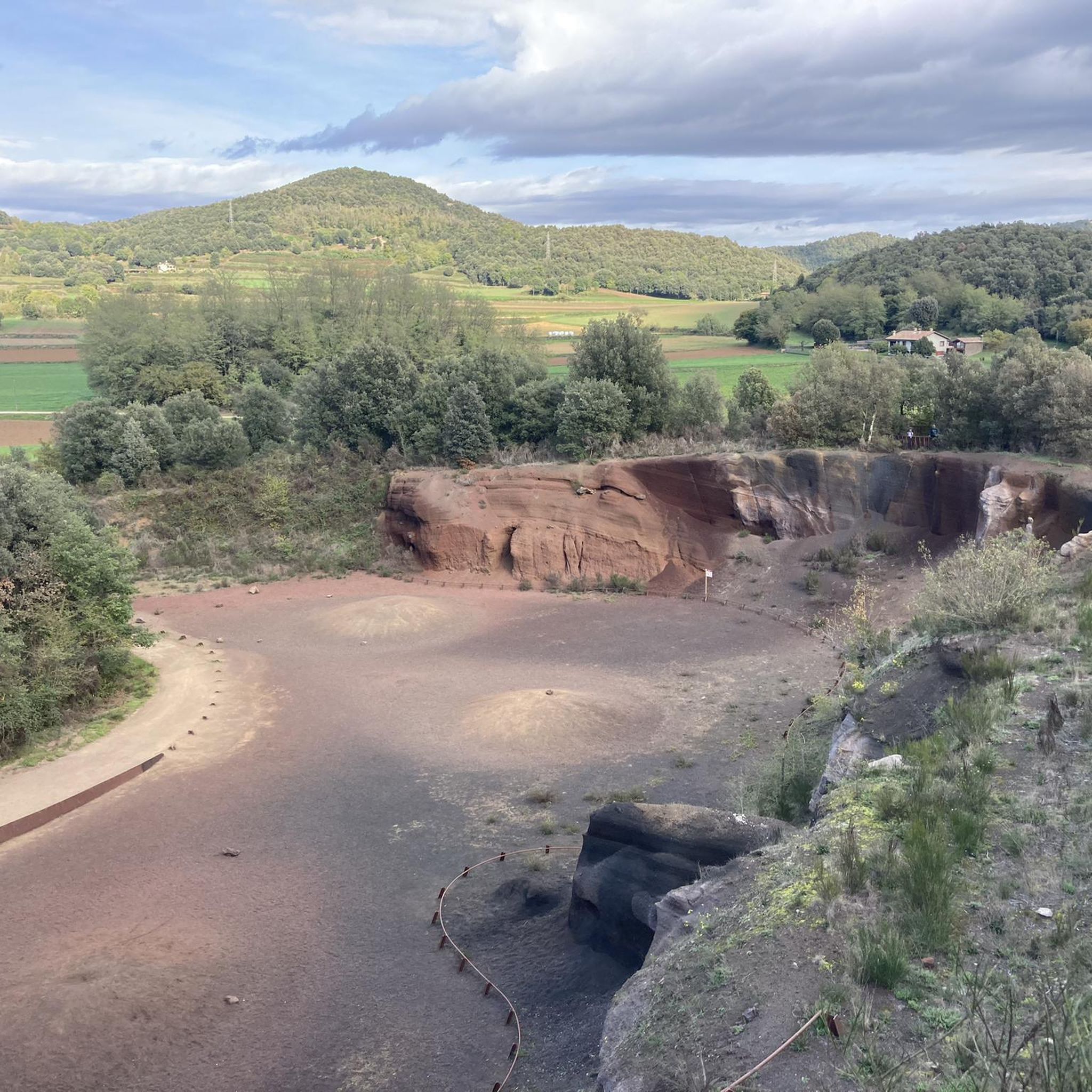
- The most popular natural monuments is Santa Margarida Volcano, a volcano that features a wide, circular crater…
Last updated: July 20, 2026
Santa Margarida Volcano
Highlight • Volcano
Translated by Google •
Tip by

Croscat Volcano Scoria Slopes
Highlight • Volcano
Translated by Google •
Tip by

Sign up now to discover places like this
Get recommendations on the best single tracks, peaks, & plenty of other exciting outdoor places.
Sign up for free
Puigsacalm
Highlight • Summit
Translated by Google •
Tip by

Llierca Bridge
Highlight • Bridge
Tip by

Santa Margarida Volcano Crater
Highlight • Volcano
Translated by Google •
Tip by

Sign up for free to discover even more natural monuments around Olot.
Sign up for free
Already have an account?
Start today with a free account
Your next adventure awaits.
Login or Signup
Popular around Olot
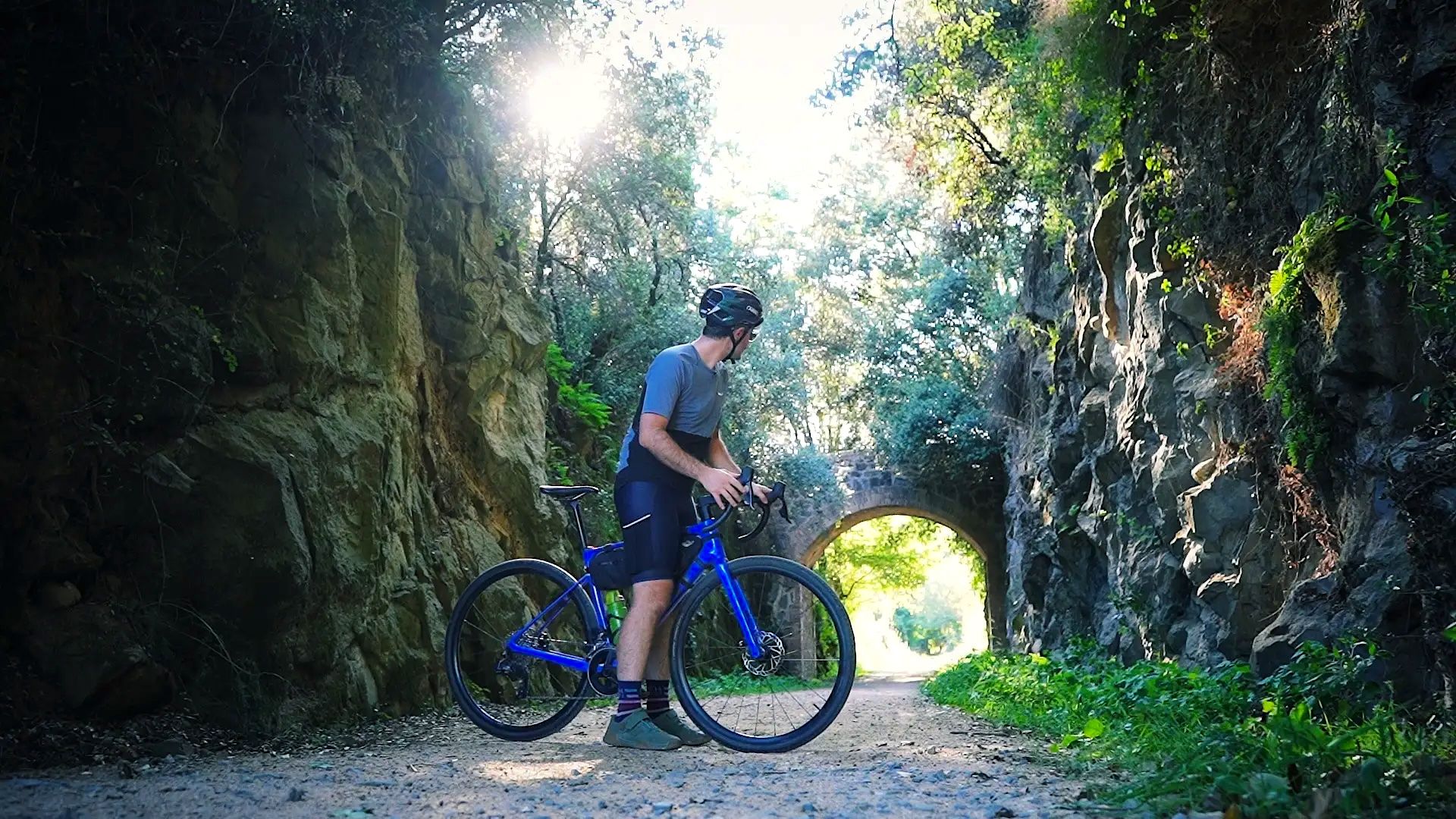
Cycling in Catalonia with Pietro Franzese – four unmissable routes
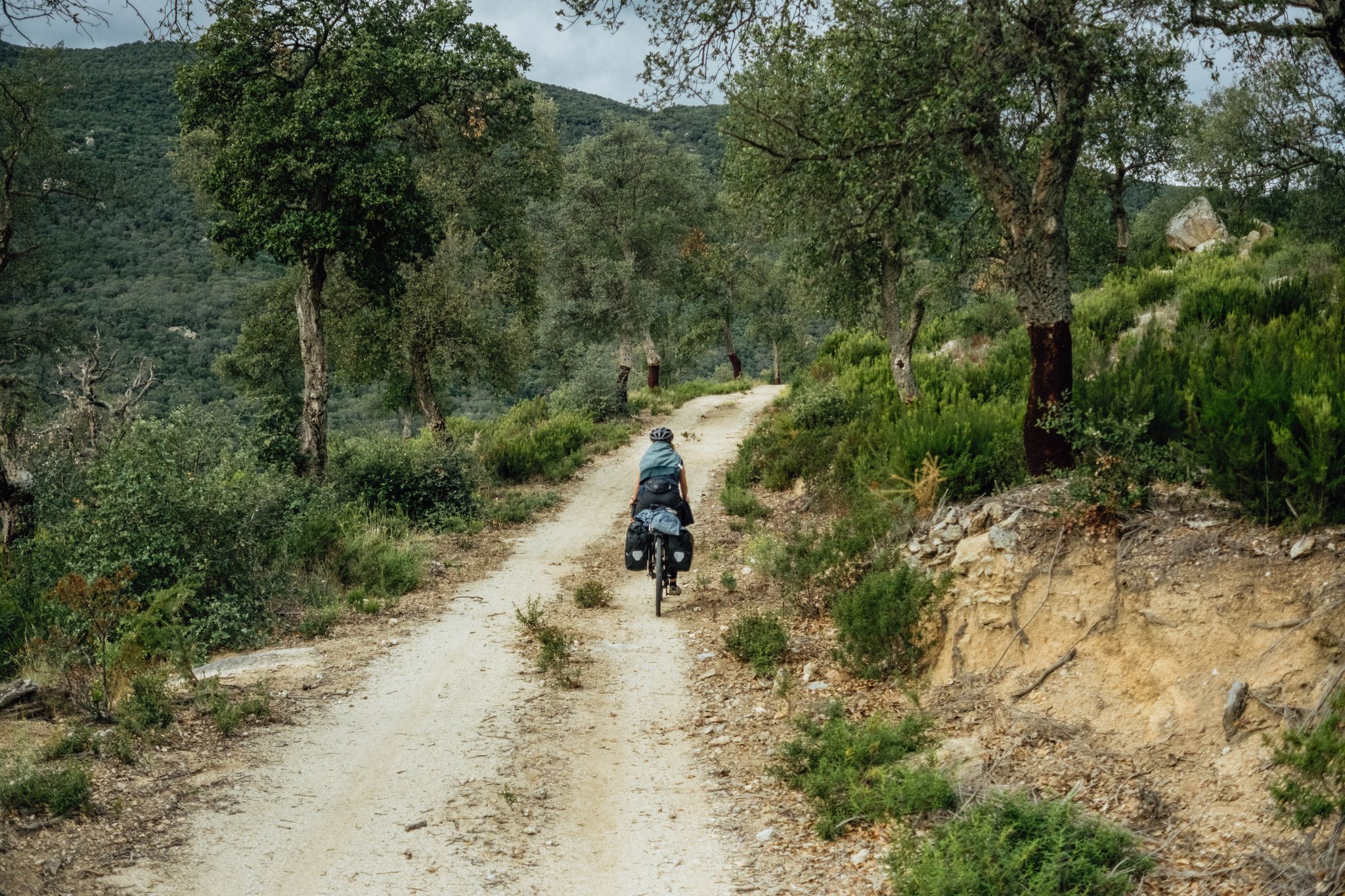
In search of the sun – between the Pyrenees and the Mediterranean
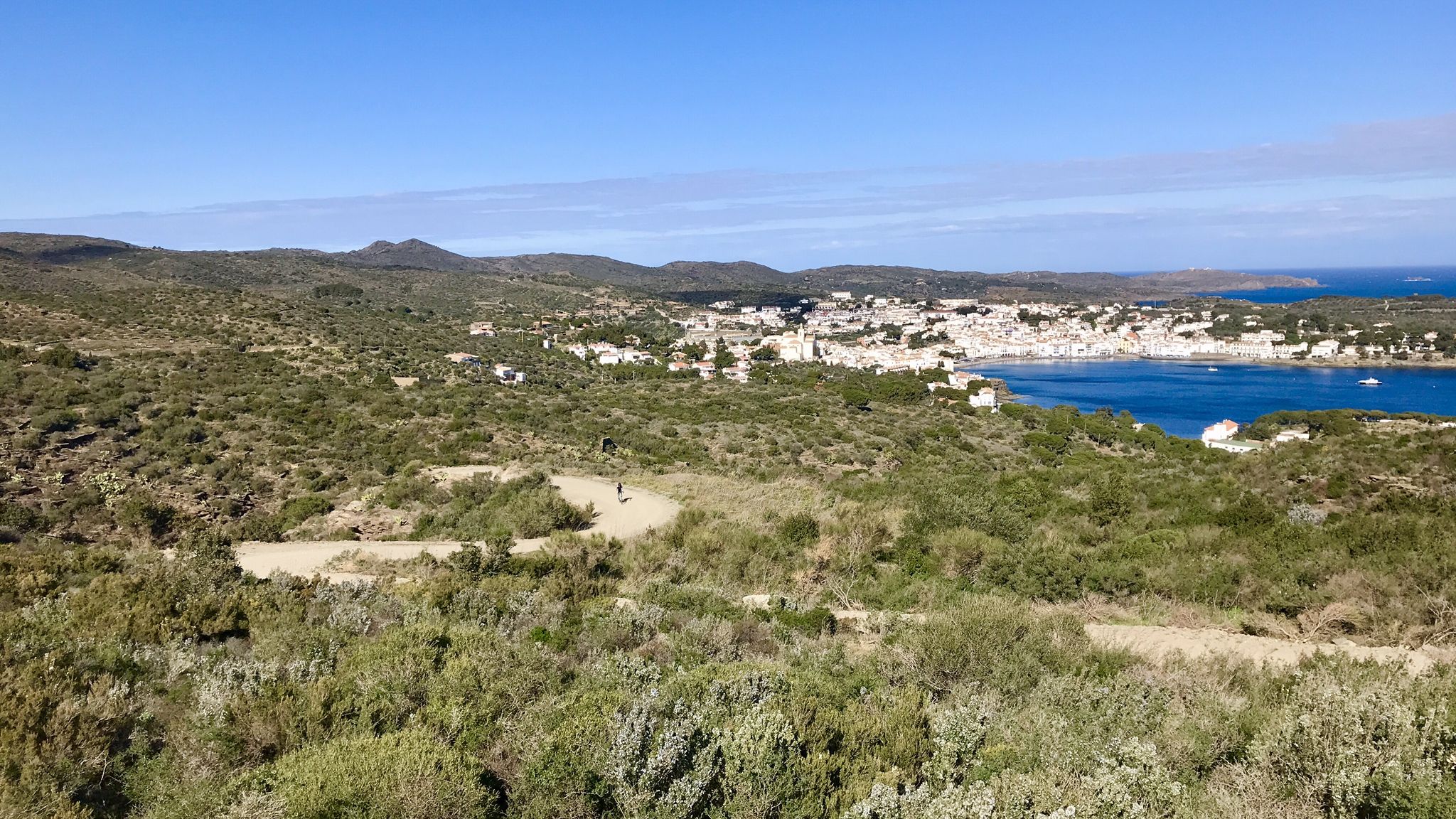
Garrotxa, Olot and Cap de Creus – gravel paradise in Spain
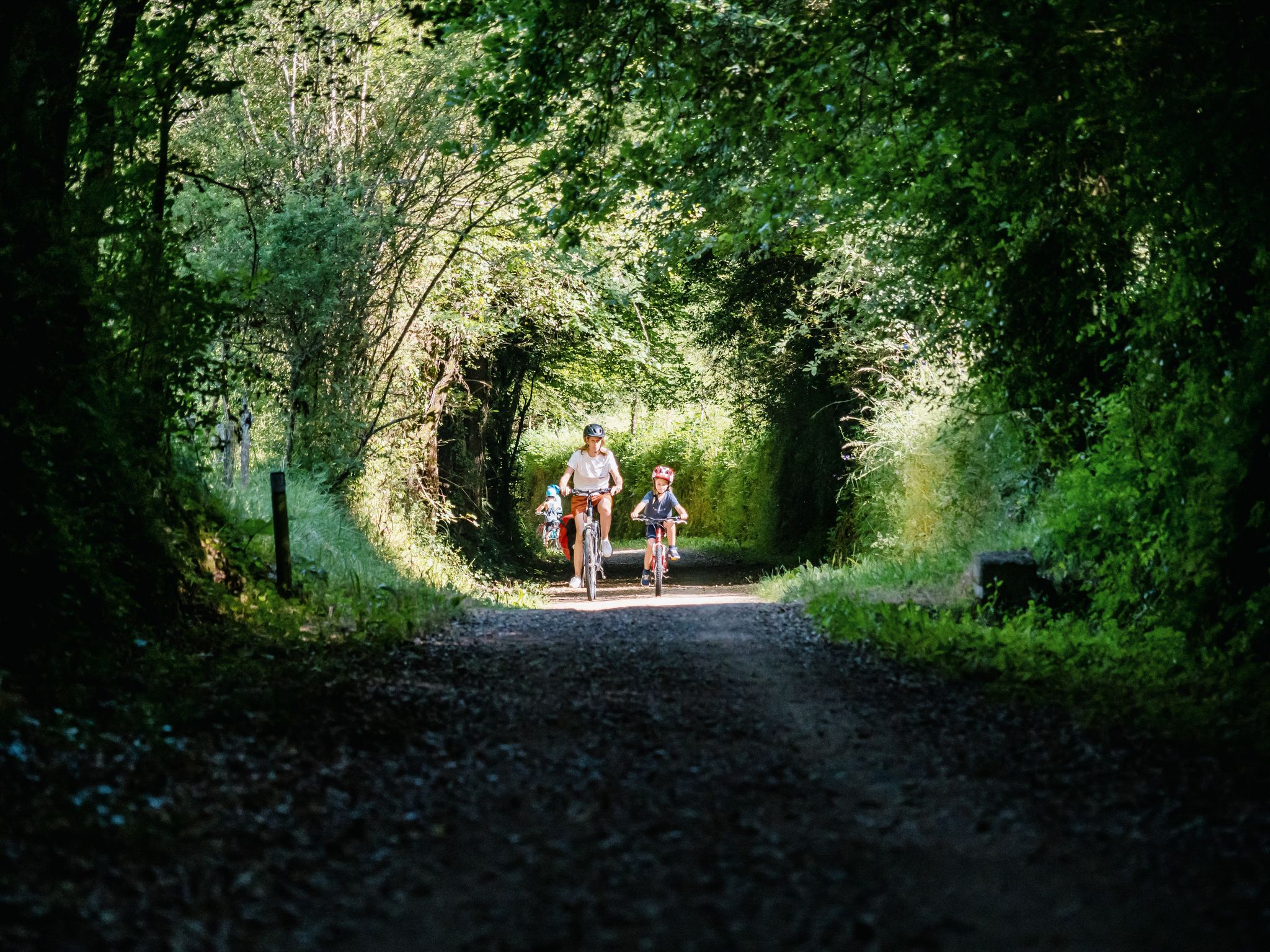
Vías verdes de Girona — an adventure for the whole family
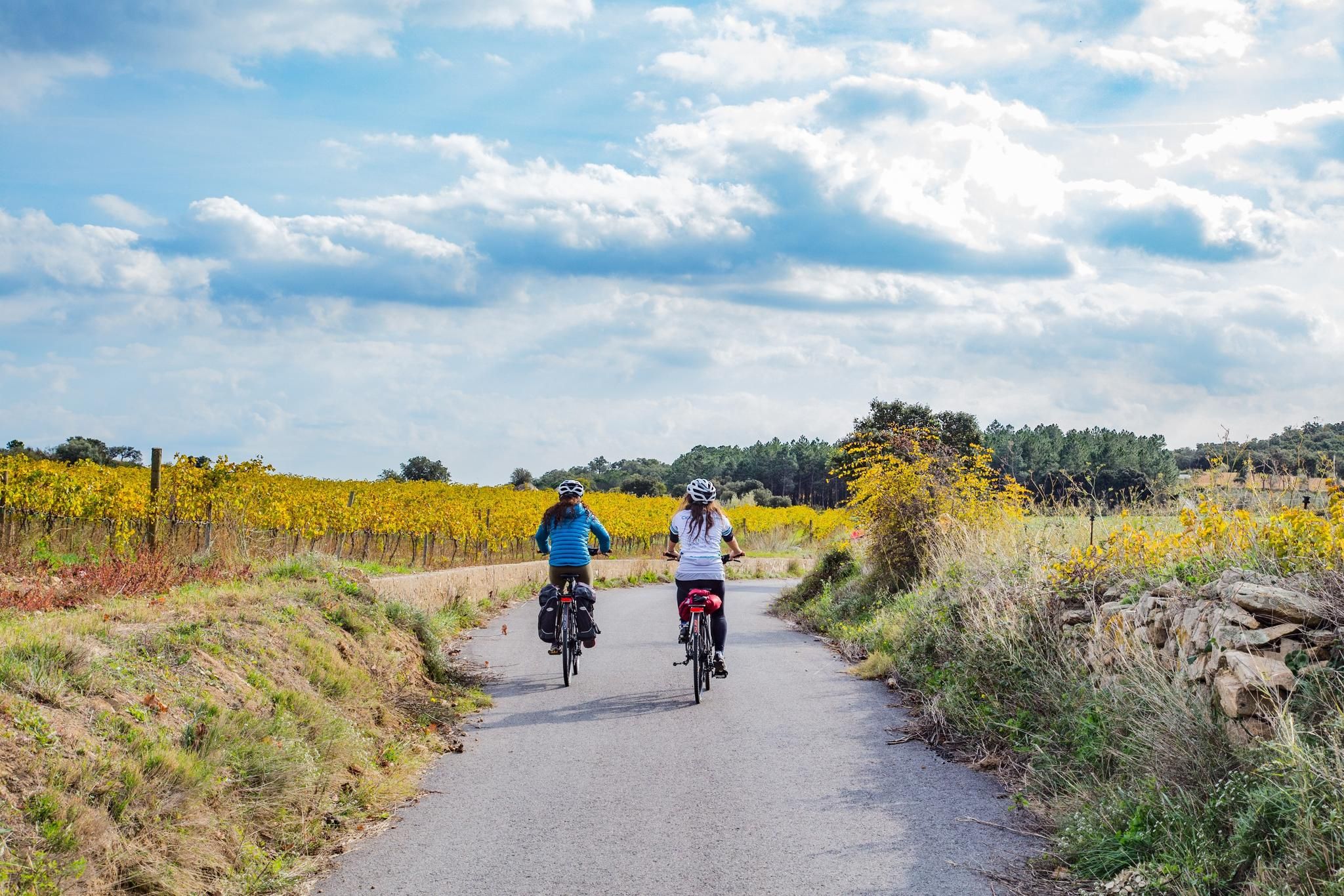
A journey from the Pyrenees to the Costa Brava – Pirinexus Route
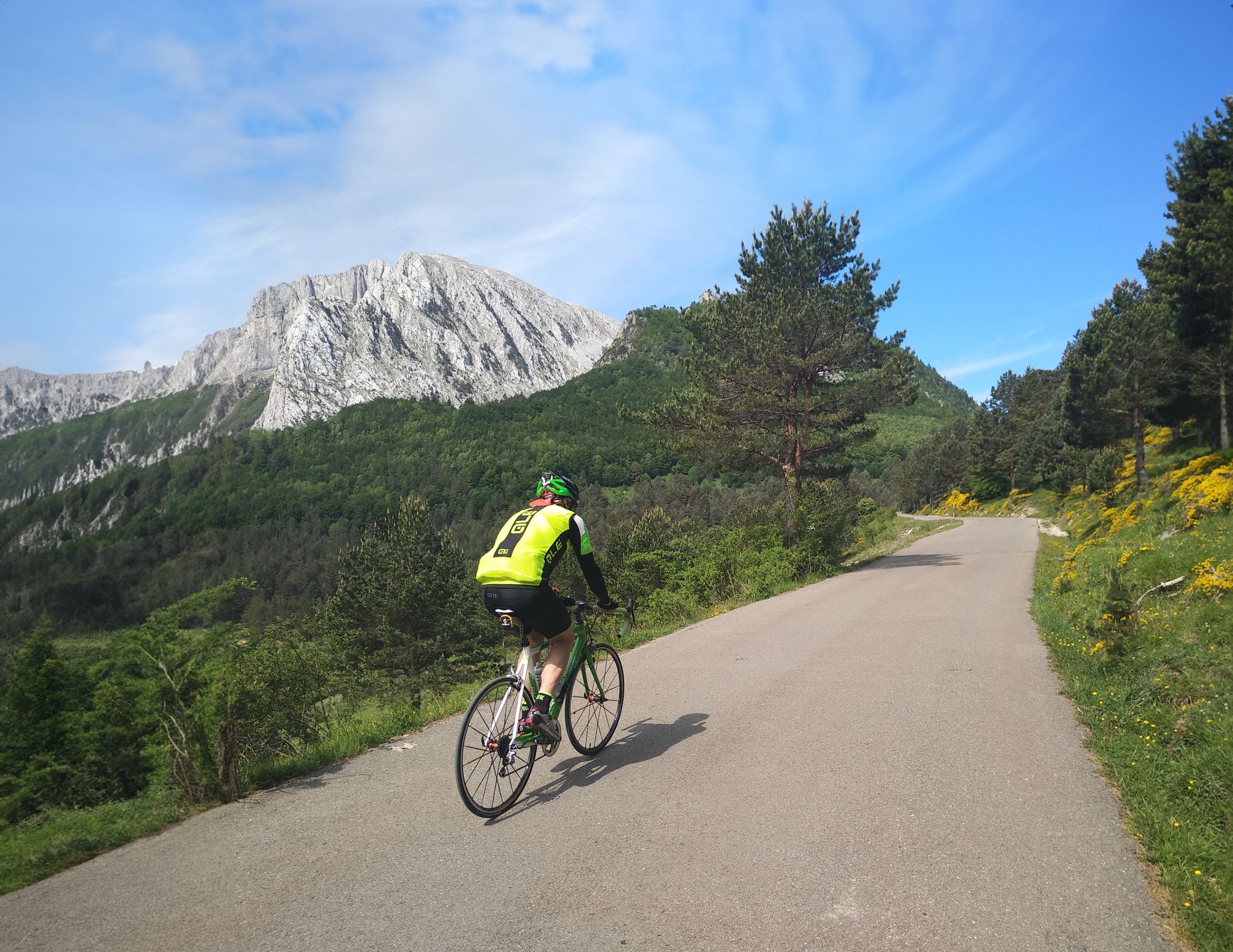
The Bay of Biscay to the Mediterranean — southern Pyrenees cycle tour
Cycling around Olot
Road Cycling Routes around Olot
Hiking around Olot
MTB Trails around Olot
Other adventures around Olot


Tips from the Community

Beautiful relaxing place 😀
0
0

The area east of the bridge is not particularly suitable for gravel bikes. The bridge is definitely worth a visit.
0
0

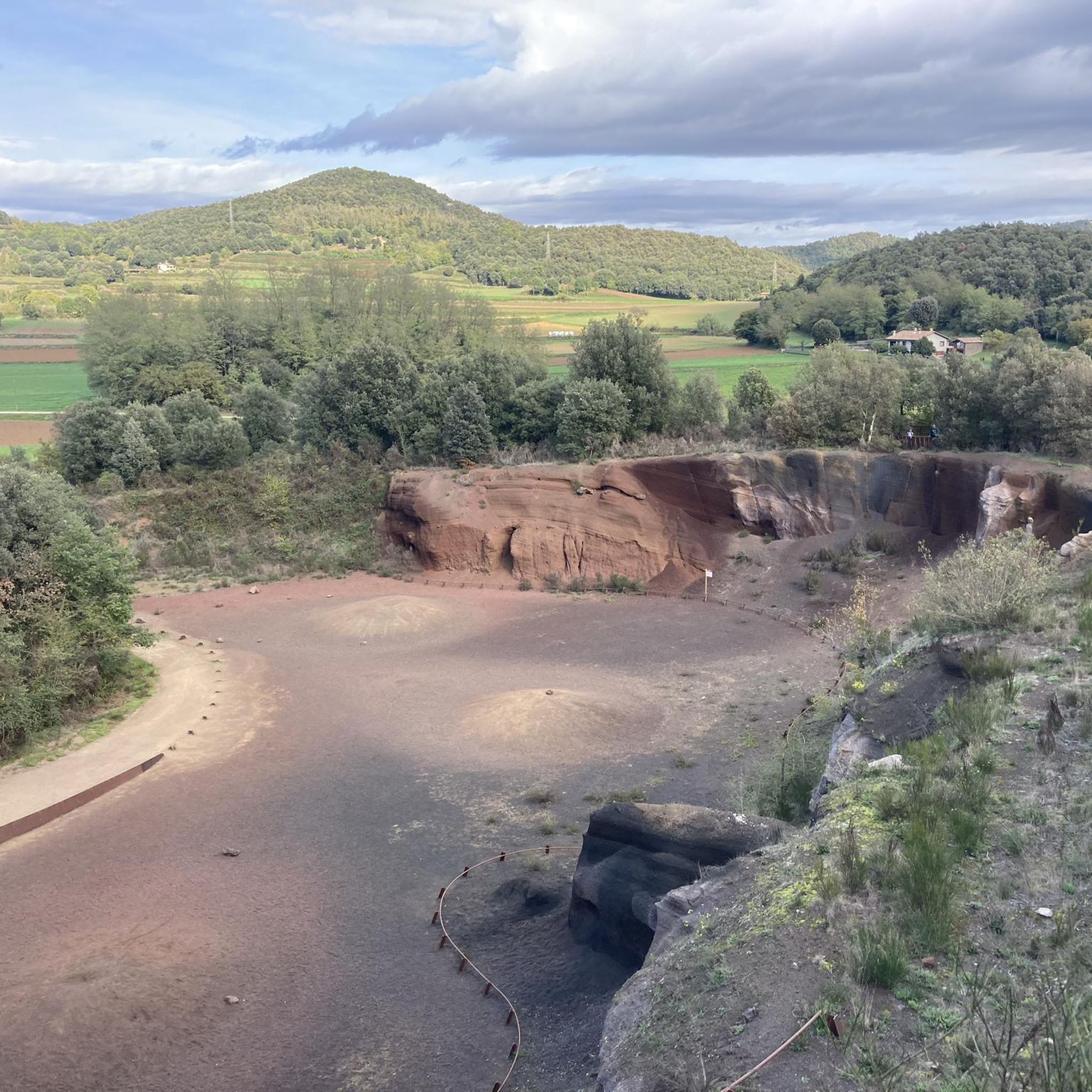
In the Garrotxa Natural Park there are about 40 catalogued volcanoes with 10 well-preserved explosion craters. The Volcá del Croscat is a highly explosive Strombolian volcano. The eruption took place around 9,500 BC. It is the last volcano to erupt in the Garrotxa volcanic area and also in the Iberian Peninsula. Source https://parcsnaturals.gencat.cat/ca/xarxa-de-parcs/garrotxa/inici/
0
1

A Romanesque bridge worth seeing. Be sure to take a detour there and take a look. You can easily walk across it.
3
0

The Llierca Bridge, also called Pont de Sadernes, is a bridge 28 m high, 52 m long and 3 m wide. With a single, very slender arch, it crosses the Llierca river between Tortellà and Sadernes. Romanesque in style, although we do not know the date of its construction, there is evidence of its use since at least the 14th century, when it is documented that a toll was paid to cross it. The bridge was probably built by order of the barons of Sales, to facilitate trade between the farmhouses located west of the Llierca river with the towns of Tortellà and Besalú.
0
0


We visited with a tour guide who explained everything in an interesting and informative way. It's a great place to visit on your own, but with a guide you can really learn a lot.
0
1
This bridge is amazing. It is 28 meters above the water. It stretches 52 meters from one side to the other. It was built between the 13th and 14th centuries and was used to transport goods in the area. Wow!! On the opposite side of the road, the trail is a bit difficult on a gravel bike, but should be fine on a mountain bike. The hard part is only about 50 meters, the rest is easy.
3
1
Frequently Asked Questions
What are some of the most popular natural monuments to visit around Olot?
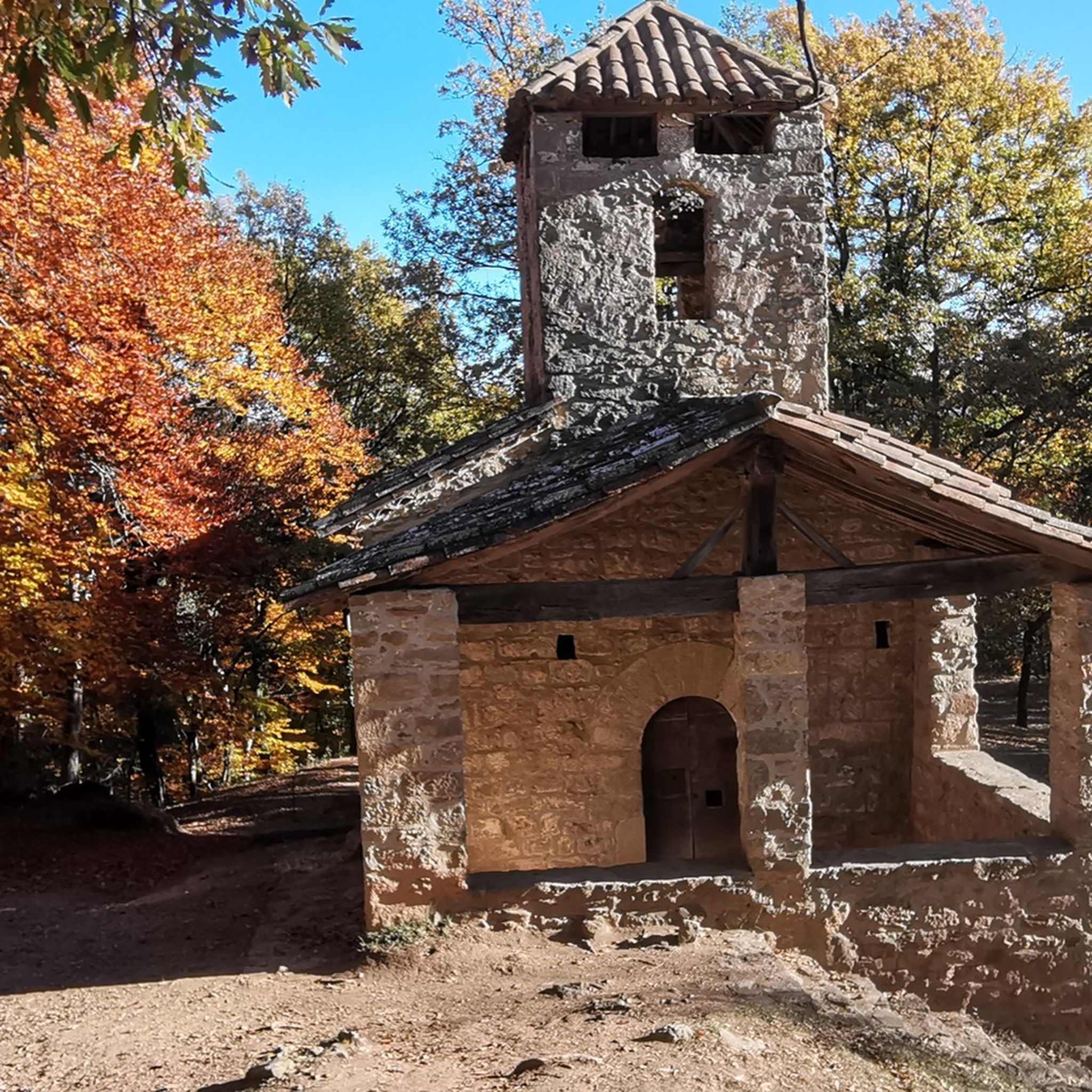
The region around Olot, nestled within the La Garrotxa Volcanic Zone, offers several highly-regarded natural monuments. Among the most popular are the Santa Margarida Volcano, known for its wide crater housing a Romanesque hermitage, and the Croscat Volcano Scoria Slopes, which reveals a fascinating cross-section of its internal layers. Another favorite is Puigsacalm, a summit offering spectacular 360-degree panoramic views.
Are there family-friendly natural monuments in the Olot area?
Yes, several natural monuments around Olot are excellent for families. Both the Santa Margarida Volcano and the Croscat Volcano Scoria Slopes are considered family-friendly, offering accessible trails and engaging geological features. The unique Olot itself, with its urban volcanoes like Montsacopa, also provides easy access to volcanic landscapes within the city.
What unique natural features can I expect to see in the Garrotxa Volcanic Zone?
The Garrotxa Volcanic Zone is characterized by its unique volcanic landscape. You can explore over 40 dormant volcanic cones, more than 20 lava flows, and distinctive geological formations. Highlights include the well-preserved crater of Montsacopa Volcano, the exposed internal layers of Croscat Volcano, and the unique La Fageda d'en Jordà, a beech forest growing on a lava flow at an unusually low altitude.
What is the best time of year to visit the natural monuments around Olot?
The natural monuments around Olot are beautiful year-round, but autumn is particularly recommended. During this season, the La Fageda d'en Jordà beech forest transforms with vibrant autumn colors, creating a serene and picturesque atmosphere. Spring also offers lush greenery and pleasant temperatures for hiking and exploration.
Are there hiking trails near the natural monuments in Olot?
Yes, the region is a prime destination for hiking. You can find numerous trails that lead through the volcanic landscapes and forests. For example, there are routes that combine visits to the Santa Margarida Volcano and the Croscat Volcano Scoria Slopes. You can explore various hiking options in the area by checking out the Hiking around Olot guide.
What kind of views can I expect from the natural monuments in Olot?
Many natural monuments around Olot offer stunning panoramic views. The summit of Puigsacalm provides 360-degree vistas of the surrounding valleys and the eastern Pyrenees. From Montsacopa Volcano, located within Olot, you can enjoy a comprehensive view of the city and the wider volcanic region. The Santa Margarida Volcano also offers picturesque scenery, especially with its hermitage nestled in the crater.
Are there any historical or cultural sites integrated with the natural monuments?
Yes, the region beautifully blends natural beauty with historical elements. The Santa Margarida Volcano features a small Romanesque hermitage situated right in the center of its wide crater. Additionally, the Llierca Bridge, a medieval structure dating back to the 13th-14th centuries, is a notable historical site set amidst natural surroundings, offering impressive views over the river.
What other outdoor activities can I do near the natural monuments?
Beyond hiking, the area around Olot is excellent for various outdoor activities. You can enjoy gravel biking on routes like the one through the Garrotxa natural park, or explore running trails that take you through forests and past volcanoes. For more details on these activities, refer to the Gravel biking around Olot and Running Trails around Olot guides.
Is there public transport available to reach the Garrotxa Volcanic Zone Natural Park trails?
While specific public transport routes directly to every trailhead can vary, Olot serves as the capital of the La Garrotxa Volcanic Zone and is well-connected. From Olot, local buses or taxis can often take you closer to the main access points for popular natural monuments and trails within the park, such as those leading to La Fageda d'en Jordà or the Croscat Volcano.
What kind of wildlife can be found in the Garrotxa Natural Park?
The Garrotxa Volcanic Zone Natural Park, with its varied flora including holm-oak, common oak, and beech forests, supports a diverse range of wildlife. While specific sightings can vary, the park is home to various bird species, small mammals, and amphibians, thriving in the lush volcanic landscape. Birdwatching is a popular activity within the park.
Are there any natural monuments that are particularly easy to access or suitable for beginners?
For beginners or those seeking easier access, the Montsacopa Volcano, located directly within the city of Olot, is a great option. It's easily accessible from the town center and offers a rewarding climb with panoramic views. The trails around La Fageda d'en Jordà are also generally flat and well-maintained, making them suitable for leisurely walks.
What do visitors enjoy most about the natural monuments around Olot?
Visitors frequently praise the unique geological experience of exploring dormant volcanoes and lava flows. The serene atmosphere of places like La Fageda d'en Jordà, the stunning panoramic views from summits like Puigsacalm, and the blend of nature with historical elements, such as the hermitage in Santa Margarida Volcano, are often highlighted as favorite aspects. The opportunity to witness nature reclaiming volcanic terrain is also a significant draw.
Most popular attractions around Olot

Get inspired with the komoot mobile app


Explore more
Extend your search for the best caves by checking out these guides of the top ones around Olot:
