Top 11 Natural Monuments in Norfolk Coast AONB
Best natural monuments in Norfolk Coast AONB include a diverse range of natural features shaped by glacial activity and coastal processes. This protected landscape, spanning over 450 km², showcases varied habitats from coastal formations to ancient woodlands. Visitors can explore significant ecological sites, unique geological formations, and areas rich in wildlife. The region offers opportunities to observe rare species and experience landscapes with historical and natural importance.
Best natural monuments in Norfolk Coast AONB
- The most popular natural monuments is…
Last updated: May 9, 2026
Horsey Beach Seal Colony
Highlight • Beach
Tip by

Sheringham Park Rhododendron and Azalea Gardens
Highlight • Forest
Tip by
Sign up now to discover places like this
Get recommendations on the best single tracks, peaks, & plenty of other exciting outdoor places.
Sign up for free
Warham Camp Iron Age Fort
Highlight • Viewpoint
Tip by

Horsey Mere
Highlight • Natural Monument
Tip by
Ringstead Downs Nature Reserve
Highlight • Natural Monument
Tip by

Sign up for free to discover even more natural monuments in Norfolk Coast AONB.
Sign up for free
Already have an account?
Start today with a free account
Your next adventure awaits.
Login or Signup
Popular around Norfolk Coast AONB
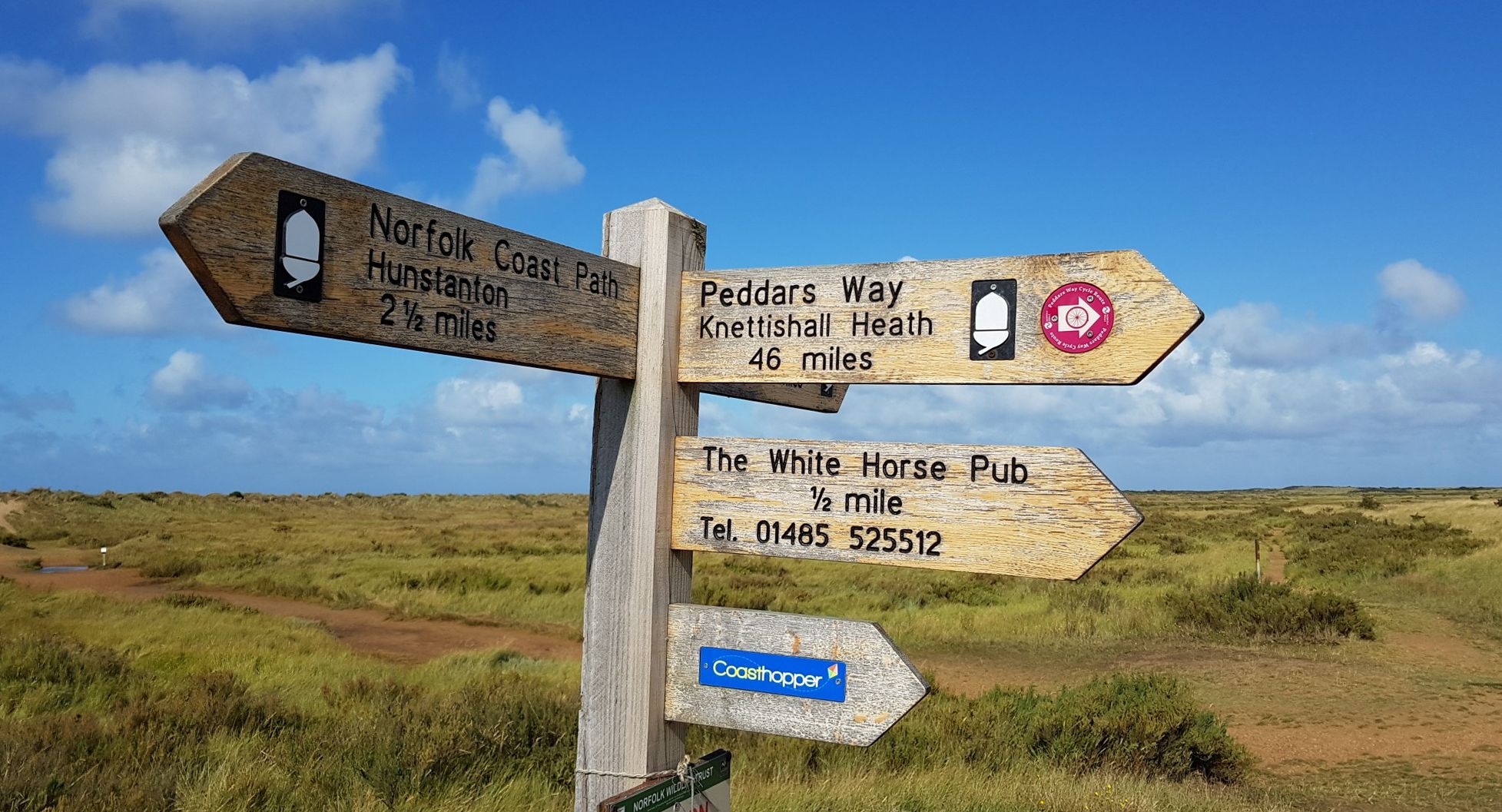
Norfolk Coast Path (National Trail)
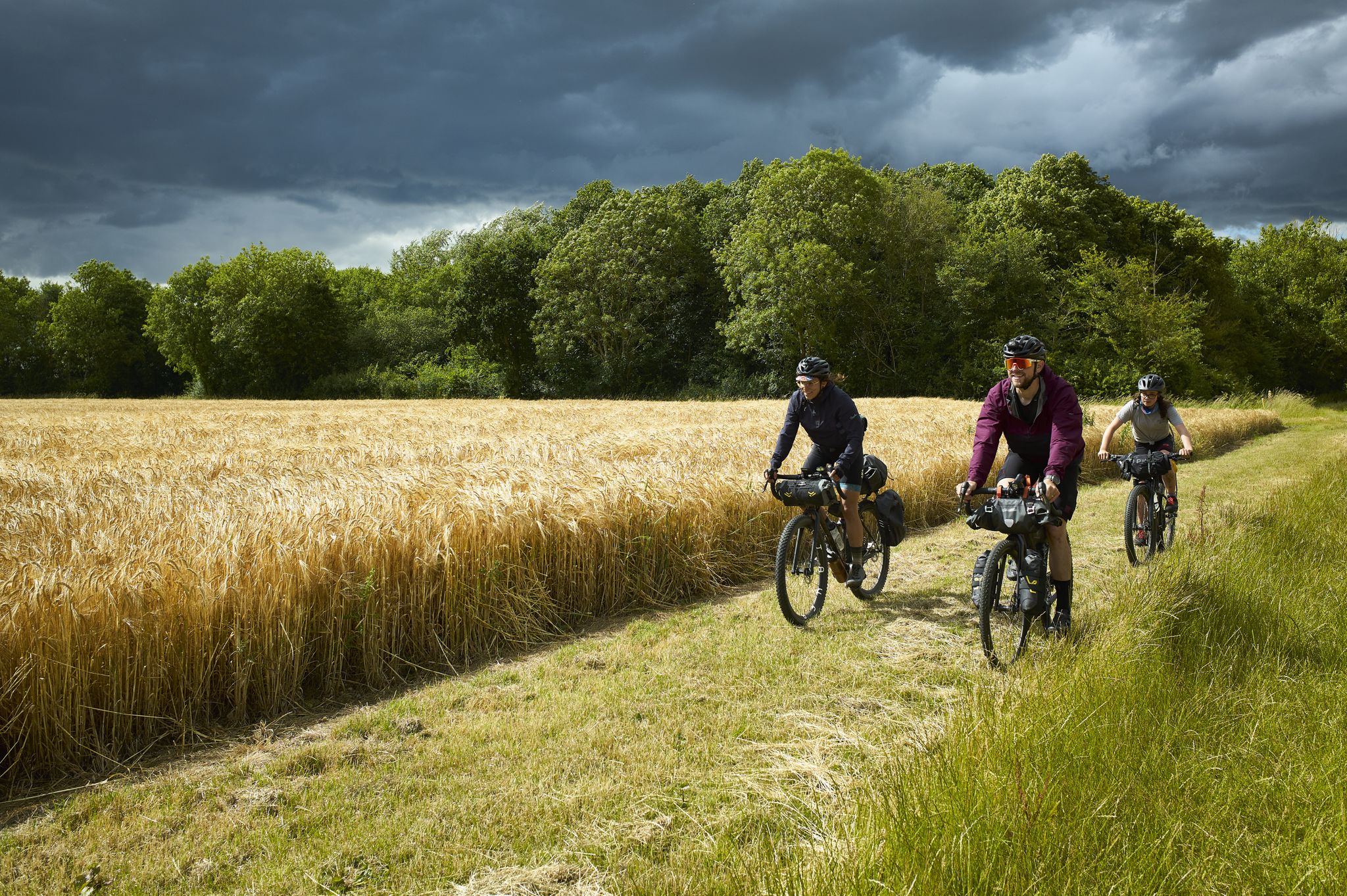
The Rebellion Way — all ability bikepacking in Norfolk
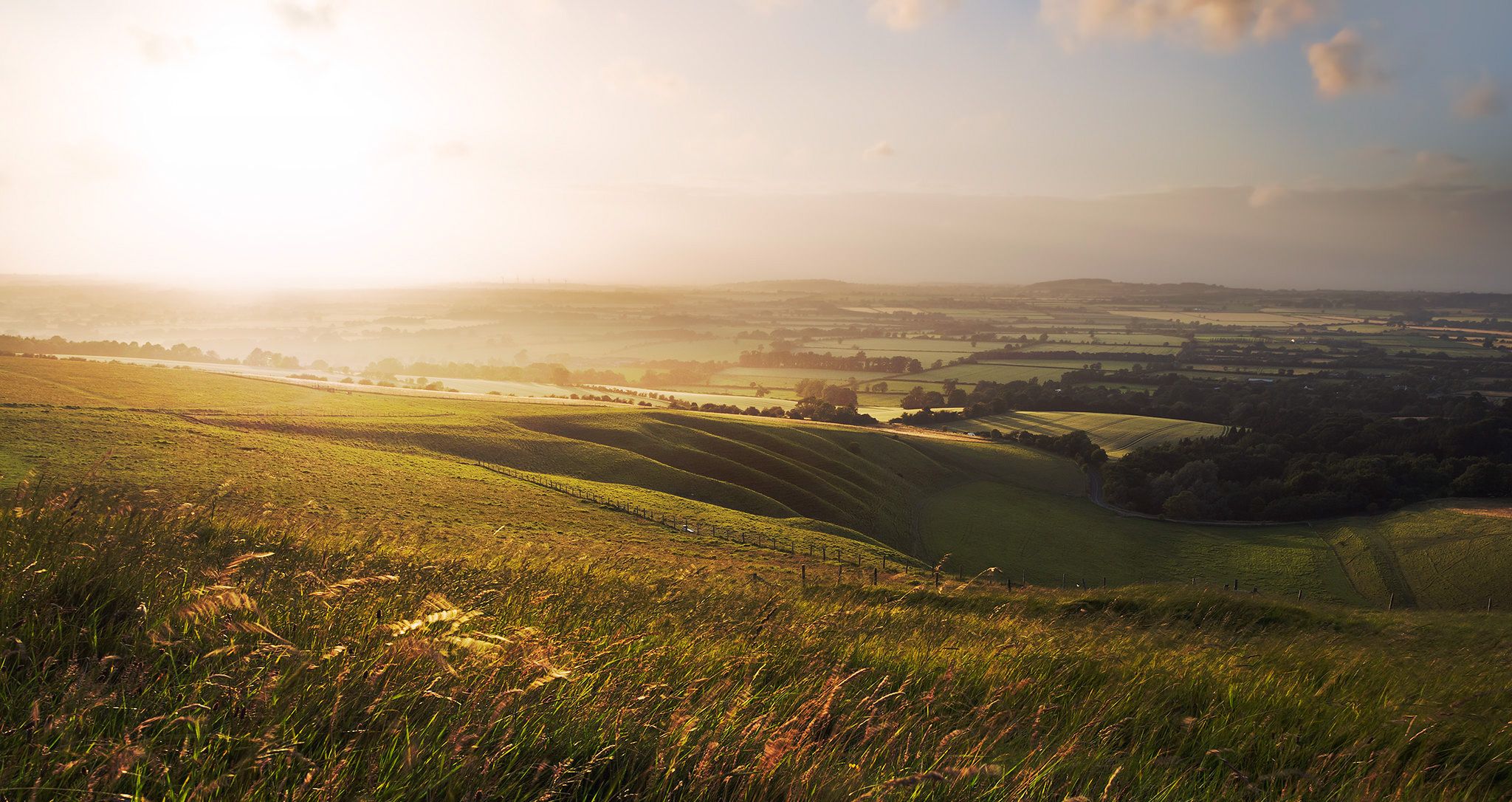
Hiking the Greater Ridgeway — Following Roman roads across England
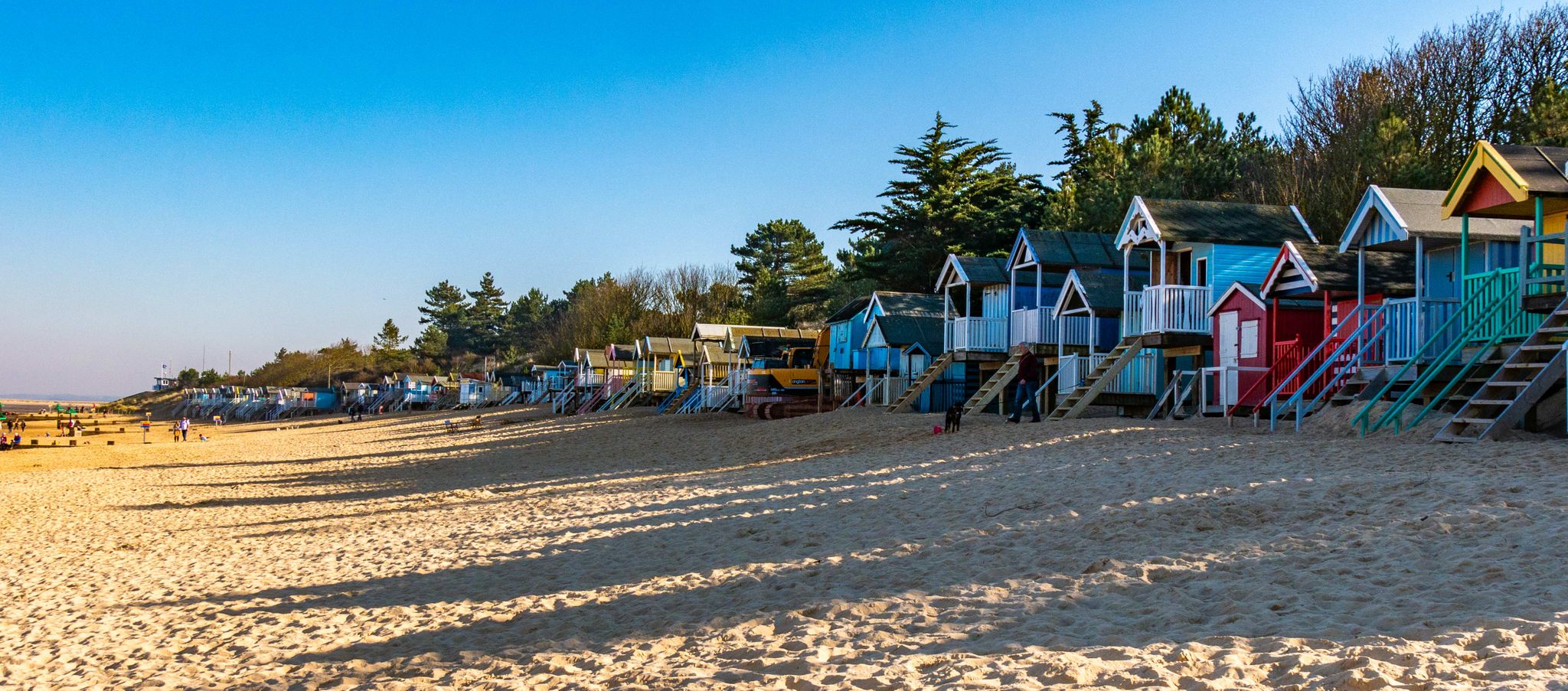
Norfolk Coast Cycleway – Hidden history and seascapes
Norfolk Coast loop from Norwich – castle to coast
The complete Norfolk loop – cycling Nelson’s county
Golden autumn walks in the Broads National Park
Explore England’s most wildlife-rich national park — the Broads
Hiking in Norfolk Coast AONB
Running Trails in Norfolk Coast AONB
Other adventures in Norfolk Coast AONB


Tips from the Community

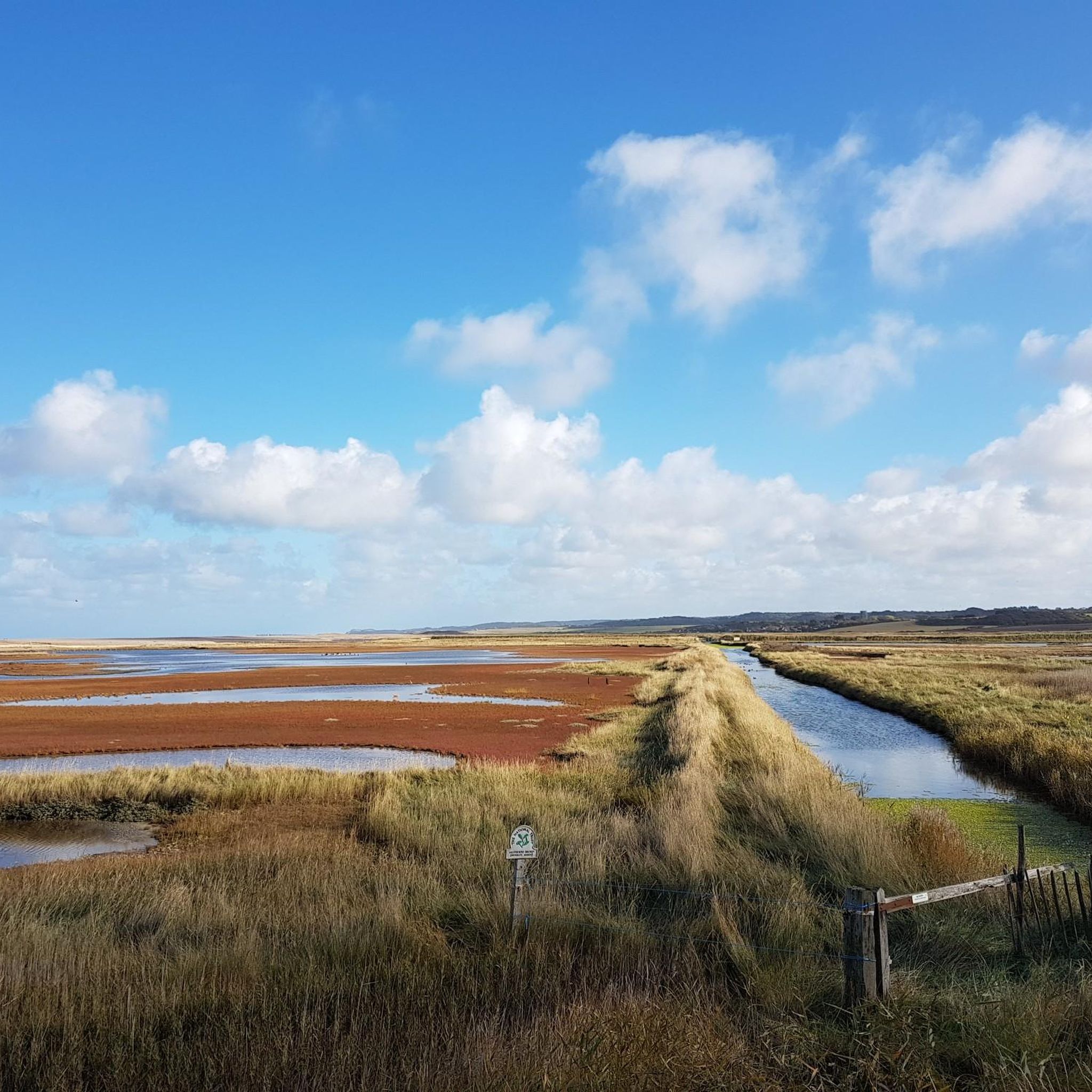
Great little viewing area with a couple of benches and a great view over the Mere.
0
0

Take the time to walk through this valley quietly and see what is there.
0
0

Warham Camp is a large and very well-preserved Iron Age fort sitting within agricultural land, and is a scheduled monument. It is arguably the best earthwork of this period in the region. It has been repeatedly surveyed by aerial photography, and is a circular structure with an overall diameter of 212m. The course of a channel of the River Stiffkey cuts across the south western edge of the earthworks, but this is an 18th century alteration and the original river ran in a curve to the west. There are outer and inner ditches and banks, and excavation in 1914 and 1959 produced evidence for a timber palisade and platform at the rear and timber revetment on the inner face. Iron Age and Roman pottery sherds have been recovered, including a greyware sherd, as stray finds between 2009 and 2014 (https://www.heritage.norfolk.gov.uk/record-details?MNF1828-Warham-Camp-Iron-Age-Fort&Index=1656&RecordCount=56542)
0
0
The best preserved Iron Age fort in East Anglia
0
0

An important expanse of chalk grassland, Ringstead Downs is a nature reserve and a Site of Special Scientific Interest (SSSI). It has never been ploughed and boasts diverse wildlife, including around 20 butterfly species.
0
0
An important expanse of chalk grassland, Ringstead Downs is a nature reserve and a Site of Special Scientific Interest (SSSI). It has never been ploughed and boasts diverse wildlife, for example, around 20 butterfly species.
3
0

The helpers and conservationists give valuable tips on where the groups can best be seen at the moment and they protect these dear animals and discourage some unreasonable tourists from getting too close to the seals. At the end of October I was able to see a few dozen young seal families. Good close-ups were possible with a 5x zoom lens.
2
0

Wonderful park with ancient pines, oaks, beeches, sweet chestnuts and rhododendrons
0
0
Frequently Asked Questions
What unique natural features can I discover in the Norfolk Coast AONB?
The Norfolk Coast AONB is rich in diverse natural features. You can explore the dynamic sand dunes and heathland of Winterton Dunes, the extensive shingle spit and saltmarshes of Blakeney Point, or the freshwater expanse of Horsey Mere with its reed beds. The region also boasts the unique chalk grasslands of Ringstead Downs Nature Reserve and the glacial moraine of Cromer Ridge, which offers the highest coastal elevations in East Anglia.
Where can I find the best views of the Norfolk Coast AONB?
For panoramic views, head to Cromer Ridge, often called the 'Norfolk Heights,' where Beacon Hill (Roman Camp) provides excellent vistas. You can also climb the towers at Sheringham Park Rhododendron and Azalea Gardens for breathtaking views of the North Norfolk coast. Additionally, the historic Horsey Windpump near Horsey Mere offers expansive views of the surrounding countryside and broads.
What kind of wildlife can I expect to see at the natural monuments?
The Norfolk Coast AONB is a haven for wildlife. Horsey Beach Seal Colony and Blakeney Point are famous for their large grey seal colonies, especially during breeding season. Winterton Dunes is a breeding ground for little terns and a habitat for the rare natterjack toad. Horsey Mere is internationally important for birds, particularly waterfowl in winter. Ringstead Downs is home to around 20 butterfly species and various declining birds like yellowhammer and whitethroat.
When is the best time to visit the natural monuments in Norfolk Coast AONB?
The best time to visit depends on what you want to see. For grey seals, visit Horsey Beach Seal Colony or Blakeney Point between late October and mid-January for pups, or November to February for general breeding activity. Spring and summer are ideal for observing unique flora and fauna at Ringstead Downs Nature Reserve and enjoying the rhododendrons and azaleas at Sheringham Park. Winter is excellent for birdwatching at Horsey Mere.
Are there family-friendly natural monuments in Norfolk Coast AONB?
Yes, several natural monuments are family-friendly. Horsey Beach Seal Colony offers a memorable experience for all ages to observe seals. Sheringham Park Rhododendron and Azalea Gardens provides open spaces for exploration and wildlife spotting. Horsey Mere is great for leisurely walks and birdwatching. The Deep History Coast also offers an engaging Discovery Trail with augmented reality features, perfect for families interested in prehistory and fossil hunting.
Can I bring my dog to the natural monuments?
Many areas within the Norfolk Coast AONB are dog-friendly, but it's crucial to check specific site rules, especially during wildlife breeding seasons. For instance, at Horsey Beach Seal Colony, it's essential to keep dogs on a lead and under control to avoid disturbing the seals. Horsey Mere is generally dog-friendly, but always respect signage and wildlife habitats.
What outdoor activities can I do near these natural monuments?
The Norfolk Coast AONB offers a variety of outdoor activities. You can enjoy cycling on routes like the 'Cromer Lighthouse to Happisburgh Lighthouse loop' or the 'Hickling Broad and Martham loop from Horsey Gap'. For mountain biking, explore trails such as 'Holkham National Nature Reserve'. Road cycling options include the 'Blakeney to Foulsham loop'. Many natural monuments, like Winterton Dunes and Ringstead Downs, also feature walking trails, some of which are part of the Norfolk Coast Path. Find more routes in the Cycling in Norfolk Coast AONB, MTB Trails in Norfolk Coast AONB, and Road Cycling Routes in Norfolk Coast AONB guides.
Are there historical or archaeological sites among the natural monuments?
Yes, the region blends natural beauty with significant history. The Deep History Coast, a 22-mile stretch between Weybourne and Cart Gap, is a globally important archaeological site with evidence of early human occupation and prehistoric fossils. You can also visit Warham Camp Iron Age Fort, considered the best-preserved Iron Age fort in East Anglia, offering insights into ancient defensive structures.
What kind of terrain can I expect on trails around the natural monuments?
The terrain varies significantly across the Norfolk Coast AONB. You'll find sandy trails and dunes at Winterton Dunes and Blakeney Point, which can be challenging to walk on. Cromer Ridge features an undulating, often wooded topography with some heather, and its highest point reaches over 100 meters. Ringstead Downs Nature Reserve offers steep-sided valleys with chalk grassland. Many coastal paths are relatively flat, but some areas may involve climbs over sand dunes or gentle inclines.
How can I reach the natural monuments by public transport?
While specific public transport options vary by location, the Norfolk Coast AONB is served by local bus routes that connect many coastal towns and villages. The Coasthopper bus service is a popular option for exploring the coastline. It's advisable to check local bus schedules and routes for the specific natural monument you plan to visit, as some more remote sites may require a combination of bus travel and walking.
Do I need permits to visit natural monuments or hike in the Norfolk Coast AONB?
Generally, you do not need permits for public access to most natural monuments or for hiking on public footpaths and rights of way within the Norfolk Coast AONB. However, some sites, like Sheringham Park Rhododendron and Azalea Gardens (owned by the National Trust), may have admission fees or specific opening times. Always respect private land and follow local signage, especially in nature reserves or protected areas.
Are there facilities like cafes or toilets near the natural monuments?
Facilities such as cafes, pubs, and public toilets are available in the towns and villages located near the natural monuments. For example, areas around Horsey Mere and Blakeney Point have visitor facilities. However, some more remote natural monuments might have limited amenities directly on site. It's recommended to plan ahead and check for available facilities in nearby settlements before your visit.
Most popular routes in Norfolk Coast AONB
Most popular attractions in Norfolk Coast AONB

Get inspired with the komoot mobile app


Explore more
Extend your search for the best caves by checking out these guides of the top ones in Norfolk Coast AONB:
