Top 7 Natural Monuments in Blackdown Hills Aonb
Natural monuments in Blackdown Hills AONB showcase a diverse landscape characterized by rolling hills, valleys, and ancient woodlands. This Area of Outstanding Natural Beauty features significant geological formations and historical sites. The region offers various natural features, from elevated viewpoints to wetland ecosystems. It provides opportunities to explore both natural beauty and historical landmarks within a protected environment.
Best natural monuments in Blackdown Hills Aonb
- The most popular natural monuments is Culmstock Beacon Viewpoint, a historical site and viewpoint…
Last updated: May 25, 2026
Wellington Monument
Highlight • Natural Monument
Tip by

Culmstock Beacon Viewpoint
Highlight • Historical Site
The beacon …
Tip by

Sign up now to discover places like this
Get recommendations on the best single tracks, peaks, & plenty of other exciting outdoor places.
Sign up for free
Otterhead Lakes
Highlight • River
Tip by

View from Sampford Point
Highlight • Natural
Tip by
View of the Blackdown Hills
Highlight • Forest
Tip by
Sign up for free to discover even more natural monuments in Blackdown Hills Aonb.
Sign up for free
Already have an account?
Start today with a free account
Your next adventure awaits.
Login or Signup
Popular around Blackdown Hills Aonb

Other adventures in Blackdown Hills Aonb

Tips from the Community


Great walks there is many ways to get to the Beacon, it's very cold up there and the ground was rocky wet and very muddy, good boots needed, you can see Dartmoor Exmoor and Somerset on a clear day.
3
0

Beautiful panoramic views across miles upon miles of countryside.
2
0

A good few tracks and paths up here to explore, it never gets old
0
0

Moderate trail for everyone to explore and enjoy
1
1
The Wellington Monument is a 175-foot-high triangular obelisk located on a point of the Blackdown Hills, 3 km south of Wellington in the English county of Somerset. It is a grade II* listed building and is the tallest three-sided obelisk in the world.
2
0
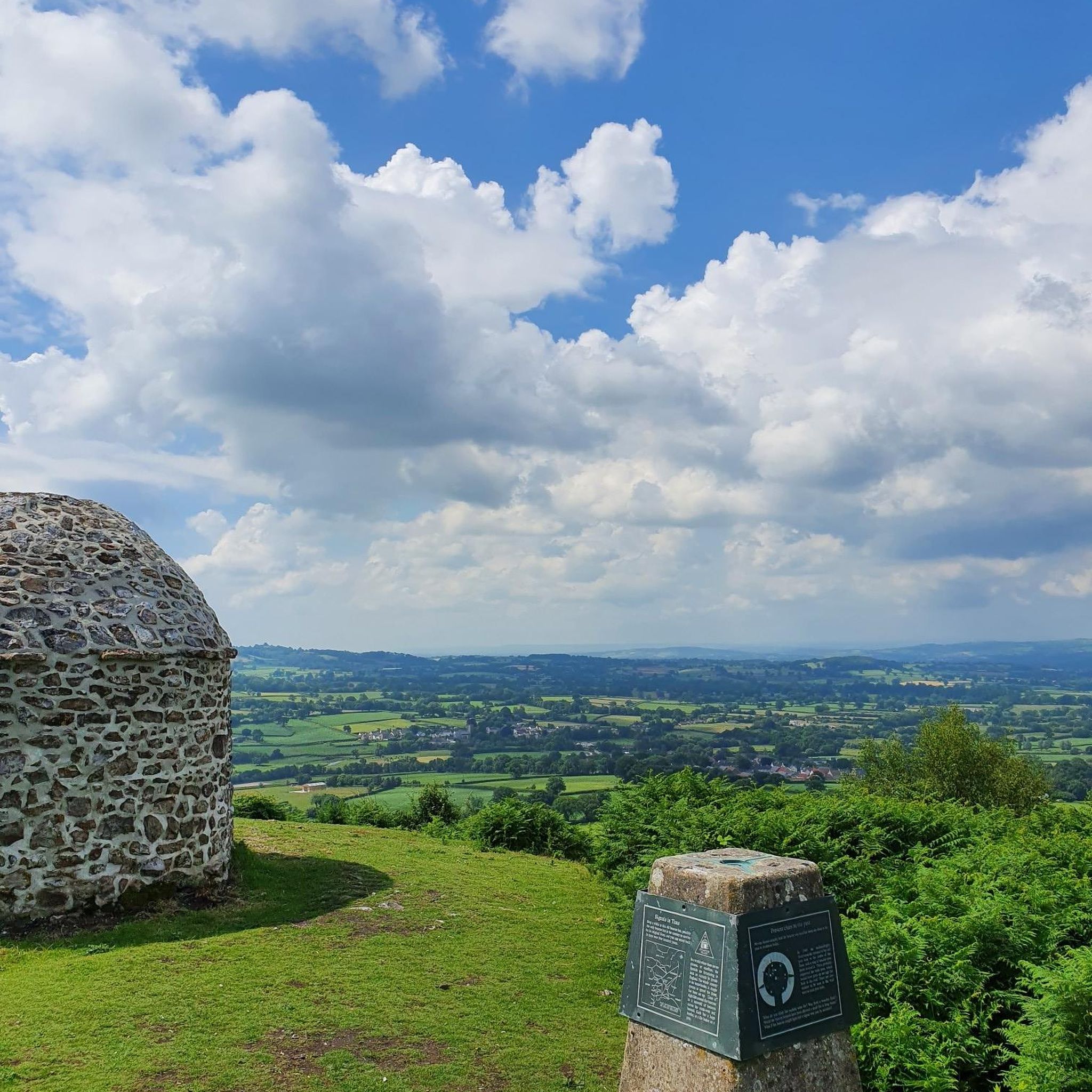
Culmstock Beacon provides a stunning viewpoint south to the River Culm valley and the historic village of Culmstock. The Beacon is on Black Down
2
1
High on the southwest point of Blackdown Common is Culmstock Beacon. It is one of a chain of Elizabethan beacons used for lighting fires to warn of advancing enemies, for example, The Spanish Armada. The beehive-shaped structure was built of flint. It was rebuilt in 1870 after the collapse of the earlier one. Culmstock Beacon is a wildlife haven with stunning views, particularly in the late summer when the bell-heather is in bloom. Access via public bridleway.
3
0
Frequently Asked Questions
What natural monuments in the Blackdown Hills AONB are suitable for families?
Several natural monuments in the Blackdown Hills AONB are great for families. Otterhead Lakes offers a beautiful nature reserve with diverse wildlife, perfect for walking and spotting kingfishers or dormice. The View from Sampford Point on Sampford Common is also considered family-friendly, providing peaceful views. Additionally, the View of the Blackdown Hills near Castle Neroche is a good spot for families to enjoy panoramic scenery.
Are there any historical natural monuments in the Blackdown Hills AONB?
Yes, the Blackdown Hills AONB is rich in historical natural monuments. Culmstock Beacon Viewpoint is a historical flint structure that was part of an Elizabethan early warning system against invasions like the Spanish Armada. Another significant site is Wellington Monument, a prominent obelisk commemorating the Duke of Wellington's victory at the Battle of Waterloo, offering historical context within the natural landscape.
What kind of wildlife can I expect to see at the natural monuments?
The natural monuments in the Blackdown Hills AONB are havens for wildlife. At Otterhead Lakes, you might spot dormice, badgers, bats, kingfishers, dippers, and wagtails. Areas like Ashculm Turbary and Brimley Hill Mire, which are springline mires, support rare plants and interesting invertebrates like the keeled skimmer dragonfly, along with over 50 bird species.
What are the best viewpoints in the Blackdown Hills AONB?
For expansive views, Culmstock Beacon Viewpoint offers far-reaching vistas across the Culm Valley, stretching almost to Exeter on a clear day. The View from Sampford Point provides peaceful and calm scenery despite its proximity to major routes. Additionally, the View of the Blackdown Hills near Castle Neroche presents beautiful panoramic views across the countryside.
Are there hiking trails near the natural monuments in Blackdown Hills AONB?
Yes, there are numerous hiking opportunities. For easy walks, you can explore routes like the 'Herepath Trail - Castle Neroche' or the 'Blackdown Common Pond & Culmstock Beacon loop'. More moderate options include the 'Blackdown Common loop to Culmstock Beacon'. You can find more details and routes in the Hiking in Blackdown Hills Aonb guide.
What geological features are prominent in the Blackdown Hills AONB?
The Blackdown Hills AONB is characterized by diverse geological features, including rolling hills, valleys, and ancient woodlands. Unique wetland systems like the valley mires at Gotleigh and Southey Moors, and springline mires such as Ashculm Turbary and Brimley Hill Mire, are particularly notable. These mires are formed where permeable greensand meets impermeable clay, creating perpetually wet conditions that support specialized flora.
Can I go gravel biking near the natural monuments?
Yes, the Blackdown Hills AONB offers gravel biking opportunities. Routes like the 'Forest Dirt Path – Staple Hill Trail loop' or the 'Broadhembury Village – St Andrew's Church loop' provide varied terrain for gravel cyclists. For more detailed routes and information, refer to the Gravel biking in Blackdown Hills Aonb guide.
What is the best time of year to visit the natural monuments in Blackdown Hills AONB?
The Blackdown Hills AONB offers beauty year-round. For vibrant flora and wildlife, spring and summer are ideal, especially when the bell-heather is in bloom around sites like Culmstock Beacon Viewpoint. Autumn brings stunning foliage, while winter offers crisp views, though some paths may be muddy, requiring good boots.
Are there any Iron Age hillforts to explore?
Yes, the Blackdown Hills AONB is home to impressive Iron Age hillforts. Hembury Hillfort is considered one of Devon's finest, featuring massive defensive ramparts and evidence of Neolithic, Iron Age, and Roman occupation. Another notable site is Dumpdon Hillfort, located northeast of Honiton, which also boasts impressive earthworks and panoramic views from its summit.
What do visitors enjoy most about the natural monuments in Blackdown Hills AONB?
Visitors frequently appreciate the stunning landscapes, diverse wildlife, and rich historical insights offered by the natural monuments. The expansive views from sites like Culmstock Beacon Viewpoint and the peaceful atmosphere of View from Sampford Point are often highlighted. The blend of natural beauty and historical significance, such as at Wellington Monument, makes for a rewarding experience.
Are there any hidden natural gems in the Blackdown Hills AONB?
Beyond the more well-known sites, the Blackdown Hills AONB holds several hidden natural gems, particularly its unique wetland habitats. Ashculm Turbary and Brimley Hill Mire are excellent examples of springline mires, supporting rare plants and specialized invertebrates. These sites offer a glimpse into a unique ecosystem that is less commonly found.
Most popular routes in Blackdown Hills Aonb
Most popular attractions in Blackdown Hills Aonb

Get inspired with the komoot mobile app


Explore more
Extend your search for the best caves by checking out these guides of the top ones in Blackdown Hills Aonb:
