Moor House National Nature Reserve
Moor House National Nature Reserve
Top 4 Natural Monuments in Moor House National Nature Reserve
Best natural monuments in Moor House National Nature Reserve are shaped by significant geological processes and glacial activity within the North Pennines. This reserve features dramatic landscapes, including impressive waterfalls and prominent fells. The area is recognized for its rugged topography and unique habitats, offering diverse natural features for exploration. It is England's highest and largest terrestrial National Nature Reserve.
Best natural monuments in Moor House National Nature Reserve
- The most popular natural monuments is High Force Waterfall, a…
Last updated: May 25, 2026
High Force Waterfall
Highlight • Viewpoint
Tip by

Cauldron Snout Waterfall
Highlight • Natural Monument
Tip by
Sign up now to discover places like this
Get recommendations on the best single tracks, peaks, & plenty of other exciting outdoor places.
Sign up for free
Mickle Fell Summit Cairn
Highlight • Viewpoint
Tip by

Little Dun Fell
Highlight • Summit
Tip by
Knock Fell Summit Cairn
Highlight • Natural Monument
Tip by

Start today with a free account
Your next adventure awaits.
Login or Signup
Popular around Moor House National Nature Reserve
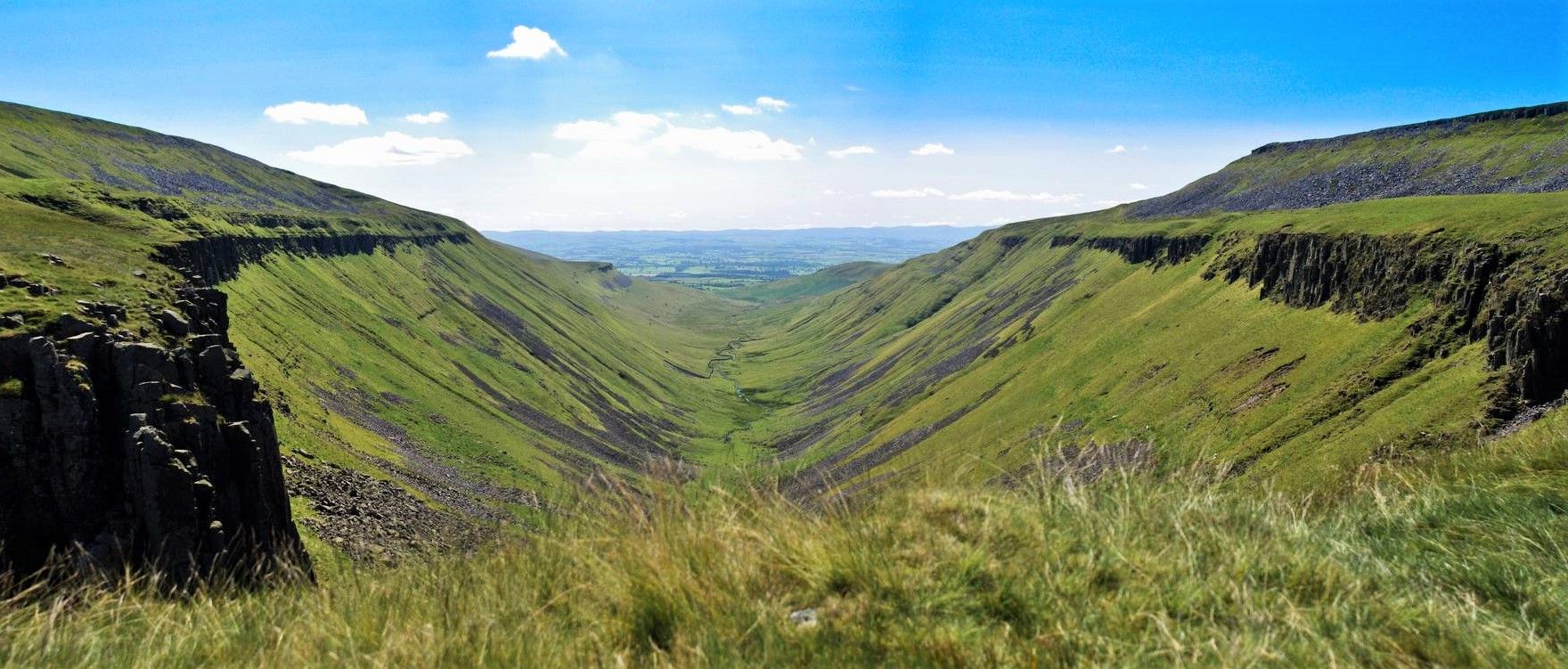
Teesdale Way — A riverside hike from wild Pennines to the North Sea
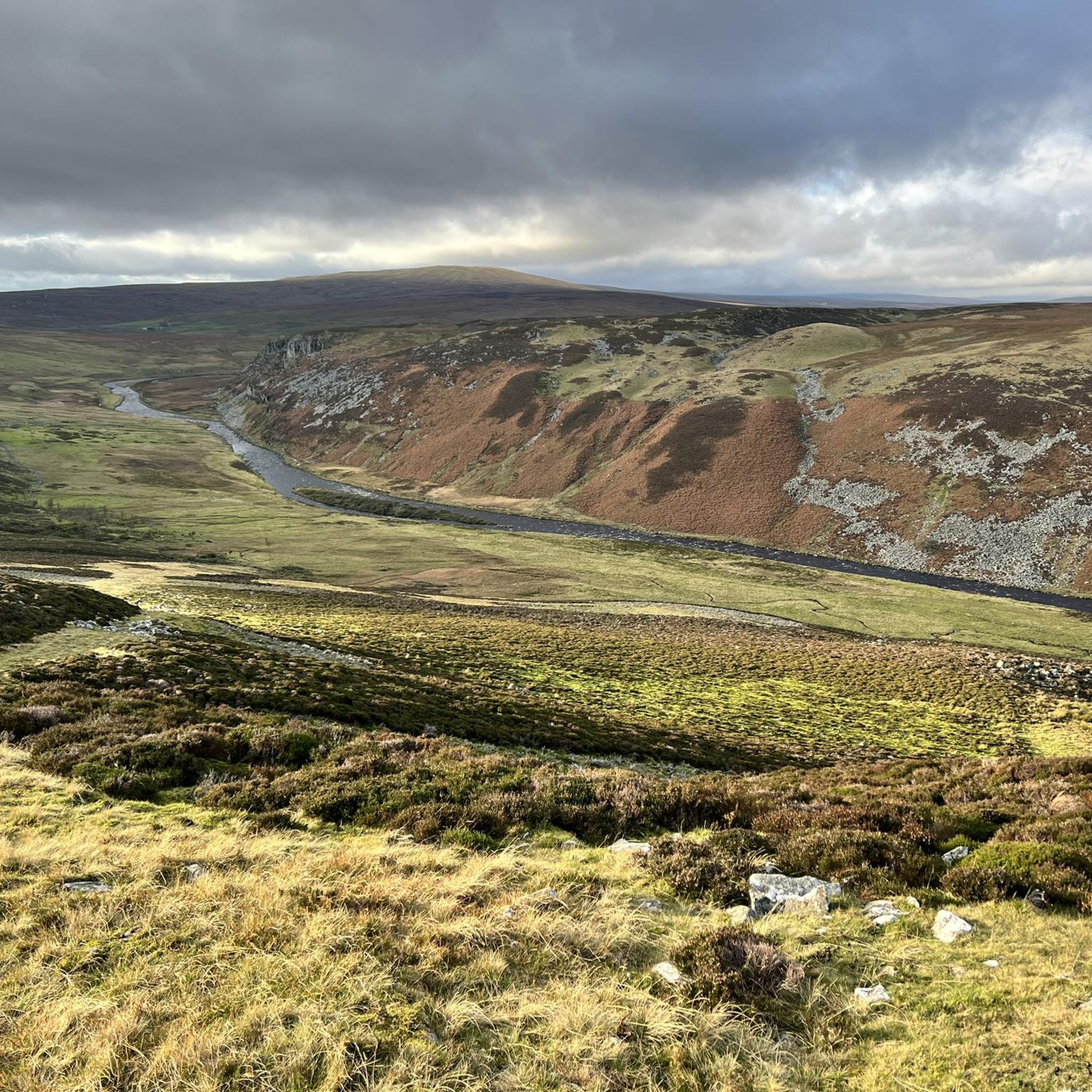
Hiking in Moor House National Nature Reserve
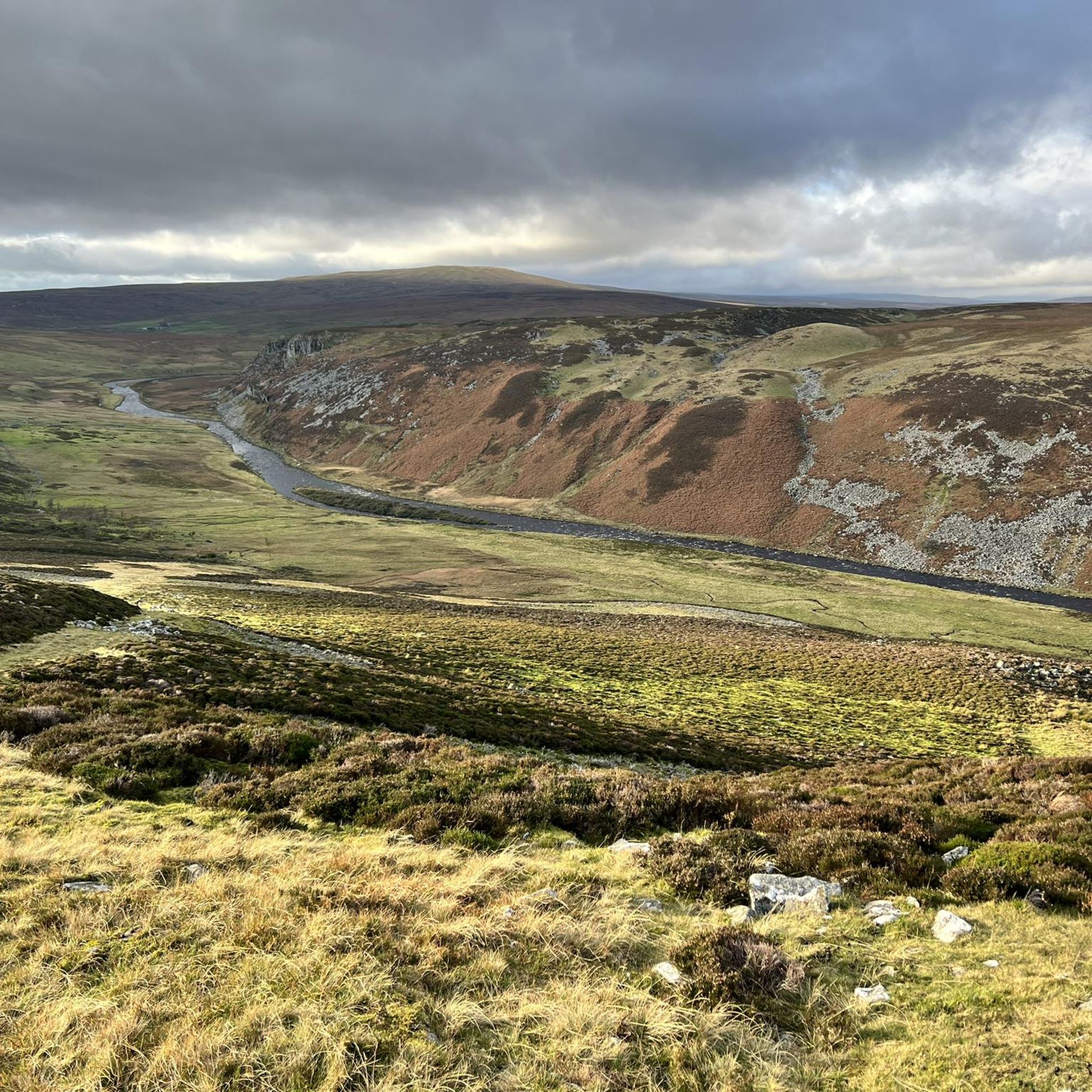
Road Cycling Routes in Moor House National Nature Reserve
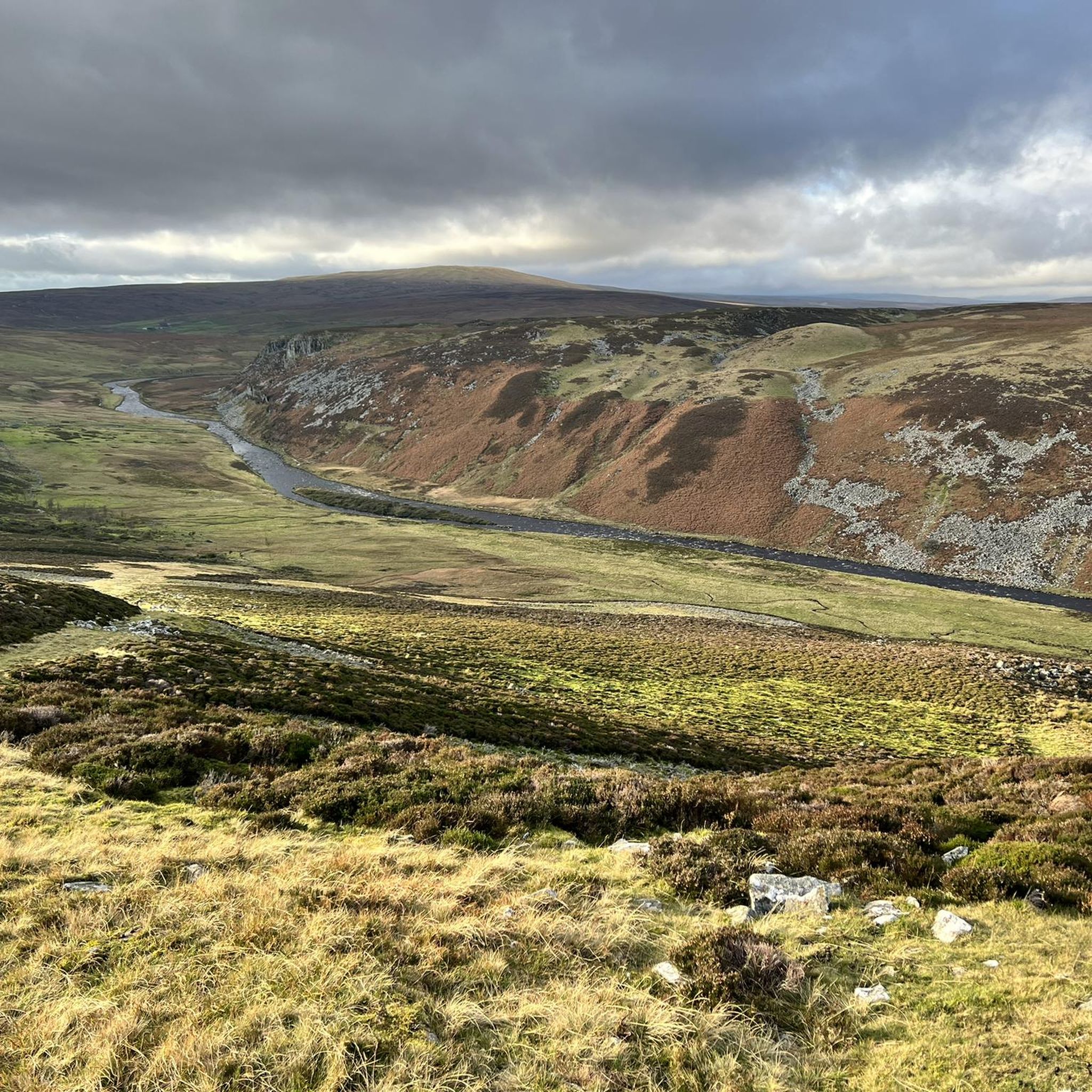
MTB Trails in Moor House National Nature Reserve
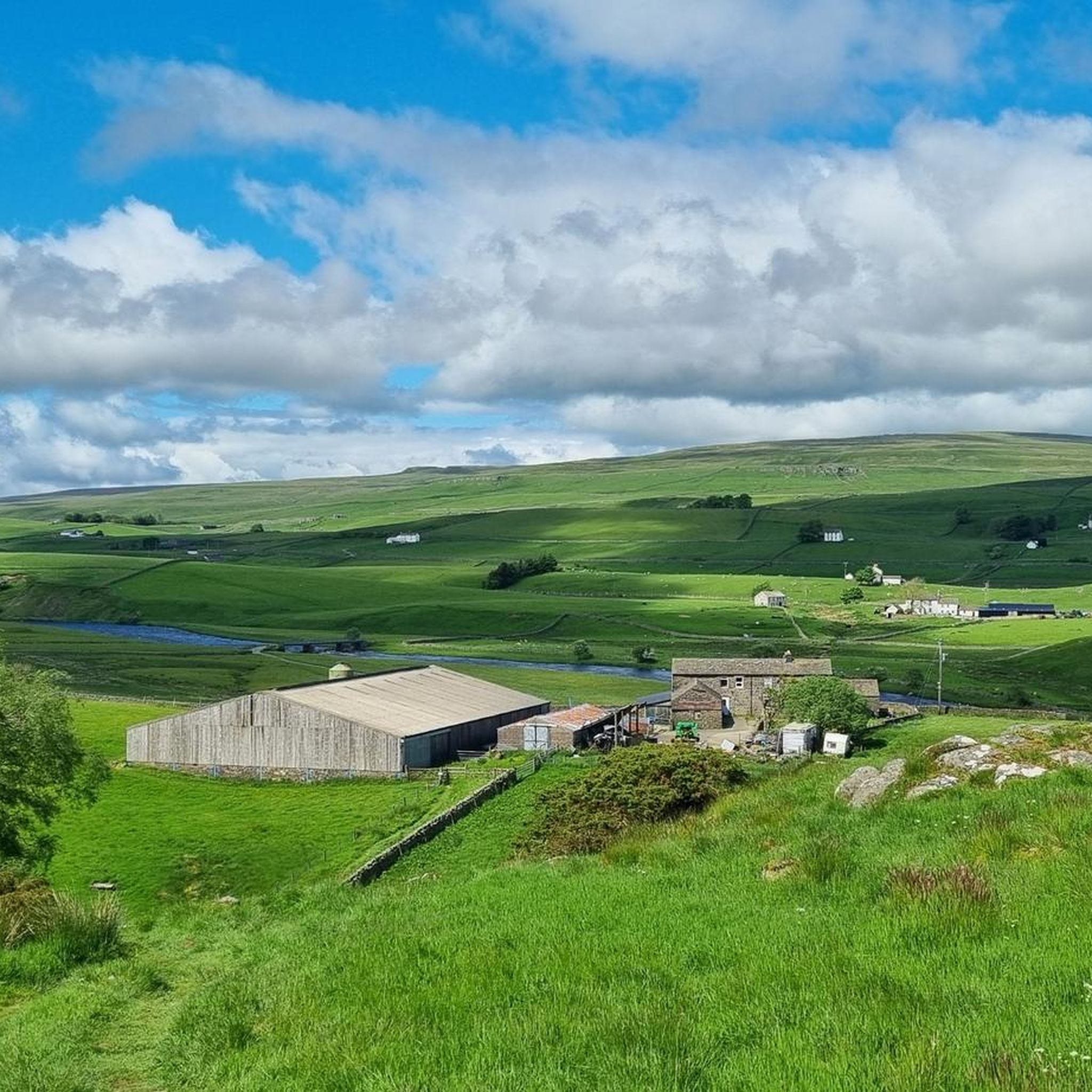
Running Trails in Moor House National Nature Reserve
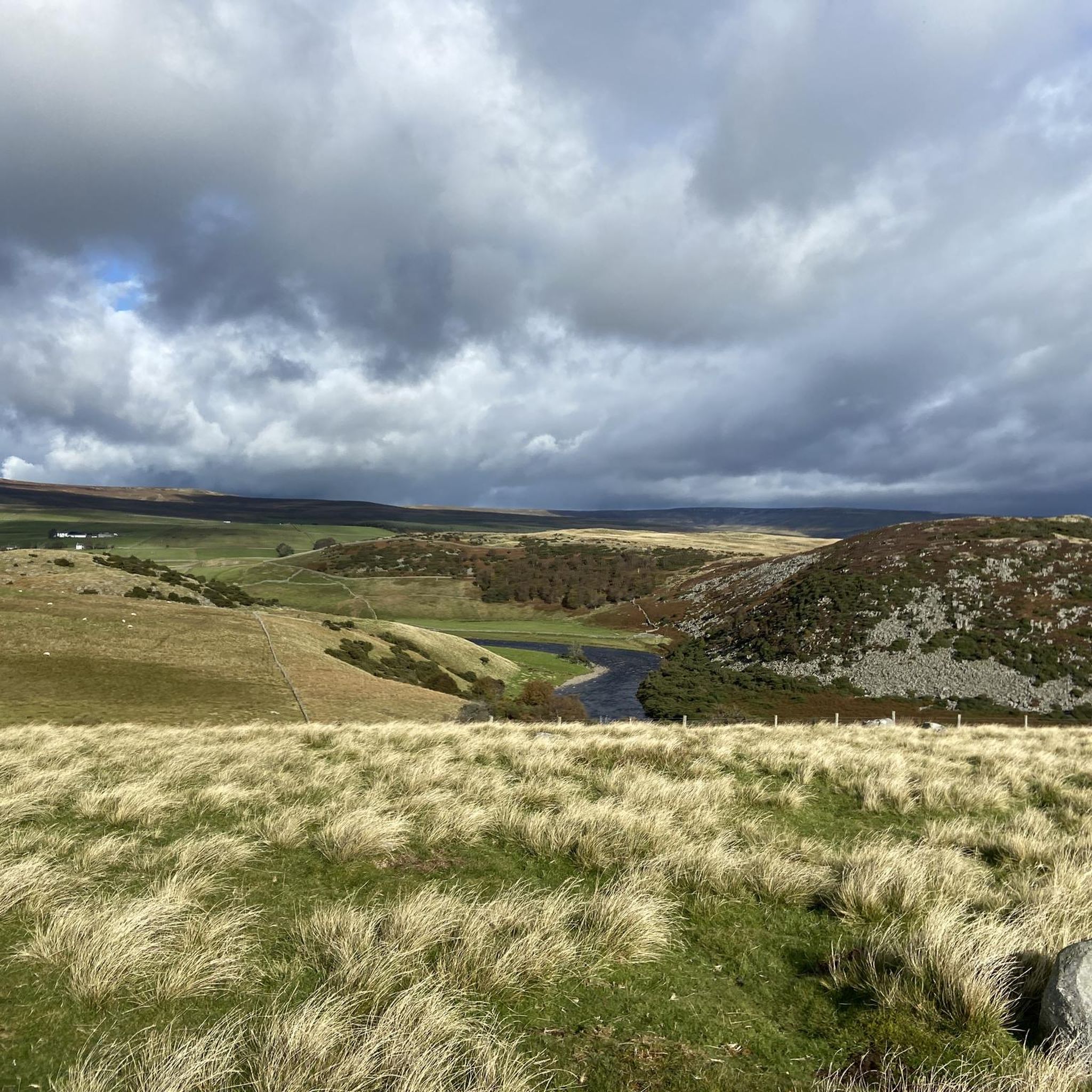
Cycling in Moor House National Nature Reserve
Other adventures in Moor House National Nature Reserve

Tips from the Community

The waterfall is fed by the Cow Green Reservoir, with water running over a dam wall and then plunging into the river.
0
0

it more of a long cataract than a waterfall and at 200 yards long ,reckoned to be the longest waterfall in England . keep away from the edges cos can be very slippery when wet .
1
0

Cauldron Snout is a stunning series of waterfalls accessible from the Pennine Way, and the large car park at Cow Green Reservoir. There is a rocky footpath that is a bit of a scramble leading down to it from Cow Green Dam; the latter makes a super nice backdrop to the first waterfall. This footpath is treacherous when wet, and you need to be very careful, a fall could have serious consequences.
3
0
Sandwiched between Cross Fell and Great Dun Fell is Little Dun Fell. This is a super hill to do, and the walking route to it from both of the aforementioned hills forms part of the Pennine Way, so it is slabbed with stone and well maintained. Little Dun Fell, however, is somewhat overshadowed by its more famous northern and southern neighbours, but I prefer this hill to the others. The views across to Cross Fell and Great Dun Fell are super nice, raw, and barren, with nothing in between just the path of the Pennine Way. It also has a small cairn on the top, and at 842 metres, it is also a UK-designated nuttall.
1
0
Mickle Fell is the highest peak in Yorkshire, depending on which list you look at. It is an imposing bulk of a mountain and difficult to get to as a large chunk of it is in the Warcop military training range and access is limited. Normally, 10–12 weekends are set aside annually by the military to allow hikers to walk one of two routes to its summit. There are two routes: the Northern Route and the Southern Route, and both require permits. I did the Southern Route, which is a linear route following a fence for most of the way. The middle section of this route is difficult and boggy. For further information, scheduled hiking days, and contact numbers, see the links below. Access Days — https://www.gov.uk/government/publications/warcop-access-times General Information — https://assets.publishing.service.gov.uk/media/5a79714ce5274a2acd18cdf4/dte_info_leaflet_northwest.pdf Application procedure — https://assets.publishing.service.gov.uk/media/66339f8e4d8bb7378fb6c172/WTA_Mickle_Fell_Access_Permit_Request_Procedures.pdf
3
0

At an altitude of nearly 800 metres, you'll find this summit and its cairn, which can be the ideal prelude to continue on to Great Dun Fell and break the 800 metres barrier.
2
0

An impressive climb to the waterfall, the roar of the water and the view into the depths quickly humble you. Pay close attention to the steps, smaller climbing units are necessary. Keep well to the right of the rock and if the rock is not immediately visible, use trekking poles to test whether the ground holds, otherwise you won't be able to enjoy the view from above.
3
1

Frequently Asked Questions
What geological features shaped the natural monuments in Moor House National Nature Reserve?
The natural monuments in Moor House National Nature Reserve are primarily shaped by the Great Whin Sill, a hard, volcanic rock outcrop formed around 295 million years ago. This geological formation is responsible for dramatic features like the waterfalls of the River Tees, where the water plunges over resistant dolerite layers. Glacial activity also played a significant role in carving out the landscape, contributing to the rugged topography and the formation of the fells.
Are there any impressive waterfalls to visit in the reserve?
Yes, the reserve is home to several spectacular waterfalls along the River Tees. High Force Waterfall is one of England’s largest, with the River Tees dropping 21 meters into a plunge pool. Another unique and dramatic site is Cauldron Snout Waterfall, where the River Tees descends spectacularly over dolerite steps of the Whin Sill, offering a challenging scramble.
What unique plant life can be found in Moor House National Nature Reserve?
Moor House National Nature Reserve is renowned for its rare arctic-alpine plants, which are remnants of the Ice Age and thrive in the lime-rich soils. You can also find England's largest juniper wood near the banks of the River Tees by High Force, adding to the reserve's unique biodiversity.
What are the best viewpoints for panoramic scenery?
For extensive views, consider hiking to the summits within the reserve. Little Dun Fell offers panoramic vistas across the surrounding fells and is part of the Pennine Way. While challenging to access, Mickle Fell Summit Cairn also provides imposing views, though access is often restricted due to military training. Knock Fell Summit Cairn, at nearly 800 meters, also offers great perspectives.
Are there family-friendly walking options near the natural monuments?
Yes, several natural monuments are accessible via family-friendly routes. For instance, the path to High Force Waterfall is well-maintained and suitable for families. You can find easy hikes in the area, such as the 'High Force Waterfall – Low Force Waterfall loop from High Force' or the 'Footbridge over the River Tees – High Force Waterfall loop from Holwick'. For more options, explore the Easy hikes in Moor House National Nature Reserve guide.
What kind of challenging hikes are available in the reserve?
For those seeking a challenge, the reserve offers demanding terrain, especially around the fells and certain waterfalls. The route to Cauldron Snout Waterfall involves a rocky scramble that can be treacherous when wet. Hikes to summits like Mickle Fell Summit Cairn are also considered difficult and often require permits. The 'Cow Green & Cauldron Snout' running trail is rated difficult, as is the 'High Cup Nick and Great Dun Fell Loop' for mountain biking.
Can I bring my dog to the natural monuments?
Many trails and natural monuments in Moor House National Nature Reserve are dog-friendly. For example, Knock Fell Summit Cairn is listed as dog-friendly. However, it's always advisable to keep dogs on a lead, especially in areas with livestock or ground-nesting birds, and to check specific access rules for sensitive ecological sites.
What is the best time of year to visit Moor House National Nature Reserve?
The reserve offers beauty year-round. During periods of heavy rain, the waterfalls like High Force Waterfall are particularly immense and powerful. Spring and summer bring the rare arctic-alpine plants into bloom, offering a unique ecological spectacle. Autumn provides dramatic landscapes with changing colors. Always check local weather conditions before your visit, as the upland environment can be unpredictable.
Are there mountain biking opportunities near the natural monuments?
Yes, there are mountain biking trails in the vicinity. For example, the 'High Cup Nick and Great Dun Fell Loop' is a challenging MTB route. You can find more options in the MTB Trails in Moor House National Nature Reserve guide, which includes routes like 'Post Box Pantry – Great Dun Fell MTB Climb loop from Dufton'.
Where can I find visitor information or check for permits?
For general visitor information about Moor House National Nature Reserve, including details on access and facilities, you can consult resources like Visit Eden's page on Moor House NNR. For specific areas like Mickle Fell, which is within a military training range, permits and scheduled access days are required. Always check official government or military websites for the most up-to-date information on access and permits for such restricted areas.
What do visitors enjoy most about the natural monuments in Moor House National Nature Reserve?
Visitors frequently praise the sheer power and beauty of the cascading water at sites like High Force Waterfall, noting the well-maintained paths and the impressive display after rain. The geological significance of the Great Whin Sill, visible at places like Cauldron Snout Waterfall, also fascinates many. The extensive views from fells like Little Dun Fell and the sense of vast, remote nature are also highly appreciated.
Are there any running trails that pass by natural monuments?
Yes, the reserve offers several running trails that allow you to experience its natural monuments. The 'Cow Green & Cauldron Snout' route is a difficult running trail that takes you past Cauldron Snout Waterfall. There are also moderate running loops like 'Low Force Waterfall – High Force Waterfall loop from Newbiggin'. You can find more options in the Running Trails in Moor House National Nature Reserve guide.
Most popular routes in Moor House National Nature Reserve
Most popular attractions in Moor House National Nature Reserve

Get inspired with the komoot mobile app


Explore more
Extend your search for the best caves by checking out these guides of the top ones in Moor House National Nature Reserve:
