Top 4 Natural Monuments in Juan De Fuca Provincial Park
Best natural monuments in Juan De Fuca Provincial Park are found along the west coast of southern Vancouver Island. The park features an extensive coastline, diverse ecosystems, and the rugged Juan de Fuca Marine Trail. It offers unique natural features and scenic beauty for visitors. The area is characterized by its geological interest and opportunities for wildlife observation.
Best natural monuments in Juan De Fuca Provincial Park
- The most popular natural monuments is Mystic Beach, a beach that features a waterfall cascading directly onto the beach in its eastern section. The sandy beach is often covered with pebbles and washed-ashore tree trunks.
- Another must-see spot is View of Botanical Beach, a viewpoint offering perspectives of Botanical Beach. This area is located on the Juan de Fuca Strait opposite the Olympic Mountains.
- Visitors also love Botanical Beach Tide Pools, a beach renowned for its diverse and colorful sandstone tide pools. At low tide, visitors can observe marine life in the exposed sandstone and granite outcroppings.
- Juan De Fuca Provincial Park is known for its tide pools, waterfalls, and beaches. The park offers a variety of natural monuments to see and explore along its coastline.
- The natural monuments in Juan De Fuca Provincial Park are appreciated by the komoot community, with 38 upvotes and 22 photos shared by users.
Last updated: August 2, 2026
Botanical Beach Tide Pools
Highlight • Beach
coastview.org/2024/11/26/botanical-beach-botany-bay
Tip by

China Beach
Highlight • Beach
During our visit on May 9, 2025, the sky at China Beach was dominated by a circle around the sun. According to research, this is a 22° halo. This atmospheric phenomenon occurs when sunlight hits ice crystals in high, thin cirrus clouds at an altitude of about 5 to 10 kilometers. The light is refracted at an angle of about 22 degrees, resulting in a ring-shaped glow.
Tip by
Sign up now to discover places like this
Get recommendations on the best single tracks, peaks, & plenty of other exciting outdoor places.
Sign up for free
Mystic Beach
Highlight • Beach
Tip by
Sombrio Beach waterfall
Highlight • Waterfall
Tip by

View of Botanical Beach
Highlight • Viewpoint
en.wikipedia.org/wiki/Juan_de_Fuca_Provincial_Park
Tip by
Start today with a free account
Your next adventure awaits.
Login or Signup
Popular around Juan De Fuca Provincial Park
Tips from the Community

Tucked inside a narrow canyon behind Sombrio Beach, this waterfall cascades between towering rock walls draped in moss and ferns. It's only a short walk from the beach, but easy to miss if you don't know where to look.
0
0

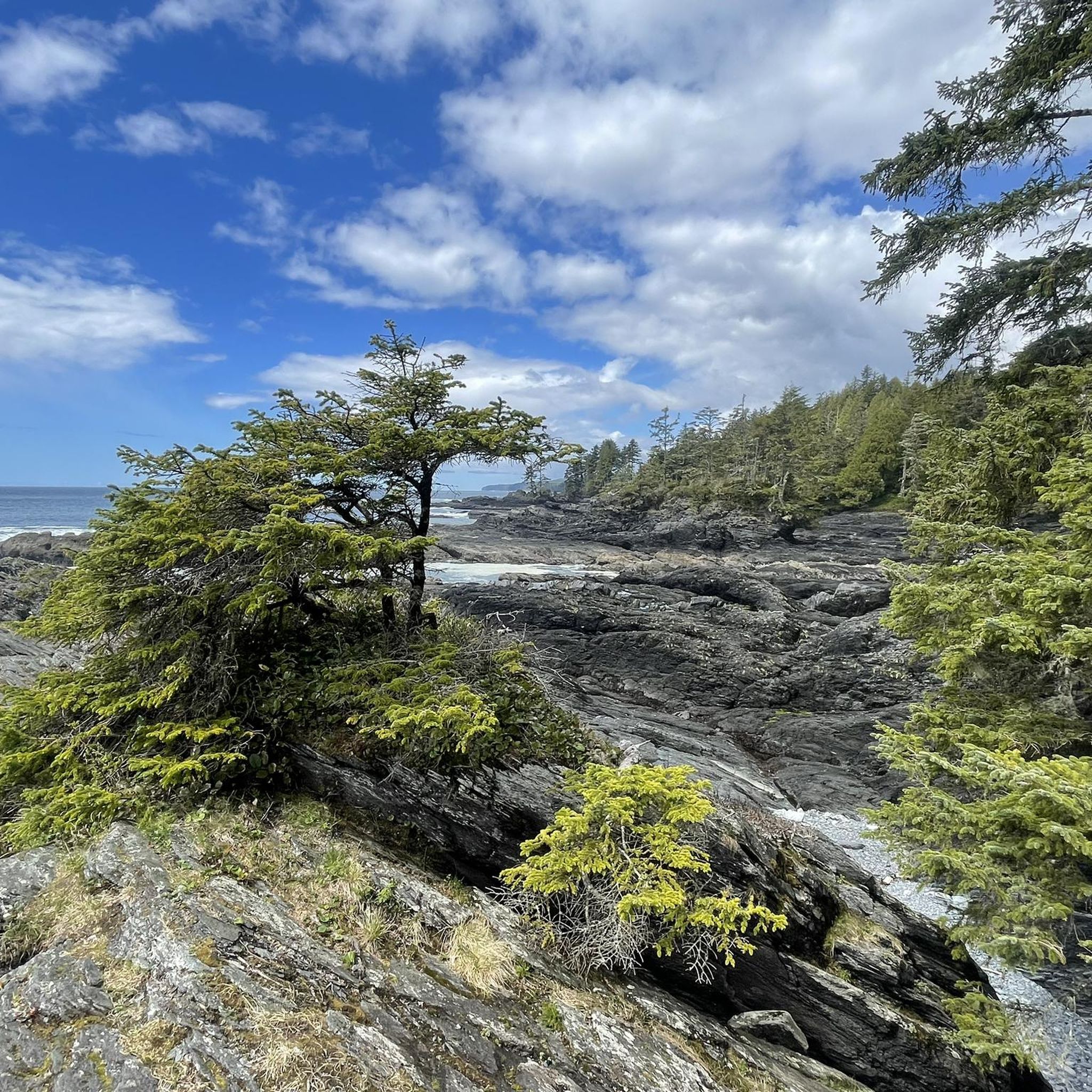
Botanical Beach is famous for its diverse and colorful sandstone tide pools, home to numerous marine creatures and plants. The beach is the western terminus of the Juan de Fuca Marine Trail, a popular multi-day hiking route. Unique rock formations are found along the coast. In the first half of the 20th century, a marine research station for university education was located here. The station no longer exists and has been overgrown by forest. However, it established the area's reputation for botanical research. https://coastview.org/2024/11/26/botanical-beach-botany-bay/
2
0
Botanical Beach is located on the Juan de Fuca Strait opposite the Olympic Mountains in Washington State. Botanical Beach Park was designated a nature reserve in 1989 and merged with the two existing parks, Loss Creek and China Beach, to form Juan de Fuca Provincial Park in 1996. https://en.wikipedia.org/wiki/Juan_de_Fuca_Provincial_Park
2
0
It takes about 15 minutes to walk from the parking lot to China Beach on the gravel path; the distance is approximately 500 meters. The beach is very popular during the summer months. Planning and construction for the parking lot expansion are currently underway (as of May 2025). During our visit on May 9, 2025, the sky at China Beach was dominated by a circle around the sun. According to research, this is a 22° halo. This atmospheric phenomenon occurs when sunlight hits ice crystals in high, thin cirrus clouds at an altitude of about 5 to 10 kilometers. The light is refracted at an angle of about 22 degrees, resulting in a ring-shaped glow.
2
0
Mystic Beach is located approximately 2 km from the parking lot near West Coast Road. The walk takes about 1 hour. The sandy beach is mostly covered with pebbles; tree trunks have been washed ashore as flotsam. Numerous basalt boulders lie along the western part of the beach. In the eastern part, a waterfall cascades over the cliff directly onto the beach. Floodwaters and storms erode and undermine the cliffs.
2
0


Try to remember to time your visit around low tide. Otherwise the potholes are not visible. Still well worth a visit this whole area.
0
0

Very nice wild but rocky beach with lots of washed up logs.
0
0
Frequently Asked Questions
What are the most unique natural monuments to visit in Juan De Fuca Provincial Park?
Juan De Fuca Provincial Park is home to several distinct natural monuments. The Botanical Beach Tide Pools are renowned for their diverse marine life and colorful sandstone formations, especially at low tide. Another unique spot is Mystic Beach, which features a waterfall cascading directly onto the sand and is accessible via a trail that includes the Pete Wolfe Creek Suspension Bridge. For a more secluded experience, the Sombrio Beach waterfall is tucked away in a narrow canyon, offering a picturesque scene of water flowing over moss-draped rocks.
Are there family-friendly natural monuments in Juan De Fuca Provincial Park?
Yes, several natural monuments in the park are suitable for families. The walk to China Beach is relatively easy, taking about 15 minutes from the parking lot. Botanical Beach Tide Pools are also a fantastic family destination, particularly at low tide when children can explore the marine life in the tide pools. For easy hikes near these natural monuments, consider routes like the "Mystic Beach loop from China Beach Trailhead" or the "View of Botanical Beach – Botanical Beach Tide Pools loop from Hammond Rocks," both of which are rated as easy and can be found in the Easy hikes in Juan De Fuca Provincial Park guide.
What is the best time of year to visit the natural monuments in Juan De Fuca Provincial Park?
The natural monuments in Juan De Fuca Provincial Park can be enjoyed year-round, but each season offers a different experience. Summer (June to August) provides the warmest weather and best conditions for exploring beaches and trails, though it can be busy. Spring (April to May) and Fall (September to October) offer milder temperatures, fewer crowds, and excellent opportunities for wildlife viewing, including whale migration. Winter (November to March) can be rugged with storms, but also offers dramatic coastal scenery and opportunities for storm watching. For tide pool exploration at Botanical Beach, always check tide tables regardless of the season.
What kind of wildlife can I expect to see near the natural monuments?
The coastal environment of Juan De Fuca Provincial Park is rich in wildlife. At Botanical Beach Tide Pools, you can observe a vibrant array of marine life, including starfish, sea urchins, mussels, and sea anemones. Along the coastline, especially from viewpoints like the View of Botanical Beach, you might spot marine mammals such as orcas, gray whales (during migration seasons), seals, and sea lions. The surrounding old-growth forests are home to larger mammals like cougars and black bears, though sightings are less common.
Are there hiking trails that connect to these natural monuments?
Yes, many natural monuments in the park are part of or accessible via the Juan de Fuca Marine Trail or shorter connecting paths. For instance, Botanical Beach is the western terminus of the Juan de Fuca Marine Trail. Mystic Beach is reached via a trail from the parking lot near West Coast Road. You can find various hiking options, including loops that incorporate these natural features, in the Hiking in Juan De Fuca Provincial Park guide.
What should I wear when visiting the natural monuments, especially for hiking?
Given the coastal and often rugged terrain, it's advisable to wear sturdy, waterproof hiking boots with good ankle support. Layers are essential, as weather can change quickly; include a waterproof and windproof outer shell. Even on sunny days, the forest sections can be damp. For tide pool exploration at Botanical Beach, consider bringing extra shoes or sandals that can get wet, as the rocks can be slippery.
Where can I park when visiting the natural monuments?
Designated parking areas are available for access to the various natural monuments. For Botanical Beach, parking is available near the trailhead. China Beach also has a parking lot, though it can get busy in summer. For Mystic Beach, parking is located near West Coast Road. Always check for current parking regulations and availability, especially during peak season.
Are dogs allowed at the natural monuments in Juan De Fuca Provincial Park?
Dogs are generally permitted on trails and in most areas of Juan De Fuca Provincial Park, but they must be kept on a leash at all times. This is crucial for the safety of your pet, other visitors, and the protection of the sensitive ecosystems and wildlife, especially in areas like the Botanical Beach Tide Pools. Always remember to pack out any waste.
Are there any hidden natural monuments or lesser-known spots worth exploring?
While not entirely hidden, the Sombrio Beach waterfall is often described as a tucked-away gem. It requires a short walk from Sombrio Beach and can be easy to miss if you don't know where to look, cascading beautifully between moss-covered rock walls. Exploring the less-trafficked sections of the Juan de Fuca Marine Trail can also reveal secluded coves and unique rock formations away from the main attractions.
What are the difficulty levels of trails leading to these natural monuments?
The difficulty levels vary. The walk to China Beach is an easy, short gravel path. The trail to Mystic Beach is rated as intermediate, involving some elevation changes and a suspension bridge. Accessing Botanical Beach Tide Pools involves a relatively easy descent. The Juan de Fuca Marine Trail itself, which connects many of these sites, is considered a challenging multi-day hike. You can find specific route details and difficulty ratings in guides like Hiking in Juan De Fuca Provincial Park.
Are there amenities like cafes or accommodation near the natural monuments?
Juan De Fuca Provincial Park is primarily a wilderness area, so amenities directly at the natural monuments are limited. However, nearby towns such as Port Renfrew (near Botanical Beach) and Sooke offer cafes, restaurants, and various accommodation options. It's recommended to bring your own food and water for day trips into the park. Some highlights, like Mystic Beach, offer primitive campsites.
Most popular routes in Juan De Fuca Provincial Park
Most popular attractions in Juan De Fuca Provincial Park

Get inspired with the komoot mobile app


Explore more
Extend your search for the best caves by checking out these guides of the top ones in Juan De Fuca Provincial Park:
