Top 8 Natural Monuments in Réserve Naturelle Des Bouches De Bonifacio
Natural monuments in Réserve Naturelle Des Bouches De Bonifacio encompass a diverse range of geological formations and protected ecosystems. This area, the largest natural reserve in metropolitan France, spans 80,000 hectares between Corsica and Sardinia. It features dramatic limestone cliffs, unique sea caves, and island archipelagos. The reserve is home to a significant portion of Mediterranean species, showcasing rich flora and fauna.
Best natural monuments in Réserve Naturelle Des Bouches De Bonifacio
- The most popular natural monuments is Cliffside Path…
Last updated: May 24, 2026
Cliffside Path to Bonifacio
Highlight (Segment) • Trail
Translated by Google •
Tip by

Plage Saint Antoine
Highlight • Beach
Translated by Google •
Tip by

Sign up now to discover places like this
Get recommendations on the best single tracks, peaks, & plenty of other exciting outdoor places.
Sign up for free
Pointe du Timon and Madonetta Lighthouse
Highlight • Viewpoint
On the left you have a wonderful view of the cliffs of Bonifacio.
Translated by Google •
Tip by

Capo Pertusato
Highlight • Viewpoint
Translated by Google •
Tip by

Palombaggia Beach
Highlight • Beach
Translated by Google •
Tip by

Sign up for free to discover even more natural monuments in Réserve Naturelle Des Bouches De Bonifacio.
Sign up for free
Already have an account?
Start today with a free account
Your next adventure awaits.
Login or Signup
Popular around Réserve Naturelle Des Bouches De Bonifacio
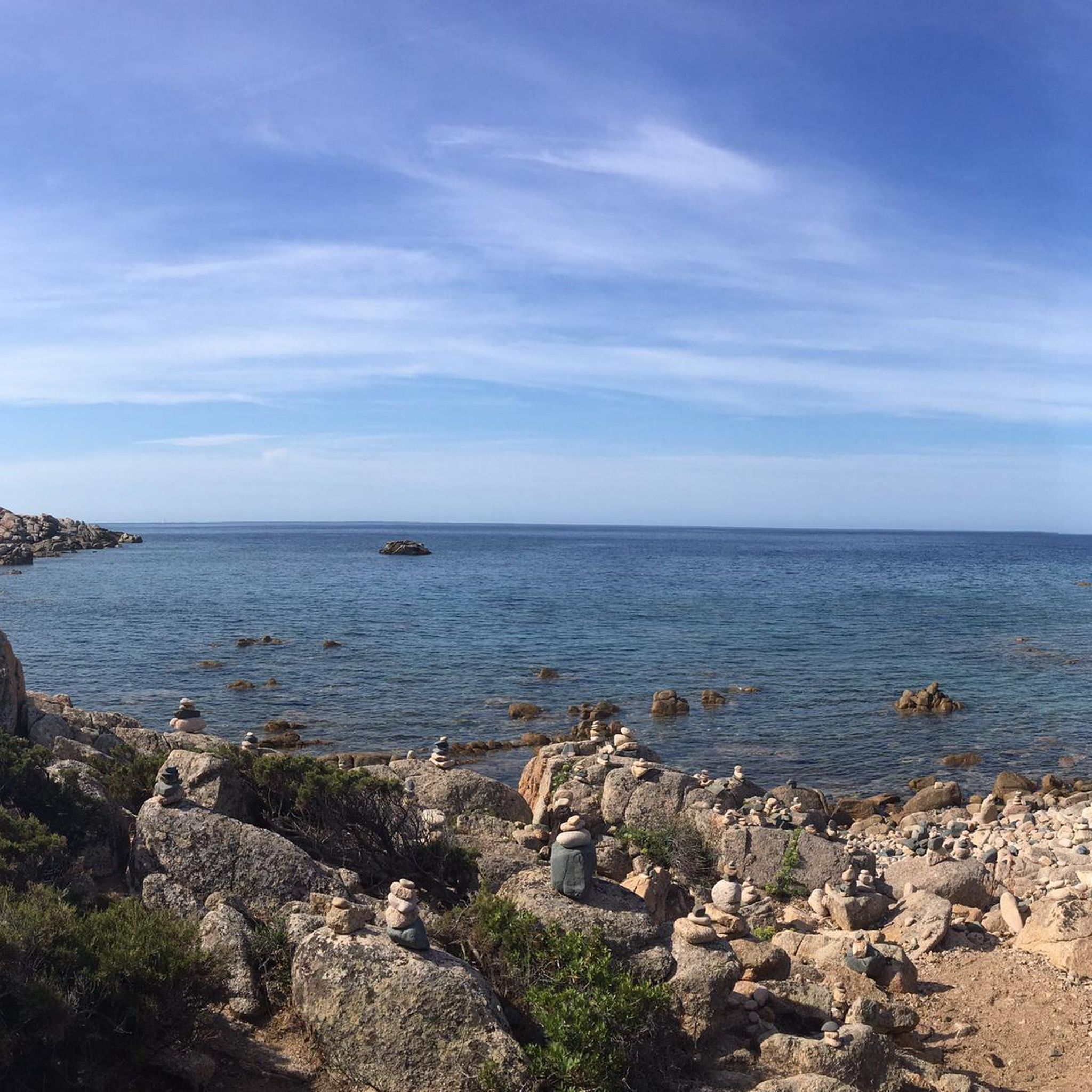
Hiking in Réserve Naturelle Des Bouches De Bonifacio
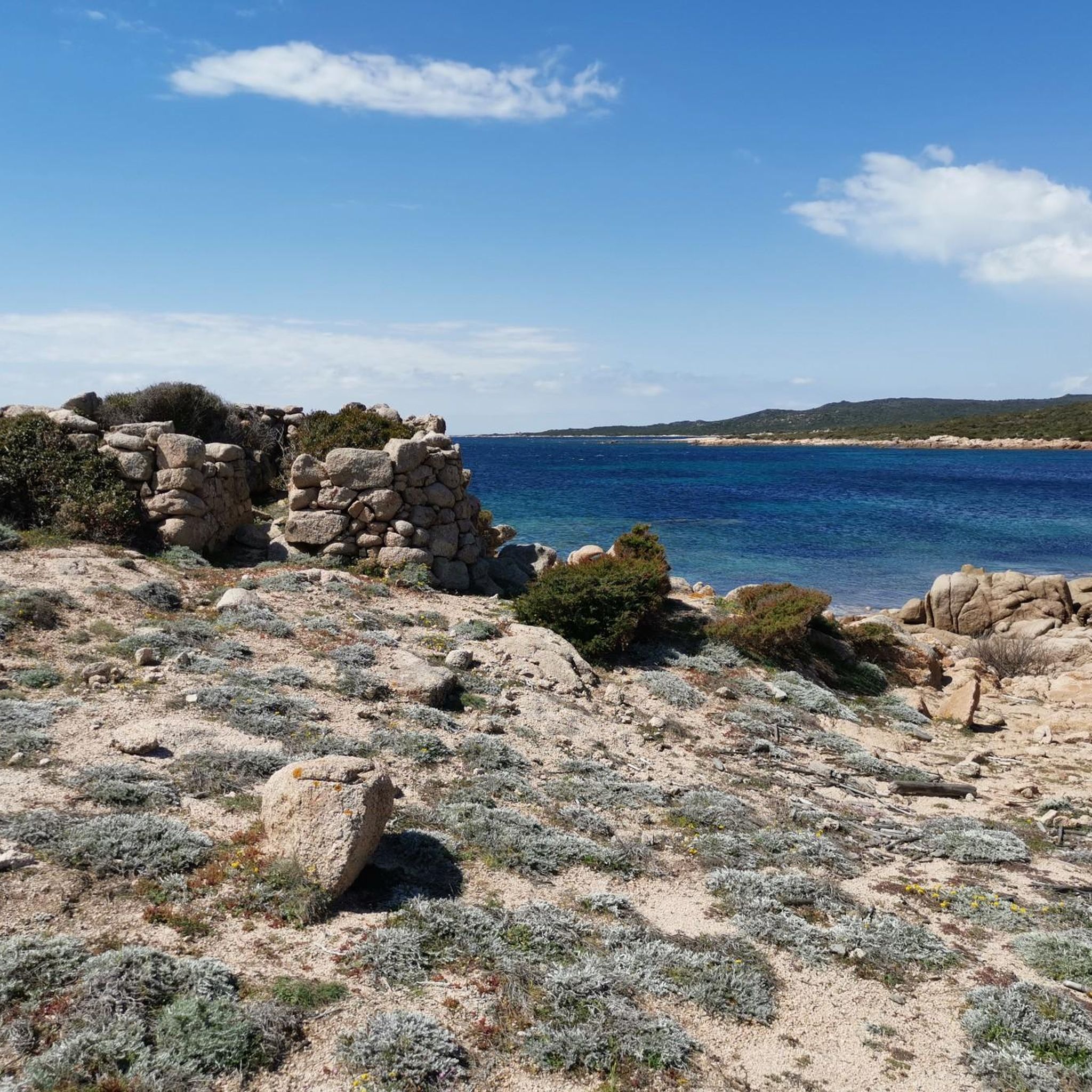
Cycling in Réserve Naturelle Des Bouches De Bonifacio
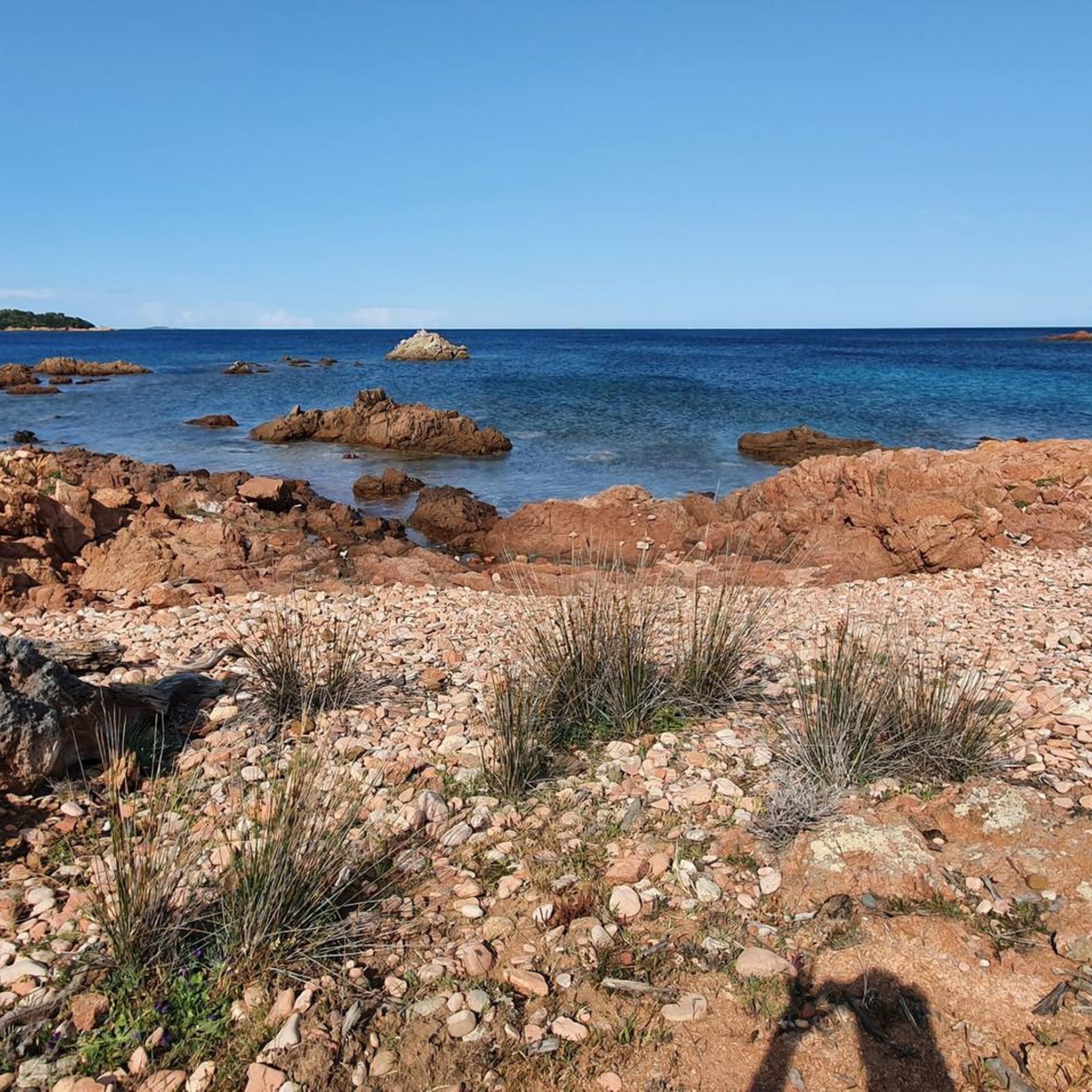
Road Cycling Routes in Réserve Naturelle Des Bouches De Bonifacio
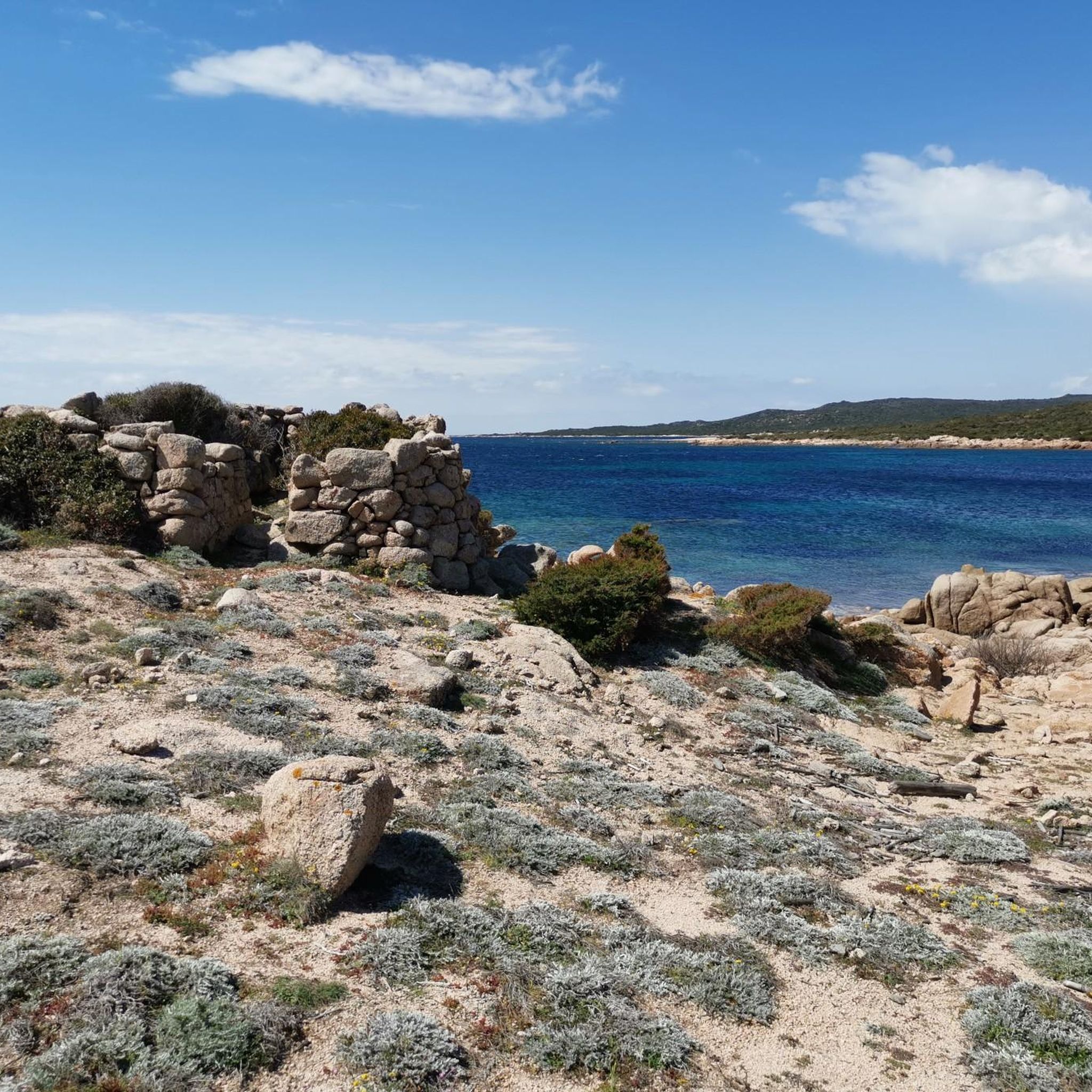
MTB Trails in Réserve Naturelle Des Bouches De Bonifacio
Running Trails in Réserve Naturelle Des Bouches De Bonifacio

Gravel biking in Réserve Naturelle Des Bouches De Bonifacio

Mountain Hikes in Réserve Naturelle Des Bouches De Bonifacio
Tips from the Community

The **Pointe du Timon** in **Bonifacio** is a breathtaking spot known for its spectacular views and natural beauty. Here is some interesting information about this fascinating place: 1. **Location**: The Pointe du Timon is located on the coast of Bonifacio, in southern Corsica. It marks the entrance to the **Goulet de Bonifacio**, a narrow waterway that separates the island from Sardinia. 2. **View**: From the point, you have a **breathtaking view** of the cliffs, the sea, and the surrounding landscapes. It is a popular spot for photographers and nature lovers who want to capture the beauty of the Corsican coast. 3. **Activities**: - **Hiking**: There are several hiking trails leading to and around the point, ideal for those who want to explore nature. - **Photography**: The dramatic landscape and impressive cliffs offer numerous opportunities for impressive photos. 4. **Sights**: Also near the Pointe are the **Phare de la Madonetta** and the **Grotte St. Antoine**, both popular destinations for visitors. 5. **Access**: The Pointe is easy to reach, and there are several paths that lead you to this picturesque viewpoint. The **Pointe du Timon** is therefore a must-see for any visitor to Bonifacio who wants to experience the natural beauty of Corsica.
1
0


A little over 200 m after this turn-off you reach the starting point of the footpath to the Plage des Trois Pointes. This "beach" is not made of sand or gravel, but of chalk cliffs. It is a 5-minute walk down to the sea. On the way you pass the crumbling remains of gun emplacements and crew quarters from World War II. The last part involves some light climbing, which is why the place is not suitable for small children or people with poor footing. As the name suggests, three rocky outcrops jut out into the sea. There is a beautiful view of Bonifacio. The Trois Pointes are great for snorkeling and you can also jump into the clear water.
1
0
If you are travelling by car, drive from Bonifacio on the D58 towards Piantarella and then turn right onto the D260 towards Piantarella and Pertusato. This road leads to the cliffs and just 1 km after the turn-off you have a beautiful view of Bonifacio. After another 500 m turn right towards Pertusato.
1
0
Capo Pertusato - A pirate beach like something out of a picture book! In the very south of Corsica, with a view of Sardinia, lies a scenic highlight of the island that is not only adventurous for children. A trip to Capo Pertusato is really extremely worthwhile. This can be done either on foot or partly by car. From Bonifacio (Chapelle Saint-Roch) a wide footpath leads along the cliffs to the cape and offers magnificent views of the city and the Strait of Bonifacio with Sardinia on the other side. The path is shadeless and should therefore be walked in the morning or evening in summer. It takes 3 hours there and back.
1
0
Capo Pertusato - A pirate beach like something out of a picture book! In the very south of Corsica, with a view of Sardinia, lies a scenic highlight of the island that is not only adventurous for children. A trip to Capo Pertusato is really extremely worthwhile. This can be done either on foot or partly by car. From Bonifacio (Chapelle Saint-Roch) a wide footpath leads along the cliffs to the cape and offers magnificent views of the city and the Strait of Bonifacio with Sardinia on the other side. The path is shadeless and should therefore be walked in the morning or evening in summer. It takes 3 hours there and back.
2
0

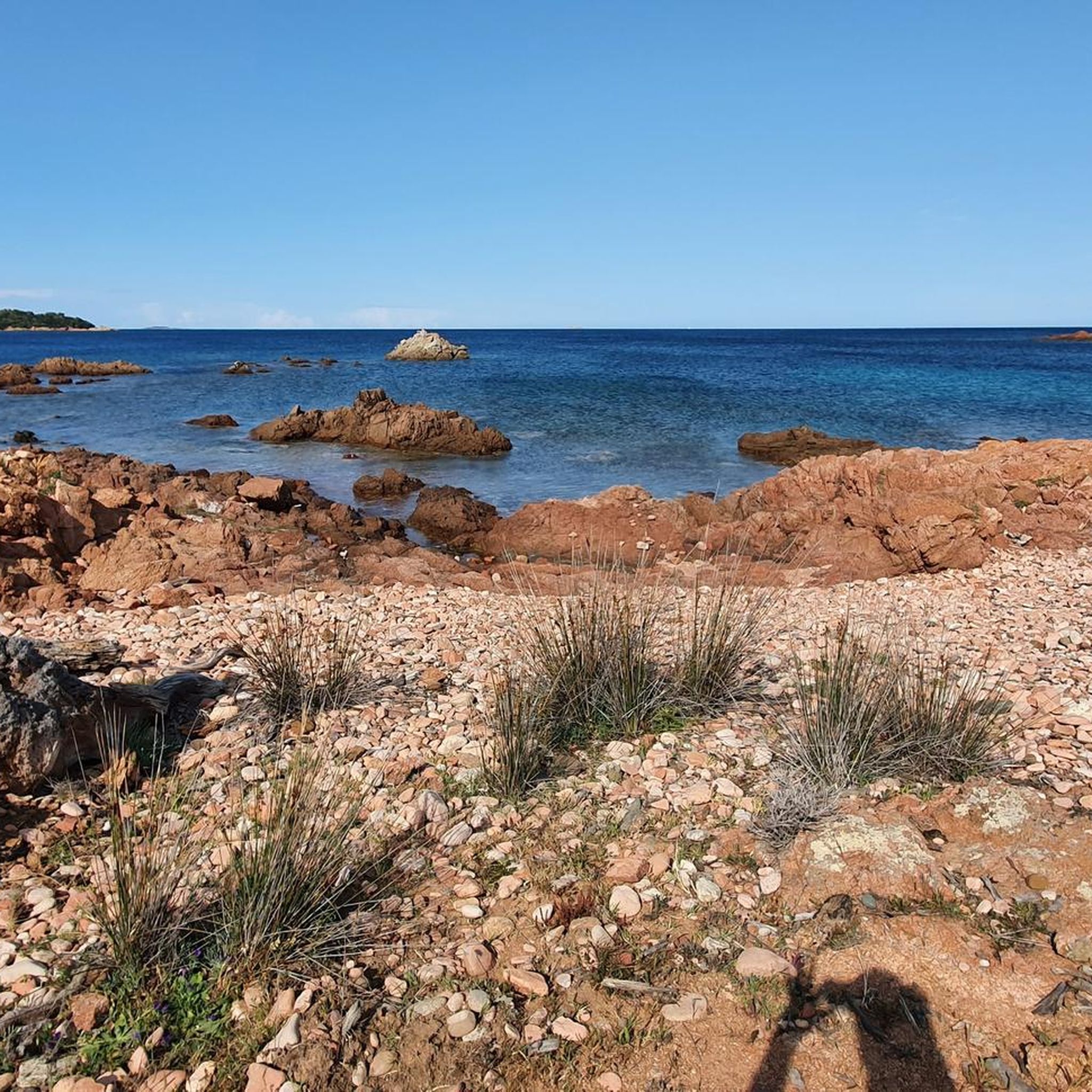
Palambaggia beach is one of the most famous beaches in Corsica. There is no travel guide in which it does not appear. The beach was named the most beautiful beach in France in 2024. It is also currently ranked among the 100 most beautiful beaches in the world. Even UNESCO counts it among the most beautiful beaches in the world. Here, rounded, red rocks meet white sand and crystal-clear water. The evergreen pine forest that borders the beach at the back also contributes to the dreamlike scenery. When the light falls right, the water shimmers in a variety of colors: turquoise, dark blue, pink, red, orange and purple. This spectacle can be observed particularly well in the early morning or late afternoon. This beauty has its attraction: despite the 2 km length, it can be very busy here during the high season. It is therefore worth visiting the beach in spring or autumn.
0
0
Capo Pertusato is the southernmost point of Corsica. It is located 5 km southeast of Bonifacio, in southern Corsica and is accessible by a pedestrian access from Bonifacio. The path runs along the cliffs. A very easy route of less than 6 km
1
0
Frequently Asked Questions
What are some of the most impressive natural monuments to visit in Réserve Naturelle Des Bouches De Bonifacio?
The reserve boasts several remarkable natural monuments. You can explore the dramatic Cliffside Path to Bonifacio, offering stunning views of the city and the sea. Another must-see is Plage Saint Antoine, known for its fine sand, limestone overhangs, and caves. For panoramic vistas, visit Pointe du Timon and Madonetta Lighthouse, which provides impressive perspectives of the harbor entrance and Bonifacio's cliffs. Don't miss Capo Pertusato, a scenic highlight with views towards Sardinia and unique chalk cliffs.
What unique natural features can I explore in the Réserve Naturelle Des Bouches De Bonifacio?
The reserve is renowned for its diverse natural features. You'll find towering limestone cliffs, pristine sea caves, and unique island archipelagos like the Lavezzi Islands. The area also features exceptional biodiversity, including Posidonia meadows, giant limpets, and various bird species. The dramatic geological formations, such as the narrow cuts in the Bonifacio cliffs and the 'Oriental carpet' of colored rocks in the Grotte du Dragonato, are particularly striking.
Are there family-friendly natural monuments or activities in the reserve?
Yes, several spots are suitable for families. Palombaggia Beach is a highly-rated family-friendly destination with white sand, crystal-clear water, and a pine forest. The Lavezzi Islands are also popular for boat trips, snorkeling, and enjoying the clear waters. While some paths might be challenging for very young children, many beaches and viewpoints offer accessible enjoyment for families.
When is the best time to visit the natural monuments in Réserve Naturelle Des Bouches De Bonifacio?
The best time to visit is generally during spring (April-May) or autumn (September-October). During these periods, the weather is pleasant, and the crowds are smaller than in the peak summer months. For beaches like Palombaggia Beach, visiting in spring or autumn allows you to enjoy its beauty without the high season crowds, especially in the early morning or late afternoon for optimal light.
What outdoor activities can I do near these natural monuments?
The Réserve Naturelle Des Bouches De Bonifacio offers a variety of outdoor activities. You can find numerous hiking opportunities, including easy trails like the 'La Vénus Beach – Thia Beach loop' or the 'Lavezzi Islands – Elephant loop'. For cycling enthusiasts, there are gravel biking routes such as the 'Coastal Route of Palombaggia' and road cycling options like the 'Palombaggia Coastal Loop'. You can explore more routes in the easy hikes, gravel biking, and road cycling guides for the region.
Are there hiking trails near the natural monuments, and what are their difficulty levels?
Yes, there are several hiking trails. The Cliffside Path to Bonifacio and the path to Capo Pertusato are generally considered intermediate, offering rewarding views but requiring good footing. Many trails around the Lavezzi Islands are easy, such as the 'Bathing bay – Turtle loop from Île Lavezzu'. Always check specific trail descriptions for detailed difficulty ratings and terrain information. You can find more options in the easy hikes guide.
Can I spot wildlife while visiting the natural monuments?
Absolutely. The Réserve Naturelle Des Bouches De Bonifacio is a crucial habitat for diverse wildlife. You can often spot various bird species, including the grey shearwater and the crested cormorant, especially around the cliffs and islands. The underwater world is also rich, with opportunities to see groupers and other marine life, particularly if you engage in snorkeling or diving around the Lavezzi Islands.
What historical or cultural sites are integrated with the natural monuments?
The region uniquely blends natural grandeur with historical elements. The town of Bonifacio itself is perched atop dramatic cliffs, showcasing centuries of human settlement in a stunning natural setting. A notable example is the King of Aragon's Staircase (Escalier du Roi d'Aragon), carved directly into the cliff face. This impressive staircase, with its 187 steps, is a marvel of both human endeavor and natural geology, offering spectacular views and a glimpse into 15th-century legends.
Are there any hidden gems or lesser-known natural monuments worth discovering?
While many sites are popular, exploring the smaller islets within the Lavezzi Islands archipelago can offer a sense of discovery. Additionally, some of the sea caves, though access might be restricted for safety, hold unique geological formations like the 'Oriental carpet' of colored rocks in the Grotte du Dragonato. Venturing slightly off the main paths, such as along the less-traveled sections of the Capo Pertusato area, can reveal secluded spots and unique perspectives.
What should I wear when exploring the natural monuments, especially for hiking?
When hiking or exploring the natural monuments, it's advisable to wear comfortable, sturdy shoes, especially for paths like the Cliffside Path to Bonifacio or the descent to Plage Saint Antoine, where terrain can be uneven. In summer, light, breathable clothing, a hat, sunglasses, and sunscreen are essential due to limited shade. Always carry enough water, regardless of the season.
Are there amenities like cafes or accommodation near the natural monuments?
The town of Bonifacio, being a central hub, offers a range of amenities including cafes, restaurants, and various accommodation options. Near popular spots like Palombaggia Beach, you might find beachside eateries and facilities. However, within the more remote natural areas or on the Lavezzi Islands, amenities are limited, so it's best to plan accordingly and bring essentials like water and snacks.
What do visitors enjoy most about the natural monuments in Réserve Naturelle Des Bouches De Bonifacio?
Visitors consistently praise the breathtaking views and the unique combination of natural beauty and geological formations. The dramatic cliffs of Bonifacio, the crystal-clear waters of beaches like Plage Saint Antoine, and the panoramic vistas from points like Pointe du Timon are frequently highlighted. The opportunity to witness such diverse and pristine Mediterranean landscapes, often described as 'simply unique' and 'breathtaking,' is a major draw.
Most popular routes in Réserve Naturelle Des Bouches De Bonifacio
Most popular attractions in Réserve Naturelle Des Bouches De Bonifacio

Get inspired with the komoot mobile app


Explore more
Extend your search for the best caves by checking out these guides of the top ones in Réserve Naturelle Des Bouches De Bonifacio:
