Top 11 Natural Monuments in Stadtwald Augsburg
Best natural monuments in Stadtwald Augsburg are found within one of Bavaria's largest nature reserves outside the Alps. This expansive forest covers approximately 22 square kilometers and is home to over 3,000 species of animals and plants. It represents a remnant of the former wild river landscape of the Lech, featuring diverse habitats including willow meadows, pine heath forests, and mixed deciduous forests. The Stadtwald also serves as a vital drinking water protection area for more than 300,000 citizens.
Best…
Last updated: September 24, 2026
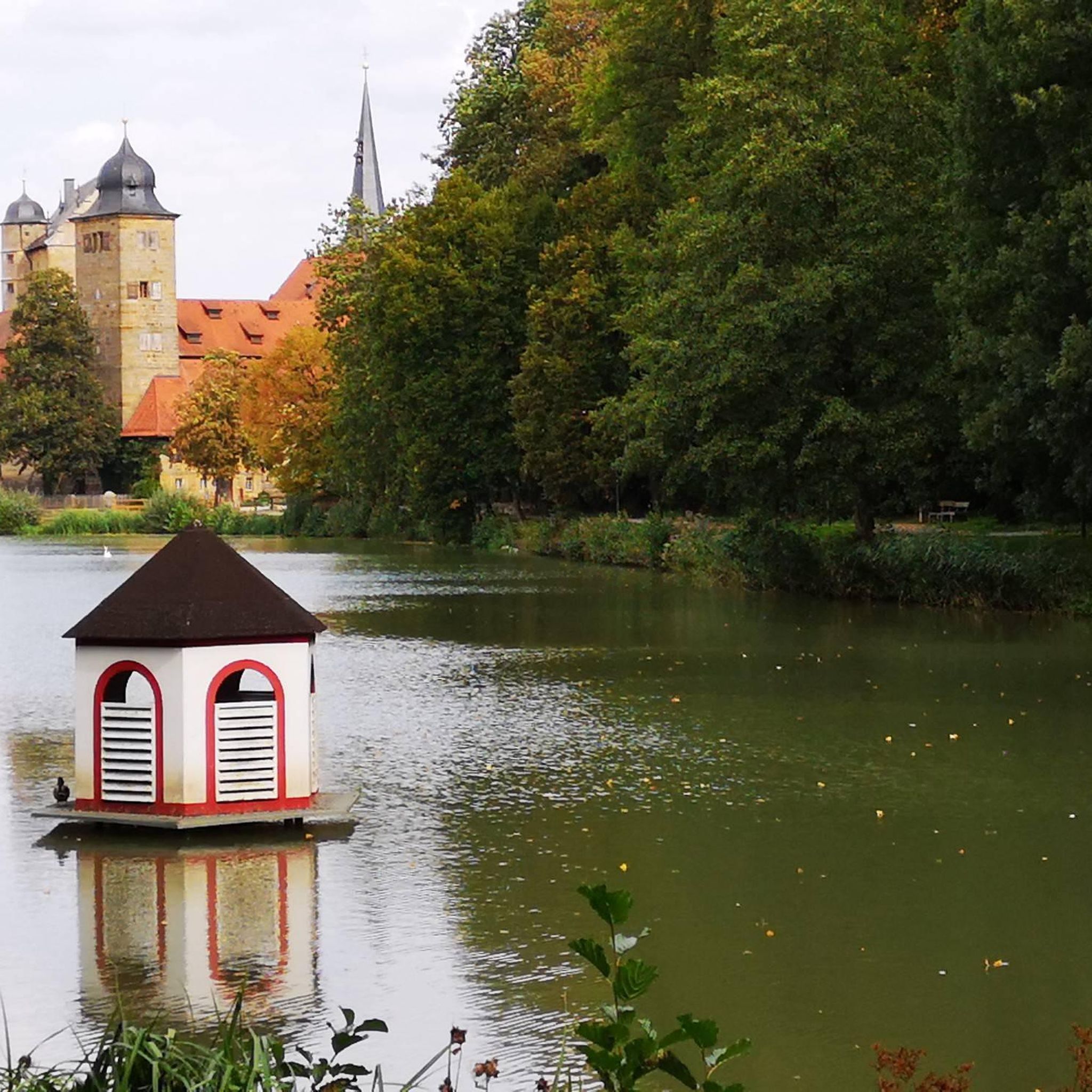
Stempfle Lake
Highlight • Lake
Translated by Google •
Tip by

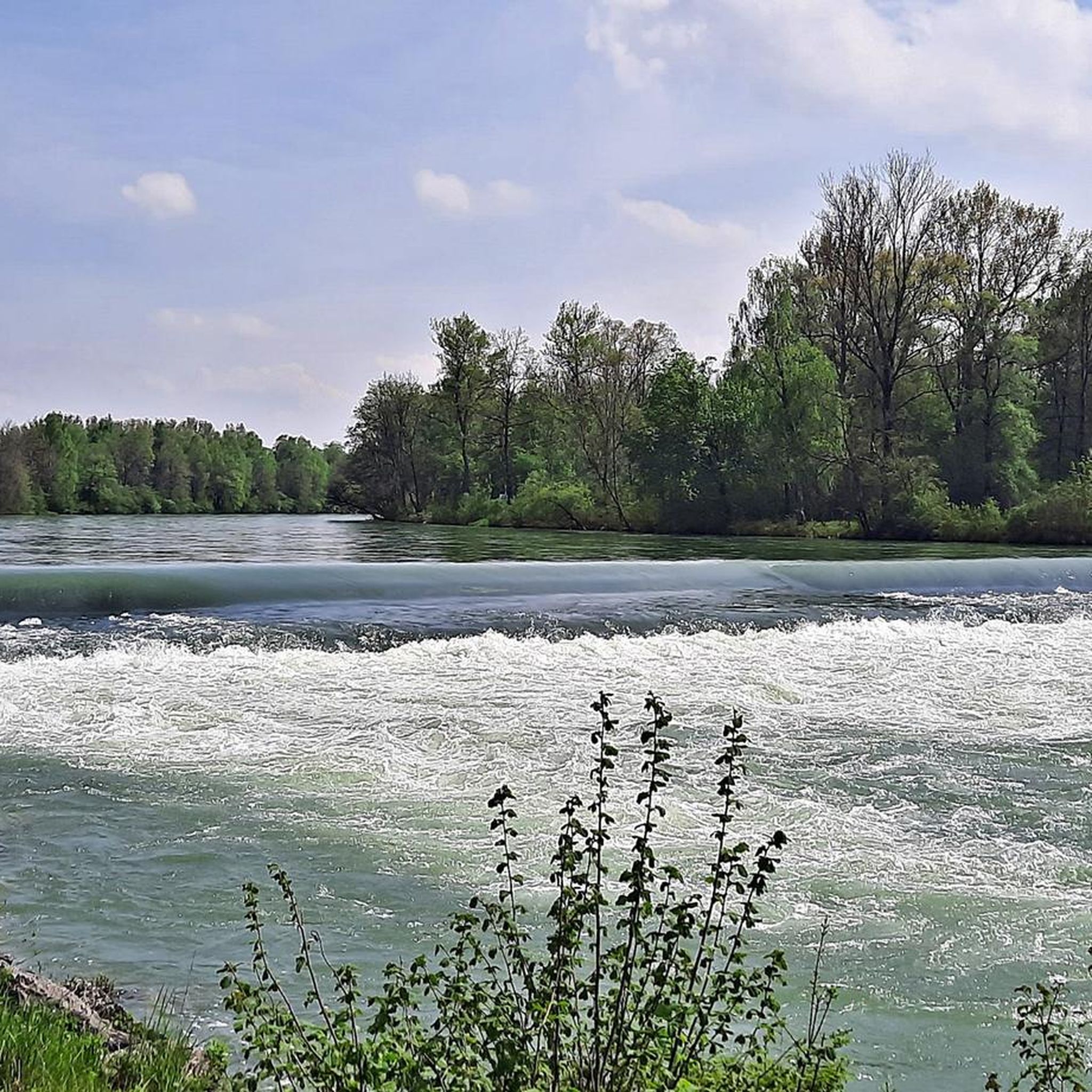
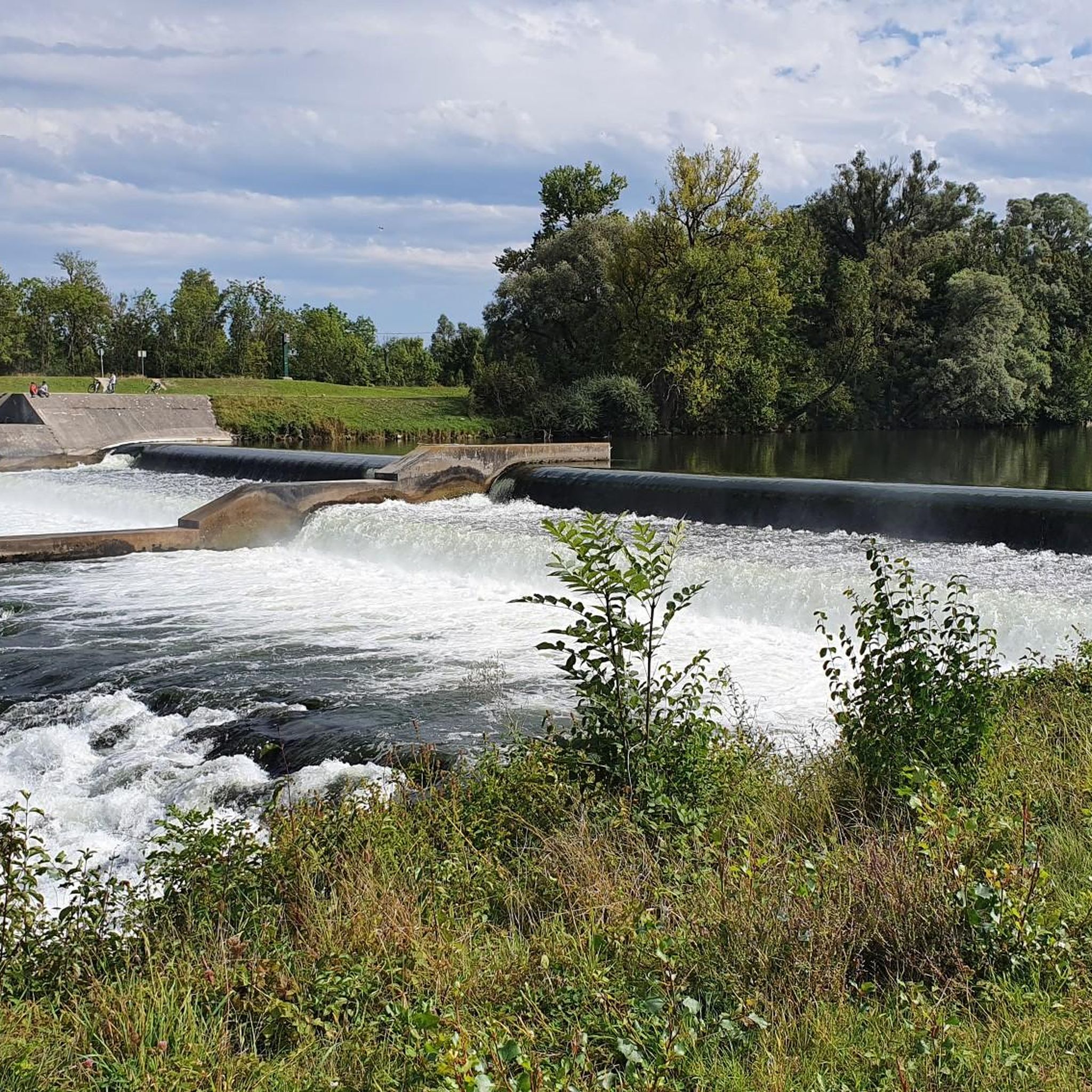
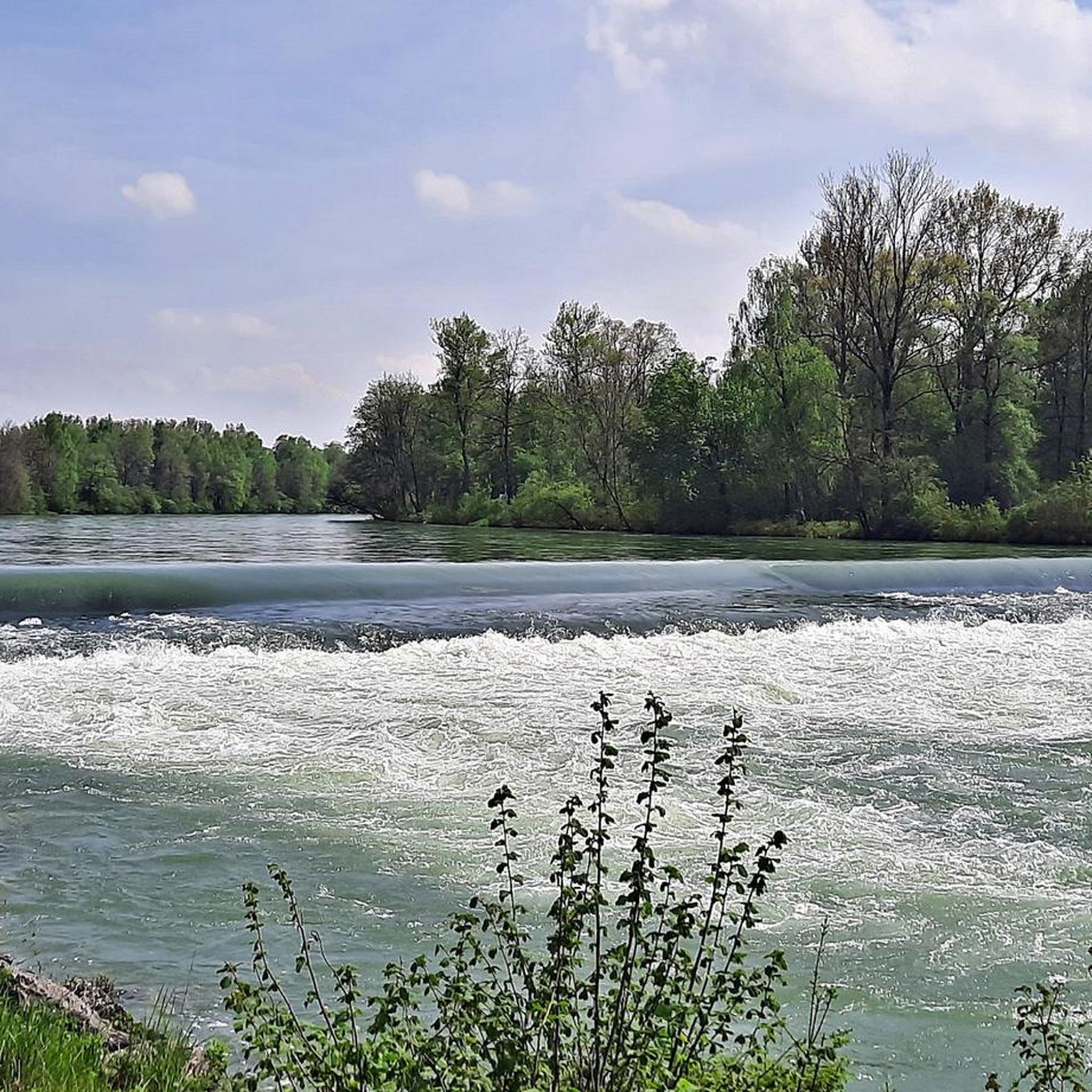
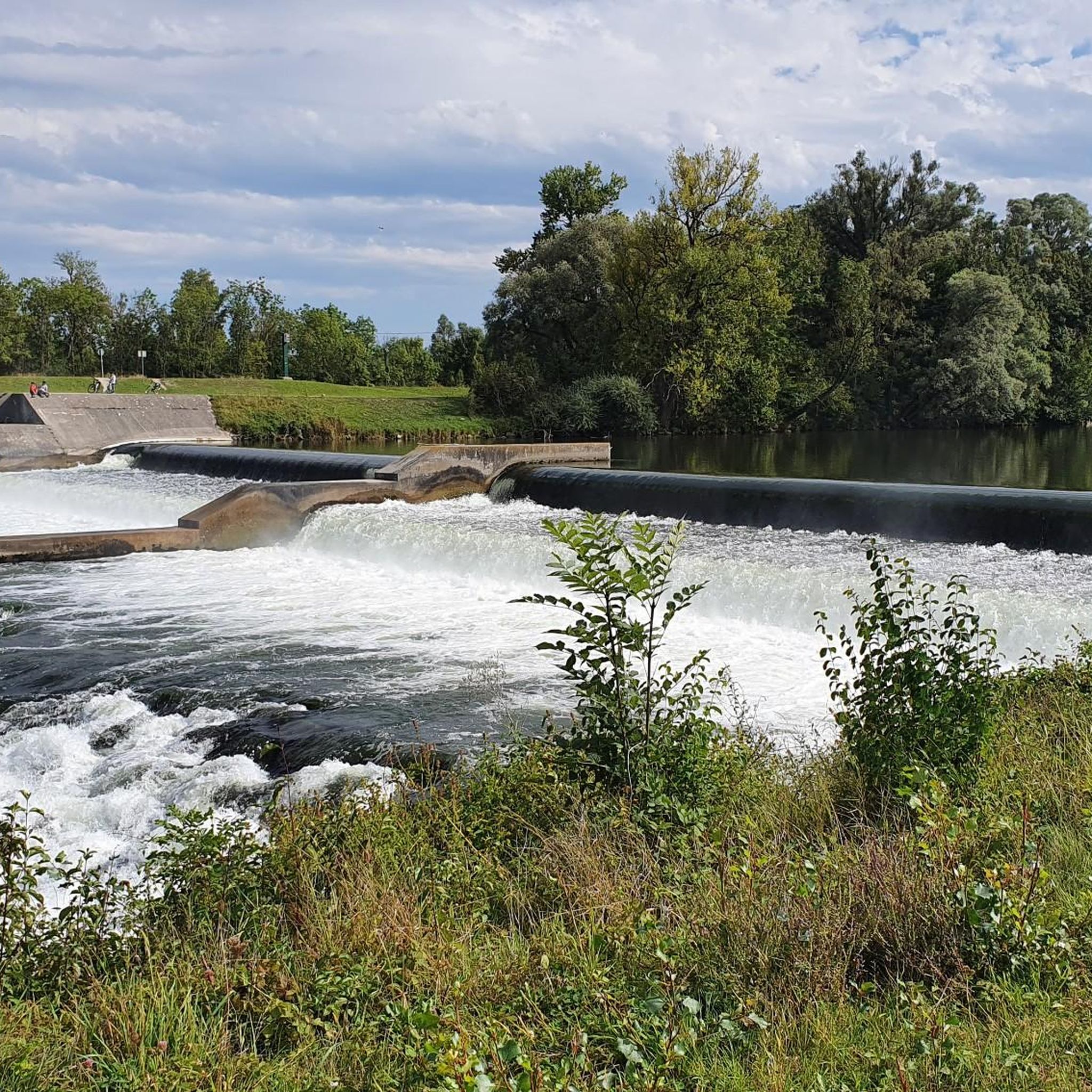
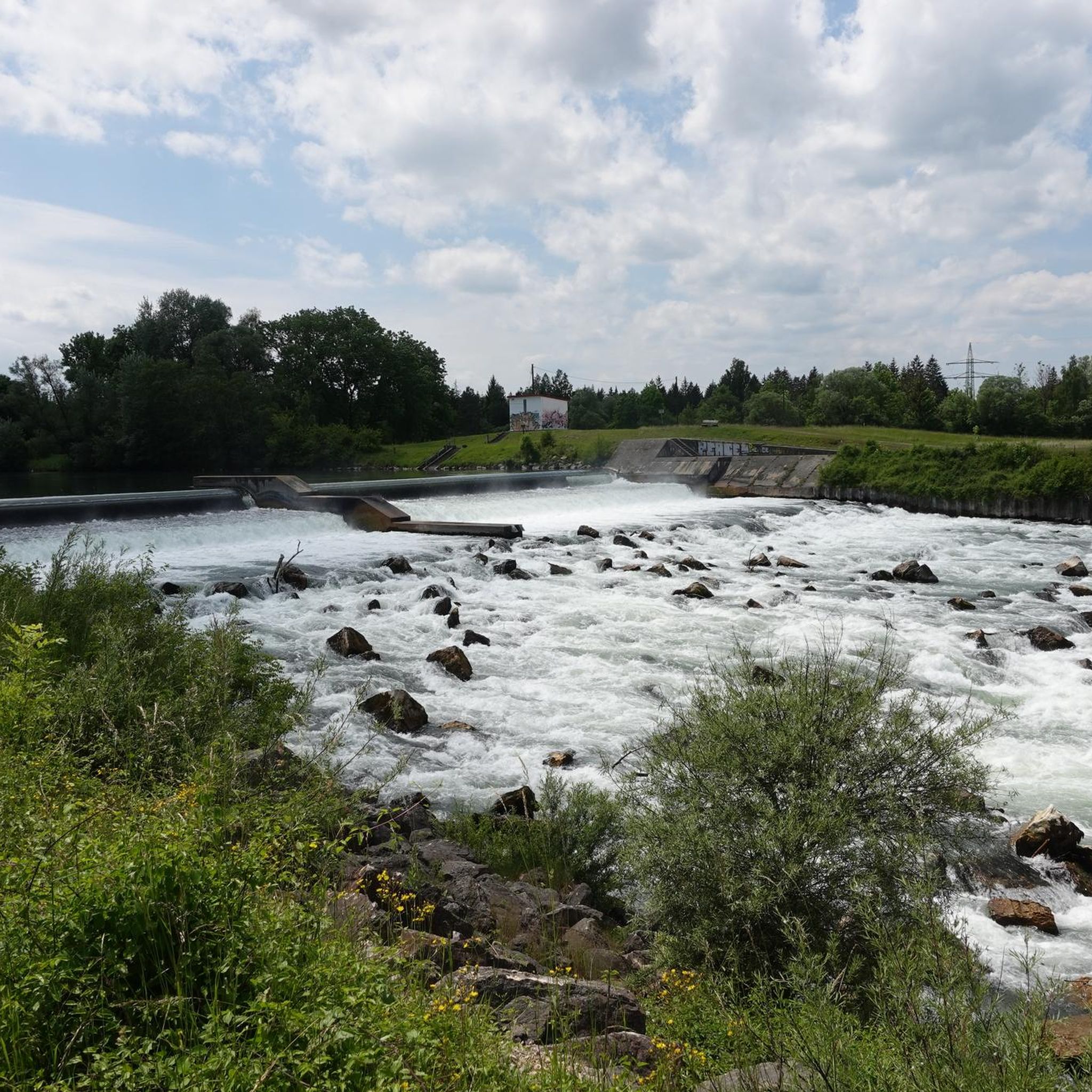
Lech River Weir Near Mering
Highlight • River
Translated by Google •
Tip by
Sign up now to discover places like this
Get recommendations on the best single tracks, peaks, & plenty of other exciting outdoor places.
Riparian Forest at Südlicher Mühlbach and Lochbach
Highlight • River
Translated by Google •
Tip by
Stempflebach (Siebentischwald)
Highlight • River
Translated by Google •
Tip by
Schätzlerbrunnen
Highlight • Monument
Translated by Google •
Tip by
Sign up for free to discover even more natural monuments in Stadtwald Augsburg.
Already have an account?
Start today with a free account
Your next adventure awaits.
Tips from the Community

Der Stempflebach( Zigeunerbach) wurde 1924 zusammen mit dem Stempflesee künstlich angelegt. Er versorgt den Parksee mit dem Wasser, das rund 450 Meter unterhalb des Stempflesees vom Brunnenbach ausgeleitet wird. 2021 beschloss der Stadtrat von Augsburg den Zigeunerbach in den Stempflebach umzunennen.
0
0

Always a great experience to ride the laps here with the mountain bike
1
0

Great area here and there is a lot to discover
0
0

The Lech is a right tributary of the Danube. The 256 km long river originates in Vorarlberg in the Hochtannberg region at the confluence of the Spullerbach and Formarinbach streams in the Tannläger valley. It flows through Tyrol and southern Bavaria, where it empties into the Danube. Shortly before the Austrian-German border, it joins the Vils river, forms the artificial Lechfall near Füssen, and crosses Swabia and Upper Bavaria on its way. The largest cities on the Lech are Landsberg and Augsburg; in this city, it receives its largest tributary, the Wertach. The river empties into the Danube near Marxheim. Source: Wikipedia
1
0

Stempflebach (until 2021 Zigeunerbach) is an artificially created stream in the Siebentischwald
2
0

The Schaezler fountain is located at the southern end of the Siebentischanlagen in Augsburg, near the transition to the Siebentischwald. It was built in 1908 in honor of Edmund Freiherr von Schaezler, who financially supported the expansion of the Siebentischanlagen.  The fountain consists of an arched portal about six meters high, which is crowned by a Swiss stone pine. Below the arch there is a wall with a shell limestone basin in front of it. The complex was designed by the Augsburg sculptor Jakob Rehle.  Originally the Schaezler fountain was part of a symmetrically laid out green area with a small oak avenue, which was known as the “Green Basilica”. This design was intended to replicate the floor plan of a church, with the fountain taking the position of the altar. In 2011 the complex was restored to restore this historical concept.  Today the Schaezler fountain serves as a popular excursion destination and invites visitors to linger in the midst of nature. Its historical significance and unique design make it a special place in the Augsburg city area.
2
0
The Schaezler fountain is a historic ornamental fountain in the Siebentischwald in Augsburg. It was built in 1908 in honor of Edmund Freiherr von Schaezler, who made a significant contribution to the expansion of the Siebentischanlagen. Designed by the Augsburg sculptor Jakob Rehle, the fountain consists of an approximately six-meter-high arched portal made of shell limestone, crowned by a pine nut, the symbol of the city of Augsburg. Originally, the fountain was part of a symmetrical green area with a small oak avenue, but the paths no longer exist today. The Schaezler fountain marks the southern border of the Siebentischanlagen and is located near today's zoo. It is a popular destination for walkers and nature lovers who want to enjoy the tranquility of the Siebentischwald. In 2011, the fountain was restored as part of a PRO Augsburg initiative to preserve its historical significance and beauty. The Schaezlerbrunnen is an impressive example of early 20th century fountain art in Augsburg and a testament to civic engagement in urban green space design.
2
0
The Zigeunerbach is a small stream in Augsburg, Bavaria, which originates in the Augsburg City Forest and flows through the western urban areas. It is one of the tributaries of the Lech river system and plays a role in the complex water management of Augsburg, which was recognized as a UNESCO World Heritage Site in 2019. The stream itself contributes to the natural diversity and ecological value of the Augsburg City Forest and is part of the extensive water network that contributes to recreation and the preservation of biodiversity in the region.
2
0
Frequently Asked Questions
What are the most popular natural monuments to visit in Stadtwald Augsburg?
Among the most appreciated natural monuments in Stadtwald Augsburg are the Lech River Weir Near Mering, known for its impressive views of the river's power. Visitors also highly recommend the Riparian Forest at Südlicher Mühlbach and Lochbach for its charming and idyllic paths through the floodplain forests, offering a serene natural experience. Another favorite is Stempfle Lake, a tranquil oasis within the Siebentischwald.
Are there family-friendly natural monuments in Stadtwald Augsburg?
Yes, many natural monuments in Stadtwald Augsburg are suitable for families. The Stempfle Lake and the Riparian Forest at Südlicher Mühlbach and Lochbach are particularly popular for their easy paths and peaceful environments. The Lech River Weir Near Mering also offers accessible trails for families to enjoy the river views.
What unique natural features can I expect to see in Stadtwald Augsburg?
Stadtwald Augsburg is characterized by its diverse natural features. You'll find an extensive network of over 80 kilometers of streams and canals, remnants of the historical water management system. The forest also boasts a variety of biotopes, including willow meadows, pine heath forests, and mixed deciduous forests, which support rare plant species like orchids and gentians. Keep an eye out for the Przewalski horses in certain areas, which help maintain the heathlands.
What is the best time of year to visit the natural monuments in Stadtwald Augsburg?
The natural monuments in Stadtwald Augsburg offer beauty throughout the year. Spring brings blooming wildflowers and fresh greenery, while summer provides pleasant shade along the many paths. Autumn transforms the forest with vibrant foliage, making it ideal for walks. Even in winter, places like Stempfle Lake are described as calm and romantic, perfect for quiet strolls.
What outdoor activities can I do near the natural monuments in Stadtwald Augsburg?
Stadtwald Augsburg is a popular recreational area with a vast network of paths. You can enjoy cycling, gravel biking, and road cycling on routes like the Siebenbrunner Bach loop or the Hochablass Dam to Lech Weir No. 22. For more details on routes, explore the Cycling in Stadtwald Augsburg, Gravel biking in Stadtwald Augsburg, and Road Cycling Routes in Stadtwald Augsburg guides.
Are there any historical sites or unique man-made features within the Stadtwald Augsburg?
Beyond its natural beauty, Stadtwald Augsburg features historical elements related to its water management. The extensive network of streams and canals, including structures like 'Düker' that separate spring and Lech water, showcases historical ingenuity. You can also find the Schätzlerbrunnen, a hidden fountain in the Siebentischwald, known for its unique 'Green Basilica' design and historical significance.
What makes the Stadtwald Augsburg important for the region?
The Stadtwald Augsburg is crucial for several reasons. It is one of Bavaria's largest nature reserves outside the Alps, home to over 3,000 species of animals and plants, making it incredibly rich in biodiversity. It also serves as a vital drinking water protection area for over 300,000 citizens of the Augsburg region, highlighting its ecological and societal importance.
What do visitors enjoy most about the natural monuments in Stadtwald Augsburg?
Visitors frequently praise the tranquility and natural beauty of the Stadtwald. Many enjoy the serene paths through the floodplain forests, the peaceful atmosphere around Stempfle Lake, and the impressive views at the Lech River Weir Near Mering. The opportunity to relax away from city noise and experience diverse landscapes, from forests to waterways, is a common highlight.
Can I find specific water features like streams or lakes within the Stadtwald Augsburg?
Yes, the Stadtwald Augsburg is rich in water features. It is crisscrossed by an impressive network of over 80 kilometers of streams and canals, including the Brunnenbach and Neuer Graben. You can also visit Stempfle Lake, a beautiful natural monument, and follow the Stempflebach, a specific watercourse within the Siebentischwald.
Are there opportunities for wildlife spotting in Stadtwald Augsburg?
With over 3,000 species of animals and plants, Stadtwald Augsburg offers excellent opportunities for wildlife observation. The diverse habitats, including willow meadows and various forest types, support a rich biodiversity. Keep an eye out for various bird species, insects, and if you're lucky, you might even spot the Przewalski horses that contribute to maintaining the heathlands in certain areas.
What kind of forest landscapes can I explore in Stadtwald Augsburg?
Stadtwald Augsburg offers a variety of forest landscapes, reflecting its history as a wild river landscape. You can explore willow meadows, characteristic pine heath forests, and mixed deciduous forests. These diverse biotopes, formed on ice-age Lech gravels, provide a rich and varied experience for hikers and nature enthusiasts.
Most popular routes in Stadtwald Augsburg
Most popular attractions in Stadtwald Augsburg

Get inspired with the komoot mobile app


Explore more
Extend your search for the best caves by checking out these guides of the top ones in Stadtwald Augsburg:
