Top 3 Natural Monuments in Feldatal
Best natural monuments in Feldatal are situated within the Vogelsberg region in Hessen, an area known for its volcanic origins. This landscape offers unique geological formations, serene natural settings, and notable flora. Visitors can explore sites that showcase the region's geological history and diverse ecosystems. The area provides opportunities to experience natural features shaped by ancient volcanic activity and ongoing natural processes.
Best natural monuments in Feldatal
- The most popular natural monuments is Backofenhausteich Pond, a lake named after…
Last updated: May 24, 2026
Backofenhausteich and Backofenkeller
Highlight • Lake
Translated by Google •
Tip by

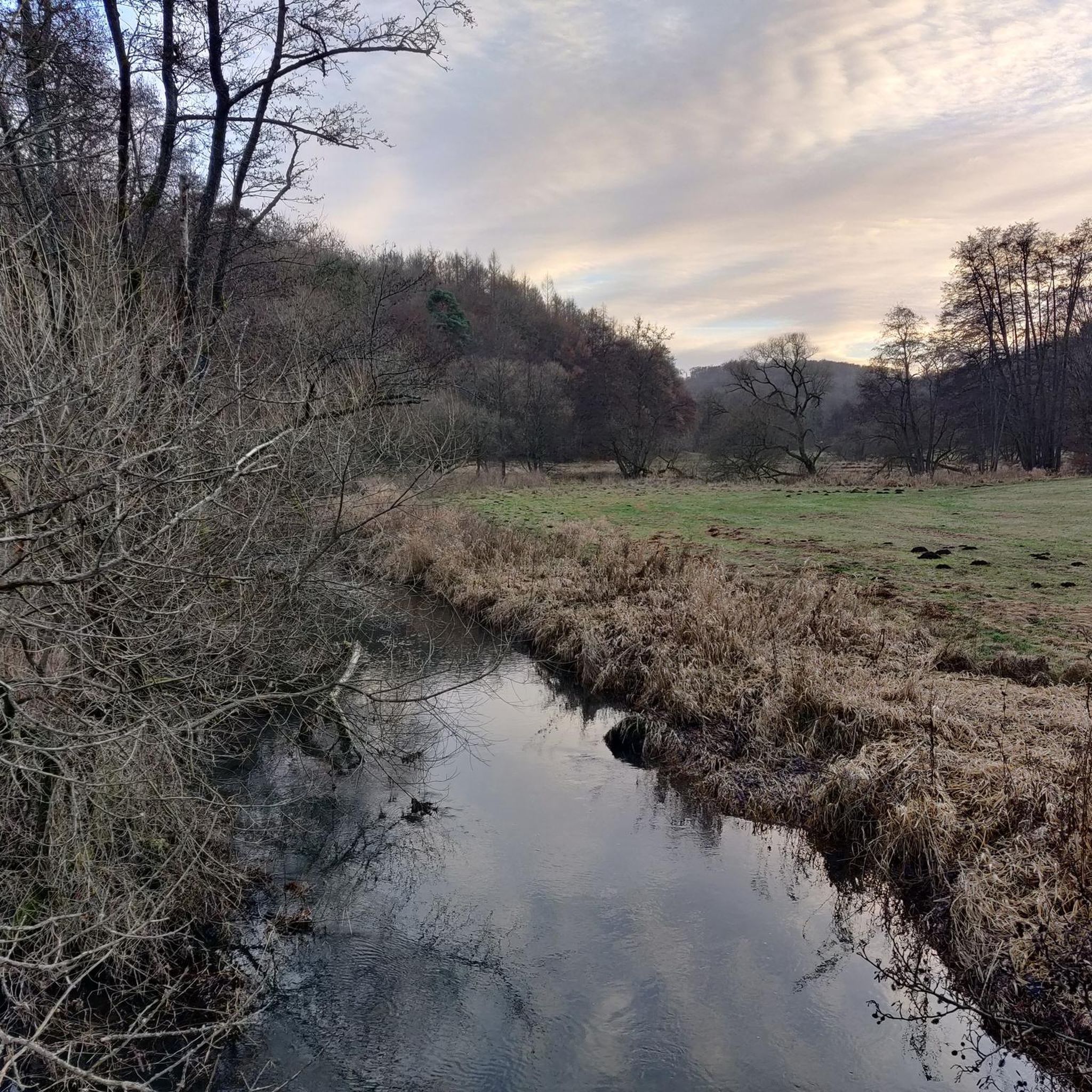
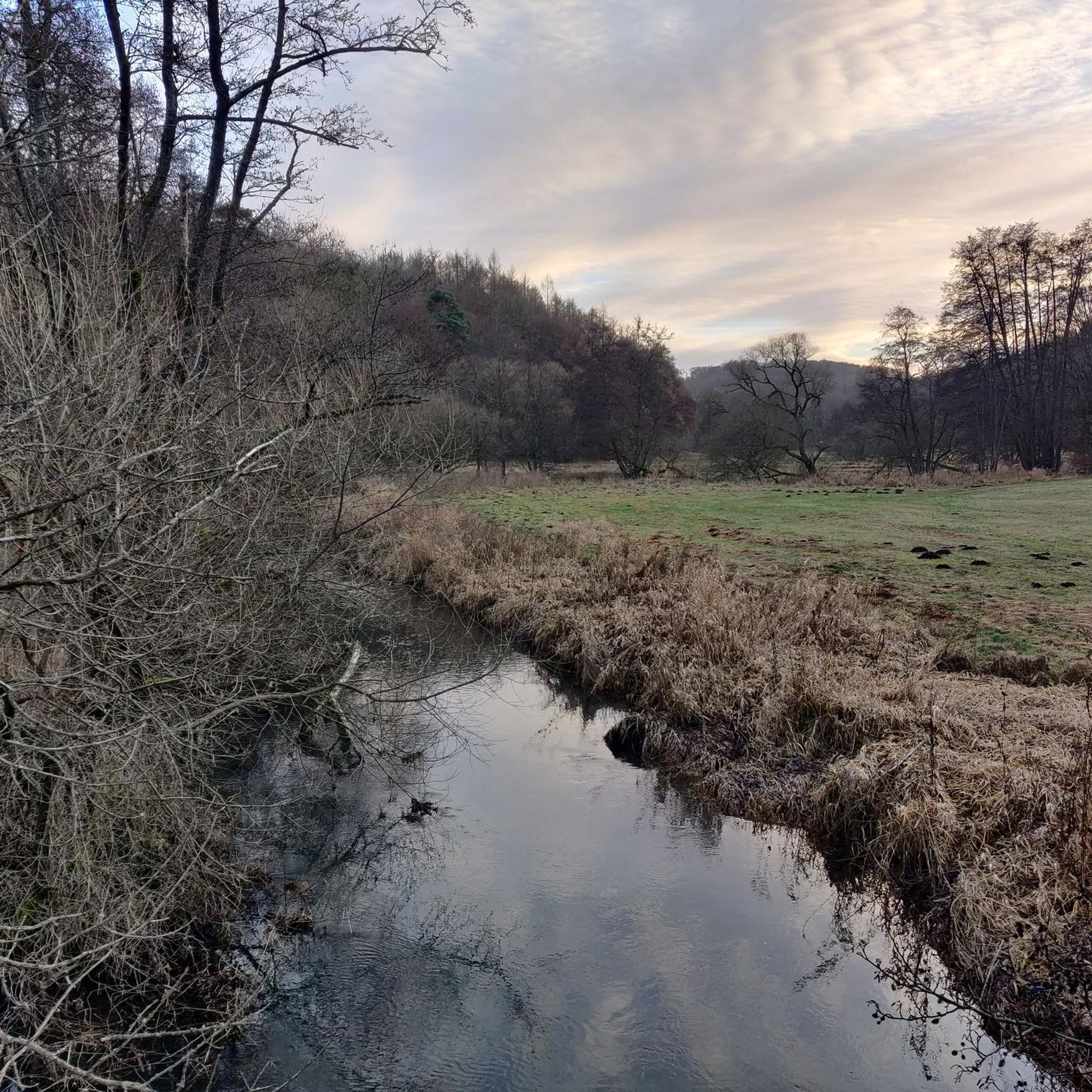
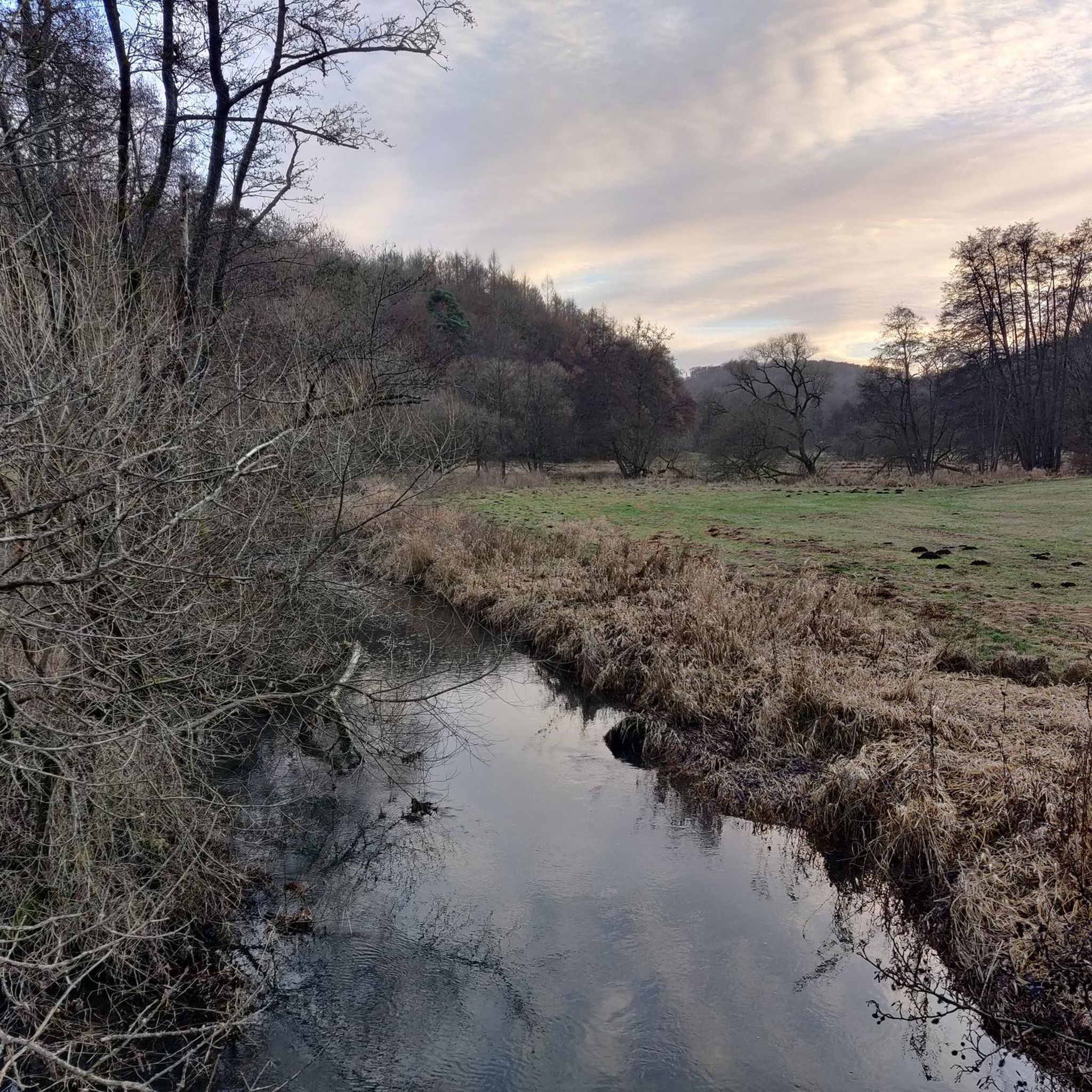
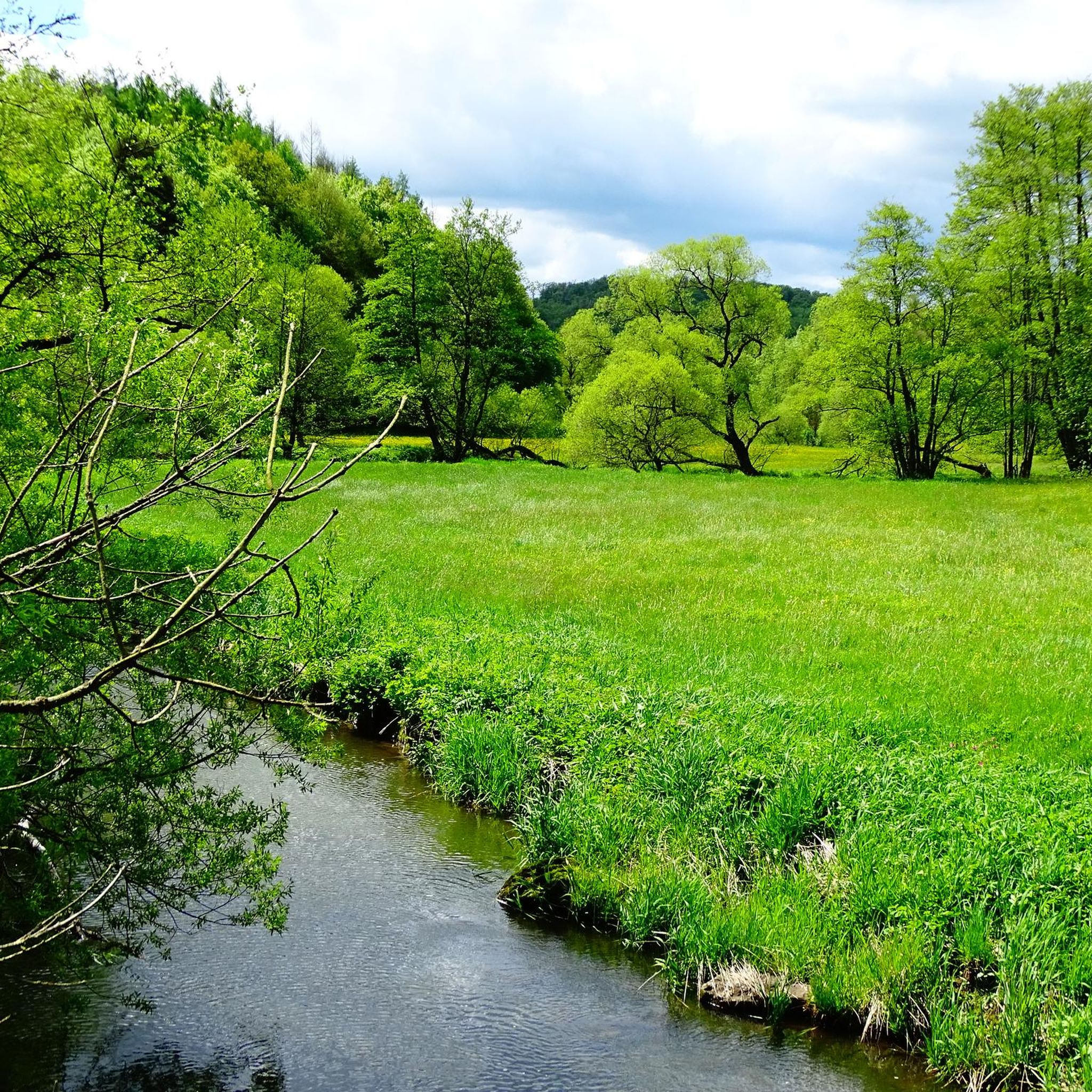
The Felda
Highlight • River
Translated by Google •
Tip by

Sign up now to discover places like this
Get recommendations on the best single tracks, peaks, & plenty of other exciting outdoor places.
Sign up for free
Beech forests
Highlight • Forest
Translated by Google •
Tip by
Start today with a free account
Your next adventure awaits.
Login or Signup

Tips from the Community

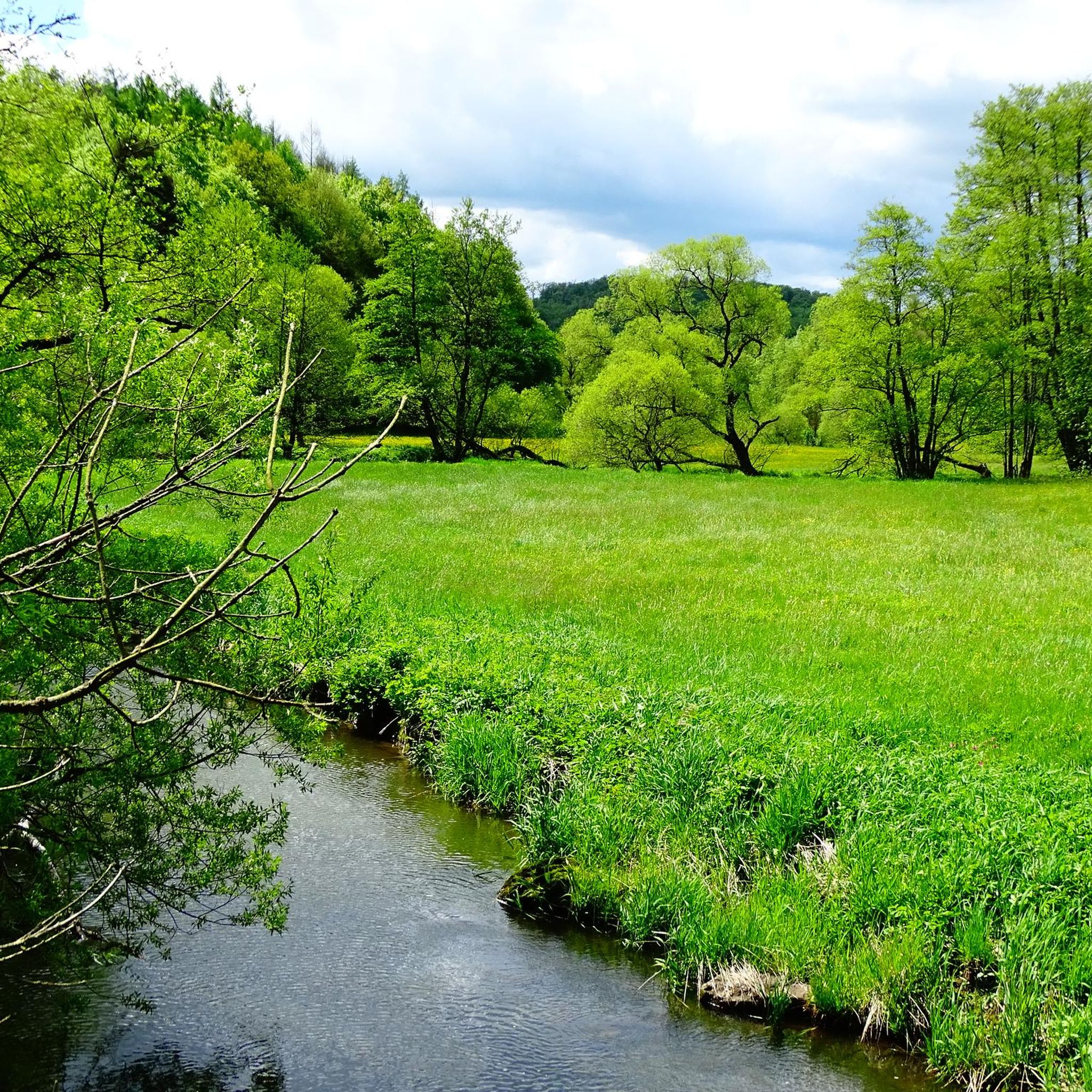
As part of the Heinzemann tour, you cross the Felda several times and hike through the Feldatal with its idyllic meadows.
1
0

The “Backofenhausteich” is named after an oven-shaped vaulted cellar built into the mountain.
1
0

The dense beech forests in the Feldatal near Gemünden.
4
0

The forests you walk through after the Elsgrabenteichen are considered “woodruff beech forests”, a habitat type that is characteristic of Hesse. The Vogelsberg basalt is the basis for the alkaline soil, which produces a very species-rich and well-developed herb layer, especially with the eponymous woodruff. In order to improve the living conditions, especially for species worthy of protection that are tied to old and dead wood, 10% of the forest area in the state forest has been completely removed from use as so-called core areas in accordance with HessenForst's nature conservation guidelines and is left to natural development as "primeval forests of the future". In the Feldatal there is a focus on the Schotten and Romrod forestry offices, which together have around 300 hectares of beech forest.
1
0
The 42.2 km long Felda rises in the Hohen Vogelsberg and flows into the Ohm in Nieder-Gemünden. The river is a flowing water with flooding aquatic vegetation; it meanders through the valley in a largely natural bed. With its stands of alder and ash trees lining the stream, it forms a natural stream floodplain system that is rare today. Here you can find plant communities tied to wetlands, such as sedge species and marsh marigold meadows. To maintain the floodplain grassland, this is done once or twice mown annually, adapted to the respective plant communities. If the water quality is good, in addition to brown trout, other fish species include minnow, loach and the two FFH species bullhead and brown lamprey. This environment offers good habitats and food sources for the gray wagtail, the dipper and several species of bats. Also represented is the black stork, a typical forest dweller and indicator of low-disturbance, old-growth forest ecosystems. To search for food, it uses a variety of wetlands, e.g. streams rich in fish, ponds and natural floodplain areas. The Feldatal is an important resting area for migratory birds. Photo Felda: © Dunja Wernedorf
2
0
Bats nest and overwinter in the eponymous oven house.
3
0

You have to look closely until you see the oven between the leaves.
1
0
Frequently Asked Questions
What unique geological formations can I explore in Feldatal?
Feldatal, situated within the volcanic Vogelsberg region, offers several unique geological formations. You can visit sites like the Dicke Steine in Stumpertenrod, a striking basanite cliff with distinctive 'Meilerstellung' formations, showcasing the region's volcanic past. Another notable site is Die Steinrück - Wäldchen mit Felsmeer in Kestrich, featuring a 'sea of rocks' composed of basalt blocks on an exposed hilltop.
Are there any natural monuments suitable for family outings in Feldatal?
Yes, The Felda river is considered family-friendly. It meanders through the valley in a largely natural bed, offering a serene environment. The path around the Oberer Forellenteich (Upper Trout Pond) is also easy to walk, making it ideal for a leisurely stroll with family.
What kind of forests can I find among Feldatal's natural monuments?
Feldatal is home to significant forest natural monuments. The dense Beech forests near Gemünden are particularly noteworthy. These are considered 'woodruff beech forests,' a habitat type characteristic of Hesse, known for its species-rich herb layer due to the alkaline soil from the Vogelsberg basalt. These forests are also vital habitats for species tied to old and dead wood, including the Black Woodpecker, a pioneer species that creates nesting holes for other animals.
What are some notable water-related natural monuments in Feldatal?
The region features several beautiful water-related natural monuments. The Backofenhausteich Pond, also known as Ovenhaus Pond, is named after a vaulted cellar built into the mountain. It's surrounded by mighty giant trees and the soothing sound of a clear mountain stream. Additionally, The Felda river, which rises in the Hohen Vogelsberg, is a significant natural monument, providing habitats for various fish and bird species.
Can I find any impressive individual trees designated as natural monuments?
Yes, the Ginsendorfer Eiche in Windhausen is a remarkable, solitary oak tree. Standing at 24 meters tall with a circumference of 3.55 meters, this impressive individual tree is a significant landscape feature in a meadow area, offering a tranquil spot and a testament to nature's enduring power.
What outdoor activities can I do near Feldatal's natural monuments?
Feldatal offers a variety of outdoor activities. You can explore numerous hiking trails, such as the 'Mehlbacher Teich – Mehlbacher Hut loop' or the 'Feldatal Fairy and Gnome Trail.' For mountain biking enthusiasts, routes like the 'Backofenhausteich Pond – Erlenteich Pond loop' are available. There are also several running trails, including the 'Göringer Grund loop.' You can find more details on these activities in the hiking, MTB, and running guides for Feldatal.
What makes the High Vogelsberg Nature Park relevant to Feldatal's natural monuments?
While not exclusively within Feldatal, the High Vogelsberg Nature Park encompasses the area and is a major draw for nature lovers. It features an open, sub-mountainous landscape with unique rock formations, natural forests, moorlands, and numerous headstreams. Within the broader park, specific natural monuments like the Teufelskanzel, Bilstein, Geiselstein, and the Uhuklippen in the picturesque Schwarzbach Valley add to the region's diverse natural beauty.
What do visitors enjoy most about the natural monuments in Feldatal?
Visitors appreciate the diverse natural beauty and geological significance of Feldatal. The Backofenhausteich Pond is loved for its grandiose backdrop of mighty giant trees and the clear mountain stream. The Felda river is valued for its natural, meandering course and the rich habitats it provides. The region's volcanic remnants and ancient forests offer a unique blend of natural history and serene landscapes, making it a popular destination for nature enthusiasts.
Are there other volcanic remnants or geotopes to see besides Dicke Steine?
Yes, beyond the Dicke Steine, Feldatal's location within the Vogelsberg volcanic region means there are other significant geotopes. The Teufelskopf near Köddingen and the Bildsteinskopf near Windhausen are notable examples. These sites provide further insights into the area's geological history, with their unique rock formations serving as tangible links to ancient volcanic activity.
What is the best time to visit Feldatal's natural monuments?
The natural monuments in Feldatal can be enjoyed throughout the year, but spring and autumn often offer particularly pleasant conditions. In spring, the forests, especially the 'woodruff beech forests,' come alive with lush greenery and blooming flora. Autumn brings vibrant colors to the landscape. Summer is ideal for longer hikes and exploring the ponds and rivers, while winter can offer a quiet, serene experience, especially for those interested in winter hiking.
Most popular routes in Feldatal
Most popular attractions in Feldatal

Get inspired with the komoot mobile app


Explore more
Extend your search for the best caves by checking out these guides of the top ones in Feldatal:
