Top 20 Natural Monuments in Nationalpark Hainich
Natural monuments in Nationalpark Hainich showcase one of Central Europe's last remaining ancient and primeval beech forests, recognized as a UNESCO World Heritage site. The park features a vast expanse of deciduous forest, where European beeches develop naturally, creating a "primeval forest in the making." This ecosystem supports a rich biodiversity, including around 10,000 species of animals, plants, and fungi. The park's commitment to allowing nature to develop freely results in diverse structures, from dense woodlands to clearings.
Best natural…
Last updated: November 5, 2026
Fairy Trail, Hainich National Park
Highlight (Segment) • Trail
Translated by Google •
Tip by

Hünenteich
Highlight • Lake
Translated by Google •
Tip by

Sign up now to discover places like this
Get recommendations on the best single tracks, peaks, & plenty of other exciting outdoor places.
Germanic Cult Path
Highlight (Segment) • Trail
Translated by Google •
Tip by

Bette Oak
Highlight • Natural Monument
Translated by Google •
Tip by

Thick Oak (Kindel)
Highlight • Natural Monument
Translated by Google •
Tip by

Sign up for free to discover even more natural monuments in Nationalpark Hainich.
Already have an account?
Start today with a free account
Your next adventure awaits.
Popular around Nationalpark Hainich
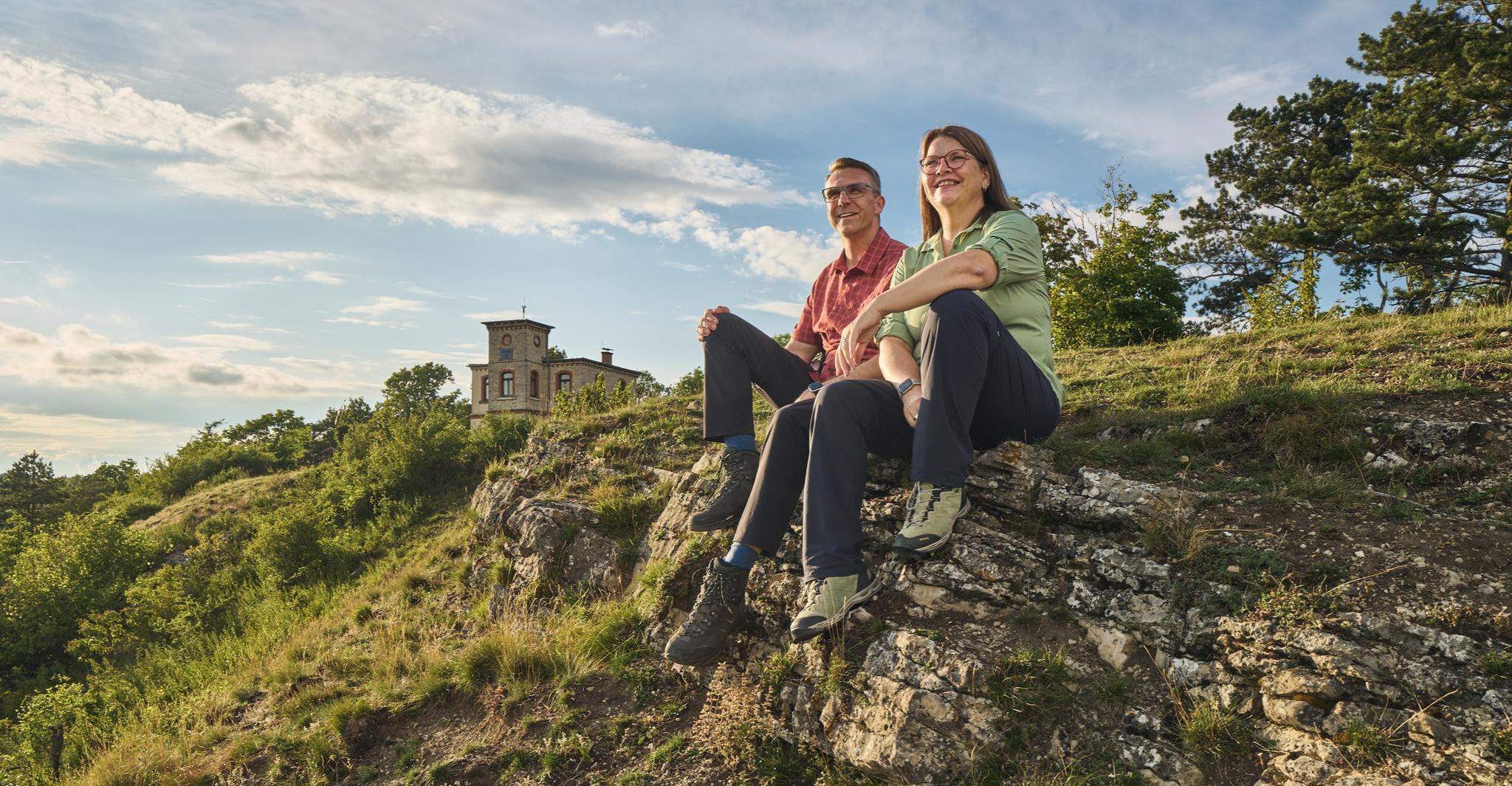
Autumn Hiking with a view – 7 WOW Tours between Wartburg and Hainich
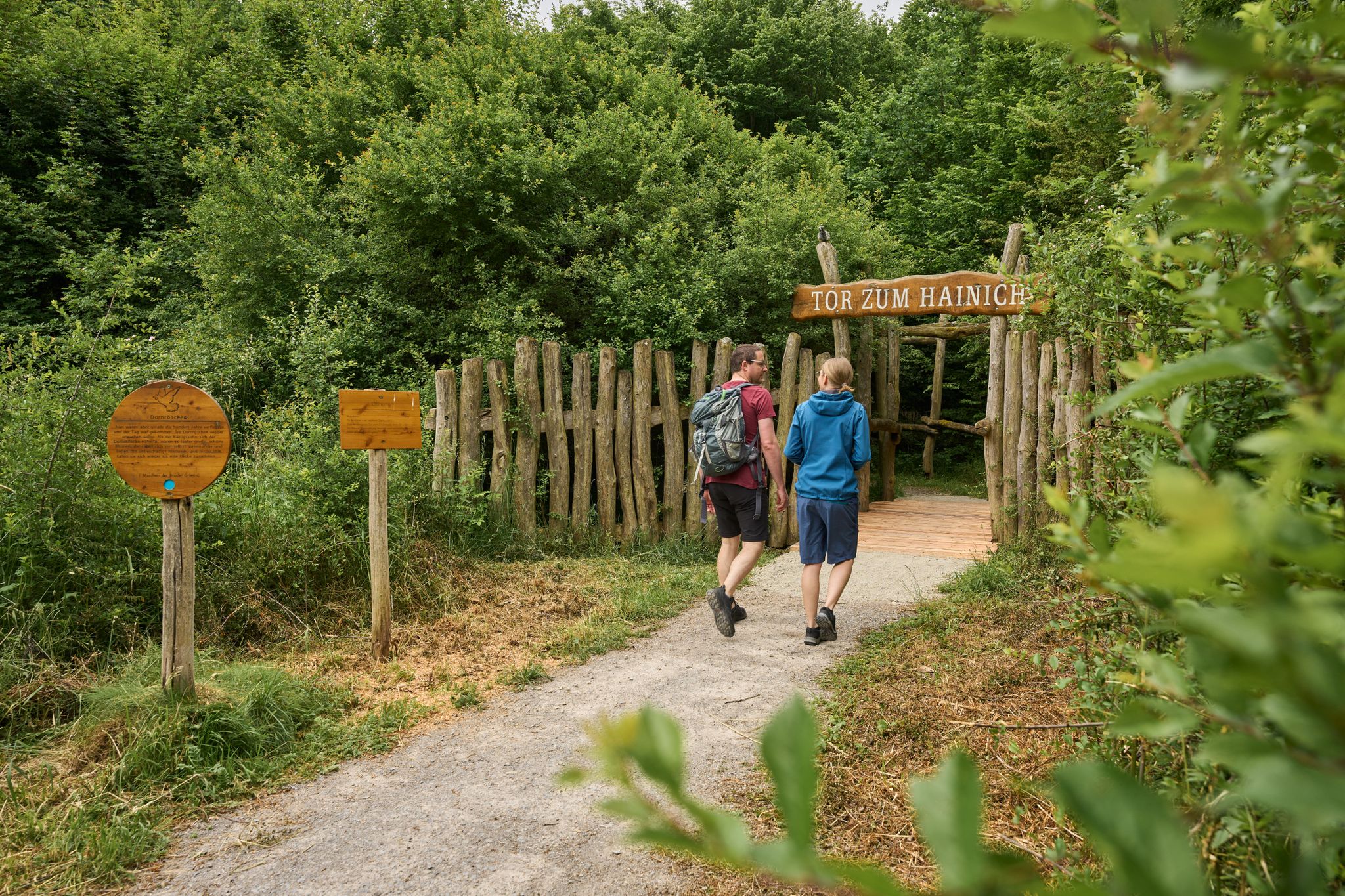
Varied hiking on the Hainichlandweg
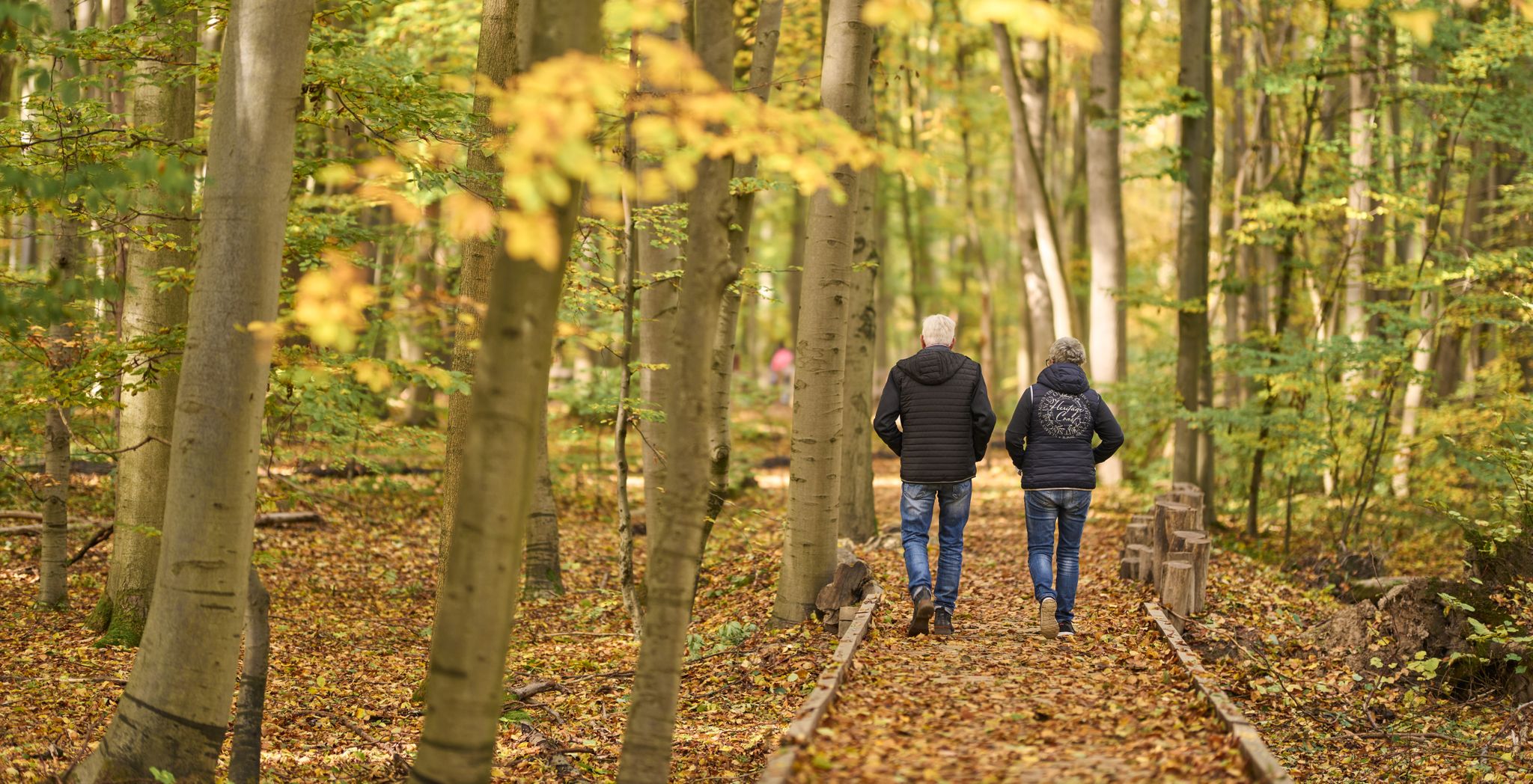
The Waagebalkenweg - in two days through the Hainich
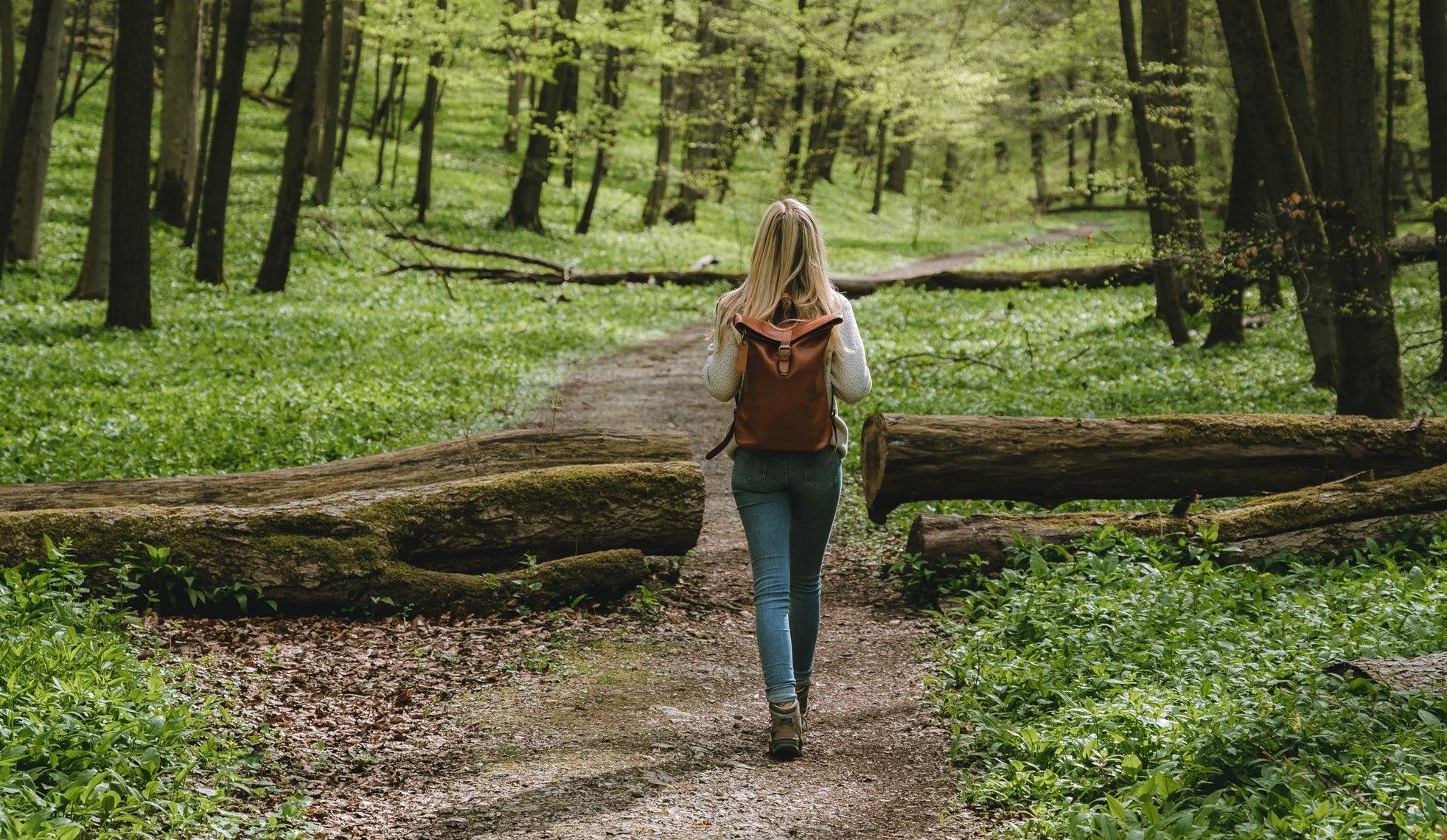
The Rennstieg - the Hainich for hiking enthusiasts
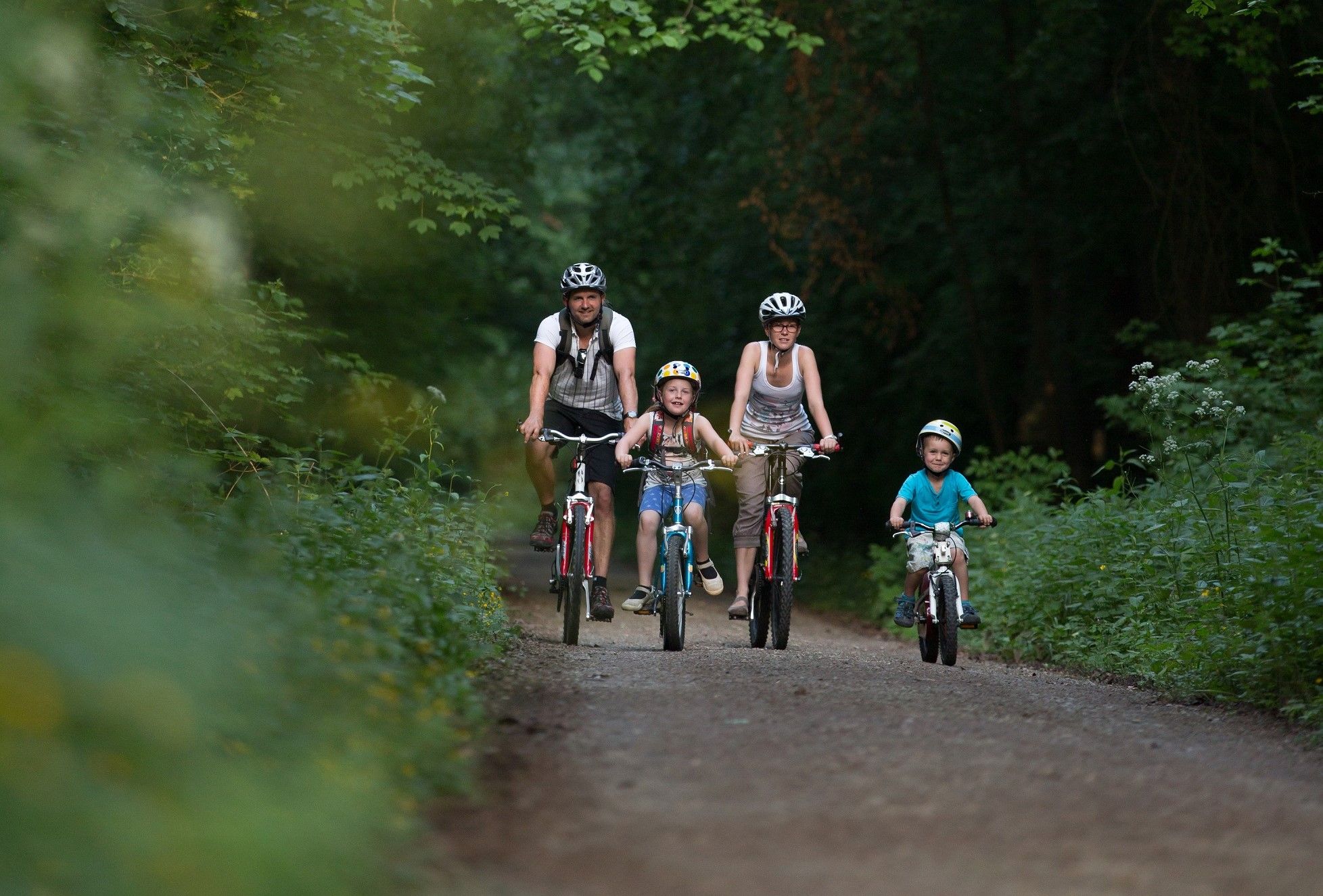
Cycling through Hainich National Park
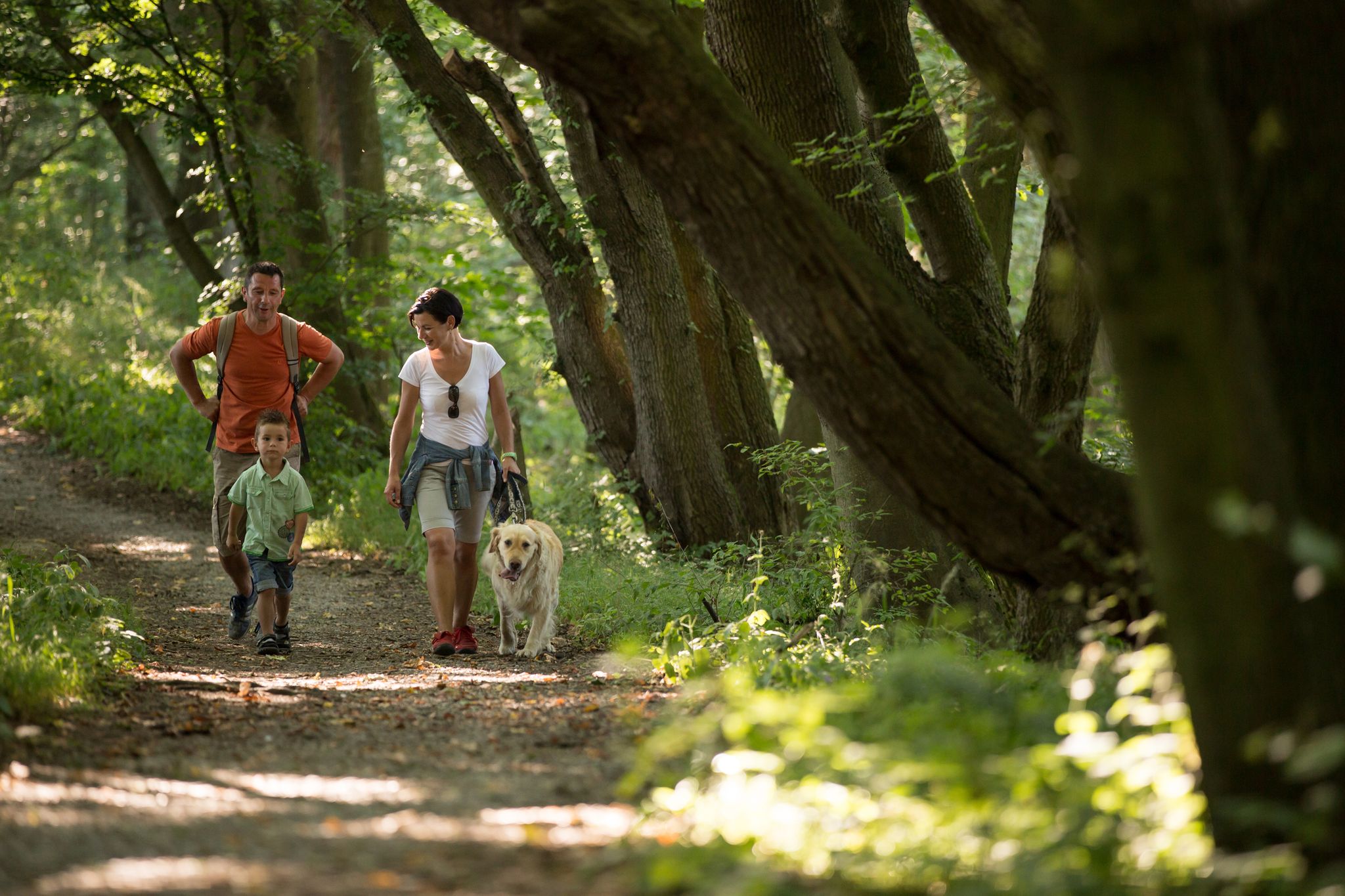
Hiking tips for Hainich National Park
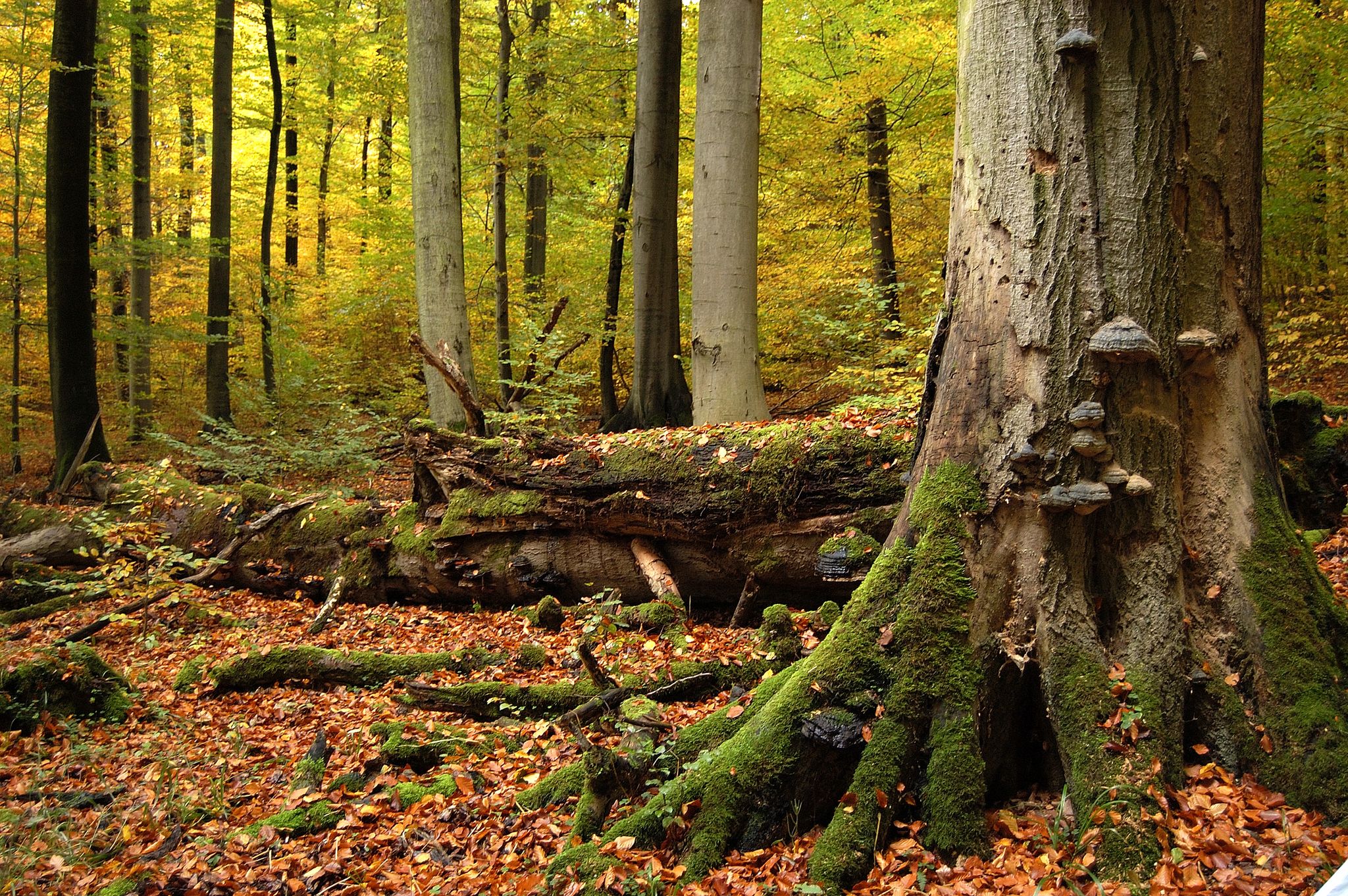
Thuringia's Primeval Forests of Tomorrow
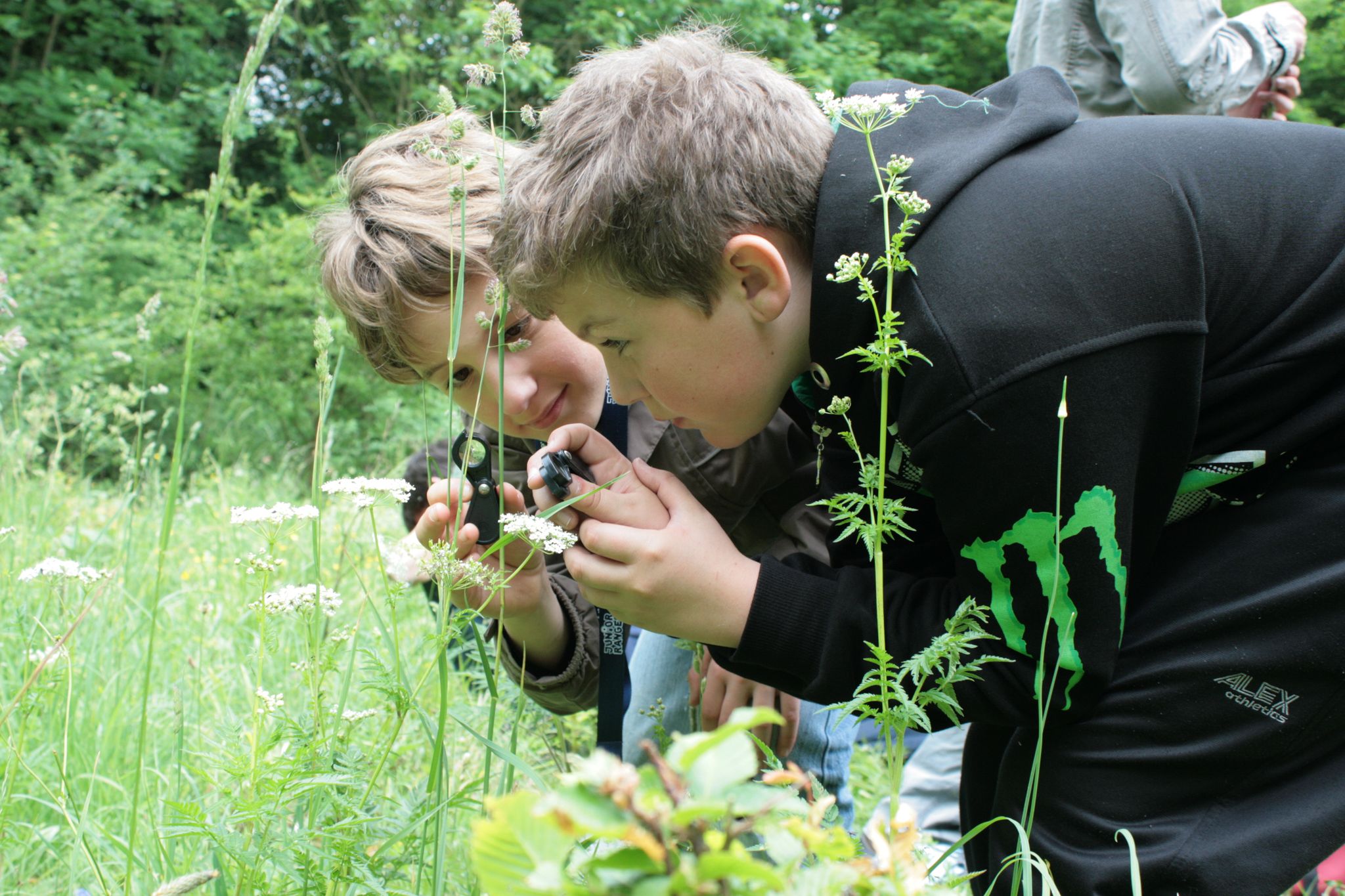
Events in Hainich National Park
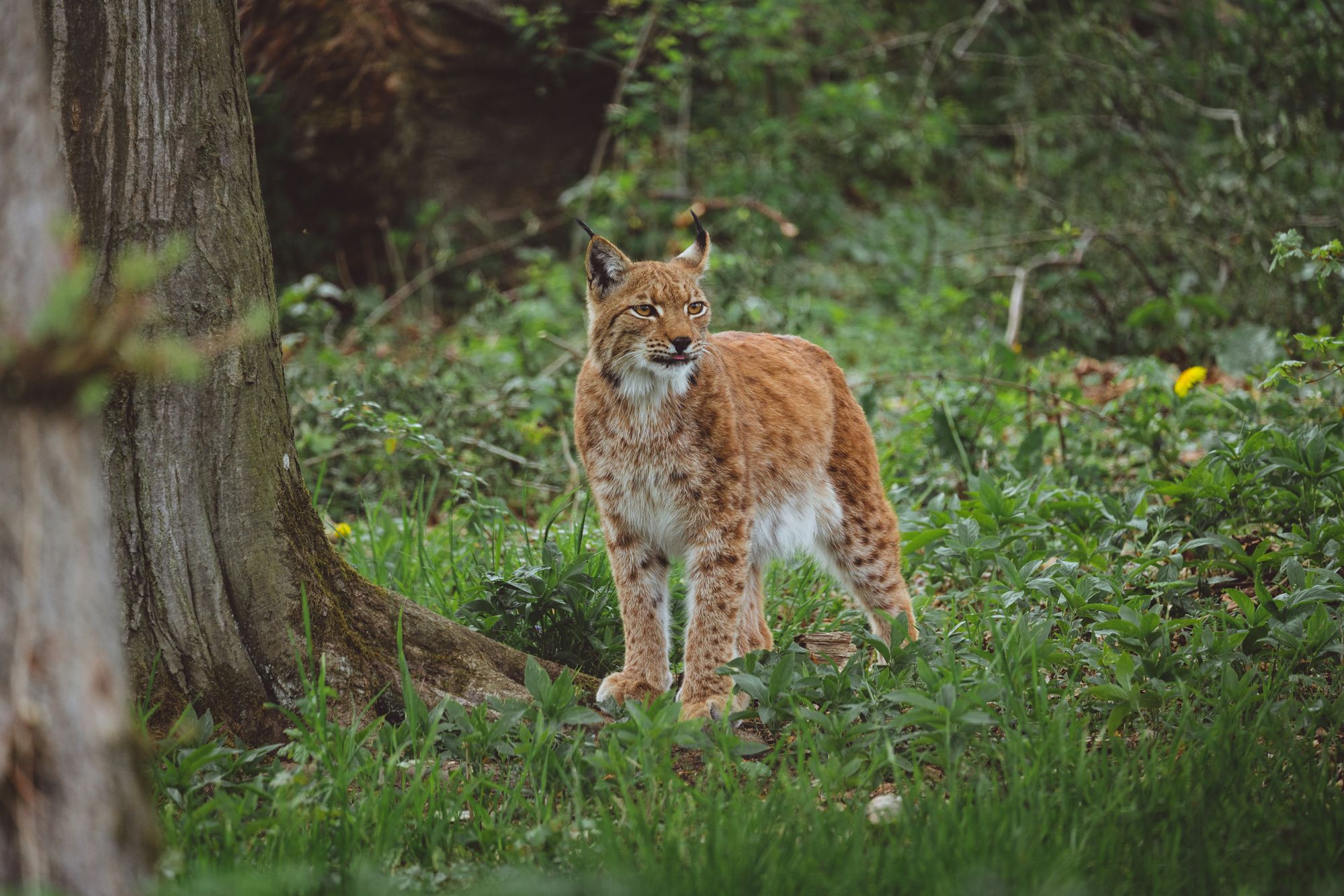
Wildlife in the middle of Germany
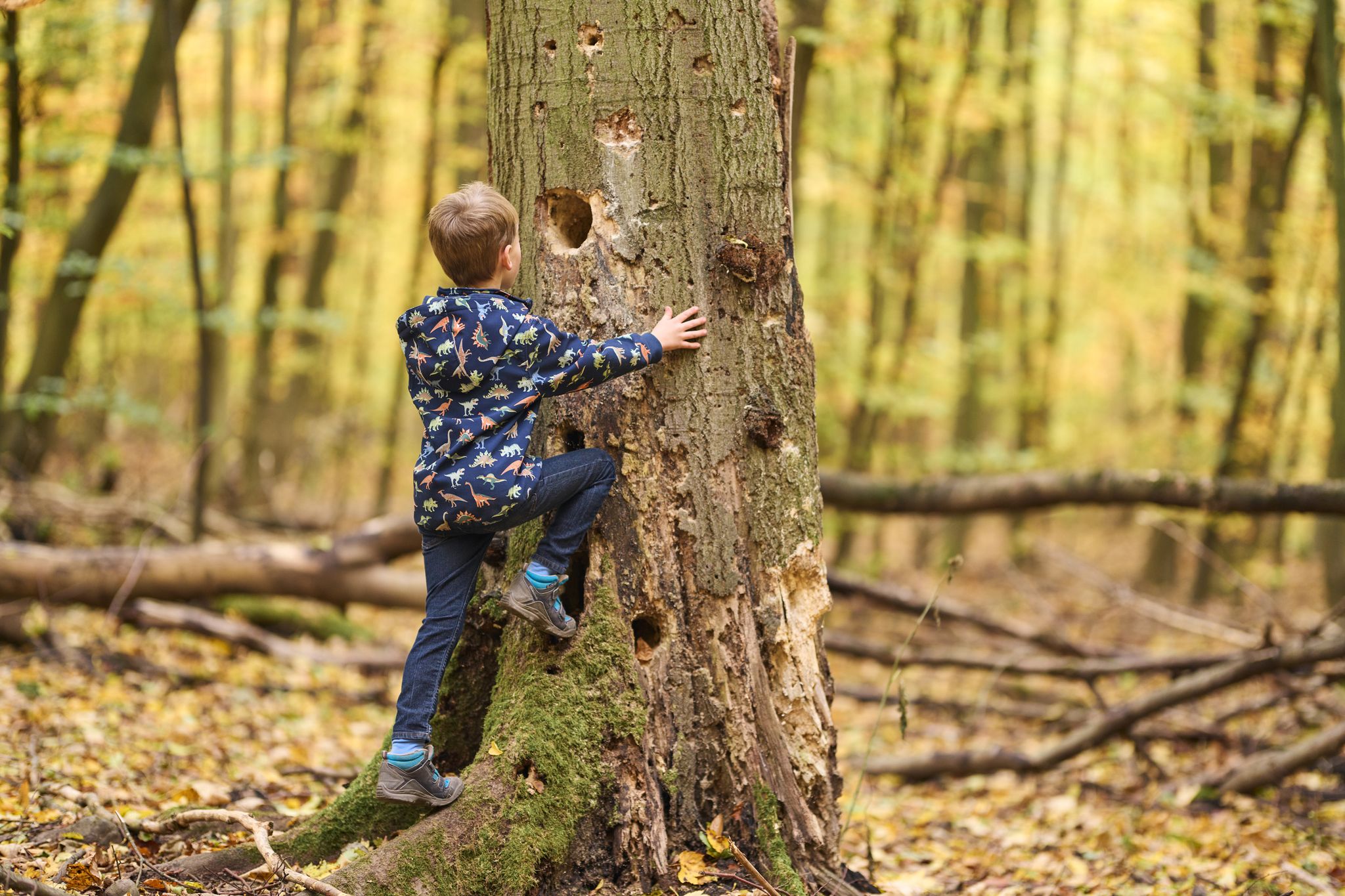
The most beautiful family hikes through the jungle
Other adventures in Nationalpark Hainich


Tips from the Community

Fat Oak When you reach the middle path crossing, you will find yourself in front of a landmark of Kindel: the "Fat Oak" is an impressive tree whose varied history is clearly visible. In the middle of the Kindel military training area, it was one of the few trees that were left in the area during the clear-cutting in the 1960s and 1980s. The reason was probably better orientation. It is also suspected that these trees were used as targets, as some of them show considerable damage.
4
0

The Germanic Cult Trail is easily accessible from the Zollgarten or Kammerforst hiking car parks. The trail is 3.5 km long with eight stations, is easy to hike and is marked with the Irminsul Column, a mystical tree.
2
0


At first we couldn't do much with the wooden statues. But if you know that exactly such figures were found in the moor nearby, the route makes much more sense. The path itself is super beautiful in the forest
1
0


The Feensteig, a small circular route into the world of fairy tales and enchanted forests. A great experience for young and old when you get involved with the panels and disappear into nature and the world of legends.
6
0

Now follow the dove into the fairytale land of the fairies and let yourself be surprised! Length of approx. 2.5 km
8
0
One of the many bizarre tree shapes that are allowed because the forest in the national park is allowed to be as nature wants.
7
0
Frequently Asked Questions
What makes Nationalpark Hainich's natural monuments unique?
Nationalpark Hainich is home to one of Central Europe's last remaining ancient and primeval beech forests, recognized as a UNESCO World Heritage site. This vast expanse of deciduous forest is allowed to develop naturally, creating a 'primeval forest in the making' with trees of various ages, old growth, and abundant deadwood. It's a living archive of Central European flora and fauna, supporting around 10,000 species.
Are there any particularly ancient or notable trees to visit in Nationalpark Hainich?
Yes, the park is famous for its ancient trees. You can visit the Bette Oak, estimated to be 600 to 800 years old and a well-known landmark. Another impressive tree is the Thick Oak (Kindel), a rustic tree with a unique shape found on the Wildcatspfad. Additionally, an 800-year-old oak tree, measuring 5.45 meters thick, can be discovered on the Eichenbergweg trail.
What kind of wildlife can I expect to see near the natural monuments?
The diverse ecosystems of Nationalpark Hainich provide critical habitats for a wide array of species. Visitors might spot demanding woodland inhabitants such as wildcats, Bechstein's bats, and various woodpeckers. The park also supports over 500 species of wood beetles and a rich biodiversity of around 10,000 species of animals, plants, and fungi.
Are there family-friendly natural monuments or activities in Nationalpark Hainich?
Absolutely! The Fairy Trail, Hainich National Park, offers an engaging experience with fairy tales and ideas to reflect upon, suitable for all ages. The Hünenteich lake is another family-friendly spot with picnic areas. The Treetop Walk (Baumkronenpfad), while not a natural monument itself, is a highly recommended family activity, offering interactive stations and educational information.
Is there a way to experience the forest from a unique perspective?
Yes, the Treetop Walk (Baumkronenpfad) offers an unparalleled experience. This 530 to 540-meter-long walkway winds through the treetops, reaching heights of up to 24 meters. A 44-meter-high tree tower provides panoramic views over the forest canopy and even to the Thuringian Forest mountains, allowing you to observe the forest at eye level with birds and other arboreal creatures.
Are any natural monuments or trails in Nationalpark Hainich wheelchair accessible?
The Treetop Walk (Baumkronenpfad) is designed to be accessible, including for wheelchairs and strollers, offering a unique way for everyone to experience the forest canopy. For specific trail accessibility, it's always best to check local information or the park's official website for the most up-to-date details.
What is the best time of year to visit the natural monuments in Nationalpark Hainich?
Each season offers a unique experience. Spring is magnificent with blooming carpets of wild garlic, corydalis, and various orchids on the forest floor. Autumn provides a spectacular display of colors from the diverse deciduous trees. The park is also suitable for winter hiking, offering a serene and quiet atmosphere. The Treetop Walk is open year-round.
What outdoor activities can I do near the natural monuments in Nationalpark Hainich?
Nationalpark Hainich offers a variety of outdoor activities. You can explore numerous well-signposted hiking trails, including the 'primeval forest trail' and the 'World Heritage Trail'. For more specific routes, you can find easy hikes, MTB trails, and gravel biking routes throughout the park.
Are there specific hiking trails recommended for exploring the natural monuments?
Yes, several trails allow you to immerse yourself in the park's natural beauty. The Fairy Trail is popular for its engaging theme. The Germanic Cult Path offers a blend of nature and history. Additionally, the 'primeval forest trail' and 'World Heritage Trail' are excellent for experiencing the ancient beech forests. You can find more options in the easy hikes guide for the region.
Are there any historical natural monuments or sites in the park?
Beyond the ancient trees themselves, which are living historical monuments, the park features sites like the Germanic Cult Path. This trail presents eight pre-Christian sanctuaries, offering insights into the beliefs of the Germans and connecting visitors to the long human history intertwined with this ancient landscape.
How can I get to the natural monuments in Nationalpark Hainich?
Nationalpark Hainich is accessible by car, with various parking areas available near popular entry points and attractions like the Treetop Walk. While specific public transport details vary, the park is generally served by regional bus lines. It's advisable to check the official Nationalpark Hainich website for the most current information on public transport routes and schedules.
Are there places to eat or stay near the natural monuments?
While the park itself focuses on preserving nature, there are amenities in the surrounding villages and towns. You can find cafes, restaurants, and various accommodation options ranging from guesthouses to hotels in the vicinity of Nationalpark Hainich. For specific recommendations, local tourist information centers or online travel guides for the region would be helpful.
Most popular routes in Nationalpark Hainich
Most popular attractions in Nationalpark Hainich

Get inspired with the komoot mobile app


Explore more
Extend your search for the best caves by checking out these guides of the top ones in Nationalpark Hainich:
