Gipskarstlandschaft Questenberg
Gipskarstlandschaft Questenberg
Top 20 Natural Monuments in Gipskarstlandschaft Questenberg
Best natural monuments in Gipskarstlandschaft Questenberg showcase a unique landscape shaped by gypsum formations from the ancient Zechstein Sea. This region, part of the South Harz Karst Landscape Biosphere Reserve, features geological rarities and diverse natural phenomena. Visitors can explore a variety of features, from impressive caves to periodic lakes and striking rock formations. The area provides insights into the geological processes that have sculpted this distinctive environment.
Best natural monuments in Gipskarstlandschaft Questenberg
- The most popular natural monuments is…
Last updated: May 24, 2026
The Quest of Questenberg (HWN 212)
Highlight • Monument
Translated by Google •
Tip by

Farmer's ditch (episodic lake) (HWN 213)
Highlight • Lake
Translated by Google •
Tip by

Sign up now to discover places like this
Get recommendations on the best single tracks, peaks, & plenty of other exciting outdoor places.
Sign up for free
Harz karst hiking trail
Highlight (Segment) • Lake
Translated by Google •
Tip by

Questenberg Glacial Potholes
Highlight • Natural Monument
Translated by Google •
Tip by

Scenic View Hainrode (HWN 210)
Highlight • Viewpoint
Translated by Google •
Tip by

Sign up for free to discover even more natural monuments in Gipskarstlandschaft Questenberg.
Sign up for free
Already have an account?
Start today with a free account
Your next adventure awaits.
Login or Signup
Popular around Gipskarstlandschaft Questenberg
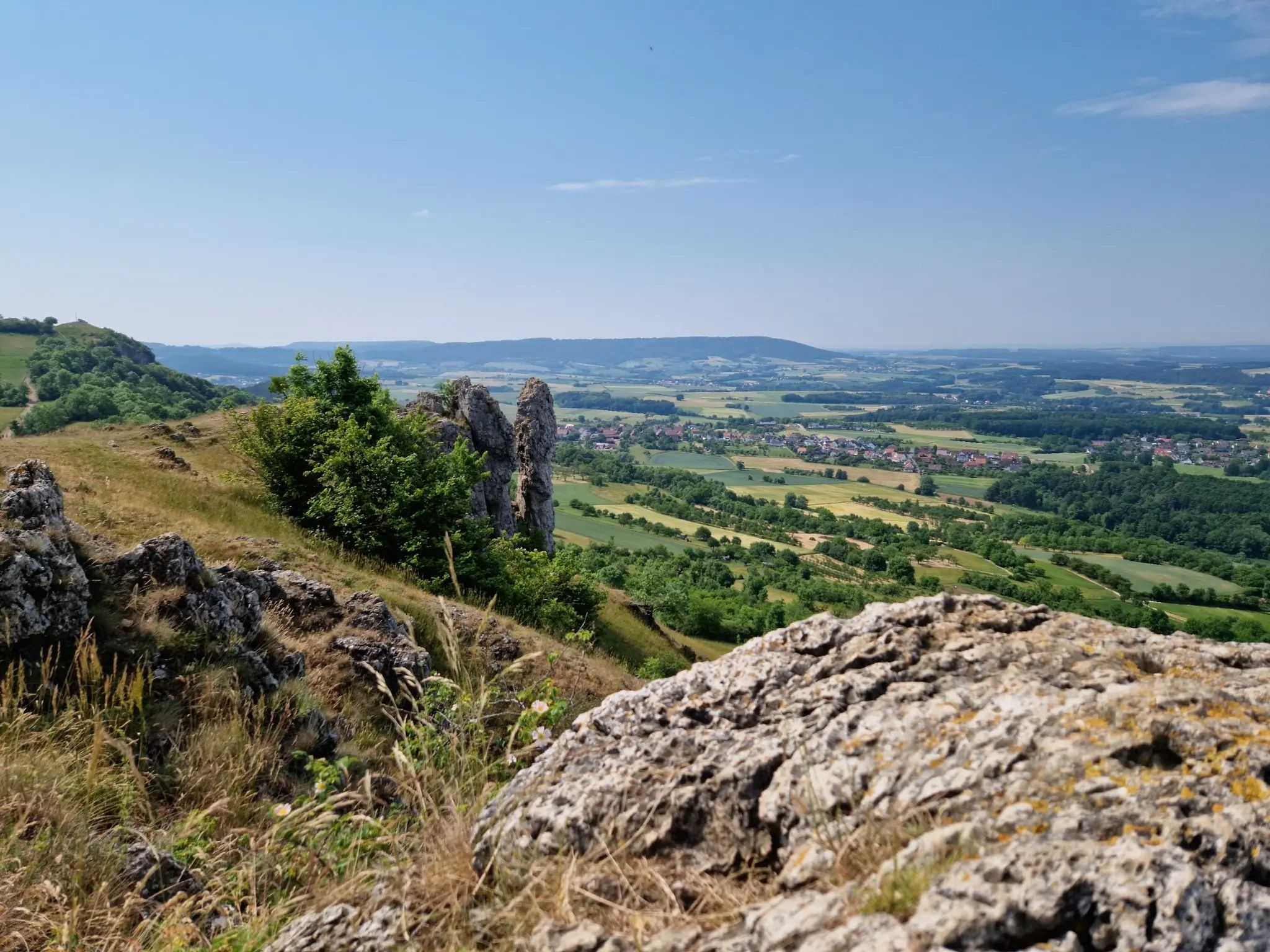
Ten fantastic hikes throughout Germany
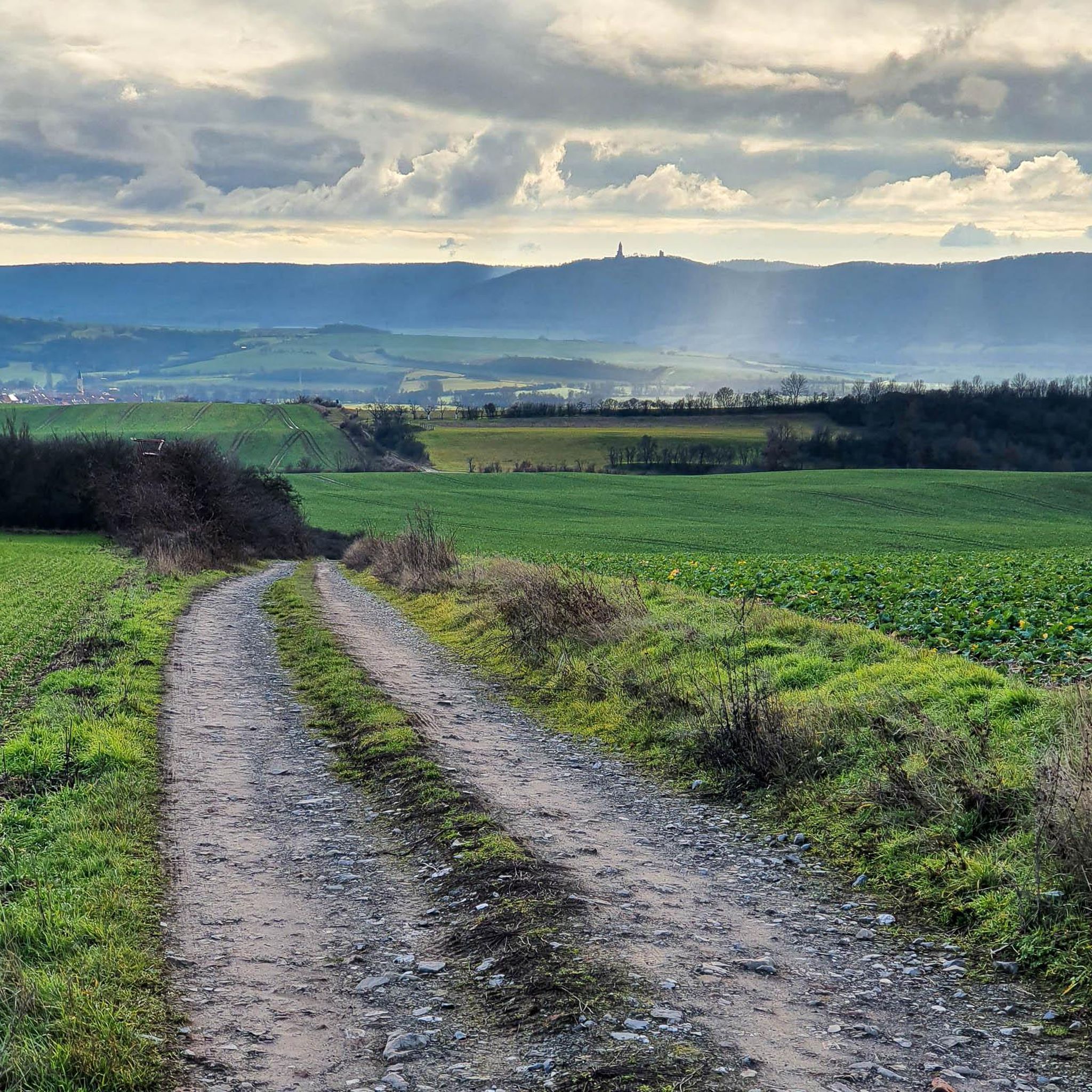
Hiking in Gipskarstlandschaft Questenberg
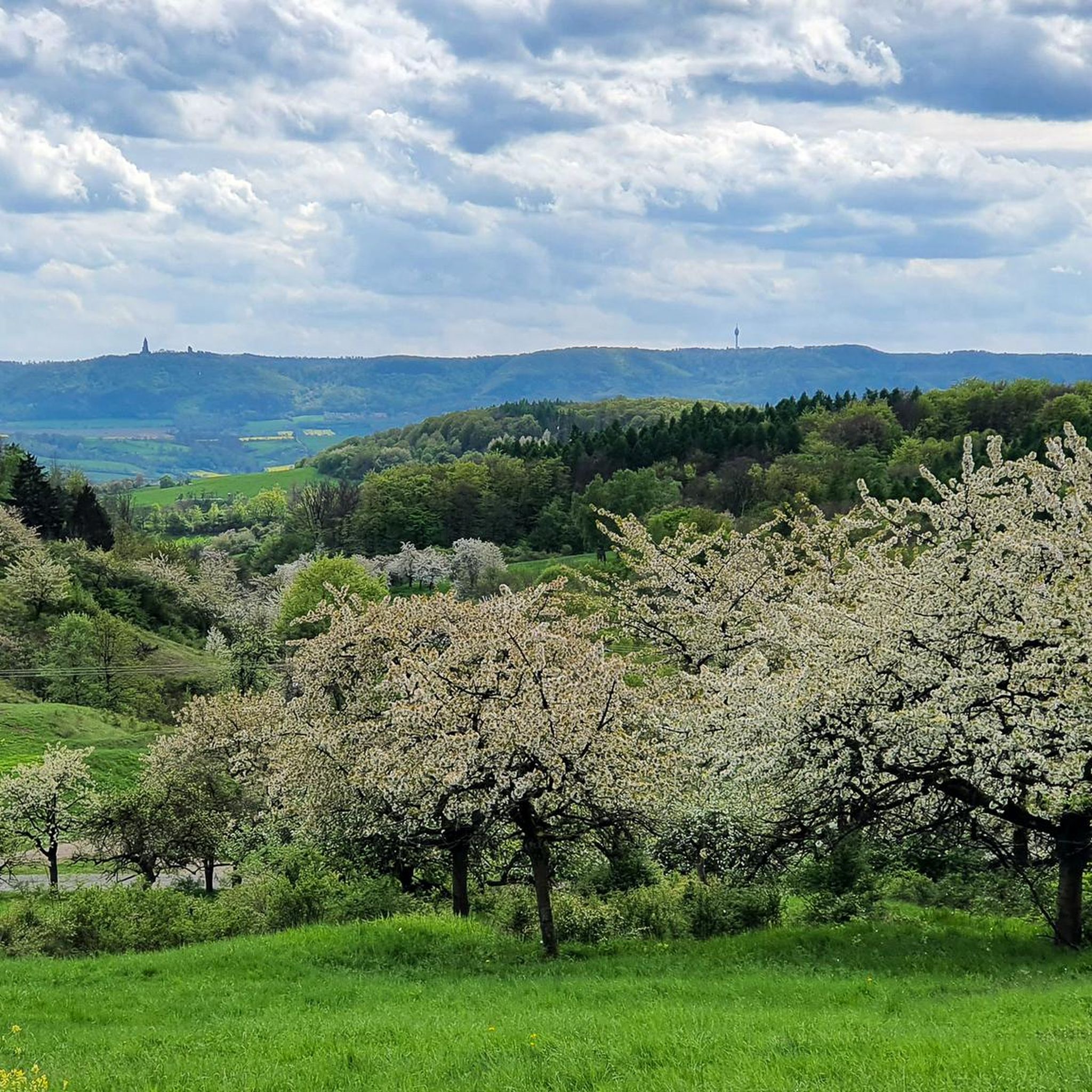
Cycling in Gipskarstlandschaft Questenberg
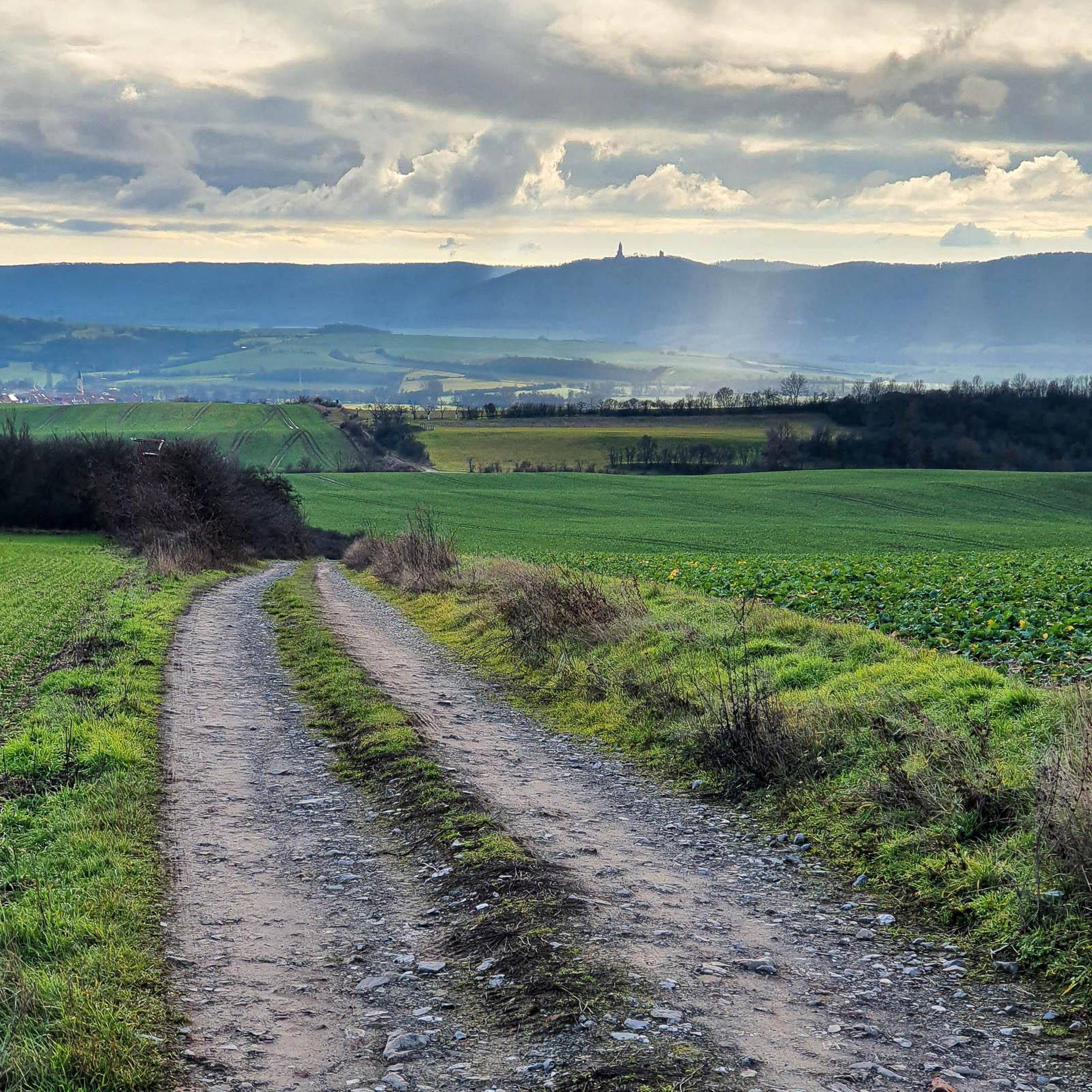
Road Cycling Routes in Gipskarstlandschaft Questenberg
Running Trails in Gipskarstlandschaft Questenberg
MTB Trails in Gipskarstlandschaft Questenberg

Gravel biking in Gipskarstlandschaft Questenberg
Other adventures in Gipskarstlandschaft Questenberg

Tips from the Community

The Karst Trail extends over a length of 265 km.
1
0

For me one of the most beautiful stamp points of the Harz hiking badge.
12
1

On the outskirts of Questenberg, strange rock formations were discovered during ground work in the 1920s near the former entrance to the Questenhöhle. Their appearance reminded people of the glacial potholes of the Alps and they initially assumed that these were comparable phenomena. It was only later that the true character of the holes and fissures in the gypsum rock, which were up to three meters deep, was recognized. The water from the Nasse created these impressive soil structures - with the help of harder material such as pebbles. The whirlpools of the river, which today flows around 10 meters further down the valley, worked the stones into the soft plaster. You can see the result of this work today as you climb the karst hiking trail to the Queste.
10
0

On the climb to the Queste you pass the glacier potholes. There is also an information board about the history of the glacier potholes and a seating area.
9
0

Small but rewarding: an amazing geological phenomenon with an eye-opener.
10
0

The Karstwanderweg is a beautiful hiking trail with very interesting scenery.
1
0

The Bauerngraben is a depression that is about 400 m long in a west-east direction and about 150 m wide in a north-south direction. A lake forms here every now and then. This is why it is also called periodic lake, episodic lake, glass lake or hunger lake. But since the appearance of the lake is completely irregular and not tied to predictable periods, it is better to speak of a temporary or episodic lake. Depending on the level of vegetation, the meanders of the Glasebach can be seen in the depression during a drought. He loses himself underground at the west end. We are dealing with the karst phenomenon of a so-called creek swamp. There are at least 50 such creek swales in the sulphate karst of the southern Harz Mountains. Here, however, there are repeated relocations of the outflow in the subterranean outflow area, so that the backwater of the Glasebach then leads to the formation of a lake. Regardless of the presence of a lake, this is a lovely tranquil spot, also very picturesque due to the 60 meter high rocky embankments of the valley to the south.
17
0
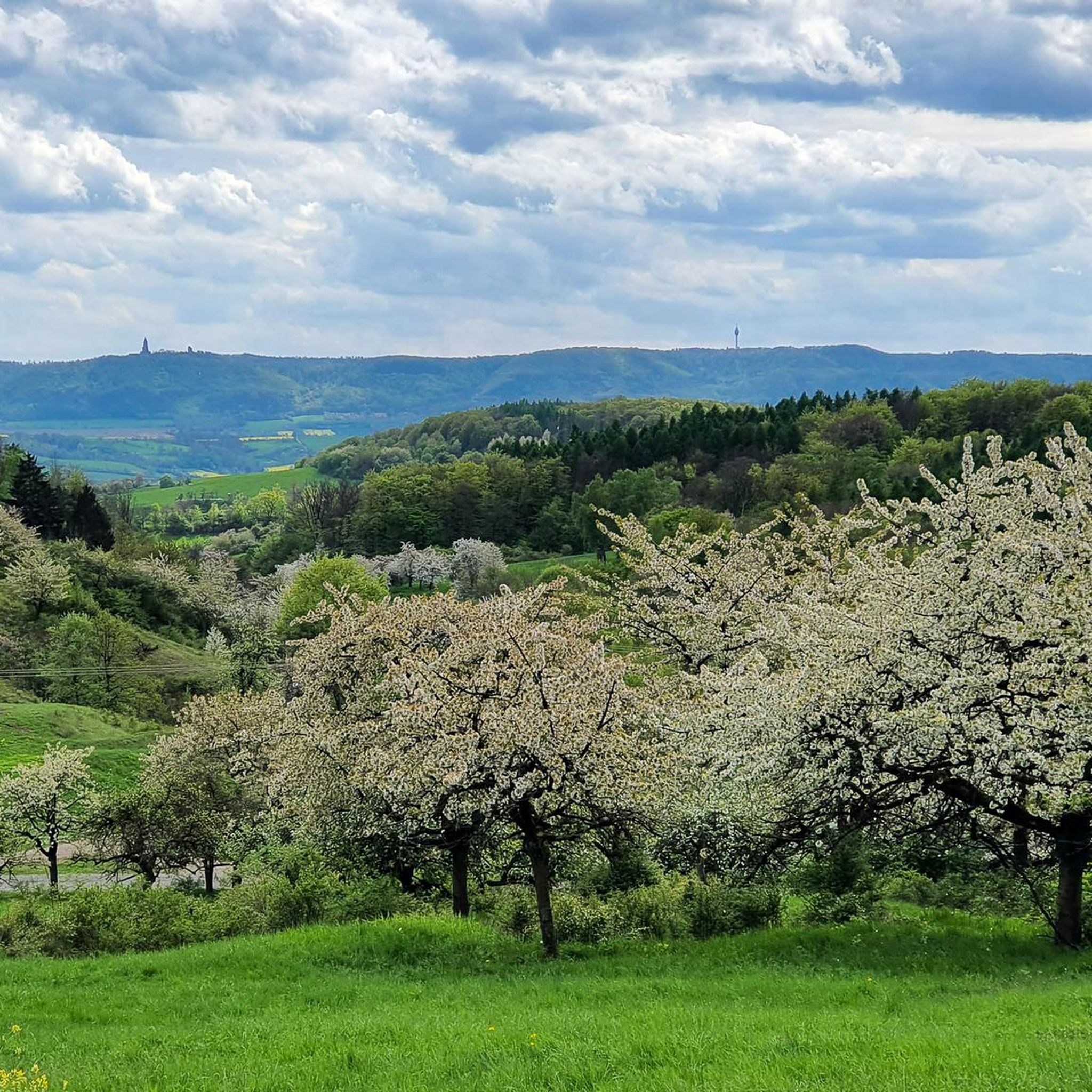
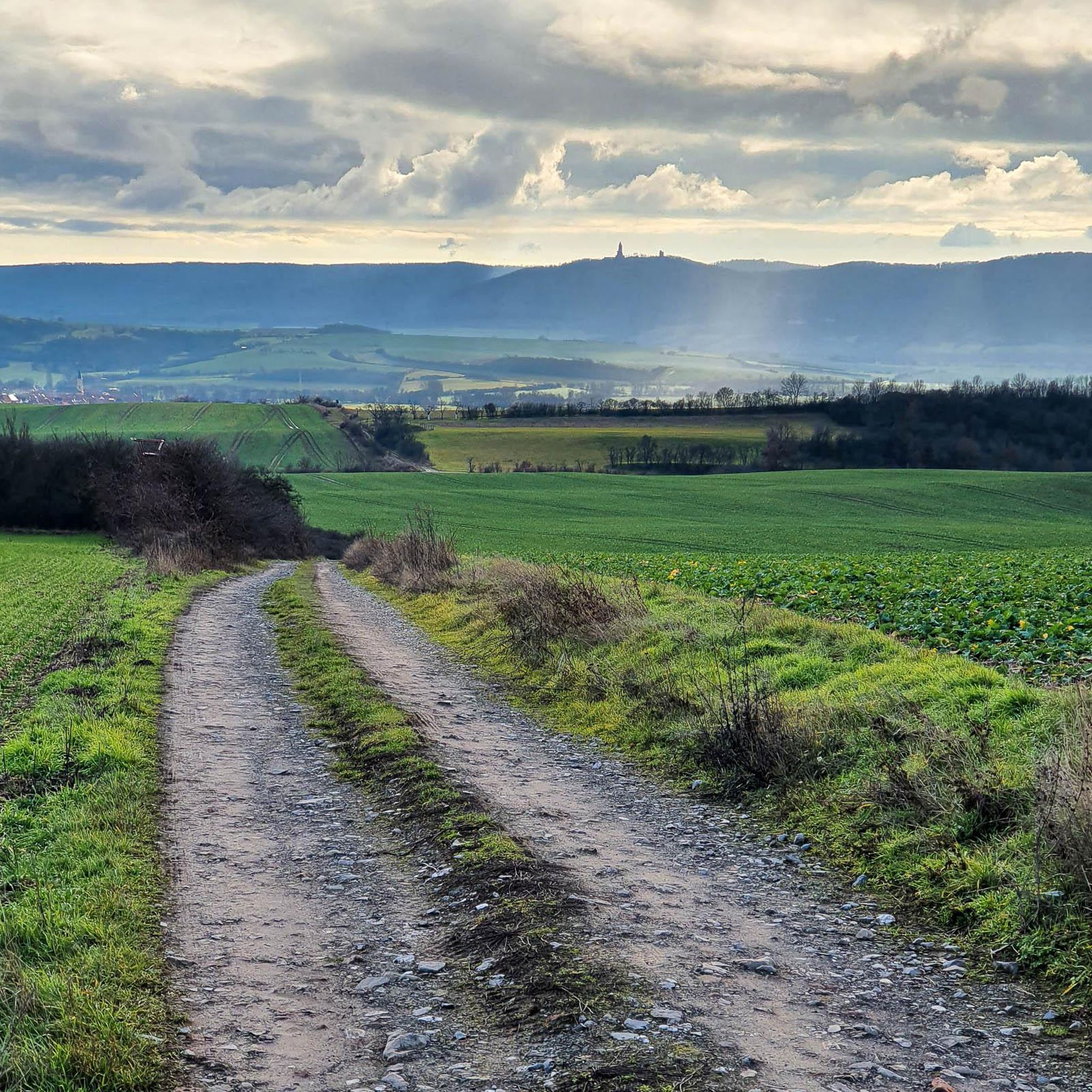
Here you have a very nice view to the south of the Kyffhäuser, which is Germany's smallest low mountain range. Depending on the lighting conditions, it looks a bit contourless. Only when hiking from the north or from the Golden Aue does it become apparent how rugged the northern slopes rise from the plain. Not only the castle and the monument but the entire ridge is a very worthwhile excursion destination and worth more than a hike.
16
1
Frequently Asked Questions
What are some of the most notable natural monuments to visit in Gipskarstlandschaft Questenberg?
The region, shaped by gypsum formations from the ancient Zechstein Sea, offers several remarkable natural monuments. Highlights include The Quest of Questenberg (HWN 212), a mystical viewpoint with panoramic views of the village and its orchards. Another must-see is Scenic View Hainrode (HWN 210), offering expansive vistas over the Southern Harz to Kyffhäuser. Don't miss the unique Farmer's ditch (episodic lake) (HWN 213), a geological phenomenon that irregularly fills with water.
What unique geological features can I expect to see in Gipskarstlandschaft Questenberg?
The Gipskarstlandschaft Questenberg is defined by its gypsum karst landscape, a result of water eroding gypsum rock over millions of years. You'll encounter phenomena like episodic lakes, such as the Bauerngraben, and striking rock formations around Questenberg. The area also features the Questenberg Glacial Potholes, which are actually the former riverbed of the Nasse, showcasing the dynamic geological history of the region.
Are there family-friendly natural monuments or activities in the area?
Yes, several natural monuments are suitable for families. The Farmer's ditch (episodic lake) (HWN 213) is considered family-friendly, offering an interesting natural phenomenon. The Scenic View Hainrode (HWN 210) also welcomes families, providing impressive views in a safe environment. Additionally, parts of the Harz karst hiking trail are well-developed and suitable for family outings.
What kind of hiking trails are available near these natural monuments?
The region offers a variety of hiking experiences. You can explore the Harz karst hiking trail, which passes by several highlights like the Bauerngraben and Questenberg. Many trails lead through shady deciduous forests and rich meadows, providing opportunities to discover the unique flora and fauna of this biodiversity hotspot. For more detailed hiking options, you can explore the Natural Monuments in Gipskarstlandschaft Questenberg guide.
What outdoor activities can I do near the natural monuments in Gipskarstlandschaft Questenberg?
Beyond exploring the natural monuments themselves, the area is excellent for various outdoor activities. You can find numerous road cycling routes, such as the 'Wallhausen Castle – St. Peter and Paul Church loop from Drebsdorf'. Mountain biking enthusiasts can enjoy trails like the 'Nasse Gorge loop from Gipskarstlandschaft Questenberg'. There are also running trails, including the 'Schöne Aussicht loop from Hainrode'. For more routes and details, check out the Road Cycling Routes, MTB Trails, and Running Trails guides for Gipskarstlandschaft Questenberg.
What is the best time of year to visit the natural monuments in Gipskarstlandschaft Questenberg?
The Gipskarstlandschaft Questenberg is beautiful year-round, but each season offers a different experience. Spring brings lush greenery and, in late spring, the beech forests behind The Quest of Questenberg (HWN 212) become a wild garlic paradise. Summer is ideal for hiking and enjoying the panoramic views. Autumn showcases vibrant fall foliage, while winter, though colder, can offer a serene, snow-covered landscape, especially around the episodic lake if it's frozen.
What makes the Bauerngraben (episodic lake) so unique?
The Farmer's ditch (episodic lake) (HWN 213) is a remarkable geological phenomenon known as a karst creek swamp. This depression, about 400 meters long, irregularly fills with water, creating a temporary lake. When dry, the meanders of the Glasebach stream are visible before it disappears underground. Its unpredictable appearance makes each visit unique, whether it's filled with water or reveals its dry riverbed.
Can I bring my dog to the natural monuments in Gipskarstlandschaft Questenberg?
While specific regulations for each natural monument may vary, many outdoor areas in the Gipskarstlandschaft Questenberg are generally dog-friendly, especially on marked trails. It's always recommended to keep dogs on a leash to protect wildlife and ensure a pleasant experience for all visitors. Please check local signage for any specific restrictions at individual sites.
Are there any hidden viewpoints or lesser-known spots worth discovering?
While Scenic View Hainrode (HWN 210) offers a well-known impressive panorama, exploring the trails around the village of Questenberg can lead to other striking rock formations and secluded spots within the shady deciduous forests. The area is rich with geological structures that provide unique perspectives away from the main paths, offering a profound sense of natural tranquility.
What kind of flora and fauna can be observed in the Gipskarstlandschaft Questenberg?
The South Harz Karst Landscape, where Gipskarstlandschaft Questenberg is located, is recognized as a 'biodiversity hotspot' in Germany. You can observe diverse flora, including unique plant species adapted to the gypsum-rich soil, and a variety of fauna. The region's forests and meadows provide habitats for numerous bird species, insects, and small mammals, making it an excellent destination for nature observation.
What do visitors enjoy most about the natural monuments in Gipskarstlandschaft Questenberg?
Visitors frequently praise the breathtaking views, the unique geological phenomena, and the sense of natural tranquility. Many find the Quest of Questenberg (HWN 212) to be a mystical place with wonderful vistas. The Farmer's ditch (episodic lake) (HWN 213) is often described as impressive, especially when seen in both its filled and empty states. The overall appeal lies in connecting with nature and experiencing the distinctive karst landscape.
Most popular routes in Gipskarstlandschaft Questenberg
Most popular attractions in Gipskarstlandschaft Questenberg

Get inspired with the komoot mobile app


Explore more
Extend your search for the best caves by checking out these guides of the top ones in Gipskarstlandschaft Questenberg:
