Top 12 Natural Monuments in Kempenland-West
Best natural monuments in Kempenland-West include a diverse landscape of expansive heathlands, tranquil fens, and meandering low-lying streams. This region, located in the Dutch province of North Brabant, is designated as a Natura 2000 area. It encompasses nearly 2,000 hectares of protected nature, aiming to preserve vulnerable plant and animal species. The varied terrain supports a rich biodiversity and offers opportunities for outdoor activities.
Best natural monuments in Kempenland-West
- The most popular natural monuments is Lake Het Goor, a…
Last updated: October 8, 2026
Lake Het Goor
Highlight • Lake
- Uitzichttoren Flaestoren - which is only 1 kilometer away from here …
Translated by Google •
Tip by

LIFE Nardus and Limosa
Highlight • Natural Monument
Translated by Google •
Tip by

Sign up now to discover places like this
Get recommendations on the best single tracks, peaks, & plenty of other exciting outdoor places.
Valley of the Living Beerze
Highlight • River
Translated by Google •
Tip by

Groundwater Meter Landschotse Heide
Highlight • Monument
Translated by Google •
Tip by

World War II Bombing Practice Site, Landschotse Heide
Highlight • Historical Site
Translated by Google •
Tip by
Sign up for free to discover even more natural monuments in Kempenland-West.
Already have an account?
Start today with a free account
Your next adventure awaits.
Other adventures in Kempenland-West

Tips from the Community

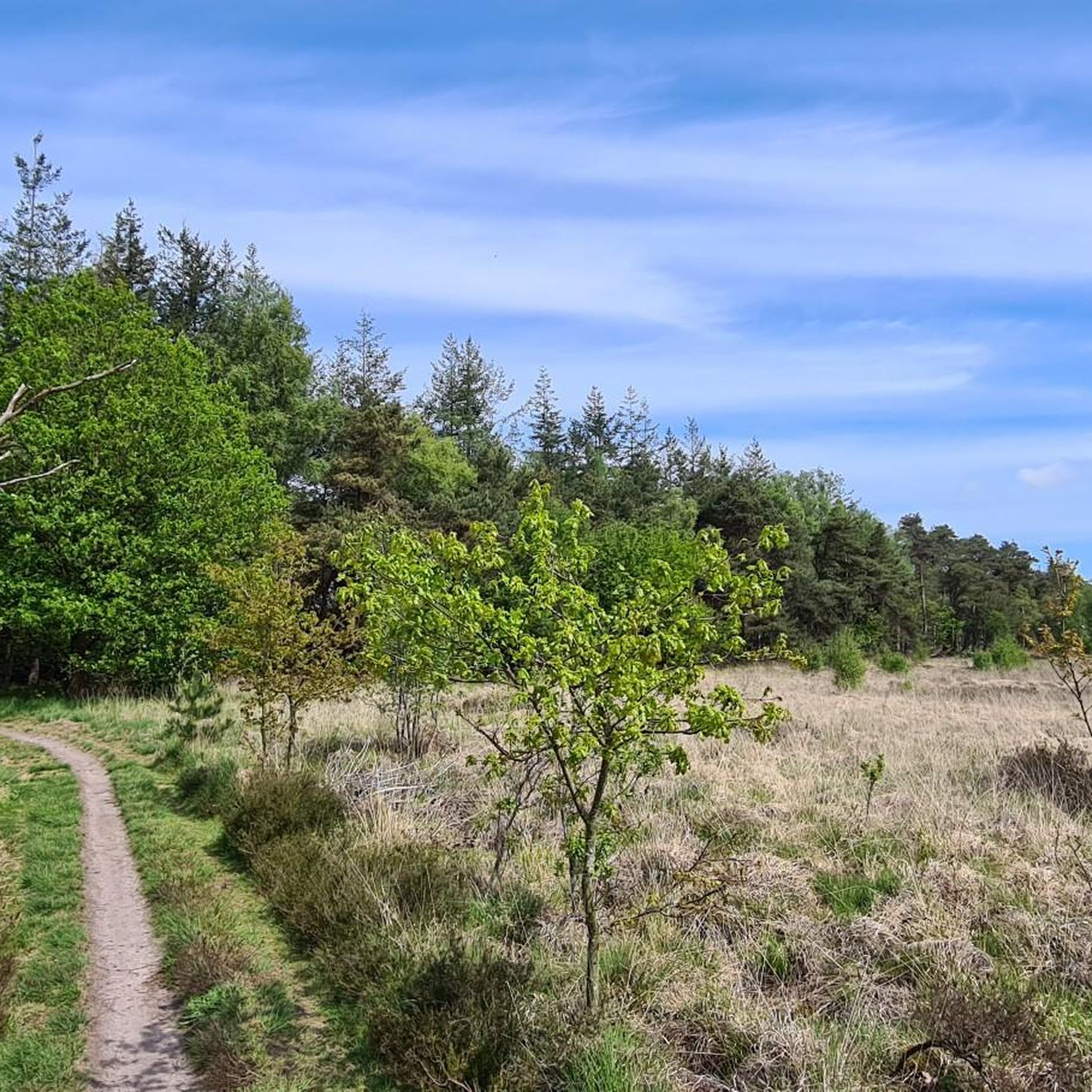
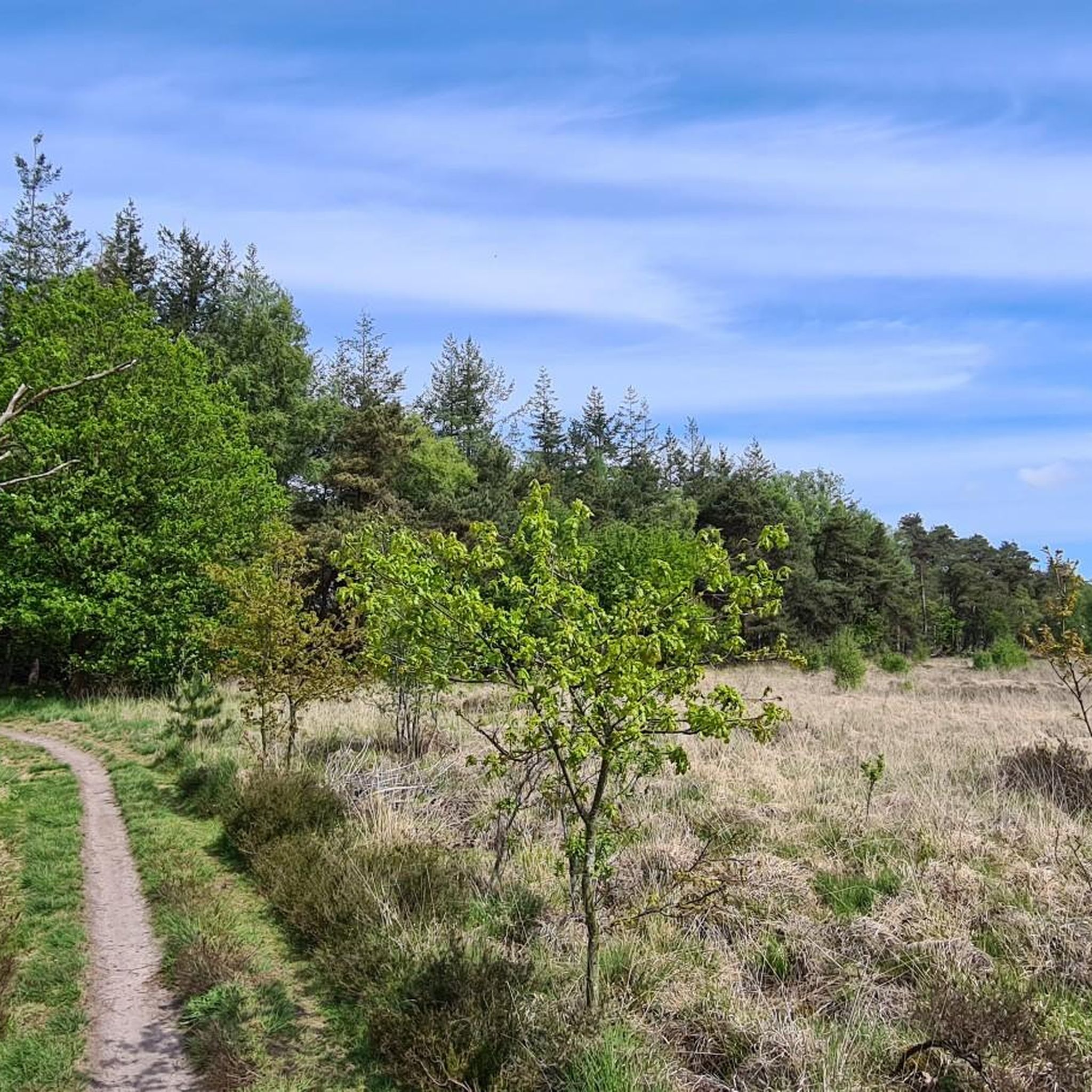
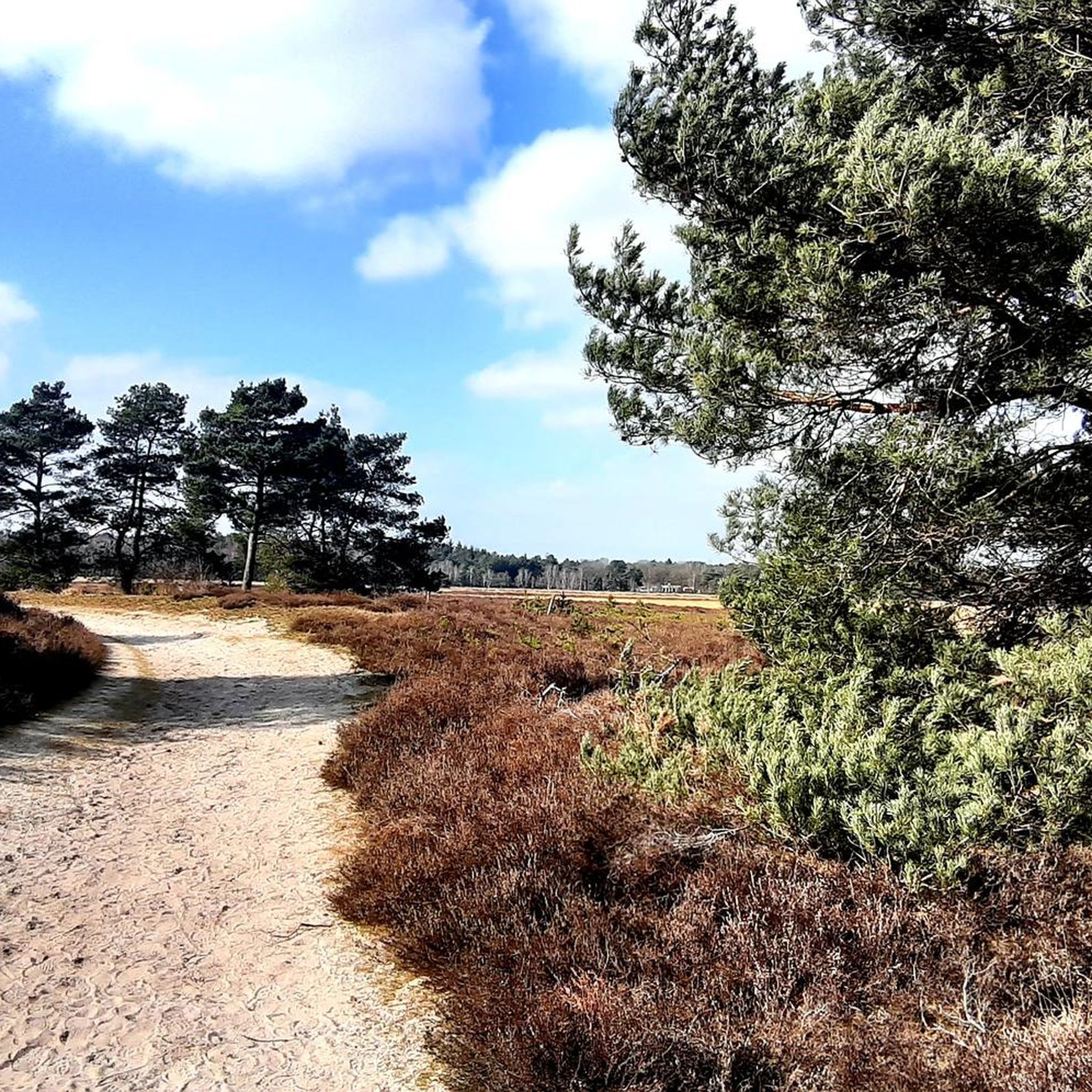
This walk through the Kempenland region demonstrates how nature development and restoration have received a new impetus in recent years thanks to the LIFE Nardus & Limosa project. This European project focuses on the conservation and restoration of valuable heathlands and wet grasslands, with a special focus on two species: the Nardus grasslands (with their unique, species-rich vegetation) and the Black-tailed Godwit (Limosa limosa), the iconic meadow bird that is emblematic of this landscape. During the walk, you'll experience how the area is slowly returning to a more open and varied landscape. Pine plantings are being removed to create space for heathland and sand drifts. Old fens and wet grasslands are being restored, giving nature greater resilience and allowing unique plants and animals to return. The wide paths lead you through forests undergoing transformation, past open heathlands, and areas where water and sand are reshaping the landscape. With a bit of luck, you'll see meadow birds, dragonflies, or other species benefiting from the restoration. This route demonstrates how nature management and cultural history intersect: the Kempenland region was once a land of poor sandy soils and vast heathlands. Thanks to projects like LIFE Nardus & Limosa, this unique landscape is regaining its former glory and being preserved for the future.
0
0

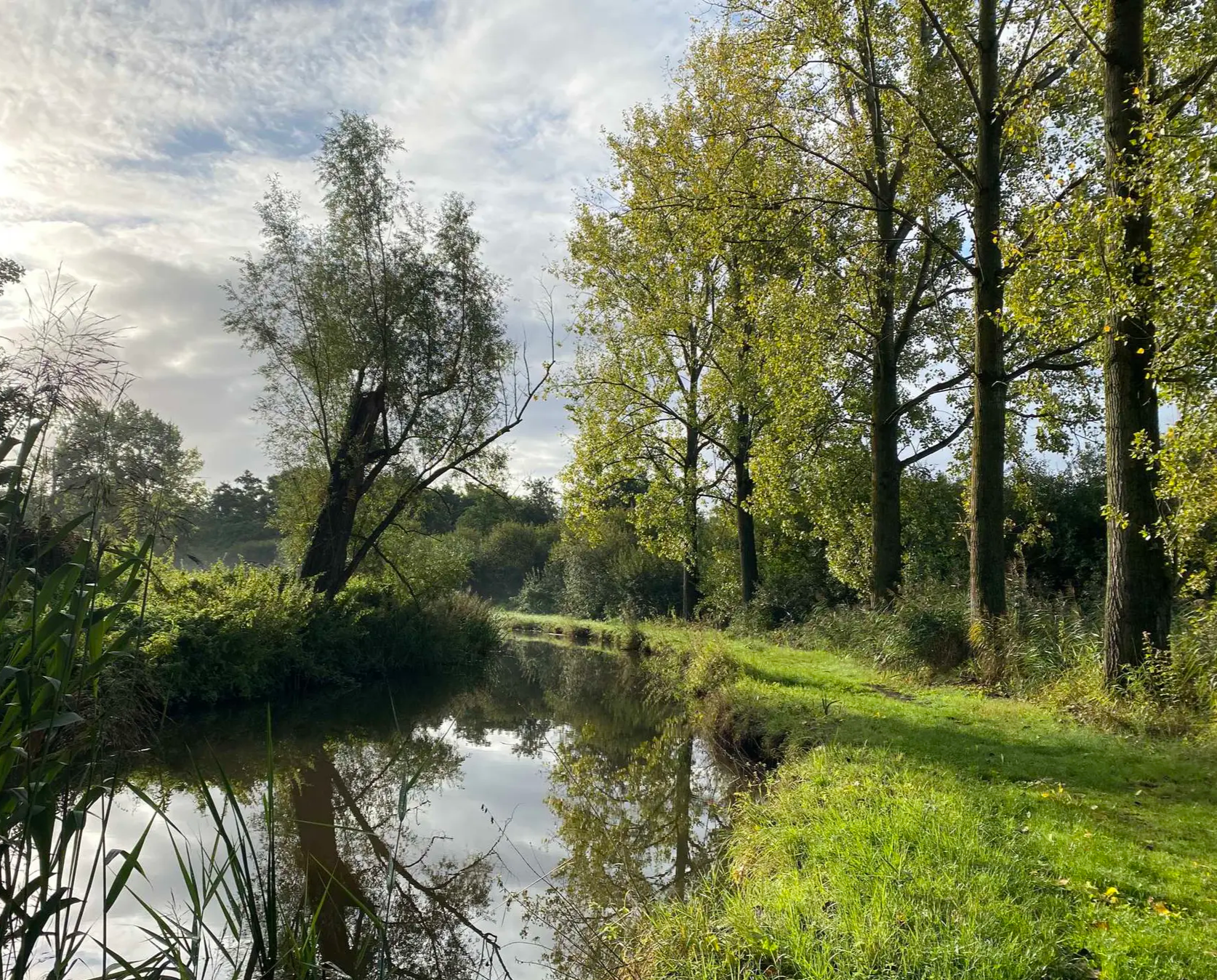
The Valley of the Kleine Beerze is a management unit of the Brabants Landschap, the municipality of Eersel and the municipality of Oirschot. It is located within the municipality of Oirschot, the municipality of Bladel and Eersel and includes a number of areas along the valley of the Kleine Beerze via Duizel, Hoogeloon, Vessem and Middelbeers, of which Molenbroek and Spekdonken are the most important. Molenbroek is a former green municipality, a common land ownership that was never parcelled out. It was used as a cattle pasture and for water storage. The latter was important for the water mill downstream, which is also the reason for the name of this marshland. The Spekdonken is a complex of elongated medieval hayfield plots. These are now being made lean again by mowing and removing the cuttings. The Kleine Beerze was returned to its natural state in 2011. This means that this stream will meander again. Source and more information: Wikipedia
1
0
In the area between Kleine and Groote Beerze, living, working, agriculture, nature and recreation come together. This area, in which the Landschotse Heide is located, is drying out. At the same time, we are also dealing with peak showers. Weather extremes are increasing. Nitrogen is also an important theme. Many have already taken steps to make the area more future-oriented. This has so far proven insufficient. Restoration of the soil and water system is necessary for a healthy environment to live in. But also for healthy nature and a future for sustainable agriculture. This requires cooperation. With everyone who has an influence on the environment and for whom the quality of the soil and water is important. This takes time. Source and more information: storymaps.arcgis.com
2
0

The cross-border project Nardus & Limosa received funding from LIFE for 6 years in 2019, for nature restoration of our nature reserves Regte Heide, the Riels Laag and the Roovertsche Heide. This subsidy is also being used to restore nature in areas in Flanders and in the vicinity of Turnhout. The province of North Brabant also contributes financially to the restoration activities of the aforementioned nature reserves of Brabant Landscape.
3
0
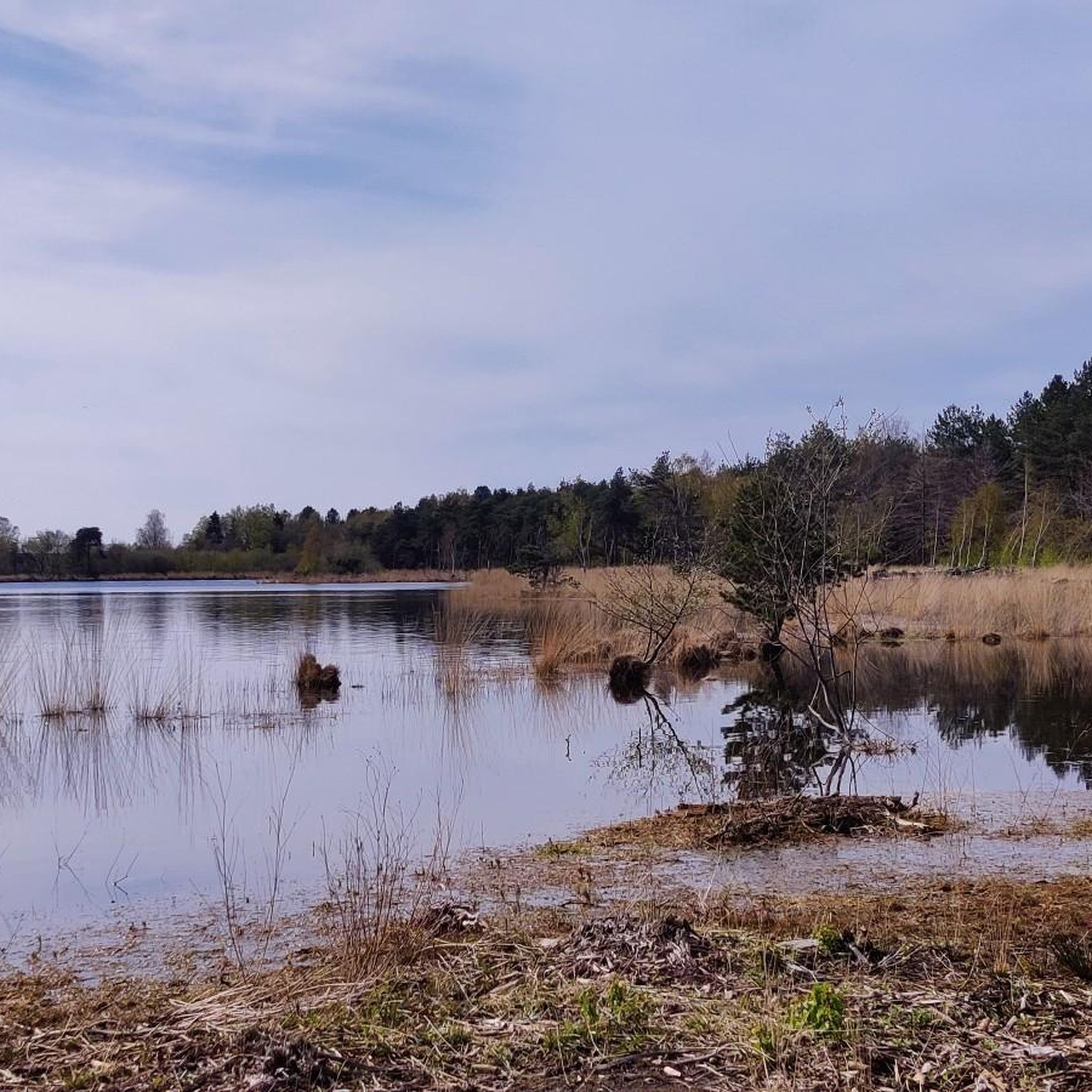
Beautiful piece of nature where you can relax.
4
0
If you look around here you can see what this used to look like.
3
0

Explanation and view of water meter reading
2
0

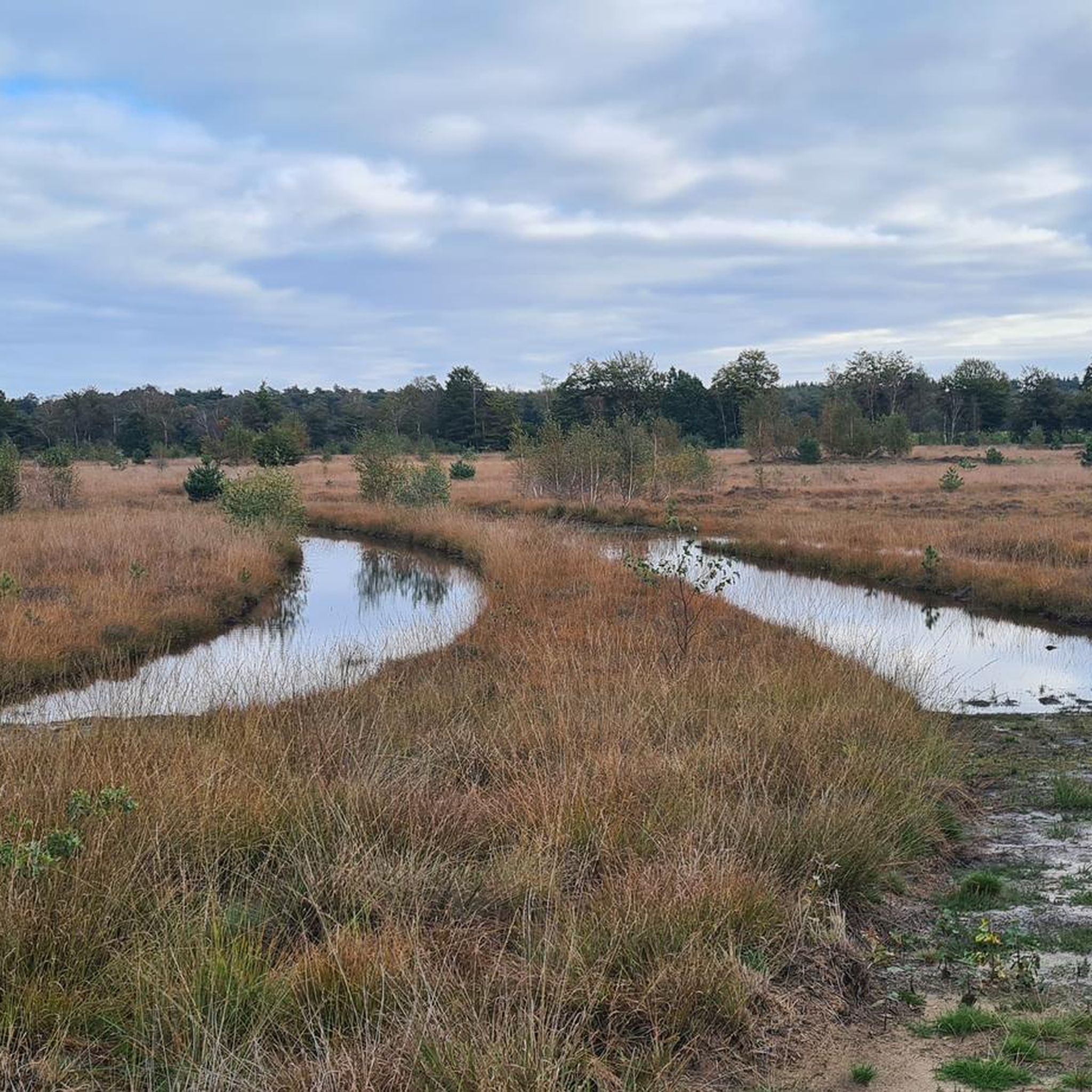
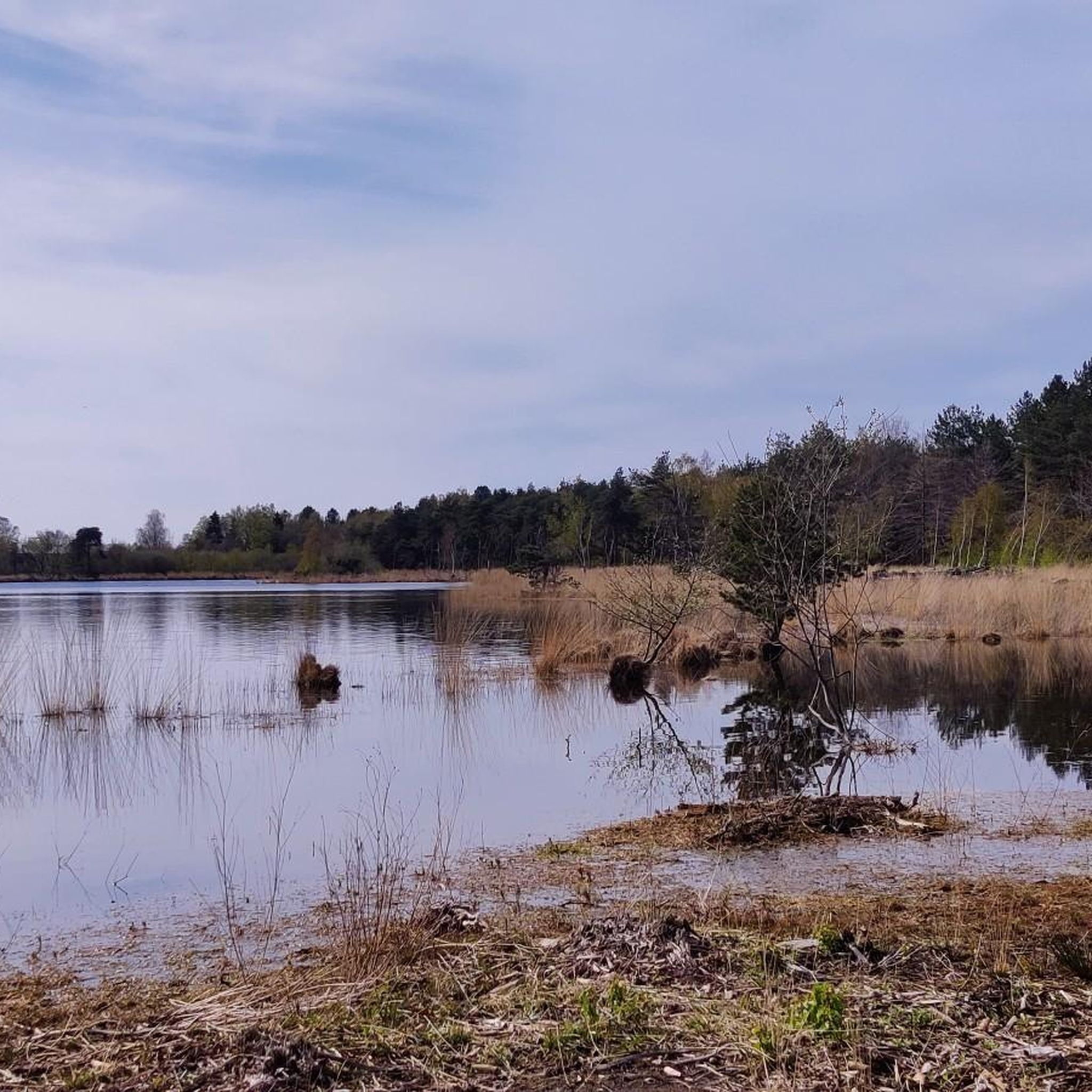
At this time of year the contrast with yellow grass and blue water is so beautiful to see!
7
0
Frequently Asked Questions
What kind of natural landscapes can I expect to see in Kempenland-West?
Kempenland-West offers a diverse landscape characterized by expansive heathlands, tranquil fens, and meandering low-lying streams like the Reusel, Groote Beerze, and Kleine Beerze. You'll find a mix of dry and moist heath, forests, and various water bodies, all contributing to a rich biodiversity.
Are there any significant fens or lakes to visit in the region?
Yes, Kempenland-West is home to several notable fens and lakes. You can visit Lake Het Goor, known for its quiet landscape and diverse nature, often admired from the nearby Flaes Observation Tower. Other fens include Wit Holland, Keijenhurk, Kromven, Berkven, De Flaes, and Het Goor, many of which are found within the Landschotse Heide and Mispeleindsche/Neterselsche Heide areas.
What are some notable historical sites related to the natural monuments?
One unique historical site is the World War II Bombing Practice Site, Landschotse Heide. Here, earthen ramparts were used to simulate ships for bombing practice during the war. This area is integrated into the natural landscape of the Landschotse Heide nature reserve.
Can I find good hiking trails near the natural monuments?
Absolutely. The natural monuments in Kempenland-West are excellent for hiking. You can find various trails, including easy options like the "Lake Het Goor – Kempenland-West Lookout Tower loop" or the "Wellenseind Estate – Small winding path." For more hiking ideas, explore the easy hikes in Kempenland-West guide.
Are there cycling opportunities around the natural monuments?
Yes, the region offers numerous cycling routes that allow you to explore the natural monuments. Routes like the "View of the Flaes – View of Het Goorven loop" provide scenic rides through the landscape. For more cycling options, check out the Cycling in Kempenland-West guide.
What kind of wildlife can be observed in Kempenland-West?
As a Natura 2000 area, Kempenland-West is dedicated to preserving vulnerable plant and animal species. You might spot rare species such as the floating water-plantain and the European weatherfish. The diverse habitats, including heathlands, fens, and stream valleys, support a rich variety of birds, insects, and other small wildlife.
Are there family-friendly natural monuments or activities?
Many natural monuments in Kempenland-West are suitable for families. Places like Lake Het Goor, Valley of the Living Beerze, and the World War II Bombing Practice Site are categorized as family-friendly. The easy hiking trails and observation towers also provide enjoyable experiences for all ages.
Where can I get panoramic views of the Kempenland-West landscape?
For panoramic views, visit observation towers such as the Flaes Observation Tower, which offers expansive views over the heathlands and fens, including Lake Het Goor. The viewing platform at Wit Hollandven also provides excellent vistas over the Landschotse Heide.
What conservation efforts are in place for the natural monuments?
Significant conservation efforts are underway in Kempenland-West. The region is a Natura 2000 area, focusing on preserving vulnerable species. Projects like LIFE Nardus & Limosa aim to restore valuable heathlands and wet grasslands by removing pine plantings, restoring fens, and allowing streams to meander naturally, enhancing biodiversity and ecological resilience.
Is Kempenland-West suitable for dog owners?
While specific dog-friendly trail information isn't detailed, many natural areas in the Netherlands allow dogs, often on a leash. It's advisable to check local signage at specific reserves like Landschotse Heide or Roovertsche Heide for regulations regarding dogs to ensure a pleasant visit for everyone.
What is the best time of year to visit the natural monuments in Kempenland-West?
The natural monuments in Kempenland-West can be enjoyed year-round. Spring brings new growth and bird activity, while summer is ideal for enjoying the fens and longer days. Autumn offers beautiful colors across the heathlands. In winter, if conditions allow, some fens like Wit Holland are even used for ice skating, offering a unique experience.
How can I access the natural monuments, regarding parking or public transport?
Access to the natural monuments typically involves designated parking areas near the entrances of reserves like Landschotse Heide or Mispeleindsche Heide. While public transport options might be limited directly to all remote natural spots, local buses often serve nearby villages, from where you can walk or cycle to the reserves. It's recommended to plan your route in advance.
Are there any unique natural features like streams or river valleys?
Yes, the region is characterized by meandering low-lying streams such as the Reusel, Groote Beerze, and Kleine Beerze. The Valley of the Living Beerze is a prime example, where the Kleine Beerze stream has been restored to its natural, meandering state, creating a dynamic and biodiverse river valley.
What do visitors particularly enjoy about the natural monuments here?
Visitors often highlight the tranquility and diverse nature of the region. Many appreciate the peaceful moments spent on the lakeshore of Lake Het Goor, the scenic views from observation towers, and the opportunity to experience nature development and restoration projects like LIFE Nardus & Limosa. The contrast of yellow grass and blue water in certain seasons is also frequently mentioned as beautiful.
Most popular routes in Kempenland-West
Most popular attractions in Kempenland-West

Get inspired with the komoot mobile app


Explore more
Extend your search for the best caves by checking out these guides of the top ones in Kempenland-West:
