Top 4 Natural Monuments in Coesfelder Davert
Best natural monuments in Coesfelder Davert are found within a region characterized by its densely wooded cultural landscape and significant natural features. This area, encompassing the Davert nature reserve and the Coesfelder Berg, offers ecological significance and historical interest. The landscape includes ancient oak trees, diverse wildlife, and elevated viewpoints. It is a destination for exploring natural features and biodiversity.
Best natural monuments in Coesfelder Davert
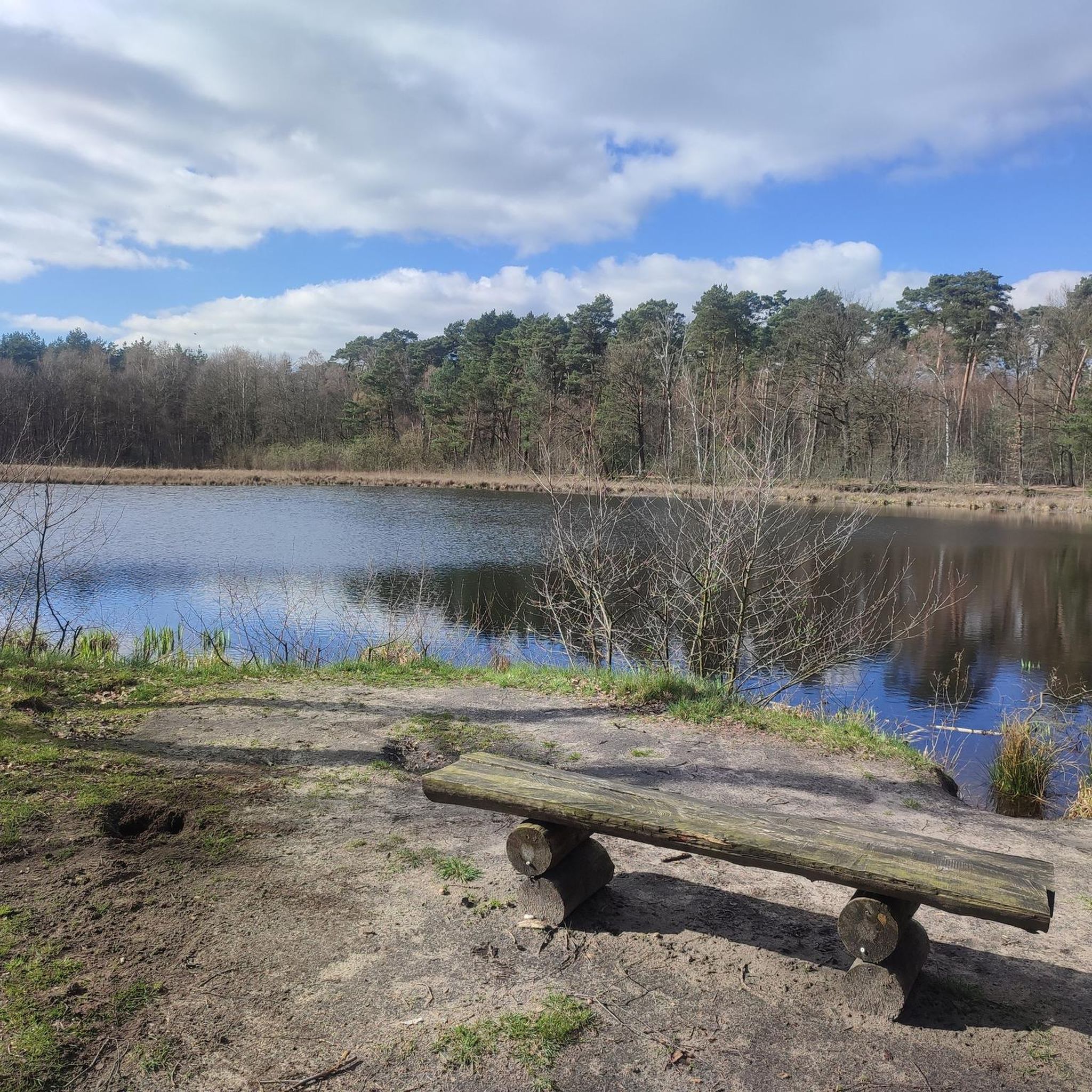
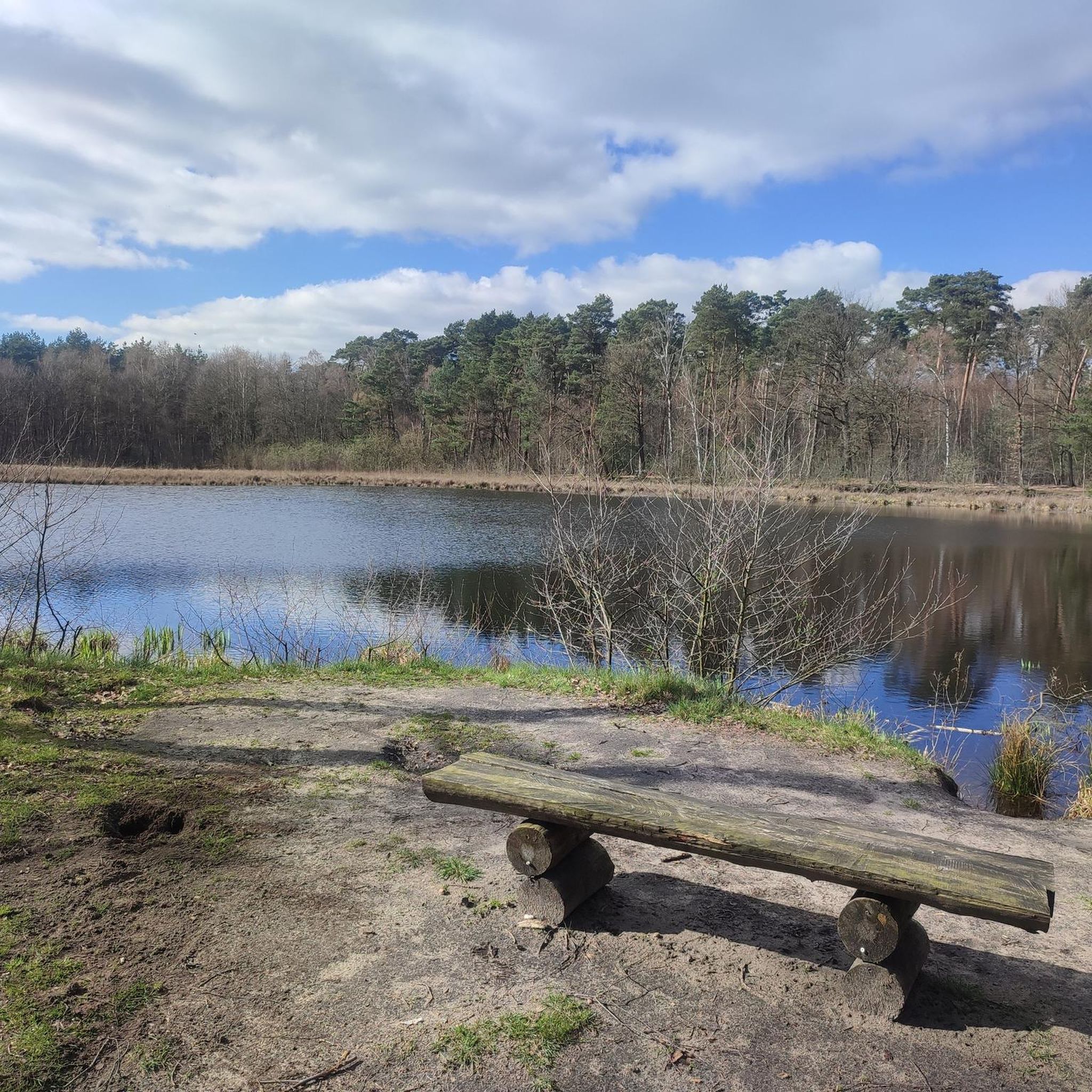
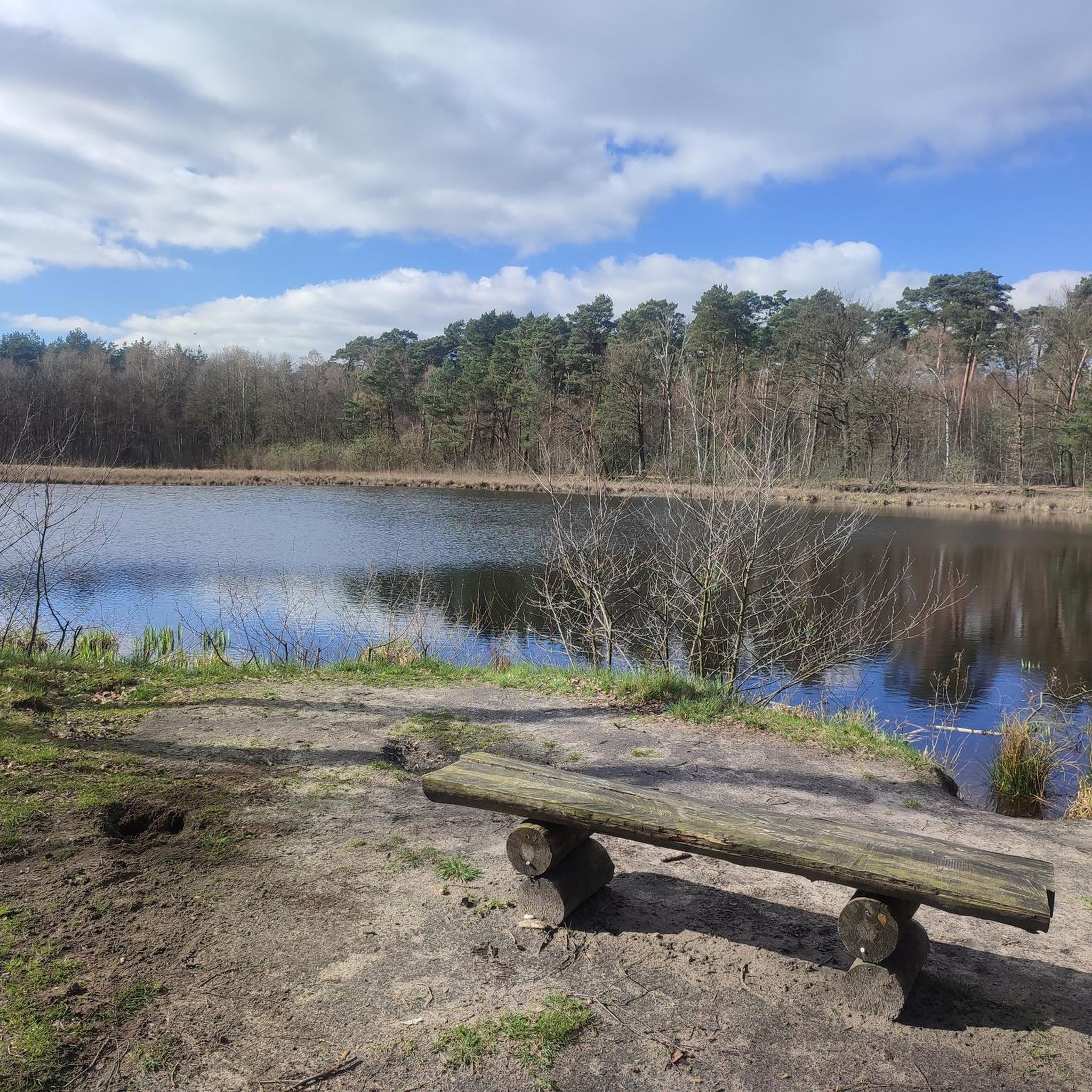
- The most popular natural monuments is Davert Nature Reserve, a forest that features…
Last updated: August 1, 2026
Davert Nature Reserve
Highlight • Forest
Translated by Google •
Tip by

Teufelseiche (Davert)
Highlight • Natural Monument
Translated by Google •
Tip by

Sign up now to discover places like this
Get recommendations on the best single tracks, peaks, & plenty of other exciting outdoor places.
Sign up for free
Wildflower meadow in the Davert
Highlight • Natural
Translated by Google •
Tip by

View of the Münsterland parkland in Davert
Highlight • Viewpoint
Translated by Google •
Tip by
Start today with a free account
Your next adventure awaits.
Login or Signup
Tips from the Community

So beautiful...! And in the morning, the deer dart from left to right.
0
0


Beautiful tree-lined avenue, this is a private road.
1
0

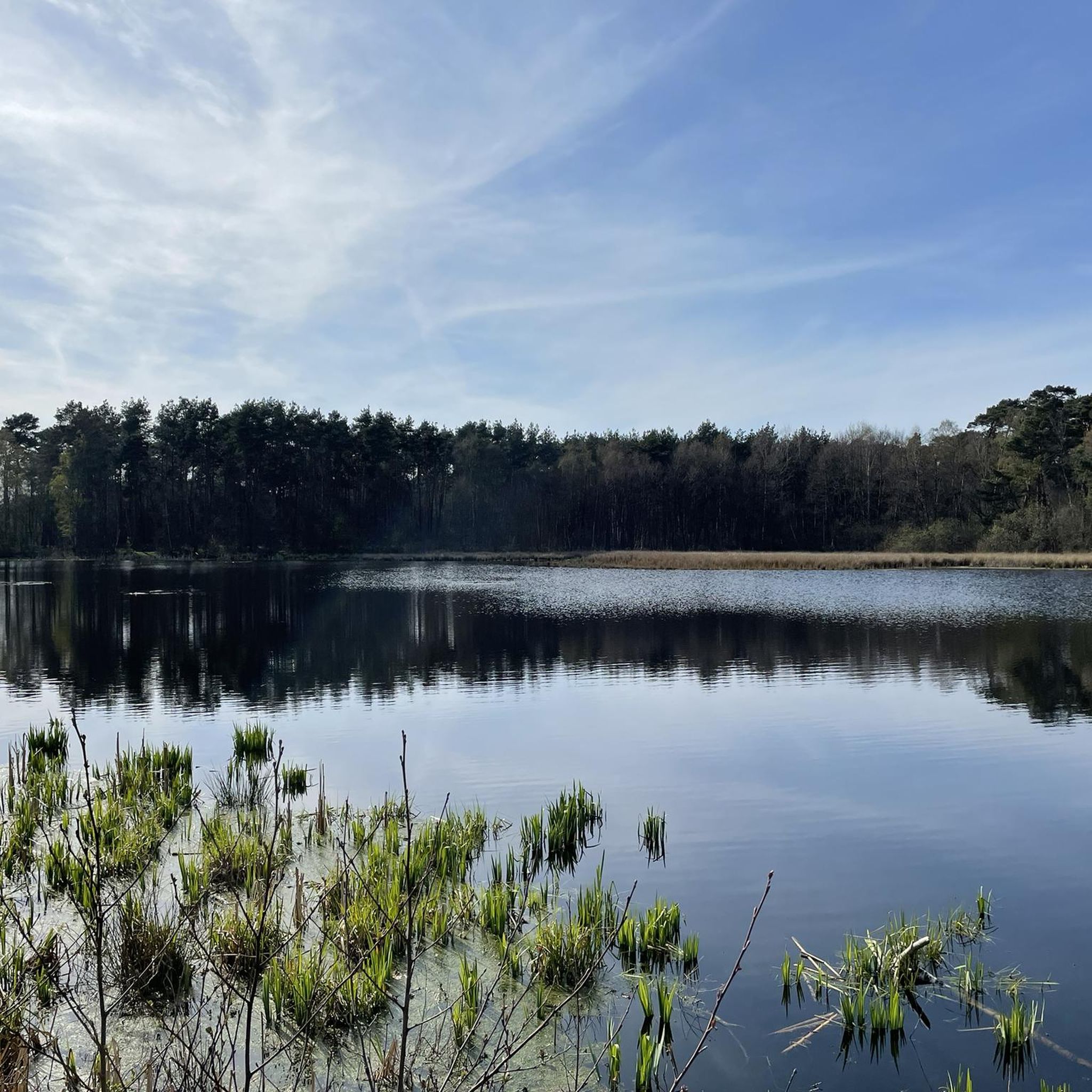
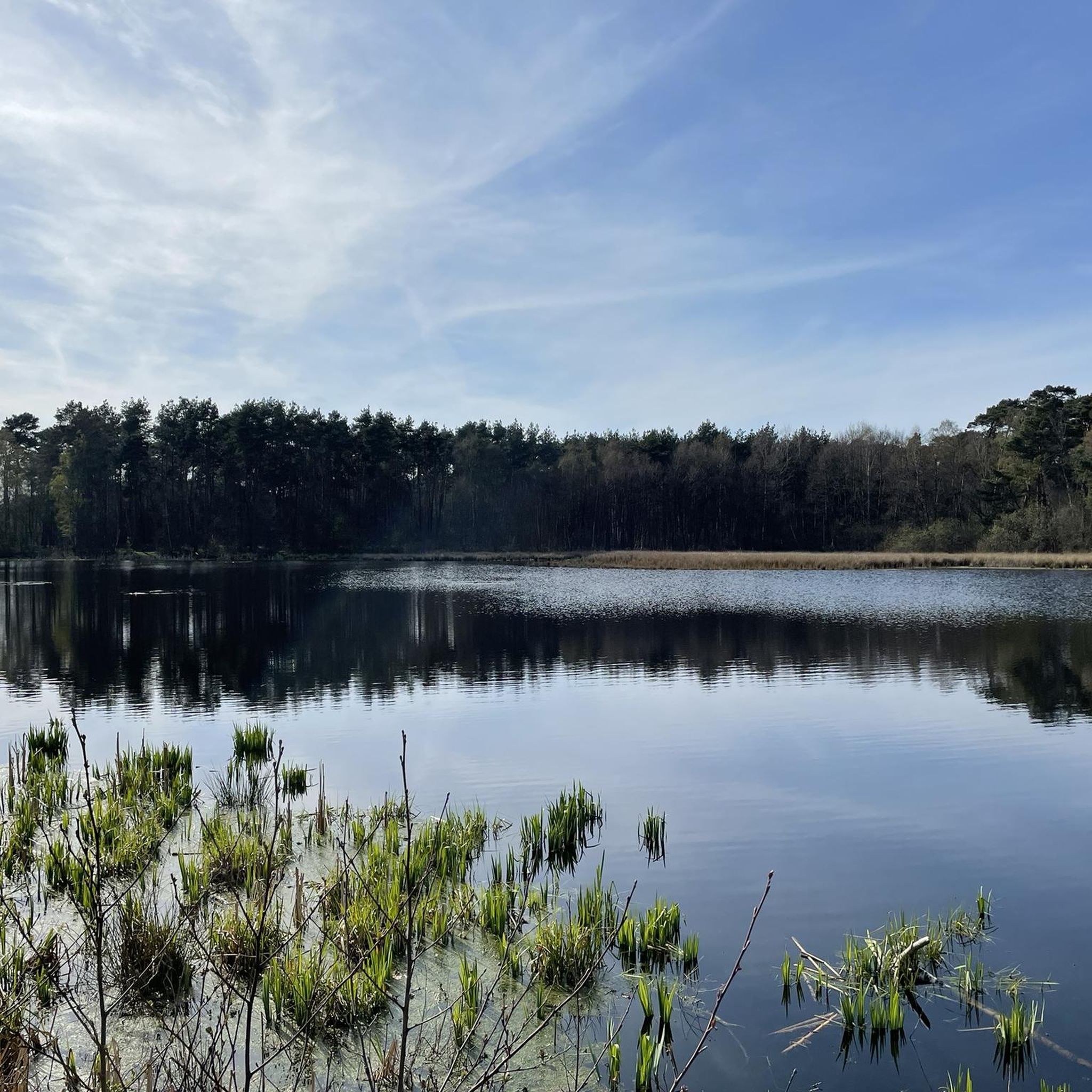
The Davert Nature Reserve, located south of Münster, is one of the largest contiguous forest areas in the Westphalian Bay and is known for its rich biodiversity. The Davert is characterized by ancient oak and beech forests, interspersed with alder swamp forests and numerous wet meadows. This area is known not only for its flora but also as a habitat for many rare animal species, including various woodpecker species and the middle spotted woodpecker. As part of the European Natura 2000 network of protected areas, the Davert offers important protection for typical landscape animal and plant species and their communities. The diversity of forest habitats and the interweaving of the forest with the open parkland of the Münsterland region make this area so attractive. In addition to the large stands of European white elm, which give the area an almost "tropical glow," the region is also known as the "butterfly forest," which indicates the presence of numerous butterfly species. The Davert River offers visitors many opportunities to explore nature, whether by hiking or biking along the designated trails. Facilities such as the NABU Nature Conservation Station Visitor Center also offer information and guided tours to promote awareness and understanding of the importance of nature conservation.
0
0

She stands shrouded in legend in the autumn-colored 🌳 forest
2
0

A pleasant forest trail through "Die Davert," a forest gem in Münsterland, is a pleasant ride in any season. https://nrw.nabu.de/natur-und-landschaft/natur-erleben/ausflugsziele/muensterland/03092.html
1
0

Great trail, also for gravel. During the week there is little going on here. Also great in winter!
0
0

Of spooks and other creepy creatures According to popular belief, the Davert with Davensberg Castle has always been an eerie forest area, a place of fear and dreadful terror. Like threatening spears, the long rushes stretch out of the foggy swamps. The tall piles of peat grin in the distance like ghosts, and the plaintive cry of the kibietz and the cawing of the black ravens mingle with the anxious trembling of the green birch leaves. The area around Davensberg was inhospitable and inaccessible. On the farms on the edge of the Davert, scary stories were told in the evenings around the crackling hearth, about spooks and the devil's oak, about the torture chamber in the castle tower and about magicians.
3
0
Frequently Asked Questions
What natural features can I expect to see in Coesfelder Davert?
The Coesfelder Davert region is characterized by its diverse natural landscape. You'll find extensive woodlands with ancient oak trees, hornbeams, and elms, particularly within the Davert Nature Reserve. The area also features open wildflower meadows, such as the Wildflower meadow in the Davert, and elevated points like the Coesfelder Berg, offering wide ridges and scenic vistas.
Are there any historical or legendary natural monuments in the region?
Yes, the region holds historical and legendary significance. The Teufelseiche (Davert), or 'Devil's Oak,' is a magical, crippled tree around which numerous legends from the gloomy Davert are entwined. Additionally, the Coesfelder Berg has historical ties to St. Ludgerus, the first Bishop of Münster, who is said to have blessed the Münsterland from its highest point, Ludgerirast.
What are the best viewpoints in Coesfelder Davert?
For panoramic views, the Coesfelder Berg offers expansive vistas across large parts of the western Münsterland from its treeless summit, Ludgerirast. Another notable viewpoint is the Dreilindenhöhe, characterized by three lime trees. Within the Davert Nature Reserve, you can find the View of the Münsterland parkland in Davert, which includes a viewing platform and information boards.
What do visitors enjoy most about the natural monuments here?
Visitors particularly appreciate the extensive woodlands and the opportunities for outdoor activities. The Davert Nature Reserve is praised for its fantastic forest paths for hiking and cycling, offering a pleasant ride in any season. The Wildflower meadow in the Davert is considered a highlight in every season, and the View of the Münsterland parkland in Davert is often described as 'just beautiful' and 'fantastic'.
Are the natural monuments in Coesfelder Davert family-friendly?
Yes, several natural monuments in Coesfelder Davert are considered family-friendly. The Davert Nature Reserve, the Wildflower meadow in the Davert, and the View of the Münsterland parkland in Davert are all categorized as suitable for families, offering accessible natural experiences.
What is the best time of year to visit the natural monuments in Coesfelder Davert?
The Coesfelder Davert region offers unique experiences throughout the year. The extensive woodlands, especially in the Davert Nature Reserve, provide cooling shade in summer, making it ideal for cycling and hiking. Spring and summer are excellent for observing diverse flora and fauna, including rare butterfly species. The Wildflower meadow in the Davert is also beautiful in spring and summer, but offers a great view even in winter.
What outdoor activities can I do near the natural monuments in Coesfelder Davert?
The Coesfelder Davert area is excellent for various outdoor activities. You can enjoy extensive hiking and cycling through the Davert Nature Reserve. For more specific routes, explore options like road cycling and hiking. You can find detailed guides for these activities, such as Road Cycling Routes in Coesfelder Davert and Hiking in Coesfelder Davert.
Are there hiking trails around the natural monuments?
Yes, there are numerous hiking trails, especially within and around the Davert Nature Reserve. You'll find pleasant forest paths suitable for various skill levels. For easy hikes, consider routes like the 'Forest path in the Davert – Birch woods in the Davert loop' or the 'Davensberg Castle Tower – Forest path in the Davert loop.' More options are available in the Easy hikes in Coesfelder Davert guide.
Are there cycling routes available near the natural monuments?
Absolutely. The Coesfelder Davert region is well-suited for cycling, particularly through its forest paths. You can find various road cycling routes, including loops from Davensberg and Ottmarsbocholt. Examples include the 'Old Forester's House Davensberg – Milk Break Rest Area loop' and the 'Davensberg Castle Tower – Lüdinghausen Castle loop.' Discover more options in the Road Cycling Routes in Coesfelder Davert guide.
What kind of wildlife can I observe in the Coesfelder Davert natural monuments?
The Davert Nature Reserve is a recognized bird and nature reserve, making it a haven for diverse wildlife. You might spot middle spotted woodpeckers, great spotted woodpeckers, bats, and honey buzzards. It's also known as a 'butterfly forest,' where visitors might even encounter the rare Schiller butterfly.
Is the Davert Nature Reserve accessible for visitors?
Yes, the Davert Nature Reserve is accessible for visitors. The 'Wildbahn Davert' viewing platform, accessible from the 'Wanderparkplatz Weidelandschaft Davert,' serves as an ideal starting point for exploring the reserve's extensive woodlands and trails.
Are there any specific rules or permits required for visiting the natural monuments?
While general access to natural monuments like the Davert Nature Reserve is usually open, it's always advisable to respect local signage regarding nature protection, especially in designated reserves. This includes staying on marked paths and not disturbing wildlife. Specific permits are not generally required for hiking or cycling on public trails.
Most popular routes in Coesfelder Davert
Most popular attractions in Coesfelder Davert

Get inspired with the komoot mobile app


Explore more
Extend your search for the best caves by checking out these guides of the top ones in Coesfelder Davert:
