Top 4 Natural Monuments in Nemitzer Heide
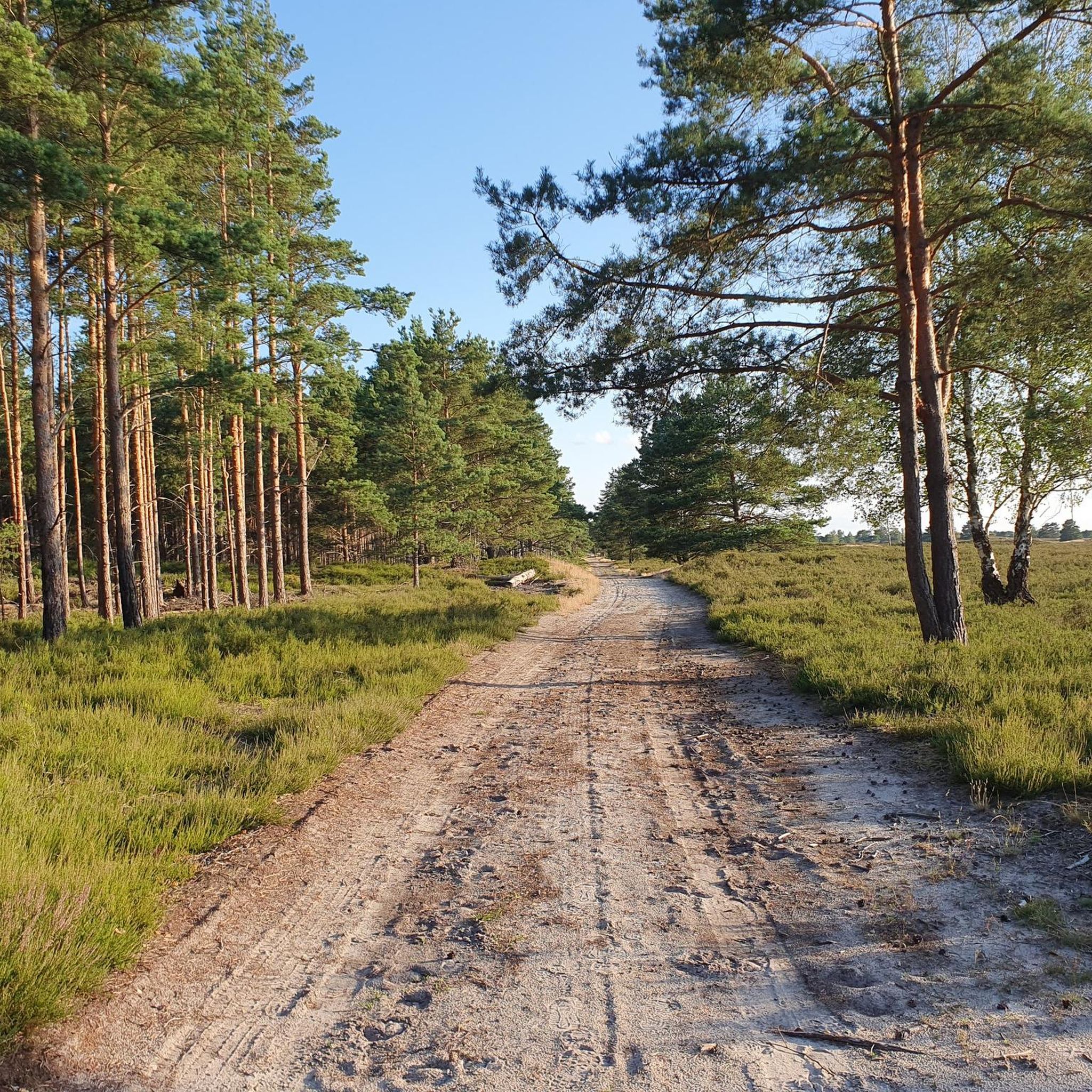
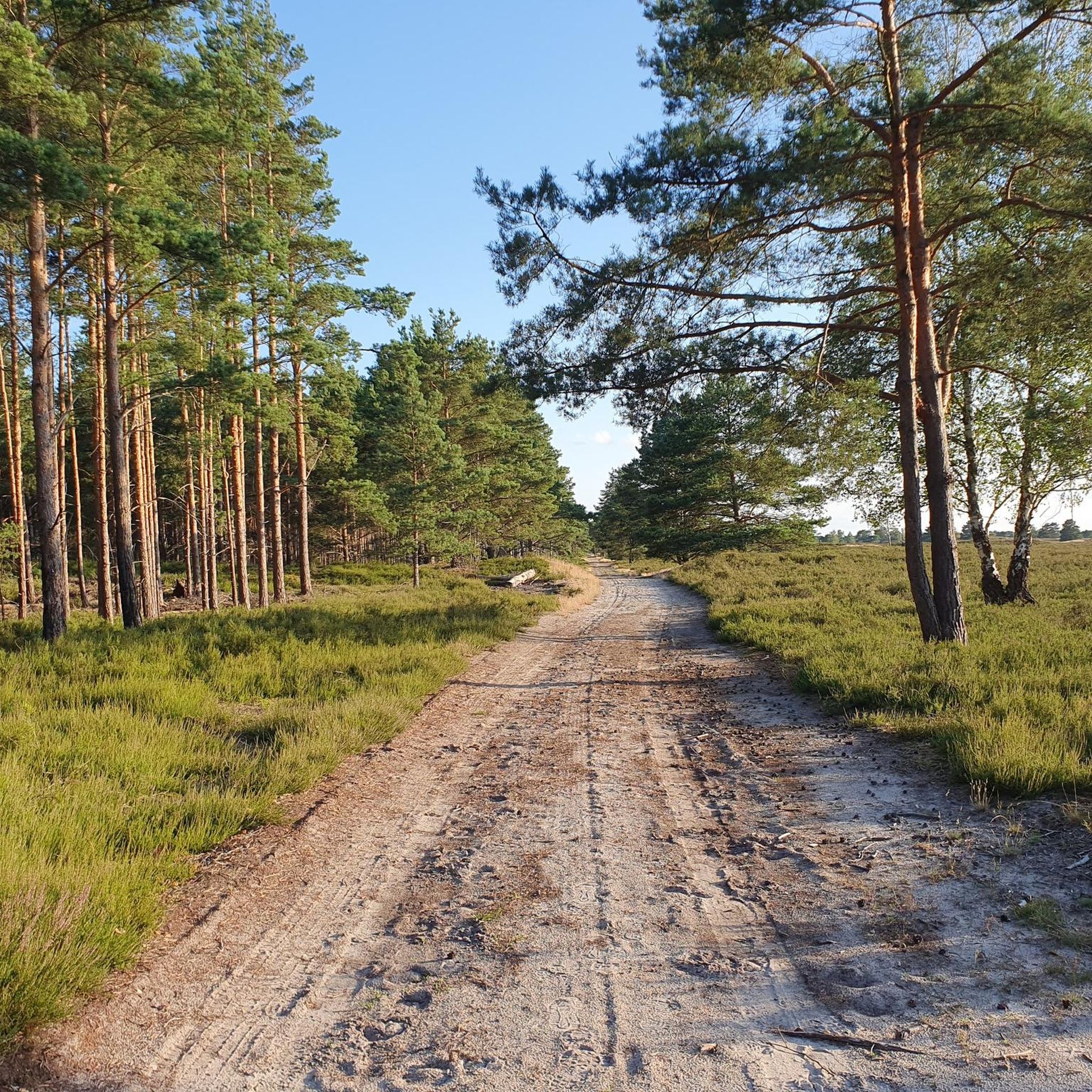
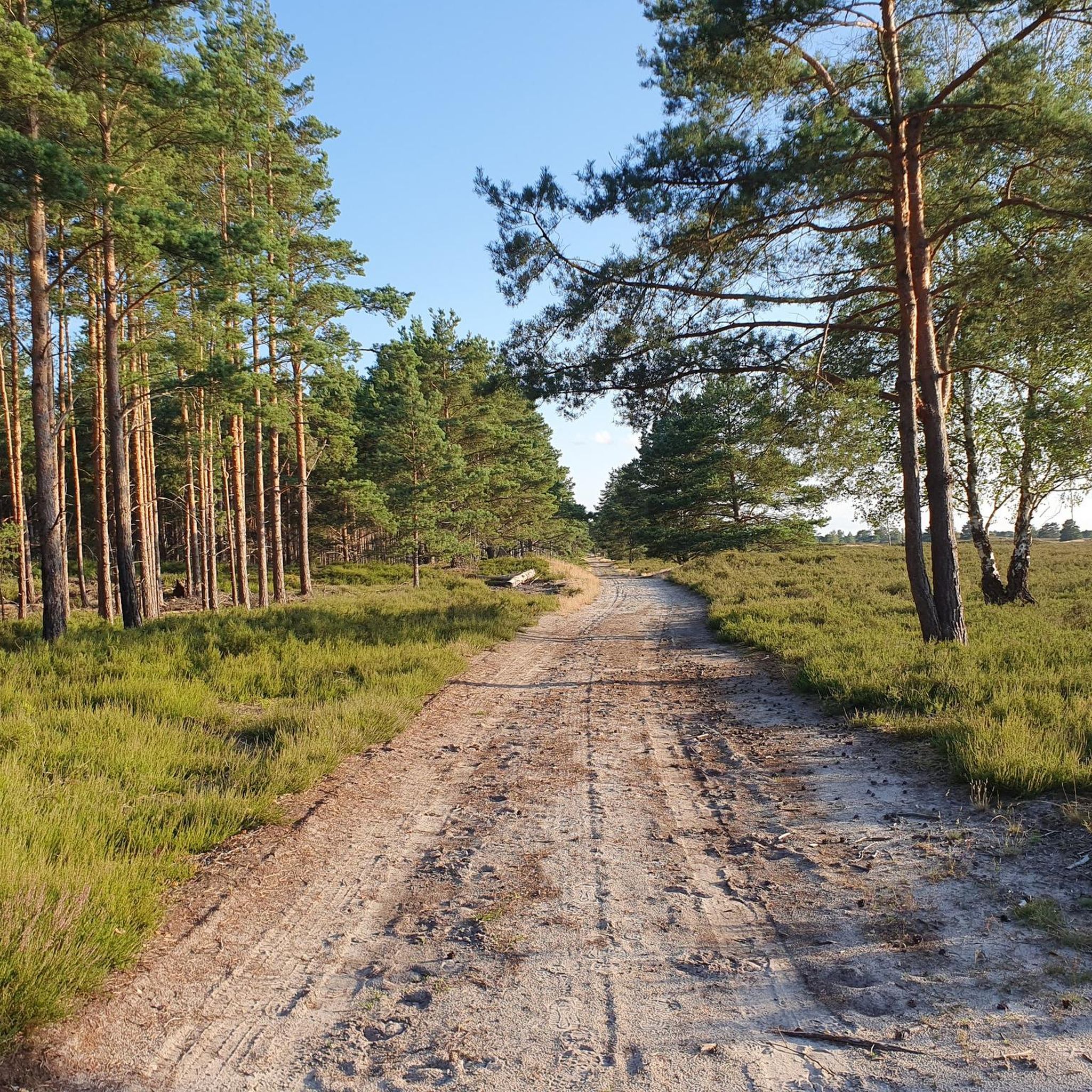
Best natural monuments in Nemitzer Heide include a 550-hectare heathland within the Elbhöhen-Wendland Nature Park, designated as a nature reserve in 2019. This landscape features dwarf shrub heath, individual pines, birches, junipers, and open sand dunes, formed after a 1975 forest fire. It represents the largest sand heath complex in the continental part of the Lower Saxon lowlands. The area is a vital habitat for numerous protected plant and animal species, including various lizards and rare birds.
Best natural monuments…
Last updated: August 1, 2026
Nemitzer Heath
Highlight (Segment) • Natural
Translated by Google •
Tip by

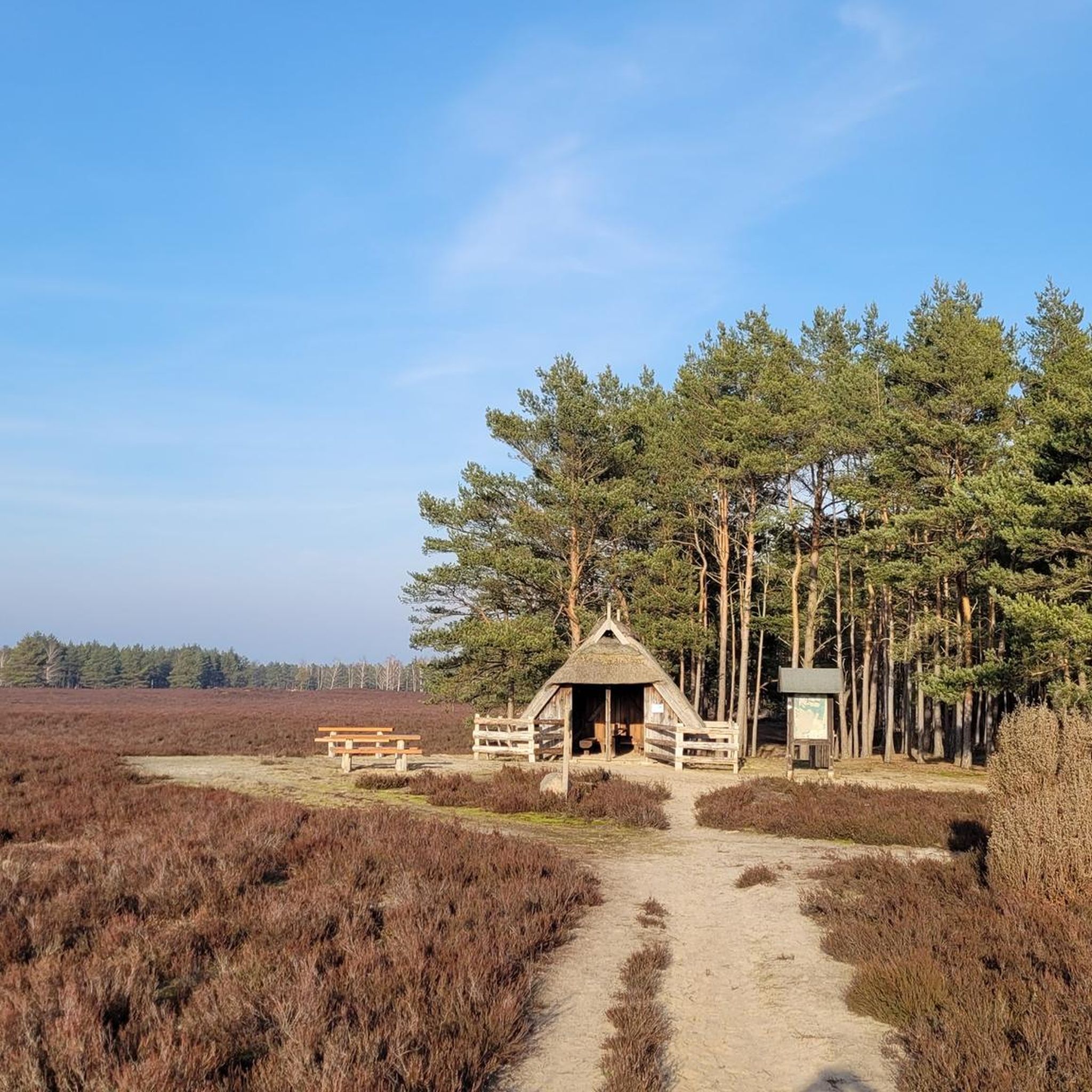
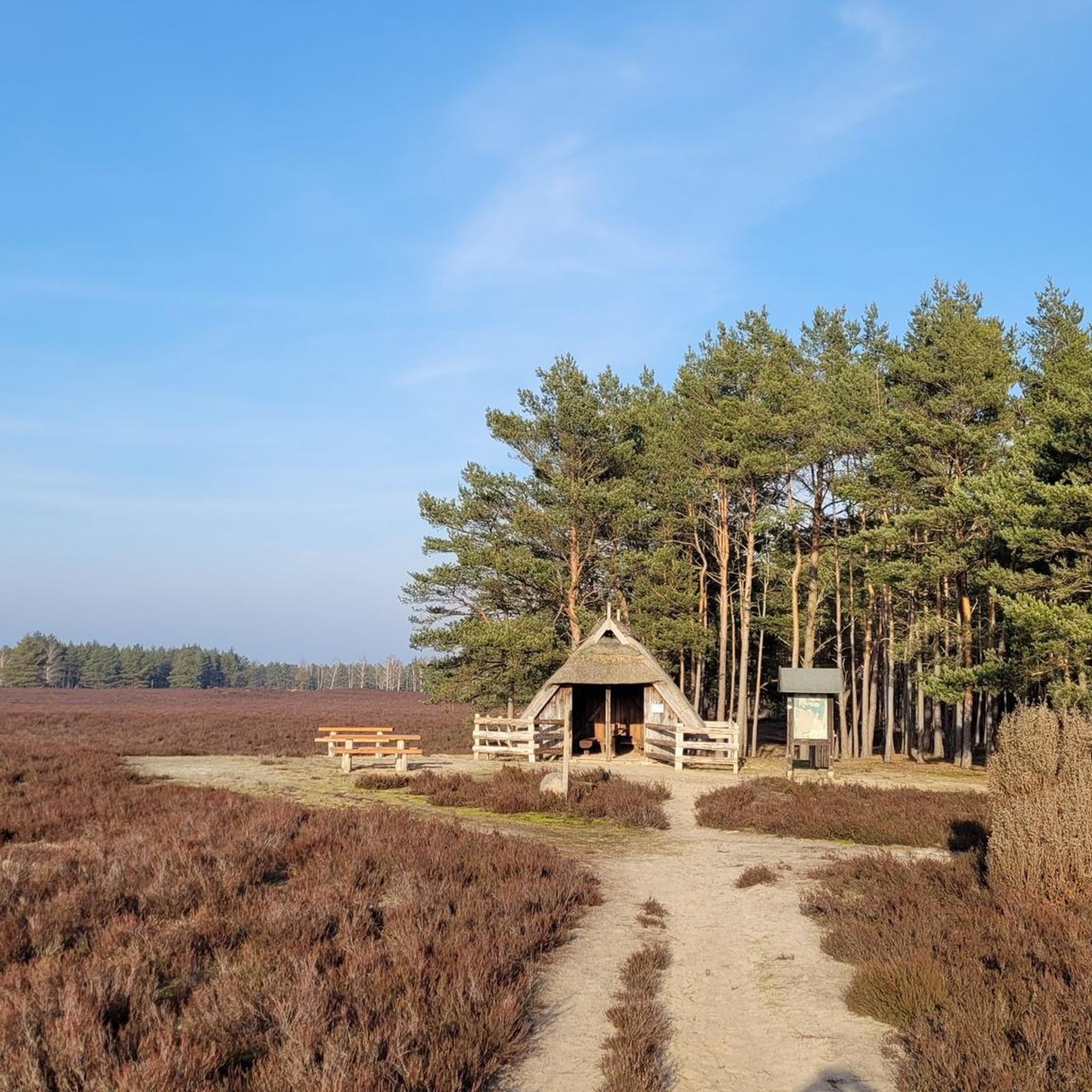
Nemitzer Oak — picnic area and elevation marker
Highlight • Natural Monument
Translated by Google •
Tip by

Sign up now to discover places like this
Get recommendations on the best single tracks, peaks, & plenty of other exciting outdoor places.
Sign up for free
Lizard Tracks in Naturpark Wendland.Elbe
Highlight • Natural
Translated by Google •
Tip by

Start today with a free account
Your next adventure awaits.
Login or Signup
Tips from the Community

We saw not only tracks, but also live animals, although unfortunately they were very camera-shy...
0
0
Two rest areas on the viewing hill
0
0

There are common and sand lizards!
1
0

A true saying on the sign. Nice place to rest with a view over the Nemitzer Heide. Tables and benches available.
0
0

A solitary oak in the Nemitzer Heide. You have to read the board.
9
0

The Heathlands to the left and right are really nice to look at, would recommend. But the cycle path is tiring because of the constantly broken-by-roots tarmac. These small constant bumps are terrible and having any kind of suspension makes it much more endurable👍
0
0

Frequently Asked Questions
What makes the Nemitzer Heide a unique natural monument?
The Nemitzer Heide is a remarkable 550-hectare heathland that emerged after a devastating forest fire in 1975. It's now the largest sand heath complex in the continental part of the Lower Saxon lowlands, characterized by dwarf shrubs, pines, birches, junipers, and open sand dunes. Its dynamic origin and diverse habitats make it a significant natural monument.
When is the best time to visit Nemitzer Heide to see the heather bloom?
The Nemitzer Heide is particularly stunning in late summer, especially during August and September, when the heather blossoms. This period transforms the landscape into a vibrant purple 'sea of blossoms', making it a major draw for visitors.
What kind of wildlife can I expect to see in Nemitzer Heide?
The heath provides a vital habitat for numerous protected plant and animal species. You might encounter fence and sand lizards, smooth snakes, and various rare bird species such as the woodlark, nightjar, stonechat, and wheatear. The area is also an FFH (Fauna-Flora-Habitat) and EU bird sanctuary.
Are there specific viewpoints to enjoy the Nemitzer Heide landscape?
Yes, there are several spots offering scenic views. The area around the Nemitzer Oak serves as a picnic area and elevation marker with a great view over the heath. Many hiking trails also lead to elevated points with benches, perfect for taking in the vast landscape.
Are there hiking trails suitable for exploring the natural monuments in Nemitzer Heide?
Absolutely. The Nemitzer Heide is well-equipped with clearly marked hiking trails, offering kilometers of walking opportunities. Many paths are made of soft sand, making for a unique walking experience. You can find various options, including easy family-friendly hikes, by exploring guides like Family-friendly hikes in Nemitzer Heide.
Can I go cycling in Nemitzer Heide?
While many paths within the core heathland are sandy and better suited for hiking, there is a well-developed cycle path between Gartow and Trebel that runs for eleven kilometers through a beautiful landscape. This path is ideal for connecting the heath with the Elbe region. For more challenging rides, consider the MTB Trails in Nemitzer Heide guide.
Are there family-friendly activities or natural monuments in Nemitzer Heide?
Yes, the Nemitzer Heide is very family-friendly. Highlights like the Nemitzer Oak and Lizard Tracks in Naturpark Wendland.Elbe are noted as family-friendly. The Nemitzer Heidehaus also features a playground, and wagon rides pulled by cold-blooded horses offer a unique experience for all ages. You can find suitable routes in the Family-friendly hikes in Nemitzer Heide guide.
Is Nemitzer Heide accessible by public transport?
Yes, it is possible to reach Nemitzer Heide by public transport. There are bus connections available, and you can find hiking routes specifically designed to start from bus stations in the area. Check the Hikes from bus stations in Nemitzer Heide guide for more details.
Where can I find information or facilities when visiting Nemitzer Heide?
The Nemitzer Heidehaus serves as a central information point for visitors. It offers an exhibition about the heath's formation, from the Ice Age to the 1975 fire, and its subsequent development. It also has a café and a playground. Additionally, the Nemitzer Oak highlight provides tables and benches for resting.
Are dogs allowed on the trails in Nemitzer Heide?
While the guide data doesn't specify a strict dog policy, generally, dogs are welcome on trails in natural areas like Nemitzer Heide, often on a leash. It's always best to check local signage upon arrival for any specific rules or restricted areas to ensure the protection of wildlife and the heath's delicate ecosystem.
What is the <a href="https://www.komoot.com/highlight/4698817" target="_blank" rel="noopener">Nemitzer Oak</a>?
The Nemitzer Oak is a solitary oak tree within the Nemitzer Heide. It serves as a notable landmark, a picnic area, and an elevation marker, offering a pleasant spot to rest with a view over the heath. There are tables and benches available for visitors.
What are the "Lizard Tracks" in Nemitzer Heide?
The Lizard Tracks in Naturpark Wendland.Elbe refers to an area where visitors can observe signs of common and sand lizards. It's a family-friendly highlight where you might not only see tracks but also catch a glimpse of the lizards themselves, though they can be quite camera-shy!
What do visitors particularly enjoy about the natural monuments in Nemitzer Heide?
Visitors frequently praise the Nemitzer Heide for its beautiful heathland landscape and extensive hiking trails. Many enjoy the tranquility and the opportunity to observe wildlife. The well-developed cycle paths and the unique experience of the heather bloom in late summer are also highly appreciated.
Most popular routes in Nemitzer Heide
Most popular attractions in Nemitzer Heide

Get inspired with the komoot mobile app


Explore more
Extend your search for the best caves by checking out these guides of the top ones in Nemitzer Heide:
