Top 8 Natural Monuments in Dresdner Elbtalhänge
Best natural monuments in Dresdner Elbtalhänge are characterized by diverse landscapes, including river valleys, forests, and elevated viewpoints. The region offers a variety of natural features, from geological formations to significant arboreal specimens. These natural monuments provide opportunities for exploring the area's unique geology and enjoying panoramic views. The Dresdner Elbtalhänge terrain features a mix of intermediate trails and scenic routes suitable for outdoor activities.
Best natural monuments in Dresdner Elbtalhänge
- The most popular natural monuments is View from Rysselkuppe…
Last updated: May 24, 2026
Friedrichsgrund Valley and Stone Bridges
Highlight • Gorge
Translated by Google •
Tip by

View from Rysselkuppe
Highlight • Viewpoint
Translated by Google •
Tip by

Sign up now to discover places like this
Get recommendations on the best single tracks, peaks, & plenty of other exciting outdoor places.
Sign up for free
View of Saxon Switzerland from the Dresdner Elbe Valley slopes
Highlight • Viewpoint
Translated by Google •
Tip by

Zuckerhut Viewpoint
Highlight • Viewpoint
Translated by Google •
Tip by

Leitenweg
Highlight • Trail
Translated by Google •
Tip by

Sign up for free to discover even more natural monuments in Dresdner Elbtalhänge.
Sign up for free
Already have an account?
Start today with a free account
Your next adventure awaits.
Login or Signup
Tips from the Community

From Richard Wagner in Graupa to Carl Maria von Weber in Pillnitz, it's exactly six kilometers. At least as a hiking trail. Because, to my knowledge, the two never knew each other personally. And that's despite living only that far apart. However, at different times in their lives. One – Carl Maria von Weber – lived at Hosterwitz Castle near Dresden from 1818 to 1824, the other – Richard Wagner – resided more than twenty years later in the building in Graupa now known as the Lohengrin House. A hiking trail, the Leitenweg, connects the two and thus also follows a section of the Saxon Wine Trail or the Wine Educational Trail.
0
1

A small idyll on the outskirts of Dresden❤️
0
0

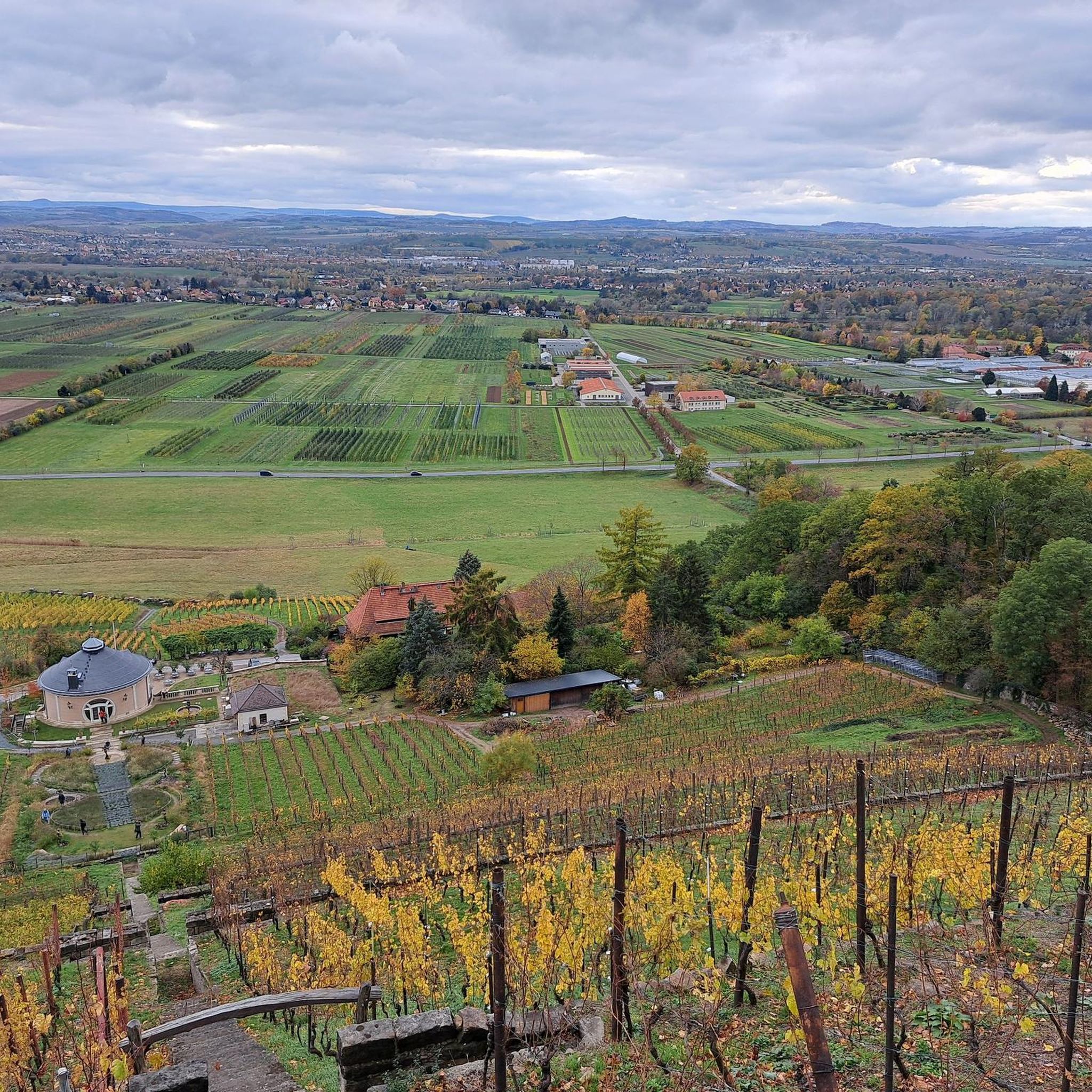
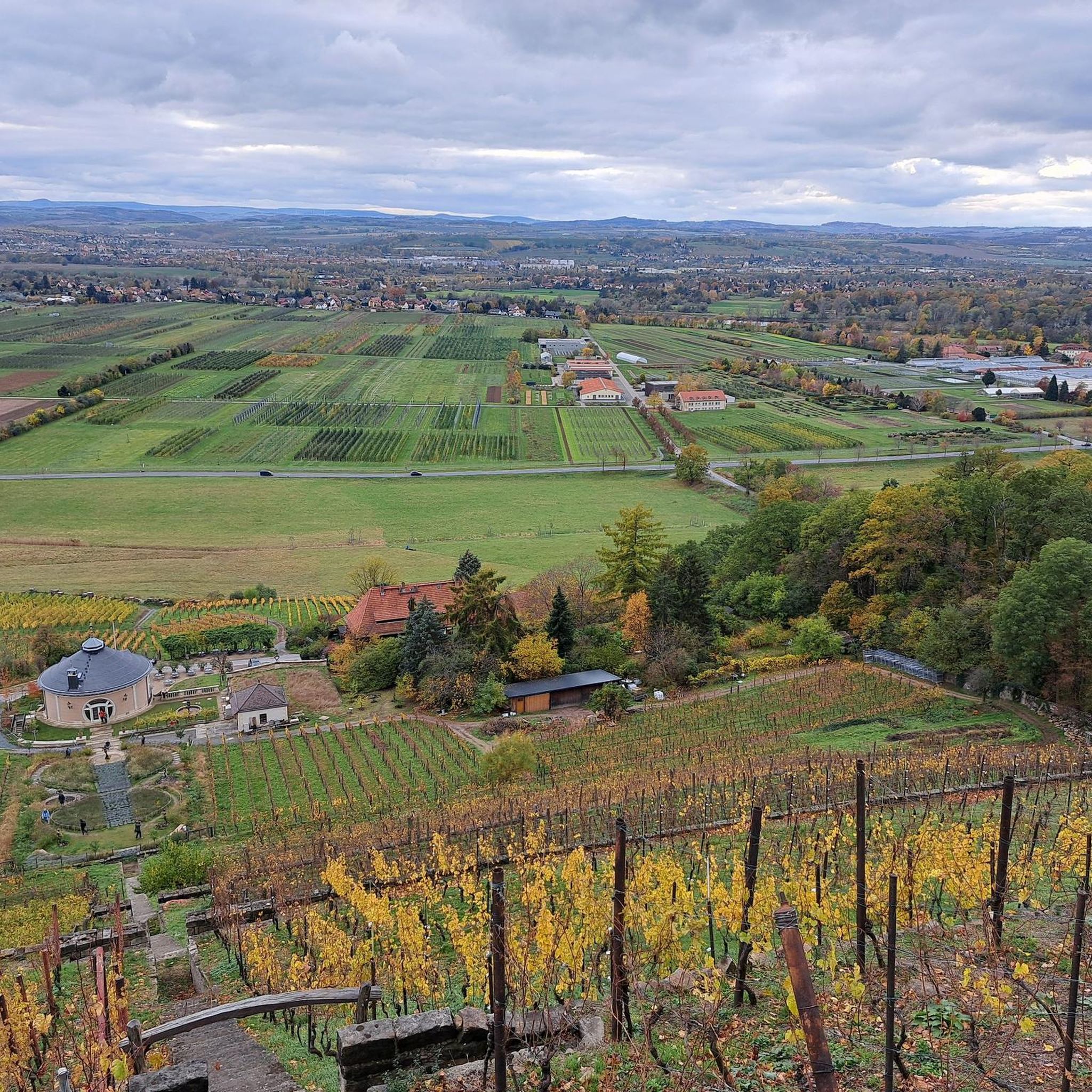
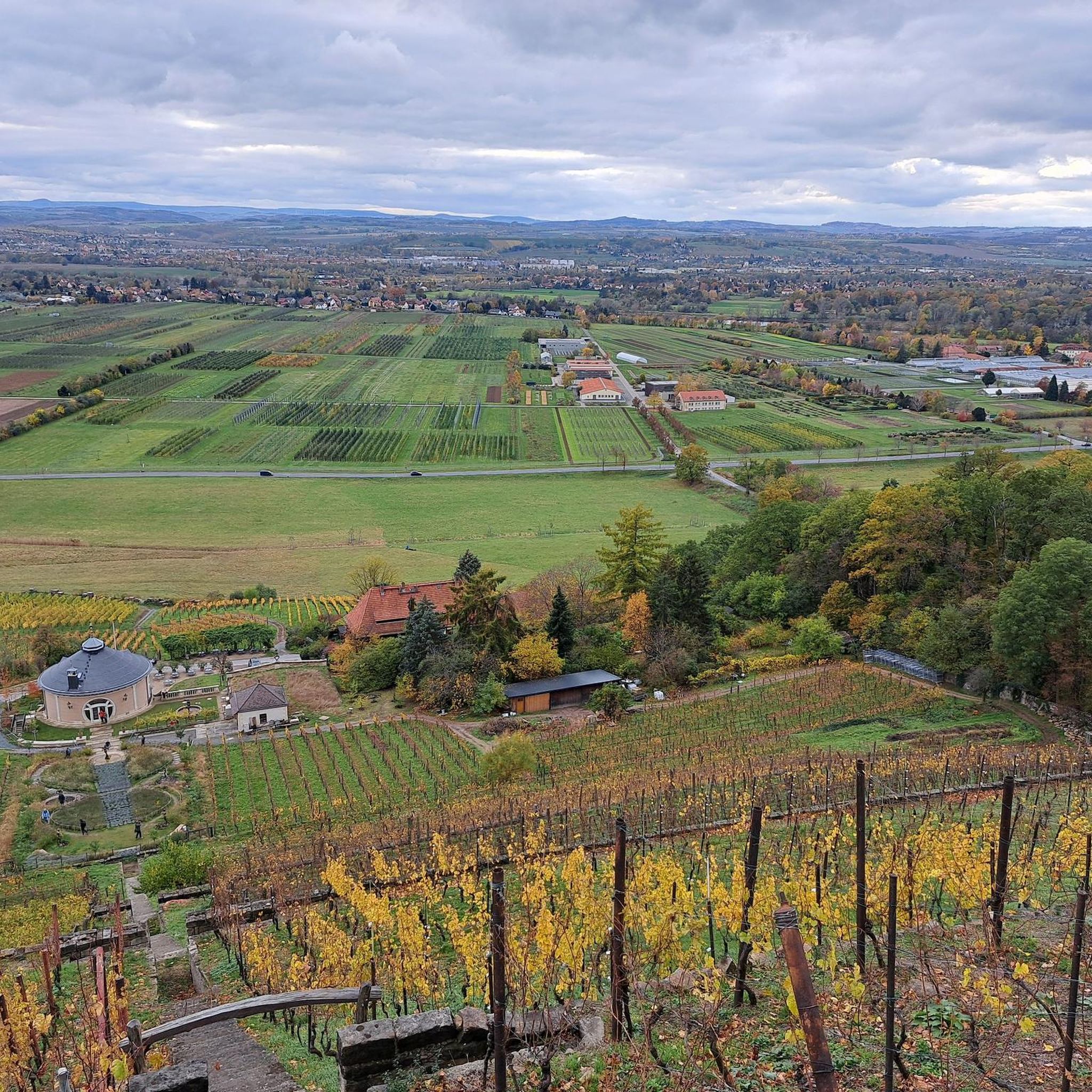
Along the Leitenweg, which runs above the vineyards, you have a wonderful panorama of the royal Pillnitz vineyard. The guard houses on the Weinbergweg served as accommodation for the vineyard guards. Two of the four guard houses from the 18th century are still there and are now used as a base by amateur winemakers.
0
0

The Friedrichgrundbach stream flows for about 1.5 km through the Friedrichsgrund, named after Elector Friedrich August III of Saxony. Towards the end of the 18th century, it was built and embellished with a total of 10 bridges, similar to the Seifersdorfer Valley.
3
0

Beautiful hiking trails often directly along the stream.
2
0

Very nice place to take a break, you have a wonderful view.
4
0
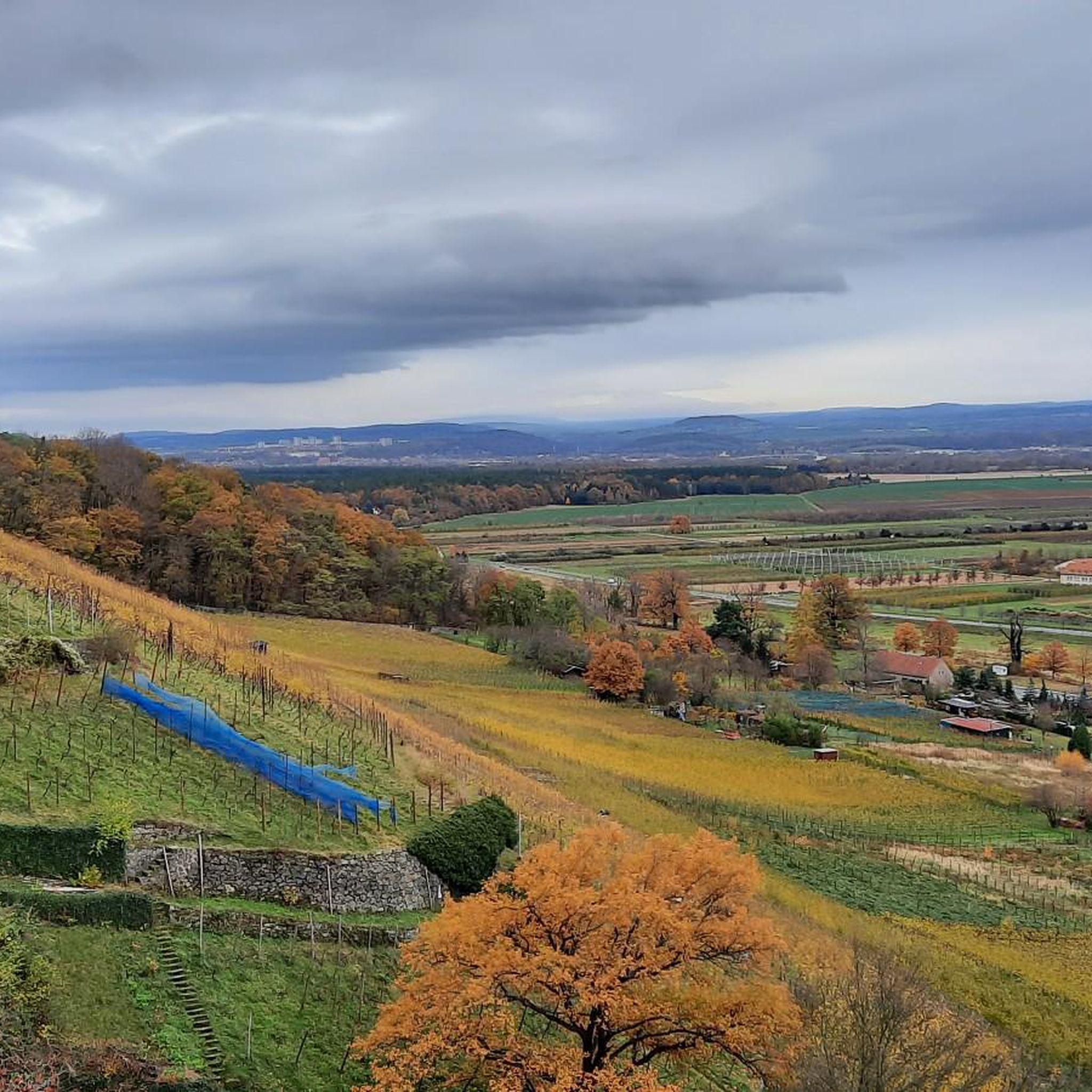
Very nice view from here, in clear weather you can see very far.
4
2

A nice place to relax....
3
0
Frequently Asked Questions
What types of natural monuments can I explore in Dresdner Elbtalhänge?
The Dresdner Elbtalhänge region offers a diverse range of natural monuments, including impressive viewpoints, scenic river valleys, lush forests, and unique geological formations. You can discover everything from elevated panoramas to serene valley walks. Notable examples include the View from Rysselkuppe and the tranquil Friedrichsgrund Valley and Stone Bridges.
Are there family-friendly natural monuments in the Dresdner Elbtalhänge?
Yes, several natural monuments in Dresdner Elbtalhänge are suitable for families. The Friedrichsgrund Valley and Stone Bridges, for instance, features quaint paths perfect for hiking and biking, with opportunities to observe local wildlife. The View of Saxon Switzerland from the Dresdner Elbe Valley slopes is also considered family-friendly, offering wide panoramic views.
What are some of the most popular viewpoints in the region?
Visitors particularly enjoy the View from Rysselkuppe, which provides a wonderful panoramic view stretching as far as Saxon Switzerland. Another highly-rated spot is the View of Saxon Switzerland from the Dresdner Elbe Valley slopes, offering expansive vistas of the Elbe Sandstone and Eastern Ore Mountains, including landmarks like Lilienstein and Königstein.
What outdoor activities can I do near these natural monuments?
The Dresdner Elbtalhänge region is excellent for various outdoor activities. You can enjoy cycling on routes like the Schönfelder Hochland Cycle Path, or explore gravel biking trails, such as those in the Dresden Heath. Road cycling routes also offer scenic rides, like those with views of the Weinberg Church. For more details on routes, you can explore the Cycling in Dresdner Elbtalhänge, Gravel biking in Dresdner Elbtalhänge, and Road Cycling Routes in Dresdner Elbtalhänge guides.
Are there any unique geological features to see?
Yes, the region is known for its unique geological formations. Beyond the Elbe Valley slopes themselves, you can find dramatic features like the Teufelskanzel (Devil's Pulpit) on the Somsdorfer Gorge, which showcases rugged beauty. The Felstunnel Nadelöhr (Rock Tunnel Needle's Eye) in the Rabenauer Grund also offers a distinctive natural experience with its narrow passage through rock.
What do visitors enjoy most about the natural monuments in Dresdner Elbtalhänge?
Visitors frequently praise the wonderful panoramic views, especially those extending to Saxon Switzerland. They appreciate the varied and interesting hiking experiences, even on rocky paths, and the opportunity to walk through beautiful forests above vineyards. The tranquility of places like the Friedrichsgrund Valley and Stone Bridges, with its wildlife, is also a highlight.
Can I find trails suitable for intermediate hikers?
Absolutely. Many trails in the Dresdner Elbtalhänge are classified as intermediate, offering a good balance of challenge and accessibility. The path to the View from Rysselkuppe, for example, is described as rocky but rewarding. The Leitenweg is another beautiful intermediate trail winding through forests above vineyards.
Are there any natural monuments with historical significance?
While many natural monuments are appreciated for their geological and ecological value, some also have historical connections. The Felstunnel Nadelöhr in the Rabenauer Grund, for instance, was historically part of a hiking trail, indicating its role in shaping early pathways through the landscape. The broader region, including Saxon Switzerland, also features natural marvels like the Bastei Bridge, which is intertwined with the historical Neurathen rock castle.
What is the 'Fünf Brüder' natural monument?
The 'Fünf Brüder' (Five Brothers) is a protected group of significant arboreal specimens located in the Oberwartha district of Dresden. It is recognized as a natural monument for its ecological importance and aesthetic contribution to the local environment, highlighting the region's commitment to preserving notable trees within its natural landscape.
Are there any natural monuments that offer views of Dresden city?
Yes, the Zuckerhut Viewpoint provides a special panoramic view over Dresden, including a unique perspective of the baroque boatman's church “Maria am Wasser” with its distinctive onion domes. This viewpoint is named for its hat-like shape.
What kind of wildlife can I expect to see?
The natural monuments in Dresdner Elbtalhänge, particularly in areas like the Friedrichsgrund Valley and Stone Bridges, are known for their rich biodiversity. Visitors often have opportunities to observe various local animals and plants, especially in the quieter, more secluded valley areas.
How accessible are the natural monuments by public transport?
While specific public transport details for each monument vary, the Dresdner Elbtalhänge region is generally well-connected. Many natural monuments are located within or near Dresden's urban-proximate natural landscape, making them reachable by local public transport options. It is advisable to check local transport schedules for specific routes to your chosen destination.
Most popular routes in Dresdner Elbtalhänge
Most popular attractions in Dresdner Elbtalhänge

Get inspired with the komoot mobile app


Explore more
Extend your search for the best caves by checking out these guides of the top ones in Dresdner Elbtalhänge:
