Top 20 Natural Monuments around Eilean Siar
Best natural monuments around Eilean Siar are characterized by rugged coastlines, pristine beaches, and unique geological formations. The Outer Hebrides offer a diverse natural landscape, from dramatic cliffs and sea stacks to ancient stone circles. These sites provide opportunities to observe diverse wildlife and explore environments shaped by natural forces over millennia. The region's natural monuments showcase the raw beauty and ecological significance of the islands.
Best natural monuments around Eilean Siar
- The most popular natural monuments is Butt of…
Last updated: July 31, 2026
Butt of Lewis Lighthouse
Highlight • Monument
Tip by

Callanish Stones
Highlight • Historical Site
Translated by Google •
Tip by

Sign up now to discover places like this
Get recommendations on the best single tracks, peaks, & plenty of other exciting outdoor places.
Sign up for free
Barpa Langass Chambered Cairn
Highlight • Historical Site
Tip by

Dùn Èistean
Highlight • Historical Site
Tip by

RSPB Balranald Nature Reserve
Highlight • Natural
There is a small caravan bistro with delicious cake and a family campsite. …
Translated by Google •
Tip by

Eabhal (Eaval) Summit
Highlight • Summit
Translated by Google •
Tip by

Uig Sands
Highlight • Natural Monument
Tip by

Cnoc Ceann a' Ghàrraidh Stone Circle
Highlight • Natural Monument
Translated by Google •
Tip by

Callanish Standing Stones
Highlight • Viewpoint
Translated by Google •
Tip by
Traigh Ghioradail Arch
Highlight • Natural Monument
Tip by
Sign up for free to discover even more natural monuments around Eilean Siar.
Sign up for free
Already have an account?
Start today with a free account
Your next adventure awaits.
Login or Signup
Popular around Eilean Siar
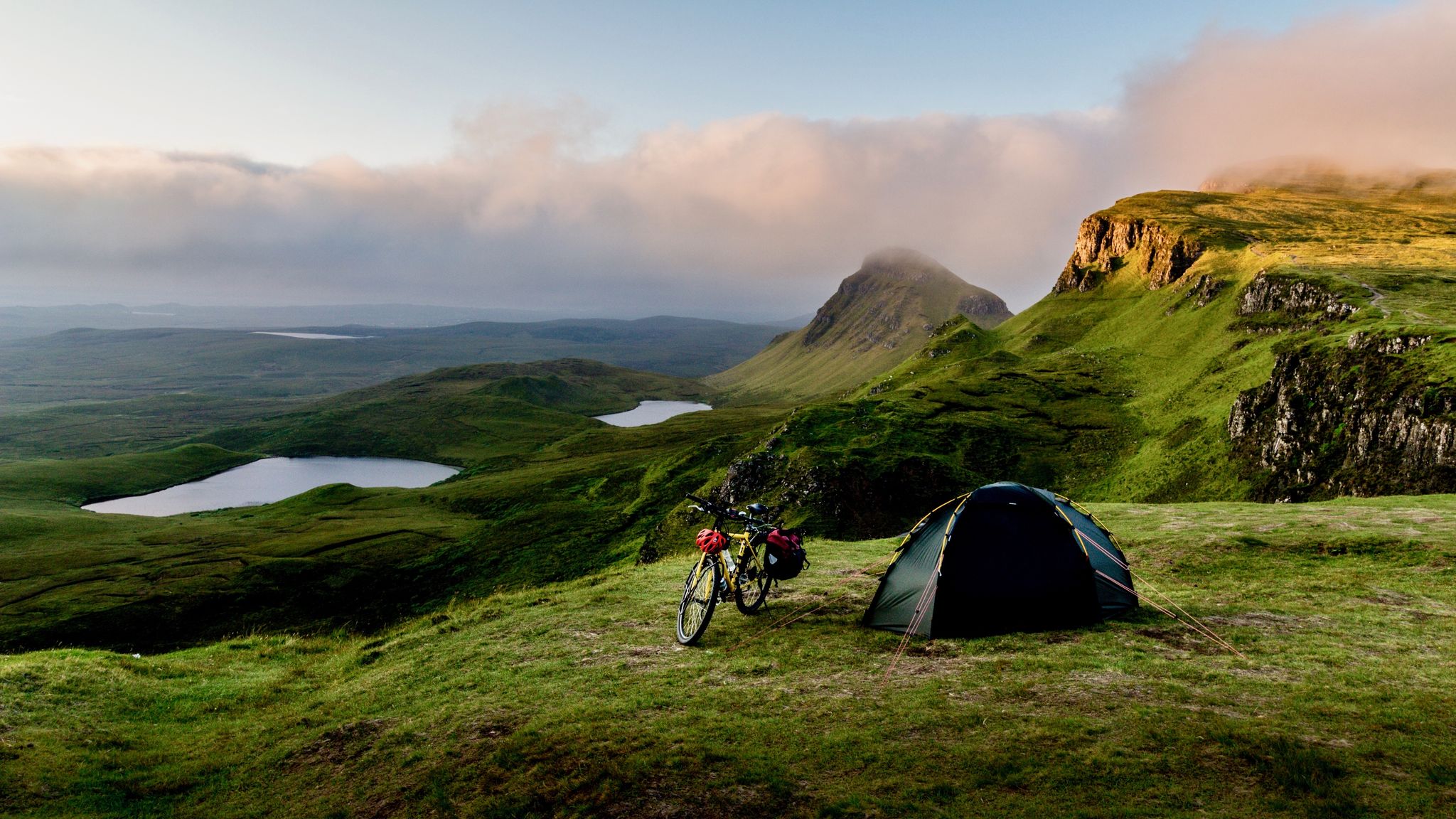
Hebridean hopscotch — cycling along Scotland's magical west coast
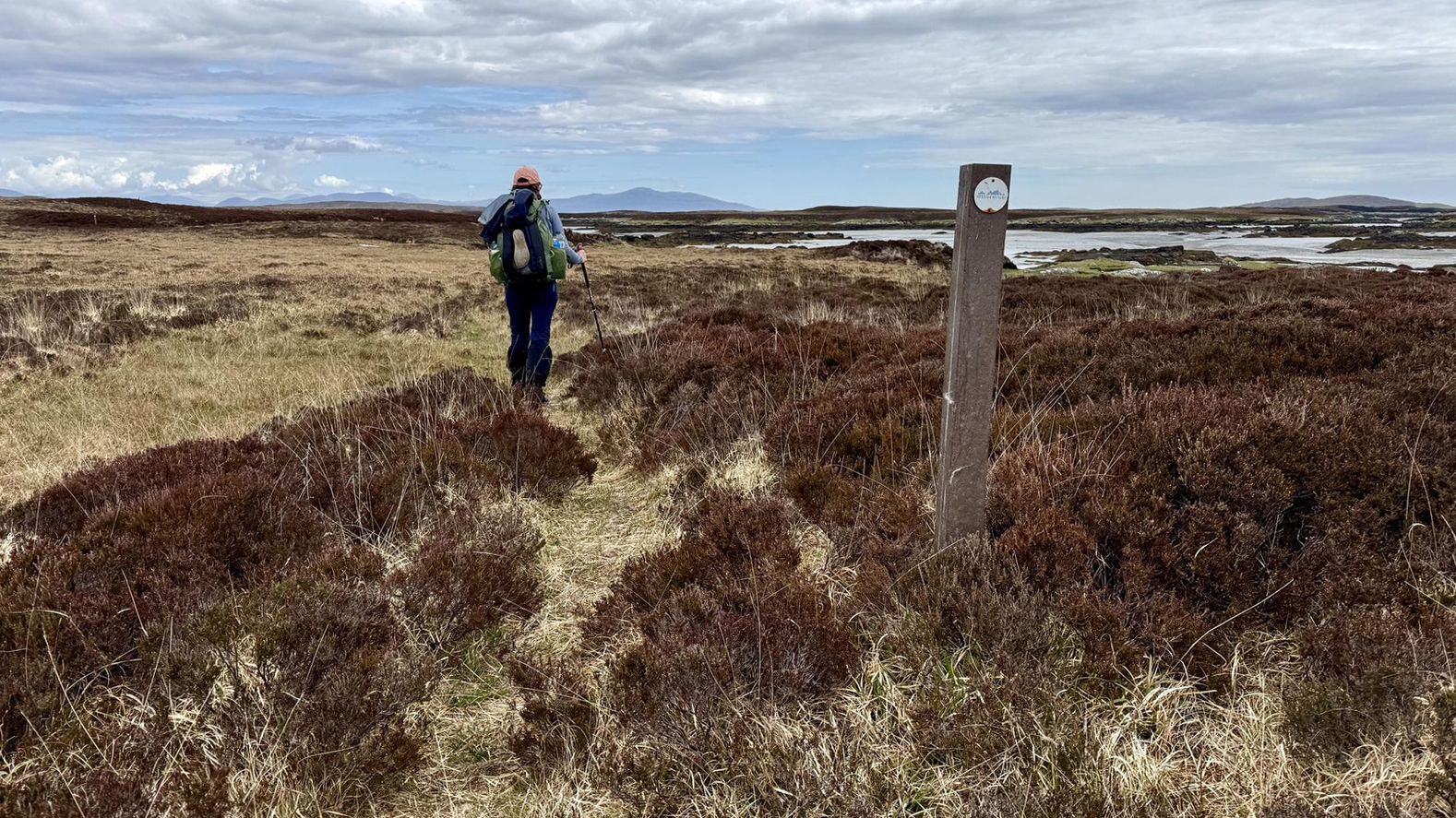
Hebridean Way – white sand, rugged hills and lochan-speckled moors
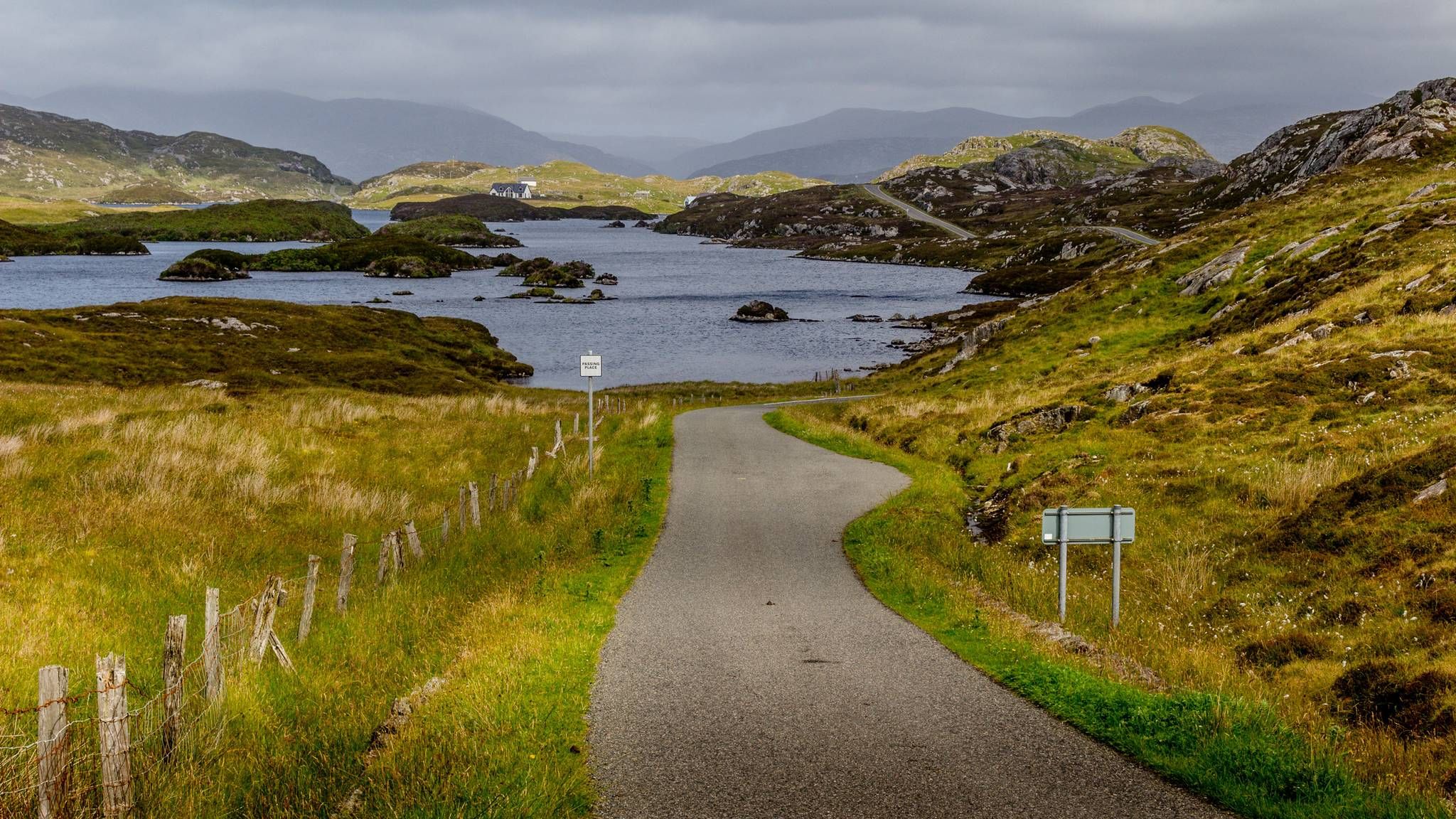
Cycling the Hebridean Way – Island hopping in the Scottish wilderness
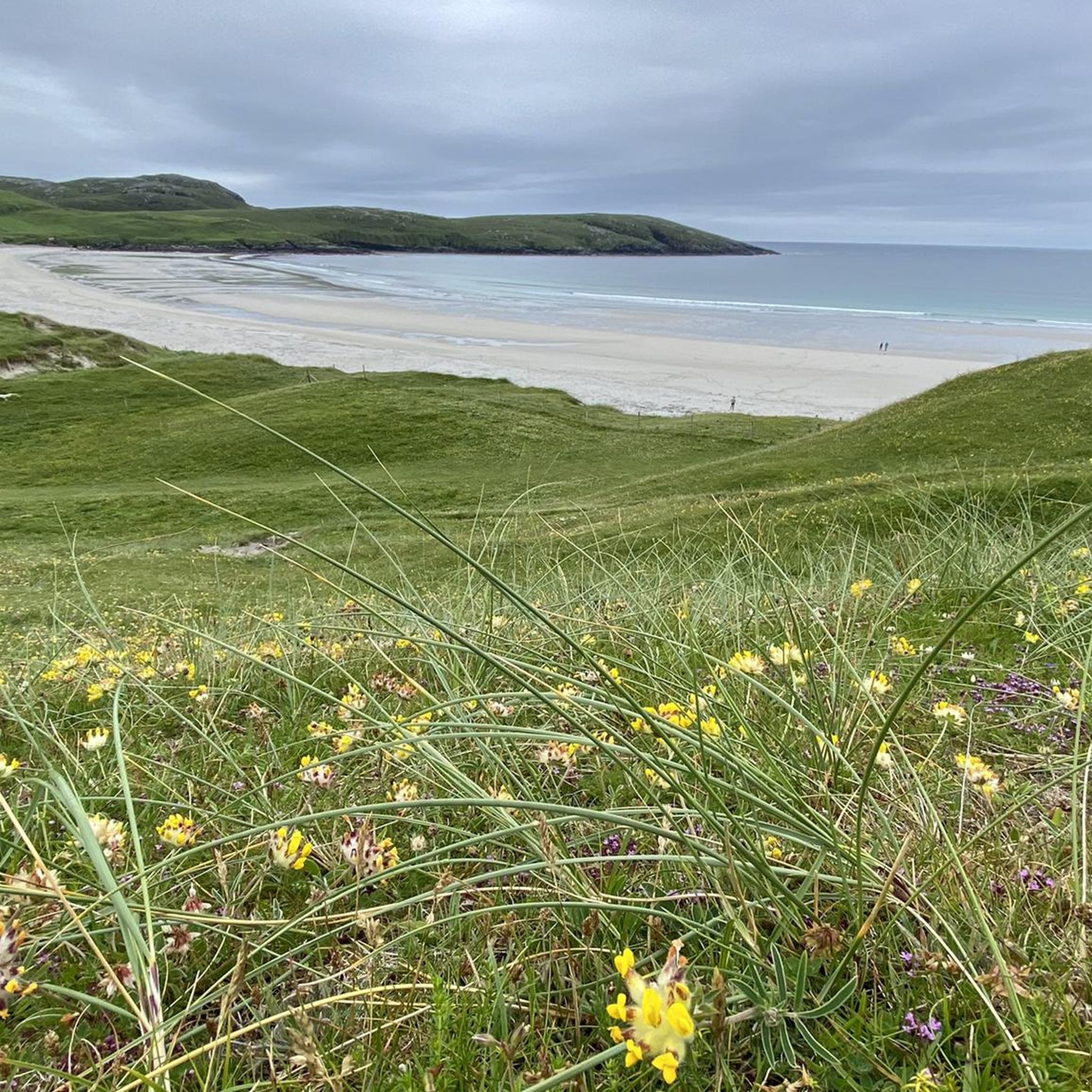
Hiking around Eilean Siar
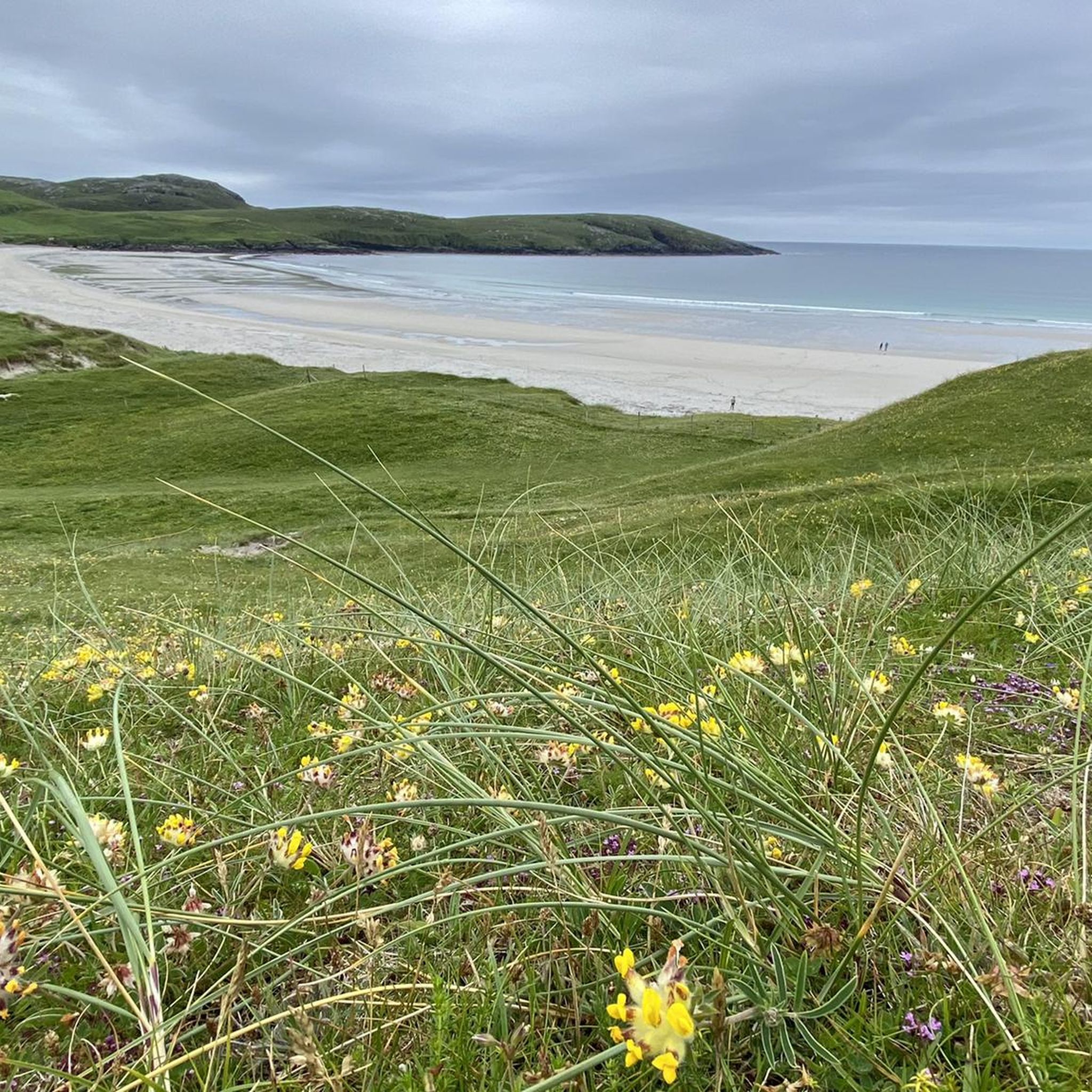
Cycling around Eilean Siar
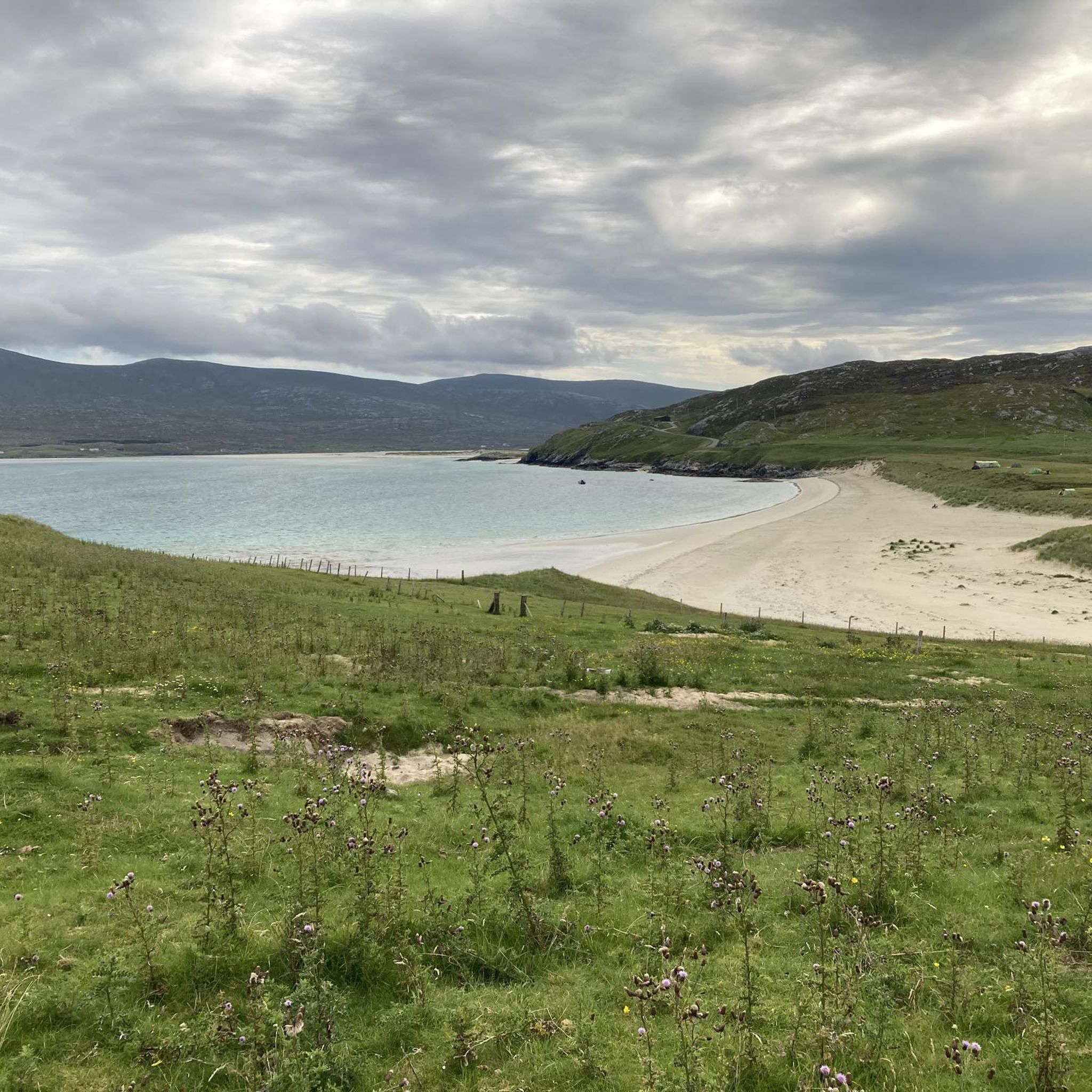
Road Cycling Routes around Eilean Siar
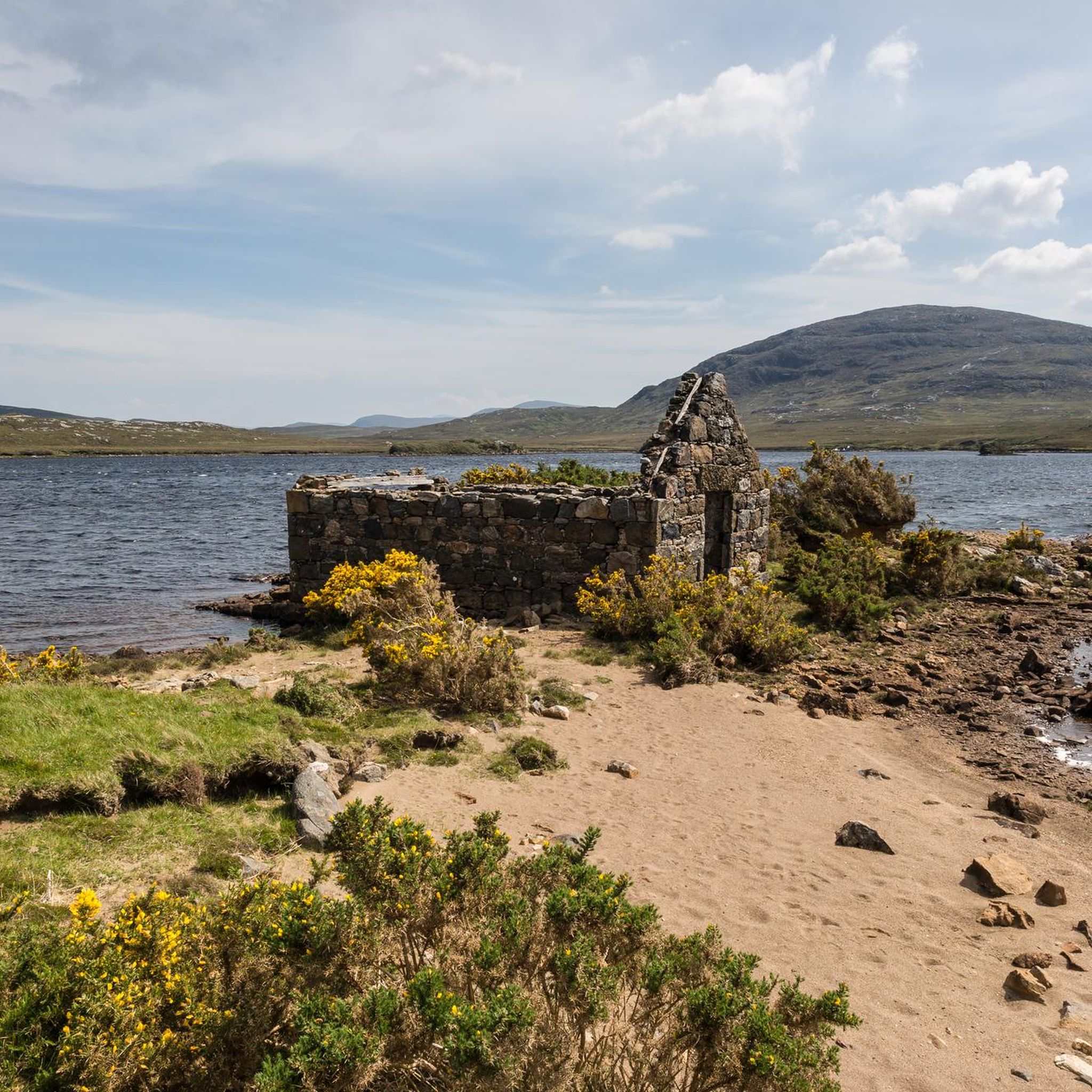
MTB Trails around Eilean Siar
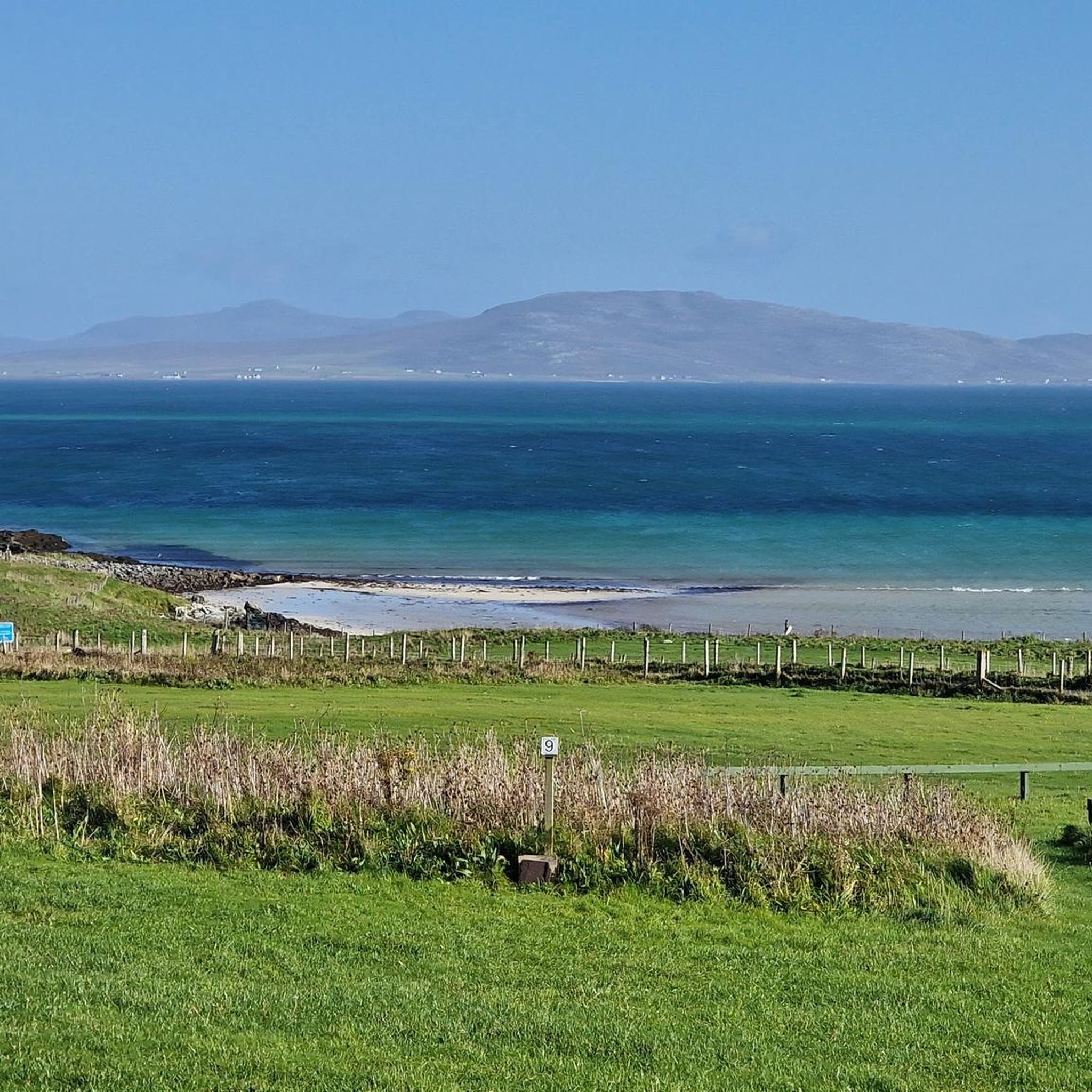
Running Trails around Eilean Siar
Other adventures around Eilean Siar


Tips from the Community

The bridge is unfortunately still closed (May 2026), but the beautiful coastal path to the lighthouse and around the butt is open and wonderful 🤩 💚👌🏼.
0
0

Even from the outside, the complex is impressive
1
0

I wouldn't have been able to complete this challenging route in rubber boots, but even now, in the dry height of summer, it was very wet. The Goretex hiking boots were sufficient. Otherwise, you'd get pretty dirty. The view down to the archway is irresistible 🩵
1
0

Depending on the light, great photo opportunities arise
2
0
Because it's been mentioned here: signs with explanations explicitly ask visitors NOT to touch the stones. Touching them isn't good for them, and that's exactly why (because people just couldn't resist it) Stonehenge was eventually sealed off and is as sad as it is today. The visitor center has been undergoing major expansion for some time now and is inaccessible!
2
0

Beautiful contrast, steep cliffs and a hidden beach
0
0

The route is very wet and muddy after rain. Rubber boots are recommended.
1
0

Unlike other stone circles, the Stones of Callanish, or "Calanais" in Gaelic, on the Isle of Lewis are not evenly hewn, giving each stone its own unique character. Furthermore, Callanish is not just a simple circle, but several interwoven geometric shapes, with a large, four-and-a-half-meter-high monolith at its center. A true stone giant. The surrounding standing stones are shorter, so it almost appears as if it rises toward the center.
5
1
Frequently Asked Questions
What are some of the most dramatic natural features to explore in Eilean Siar?
Eilean Siar offers breathtaking natural features. The Butt of Lewis Lighthouse marks the northernmost tip of Lewis, characterized by towering cliffs up to 30 meters high and distinctive rock formations sculpted by the Atlantic. Further south, the Isle of Harris boasts spectacular white-sand beaches like Luskentyre, Seilebost, and Huisinish, known for their pristine sands and turquoise waters backed by machair meadows and rugged hills.
Are there any natural monuments in Eilean Siar that are particularly good for wildlife watching?
Yes, Eilean Siar is excellent for wildlife. The RSPB Balranald Nature Reserve is a prime spot, with sandy beaches, marshes, and rocky foreshore providing habitat for oystercatchers, Greenland barnacle geese, and peregrines. The remote St Kilda Archipelago, a UNESCO World Heritage Site, is crucial for its seabird colonies, hosting the world's largest colony of Northern gannets and the UK's largest colony of Atlantic puffins.
What historical or ancient sites are intertwined with the natural landscape in Eilean Siar?
The Callanish Stones are a remarkable example, a Neolithic stone circle older than Stonehenge, made from Lewisian Gneiss, some of the oldest rock on Earth. This site is believed to have served astronomical and ceremonial purposes. Another ancient site is the Barpa Langass Chambered Cairn, an impressive Neolithic burial chamber that blends into the landscape of North Uist.
Are there family-friendly natural monuments to visit in Eilean Siar?
Absolutely. The RSPB Balranald Nature Reserve is family-friendly, offering opportunities to spot wildlife and featuring a campsite and visitor center. Uig Sands on the Isle of Lewis provides expansive beaches perfect for family walks and enjoying the coastal environment. The Callanish Stones are also considered family-friendly, allowing visitors to freely explore and touch the ancient monoliths.
What kind of outdoor activities can I do near the natural monuments in Eilean Siar?
Eilean Siar offers a variety of outdoor activities. You can find numerous running trails, including loops around Vatersay Beaches or near Stornoway. For cyclists, there are extensive cycling routes like the Hebridean Way or loops around Harris and Barra. Mountain biking enthusiasts can explore MTB trails such as the Rhenigidale Postman's Path Loop or the Machair Path in South Uist.
Where can I find panoramic views of the Eilean Siar landscape?
For stunning panoramic views, consider a hike to Eabhal (Eaval) Summit, the highest point on North Uist. From its 347-meter peak, you'll get unique vistas of the countless lochs and bays, and even the hills of Harris & Lewis. The Dùn Èistean site also offers dramatic coastal viewpoints, with its location on a sea stack providing a unique perspective of the rugged coastline.
What is the best time of year to visit the natural monuments in Eilean Siar?
The summer months (June to August) are generally considered the best time to visit Eilean Siar. During this period, the machair meadows explode with colorful wildflowers, and the weather is typically milder, making it ideal for exploring beaches, hiking, and wildlife watching. However, the dramatic seascapes and powerful storms at sites like the Butt of Lewis can be an incredible experience in the colder months, and the Northern Lights can sometimes be seen above the Callanish Stones.
Are there other ancient stone circles besides Callanish in Eilean Siar?
Yes, Eilean Siar is rich in ancient sites. Besides the famous Callanish Stones, you can also visit the Pobull Fhinn stone circle, located on North Uist, which offers a more secluded experience. Another notable site is the Cnoc Ceann a' Ghàrraidh Stone Circle, providing further insight into the Neolithic history of the islands.
What are some unique geological features found in Eilean Siar?
Eilean Siar is home to some truly ancient geology. The Callanish Stones are made from Lewisian Gneiss, a complex crystalline rock estimated to be between 1.7 and 3 billion years old, making it some of the oldest rock on Earth. The St Kilda archipelago also features Tertiary igneous formations of granites and gabbro, heavily weathered by the elements, contributing to its dramatic sea cliffs.
What do visitors enjoy most about the natural monuments in Eilean Siar?
Visitors consistently praise the raw, untamed beauty and tranquility of Eilean Siar's natural monuments. Many highlight the dramatic seascapes, the pristine white-sand beaches, and the unique geological formations. The sense of history at sites like the Callanish Stones and the abundant wildlife, particularly the seabird colonies, are also frequently mentioned as unforgettable experiences. The opportunity to connect with nature in such a remote and untouched environment is a major draw.
Most popular routes around Eilean Siar
Most popular attractions around Eilean Siar

Get inspired with the komoot mobile app


Didn’t find what you were looking for?
Find even more amazing natural monuments around Eilean Siar by checking out the top Highlights region by region:
Explore more
Extend your search for the best caves by checking out these guides of the top ones around Eilean Siar:
