Top 16 Natural Monuments in México
Best natural monuments in México encompass diverse landscapes, from towering monoliths and expansive canyons to unique aquatic formations. These sites are recognized for their geological significance and ecological diversity. The country's varied terrain offers a wide range of natural features to explore. México features 15 natural monuments, providing numerous opportunities for outdoor adventures.
Best natural monuments in México
- The most popular natural monuments is View of Popocatépetl and Iztaccíhuatl Volcanoes, a viewpoint that offers views of the volcanoes. This…
Last updated: July 29, 2026
Nevado de Toluca Summit
Highlight • Summit
Tip by

Descent from Pico del Fraile to Lake of the Sun (Nevado de Toluca)
Highlight (Segment) • Trail
Tip by
Sign up now to discover places like this
Get recommendations on the best single tracks, peaks, & plenty of other exciting outdoor places.
Sign up for free
Frozen Waterfall
Highlight • Waterfall
Translated by Google •
Tip by

View of Popocatépetl and Iztaccíhuatl Volcanoes
Highlight • Viewpoint
Translated by Google •
Tip by

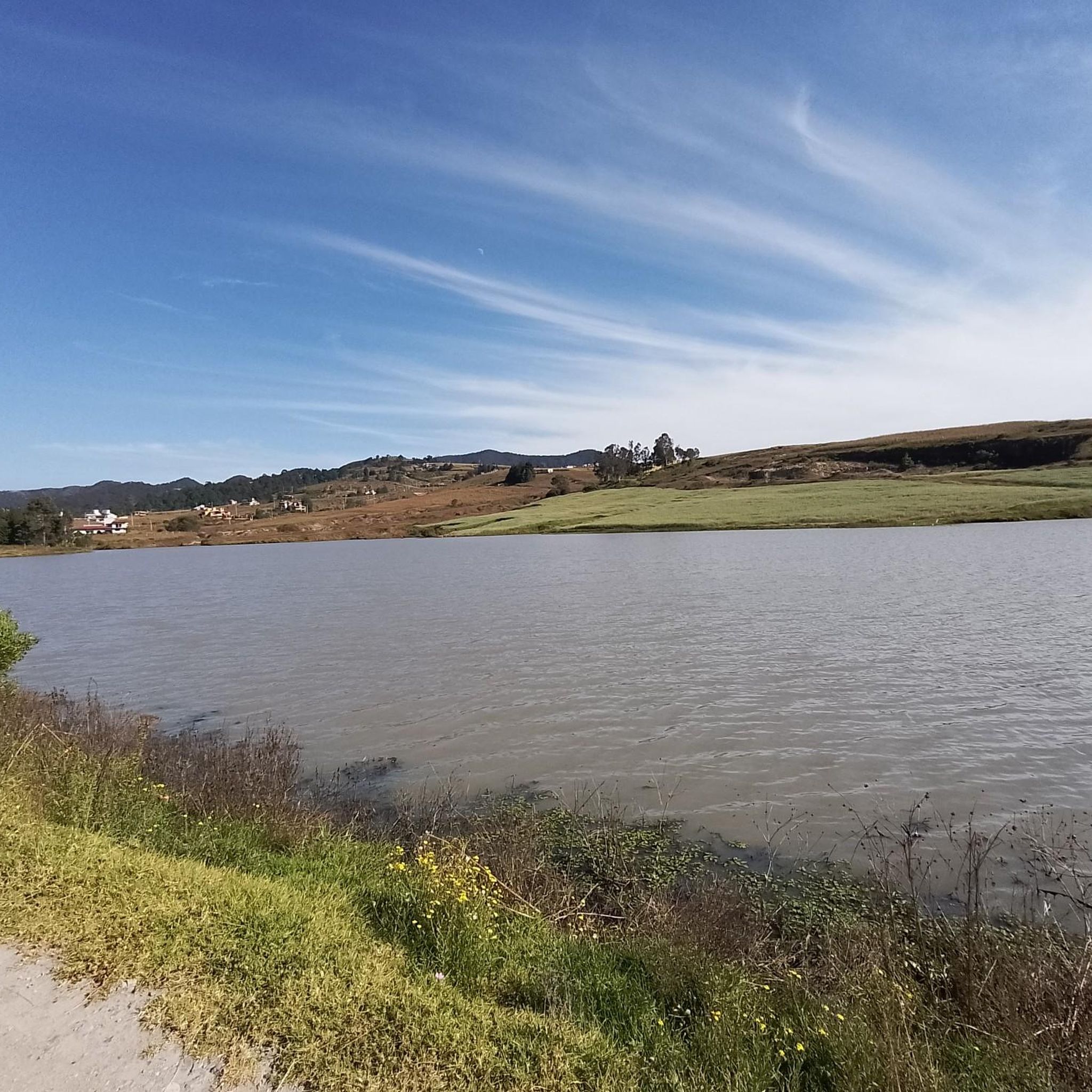
Laguna del Sol
Highlight • Lake
Tip by
Shark Head Rock
Highlight • Natural Monument
Translated by Google •
Tip by

Cosmovitral Botanical Garden
Highlight • Structure
Translated by Google •
Tip by

Laguna Quila
Highlight (Segment) • Lake
Translated by Google •
Tip by
Popocatépetl Volcano
Highlight • Volcano
Translated by Google •
Tip by

Summit of Popocatépetl
Highlight • Summit
Tip by

Sign up for free to discover even more natural monuments in México.
Sign up for free
Already have an account?
Start today with a free account
Your next adventure awaits.
Login or Signup


Other adventures in México

Tips from the Community

A beautiful waterfall that, in colder weather, offers a stunning picture of its frozen waters.
0
0
An iconic rock for its shark shape, it is a reference point for the route to the Otis McAllister refuge.
0
0


One of the most important monumental works of art in the Mexican State. Created by Mexican artist Leopoldo Flores, it measures 3,000 square meters and is the largest non-religious stained-glass window in the world. Admission 2025: Adults: MXN 25 Children, Youth, and Seniors: MXN 15 Opening hours: Tuesday to Sunday from 10:00 a.m. to 5:40 p.m., holidays from 10:00 a.m. to 5:40 p.m. (Closed on December 25 and January 1).
4
0

A wonderful place to visit, it's currently easier to access by vehicle (to a certain extent) and with parking. However, if you're someone who enjoys climbing mountains over 4,000 meters from the bottom, I'm sure you'll love the challenge. Don't forget that these are mountains, and weather changes can happen at unexpected times, so it's best to be prepared for anything, bringing hydration and food necessary for the effort and the weather. In the craters, you'll find two bodies of fresh water that form the Laguna del Sol and Laguna de la Luna. In the 1990s, you could dive at altitude in the icy waters. Visibility is very low, so it was done with instruments and good orientation, a dry suit, or a wetsuit for icy waters. Currently, only research personnel can do so with a special permit, as it is an ecological and archaeological reserve. Admission is fee-based, and on weekends, it's very crowded, so be patient and always respect the place. Leave it better than you found it, and enjoy! You can also get there by gravel bike or mountain bike, but achieving this requires good training due to the incline and altitude. Always remember: Respect the Mountain.
2
0
The Quila Lagoon, located at 3010 m.a.s.l. (19°4.5', N 99°18.9' W), has an area of 5.2 ha, is situated in a steep valley, surrounded by a forest of Pinus montezumae, however, on the western slope the trees were cut down and currently this area is converted into pasture. The lagoon is fed naturally by two streams on the northern slope, it also has a sinkhole that controls the water table, which was formed when the infrastructure for water extraction was built. Both for the above reason, and due to the changes between the dry and rainy seasons, the water level in the lagoon varies considerably. In recent years, a progressive drying up has been observed due to water extraction, which directly affects the vegetation. The study area has a semi-cold subhumid climate, presents a summer rainfall regime (from April to October), the annual average temperature is in the order of 5° to 12° C. The substrate of Laguna Quila is made up of clay with a high percentage of organic matter. > Acta Botánica Mexicana ISSN: 0187-7151
3
0

Among the highest peaks in the region, this long-extinct volcano Nevado de Toluca (also known as Xinantécatl) is Mexico’s fourth-tallest peak. Nevado has two summits on the crater rim, each worth hiking for magnificent views across two snow-fringed crater lakes – Sol and Luna. The views from here to del sol is super good!
5
0

The air is getting quite thin once you get closer to the top. Allow yourself enough time to get up there. We had to take a lot of breaks and needed around 4 to 5 hours to get there!
1
0
Frequently Asked Questions
What types of natural monuments can I explore in México?
México offers a diverse range of natural monuments, including towering monoliths like Peña de Bernal, expansive canyons such as Copper Canyon and Sumidero Canyon, unique aquatic formations like Hierve el Agua and the Cenotes of Yucatán, and vibrant wildlife sanctuaries like the Monarch Butterfly Biosphere Reserve. You can also find impressive volcanoes, waterfalls, and scenic viewpoints.
Are there any natural monuments suitable for families with children?
Yes, several natural monuments in México are family-friendly. For example, the Cosmovitral Botanical Garden is listed as family-friendly. Additionally, places like the Cenotes in Yucatán, with their clear waters for swimming, or the Agua Azul Waterfalls, where you can walk along the falls and swim in designated pools, can be great for families. The Monarch Butterfly Biosphere Reserve offers a unique and awe-inspiring experience for all ages.
What are some of the most unique geological formations to see?
México is home to several unique geological formations. Hierve el Agua in Oaxaca features stunning petrified waterfalls formed by mineral-rich spring water. The Cenotes of the Yucatán Peninsula are natural freshwater sinkholes formed by collapsed limestone bedrock, revealing underground rivers. Peña de Bernal is one of the tallest monoliths in the world, and the Copper Canyon is an immense system of canyons larger and deeper than the Grand Canyon.
Where can I find impressive viewpoints of natural landscapes?
For breathtaking views, consider visiting the View of Popocatépetl and Iztaccíhuatl Volcanoes, which offers a scenic perspective of two prominent Mexican volcanoes. The Nevado de Toluca Summit also provides great views, along with quaint lakes. Sumidero Canyon offers dramatic views from boat tours, and the terraced pools at Grutas Tolantongo provide stunning mountain vistas.
What outdoor activities can I do near these natural monuments?
Many natural monuments offer opportunities for outdoor activities. The Copper Canyon is ideal for hiking and biking, with a scenic train ride available. Near the natural monuments in México, you can find various hiking and road cycling routes. For instance, there are hiking trails, including routes around Nevado de Toluca, and road cycling routes with varying difficulty levels.
Are there any natural monuments with water activities like swimming?
Absolutely. Hierve el Agua features natural mineral pools at the top of its petrified waterfalls, perfect for swimming. The Cenotes across the Yucatán Peninsula, such as Ik Kil and Cenote Azul, offer clear, cool waters for swimming. The Agua Azul Waterfalls also have designated pools where visitors can swim, and Grutas Tolantongo provides warm, mineral-rich hot springs and pools.
What is the best time of year to visit the natural monuments in México?
The best time to visit depends on the specific monument. For instance, the Monarch Butterfly Biosphere Reserve is best visited between November and March to witness the butterfly migration. Generally, the dry season (November to May) offers more stable weather for outdoor activities and clearer skies for views, though some waterfalls like Agua Azul are vibrant year-round. For high-altitude sites like Nevado de Toluca Summit, early November can offer spectacular views with temperatures around freezing, requiring warm clothes.
Can I see wildlife at any of the natural monuments?
Yes, several natural monuments are excellent for wildlife viewing. The Monarch Butterfly Biosphere Reserve is a critical overwintering site for millions of monarch butterflies. Boat tours through Sumidero Canyon offer chances to spot crocodiles, monkeys, and various bird species. The Marietas Islands are a protected marine reserve where you might see dolphins, whales, and sea turtles.
Are there any less crowded or 'hidden gem' natural monuments?
While many sites are popular, some offer a more secluded experience. For a unique visual, Las Coloradas in Yucatán features surreal pink lakes, a less common sight. The Marietas Islands, with their 'Hidden Beach' accessible by swimming through a tunnel, offer a unique and somewhat exclusive experience. Exploring some of the lesser-known cenotes can also provide a more tranquil visit.
What should I know about visiting high-altitude natural monuments like volcanoes?
When visiting high-altitude natural monuments such as the Nevado de Toluca Summit or the Popocatépetl Volcano, it's crucial to be prepared for changing weather conditions. Bring warm clothes, hydration, and food. Weather can change unexpectedly, and temperatures can be around freezing at summits. Some routes may involve scrambling, and good training is recommended for challenging climbs or cycling at altitude. Always respect the environment and leave no trace.
What do visitors enjoy most about the natural monuments in México?
Visitors frequently praise the stunning natural beauty and unique experiences. Many appreciate the challenging yet rewarding climbs at places like Nevado de Toluca Summit, noting the spectacular views and quaint lakes. The vibrant colors of sites like Agua Azul Waterfalls and Las Coloradas, and the awe-inspiring sight of the Monarch Butterfly migration, are also highly celebrated. The opportunity for refreshing swims in cenotes and mineral pools is another favorite.
Are there any natural monuments with historical or cultural significance?
Yes, many natural monuments hold significant cultural and historical value. The Cenotes were considered sacred gateways to the underworld by the ancient Maya. Peña de Bernal is believed to be over 65 million years old and holds spiritual significance for locals. The View of Valle de Bravo from Monte Alto Summit is near an area once inhabited by the Matlatzincas, who called it 'Cerro de Agua'.
Most popular routes in México
Most popular attractions in México

Get inspired with the komoot mobile app


Didn’t find what you were looking for?
Find even more amazing natural monuments in México by checking out the top Highlights region by region:
Explore more
Extend your search for the best caves by checking out these guides of the top ones in México:
