Top 20 Natural Monuments in Puntarenas
Natural monuments in Puntarenas Province, Costa Rica, offer diverse ecosystems ranging from lush cloud forests to extensive marine parks. This region is characterized by its significant biodiversity, including tropical wet forests, sandy beaches, and unique marine environments. The varied landscapes provide habitats for numerous wildlife species and showcase the country's natural heritage. Puntarenas features a combination of coastal areas, mountainous terrain, and river systems, making it a key area for natural exploration.
Best natural monuments in Puntarenas
- The most popular…
Last updated: August 11, 2026
Manuel Antonio National Park
Highlight • Forest
Tip by

Corcovado National Park
Highlight • Forest
Translated by Google •
Tip by

Sign up now to discover places like this
Get recommendations on the best single tracks, peaks, & plenty of other exciting outdoor places.
Sign up for free
Crocodile Bridge (Río Tárcoles)
Highlight • Bridge
You should beware of the street vendors & decline them with thanks.
Translated by Google •
Tip by

Entrance to Marino Ballena National Park
Highlight • Rest Area
There are trails in both directions.
Parking is available.
Translated by Google •
Tip by
Whale Tail Sandbar Hike (Parque Nacional Marino Ballena)
Highlight • Beach
Translated by Google •
Tip by

Translated by Google •
Tip by

Suspension Bridge in Monteverde Cloud Forest Reserve
Highlight • Bridge
Translated by Google •
Tip by

Playa Grande
Highlight • Beach
Come at low tide, otherwise the beach is completely covered.
A small path on the left in the reserve.
Translated by Google •
Tip by

Trail Map at Reserva Natural Absoluta Cabo Blanco
Highlight • Rest Area
Translated by Google •
Tip by

forest trail
Highlight (Segment) • Trail
It climbs steadily. Mandatory walking shoes
Translated by Google •
Tip by
Sign up for free to discover even more natural monuments in Puntarenas.
Sign up for free
Already have an account?
Start today with a free account
Your next adventure awaits.
Login or Signup


Tips from the Community

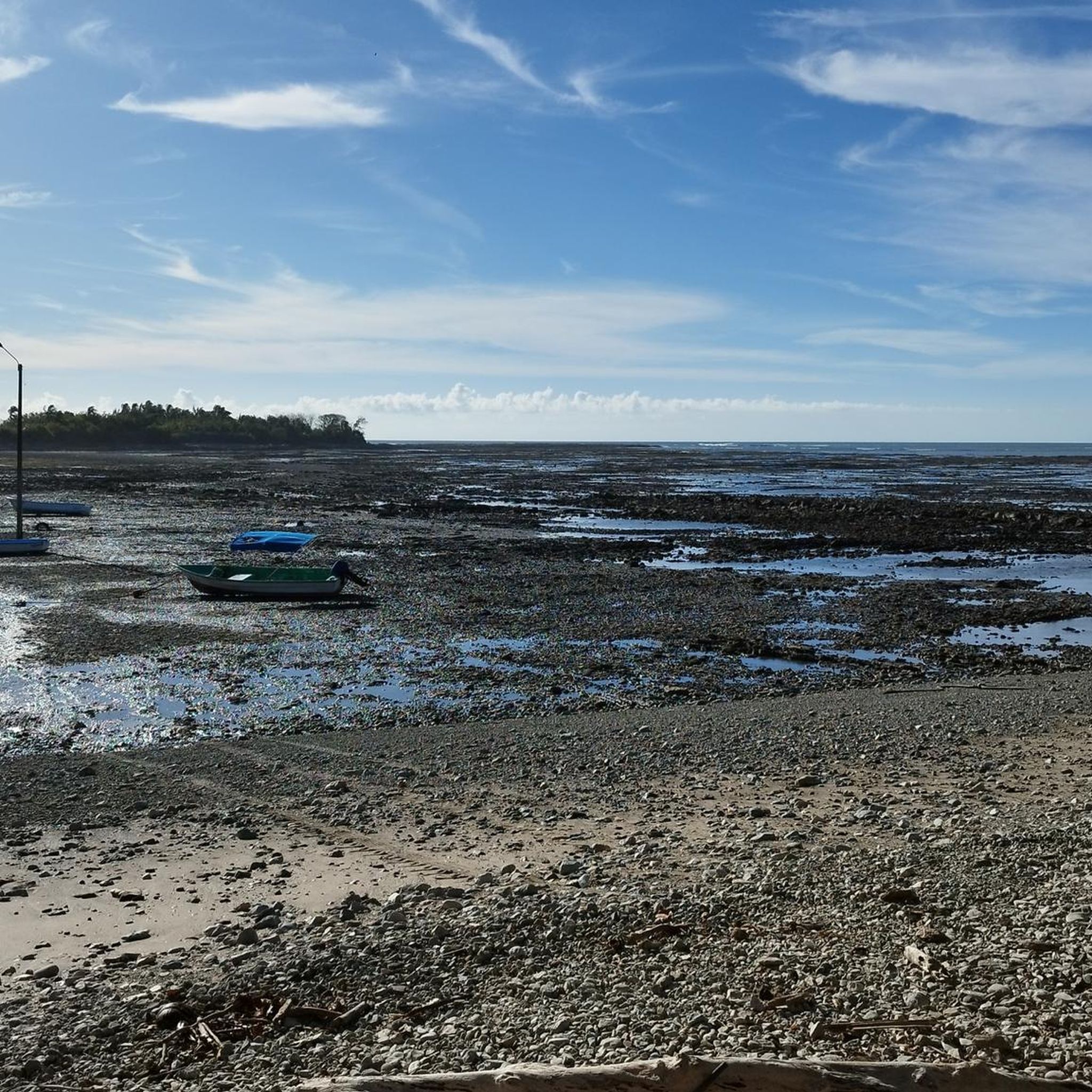
Marino Ballena National Park near Uvita protects a spectacular coastal landscape. The park is famous for its whale-shaped sandbar, visible at low tide. Mangroves, reefs, and beaches provide habitat for sea turtles. Humpback whales migrate past the park between July and October, and again from December to April. The park is ideal for snorkeling, hiking, and enjoying relaxing sunsets every day.
0
0
Marino Ballena National Park near Uvita protects a spectacular coastal landscape. The park is famous for its whale-shaped sandbar, visible at low tide. Mangroves, reefs, and beaches provide habitat for sea turtles. Humpback whales migrate past the park between July and October, and again from December to April. The park is ideal for snorkeling, hiking, and enjoying relaxing sunsets every day.
0
0

Beautiful, varied paths through the park. There are animals to discover everywhere.
1
0


Yes, the Monteverde Cloud Forest has earned its reputation. Water drips from the trees and fog stalks hang in the treetops.
0
0
The ferns in the cloud forest are fantastic and some are over 2 meters tall.
0
0
Great view of the forest from above. You are in the middle of the treetops. Awesome!
0
0
Without a guide, you hardly see any animals. You can find a few birds, caterpillars and monkeys yourself, but the well-camouflaged insect world remains hidden from the layperson. So it's best to go with a guide if you can get one. Unfortunately, we were too late... Book at least 2 days in advance: https://cloudforestmonteverde.com/our-tours/
0
0
Frequently Asked Questions
What kind of wildlife can I expect to see in Puntarenas' natural monuments?
Puntarenas is incredibly biodiverse. In places like Manuel Antonio National Park, you can spot capuchin monkeys, sloths, coatis, raccoons, and iguanas. Corcovado National Park is renowned for all four of Costa Rica's monkey species, jaguars, cougars, giant anteaters, and Baird's tapirs. Carara National Park is a key site for scarlet macaws, while Marino Ballena National Park is famous for humpback whales, dolphins, and sea turtles.
Which natural monuments are known for their unique marine life and activities?
For exceptional marine life, Marino Ballena National Park is a prime destination for whale watching, snorkeling, and diving, protecting the largest coral reef on the Pacific side of Central America. Isla del Coco National Park, though remote, is considered one of the world's most spectacular dive sites, teeming with hammerhead sharks, white-fin sharks, and mantas.
Where can I experience a cloud forest environment in Puntarenas?
The Monteverde Cloud Forest Reserve offers a unique cloud forest environment. Here, you can explore trails through lush vegetation, including diverse orchids, ferns, and mosses, often enveloped in mist. It's a haven for biodiversity, especially for birdwatching.
Are there family-friendly natural monuments in Puntarenas?
Yes, several natural monuments are great for families. Manuel Antonio National Park offers accessible trails and beautiful beaches like Espadilla Sur, where families can relax and spot wildlife. The Crocodile Bridge (Río Tárcoles) is a popular stop for all ages to safely view large crocodiles. Waterfall in Monteverde Cloud Forest Reserve also provides an idyllic and accessible spot for a break with an observation deck.
What is the best time of year to visit the natural monuments in Puntarenas?
The dry season, typically from December to April, is often considered the best time to visit. During this period, you'll experience less rain, making trails more accessible and wildlife viewing generally easier. However, some marine activities like whale watching in Marino Ballena National Park have specific seasons, with humpback whales present from July to November and again from December to April.
Do I need a permit or reservation to visit natural monuments in Puntarenas?
Yes, for many national parks and reserves, it is highly recommended or even required to purchase tickets or make reservations in advance, especially for popular sites like Manuel Antonio National Park. Check the specific park's official website for the most current entry requirements and booking procedures.
What outdoor activities can I do near the natural monuments in Puntarenas?
Puntarenas offers a wide range of outdoor activities. You can find easy hikes in areas like Manuel Antonio National Park and Corcovado National Park. For more adventurous cycling, there are numerous MTB trails and touring bicycle routes throughout the region, offering diverse terrain from coastal roads to forest paths.
Are there specific hiking trails recommended within Puntarenas' natural monuments?
Within Manuel Antonio National Park, the Sendero Mirador offers a great viewpoint, and Sendero el Perezoso is known for sloth spotting. Corcovado National Park has well-prepared trails for extensive wildlife viewing. In Monteverde, you can explore trails through the cloud forest, including those leading to the Waterfall in Monteverde Cloud Forest Reserve.
What are some of the most striking natural features to look out for?
Puntarenas boasts several unique natural features. The iconic whale tail-shaped sandbar at Marino Ballena National Park is a must-see at low tide. The mystical cloud forest environment of Monteverde, with its towering trees covered in epiphytes, is also a highlight. Additionally, the Tárcoles River, near Carara National Park, is famous for its large American crocodile population, easily viewed from the Crocodile Bridge.
Where can I see scarlet macaws in their natural habitat?
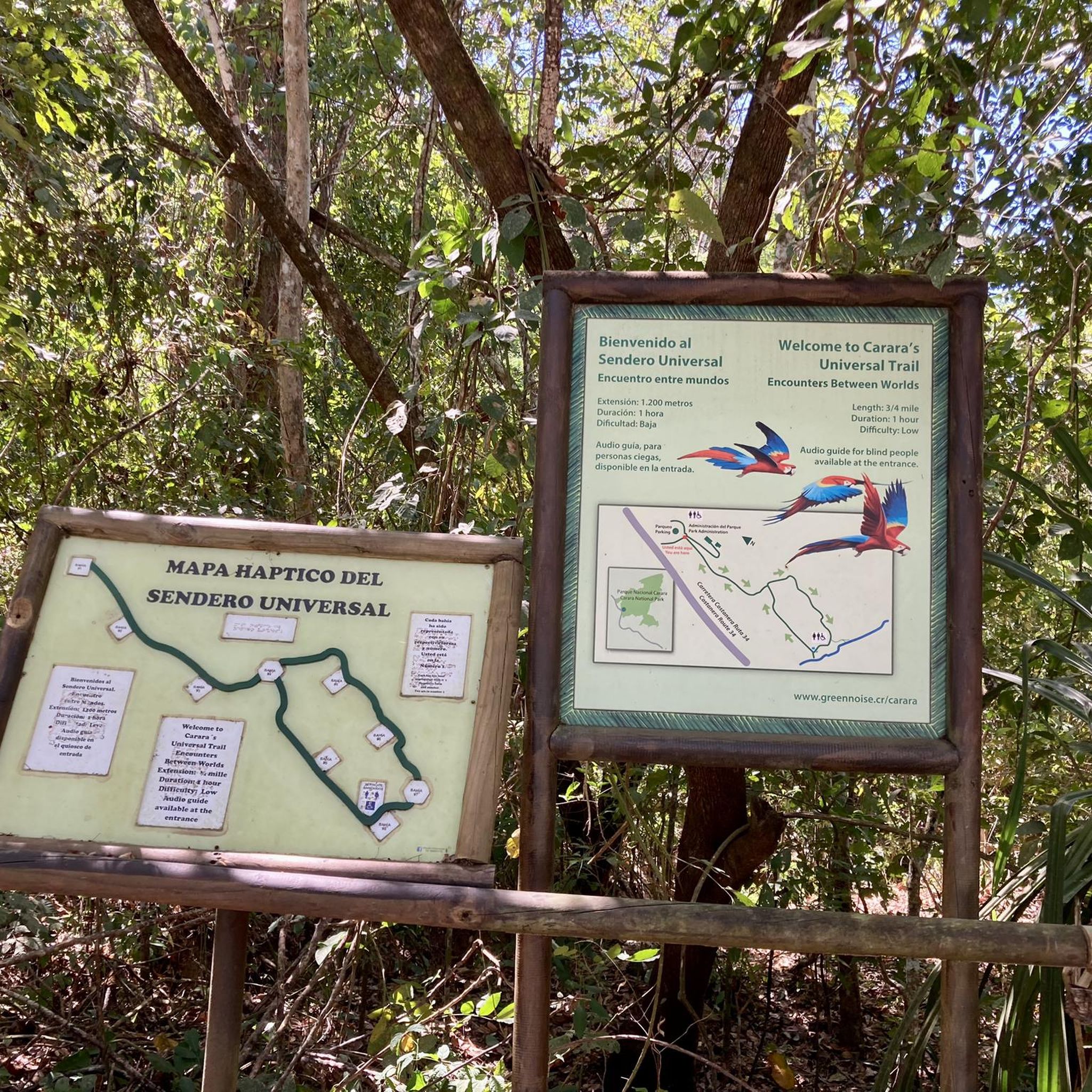
Carara National Park is strategically located as a transitional forest and is a significant site for the conservation of the scarlet macaw. Visitors often witness large numbers of these vibrant birds in their natural habitat, making it an excellent spot for birdwatching enthusiasts.
What do visitors often say about their experience at Puntarenas' natural monuments?
Visitors frequently praise the incredible biodiversity and the chance to see abundant wildlife up close. Many highlight the beauty of the beaches in Manuel Antonio National Park and the unique experience of the cloud forest in Monteverde. The opportunity to spot rare animals like sloths, monkeys, and macaws is a common theme, though some recommend hiring a guide for the best wildlife viewing experience.
Which natural monument is famous for its unique sandbar formation?
The Whale Tail Sandbar Hike (Parque Nacional Marino Ballena) is famous for its distinctive whale tail-shaped sandbar. This natural formation becomes visible at low tide, allowing visitors to walk out onto it, offering a truly unique experience within Marino Ballena National Park.
Most popular routes in Puntarenas
Most popular attractions in Puntarenas

Get inspired with the komoot mobile app


Didn’t find what you were looking for?
Find even more amazing natural monuments in Puntarenas by checking out the top Highlights region by region:
Explore more
Extend your search for the best caves by checking out these guides of the top ones in Puntarenas:
