Top 5 Natural Monuments around Llangybi
Best natural monuments around Llangybi include a diverse range of natural and historical sites across both Monmouthshire and Ceredigion. The region features prominent hills with expansive views, serene reservoirs, ancient standing stones, and rich nature reserves. These areas offer opportunities to explore varied landscapes, from Iron Age hillforts to meadows abundant with rare flora. The natural monuments around Llangybi provide insights into the area's geological and historical past.
Best natural monuments around Llangybi
- The most popular natural monuments is Twmbarlwm…
Last updated: May 3, 2026
Twmbarlwm Hill and Iron Age hillfort
Highlight • Historical Site
Tip by

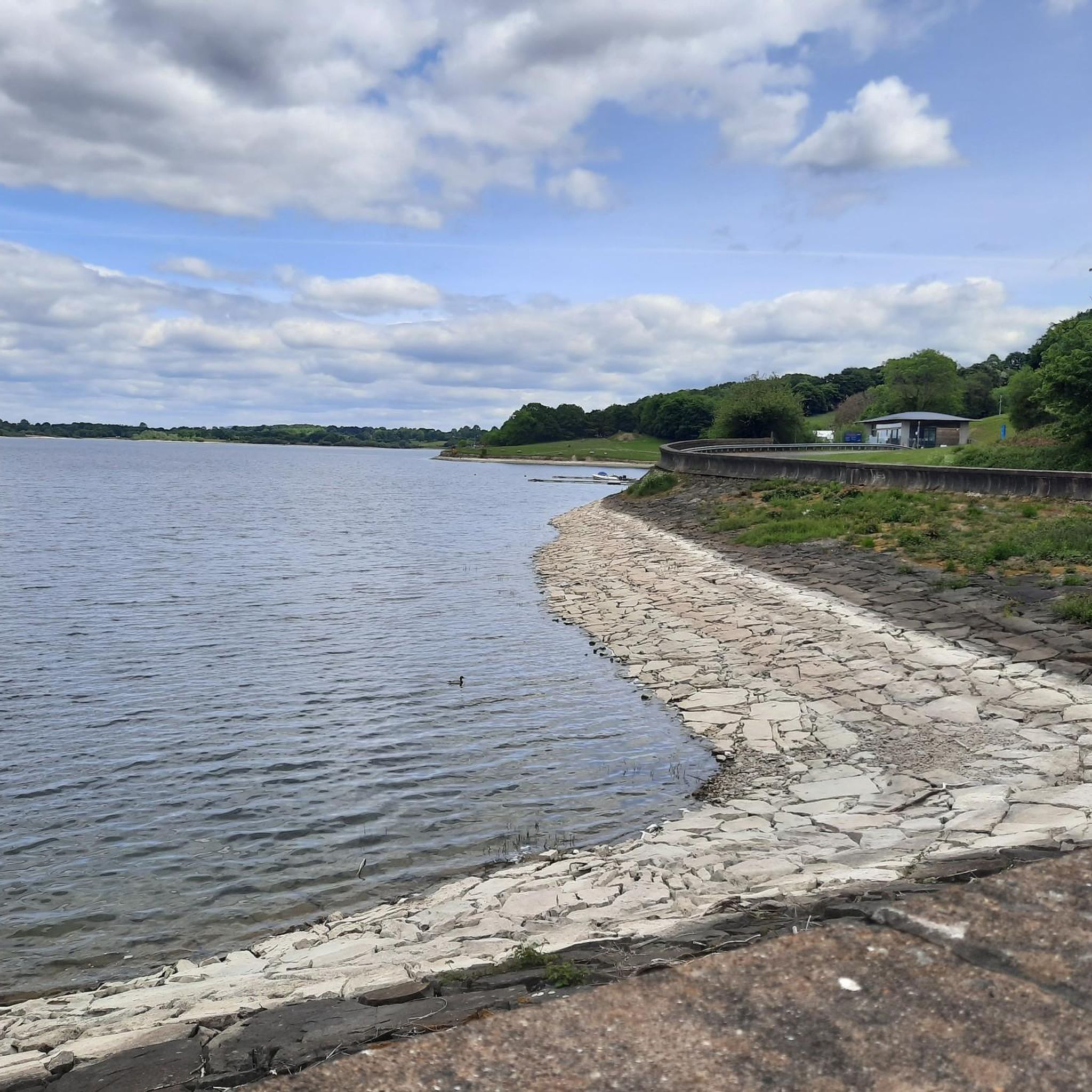
Llandegfedd Reservoir
Highlight • Natural Monument
Please note that the majority of the trails are closed annually from 1st October to 1st …
Tip by

Sign up now to discover places like this
Get recommendations on the best single tracks, peaks, & plenty of other exciting outdoor places.
Sign up for free
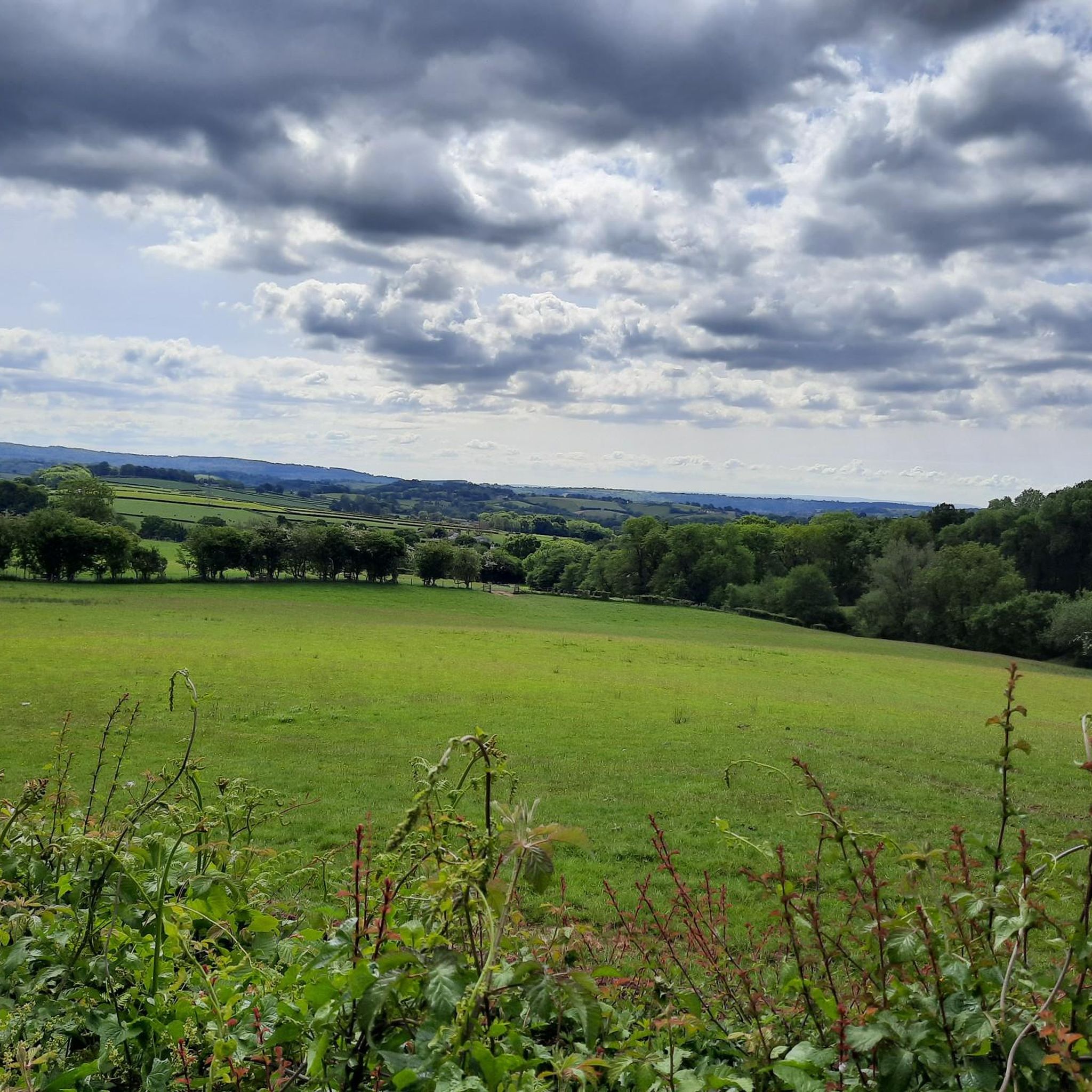
Trig point at Mynydd Twyn-glas summit
Highlight • Natural Monument
Tip by

Llanfrechfa Grange Park Tree
Highlight • Natural Monument
Tip by

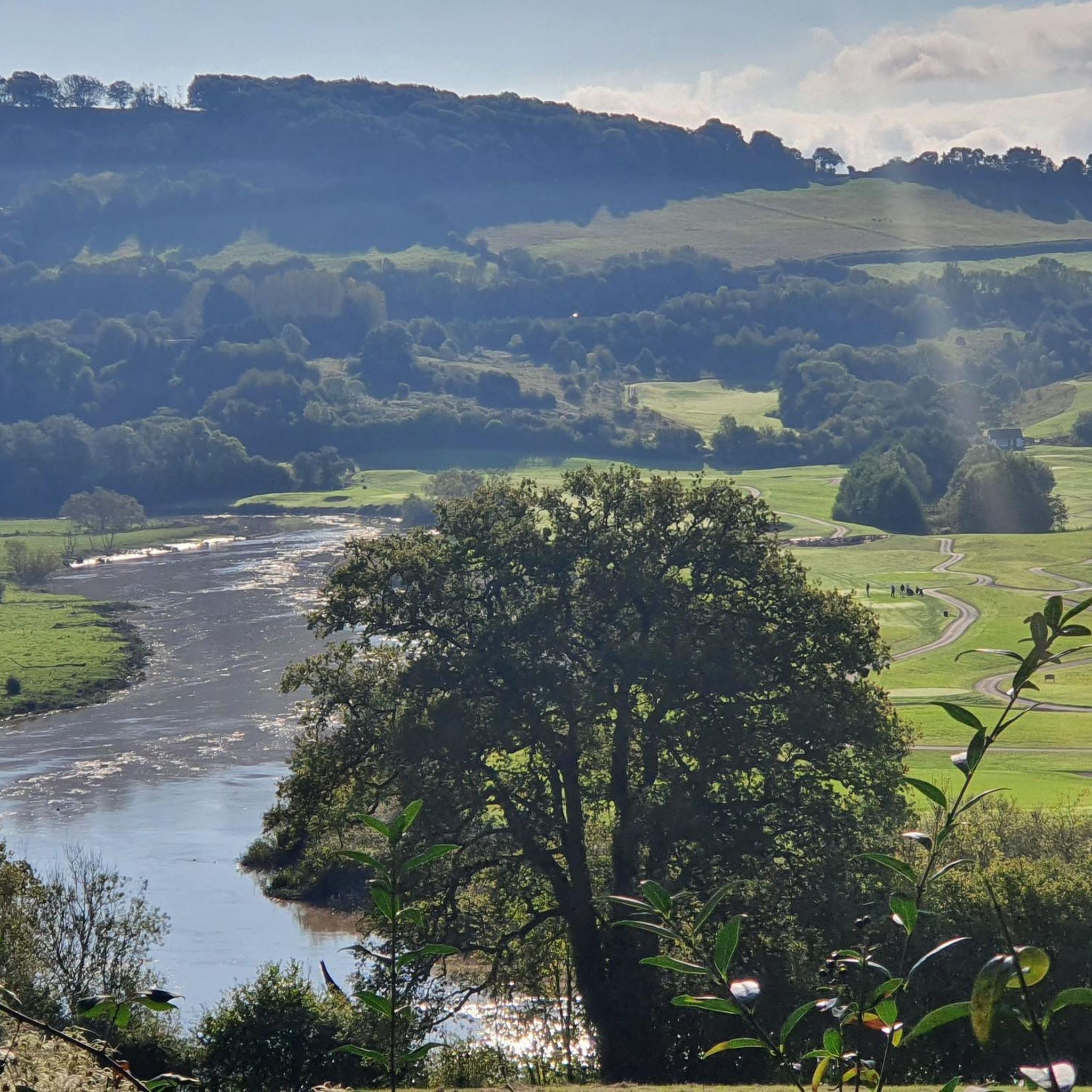
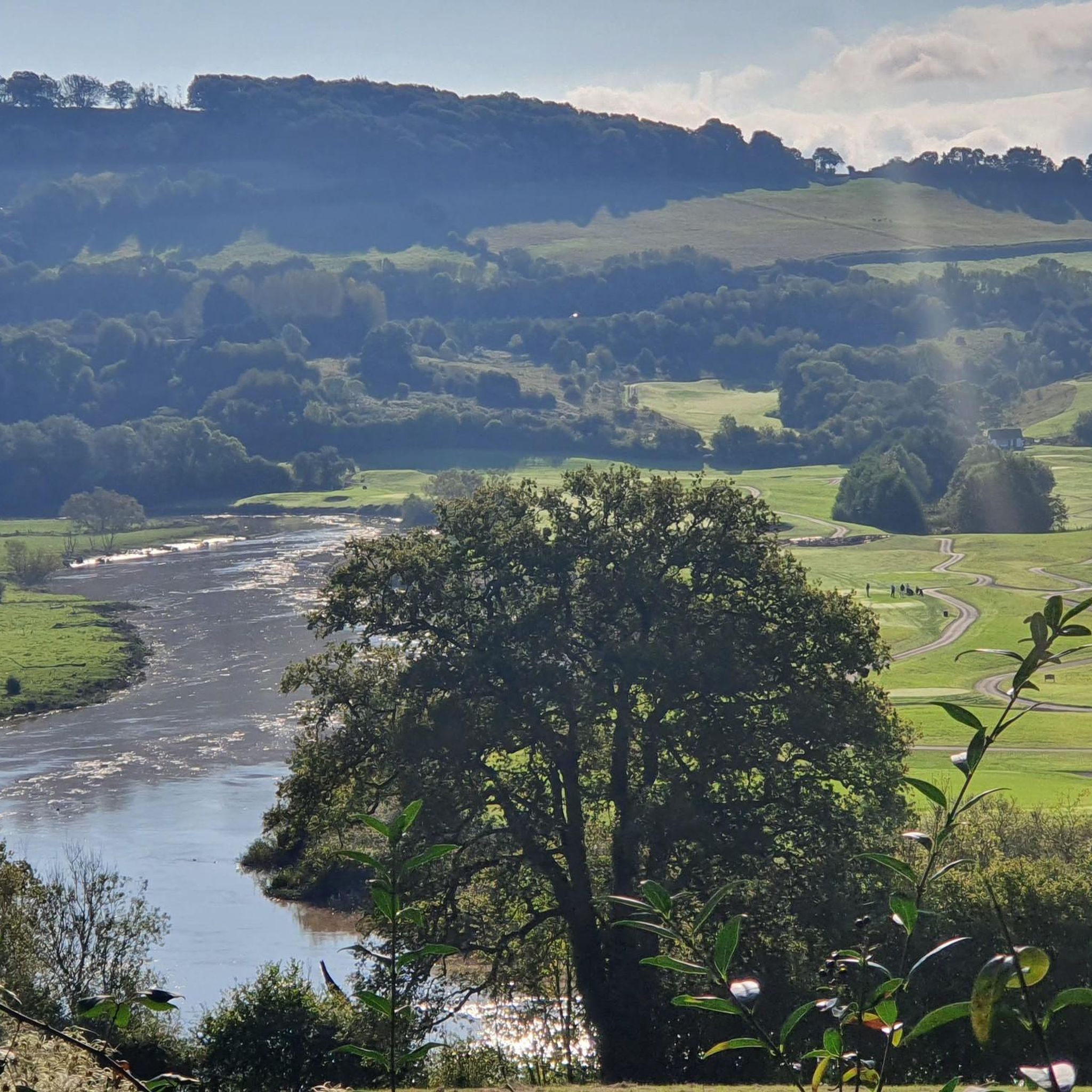
View of Marches Hill and Wye Valley
Highlight (Segment) • Viewpoint
Tip by

Start today with a free account
Your next adventure awaits.
Login or Signup
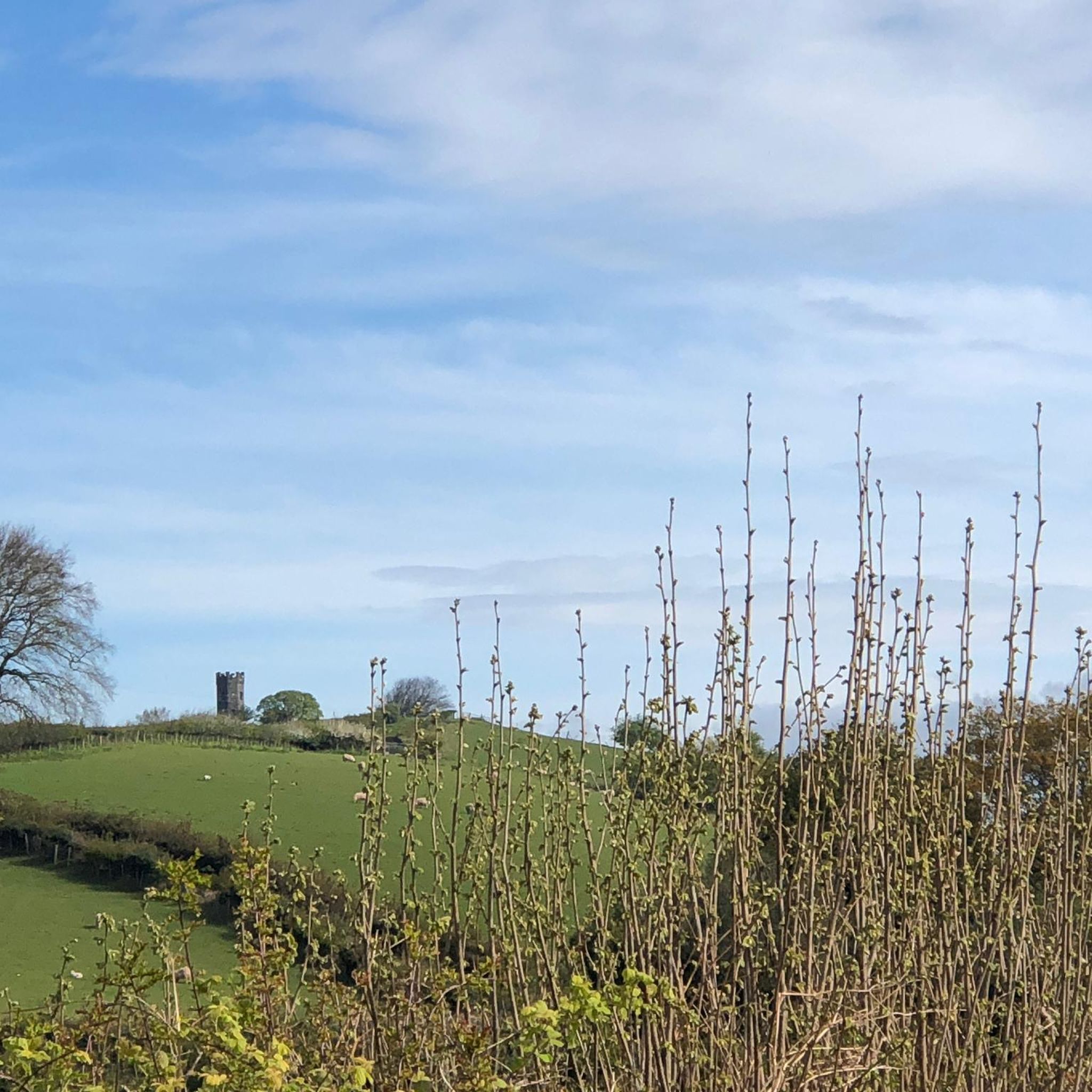

Tips from the Community

Twmbarlwm is a prominent hill and archaeological site located near the town of Cwmcarn in South Wales. It is part of the Caerphilly County Borough and is known for both its natural beauty and historical significance. Here are some key points about Twmbarlwm: Key Features: Hillfort: Twmbarlwm is home to the remains of an ancient hillfort, dating back to the Iron Age. The fortifications, which include earthworks and ramparts, suggest it was a significant settlement during that period. Celtic Connections: The name "Twmbarlwm" is thought to derive from Welsh, with "Twm" being a diminutive of "Tudur" and "barlwm" referring to a mound or hill. The site is associated with Celtic history and mythology. Natural Beauty: The hill offers stunning views of the surrounding landscape, including the nearby valleys and mountains. It is a popular destination for walkers, hikers, and outdoor enthusiasts. Archaeological Significance: Twmbarlwm has been the subject of various archaeological studies, which have revealed insights into ancient settlement patterns, defensive strategies, and daily life in prehistoric Wales. Access: The hill is accessible via footpaths, making it a popular spot for local residents and visitors. There are several trails that lead to the summit, offering a rewarding hike. Cultural Heritage: The site is connected to local folklore and legends, contributing to its cultural significance in the region. Visiting: If you plan to visit Twmbarlwm, it’s a good idea to check local resources or hiking guides for specific trails and information about the area. The site is a great way to experience the natural beauty and historical richness of South Wales.
1
0

Be aware that if you come down to the dam on the lake you can't escape through the valley, there's a gate on both of these minor roads coming down off the dam with some very threatening signs. You have to take on one of the bastard ramps, east or west doesn't matter, they're both brutal, though I can imagine eastward is worse.
1
0

A small summit above Risca. Known locally as the "Twmp" (the hump), the pimple or the nipple, due to the shape of the mound on the summit.
1
0
Great views after coming down through Itton common. To get here from Itton there is an absolute wall into Shirenewton. Starts at the bottom of the valley then rises to the junction before a 16% ramp up and over into the village. There's a couple more smaller uphill sections before Mathern, and a final leg burner up to the main road at Chepstow. You can see the hills above Bath, like Kelston Round Hill from here.
0
0

A lovely place with great views, with a variety of walking trails on offer. Please note that the majority of the trails are closed annually from 1st October to 1st March, this is to protect over-wintering wildfowl, for which the area has been designated an SSSI.
1
0

Cracking local walk, gain height for amazing views and walk over to twmbarlwm
0
0

Twmbarlwm is a 1,375 foot (419 m) hill that is rich in beauty, history and folklore. From the summit, you are afforded wonderful views of the Severn Estuary. There is an Iron Age hill fort on the summit, too.
2
0

Mynydd Twyn-glas is a sprawling 472-metre-high mountain extending into Caerphilly and Torfaen county boroughs in South Wales. It lies southwest of Pontypool, west of Cwmbran and east of Newbridge and taking the form of a rolling plateau the margins of which are defined by steep slopes, many of which are cloaked with conifer plantations. A broad shoulder extending south from the summit is known as Mynydd Maen whilst to the north is Mynydd Llwyd. The thickly afforested northern slopes of the hill drop down steeply into Cwm y Glyn. It is a UK listed Marilyn.
3
0
Frequently Asked Questions
What kind of historical natural monuments can I explore near Llangybi?
The region around Llangybi is rich in historical natural monuments. A prominent example is Twmbarlwm Hill and Iron Age hillfort, a 419-meter hill featuring an ancient Iron Age hillfort at its summit. This site offers extensive views of the Severn Estuary and provides insights into prehistoric settlement patterns. Additionally, the Llangibby Bottom Standing Stone, believed to date back to the Bronze Age, is a nationally important relic of a prehistoric funerary and ritual landscape located on the flood plain of the River Usk.
Are there any natural monuments suitable for family visits around Llangybi?
Yes, several natural monuments are suitable for families. Llandegfedd Reservoir is a great option, offering picturesque views and a variety of walking trails that are generally easy. Another family-friendly spot is Llanfrechfa Grange Park Tree, which provides a pleasant natural setting for a leisurely visit.
Where can I find panoramic views of the surrounding landscape near Llangybi?
For expansive views, consider visiting Twmbarlwm Hill and Iron Age hillfort, which offers stunning vistas of the Severn Estuary. Another excellent viewpoint is the Trig point at Mynydd Twyn-glas summit, a 472-meter-high mountain providing broad views across the surrounding landscape. You can also enjoy great views of Marches Hill and the Wye Valley from the View of Marches Hill and Wye Valley highlight.
What natural features can I expect to see in the Llangybi area?
The Llangybi area boasts diverse natural features. You can explore prominent hills like Twmbarlwm Hill, serene waterscapes at Llandegfedd Reservoir, and ancient woodlands and fields in the Llangybi Woods and Surrounding Countryside. In Ceredigion, Caeau Llety Cybi is a nature reserve known for its herb-rich grasslands and rare flora like the Greater Butterfly Orchid.
Are there opportunities for wildlife spotting near Llangybi's natural monuments?
Yes, the area offers good opportunities for wildlife spotting. Llandegfedd Reservoir is designated as a Site of Special Scientific Interest (SSSI) due to its importance for overwintering wildfowl. The Llangybi Woods and Surrounding Countryside also support diverse wildlife, with local initiatives focused on creating habitats for small mammals, insects, and nesting birds. In spring and summer, Caeau Llety Cybi is vibrant with a wealth of flowers and associated insects.
What is the best time to visit the natural monuments around Llangybi?
The best time to visit depends on your interests. For vibrant floral displays, spring and summer are ideal, especially for places like Caeau Llety Cybi where you can see flowers like the Greater Butterfly Orchid. For general walking and enjoying the views, most times of the year are suitable, though some trails at Llandegfedd Reservoir are closed annually from October 1st to March 1st to protect overwintering wildfowl.
Are there hiking trails near the natural monuments in Llangybi?
Yes, there are numerous hiking opportunities. You can find easy hikes around Llangybi, including routes like the "View of Llandegfedd Reservoir – Llandegfedd Visitor Centre loop from Llanbadoc" or the "Pontymoile Basin loop from Cwmbrân." For more details and route options, you can explore the Easy hikes around Llangybi guide.
What cycling routes are available near Llangybi's natural monuments?
The area offers various cycling routes. For touring bicycles, options include the "Tredunnock and Glascoed loop from Usk" or the "Cwm Carn Campsite loop from Cwmbran." Road cyclists can enjoy routes like "Caerleon to Monmouth loop via Usk" or the "Llandegfedd Reservoir loop from Usk." More information on these and other routes can be found in the Cycling around Llangybi guide and the Road Cycling Routes around Llangybi guide.
What do visitors enjoy most about the natural monuments around Llangybi?
Visitors frequently praise the stunning views, particularly from elevated points like Twmbarlwm Hill. The variety of walking trails, especially around Llandegfedd Reservoir, is also highly appreciated for its scenic beauty and ease of access. The blend of natural beauty with historical significance, such as the Iron Age hillforts, adds a unique appeal to the region.
Are there any ancient holy sites or wells among the natural monuments?
Yes, in Ceredigion, you can visit St Cybi's Well (Ffynnon Cybi). This ancient holy well, dedicated to the 6th-century Saint Cybi, is nestled in a secluded, tree-lined spot at the base of Garn Bentyrch. While primarily a historical and religious site, its natural setting contributes to its mystical atmosphere, and its waters have long been associated with healing properties.
Can I find diverse botanical interest in the natural monuments near Llangybi?
Absolutely. Caeau Llety Cybi in Ceredigion is a prime example, consisting of herb-rich fields of neutral grassland with significant botanical diversity. It's home to a wealth of flowers, including Bird's-foot Trefoil, Black Knapweed, Burnet Saxifrage, and the rare Greater Butterfly Orchid. The reserve is also notable for its rich waxcap fungi, making it a fascinating spot for plant enthusiasts.
Most popular attractions around Llangybi

Get inspired with the komoot mobile app


Explore more
Extend your search for the best caves by checking out these guides of the top ones around Llangybi:
