Top 18 Natural Monuments around Llansanffraid Glan Conwy
Best natural monuments around Llansanffraid Glan Conwy include a variety of geological formations and historical sites. This region in North Wales offers diverse landscapes, from prominent headlands to mountain summits, providing opportunities for outdoor exploration. The area features more than 18 natural monuments, many of which offer extensive views of the surrounding countryside and coastline. These locations are ideal for those interested in natural beauty and historical significance.
Best natural monuments around Llansanffraid Glan Conwy
- The most popular natural monuments…
Last updated: May 3, 2026
Great Orme Summit
Highlight • Viewpoint
Tip by

Drum Summit
Highlight • Viewpoint
Tip by
Sign up now to discover places like this
Get recommendations on the best single tracks, peaks, & plenty of other exciting outdoor places.
Sign up for free
Caer Seion Hillfort
Highlight • Historical Site
Tip by

Caer Seion Hillfort (Conwy Mountain)
Highlight • Historical Site
Tip by

Little Orme Summit and Trig Point
Highlight • Natural Monument
It's a limestone outcrop like the …
Tip by

Sign up for free to discover even more natural monuments around Llansanffraid Glan Conwy.
Sign up for free
Already have an account?
Start today with a free account
Your next adventure awaits.
Login or Signup
Tips from the Community

Approaching from the north it is a slog on the bike but nothing technical. With the right gearing and fitness it's all rideable if you're happy to take your time and plod.
0
0

Mynydd y Dref (Welsh for 'mountain of the town'), also known as Conwy Mountain, is a hilly area to the west of the town of Conwy, in North Wales. To the north it overlooks the sea of Conwy Bay, and to the south lie the foothills of the Carneddau range of mountains, of which it forms a part. Mynydd y Dref is the remains of an ancient volcano that erupted about 450 million years ago. At the summit of Mynydd y Dref are the Neolithic Hut Circles and the Iron Age hillfort of Castell Caer Seion (sometimes called Castell Caer Lleion). Castell Caer Seion comprised a stone walled fort, and remains show this to have been an extensive site, incorporated more than 50 hut circles and levelled platform houses, and with a citadel and outposts.
0
0
In the second period a smaller and stronger fort was constructed at the west end of the hill. The older fort appears to have still been occupied but there was no access between the two. The smaller fort had somewhat wider walls and a strong gateway protected by bastions on either side and probably a ‘fighting tower’. Comparison with similar forts suggests that the wall would have been about 3 to 4m high with a walkway and breastwork wall on top. The defences were further reinforced by the addition of deep ditches at the east, north-east, west and south-west (E). The entrance was also protected by an ‘outwork’ – an outer wall that made rapid, approach to the entrance impossible and exposed any attackers to missiles from the defenders on the overlooking inner walls. The entrance through this outwork was later blocked. The excavations carried out in 1951 found a hearth inside one house in the small fort as well as spindle whorls (for spinning wool) and a quern (for grinding corn). In the large fort the house next to the entrance contained over 400 sling stones, so perhaps was a ‘guard chamber’. It may be that the small fort was built during the period between the first Roman attack on north Wales in 60AD and the final conquest in 78 AD. The absence of Roman period finds from the fort suggested that it was not occupied after the Roman conquest, and so it may have been destroyed and deserted. However, there is a tradition linking the fort with Maelgwn Gwynedd in the 6th century and it has been suggested that the small fort belongs to that period. Outside the fort are some remains of stone-walled roundhouses that may have been occupied at the same time as the fort or during the Roman period. One lies in a slight level hollow at the north side of the North Wales Path just east of the path up to the fort. It consists of one large roundhouse and probably several other smaller buildings. The other lies on a terrace on the slope below the south-east angle of the fort and consists of just a single large roundhouse.
0
0
Caer Seion is a large and strong hill fort. Excavations were carried out in 1951 but did not produce any dating evidence. However, it is believed to have been occupied during the Middle to Late Iron Age, about 300 BC to 1st century AD and it seemed likely that the fort was abandoned when the Romans conquered North Wales in 78 AD. The fort had a commanding position overlooking Conwy Bay and estuary and over the ancient trackway that followed the coastal ridge, continuing westwards towards Anglesey. The next nearest strong forts and possibly tribal centres are at Pen-y-dinas on the Great Orme, Pen-y-gaer above Llanbedrycennin and Braich y Dinas above Penmaenmawr. The fort had two periods of defence. In the first period a single stone wall of 3 to 4m width encircled the whole hill top apart from at the steep north side where no defence was needed. It had one entrance, at the south side, which would have had a timber gate. The greater width of the wall around the gate suggests it had a ‘fighting tower’ over it. Within the fort were over 50 timber round houses, many just behind the rampart at the south side (to shelter from the wind) and they are visible as circular platforms terraced into the hill slope. They varied in size from about 4m to 8m diameter and traces of walling survive at some of them. In one place there is a possible corn-drying kiln.
0
0
Trig point on top of the little orme. Gives panoramic views of the Irish sea, Snowdonia, Conwy, Denbighshire, Llandudno and the Great Orme.
0
0
So much to discover on this little gem of a place.
0
0
Beatiful views across the bay of llandudno and Snowdonia park in the distance.
0
0

Great little cafe at the summit complex, always good for a coffee and a flapjack !!
1
2
Frequently Asked Questions
What are some popular natural monuments to visit near Llansanffraid Glan Conwy?
The region offers a variety of impressive natural monuments. Highly regarded spots include the Great Orme Summit, known for its extensive views and facilities, and Caer Seion Hillfort (Conwy Mountain), which combines historical significance with panoramic vistas over Conwy Bay.
What kind of views can I expect from the natural monuments in this area?
Many natural monuments around Llansanffraid Glan Conwy offer spectacular views. From the Great Orme Summit, you can see towards Anglesey and the Carneddau foothills. Drum Summit provides extensive views, including Llwyntmor across Llyn Anafon. You can also enjoy wonderful views into Snowdonia National Park from Tal y Fan.
Are there family-friendly natural monuments around Llansanffraid Glan Conwy?
Yes, several natural monuments are suitable for families. The Great Orme Summit is very family-friendly, featuring a cafe, information centre, shop, and even a crazy golf course. Llandudno West Shore Beach is also a great option for families, offering plenty of space for ball games and kitesurfing at low tide.
What historical features can be found at these natural monuments?
The area is rich in history. Caer Seion Hillfort (Conwy Mountain) is a significant historical site with the remains of an Iron Age hillfort and Neolithic Hut Circles. Caer Seion Hillfort itself is a large and strong hill fort believed to have been occupied during the Middle to Late Iron Age, offering insights into ancient settlements.
What outdoor activities can I do near these natural monuments?
The region provides numerous opportunities for outdoor activities. You can enjoy easy hikes, such as the 'Conwy Castle – Conwy Suspension Bridge loop from Conwy' or the 'Caer Seion Hillfort – View of Conwy Valley loop from Conwy'. For running, routes like 'Deganwy Rocky Beach – View of Conwy Castle loop from Llandudno Junction' are available. Cyclists can explore longer routes like 'Betws-y-Coed Village – Conwy Castle loop from Llandudno Junction'. Find more details on these activities in the easy hikes, running trails, and road cycling routes guides.
Are there opportunities for wildlife spotting around Llansanffraid Glan Conwy?
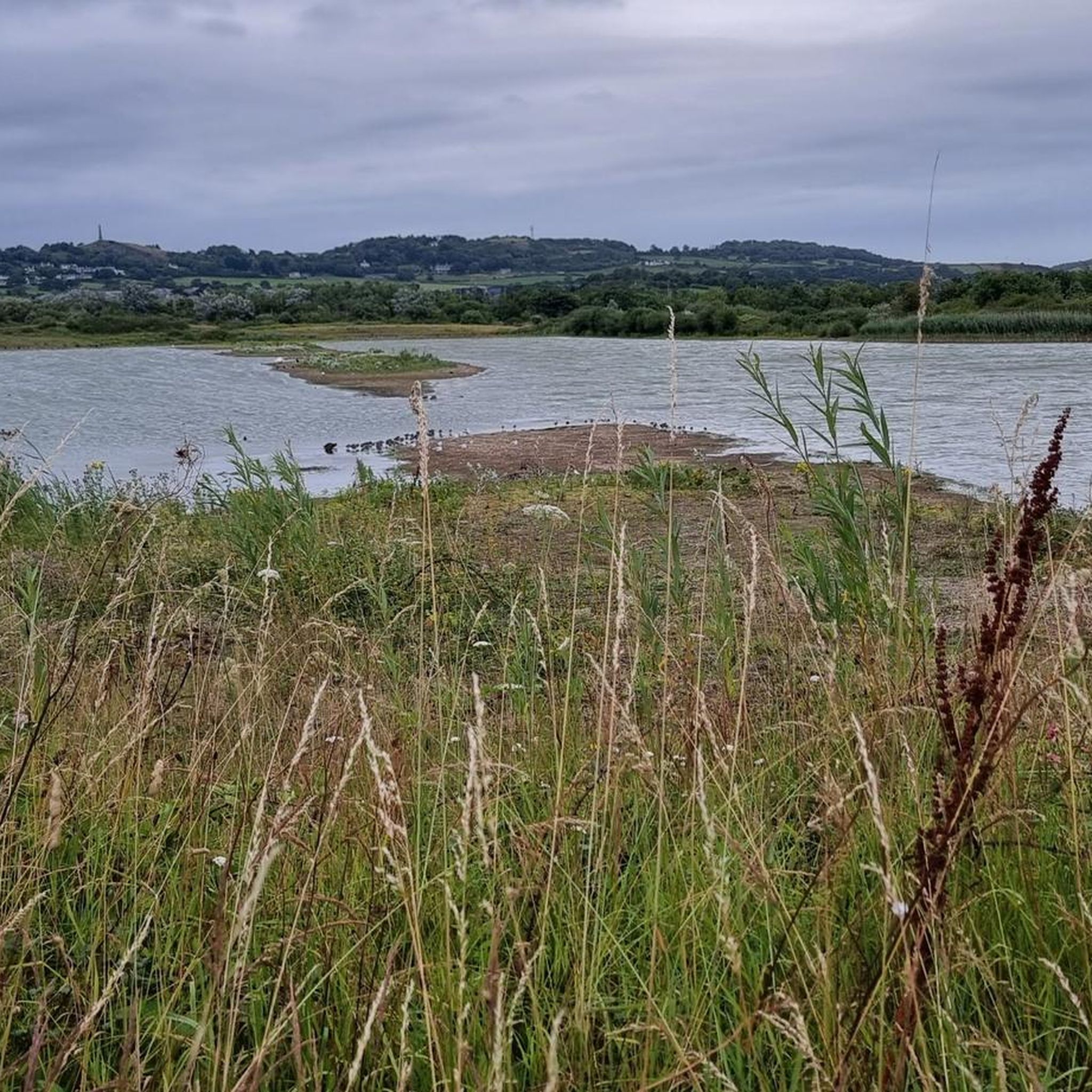
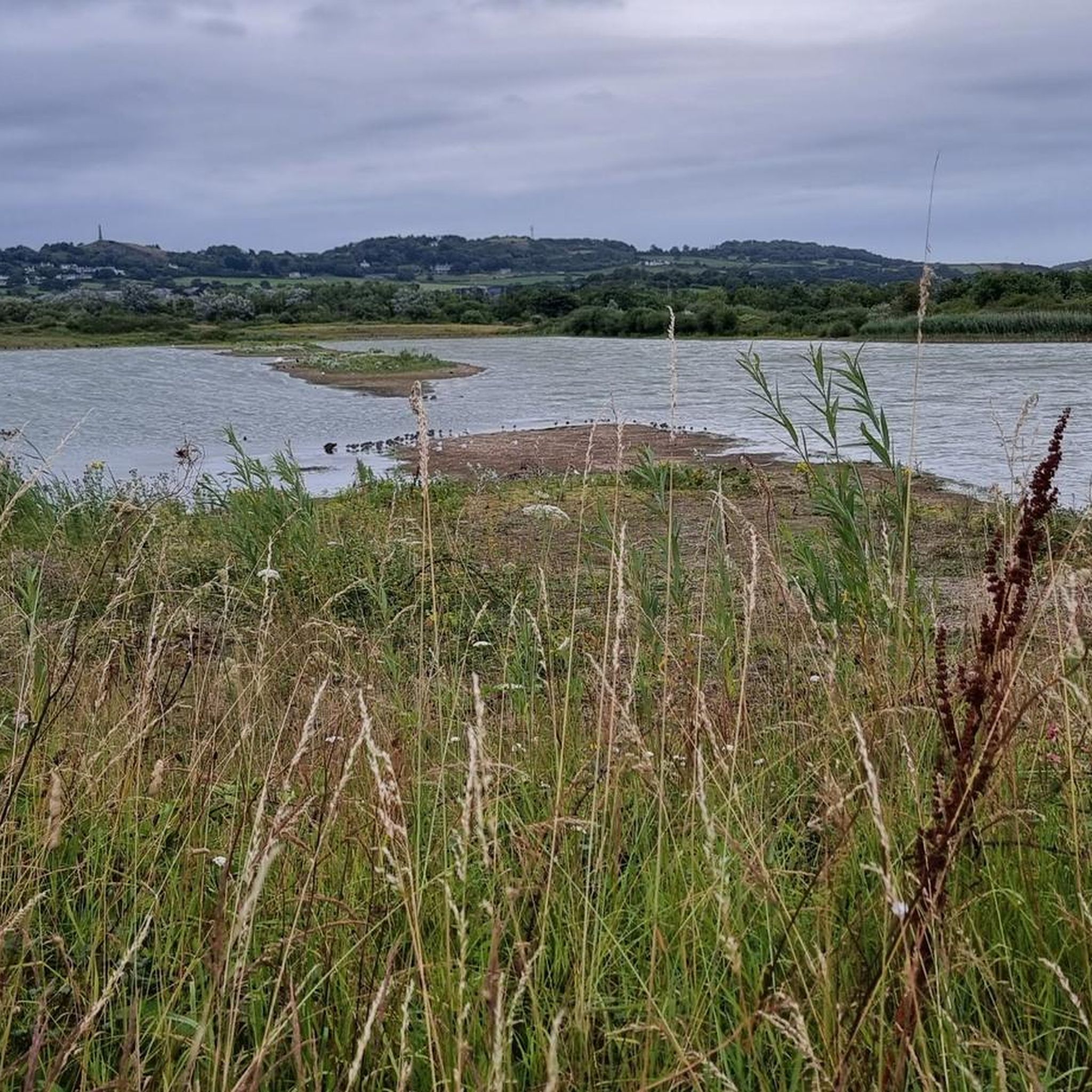
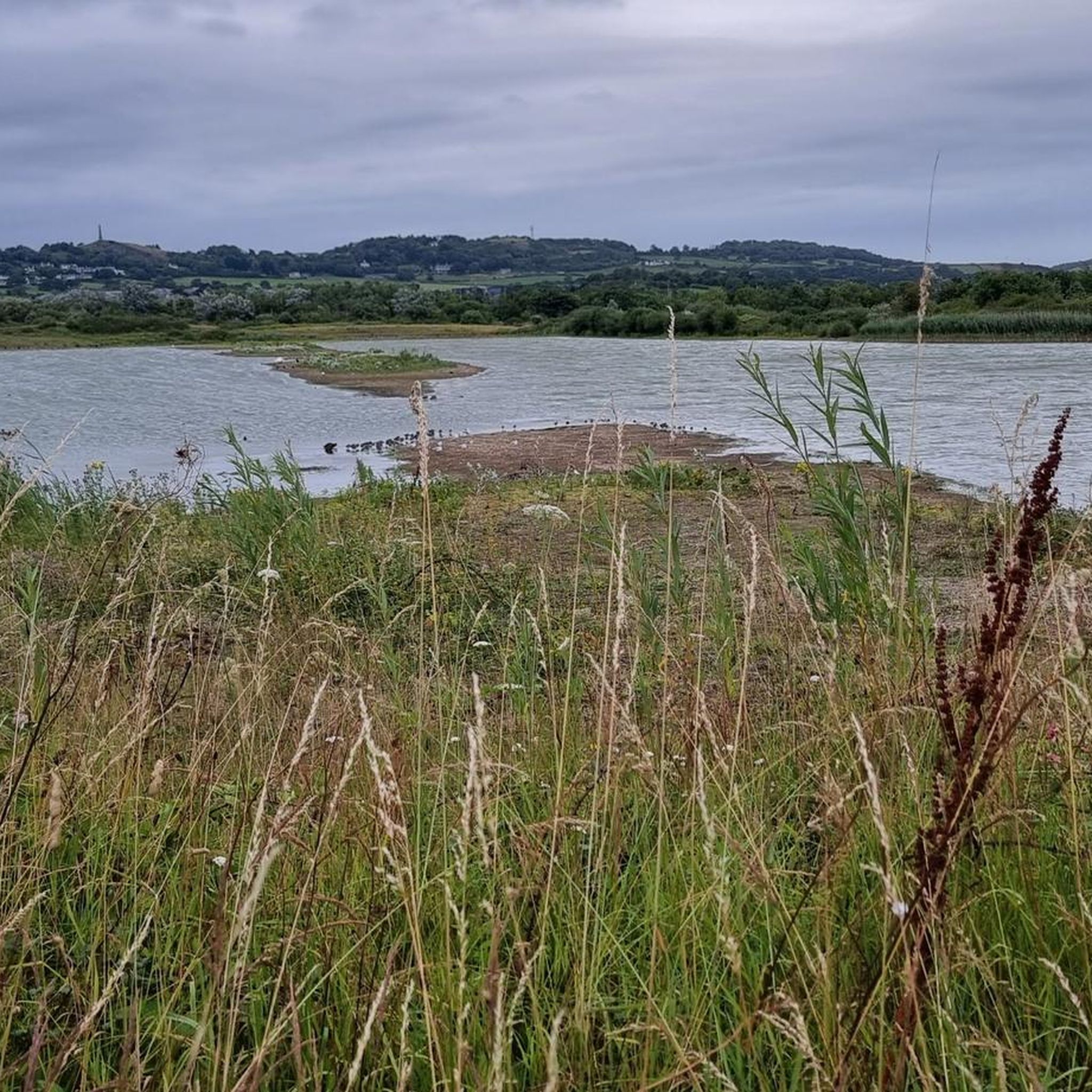
Yes, the area is excellent for wildlife enthusiasts. The Great Orme Summit is home to wild Cashmere goats. The RSPB Conwy Nature Reserve, located nearby, is a prime destination for birdwatching, offering a tranquil setting to observe various species. You might also spot ravens and choughs around Conwy Mountain.
What are the best times to visit the natural monuments in Llansanffraid Glan Conwy?
The natural monuments can be enjoyed year-round, but spring and autumn often offer pleasant weather for walking and clearer views. Summer is ideal for beach activities at Llandudno West Shore Beach, and its west-facing orientation makes it perfect for observing spectacular sunsets. Always check the weather forecast before heading out, especially for mountain summits like Drum Summit, where conditions can be boggy.
Are there any coastal natural monuments or beaches to visit?
Absolutely. The Great Orme is a prominent limestone headland offering coastal walks and views. The Little Orme Summit and Trig Point also provides amazing views across Llandudno Bay and is known for its sheltered beaches where seals and their pups can often be seen. Llandudno West Shore Beach is a pleasant spot for a stroll with views over Conwy Bay.
What kind of terrain can I expect on trails near these natural monuments?
The terrain varies significantly. Trails around the Great Orme can involve moorland and paths through sheep herds. Mountain summits like Drum Summit can have boggy approaches, while descents on the west side of the Great Orme can be steep and dry. Conwy Mountain offers a network of paths, some leading to an Iron Age hillfort.
Can I find cafes or other facilities near the natural monuments?
Yes, facilities are available at some locations. The Great Orme Summit features a cafe, an information centre, and a shop. While more remote spots like Drum Summit offer a wilder experience, you'll find amenities in nearby towns and villages.
What makes the Carneddau Mountains, like Tal y Fan and Drum, special?
The Carneddau Mountains, including Tal y Fan and Drum Summit, are known for their wild and secluded feeling. Tal y Fan, as the northernmost outlier, provides wonderful views into Snowdonia National Park. Drum Summit offers extensive views and the chance to encounter wild ponies, making them ideal for hikers seeking a more rugged experience.
Are there any natural monuments that are also geological points of interest?
Yes, the region has interesting geological features. Caer Seion Hillfort (Conwy Mountain) is notable as the remains of an ancient volcano that erupted about 450 million years ago. Both the Great Orme and the Little Orme are prominent limestone outcrops, historically used for quarrying.
Most popular routes around Llansanffraid Glan Conwy
Most popular attractions around Llansanffraid Glan Conwy

Get inspired with the komoot mobile app


Explore more
Extend your search for the best caves by checking out these guides of the top ones around Llansanffraid Glan Conwy:
