Top 8 Natural Monuments around Llangefni
Best natural monuments around Llangefni include a variety of natural features, from wooded valleys to coastal areas. Llangefni, located in the heart of Anglesey, serves as a central point for exploring the island's diverse natural landscape. The town itself provides access to The Dingle (Nant y Pandy) Nature Reserve and Llyn Cefni Reservoir. Anglesey's coastline is largely designated an Area of Outstanding Natural Beauty, offering numerous natural sites within reasonable reach.
Best natural monuments around Llangefni
- The most popular natural monuments is Red Wharf Bay, a viewpoint and vast sandy beach that is also a nature reserve. This bay is home to various birdlife, including purple sandpipers and curlew.
- Another must-see spot is Bryn Celli Ddu burial chamber, a historical site and famous Neolithic burial chamber. Visitors can walk inside this ancient structure, and on the summer solstice, the rising sun illuminates the chamber within.
- Visitors also love Mynydd Bodafon Summit, a viewpoint and collection of peaks. This site includes Arwydd, the highest point on Anglesey, offering panoramic views of the island's landscape.
- Llangefni is known for its diverse natural monuments, including ancient burial chambers, coastal bays, and scenic summits. The area offers a variety of natural monuments to see and explore, from historical sites to significant geological features.
- The natural monuments around Llangefni are appreciated by the komoot community, with 17 upvotes and 15 photos shared across the highlights.
Last updated: October 4, 2026
Mynydd Bodafon Summit
Highlight • Viewpoint
Tip by

Bryn Celli Ddu burial chamber
Highlight • Historical Site
Tip by

Sign up now to discover places like this
Get recommendations on the best single tracks, peaks, & plenty of other exciting outdoor places.
Red Wharf Bay
Highlight • Viewpoint
Tip by
The Dingle Local Nature Reserve
Highlight • Gorge
The Dingle is a steep sided gorge formed by glacial meltwater during the last ice age hence one of its Welsh names Nant y Dilyw - Valley of the Deluge.
Another name for the Dingle is Nant y Pandy - Brook of the Fulling Mill. This refers to the old wool processing plant situated upstream.
Much of the reserve is ancient woodland which led to it being known as the Dingle as early as the 1830s. Dingle literally means steep wooded valley.
Tip by

Castell Mawr Rock
Highlight • Viewpoint
Tip by

Sign up for free to discover even more natural monuments around Llangefni.
Already have an account?
Start today with a free account
Your next adventure awaits.
Tips from the Community

On the longest day of the year, sunlight flows into the passageway of this Neolithic burial grounds. Bryn Celli Ddu Burial Chamber is one of Anglesey’s most famous prehistoric landmarks, Bryn Celli Ddu (the ‘Mound in the Dark Grove’ in English) is actually two sites in one. In the early Neolithic (New Stone Age) period, a henge (bank and ditch) enclosing a circle of stones was built here, to be replaced later by a chambered tomb beneath a mound measuring up to 85ft/26m in diameter. Inside, a long, narrow passage leads to an octagonal chamber 8 feet/2.4m across, where artefacts such as human bones, arrowheads, and carved stones have been found.
3
0

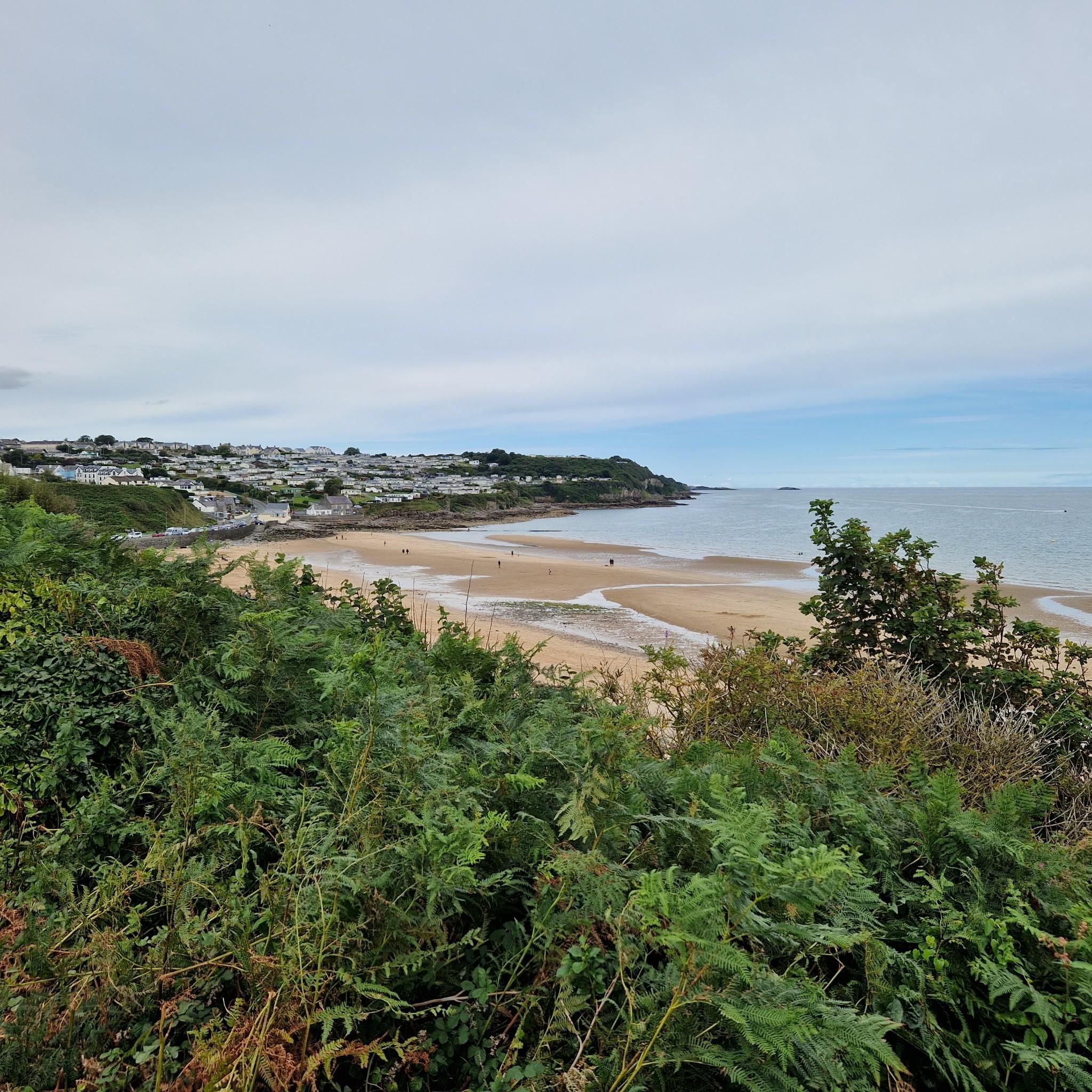
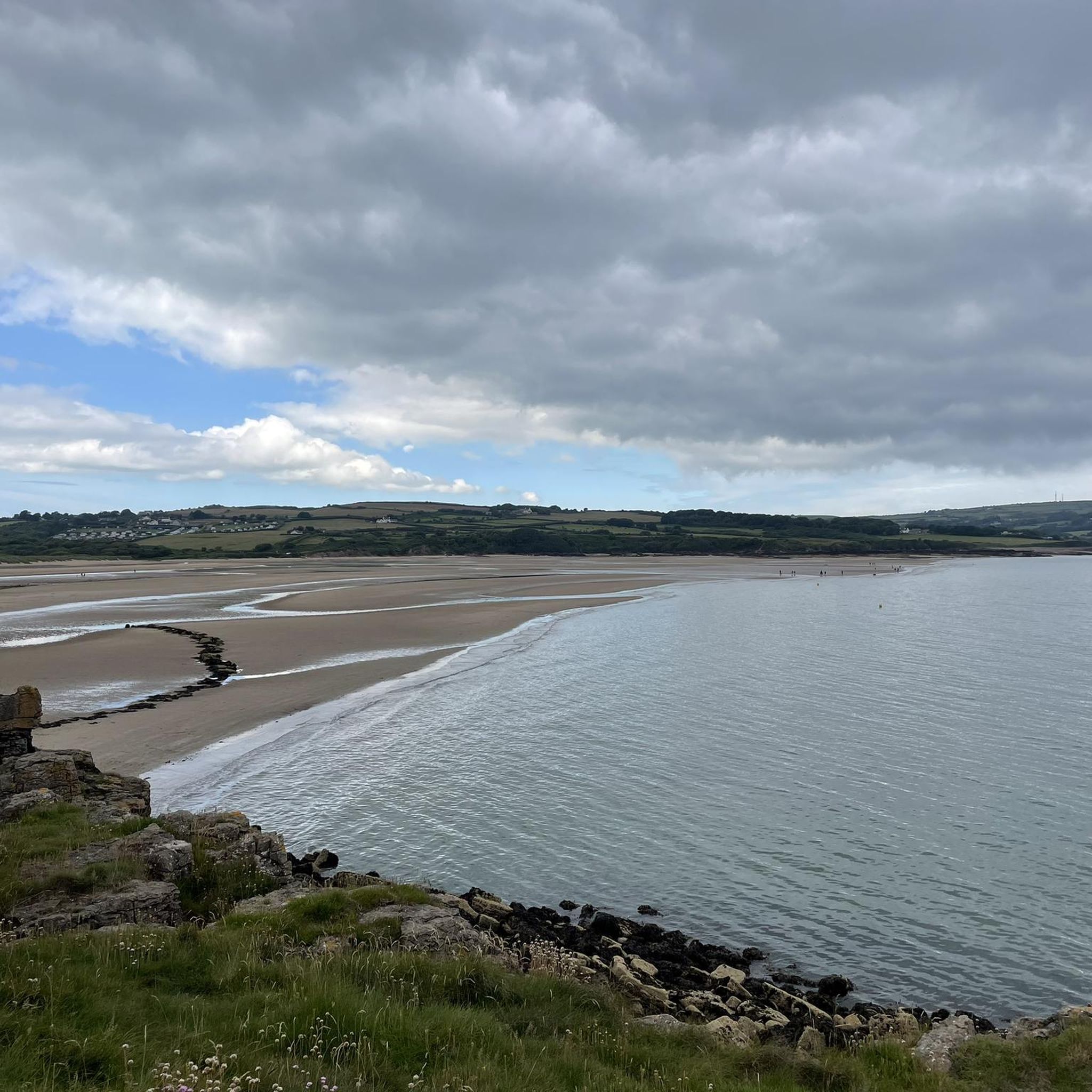
Large sandy bay surrounded by dunes. On the north side there are large, striking limestone cliffs of Castell Mawr - certainly geologically interesting, looks like climbers could have fun here... The beach itself is a really large (!) sandy bay, very popular in summer but largely deserted out of season. You can sometimes see kitesurfers and windsurfers here. There is parking behind the dunes and there is a small beach café and shop.
4
1

A small but tough and technical climb, beware of sharp rocks on the left hand side when descending
0
0

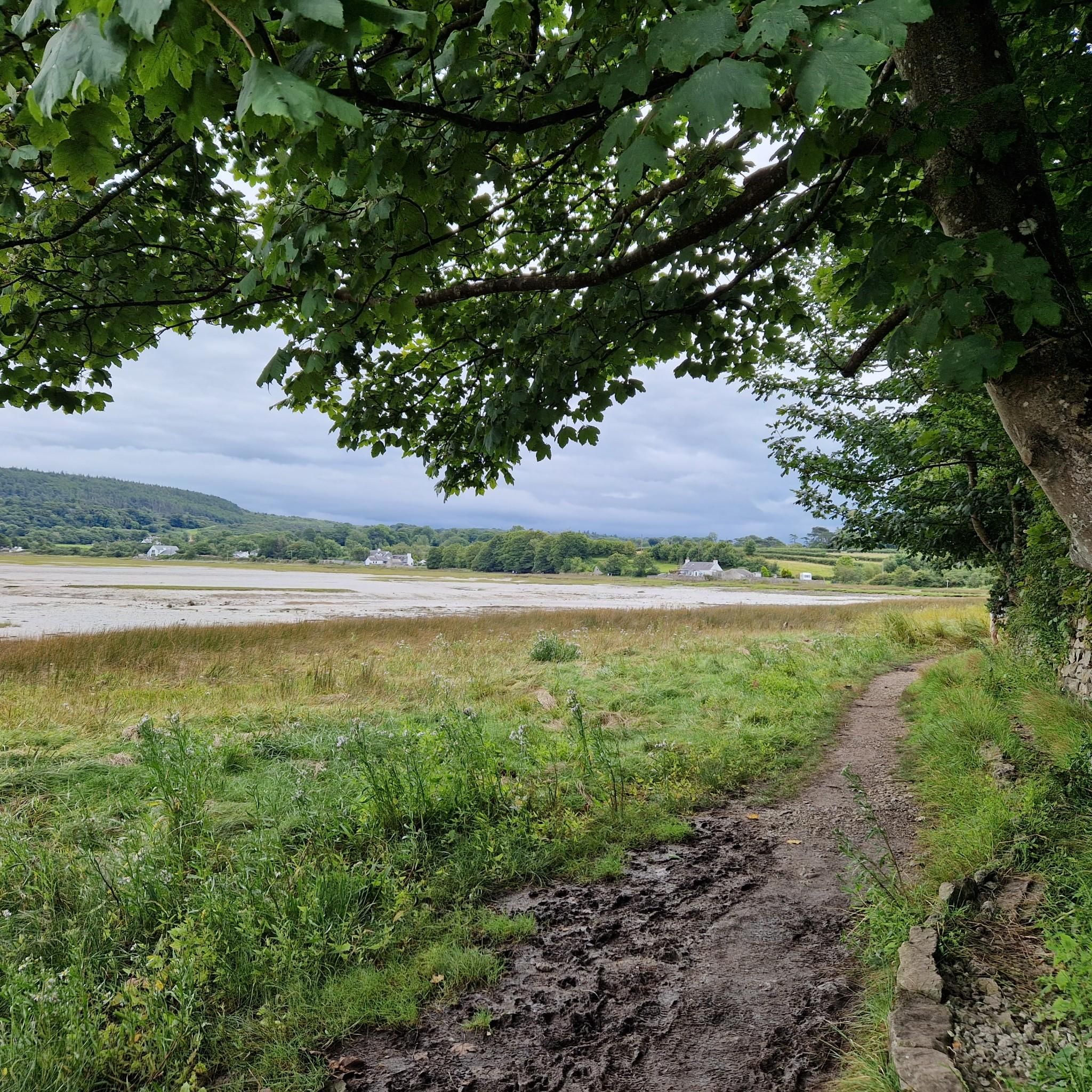
The Dingle Local Nature Reserve is a 10 hectare (25 acre) wooded valley rich in wildlife and history. It is bisected by the river Cefni, which comes from the Welsh word "cafn" meaning trough or hollow. The Dingle is a steep sided gorge formed by glacial meltwater during the last ice age hence one of its Welsh names Nant y Dilyw - Valley of the Deluge. Another name for the Dingle is Nant y Pandy - Brook of the Fulling Mill. This refers to the old wool processing plant situated upstream. Much of the reserve is ancient woodland which led to it being known as the Dingle as early as the 1830s. Dingle literally means steep wooded valley.
3
0

This huge, abrupt limestone rock is an extraordinary feature on Anglesey's north eastern coast. With sheer sides and a top covered in vegetation, it's thought to have once been the site of an Iron Age hillfort. Today, you can walk around its base and listen to the cries of the birds that nest in its crevices.
1
0

Mynydd Bodafon is a small collection of peaks including the Arwydd which is the highest point on the island of Anglesey. It lies about 2½ miles west of the coastal town of Moelfre and ⅔ of a mile south-west of the hamlet of Brynrefail. The meaning of Bodafon is obscure. It is a UK listed Marilyn.
5
0

Remember that scene in Raiders of the Lost Ark where Indiana Jones directs a beam of light through a chamber to show the location of the ark? This is where that happens for real. This prehistoric burial chamber was also used to chart the turn of the seasons, and around the time of the summer solstice (longest day), sunlight is funnelled through the front door into a single beam, illuminating the mysterious standing stone at the heart of the chamber.
4
0

Bryn Celli Ddu (‘Mound in the Dark’) is one of Anglesey’s most famous prehistoric landmarks. The great thing is, you can actually walk inside and through this neolithic burial chamber. However, to see Bryn Celli Ddu’s most striking feature, you have to be there on the summer solstice. As the sun rises, light shines directly down the tomb’s passageway to illuminate the chamber within.
6
1
Frequently Asked Questions
What unique natural features can I explore around Llangefni?
Llangefni offers a variety of natural features. You can explore the ancient woodlands and river valley of The Dingle Local Nature Reserve, known for its glacial origins and diverse wildlife. Another significant feature is Llyn Cefni Reservoir, one of Anglesey's largest reservoirs, surrounded by meadows and forests. The nearby coastline, part of Anglesey's Area of Outstanding Natural Beauty, features stunning beaches like Red Wharf Bay, a vast sandy expanse and nature reserve.
Are there any historical natural monuments near Llangefni?
Yes, the area is rich in history. A prominent historical natural monument is Bryn Celli Ddu burial chamber, a Neolithic site where you can walk inside the ancient structure. It's famously aligned so that the rising sun illuminates the chamber on the summer solstice. Additionally, Castell Mawr Rock, a large limestone formation at Red Wharf Bay, is thought to have once been an Iron Age hillfort.
What kind of wildlife can I expect to see at the natural monuments?
The natural monuments around Llangefni are havens for wildlife. At The Dingle Local Nature Reserve, you might spot red squirrels, various bird species like kingfishers and dippers, and a rich diversity of insects including butterflies and dragonflies. Llyn Cefni Reservoir is popular for birdwatching, while Red Wharf Bay is a nature reserve home to purple sandpipers, curlew, and other wading birds. Cors Erddreiniog National Nature Reserve is particularly noted for its rare whorled snail, butterflies, and dragonflies.
Are there family-friendly natural monuments to visit?
Absolutely. The Dingle Local Nature Reserve is very family-friendly, with well-maintained boardwalks, sculptures, and picnic areas. Red Wharf Bay offers a vast sandy beach perfect for families to explore. The Bryn Celli Ddu burial chamber also welcomes families, offering a unique historical experience.
What outdoor activities can I do near these natural monuments?
You can enjoy various outdoor activities. For hiking, explore trails around Llyn Cefni Reservoir or the Lôn Las Cefni Trail. Running enthusiasts can find routes around Llyn Cefni, with options ranging from easy to moderate, as detailed in the Running Trails around Llangefni guide. Road cycling routes, including longer loops around the island, are also available from Llangefni, which you can find in the Road Cycling Routes around Llangefni guide.
Are there any viewpoints offering panoramic scenery?
Yes, Mynydd Bodafon Summit is the highest point on Anglesey and provides panoramic views of the island's landscape. Additionally, the coastal areas, particularly around Red Wharf Bay, offer expansive scenic vistas of the bay and surrounding natural beauty.
Is there public transport or parking available for these sites?
Llangefni itself is centrally located on Anglesey, making it a convenient base. The Dingle Local Nature Reserve is directly adjacent to Llangefni, making it easily accessible. Llyn Cefni Reservoir is a short walk or drive from the town center. For other sites further afield, parking is generally available, but specific public transport options may vary. It's advisable to check local transport schedules for destinations outside Llangefni.
Can I bring my dog to the natural monuments around Llangefni?
Many natural areas around Llangefni are dog-friendly, especially for walks. Llyn Cefni Reservoir is particularly popular with dog walkers, offering circular paths through meadows and forests. When visiting nature reserves or coastal areas, always ensure dogs are kept under control, especially near wildlife, and adhere to any local signage regarding lead requirements or restricted areas.
What is the best time of year to visit the natural monuments?
The best time to visit depends on your interests. Spring (April-May) is spectacular for flora, with bluebells carpeting The Dingle Local Nature Reserve and wild daffodils in Coed Plas. Summer (June-August) is ideal for enjoying the beaches and longer walks, though it can be busier. The summer solstice is unique for Bryn Celli Ddu burial chamber. Autumn offers beautiful foliage, and winter provides a quieter experience for birdwatching and peaceful walks.
Are there any accessible natural monuments for visitors with mobility considerations?
The Dingle Local Nature Reserve features a wooden boardwalk that winds along the River Cefni, making many parts of the reserve accessible to visitors with mobility considerations or those with pushchairs. While other sites may have varying terrain, The Dingle is a good option for easier access to nature.
Where can I find circular walking routes near Llangefni's natural monuments?
Several circular walking routes are available, particularly around Llyn Cefni Reservoir. You can find routes like the 'Llyn Cefni Reservoir and Dam – Afon Cefni River loop' or the 'Red Squirrel Spotting Area – Llyn Cefni Reservoir and Dam loop' in the Hiking around Llangefni guide. These routes offer diverse scenery and varying lengths for different preferences.
Most popular routes around Llangefni
Most popular attractions around Llangefni

Get inspired with the komoot mobile app


Explore more
Extend your search for the best caves by checking out these guides of the top ones around Llangefni:
