Highcliffe And Walkford
Highcliffe And Walkford
Top 15 Natural Monuments around Highcliffe And Walkford
Natural monuments around Highcliffe And Walkford feature diverse coastal landscapes and natural environments. The area is characterized by its varied terrain, including dramatic cliffs, sandy beaches, and tranquil nature reserves. These features contribute to a rich natural setting, providing habitats for diverse flora and fauna. The region offers opportunities for walks and exploration within its protected natural areas.
Best natural monuments around Highcliffe And Walkford
- The most popular natural monuments is Hengistbury Head, an other natural area designated as…
Last updated: October 31, 2026
Hurst Spit
Highlight • Beach
Tip by

Hengistbury Head Visitor Centre
Highlight • Natural Monument
Tip by

Sign up now to discover places like this
Get recommendations on the best single tracks, peaks, & plenty of other exciting outdoor places.
The Site of 'The Naked Man'
Highlight • Historical Site
Tip by

Mudeford Sandspit Lagoon and Holloway's Dock
Highlight • Natural Monument
Tip by

Avon Water Picnic and Paddle Spot
Highlight • River
Tip by

Sign up for free to discover even more natural monuments around Highcliffe And Walkford.
Already have an account?
Start today with a free account
Your next adventure awaits.
Popular around Highcliffe And Walkford
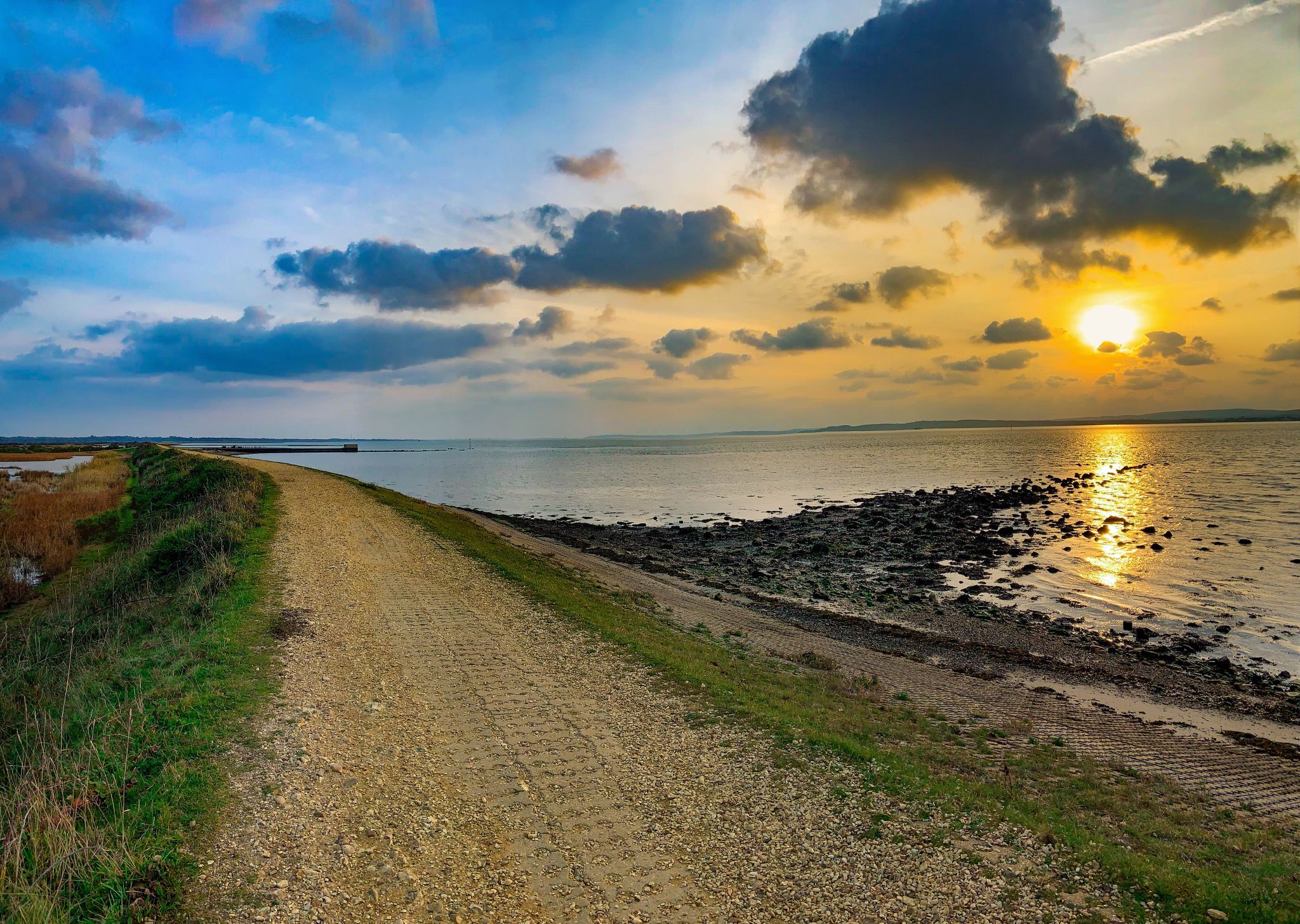
Sandbanks, sea stacks and salt marshes — Bournemouth Coast Path
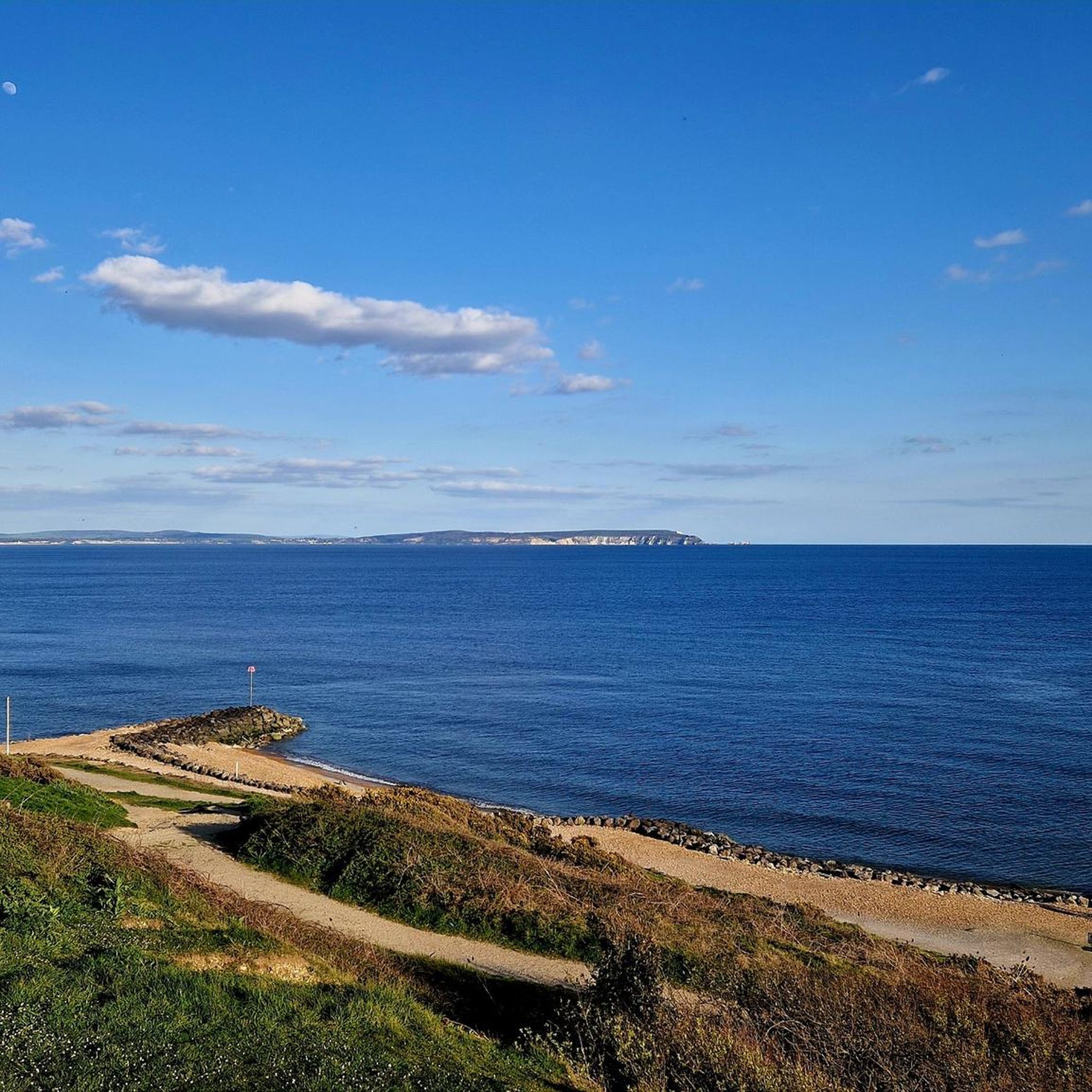
Road Cycling Routes around Highcliffe And Walkford
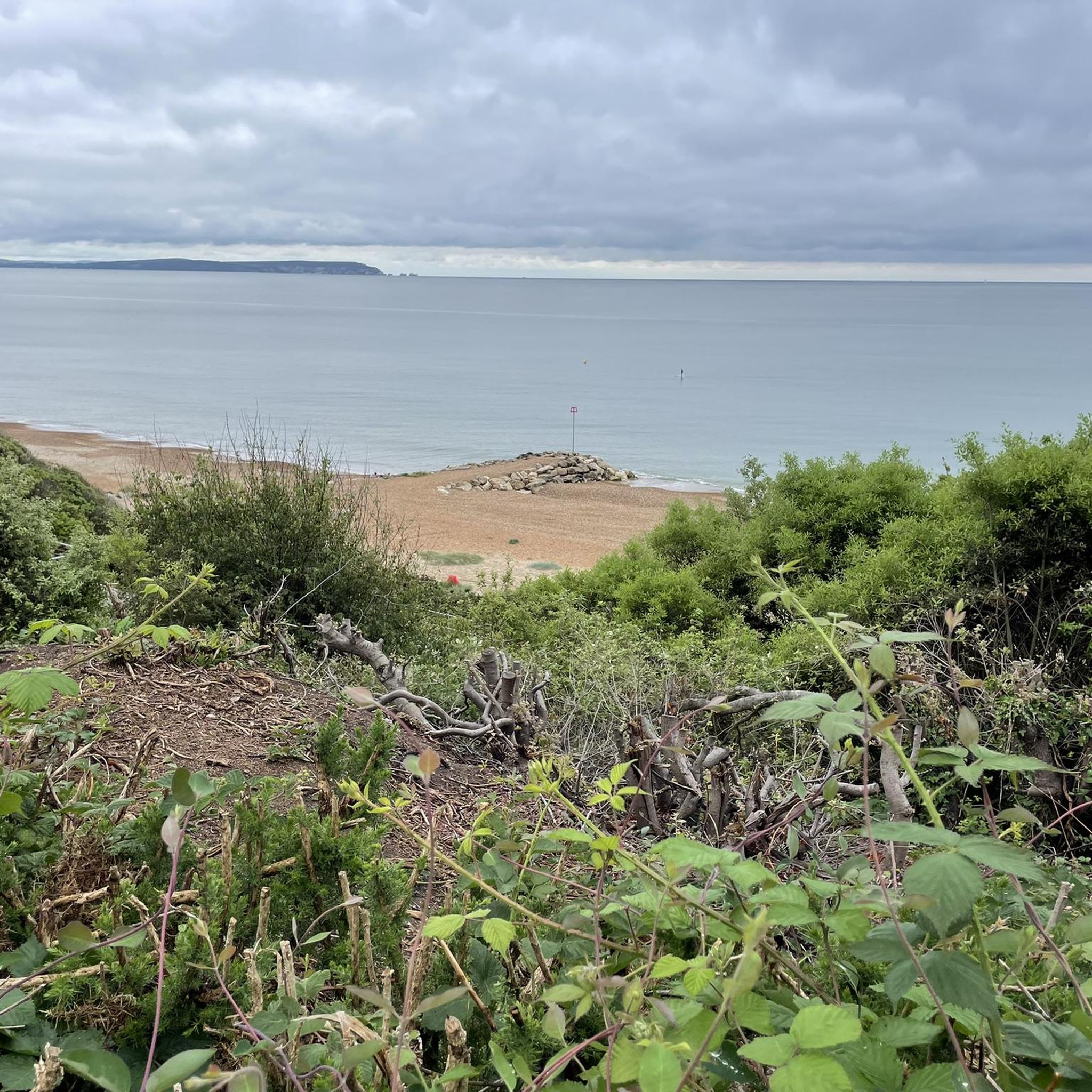
Cycling around Highcliffe And Walkford
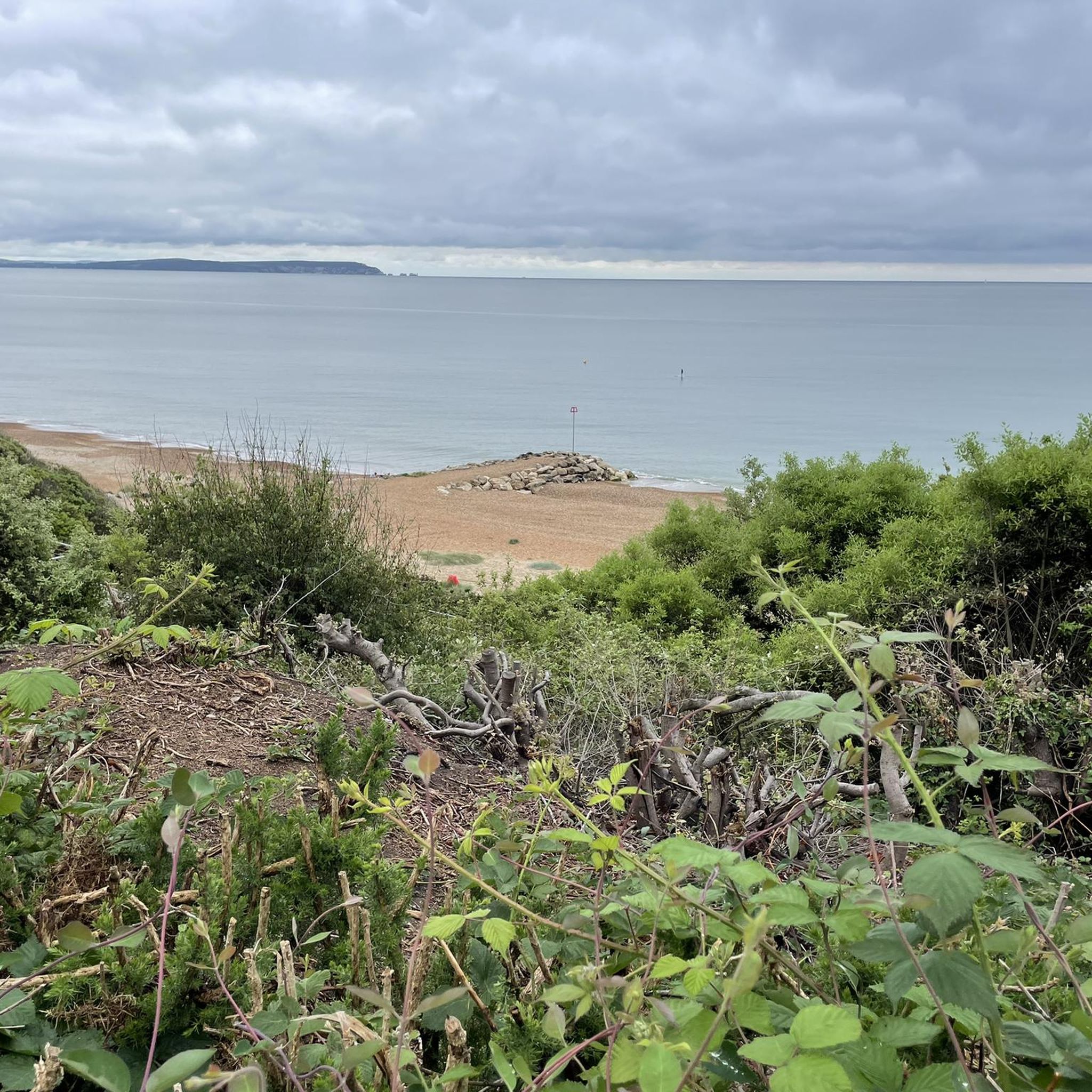
Hiking around Highcliffe And Walkford
Running Trails around Highcliffe And Walkford

Gravel biking around Highcliffe And Walkford
MTB Trails around Highcliffe And Walkford
Other adventures around Highcliffe And Walkford

Tips from the Community

Phantom Apparitions Though the original oak tree eventually rotted away and fell, the site remains a hotbed for paranormal encounters: The Spectral Smuggler: Drivers on the nearby road report seeing a pale, shivering figure standing by the roadside in the dead of night, vanishing into thin air when headlights hit him. The Shadow Coven: Walkers lingering at dusk describe hearing rhythmic, disembodied chanting drifting on the wind, accompanied by the fleeting sight of hooded shadows moving between the heather. The Phantom Rider: A spectral highwayman on horseback is said to patrol the crossroads, forever guarding the approaches to the old gallows tree.
0
0
Operation Cone of Power (1940) Fast forward to Lammas Eve in August 1940: Britain stood alone against the threat of Nazi invasion. According to occult lore, Gerald Gardner (the father of modern Wicca) gathered the New Forest Coven near the Naked Man tree. Under the cover of night, Gardner and seventeen witches performed a dramatic ritual known as Operation Cone of Power: They danced skyclad (naked) around a ceremonial fire. They focused their collective magical energy across the English Channel toward Berlin. They projected a mental barrier into Hitler's mind, chanting: "You cannot cross the sea, you cannot come, you cannot come." Local legend holds that the intense psychic strain of the ritual was so severe that several elderly witches in the coven fell ill and died shortly afterward, believing their life force had successfully repelled the invasion.
0
0
Standing at a windswept crossroads near Wilverley, the site known as The Naked Man carries one of the dark, multi-layered folklore traditions in the New Forest. Its history spans brutal medieval justice, wartime occult rituals, and modern ghost sightings. The Smugglers & The Gallows Tree In local legend, the spot gets its eerie name from an ancient oak that once served as a forest gallows. During the height of 18th-century smuggling along the Hampshire coast, highwaymen and captured Free Traders were dragged to this lonely ridge. As a grim warning to other lawbreakers, convicted smugglers were stripped entirely naked, bound in iron cages or gibbets, and left suspended from the oak's sturdy boughs to die of exposure. The brutal practice earned the tree its haunting moniker—The Naked Man.
0
0
Hengistbury Head is a dramatic headland located in Dorset, England, jutting into the English Channel between Bournemouth and Mudeford. It's a place of international importance due to its rich archaeology, diverse wildlife, and unique geology. Declared a Local Nature Reserve in 1990, it forms part of the Christchurch Harbour Site of Special Scientific Interest (SSSI). It also holds various other designations like Special Area of Conservation and Special Protection Area, highlighting its importance for wildlife.
0
0
Also known as Hurst spit, is a hook-shaped shingle spit which extends for 1.4 miles (2.25 km) from the Hampshire shore into the Solent towards the Isle of Wight. The spit forms a barrier which shelters a Site of Special Scientific Interest known as Hurst Castle And Lymington River Estuary. The spit shelters an area of saltmarsh and mudflats known as Keyhaven and Pennington marshes. At the end of the spit is Hurst Castle, an artillery fortress originally built on the orders of King Henry VIII ( not a very nice man at all ), and much enlarged in the 19th century. Hurst Point Lighthouse was built on the end of Hurst Spit in the 1860s.
0
0
Wildlife expert, conservationist and television presenter Chris Packham officially opened the centre in April 2014. It was created to help explain the area, its history, wildlife, archaeology and geology to visitors. Packed full of interactive displays, with lots of friendly, knowledgeable volunteers on hand, it’s a wonderful way to step back in time and see how our ancestors lived. Gift shop selling food and drink, Jewellery, toys and games, accessories and home ware. Various exhibitions throughout the year, Events and gardens on show.
1
0
A unique and beautiful sand spit which adjoins the ancient headland of Hengistbury Head and forms a natural barrier between Christchurch Harbour and the open sea. The area is designated a Site of Nature Conservation Interest. Access by foot, bike or land train from Hengistbury Head car park. Access by passenger ferry from Mudeford Quay and Christchurch Quay. There are 5 public toilet blocks, one with hot showers. Outside cold showers are also provided. Horses are not permitted on the seashore between the Saturday preceding Easter Monday and the 30th September (both dates inclusive) in any year between 10am and 9pm. Due to being so close to Hengistbury Head Nature Reserve, BBQs are not allowed at Mudeford Sandbank Beach. Open fires, fire pits and fire bowls are not permitted at any time on the beach, promenade, cliffs, cliff tops or woodland areas. The beach is surrounded by unique cliff habitats which are Sites of Special Scientific Interest and provide a home to many of the UK’s rare species of reptiles, birds and insects. Their dry nature means they are vulnerable and sparks from open fires can cause huge damage.
0
0

The phenomenally beautiful Hurst Beach. Gorgeous views of the sea and lovely views of Milford on Sea. For beach enthusiasts, this is a must!
1
0
Frequently Asked Questions
What are some of the most popular natural monuments to visit around Highcliffe And Walkford?
Visitors particularly enjoy Hengistbury Head, known for its diverse ecosystems, ancient history, and sandy beach with views towards the Isle of Wight. Another favorite is Hurst Spit, a unique shingle bank offering excellent walking and mackerel fishing opportunities, with the historic Hurst Castle at its end. The tranquil Mudeford Sandspit Lagoon and Holloway's Dock is also highly rated for its stunning views and peaceful atmosphere.
Are there family-friendly natural monuments in the Highcliffe And Walkford area?
Yes, several natural monuments are great for families. Hengistbury Head and Mudeford Sandspit Lagoon and Holloway's Dock are both considered family-friendly. Additionally, Highcliffe Beach, Avon Beach, and Friars Cliff Beach offer soft sand, safe swimming conditions, and gentle access, making them ideal for a family day out.
What kind of wildlife can I expect to see at the natural monuments?
The region is rich in wildlife. Hengistbury Head is a designated Site of Special Scientific Interest and a Local Nature Reserve, home to rare birds, animals, and plants. At Avon Water Picnic and Paddle Spot, you might encounter wild ponies, deer, and a variety of bird species. Steamer Point Nature Reserve also supports diverse flora and fauna in its woodland and aquatic habitats.
Are there historical sites or monuments linked to the natural landscapes?
Yes, history is intertwined with the natural beauty here. Hengistbury Head has evidence of Stone Age activity and historical significance from various eras. Hurst Spit features Hurst Castle, a fort built by Henry VIII. Steamer Point Nature Reserve was once an exotic garden belonging to the Highcliffe Castle estate, adding a historical layer to its natural charm. The Jon Egging Memorial also offers a poignant historical viewpoint.
What outdoor activities can I do near these natural monuments?
The area offers a variety of outdoor activities. You can enjoy hiking on trails like the 'Highcliffe Castle – Mudeford Quay loop' or 'Cliffside Steps to the Beach – Highcliffe Castle loop'. For cycling enthusiasts, there are routes such as the 'Holmsley Passage – Beechen Lane Gravel Track loop' for gravel biking or longer cycling tours like the 'New Forest Airfields Memorial – Hawthorne Road loop'. You can find more details on these activities in the hiking, gravel biking, and cycling guides for Highcliffe And Walkford.
Which beaches are best for a relaxing day or swimming?
Highcliffe Beach is known for being less crowded, offering a mix of pebbles and sand, clean seawaters, and safe swimming conditions. Avon Beach and Friars Cliff Beach are also excellent sandy beaches with clean waters and are easily accessible without steep cliffs, making them popular choices for a relaxing day by the sea.
Are there any natural monuments suitable for dog walking?
Highcliffe Beach permits dogs from September to May, making it a great option for walks with your canine companion during these months. Many of the coastal paths and nature reserves, like Chewton Bunny and the Walkford Brook commons, also offer dog-friendly walking opportunities, but always check local signage for specific restrictions.
What are the best places for scenic views or viewpoints?
Hengistbury Head offers far-reaching views to the Isle of Wight and across to Swanage. Hurst Spit provides lovely scenic views in every direction, including towards the Isle of Wight. Steamer Point Nature Reserve also has picnic tables with stunning views overlooking Highcliffe.
What is the best time of year to visit the natural monuments around Highcliffe And Walkford?
The natural monuments can be enjoyed year-round. Steamer Point Nature Reserve is open all year. For Avon Water Picnic and Paddle Spot, an autumn visit is particularly stunning due to seasonal tints. Coastal areas like Highcliffe Beach are pleasant during warmer months for swimming, while walks along the cliffs and nature reserves are enjoyable in all seasons.
Where can I find tranquil or less crowded natural spots?
For tranquility, Mudeford Sandspit Lagoon and Holloway's Dock is significantly quieter than other beaches and offers unspoilt scenery. Steamer Point Nature Reserve provides a peaceful environment with wooded areas and lakes. The Walkford Brook and Surrounding Commons also offer a peaceful and varied natural setting away from the busiest coastal areas.
Are there any natural monuments with unique geological features?
Yes, the area is known for its diverse geology. Hurst Spit is a prominent shingle bank, a unique geological formation stretching into the sea. Highcliffe Beach is backed by dramatic cliffs, with some sections reaching up to 300 meters high, showcasing significant coastal erosion and geological layers.
What are the access options for Mudeford Sandspit?
Mudeford Sandspit Lagoon and Holloway's Dock is accessible by foot, bike, or land train from Hengistbury Head car park. You can also reach it by passenger ferry from Mudeford Quay and Christchurch Quay, which adds to the experience.
Most popular routes around Highcliffe And Walkford
Most popular attractions around Highcliffe And Walkford

Get inspired with the komoot mobile app


Explore more
Extend your search for the best caves by checking out these guides of the top ones around Highcliffe And Walkford:
