Top 10 Natural Monuments around Alnwick
Best natural monuments around Alnwick feature diverse geological formations and scenic coastal areas. The region offers a variety of natural attractions, from ancient parklands to dramatic coastlines and unique garden designs. These sites provide opportunities to explore varied terrains, observe wildlife, and experience the natural beauty of Northumberland.
Best natural monuments around Alnwick
- The most popular natural monuments is Long Crag Summit, a summit that offers exposed rocky tracks. This area can be challenging to navigate, with sections requiring…
Last updated: July 28, 2026
Long Heugh Limestone Escarpment
Highlight • Natural Monument
Tip by

Howick Haven Rock Formations
Highlight • Viewpoint
Tip by

Sign up now to discover places like this
Get recommendations on the best single tracks, peaks, & plenty of other exciting outdoor places.
Sign up for free
Howick Hall Gardens & Arboretum
Highlight • Historical Site
Tip by
The Heughs Cliffs
Highlight • Natural Monument
Tip by
Long Crag Summit
Highlight • Viewpoint
Tip by

Sign up for free to discover even more natural monuments around Alnwick.
Sign up for free
Already have an account?
Start today with a free account
Your next adventure awaits.
Login or Signup
Tips from the Community

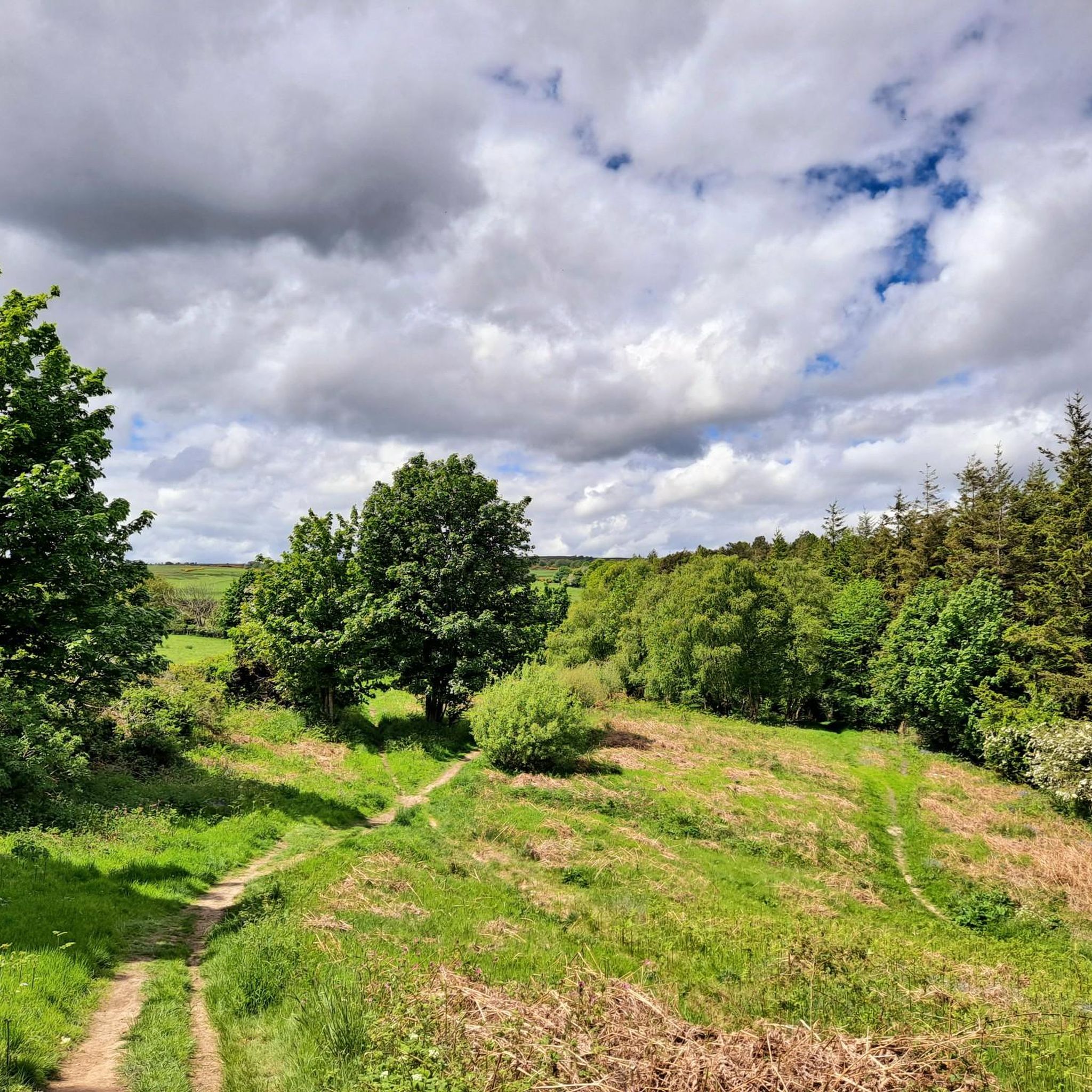
Long Crag 319.3m P170 (1047ft) MARILYN (DoBIH Hill ID: 2316) [JNSA 12708] County of Northumberland Definitive List summit.
0
0

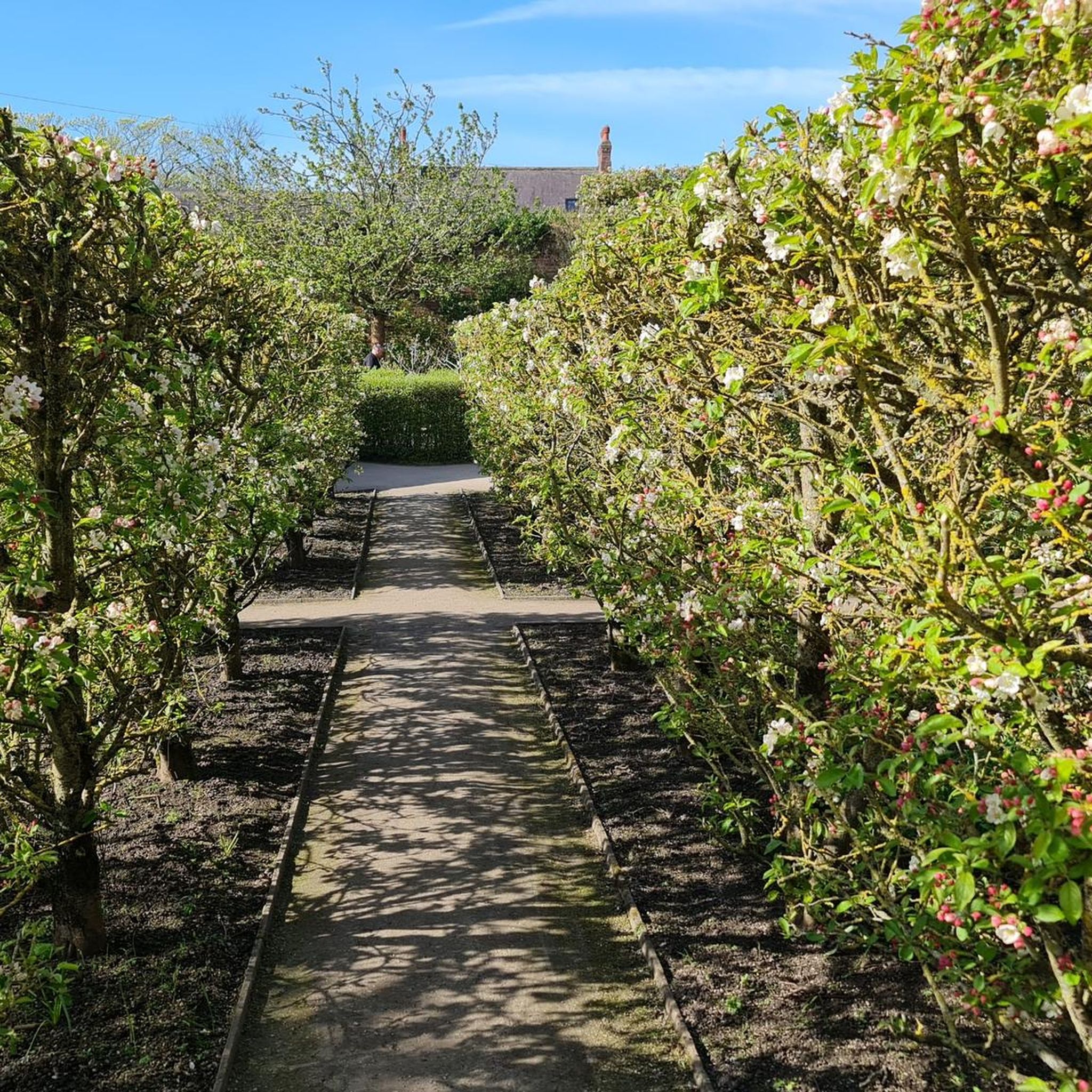
Howick Hall, a Grade II listed building in the village of Howick, Northumberland, England, is the ancestral seat of the Earls Grey. It was the home of the Prime Minister Charles, 2nd Earl Grey (1764–1845), after whom Earl Grey tea is named. Howick Hall is the location of the Howick Hall Gardens & Arboretum
0
0

Exposed rocky tracks that are waterways during rainfall are what these bridleways are. Can be difficult to ride on and getting rythmn peddling can be difficult. Plenty sections need the bike pushed. Be careful, there are loads of rocky drops where it can be very easy to twist ankles.
0
0

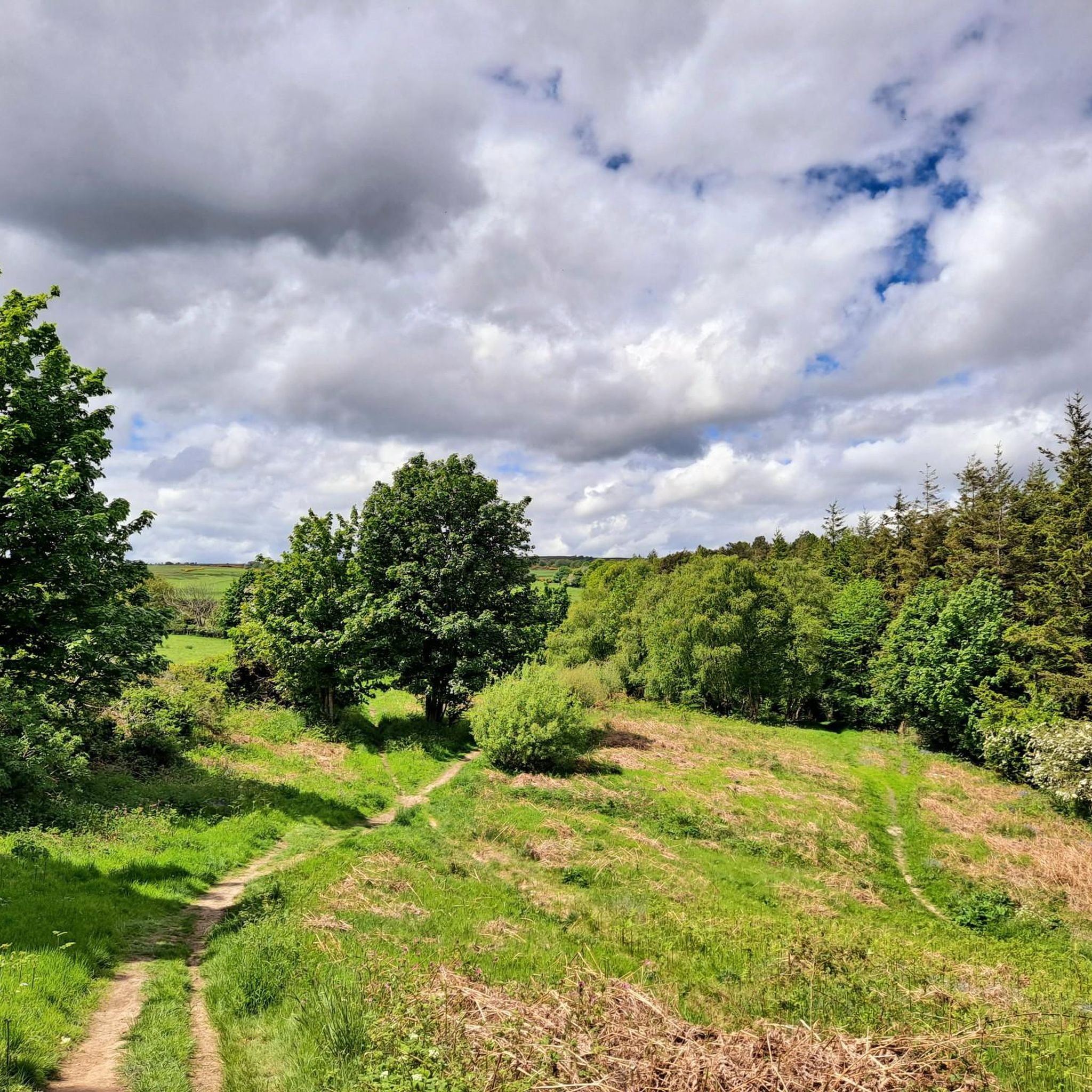
The rocks on the North side of the haven reveal distinct layers of pale and black rock, formed in calm estuarine conditions. The black rock, made of shale or mudstone, settled in slow-moving water, while the paler rock, composed of fine-grained sandstone or siltstone, formed in slightly faster currents. Keep an eye out for remnants of a marine sandbank and a thin coal seam, offering glimpses into the area's past. As you continue, notice the tabular crossbedding in the sandstone, resembling patterns formed by flowing water around obstacles. These layers showcase the dynamic forces that have shaped this remarkable landscape. On the South side, a similar sequence can be observed, sans the coal. The sandstones, with their warm yellow to brown colors, owe their hues to ferric hydroxide, adding a touch of vibrancy to the scenery. Pay attention to the subtle differences in the rock layers' orientation. The varying strikes—around 50 degrees on the North side and 30 degrees on the South side—hint at a fault's presence, influencing the land and guiding the path of the Howick burn.
1
0
Discover Howick Hall Gardens & Arboretum, the historic residence of the Earls Grey since 1319. Learn about the fascinating life of the 2nd Earl, the inspiration behind the famous Earl Grey Tea. Explore the stunning gardens created by the 5th Earl Grey and his family, or venture into the expansive arboretum spanning 65 acres, showcasing a diverse collection of shrubs and trees from around the world. When you need a break, visit the Earl Grey Tea House for a delicious meal and a cup of Earl Grey Tea.
1
0
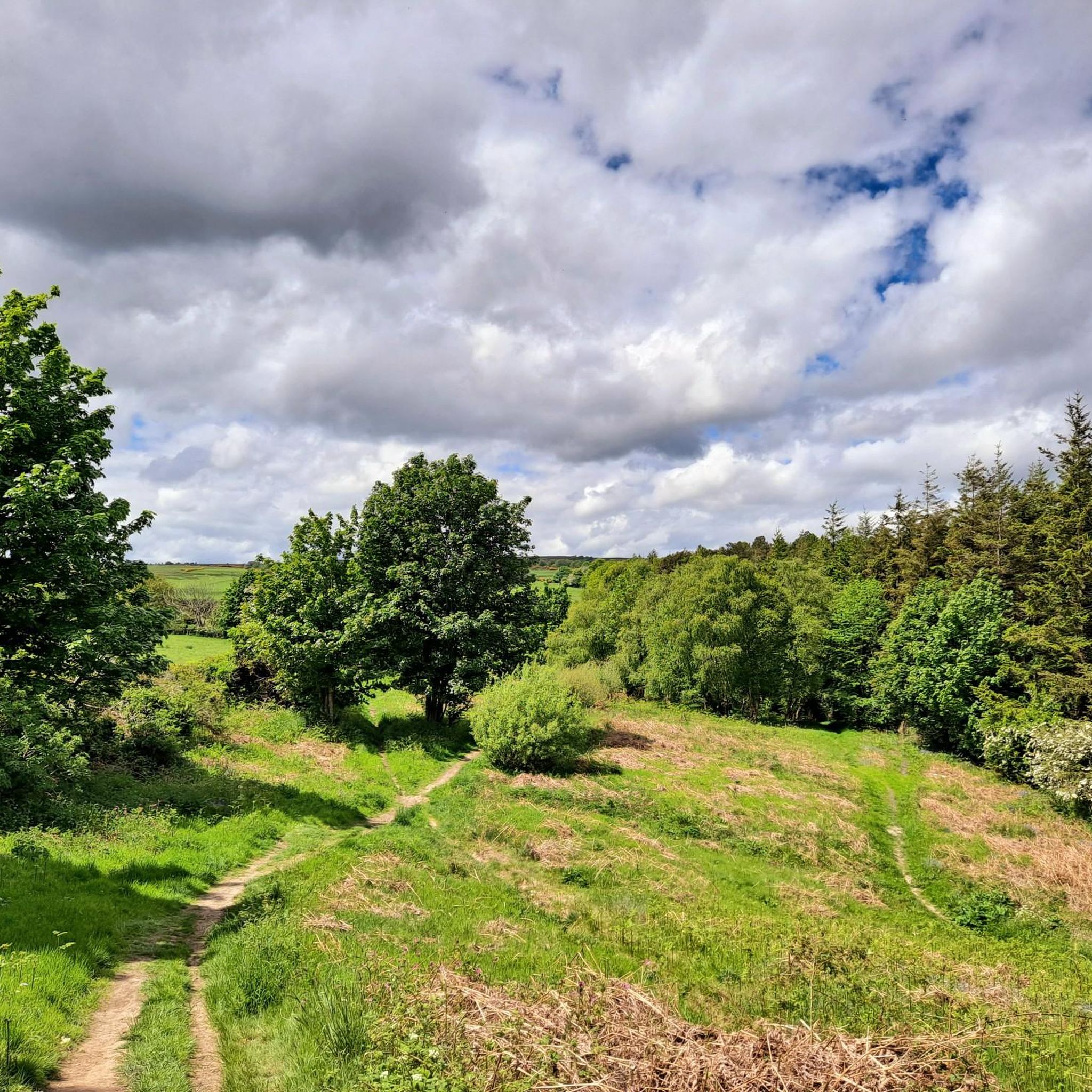
A heugh, a Scottish/Northern term, refers to a steep ravine or precipice characterized by a grassy slope followed by a sharp drop. These geological features can be found in various landscapes, including the picturesque surroundings of Craster's former radar station perched upon 'The Heughs'. These towering cliffs and ravines, with their distinct topography, add a captivating element to the area. Amidst this natural beauty, remnants of concrete structures stand as a testament to the historical significance and military past of the site.
1
0

Stretches from Dunstanburgh Castle to Howick.
0
0
Frequently Asked Questions
What are some of the most popular natural monuments around Alnwick?
Visitors frequently appreciate the dramatic landscapes of Long Crag Summit, known for its exposed rocky tracks and challenging terrain. Another favorite is Long Heugh Limestone Escarpment, featuring impressive cliffs and green meadows where sheep graze. The coastal gorge at Swine Den and Cullernose Point is also highly regarded, particularly for its cliff stained white by nesting seabirds.
What unique natural features can I explore in the Alnwick area?
Beyond the geological formations, the Alnwick area offers unique natural experiences. You can visit The Alnwick Garden, which features a spectacular Grand Cascade, a large Japanese Cherry Orchard, and the intriguing Poison Garden with its collection of toxic plants. For a more traditional natural setting, Hulne Park provides over 3,000 acres of ancient woodlands, open meadows, and diverse wildlife.
Are there family-friendly natural monuments or attractions near Alnwick?
Yes, several options cater to families. The Alnwick Garden offers an engaging experience for all ages with its interactive water sculptures in the Serpent Garden and the educational Poison Garden tours. While not strictly a natural monument, Howick Hall Gardens & Arboretum is family-friendly, allowing exploration of extensive gardens and arboretum, and learning about the history of Earl Grey Tea.
What geological features are prominent in the natural monuments around Alnwick?
The region is rich in diverse geological formations. At Long Heugh Limestone Escarpment, you'll see towering rock faces and cliffs. Swine Den and Cullernose Point showcases a coastal gorge. Additionally, at Howick Haven Rock Formations, you can observe distinct layers of pale and black rock, remnants of a marine sandbank, and even a thin coal seam, revealing the area's dynamic geological past.
What is the best time of year to visit the natural monuments around Alnwick?
The best time to visit depends on your interests. Spring is ideal for seeing the breathtaking display of 326 Taihaku cherry trees in bloom at The Alnwick Garden's Japanese Cherry Orchard. The Northumberland Coast, with its unspoiled beaches and dramatic landscapes, is beautiful year-round for walks, though summer offers warmer weather. Hulne Park is excellent for nature walks in spring and summer, but its serene atmosphere can be enjoyed in all seasons.
Are there dog-friendly natural monuments or walks near Alnwick?
While many natural areas in Northumberland welcome dogs, it's important to note that Hulne Park, despite its extensive walking trails, does not permit dogs. However, the Northumberland Coast offers miles of unspoiled beaches and coastal paths that are generally dog-friendly, providing ample space for walks with your canine companion. Always check local signage for specific restrictions.
What outdoor activities, like hiking or cycling, can I do near these natural monuments?
The Alnwick area offers numerous outdoor activities. For cycling, you can explore routes like 'The 2 Castles loop from Alnwick' or 'View of Alnmouth – Warkworth Castle loop from Alnwick'. Hikers can enjoy trails such as 'River Aln & Hulne Park loop from Alnwick' or easier options like 'Statue of Harry Hotspur, Alnwick – Lion Bridge, Alnwick loop from Alnwick'. You can find more details on these and other routes in the Cycling around Alnwick and Hiking around Alnwick guides.
Are there any less crowded natural attractions in the Northumberland area?
For a peaceful escape, Hulne Park is an excellent choice. As a privately owned estate open to the public, it offers a serene atmosphere with plenty of quiet spots to enjoy unspoiled scenery, ancient woodlands, and open meadows. It's less frequented than some of the more prominent tourist attractions, providing a tranquil experience for nature lovers.
Where can I find refreshments or cafes near the natural monuments?
If you're visiting Howick Hall Gardens & Arboretum, you can enjoy a meal and a cup of the famous Earl Grey Tea at the Earl Grey Tea House located on-site. For other natural monuments, nearby towns and villages along the Northumberland Coast, such as Craster, offer local cafes and eateries. It's always a good idea to plan ahead, especially when exploring more remote natural areas.
What do visitors typically enjoy most about the natural monuments in Alnwick?
Visitors often highlight the stunning views and diverse landscapes. For instance, the exposed rocky tracks and challenging climbs at Long Crag Summit are appreciated by those seeking adventure. The idyllic sight of fluffy sheep grazing in lush green meadows in front of the impressive cliffs at Long Heugh Limestone Escarpment is also a common favorite. The unique geological formations and the presence of nesting seabirds at Swine Den and Cullernose Point also receive positive feedback.
Are there any historical sites within or near these natural monuments?
Yes, the region blends natural beauty with rich history. Hulne Park, for example, contains historic landmarks such as the ruined 13th-century Hulne Abbey and Brizlee Tower, a Gothic tower offering superb views. Howick Hall Gardens & Arboretum is the ancestral seat of the Earls Grey, offering a glimpse into aristocratic history alongside its natural beauty. The Northumberland Coast also features iconic historical sites like Dunstanburgh Castle on a remote headland.
Are there accessible natural monuments for visitors with mobility concerns?
While many natural monuments in the Alnwick area involve varied terrain, including rocky tracks and coastal paths, some areas may offer more accessible options. The Alnwick Garden is designed with pathways that are generally accessible. For specific natural monuments, it is advisable to check their individual accessibility information or contact them directly, as conditions can vary, especially after adverse weather. The Northumberland Coast offers some flat, paved sections in certain villages, but many natural coastal paths can be uneven.
Most popular routes around Alnwick
Most popular attractions around Alnwick

Get inspired with the komoot mobile app


Explore more
Extend your search for the best caves by checking out these guides of the top ones around Alnwick:
