Top 9 Natural Monuments around Colebatch
Natural monuments around Colebatch are found in the broader region, offering a diverse landscape of hills, ancient sites, and unique geological features. While Colebatch itself is known for the historical Colebatch Mound, the surrounding area provides numerous natural attractions. These sites often combine significant natural formations with historical or archaeological interest. The region's varied terrain makes it suitable for exploration by those interested in both nature and history.
Best natural monuments around Colebatch
- The most popular natural monuments is Corndon…
Last updated: August 11, 2026
Corndon Hill summit trig point and cairn
Highlight • Historical Site
Tip by

Burrow Hillfort
Highlight • Historical Site
Tip by
Sign up now to discover places like this
Get recommendations on the best single tracks, peaks, & plenty of other exciting outdoor places.
Sign up for free
Mitchell's Fold Stone Circle
Highlight • Historical Site
Local …
Tip by

Bury Ditches hillfort (Sunny Hill)
Highlight • Viewpoint
Tip by

Linley Beeches
Highlight • Natural Monument
Tip by
Sign up for free to discover even more natural monuments around Colebatch.
Sign up for free
Already have an account?
Start today with a free account
Your next adventure awaits.
Login or Signup
Tips from the Community

Go up the lane past the steep access-path, go past a spring which crosses the stoney lane, arrive at a gate that gives easier access to the summit !! (Only discovered after having hauled my 78years up the previous path!!) Definitely going again! Offa*s Dyke path clearly visible over Long Mountain !! Peter P. from N/C u Lyme.
0
0

During a time of famine, a fairy gave a magic cow that provided an endless supply of milk. One night an evil witch milked her into a sieve. When the cow realised the trick, she disappeared. The witch was turned to stone and a circle of stones was erected around her, to ensure that she could not escape.
0
0

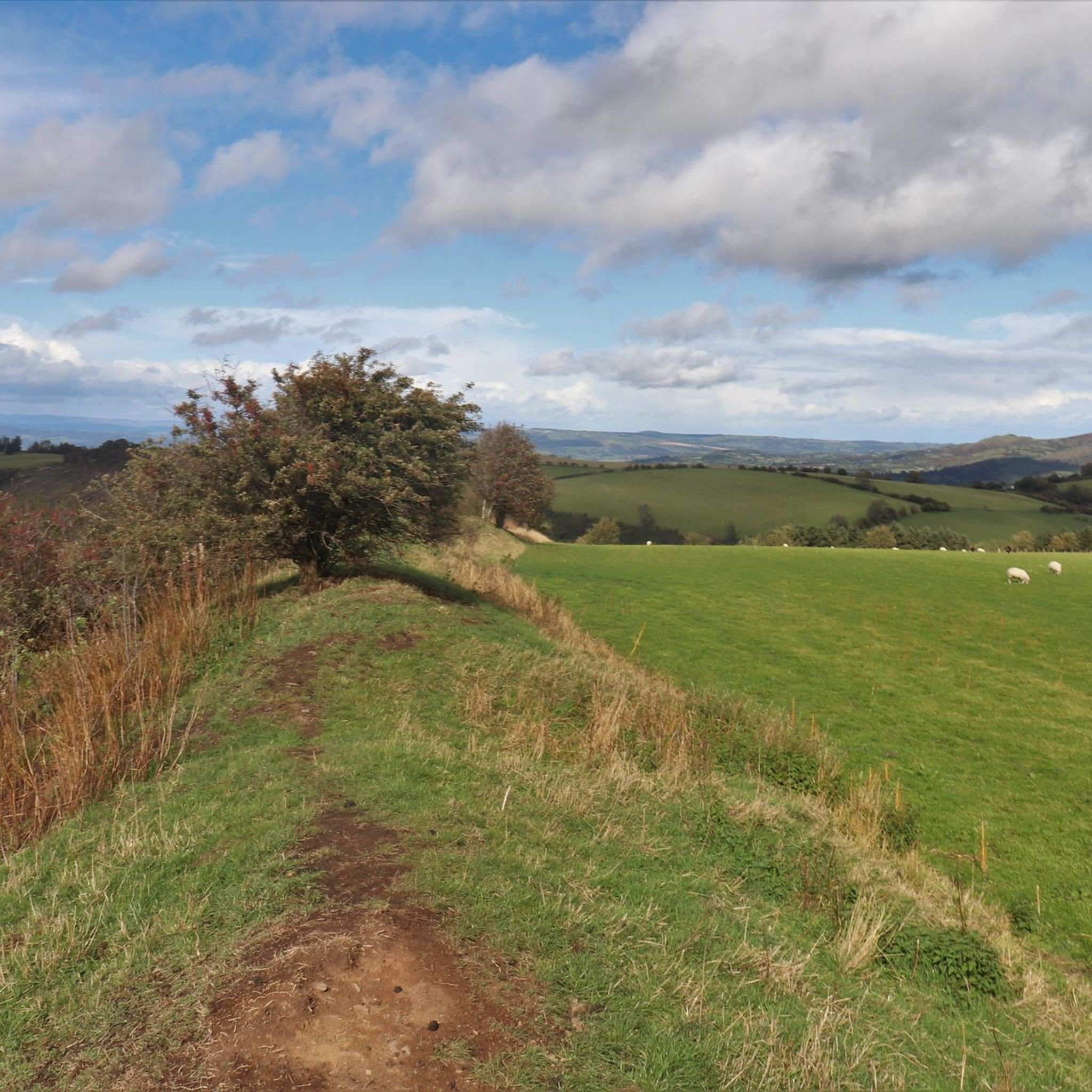
A brilliant example of a multivallate Iron Age Fort, one of many forts along the Wales and England border. There are fine ramparts here but today in July, mid summer it is rather overgrown and it is difficult to see the grandness of it all. As Dan says, nobody seems to pay attention to here too, it not maintained, no information boards or signage. A pity as it is an easy walk and has fine views.
3
0

The 18th-century MP, Robert More, had a line of beech trees planted along the ridge of Linley Hill and these majestic trees stand tall today. The Stiperstones, the Long Mynd and Corndon Hill can all be seen from here as it lies in the midst of the Shropshire Hills AONB. The Linley Beeches line the southern slope of the hill and lead all the way to Linley Hall, More's family home. The trees are notable no matter what time of year you hike the hill. In winter their skeletal presence adds to the chilly atmosphere and in summer they fill the sky with greenery.
1
0
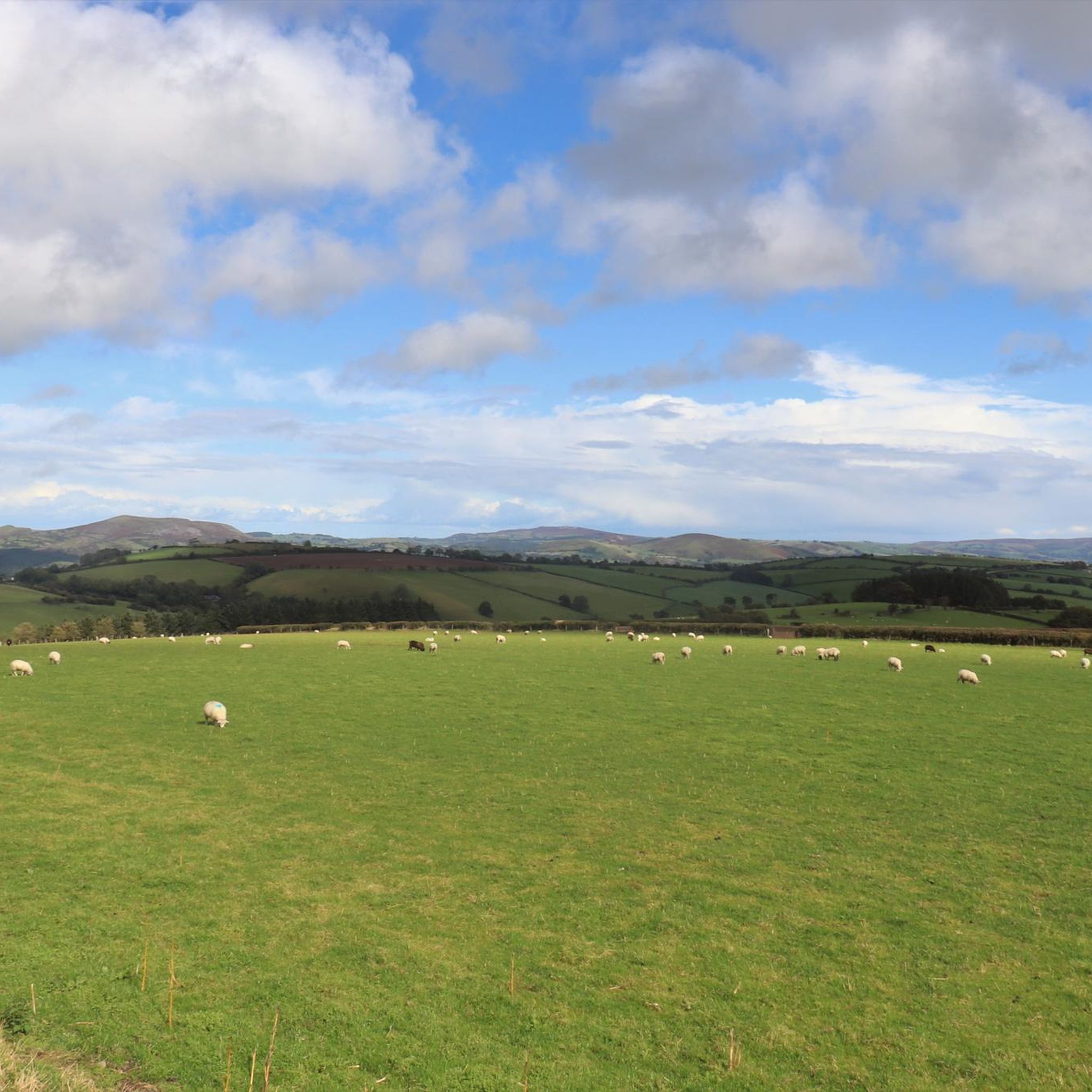
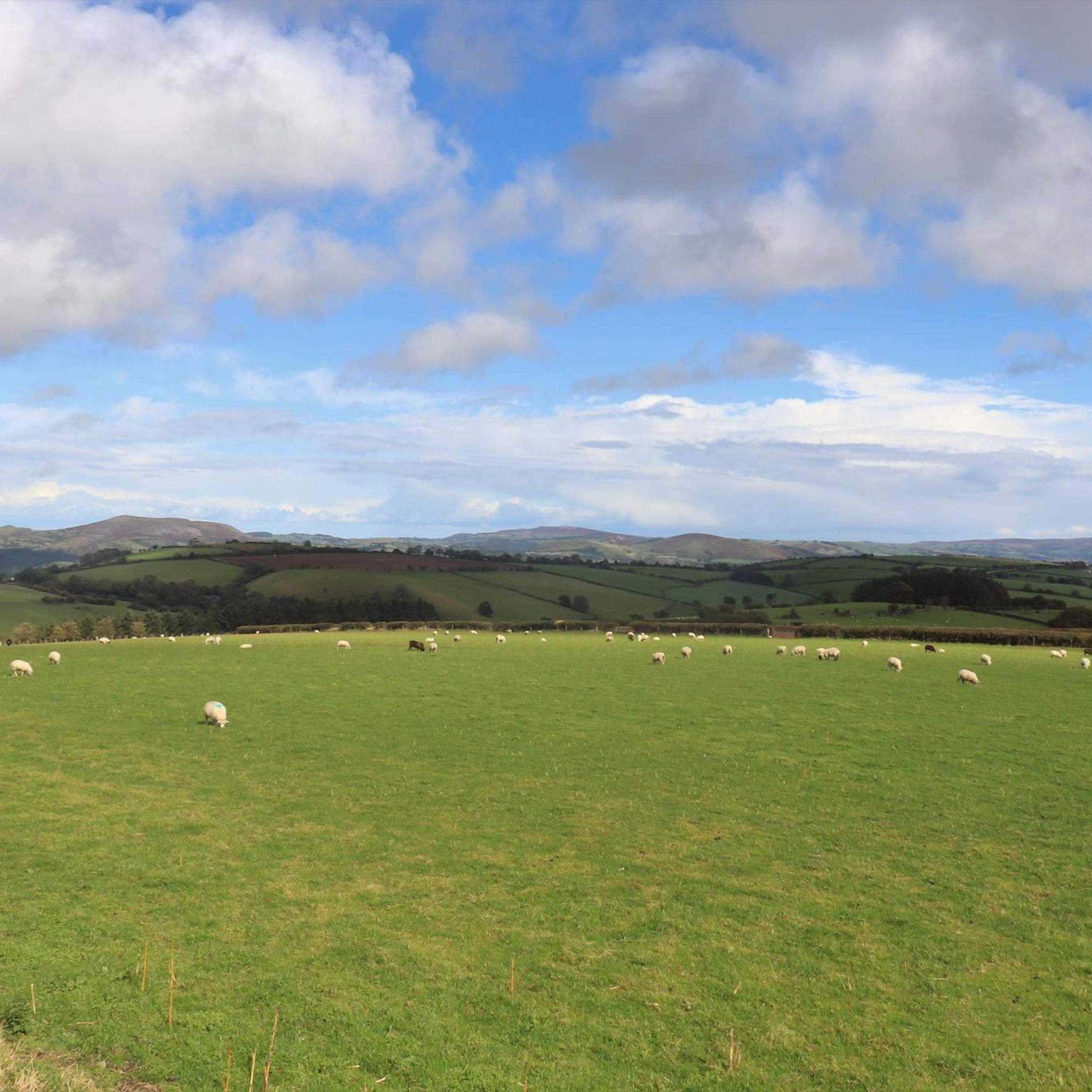
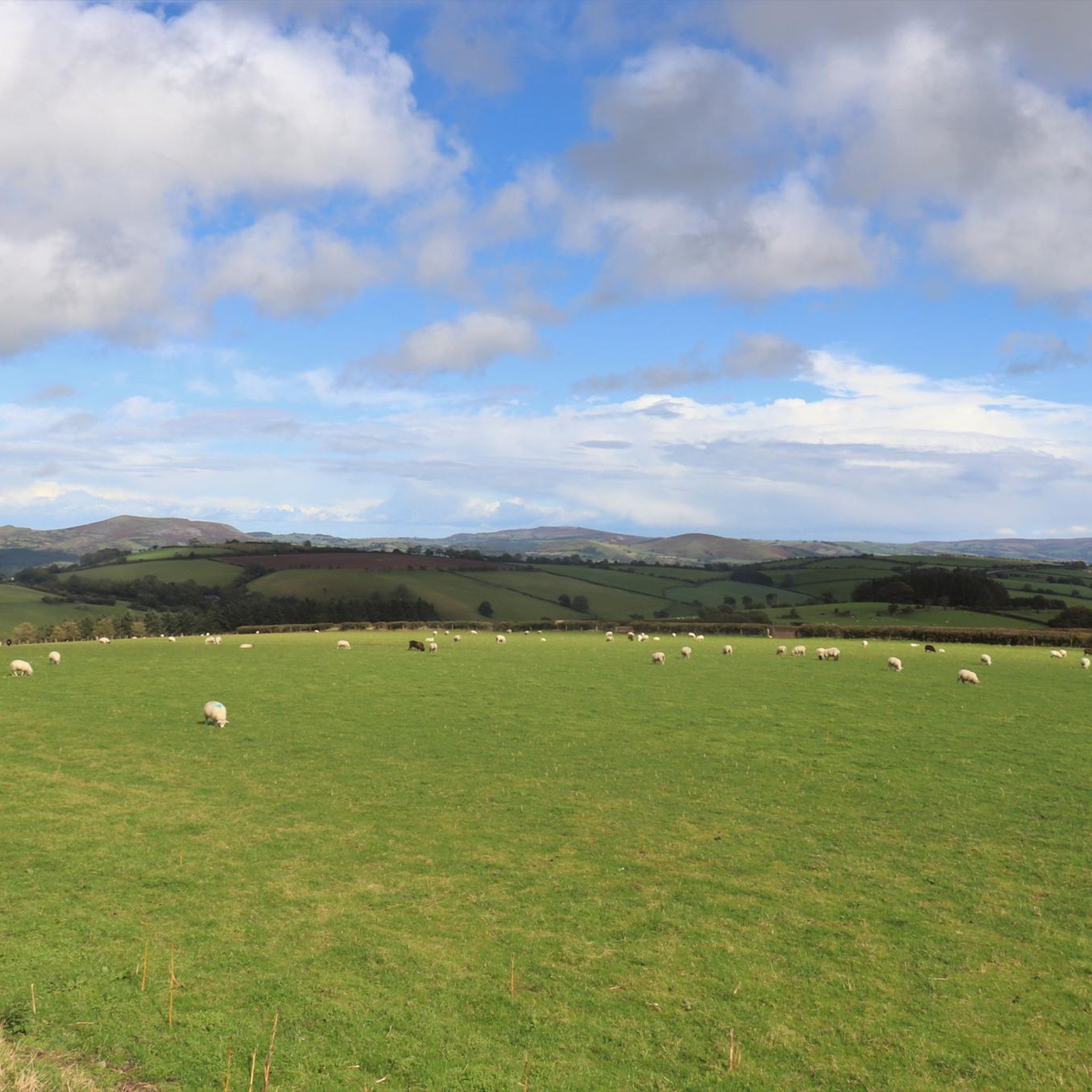
Sunny Hill is the site of Bury Ditches, an Iron Age hillfort dating back to around 500 BC. The fort is exceptionally well-preserved and has impressive defensive earthworks. Once covered in trees, planted by the Forestry Commission, a series of storms led to them being removed and today, the views are fantastic.
0
0
A great little hike to do. Lovely trig pointed/cairned summit and a great viewpoint out over the surrounding area to boot.
3
0

Make sure open the flap in the board walking down (Kempton-side). There used to be a village on top of this hill! Beautiful views in every direction here!
0
0

There’s a bench at the top alongside the trig and cairn.
1
0
Frequently Asked Questions
What are some of the most popular natural monuments to visit around Colebatch?
Among the most popular natural monuments in the region are Corndon Hill summit trig point and cairn, which offers expansive views and stands on Bronze Age burial cairns. Visitors also highly rate Bury Ditches hillfort (Sunny Hill), an exceptionally well-preserved Iron Age site with fantastic panoramic views, and Burrow Hillfort, known for its impressive ramparts and sweeping vistas.
Are there any ancient historical natural monuments near Colebatch?
Yes, the area is rich in ancient history. You can visit Mitchell's Fold Stone Circle, a Bronze Age site with local folklore about a magic cow. Additionally, the broader region features Arthur's Stone, a Neolithic Burial Chamber and the oldest human-made structure in Herefordshire, offering expansive views from its ridgeline.
What kind of natural features can I expect to see around Colebatch?
The region around Colebatch offers a diverse landscape. You'll find prominent hilltops like Corndon Hill and the Black Hill Summit, offering far-reaching views. There are also ancient woodlands, such as the Monnington Avenue of Scots Pines and Yews, and the majestic 18th-century Linley Beeches, which line a ridge within the Shropshire Hills AONB.
Are there family-friendly natural monuments or activities near Colebatch?
Many of the natural monuments, especially the hillforts like Bury Ditches and Burrow Hillfort, involve leisurely climbs and offer open spaces for families to explore. The historical sites like Mitchell's Fold Stone Circle also provide an engaging educational experience. For walks, you can find several easy hiking loops, such as the 'Hiking loop from Bury Ditches', which is just over 3 km.
Can I bring my dog to the natural monuments around Colebatch?
Generally, dogs are welcome on leads at most natural monuments and walking trails in the area, including the hillforts and open spaces. Always check local signage for specific restrictions, especially around livestock. Many of the nearby routes, such as those listed in the easy hikes guide, are suitable for dog walking.
What outdoor activities can I do near these natural monuments?
The area around Colebatch is excellent for various outdoor activities. You can enjoy easy hikes, such as loops around Bishop's Castle or from Bury Ditches. For more challenging adventures, there are mountain biking trails like the Clun loop or routes around Pole Bank, and running trails that explore the Long Mynd Ridge.
What is the best time of year to visit the natural monuments near Colebatch?
The natural monuments around Colebatch can be enjoyed year-round. Spring and summer offer lush greenery and longer daylight hours, ideal for extensive exploration. Autumn brings beautiful foliage, particularly noticeable at sites like Linley Beeches. Even in winter, the skeletal presence of trees and clear views can be striking, though paths might be muddy and weather conditions more challenging.
Are there any natural monuments that offer particularly good viewpoints?
Absolutely. Corndon Hill summit trig point and cairn provides breathtaking views stretching for miles over Berwyn Ridge, the Breidden, and the Stiperstones. Bury Ditches hillfort and Burrow Hillfort also boast fantastic panoramic views in every direction. The Black Hill Summit Trig Point, located in the Black Mountain region, offers far-reaching views across the area.
What do visitors enjoy most about the natural monuments in this region?
Visitors frequently praise the stunning panoramic views from the hillforts and summits, the sense of history at ancient sites like Mitchell's Fold Stone Circle, and the peaceful, uncrowded atmosphere. Many appreciate the blend of natural beauty with historical significance, making for a fascinating visit. The ease of access to many sites and the friendly local pubs and cafes are also often highlighted.
Are there any permits required for hiking in the Shropshire Hills AONB near Colebatch?
Generally, permits are not required for hiking on public footpaths and bridleways within the Shropshire Hills Area of Outstanding Natural Beauty (AONB). However, always respect private land and follow the Countryside Code. If you plan to engage in specific activities or access certain areas, it's advisable to check with local authorities or landowners.
Where can I find parking for natural monuments near Colebatch?
Parking is often available at or near the starting points of trails leading to natural monuments. For example, there are usually parking options for popular sites like Bury Ditches. For specific locations, it's best to check detailed route information on komoot or local signage. Many villages in the area, such as Bishop's Castle, also offer public parking facilities.
Are there any unique tree-lined natural monuments in the area?
Yes, the Monnington Avenue of Scots Pines and Yews is a notable natural monument. This mile-long avenue of trees was established in 1641 and offers a visually striking natural pathway with historical context. Another impressive tree-lined feature is Linley Beeches, an 18th-century planting that stands majestically along a ridge, offering views across the Shropshire Hills AONB.
Most popular attractions around Colebatch

Get inspired with the komoot mobile app


Explore more
Extend your search for the best caves by checking out these guides of the top ones around Colebatch:
