Top 12 Natural Monuments around Lowick
Best natural monuments around Lowick include a diverse range of natural attractions and landmarks. The region, situated in Northumberland, England, features unique coastal phenomena, ancient geological formations, and historical landscapes. These natural features offer opportunities for exploration, wildlife observation, and experiencing the area's rich natural heritage.
Best natural monuments around Lowick
- The most popular natural monuments is Holy Island (Lindisfarne), a historical site and natural monument accessible by a tidal causeway. This unique natural wonder is home to the…
Last updated: August 11, 2026
Ros Castle Hill Fort
Highlight • Viewpoint
Tip by

Holy Island (Lindisfarne)
Highlight • Historical Site
Tip by

Sign up now to discover places like this
Get recommendations on the best single tracks, peaks, & plenty of other exciting outdoor places.
Sign up for free
Emmanuel Head Navigation Beacon
Highlight • Monument
Tip by

Budle Bay
Highlight • Viewpoint
Tip by

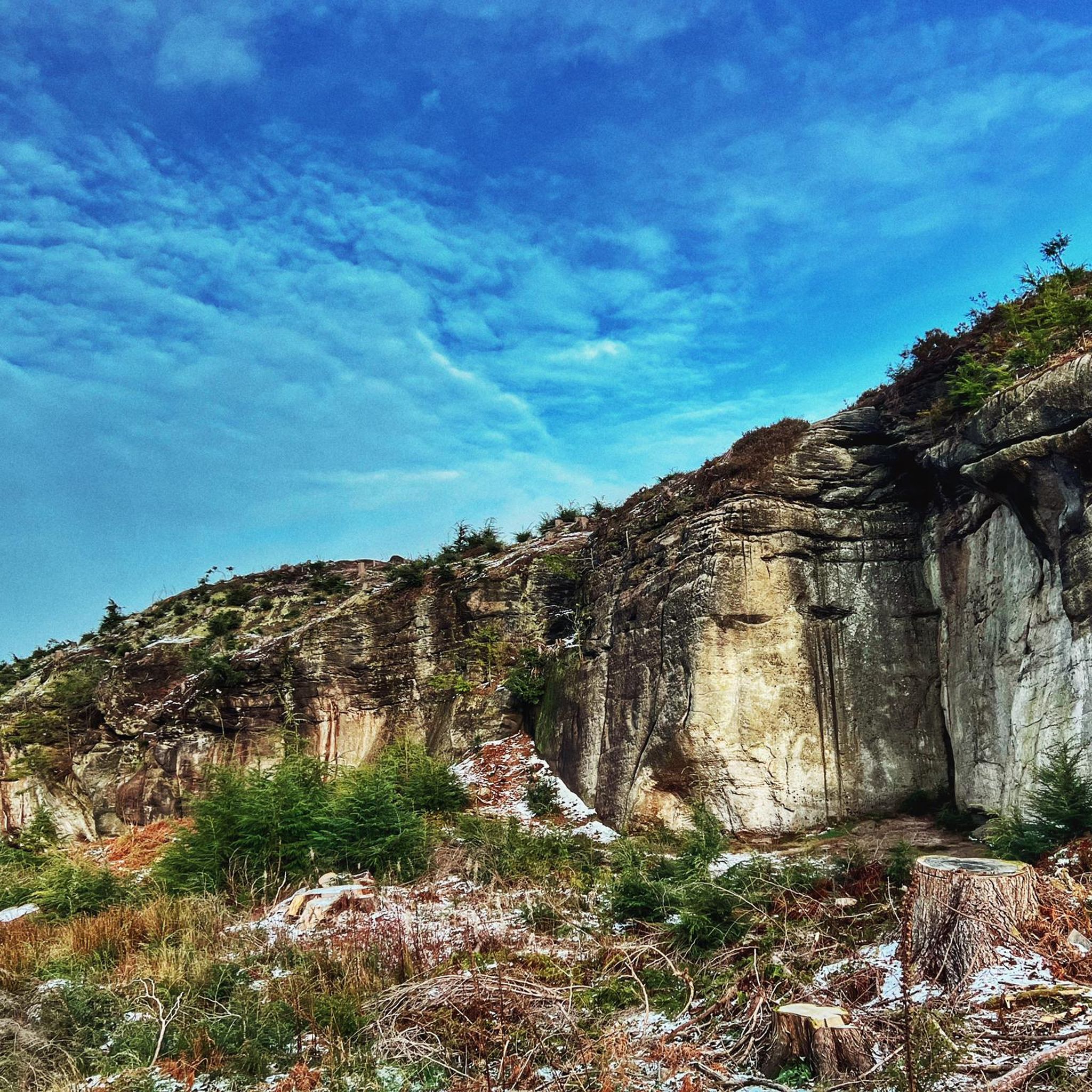
St Cuthbert's Cave
Highlight • Cave
Tip by

Sign up for free to discover even more natural monuments around Lowick.
Sign up for free
Already have an account?
Start today with a free account
Your next adventure awaits.
Login or Signup
Tips from the Community

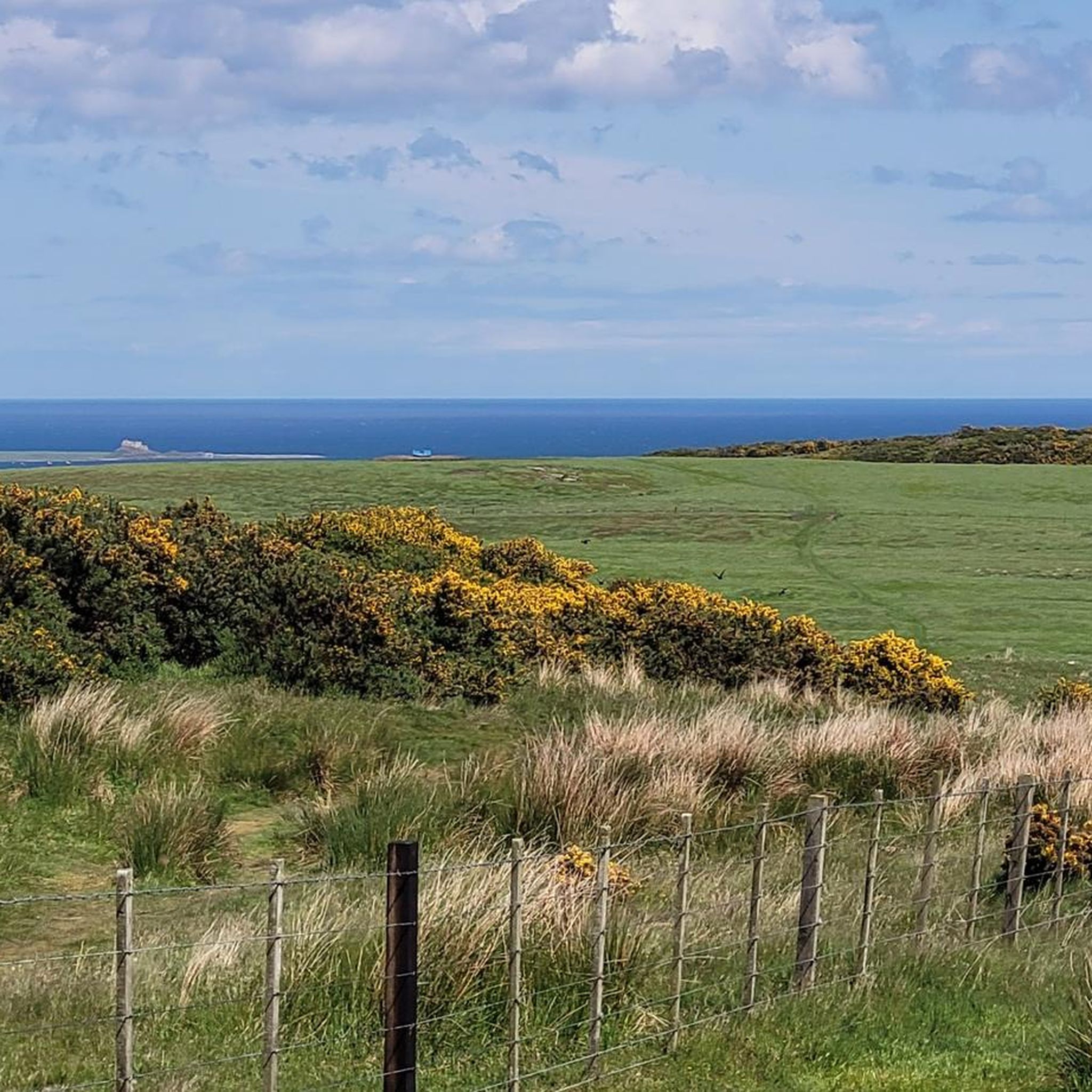
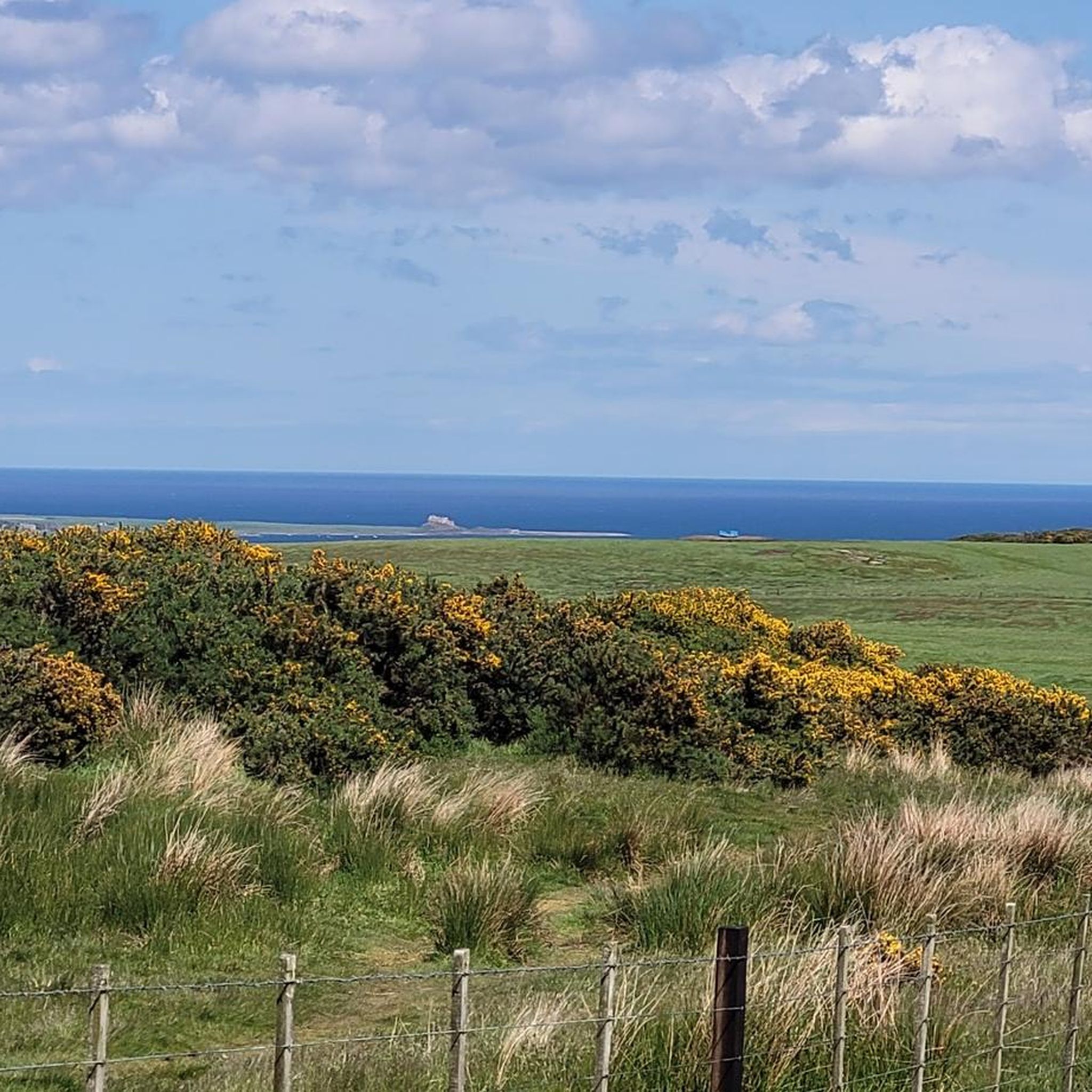
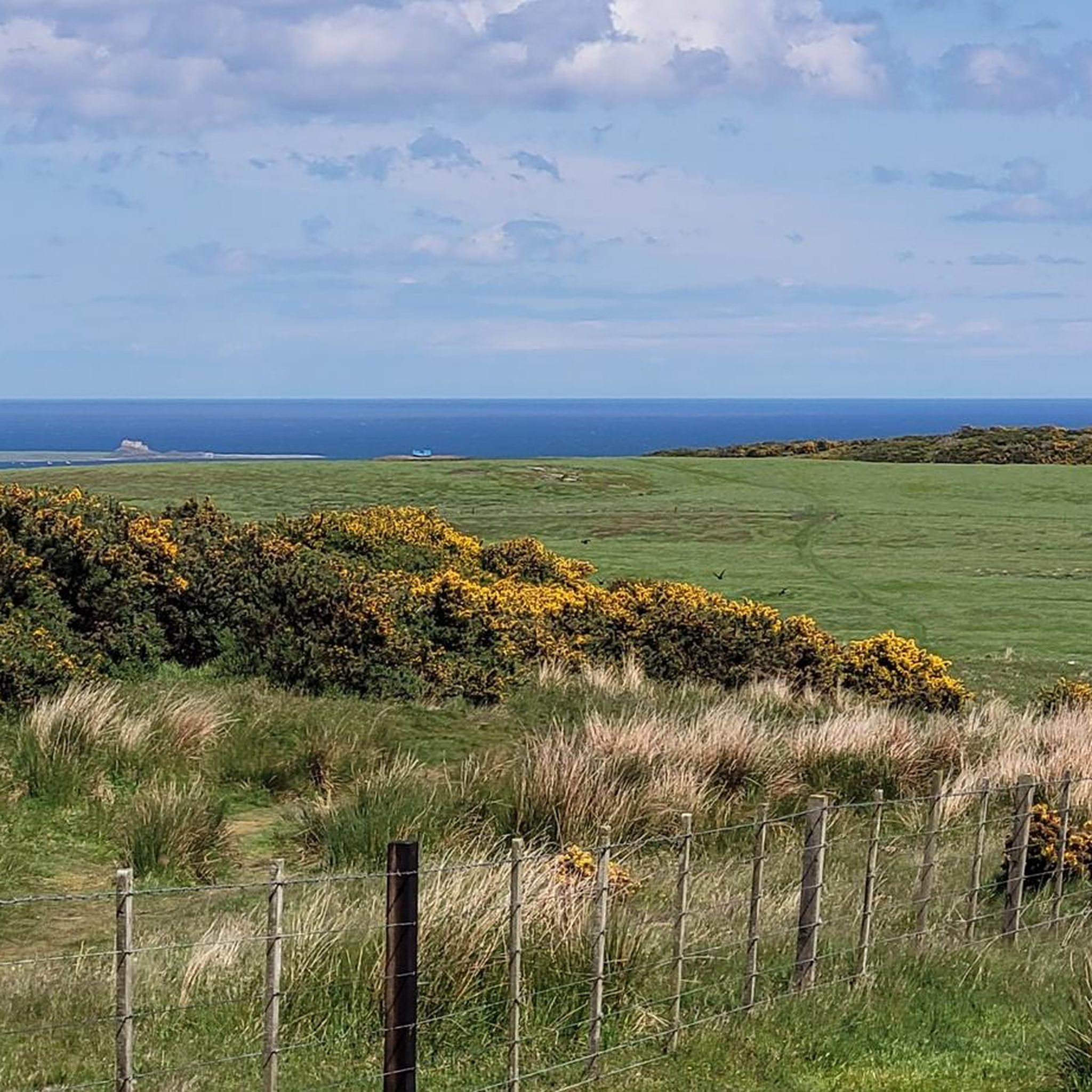
Emmanuel Head is one of those quirky, unexpected gems on Holy Island. The stark white pyramid looks almost out of place at first, but it’s actually steeped in history – built in 1810, it’s the oldest surviving daymark in England. Sailors would have used it as a navigational aid to guide them safely around the island’s treacherous coast, long before modern lighthouses and GPS. The walk out there is lovely, with wide-open views across the dunes, sea and Lindisfarne Castle in the distance. Standing by it, with seabirds wheeling overhead and the waves rolling in, you really get a sense of the island’s long connection with the sea. A peaceful, slightly off-the-beaten-path highlight – and a great photo stop too!
0
0

Ros Castle (Ros Hill) 316m P221 (1037ft) (DoBIH Hill ID: 2317) [JNSA 12818] County of Northumberland Definitive List summit.
0
0


Make sure you stay on the main path else it's easy to miss it
0
0

amazing experince, when you need to check tides time before any trip
1
0

The daymark on Emmanuel Head is a visual aid for boats navigating these waters. It's also a great target for a coastal run around the island. Look out for dolphins and seals out to sea.
1
0

Budle Bay is a square-shaped bay extending 1 mile wide along the North Sea coast of Northumberland, England. Positioned between Bamburgh and Lindisfarne, it features Budle Point on the eastern end. The bay is notable for its association with Bamburgh Castle Golf Club, the Northumberland Coast Path, and St Oswald's Way. Waren Burn and Ross Low are streams that converge into the bay, forming Budle Water as they flow eastward. The area is part of the Lindisfarne National Nature Reserve and is significant in geological conservation. The bay's geological composition includes limestone, Alston Formation rocks, and the quartz-microgabbro of the Whin Sill. Blown sand deposits shape the landscape, with Ross Links on one side. Historically, Budle Bay had a seaport named Waren, which operated until the early 20th century.
1
0
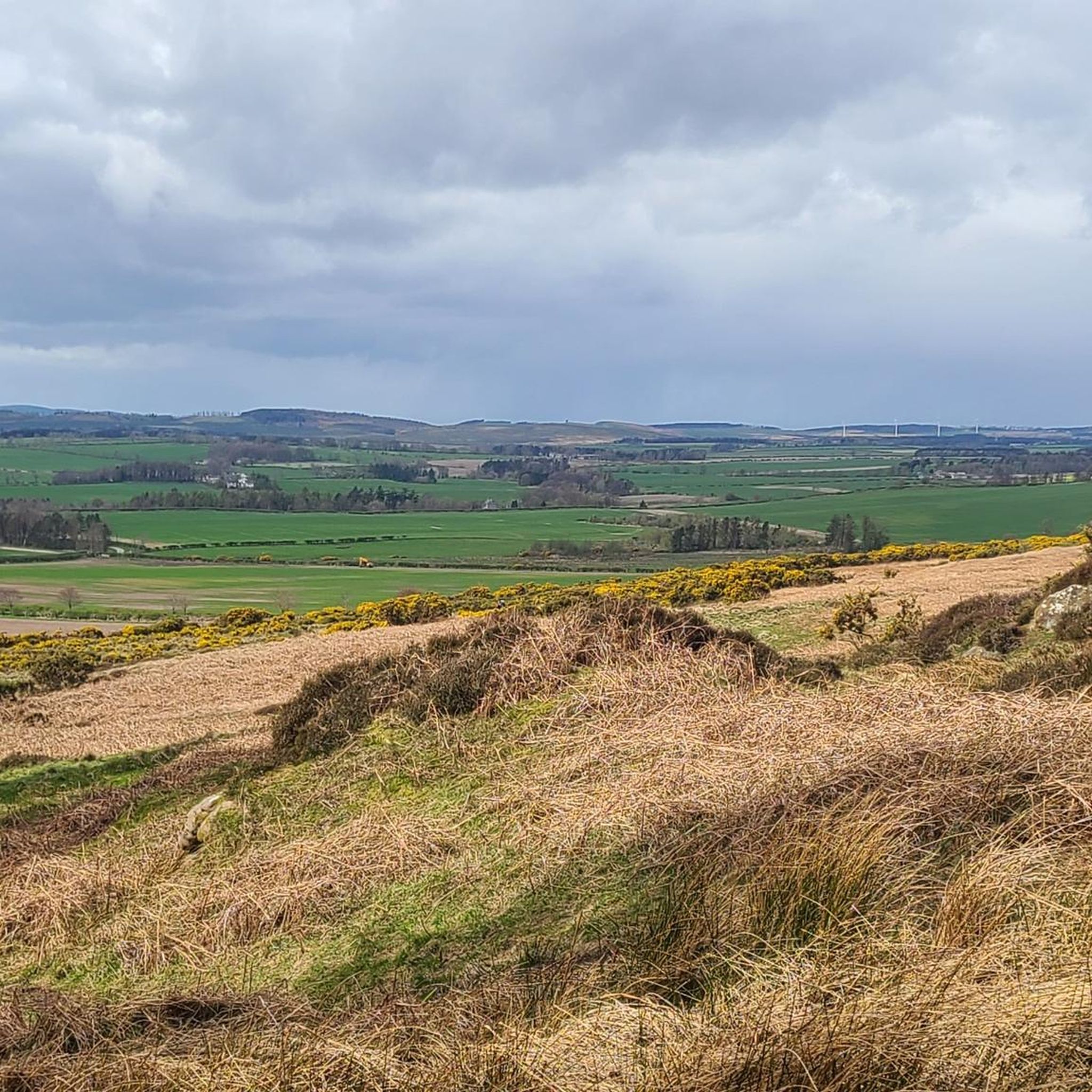
Ros Castle is a 3000-year-old Iron Age Hill Fort, at 315m it's also the highest point in the Chillingham Hills. There is a trig point and a toposcope building with four viewpoints and a labelled diagram for each. The views are superb. Managed by the National Trust but free and open access.
0
0
Frequently Asked Questions
What unique natural features can I explore around Lowick?
The region around Lowick offers a diverse range of natural features. You can explore the unique tidal access to Holy Island (Lindisfarne), which is home to a National Nature Reserve with mudflats, salt marshes, and dunes. Further inland, the Ros Castle Hill Fort provides panoramic views from its natural elevation, while St Cuthbert's Cave offers a fascinating geological formation with historical folklore.
Are there any natural monuments near Lowick with historical significance?
Yes, several natural monuments around Lowick are steeped in history. Holy Island (Lindisfarne) is not only a natural wonder but also a site of immense spiritual and historical importance, known for its priory and castle. St Cuthbert's Cave is linked to the legend of St Cuthbert. Additionally, the Ros Castle Hill Fort is an Iron Age hillfort, offering a tangible connection to ancient civilizations.
What are some family-friendly natural monuments to visit near Lowick?
For families, Holy Island (Lindisfarne) is a great option, offering coastal walks and wildlife spotting opportunities, though checking tide times is crucial. Budle Bay is also family-friendly, with its wide beach and opportunities for exploring the coastline. Many of the coastal paths offer gentle sections suitable for families.
What outdoor activities can I do near Lowick's natural monuments?
The area around Lowick is excellent for outdoor activities. You can enjoy hiking, mountain biking, and cycling. For hiking, explore routes like the St Cuthbert's Cave loop. Mountain biking trails include the Coldgate Mill Bridge loop, and cycling routes offer scenic rides such as the View of Belford and the Coast loop. You can find more details on these activities in the Easy hikes around Lowick, MTB Trails around Lowick, and Cycling around Lowick guides.
Are there good places for wildlife spotting near Lowick?
Absolutely. The Lindisfarne National Nature Reserve on Holy Island is an internationally important area for migrating birds, including vast numbers of shorebirds and wildfowl. Grey seals can often be spotted in the waters and on the sands. The Emmanuel Head Navigation Beacon is also known as a great spot to look for dolphins and seals along the coast.
What is the best time to visit the natural monuments around Lowick?
The best time to visit depends on your interests. For coastal areas like Holy Island, checking tide times is essential for safe access. Spring and autumn are ideal for birdwatching due to migration. Summer offers warmer weather for exploring beaches and longer daylight hours for hiking. However, the region's natural beauty can be appreciated year-round, with winter offering a more rugged and isolated experience.
Are there any hidden gems or unique natural features to discover?
Beyond the well-known sites, Doddington Moor offers a unique blend of natural landscape and prehistoric human activity. It features a well-preserved stone circle and ancient cup-and-ring markings carved into stones, providing a glimpse into early civilizations. The Simonside Hills, with their distinctive craggy profiles and ancient fell sandstones, also offer a captivating blend of geological history and diverse ecosystems.
What do visitors enjoy most about the natural monuments around Lowick?
Visitors frequently praise the breathtaking panoramic views, especially from elevated points like Ros Castle Hill Fort. The unique experience of visiting Holy Island, with its tidal causeway and rich history, is also a highlight. Many appreciate the opportunities for coastal walks, wildlife spotting, and the sense of peace and isolation found in the natural environment.
Can I find long-distance walking paths that incorporate these natural monuments?
Yes, the Northumberland Coast Path is a 100-kilometer (62-mile) trail that showcases numerous natural features and landscapes, including sections near Lowick and towards Holy Island. This path offers dramatic seascapes, clifftop views, and opportunities to observe marine wildlife, providing an immersive experience of the region's diverse natural beauty.
What kind of terrain can I expect when exploring natural monuments near Lowick?
The terrain varies significantly. Coastal areas like Holy Island and Budle Bay feature sandy beaches, dunes, and tidal flats. Inland, you'll find elevated points like Ros Castle Hill Fort, which involves uphill walks to reach panoramic viewpoints. Moorlands such as Doddington Moor offer open, sometimes rugged, landscapes. Paths to sites like St Cuthbert's Cave may involve forest trails.
Are there opportunities for birdwatching near Lowick's natural monuments?
The Lindisfarne National Nature Reserve on Holy Island is a prime location for birdwatching, especially during migration seasons. It provides vital food and shelter for a wide array of shorebirds and wildfowl, including pale-bellied brent geese. The Simonside Hills also host significant wildlife, including red grouse and curlews, making the entire region a haven for bird enthusiasts.
Most popular attractions around Lowick

Get inspired with the komoot mobile app


Explore more
Extend your search for the best caves by checking out these guides of the top ones around Lowick:
