Top 5 Natural Monuments around Thornley
Best natural monuments around Thornley offer diverse landscapes and geological features within County Durham. The region is characterized by dramatic coastlines, ancient woodlands, and significant geological sites. These natural features provide varied opportunities for outdoor exploration and observing local flora and fauna. The area's natural monuments showcase the unique ecological and geological heritage of the North East of England.
Best natural monuments around Thornley
- The most popular natural monuments is Castle Eden Dene National Nature Reserve, a gorge that…
Last updated: July 28, 2026
Durham Heritage Coast
Highlight • Natural Monument
Tip by

Castle Eden Dene National Nature Reserve
Highlight • Natural Monument
Tip by

Sign up now to discover places like this
Get recommendations on the best single tracks, peaks, & plenty of other exciting outdoor places.
Sign up for free
Brasside Pond
Highlight • Lake
Tip by

Stone Spiral, Low Burnhall Woods
Highlight • Viewpoint
Tip by

Freemen's Beacon Viewpoint, Beacon Hill
Highlight • Natural Monument
Tip by

Start today with a free account
Your next adventure awaits.
Login or Signup

Tips from the Community

This stone spiral at Durham's Low Burnhall Woods marks the turning point of the 2.2-mile (3.2km) Riverside Trail walk.
0
1

The Beacon - a lovely vantage point with great views of Durham Cathedral.
0
0

At 94m this little hill just north of central Durham gives great views across the city to the south. You can see the Durham Obelisk in William Wharton Park to your west, or look northeast across the Aykley Heads Nature Reserve. The popular Jubilee Walk loop crosses this point and makes a good run loop close to the city.
0
0
The Durham Heritage Coast is a 5.5mile section of coast path heading south from Seaham. It passes through stunning cliff top scenery and wild beaches. Some owned and managed by the National Trust.
0
0


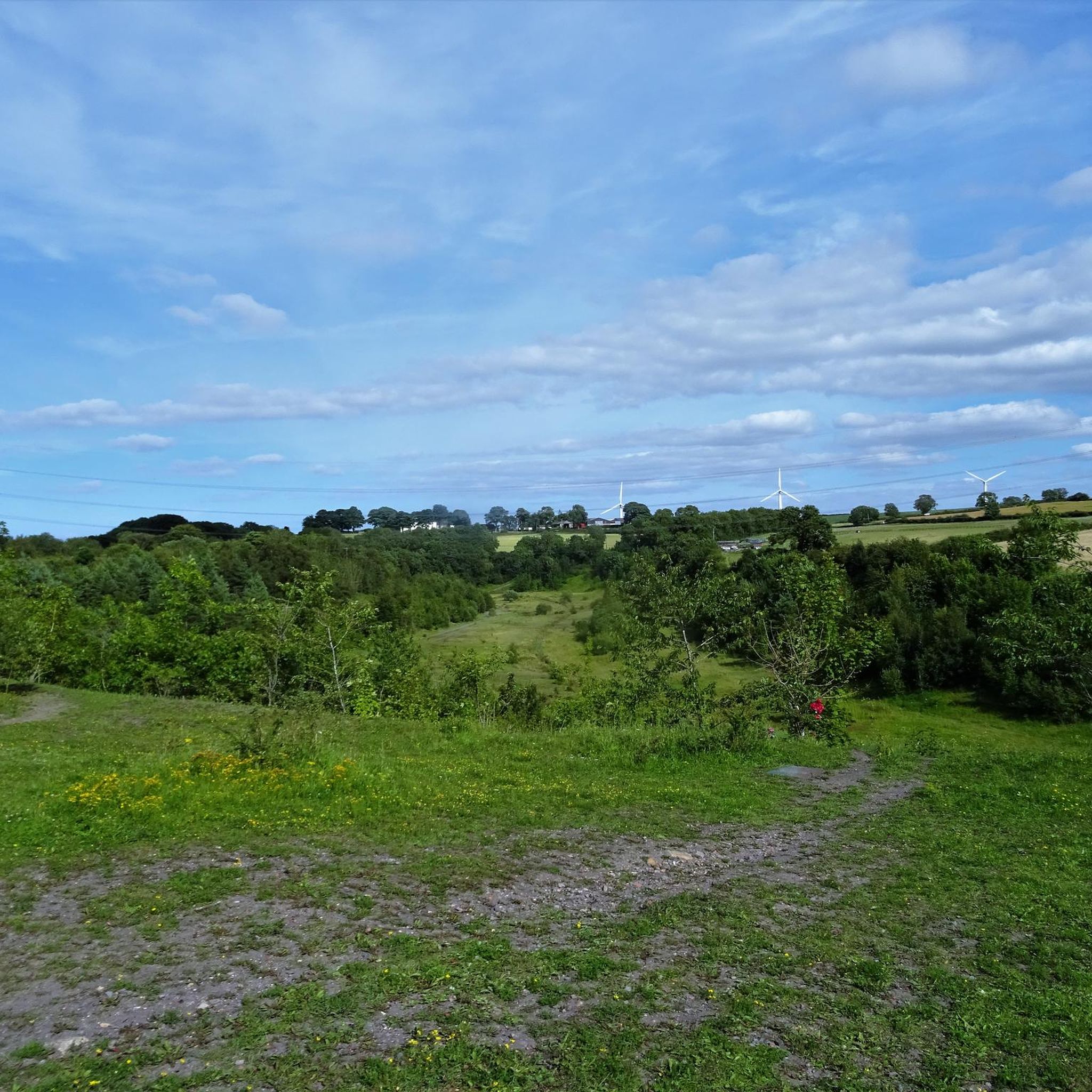
A National Nature Reserve, this steep and well-wooded valley has been cut deep into soft limsetone rock by the action of Castle Eden Burn as it finds its way down to the coast. It has evolved over 10,000 years with majestic yew trees and strands of ancient oak and ash.
0
0

Hidden away next to the prison, two large ponds created by flooding old clay pits. Important wildfowl breeding spot.
0
0
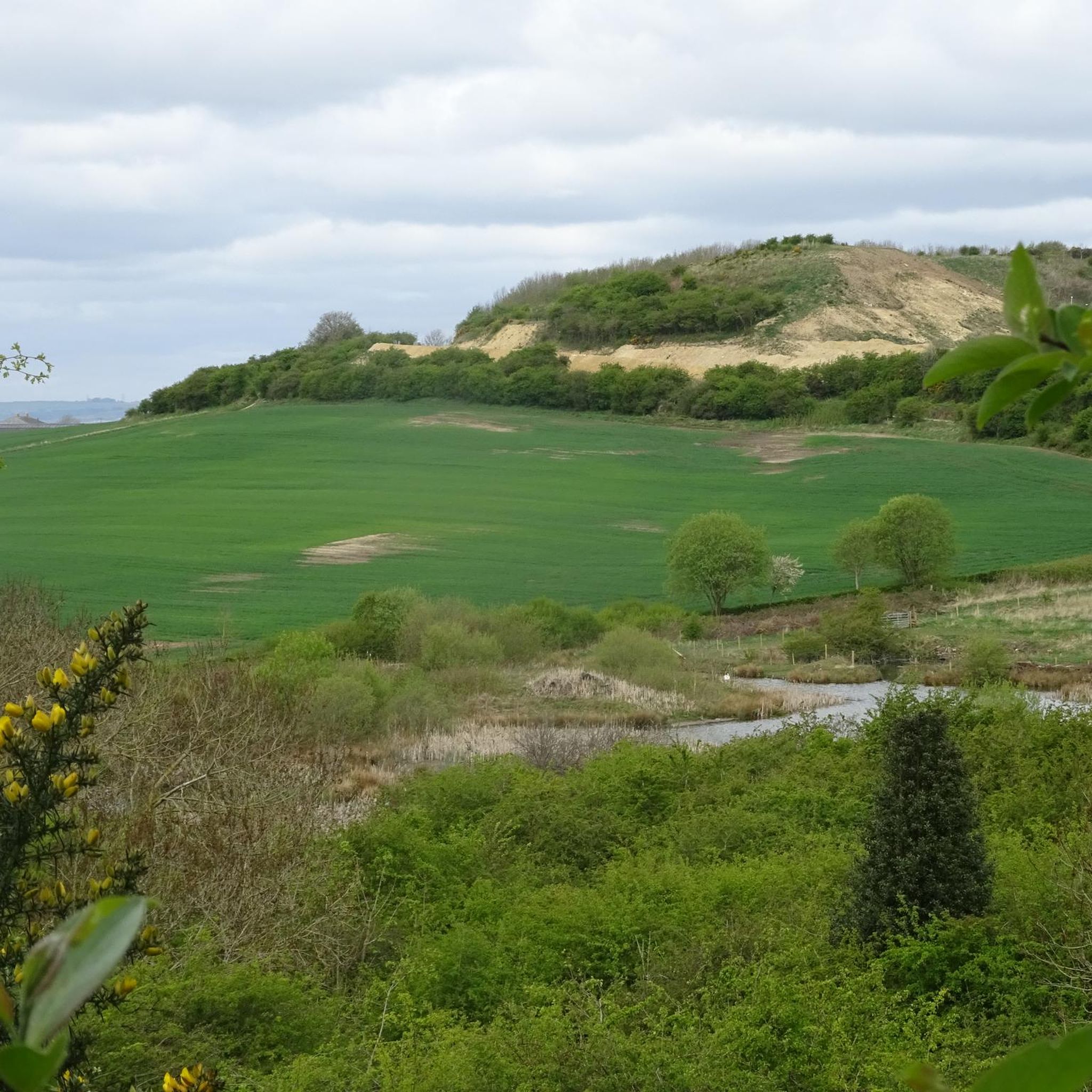
Brasside Pond is a Site of Special Scientific Interest. Two large ponds, the result of flooding of old clay pits. Important breeding site for wildfowl.
0
0
Frequently Asked Questions
What unique natural features can I explore around Thornley?
The region around Thornley offers diverse natural features. You can explore the dramatic gorge of Castle Eden Dene National Nature Reserve, which has been carved over 10,000 years. The Durham Heritage Coast features stunning cliff scenery and unique geological formations, while Brasside Pond is an important wetland site formed from old clay pits.
Are there any spectacular waterfalls near Thornley?
Yes, the wider County Durham area boasts impressive waterfalls. High Force Waterfall in Upper Teesdale, within the North Pennines AONB, is one of England's most spectacular, where the River Tees plunges 21 meters. Further upstream, you can find Cauldron Snout Waterfall, another dramatic cascade over the Whin Sill.
Which natural monuments are suitable for families with children?
Several natural monuments around Thornley are family-friendly. Brasside Pond is a great spot for observing wildfowl. The Stone Spiral in Low Burnhall Woods offers peaceful walks within woodlands, and Freemen's Beacon Viewpoint provides easy access to panoramic views.
Where can I find good viewpoints to appreciate the landscape near Thornley?
For panoramic views, head to Freemen's Beacon Viewpoint on Beacon Hill, which offers great vistas across Durham city, including the Cathedral. The Durham Heritage Coast also provides stunning cliff-top scenery and expansive views of the sea.
What kind of wildlife can I expect to see at the natural monuments?
The natural monuments around Thornley are rich in wildlife. Brasside Pond is an important breeding site for wildfowl. Low Barns Nature Reserve is home to over 200 bird species, including kingfishers, as well as various damselflies, dragonflies, and butterflies. Bishop Middleham Quarry is known for its large numbers of butterflies and diverse orchid species.
Are there opportunities for hiking or walking near these natural monuments?
Yes, the area offers numerous opportunities for hiking and walking. You can find easy hikes around Thornley, such as the 'Sunset View Over the Hills' loop or the 'Wingate Quarry Nature Reserve' loop. For more options, explore the various hiking routes around Thornley, which include trails like the 'Crowtrees Local Nature Reserve' loop.
What is the geological significance of the natural monuments in this region?
The region is geologically significant, particularly the North Pennines Area of Outstanding Natural Beauty (AONB), which is a UNESCO Global Geopark. It features world-class geology, including Carboniferous rocks and igneous intrusions of the Great Whin Sill. The Durham Heritage Coast is also notable for its magnesian limestone cliffs and unique geological formations.
Can I find any hidden gems or less-known natural spots?
While popular spots are well-known, places like Oakenshaw Nature Reserve offer a tranquil green space with small lakes, woodlands, and wetlands, providing a peaceful setting for wildlife spotting away from the main crowds. Bishop Middleham Quarry, a disused quarry, is also a unique site known for its rare flora and butterflies.
What is the best time of year to visit the natural monuments around Thornley?
The best time to visit largely depends on your interests. Spring and summer offer vibrant flora and active wildlife, making it ideal for birdwatching and seeing butterflies and orchids. Autumn brings beautiful foliage to woodlands like Castle Eden Dene. Waterfalls like High Force are particularly dramatic after heavy rainfall, which can occur in any season but is more common in autumn and winter.
Are there any mountain biking trails near the natural monuments?
Yes, there are mountain biking opportunities in the vicinity. You can find various MTB trails around Thornley, ranging from easy to moderate. Routes like the 'Sunderland Bridge' loop or the 'Hurworth Burn Reservoir' loop offer diverse terrain for cyclists.
How long should I plan for a visit to these natural monuments?
The duration of your visit depends on the specific natural monument and your activity. For a site like Castle Eden Dene National Nature Reserve, you could spend a few hours exploring the trails. A walk along a section of the Durham Heritage Coast might take half a day, while a quick stop at a viewpoint like Freemen's Beacon could be an hour. Plan a full day if you intend to visit multiple locations or undertake longer hikes.
Most popular attractions around Thornley

Get inspired with the komoot mobile app


Explore more
Extend your search for the best caves by checking out these guides of the top ones around Thornley:
