Top 5 Natural Monuments around St. Bees
Best natural monuments around St. Bees include dramatic coastal features and inland fells. St. Bees, located on Cumbria's western coast, is known for St. Bees Head, the westernmost point of Northern England. This headland features towering red sandstone cliffs rising over 90 meters above sea level. The area is a designated Heritage Coast and a Site of Special Scientific Interest, offering geological and ecological features.
Best natural monuments around St. Bees
- The most popular natural monuments is St Bees South…
Last updated: July 28, 2026
Lank Rigg Summit
Highlight • Viewpoint
Tip by

St Bees South Head
Highlight • Beach
Tip by

Sign up now to discover places like this
Get recommendations on the best single tracks, peaks, & plenty of other exciting outdoor places.
Sign up for free
Kinniside Stone Circle
Highlight • Natural Monument
Tip by
Fleswick Bay
Highlight • Natural Monument
Tip by

St Bees North Head
Highlight • Climb
Tip by
Sign up for free to discover even more natural monuments around St. Bees.
Sign up for free
Already have an account?
Start today with a free account
Your next adventure awaits.
Login or Signup
Popular around St. Bees
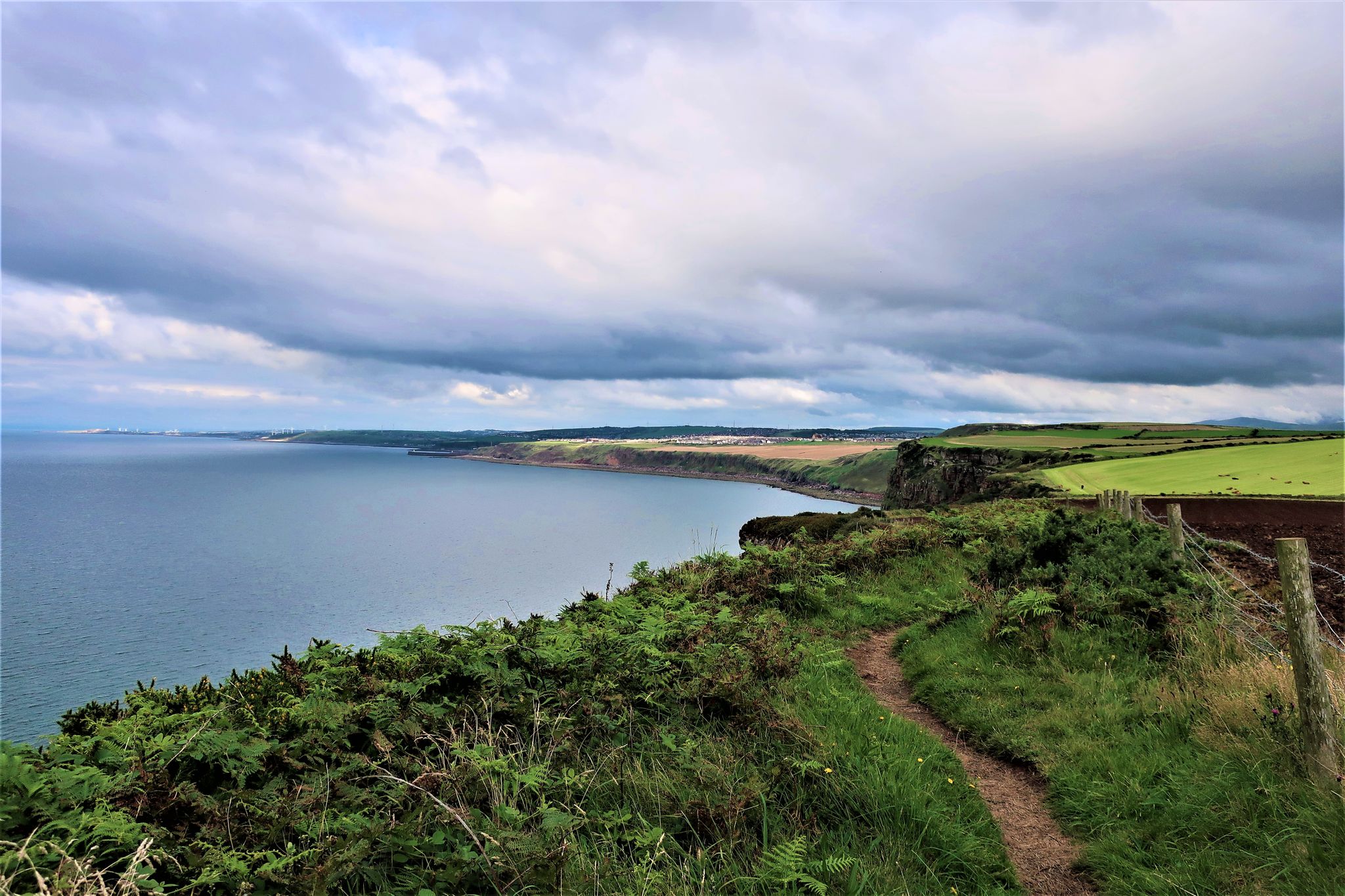
The Cumbria Coastal Way — Hike vibrant estuaries and historic coastline
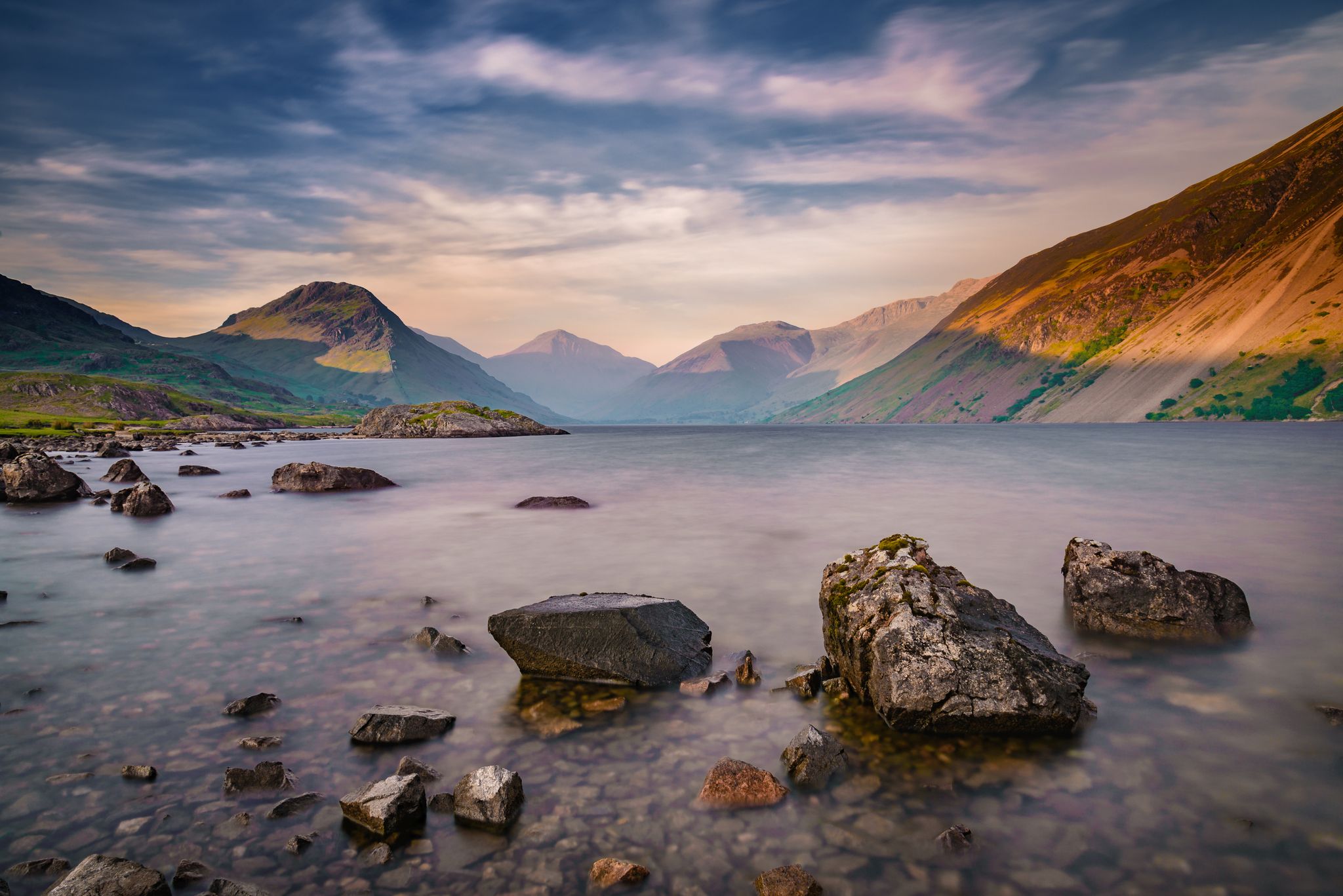
St Bega's Way and Back — A pilgrimage hike from coast to mountains
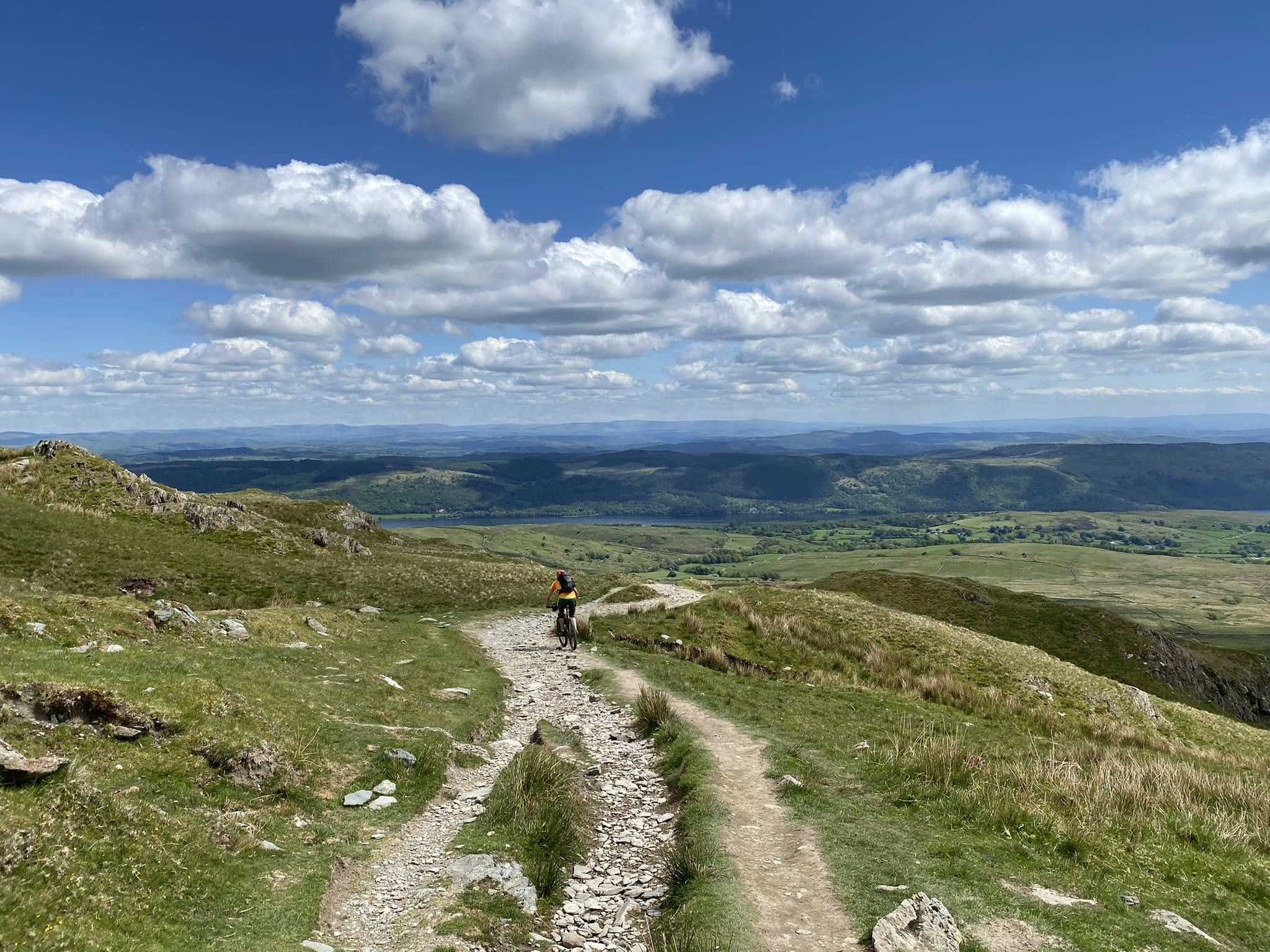
Tim Woodcock's Coast to Coast off-road route – Lakes, Dales and Moors
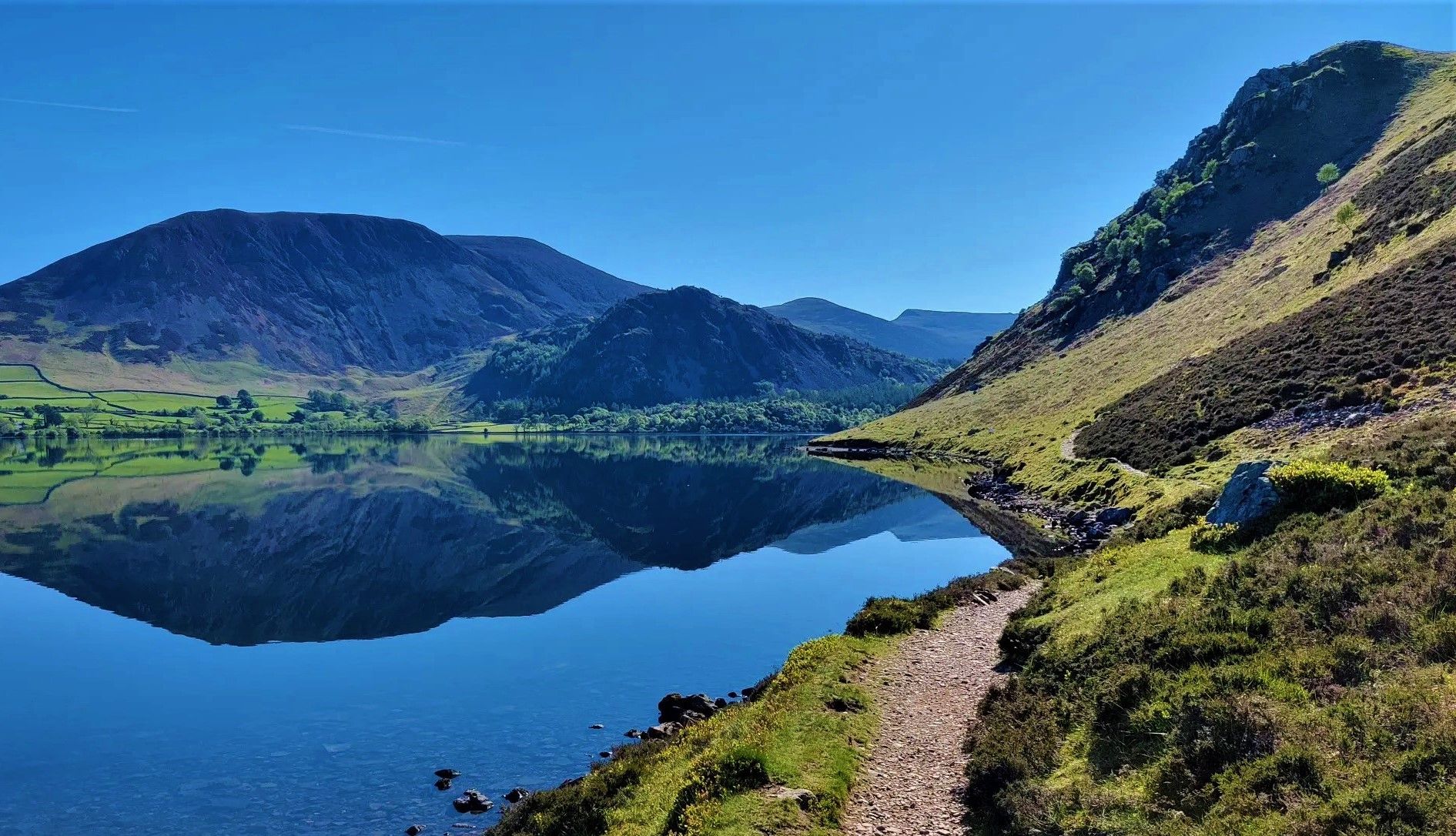
Wainwright's Coast to Coast — Hike the width of England in 13 stages
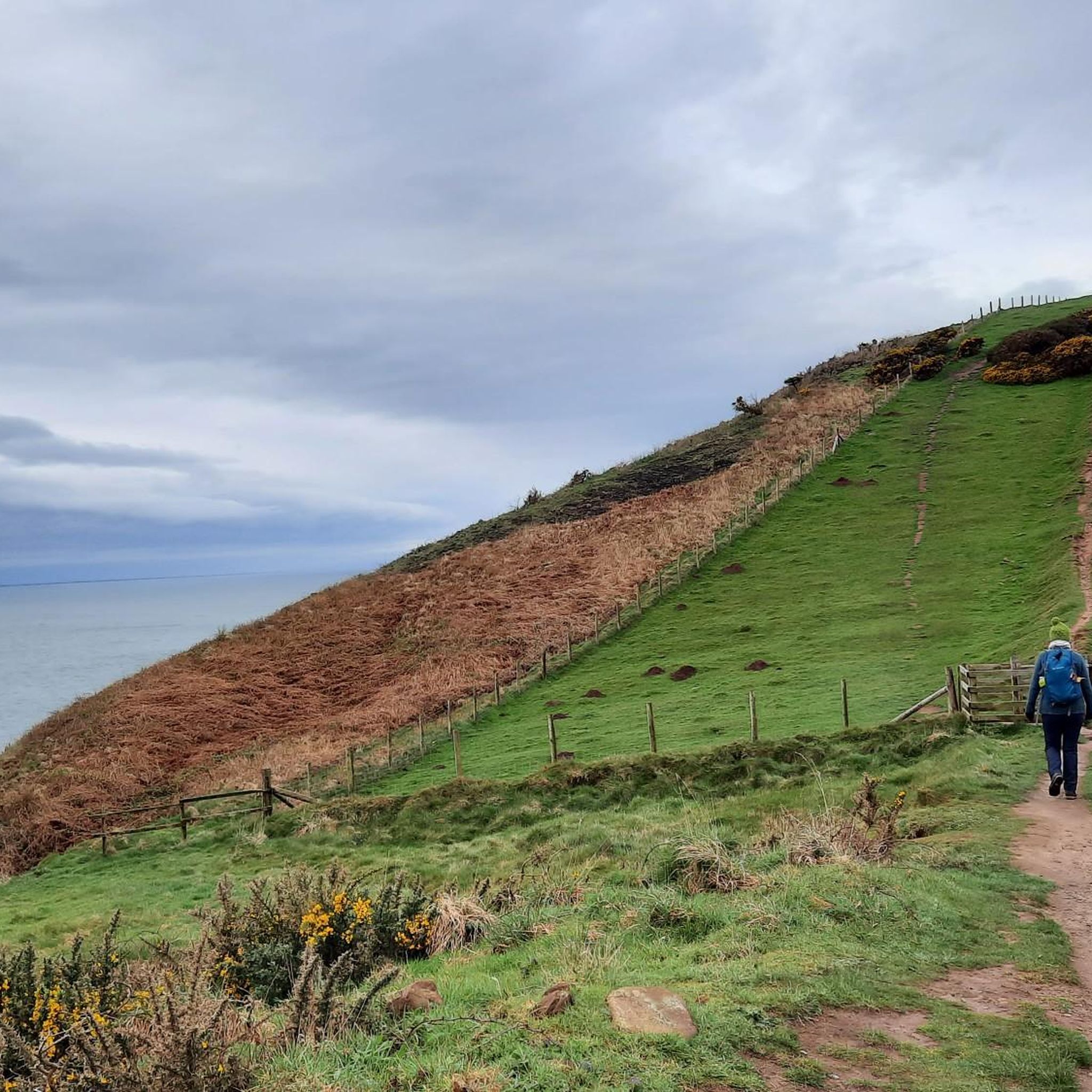
Road Cycling Routes around St. Bees
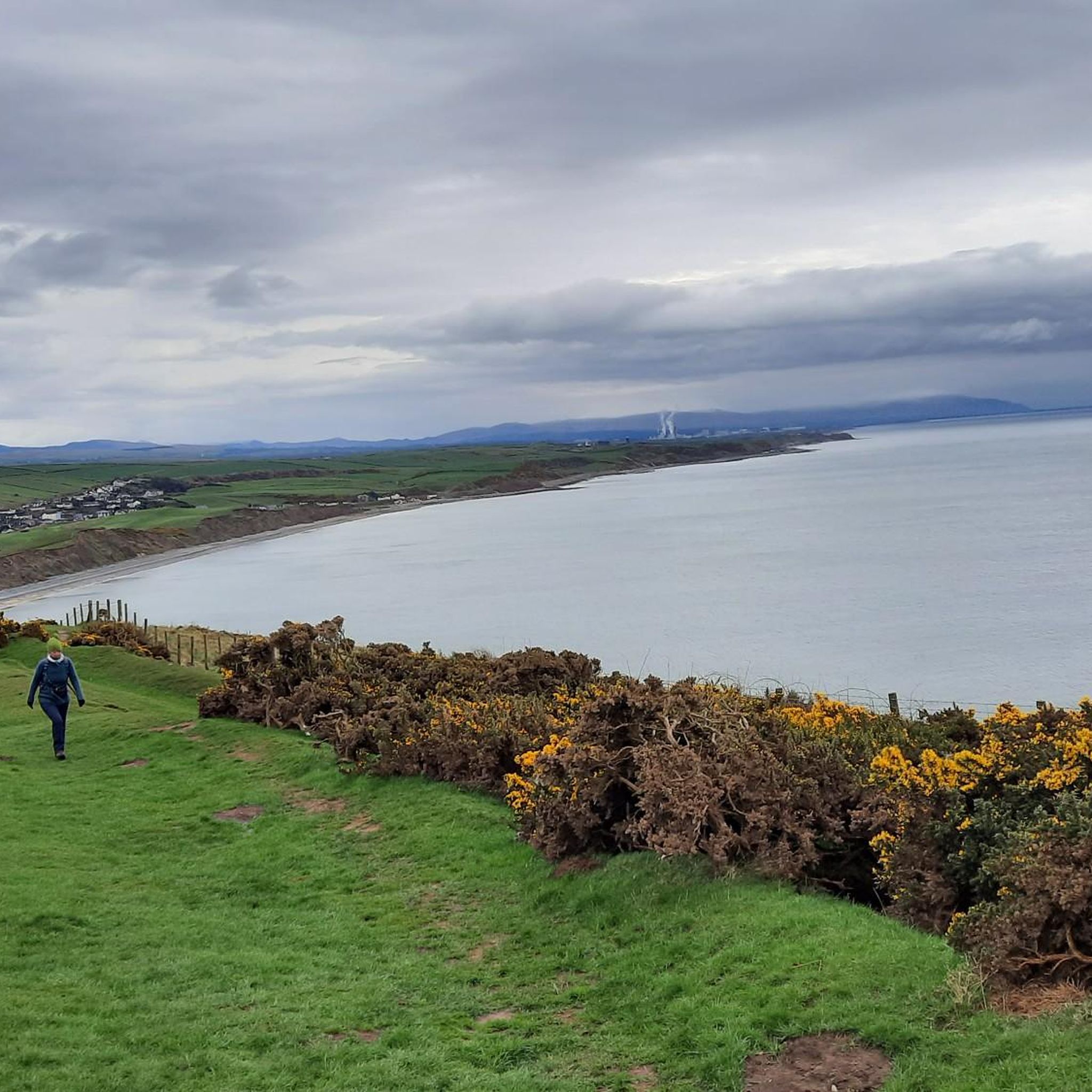
Hiking around St. Bees
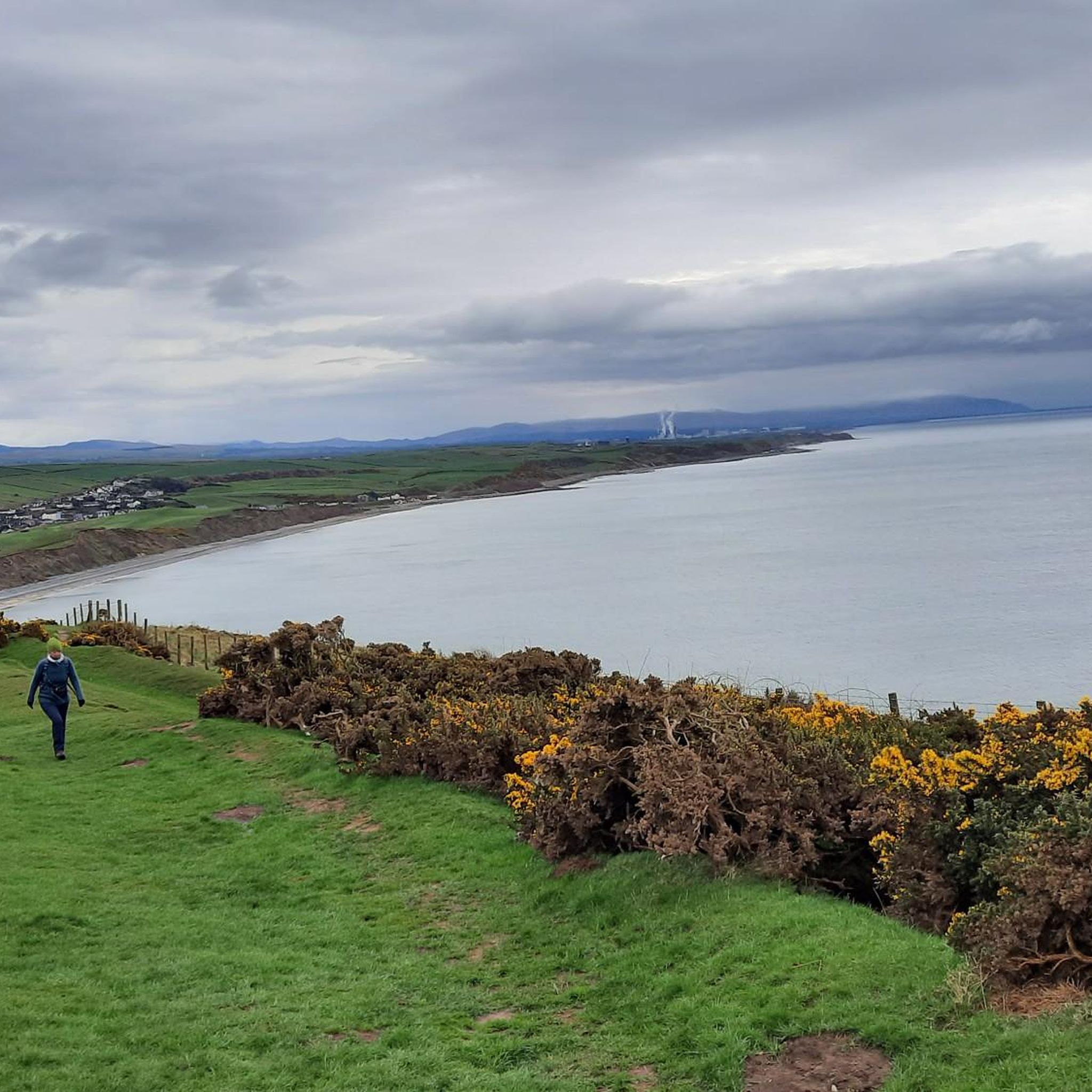
Cycling around St. Bees
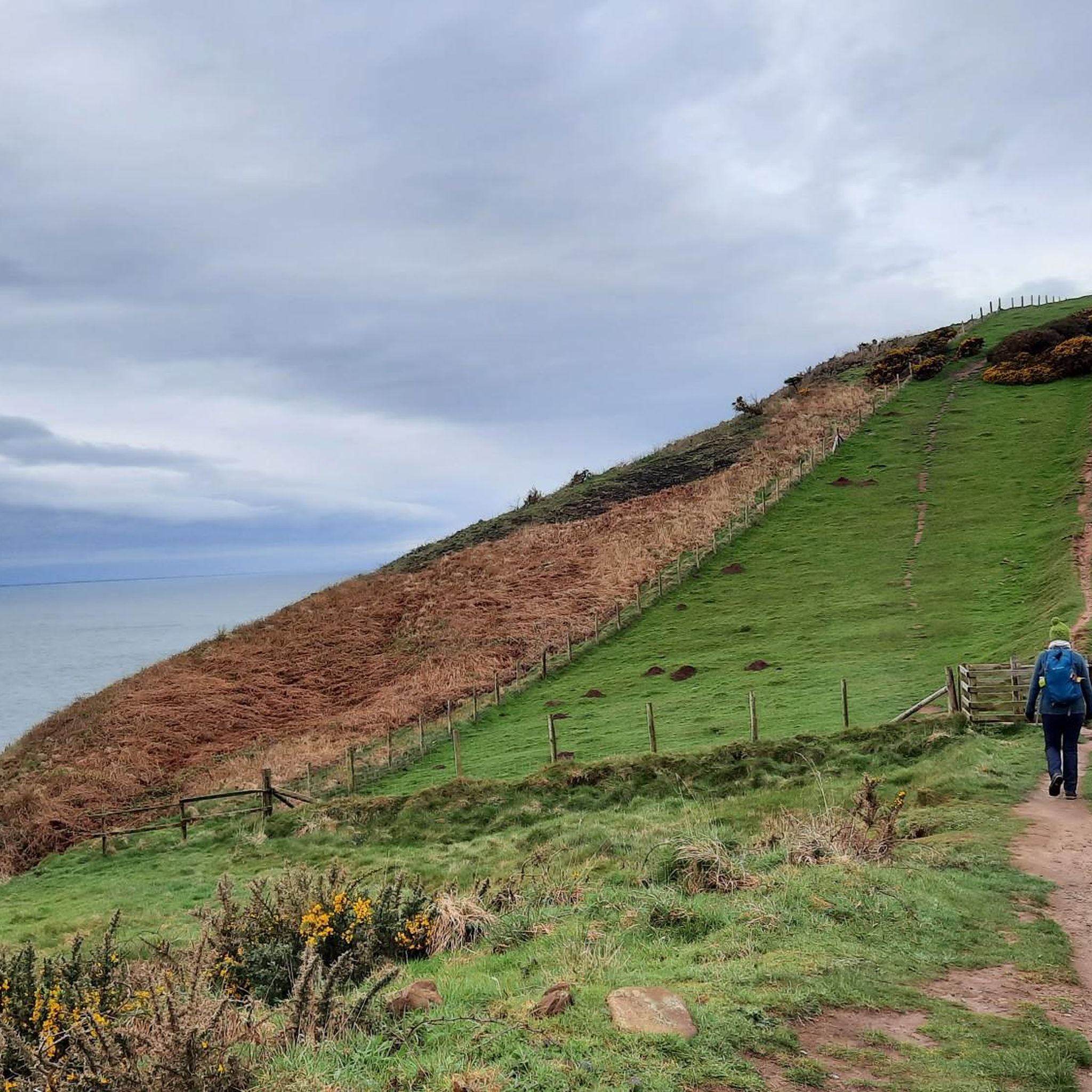
Running Trails around St. Bees
MTB Trails around St. Bees
Other adventures around St. Bees


Tips from the Community


The fell road between Calder Bridge and Ennerdale Bridge passes the small but impressive stone circle at Kinniside, below Blakeley Rise. The circle has been reconstructed, with some cast in concrete, and is formed from eleven stones with a diameter of 18 metres. The tallest stone is 1.15 metres high. Stunning views to Whitehaven and into the Lakes.
0
0

The red sandstone is impressive.
1
0

As Adv Nic said, most people come to Lank Rigg from the NE. However I came in from the West parking on the Ennerdale to Calder mountain road. There are a few places there to park but not many. It is a good place to start from to take in the three Western Wainwrights of Grike, Crag Fell and Lank Rigg. Mind you I did it on a horrid day and saw nothing for the 2nd day in a row!
2
0

Lank Rigg is a fell in the Western Lake District National Park. It is 1,775 feet (541 m) high. There is a trig pillar on the summit and views over to the coast and surrounding western fells. Lank Rigg is most commonly hiked from the north east, this is the only path that's shown on the map. Many link this fell to Crag Fell and Grike, creating a nice circular.
1
0

St Bees North Head is the highest point on the north west coast of England, rising to 295 feet (90 m) above sea level. From its clifftop paths are huge views west to the sea and east to the fells of Lakeland. It is part of the only western stretch of Heritage Coast between Wales and Scotland. Birdlife is abundant, with many nesting species. A lighthouse stands proud on the headland, whilst the cliffs also host rock climbers, with many bolted routes.
2
0
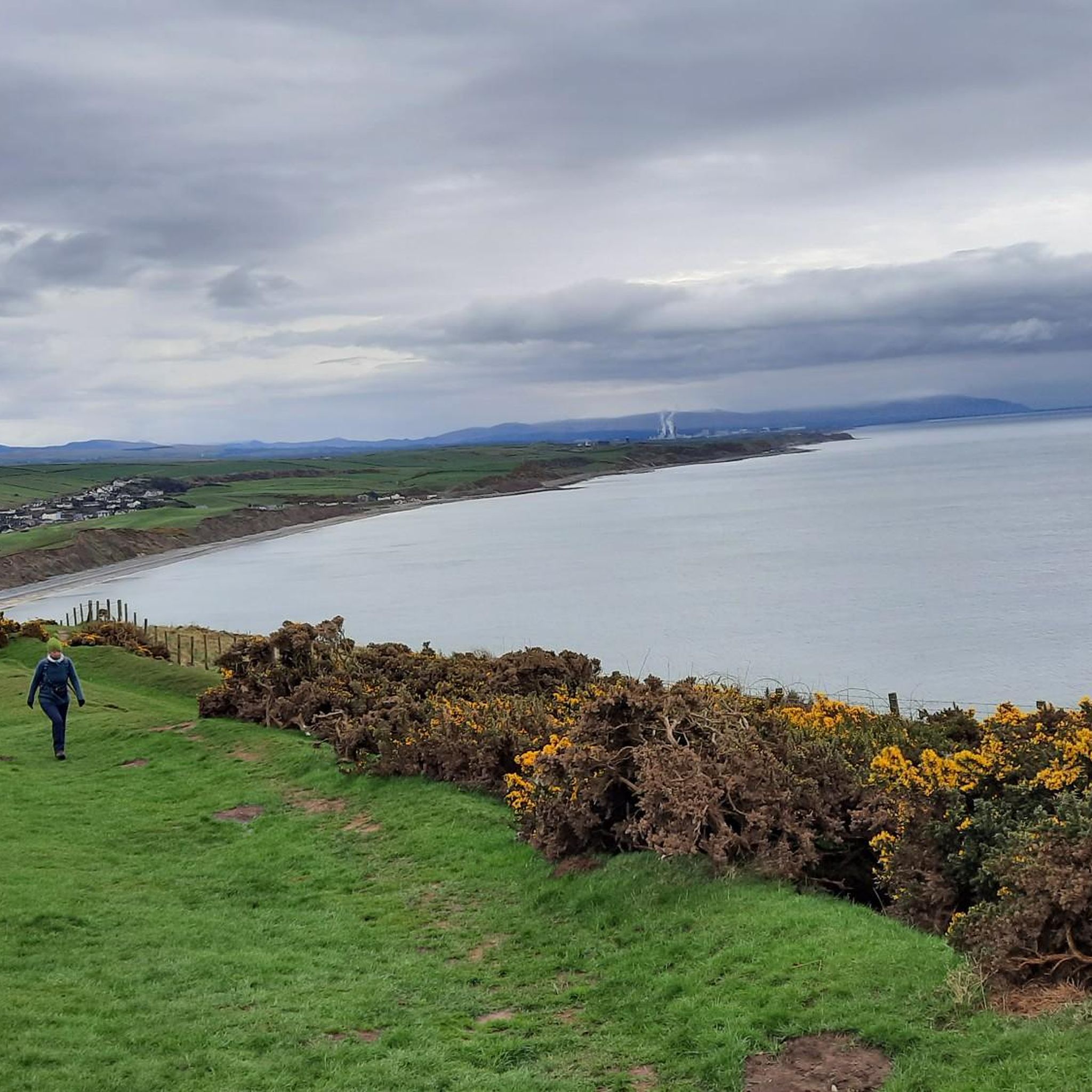
St Bees North and South Head (collectively referred to as St Bees Head) make up the most westerly point of northern England and rise some 295 (90 m) feet from the sea. The South Head, often known as Tomlin, is not as dramatic as its sibling, but it is still a fine viewpoint in its own right. It is the first landmark of note on Wainwright's Coast to Coast from St Bees to Robin Hood's Bay.
1
0
Frequently Asked Questions
What are the most prominent natural features to explore around St. Bees?
The St. Bees area is renowned for its dramatic coastal geology. Key features include the towering red sandstone cliffs of St Bees South Head and St Bees North Head, which rise over 90 meters from the sea. These cliffs are composed of 200-million-year-old Permian and Triassic St. Bees Sandstone. You can also explore the secluded Fleswick Bay, known for its shingle beach and impressive red sandstone formations.
Are there good walking routes to experience the natural monuments?
Yes, the natural monuments around St. Bees offer excellent walking opportunities. The clifftop path along St. Bees Head is part of the famous Coast to Coast Walk and provides breathtaking vistas. For specific routes, you can explore options like the 'St Bees Headland & Lighthouse loop' or the 'St Bees South Head – Fleswick Bay loop from St. Bees'. You can find more details on these and other hiking routes in the Hiking around St. Bees guide.
What kind of wildlife can I expect to see at St. Bees Head?
St. Bees Head is a significant site for wildlife, particularly seabirds. The cliffs host the only cliff-nesting seabird colony in North West England, making it a crucial RSPB Nature Reserve. You can observe a diverse array of species, including kittiwakes, fulmars, guillemots, razorbills, cormorants, puffins, shags, and herring gulls. Notably, it is the only breeding place in England for black guillemots.
What is the best time of year to visit the natural monuments in St. Bees?
The best time to visit largely depends on your interests. For birdwatching, late spring and early summer (May to July) are ideal when seabirds are nesting. For walking and enjoying the views, the warmer, drier months from late spring through early autumn (May to September) generally offer more pleasant conditions. However, the dramatic coastal scenery can be enjoyed year-round, with winter walks offering a different, often more rugged, experience.
Are there any historical or cultural sites among the natural monuments?
While primarily known for its natural beauty, the area does feature some historical interest. Kinniside Stone Circle, a reconstructed stone circle consisting of twelve small granite stones, offers a glimpse into ancient history. It's located below Blakeley Rise and provides stunning views towards Whitehaven and the Lake District fells.
Are the natural monuments around St. Bees suitable for families?
Many areas are suitable for families, especially for walks. The clifftop paths offer engaging scenery, though care should be taken with younger children near cliff edges. The village of St. Bees itself has amenities. For easier walks, consider routes listed in the Easy hikes around St. Bees guide, which include options like the 'St Bega Statue – Sea Thrift South of Seacote loop'.
Can I bring my dog to the natural monuments?
Many of the walking paths around St. Bees Head and other natural monuments are dog-friendly. However, it's important to keep dogs on a lead, especially near cliff edges and in areas with nesting birds or livestock. Always be mindful of local signage and respect wildlife.
What kind of views can I expect from the viewpoints?
The viewpoints around St. Bees offer spectacular panoramas. From the clifftop paths of St. Bees Head, you can enjoy breathtaking vistas of the Cumbrian mountains and coast. On clear days, it's even possible to see the Isle of Man and Scotland. Lank Rigg Summit, at 541 meters high, provides extensive views over the coast and surrounding western fells of the Lake District National Park.
Are there opportunities for cycling near the natural monuments?
Yes, there are several cycling routes in the vicinity of St. Bees. While the immediate clifftop paths are for walking, the surrounding area offers varied terrain for cyclists. You can find routes ranging from moderate to difficult, such as the 'Ennerdale Bridge and Egremont loop' or the 'Seascale Beach – Ravenglass Viaduct loop'. More information is available in the Cycling around St. Bees guide.
What makes Fleswick Bay a unique natural monument?
Fleswick Bay is unique for its secluded nature, accessible only on foot or by sea. It features a distinctive shingle beach set against high red sandstone cliffs and a wave-cut platform. The shingle itself is notable for containing a wide variety of glacier-borne stones from Scotland and the Lakeland fells, adding to its geological interest.
Is there parking available for visitors to the natural monuments?
Parking is generally available in and around St. Bees village, which serves as a common starting point for exploring the headland and nearby areas. Specific parking locations may vary depending on which natural monument you plan to visit, but options are typically found close to trailheads or within the village itself.
What is the geological significance of St. Bees Head?
St. Bees Head is geologically significant due to its towering red sandstone cliffs, which are composed of 200-million-year-old Permian and Triassic St. Bees Sandstone. The headland also showcases interesting erosional features like wave-cut notches and platforms. At the foot of the shingle beach, after a scouring tide, you can sometimes observe glacial moraines and ancient peat beds with petrified trees.
Most popular routes around St. Bees
Most popular attractions around St. Bees

Get inspired with the komoot mobile app


Explore more
Extend your search for the best caves by checking out these guides of the top ones around St. Bees:
