Top 20 Natural Monuments around Muncaster
Best natural monuments around Muncaster are found within a landscape characterized by fells, valleys, and coastal views in Cumbria, England. The area offers diverse natural features, from historic gardens with unique flora to prominent Lakeland fells. These natural landmarks provide opportunities for exploration and offer panoramic vistas of the surrounding Lake District. The region's topography includes significant summits and viewpoints, making it a notable destination for outdoor activities.
Best natural monuments around Muncaster
- The most popular natural monuments is Black…
Last updated: July 28, 2026
Illgill Head
Highlight • Viewpoint
Tip by

Yewbarrow
Highlight • Summit
Tip by

Sign up now to discover places like this
Get recommendations on the best single tracks, peaks, & plenty of other exciting outdoor places.
Sign up for free
Black Combe Summit
Highlight • Natural Monument
Tip by
Harter Fell Summit (Eskdale)
Highlight • Viewpoint
Tip by
Seatallan summit
Highlight • Natural Monument
Tip by
Sign up for free to discover even more natural monuments around Muncaster.
Sign up for free
Already have an account?
Start today with a free account
Your next adventure awaits.
Login or Signup
Popular around Muncaster
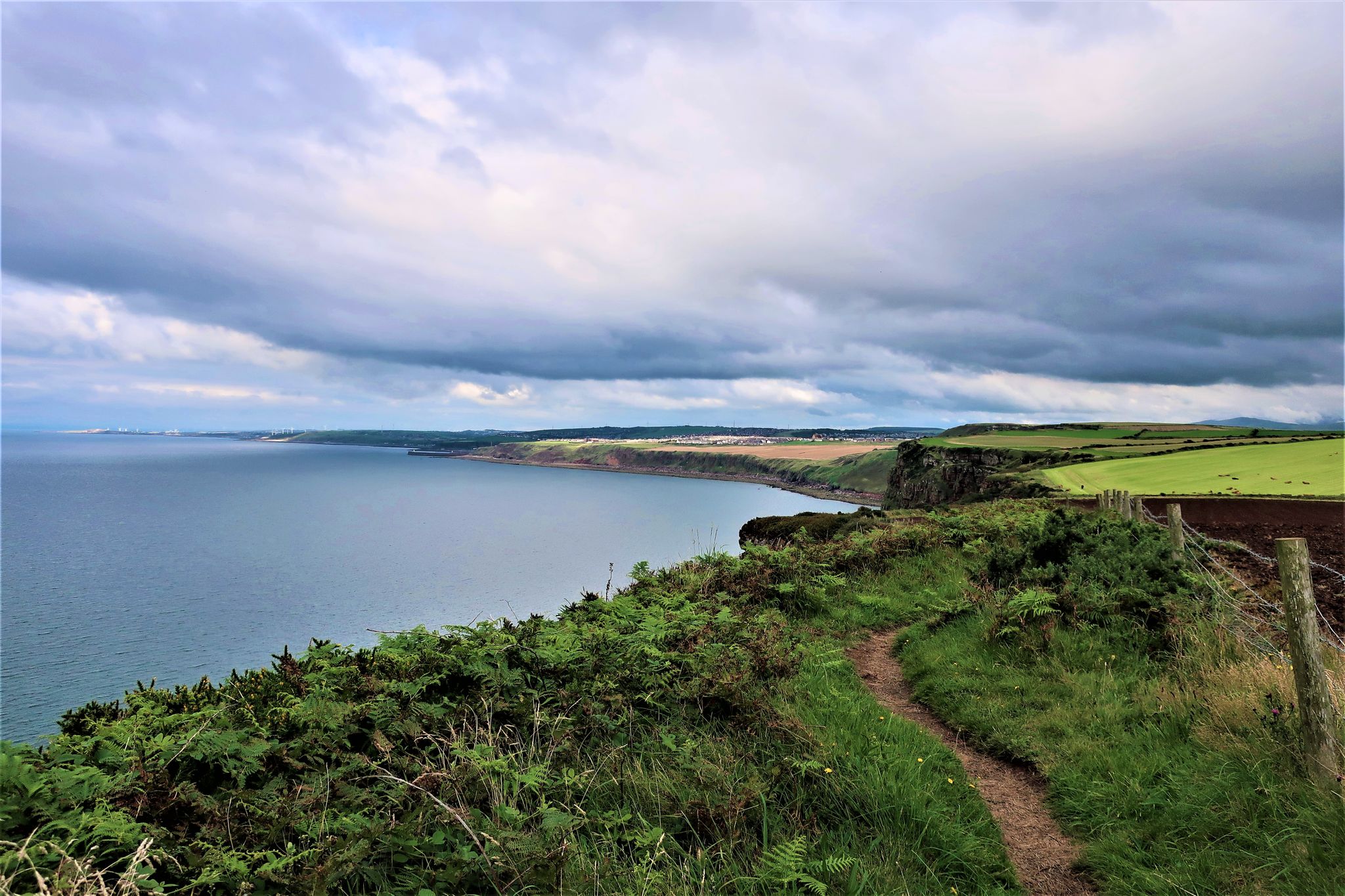
The Cumbria Coastal Way — Hike vibrant estuaries and historic coastline
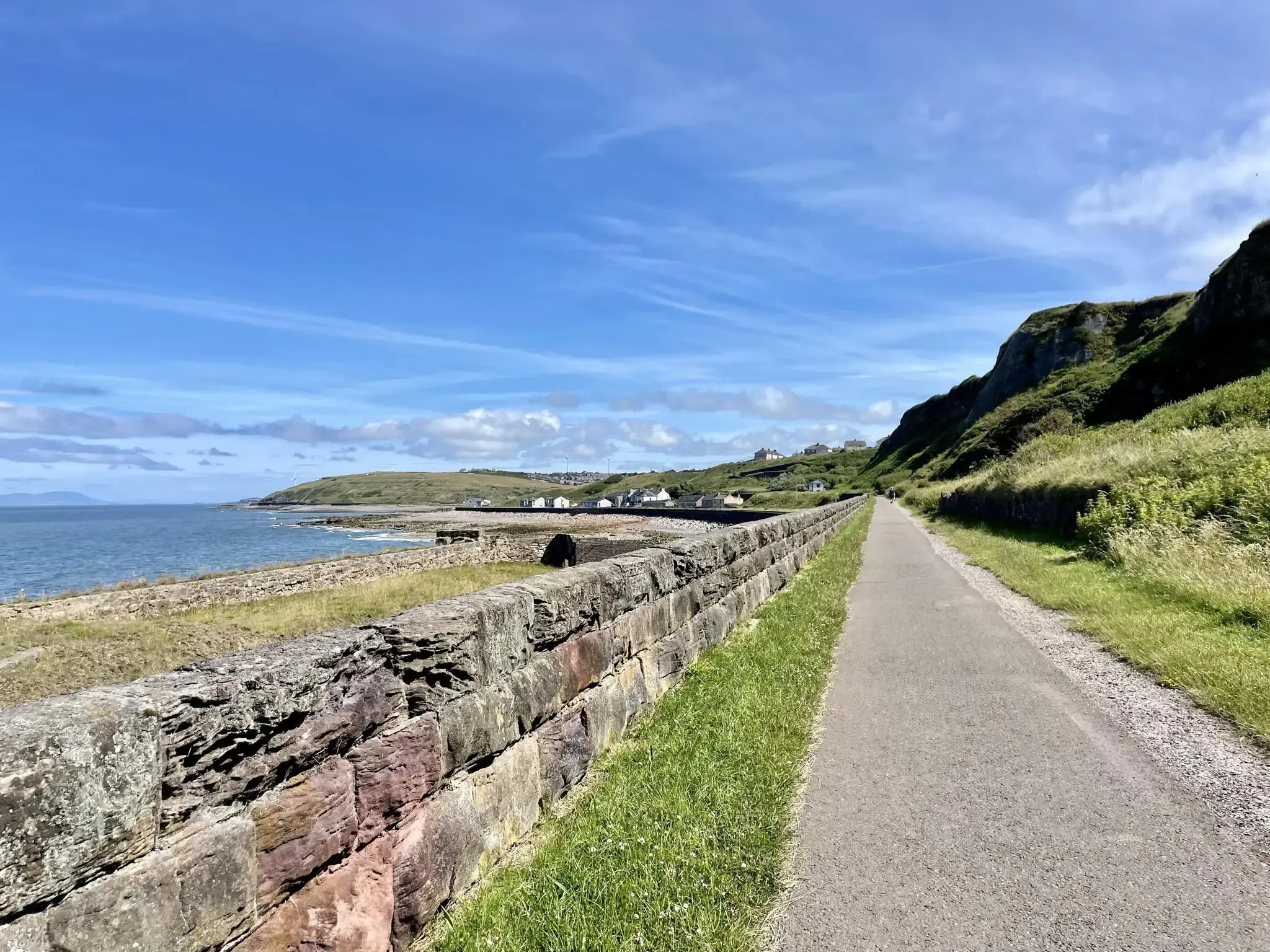
Hadrian's Cycleway – Crumbling turrets and beautiful landscapes
Road Cycling Routes around Muncaster
Cycling around Muncaster
Hiking around Muncaster
MTB Trails around Muncaster
Running Trails around Muncaster

Mountain Hikes around Muncaster

Gravel biking around Muncaster


Tips from the Community

Yewbarrow is an excellent viewpoint for the Scafells and Pillar range, despite being only 627m high. It is an entertaining peak as the usual route up via Bell Rib is a grade 1 scramble and another Grade 1 scramble is encountered on the descent via Stirrup Crag to Dore Head (though this can be bypassed by leaving the ridge earlier). Yewbarrow is very steep on the Wastwater side so the summit is a very airy viewpoint.
0
0

The trig point on Seatallan stands at 2,270 feet (692 m). There is also a large cairn with a wind shelter built into it. The summit is large, rounded and grassy. The name derives from old Cumbrian, meaning Aleyn's high pasture.
0
0
Illgill Head at 609m is the highest point of the long ridge above Wast Water, it's often known as Wastwater screes. The summit and ridge line are runnable, nowhere near as rough as the face looks so the ridge makes a good loop with the lake or from further away. Illgill head is a fine viewpoint of Wasdale Head.
0
0

Great fell alongside Wast Water and very accessible from the car park at Overbeck Bridge. I went up on a drizzly day but still had a great scramble going up via the gullies between Dropping Crag and Bell Rib. Didn't get the blue sky views but at least I had some and it was good scramble outing. Not wanting to down climb Stirrup Crag in the wet I took a side track just back from North Top coming off the Western side.
4
0
Seatallan is a Nuttall as well as a Wainwright and a wonderful short walk along with Buckbarrow and Middle Fell. A nice 10k 750m walk done in the morning before watching England v Ukraine match later on....bring it home England!!
1
0
Set out from the National Trust car park at 7.30am in the morning on a blue sky day and by 8.30am we were on the top and couldn't see 50m in front....bummer!
1
0
I had a wonderful outing on Harter Fell. Parking down in the bottom of the valley at Jubilee Bridge I took in the Roman Fort and then went up to to Hard Knott Hill and then over to Harter Fell. All on a sunny blue sky day. The roman fort was very interesting and the views all round were great. The views from Harter Fell topped the lot...plus the little scramble to get to the true summit of course.
0
1

Yewbarrow stands at 627m (2057ft) in heigh. It falls into the following main summit categories: Wainwright, Nuttall, Hewitt, Birket, Fellranger. It overlooks the bustling Wast Water lake, whose shores are popular with the campervan and tent crowds. The summit gives great views accross to Scafell Pike, Sca Fell and Great Gable. It can be reached via the spine up from Wast water or straight up the side if you are brave enough to tackle the steep ascent. It forms part of the Mosedale Horseshoe, being the final summit, where you will ascent the far side via an enjoyable scramble up Stirrup Crag.
1
0
Frequently Asked Questions
What are the most notable natural features and viewpoints around Muncaster?
The Muncaster area is rich in natural beauty, offering prominent fells and stunning viewpoints. Key natural monuments include Black Combe Summit, which provides panoramic views of land and sea, extending to Helvellyn and the Isle of Man. Yewbarrow is known for its steep sides and craggy ends, offering views of Wast Water. Another must-see is Illgill Head, a viewpoint overlooking Wast Water and the Scafell Pike range. Additionally, Harter Fell Summit (Eskdale) offers outstanding views across Eskdale, and Seatallan summit provides a large, rounded, grassy summit with views across the Lake District.
What is the best time of year to visit the natural monuments around Muncaster?
Spring and early summer are particularly vibrant times to visit, especially for the Muncaster Gardens, which are renowned for their spectacular floral displays. March brings native wild daffodils, while mid-April to mid-May showcases breathtaking bluebells in the ancient woodlands. The rhododendrons, camellias, and azaleas create a 'riot of colour' throughout the woodlands during this period. For hiking the fells, late spring to early autumn generally offers more stable weather conditions.
Are there family-friendly natural monuments or walks around Muncaster?
While many of the prominent fells like Yewbarrow and Black Combe involve challenging climbs, the Muncaster Gardens offer a more gentle and family-friendly experience with 77 acres of woodland gardens to explore. The Terrace Walk within the gardens provides spectacular views without strenuous effort. For walks outside the castle grounds, look for easier routes around the Esk Estuary or lower sections of Muncaster Fell, which offer scenic views suitable for families.
What outdoor activities can I do near these natural monuments?
The Muncaster area provides a variety of outdoor activities. You can find numerous running trails, including routes like the 'Muncaster Fell Summit – Hardknott Pass Climb loop from Ravenglass' or the 'Hardknott Pass Climb – River Esk Swimming Spot loop from Eskdale'. For mountain biking, options include the 'Muncaster Fell and Muncaster Tarn loop' or the 'Ravencross to Muncaster Castle loop'. Cycling enthusiasts can explore routes such as the 'View of Wast Water – Wast Water loop from Eskdale' or the challenging 'Hardknott Pass and Seathwaite loop from Ravenglass'. You can find more details on these activities in the respective guides: Running Trails around Muncaster, MTB Trails around Muncaster, and Cycling around Muncaster.
Are the natural monuments around Muncaster dog-friendly?
Many of the fells and outdoor areas around Muncaster are dog-friendly, offering great opportunities for walks with your canine companion. However, it's always advisable to keep dogs on a lead, especially in areas with livestock or ground-nesting birds, and to check specific access rules for places like the Muncaster Castle grounds and gardens before your visit. Always ensure you clean up after your dog.
What is the typical terrain and difficulty of walks around Muncaster's natural monuments?
The terrain around Muncaster's natural monuments varies significantly. Summits like Yewbarrow are known for being steep-sided and craggy, with some routes involving scrambling. Black Combe Summit is a gently-rounded dome but still offers an intermediate challenge. Walks to viewpoints like Illgill Head can range from intermediate to challenging depending on the starting point. The Muncaster Gardens offer much easier, paved, and well-maintained paths. Always check specific route details for elevation and difficulty before heading out.
Are there cafes or amenities near the natural monuments in Muncaster?
Within the Muncaster Castle estate, there are facilities including cafes. For amenities outside the estate, the nearby villages of Ravenglass and Eskdale Green offer cafes, pubs, and accommodation options. It's always a good idea to carry water and snacks, especially when venturing into the fells, as amenities can be sparse in more remote areas.
How can I get to the natural monuments around Muncaster using public transport?
Muncaster Castle is accessible by public transport, with Ravenglass being the nearest village served by the Ravenglass and Eskdale Railway and a mainline train station. From Ravenglass, it's possible to walk to the castle and its gardens. Accessing some of the more remote fells and natural monuments may require further walking or local taxi services from public transport hubs. Planning your route in advance is recommended.
Are permits required to visit natural monuments or hike in the Muncaster area?
Generally, permits are not required for hiking on public rights of way or accessing natural monuments in the Lake District National Park, including the fells around Muncaster. However, if you plan to visit Muncaster Castle and its gardens, an admission ticket is required. Always respect private land and follow any posted signage regarding access.
What geological features can be observed around Muncaster?
The Muncaster area, being part of the Lake District, exhibits classic glacial landscapes. You can observe features like the U-shaped valleys, such as Eskdale, and the deep glacial lake of Wast Water, which is visible from viewpoints like Illgill Head and Yewbarrow. The fells themselves are composed of ancient volcanic and sedimentary rocks, shaped over millennia by ice and water, creating the craggy peaks and rounded domes characteristic of the region.
What kind of wildlife can I expect to see around Muncaster's natural monuments?
The diverse habitats around Muncaster, from woodlands to fells and the Esk Estuary, support a variety of wildlife. Birdwatchers can spot numerous species, including birds of prey over the fells and various waterfowl near the estuary. The gardens themselves are home to a range of smaller mammals and insects. Keep an eye out for red squirrels in the woodlands, and if you're lucky, you might spot deer in the more secluded areas.
Are there any hidden natural gems or less-known spots around Muncaster?
Beyond the well-known fells, the Muncaster area holds several less-explored natural spots. The ancient coppice woodlands within the Muncaster Gardens, particularly during bluebell season, offer a tranquil and immersive experience. Exploring the various paths along the Esk Estuary can also reveal peaceful views and wildlife. For those seeking solitude, some of the outlying fells or less-trafficked routes on Muncaster Fell itself can offer a sense of discovery away from the main tourist paths.
Most popular routes around Muncaster
Most popular attractions around Muncaster

Get inspired with the komoot mobile app


Explore more
Extend your search for the best caves by checking out these guides of the top ones around Muncaster:
