Top 4 Natural Monuments around Chebsey
Chebsey’s landscape is a beautiful place to explore — something that you can best experience by visiting one of our 4
beautiful natural monuments around Chebsey. To help you find the one for, you can see all the details you need to explore the best natural monuments, and better plan your next outdoor adventure!
Last updated: October 31, 2026
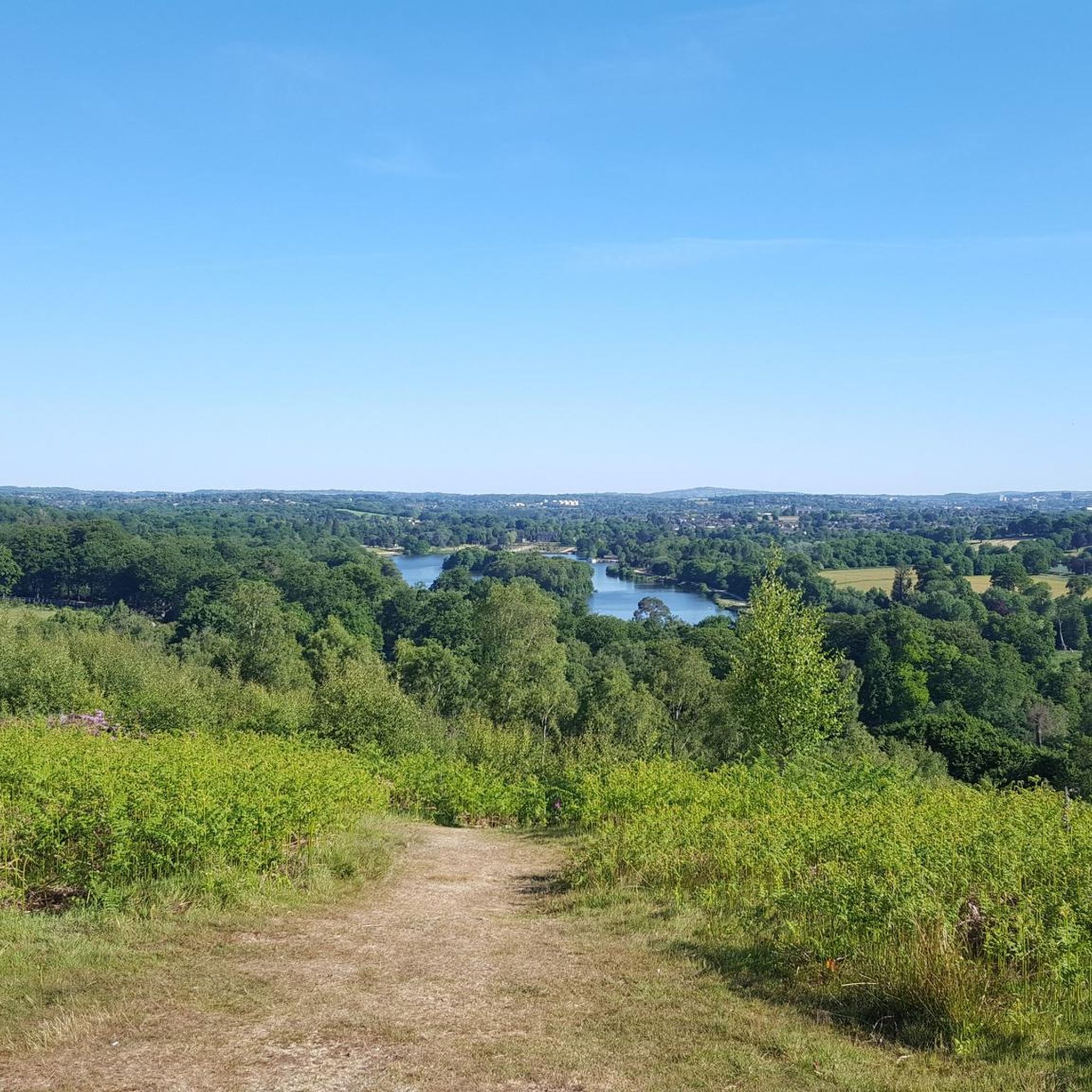
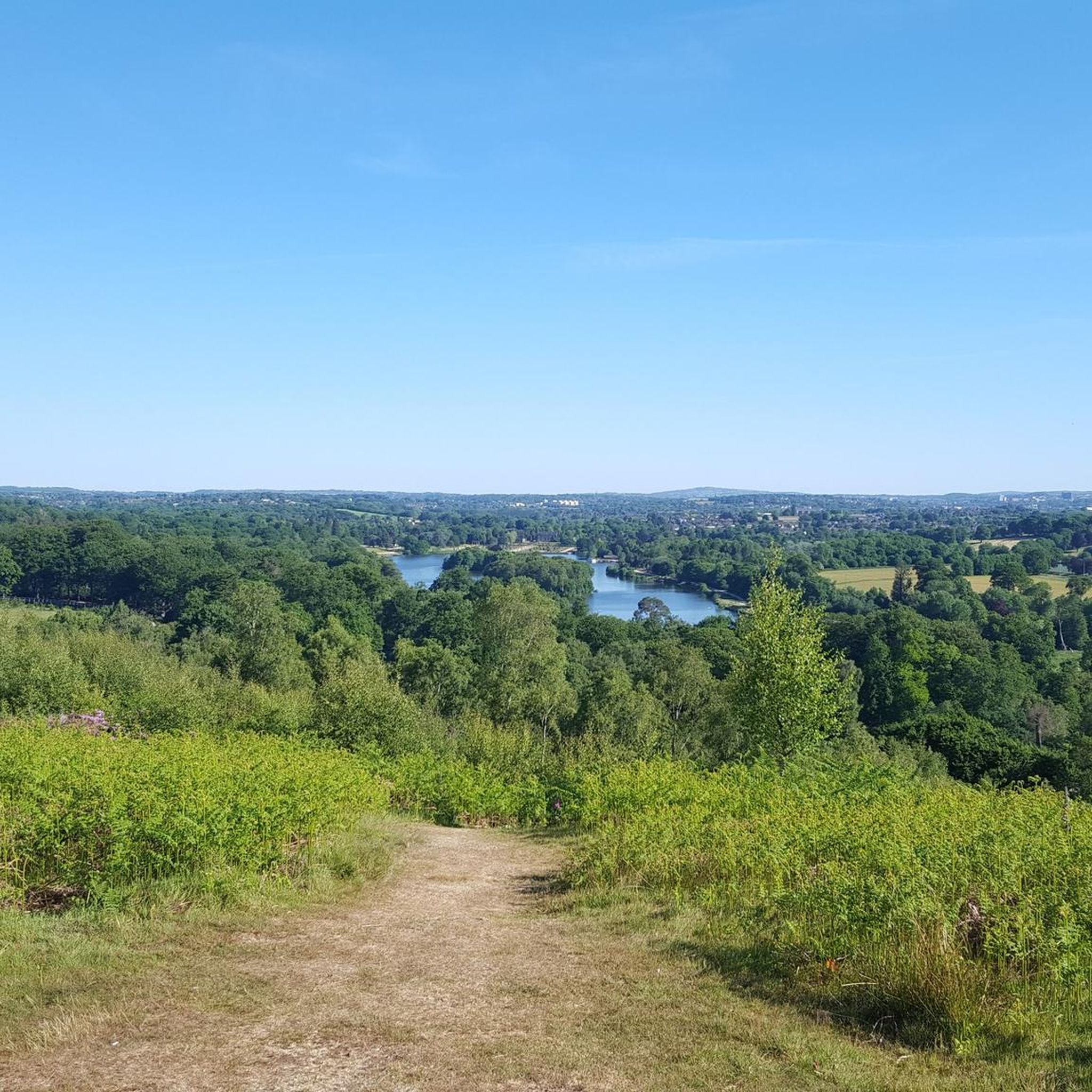
Downs Banks Millennium Viewpoint
Highlight • Viewpoint
Tip by

Hem Heath Woods Nature Reserve
Highlight • Forest
Tip by
Sign up now to discover places like this
Get recommendations on the best single tracks, peaks, & plenty of other exciting outdoor places.
Norbury Millennium Boulder
Highlight • Natural
Tip by

The Oaks Ancient Woodland
Highlight • Natural Monument
Tip by
The Praying Tree
Highlight • Natural Monument
Tip by
Start today with a free account
Your next adventure awaits.
Tips from the Community

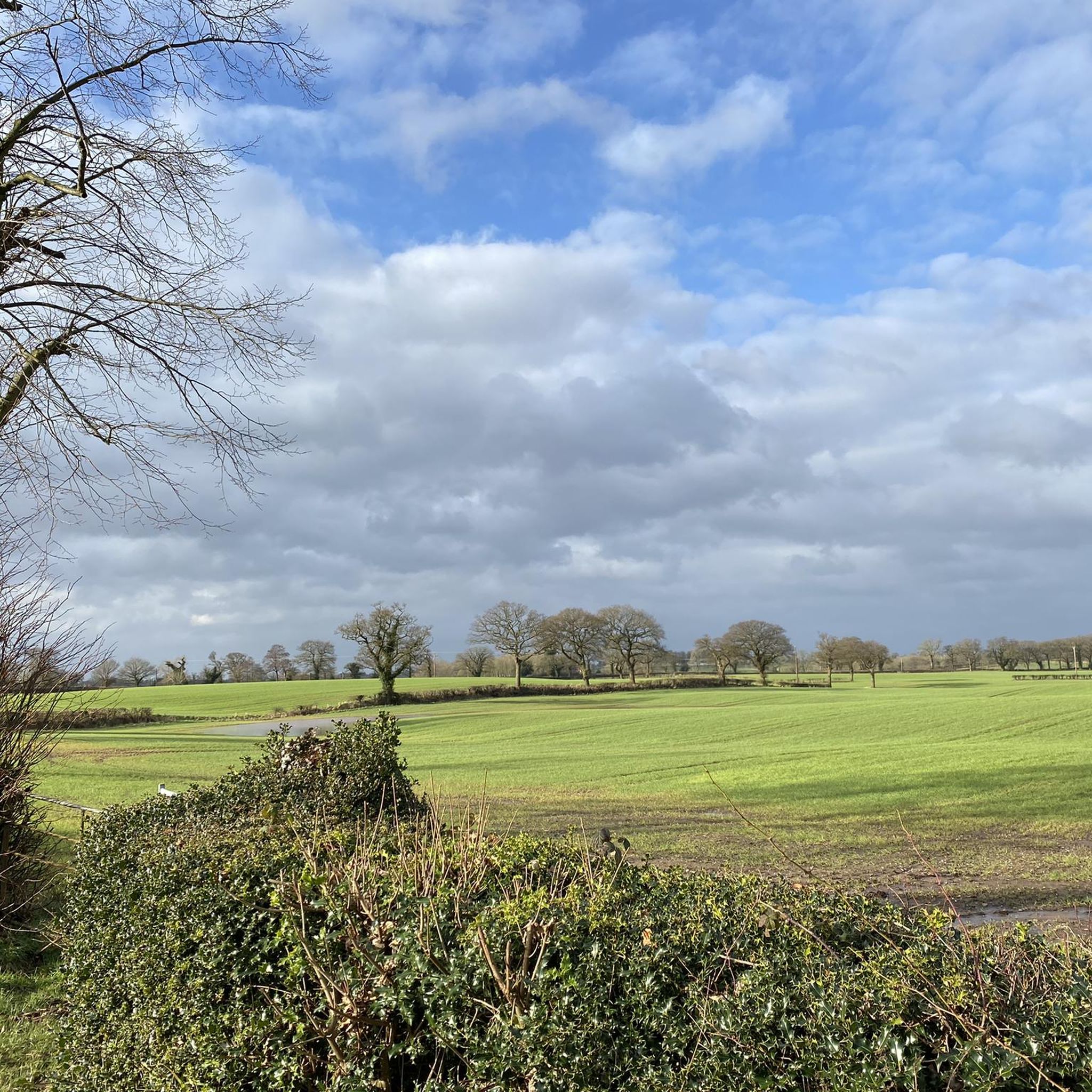
Talking to a local chap, he told us that this tree had been struck by lightning about 5 years ago (2020), he told us that it was known locally as ‘the praying tree’ he suggested that we walk down level to it to look at it and see for ourselves.
0
0
One of the Norbury Boulders, originally transported by glacier from Scotland some 20,000 years ago, then the final 2 miles from nearby Gorse Farm rather more recently by low-loader. It's part of a linked walk past fiver boulders, the Norbury Millennium Boulder Trail. This one is the biggest, and shows dark 'xenoliths', fragments of the magna chamber wall incorporated into the granite as it solidified 400 million years ago.
0
0

The start of the walk is all up Hill but from then on it's a gentle stroll
0
0

In the 18th century Bluebarn farm on Downs Bank grew hops for Joule's Brewery. In 1946 Joule's purchased the land from Viscount Sidmouth. The area was subject to purchase with the help of a public subscription and it was given to the National Trust by John Joule in 1950, as "an offering for victory in the 1939-45 War, and as a memorial to those who died" - apparently on the grounds that it had originally been common land, and should thus be open again to local people.
7
0
From Wikipedia: In the 18th century a farm on Downs Bank grew hops for Joule's Brewery, who rented it from Viscount Sidmouth. The area was well known to the author Mary Renault, whose parents moved to live nearby in the early 1930s. Hops growing on Downs Bank continued until the 1940s, and there was also cattle grazing until 1959. The area was subject to purchase with the help of a public subscription and it was given to the National Trust by John Joule in 1950, as... "an offering for victory in the 1939-45 War, and as a memorial to those who died" - apparently on the grounds that it had originally been common land, and should thus be open again to local people. However, after 1950 the lack of grazing caused its characteristic heathland to decline, as bracken and birch were allowed to invade. Downs Banks Toposcope There is a Millennium Viewpoint stone at one of the highest points, with a toposcope (a disc of metal sight-lines/landmarks) embedded in the top of it. The toposcope went
6
0
The Oaks, at the southernmost tip of the reserve is an ancient woodland site. Records show that this part of the site has been woodland for over 400 years, although in the 19th century many of the mature trees were felled and replanted.
13
0
This is the largest woodland area in Stoke on Trent but it is a hidden gem.
26
0
A free car park with no curfew. If this car park is full, just go a bit further up to the Toby Carvery. It also has lots of free parking.
21
0
Most popular attractions around Chebsey

Get inspired with the komoot mobile app


Explore more
Extend your search for the best caves by checking out these guides of the top ones around Chebsey:
