Top 16 Natural Monuments around Thimbleby
Best natural monuments around Thimbleby include a mix of striking natural formations and ancient historical sites set within picturesque landscapes. The area, encompassing locations in both North Yorkshire and Lincolnshire, offers diverse natural features. Visitors can explore moorland summits, ancient barrows, and distinctive rocky outcrops. These natural areas provide opportunities to experience the region's unique geology and historical significance.
Best natural monuments around Thimbleby
- The most popular natural monuments is Carlton Bank Summit Trig Point, a natural monument that…
Last updated: August 10, 2026
Carlton Bank Summit Trig Point
Highlight • Natural Monument
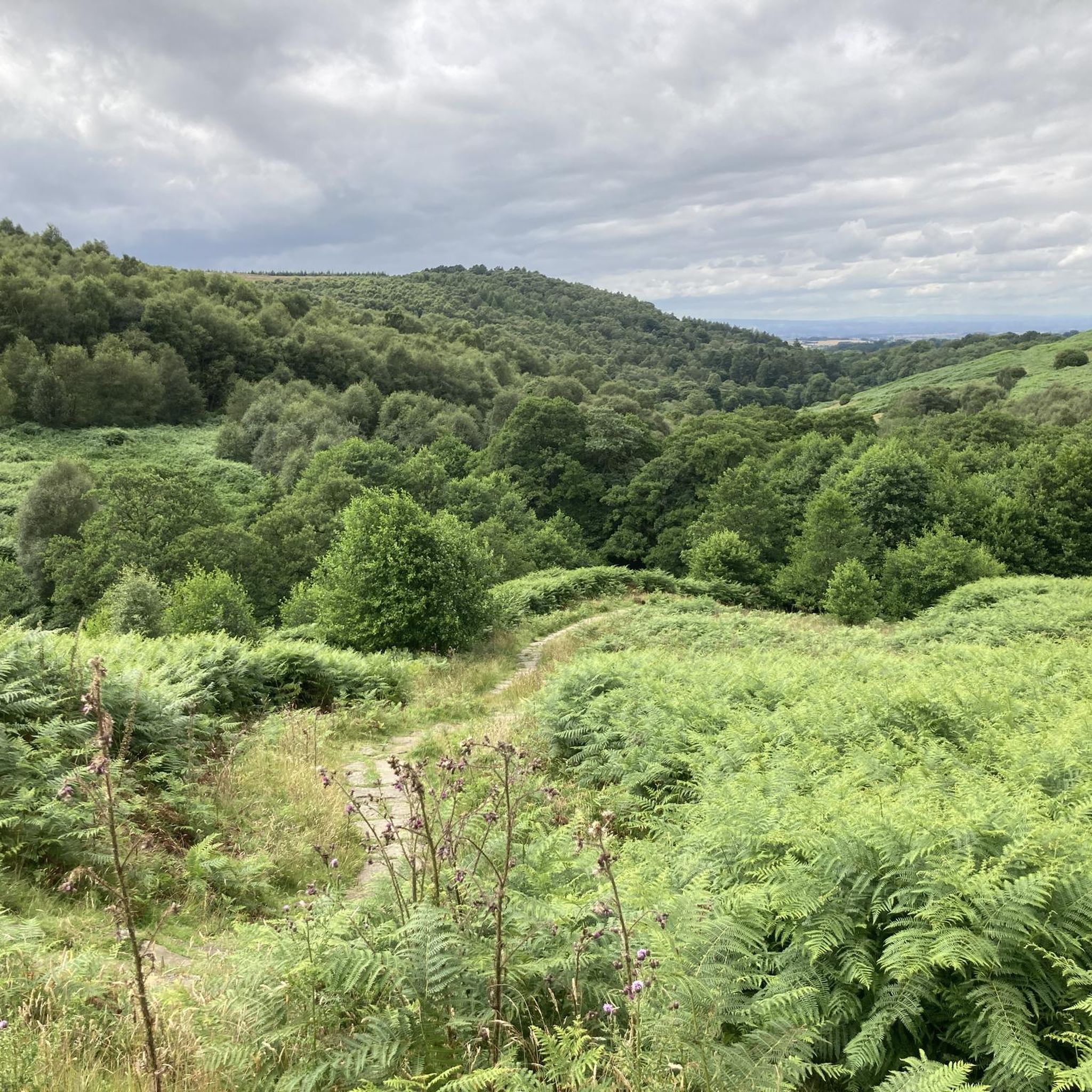
To the northeast, you can see the distinctively shaped Roseberry Topping. To the east and south, the stunning undulations …
Tip by

Three Howes Barrows
Highlight • Natural Monument
Tip by

Sign up now to discover places like this
Get recommendations on the best single tracks, peaks, & plenty of other exciting outdoor places.
Sign up for free
Cold Moor
Highlight • Viewpoint
Tip by
Black Hambleton Summit Trig Point
Highlight • Summit
Tip by

View from Beacon Hill Summit
Highlight • Viewpoint
Tip by
Sign up for free to discover even more natural monuments around Thimbleby.
Sign up for free
Already have an account?
Start today with a free account
Your next adventure awaits.
Login or Signup
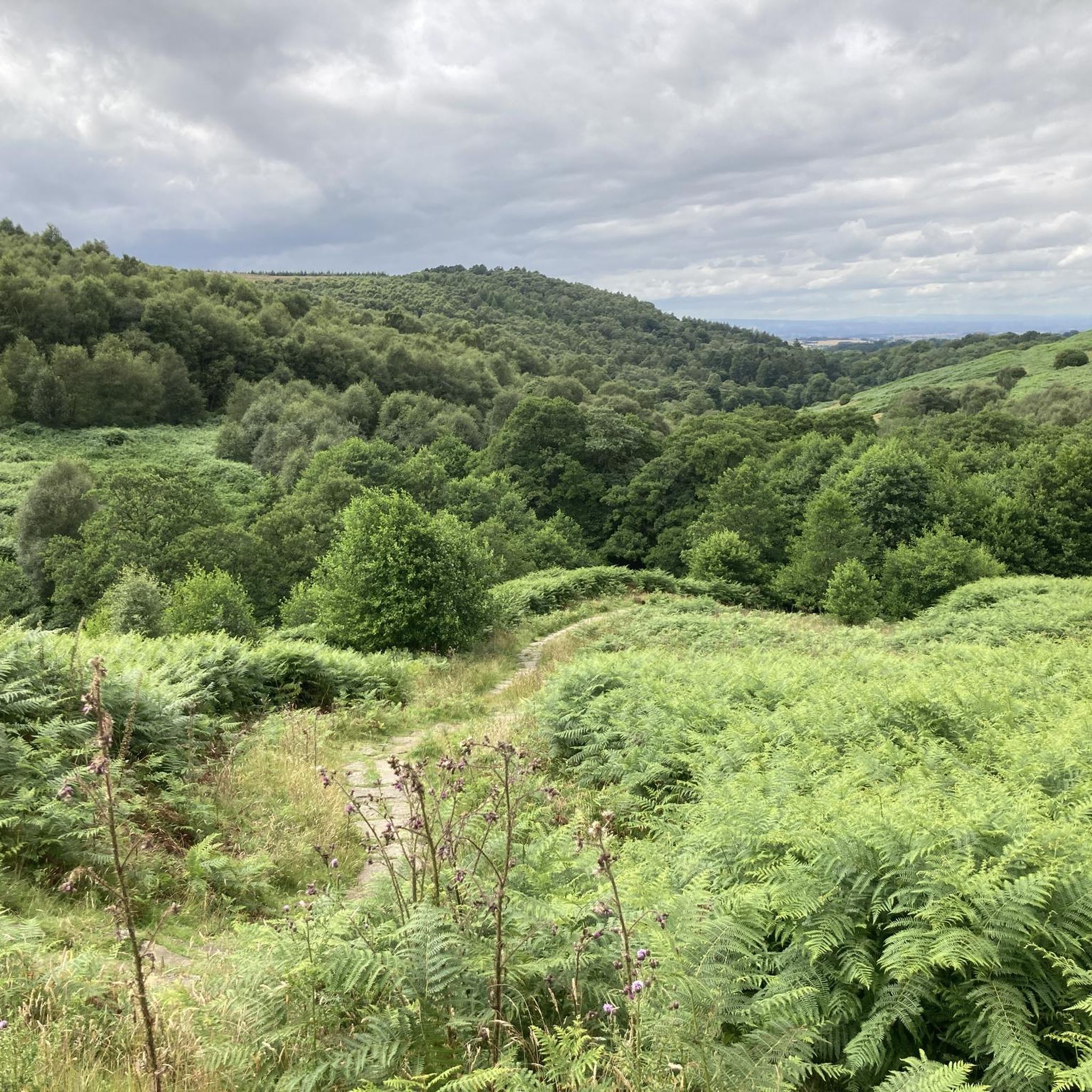
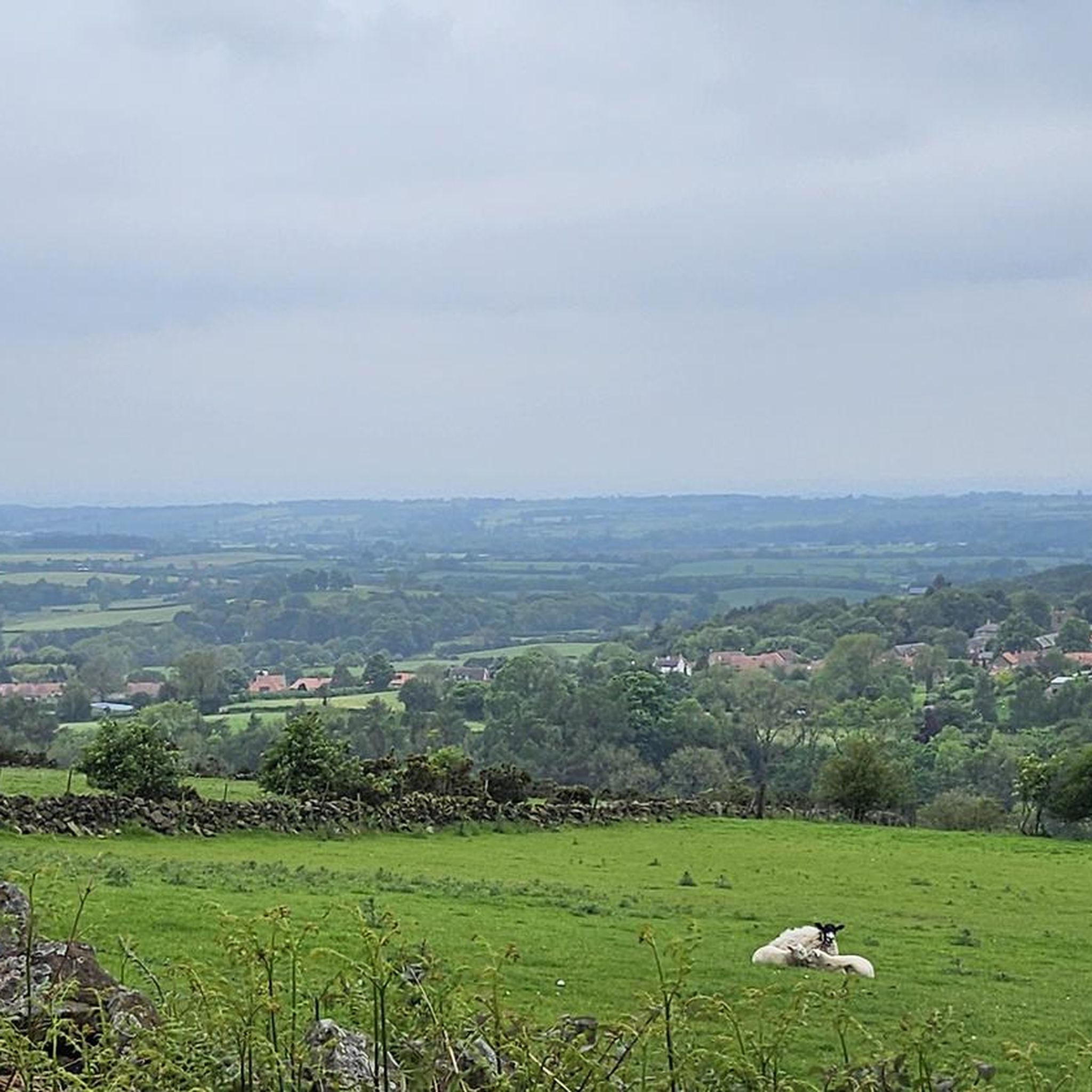
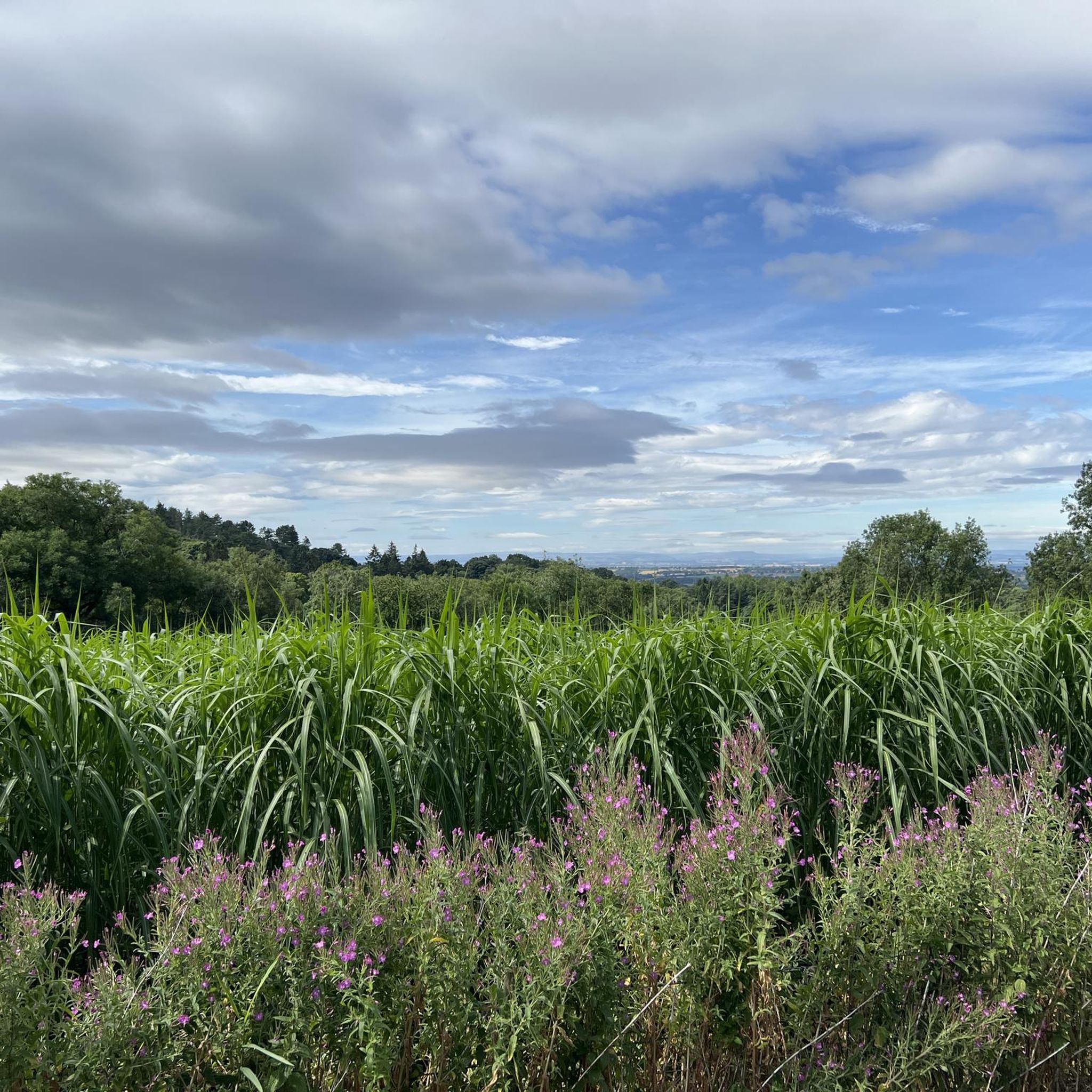
Tips from the Community

This is where I realised wearing new boots for a hike this long was a BAD idea!
0
0

You’ll have to jump over the wall and fence from the footpath to touch the trig pillar
0
0


Would of been some view but fog was in today
0
0

A scheduled monument first listed in 1968, the barrow to the east of the track is quite prominent, the other two are on the west side of the track. Bowl barrows, the most numerous form of round barrow, are funerary monuments dating from the Late Neolithic period to the Late Bronze Age, with most examples belonging to the period 2400-1500 BC. They were constructed as earthen or rubble mounds, sometimes ditched, which covered single or multiple burials. The barrows each have an earth and stone mound which is round in shape. There are other similar barrows in this area of the Hambleton Hills. Many of these lie in closely associated groups, particularly along the watersheds. They provide evidence of territorial organisation marking divisions of land; divisions which still remain as some parish or township boundaries.
1
0
Great views east over Near Moor and Pamperdale Moor, all the way to Whorlton Moor on the horizon.
1
0
From the top of Beacon Hill you can see the dramatic northern escarpment of the moors, stretching away to Roseberry Topping. Fantastic views, and there is quite an easy track directly down Scarth Wood Moor to Sheep Wash car park.
1
0
Frequently Asked Questions
What natural features can I expect to see around Thimbleby?
The Thimbleby area offers a diverse range of natural features. You can explore distinctive rocky outcrops like the Carlton Bank Summit Trig Point, which provides extensive views of Teesside and the North York Moors. Moorland summits such as Cold Moor offer panoramic vistas, while ancient woodlands like Birch Wood and Ashberry Nature Reserve showcase untouched natural beauty. In Lincolnshire, Red Hill Nature Reserve features a chalk escarpment with wildflower meadows and a disused quarry rich in fossils.
Are there historical natural monuments to explore near Thimbleby?
Yes, the region is rich in historical natural monuments. You can visit the Three Howes Barrows, which are scheduled monuments dating from the Late Neolithic to the Late Bronze Age, offering insights into ancient funerary practices. The Nine Stones of Thimbleby Moor, a prehistoric stone circle, are deeply integrated into the natural moorland landscape. Additionally, Shearman's Wath Henge in Lincolnshire provides archaeological importance within its natural setting.
What are some popular hiking trails near Thimbleby's natural monuments?
There are numerous hiking opportunities. For easy walks, consider routes like the Osmotherley South End Climb – Cod Beck Reservoir loop or the Scarth Wood Moor – Osmotherley Village loop. More challenging trails can take you to summits like Carlton Bank or Black Hambleton. You can find detailed routes and guides for various difficulty levels on the easy hikes around Thimbleby guide.
Are there any family-friendly natural monuments or walks in the Thimbleby area?
Yes, the View from Beacon Hill Summit is noted as family-friendly, offering fantastic, far-reaching views over Arncliffe Wood and Scarth Wood Moor. Many of the easier walking routes, such as those found in the easy hikes around Thimbleby guide, are suitable for families looking to explore the natural beauty without strenuous effort.
What is the best time of year to visit the natural monuments in Thimbleby?
The natural monuments around Thimbleby can be enjoyed year-round, but each season offers a different experience. Spring and summer bring vibrant wildflowers and lush greenery, ideal for walking and enjoying the views. Autumn provides stunning foliage, while winter, especially on clear days, can offer crisp air and dramatic, far-reaching vistas from the summits. Always check local weather conditions before your visit.
What are the typical terrain and difficulty levels for trails around Thimbleby's natural monuments?
The terrain around Thimbleby's natural monuments varies from moorland tracks to more rugged paths leading to summits. You'll find a mix of gentle inclines and steeper sections, particularly when approaching viewpoints like Carlton Bank. Difficulty levels range from easy, family-friendly walks to intermediate and difficult routes, especially for longer hikes or those involving significant elevation gain. Many trails are well-maintained, but sturdy footwear is always recommended.
Are there any viewpoints offering panoramic scenery?
Absolutely. The region is known for its impressive viewpoints. Carlton Bank Summit Trig Point offers extensive views of Teesside, the North York Moors, and even the Pennines on a clear day. Cold Moor provides incredible views across the North Yorkshire landscape, and the View from Beacon Hill Summit gives far-reaching perspectives over Arncliffe Wood and Scarth Wood Moor.
What do visitors particularly enjoy about the natural monuments in Thimbleby?
Visitors frequently praise the breathtaking, far-reaching views from the various summits and viewpoints, such as those from Carlton Bank and Beacon Hill. The sense of peace and solitude on the moorland tracks, the historical intrigue of sites like the Three Howes Barrows, and the opportunity to connect with nature in ancient woodlands are also highly valued experiences.
Are there options for gravel biking or running near these natural monuments?
Yes, the area around Thimbleby offers excellent opportunities for gravel biking and running. You can find various routes, from moderate loops like the Osmotherley South End Climb – Cod Beck Reservoir to more difficult trails such as the Beacon Hill – The Wainstones loop for runners, or the Scarth Nick Climb for gravel bikers. Explore detailed routes in the gravel biking around Thimbleby guide and the running trails around Thimbleby guide.
Are there any ancient woodlands or nature reserves to visit?
Yes, in North Yorkshire, the vicinity of Thimbleby is home to several significant nature reserves. These include Garbutt Wood, known for the dramatic Whitestone Cliff, Birch Wood, an ancient woodland largely untouched, and Ashberry Nature Reserve, considered one of Yorkshire's finest ancient woodlands. These reserves provide excellent opportunities for scenic walks and immersing yourself in nature.
What natural and historical sites can be found in the Lincolnshire area of Thimbleby?
Near West Ashby, Lincolnshire, you can explore Red Hill Nature Reserve, a designated Site of Special Scientific Interest (SSSI). This chalk escarpment features wildflower meadows and a disused quarry famous for its exposed red chalk, which is rich in fossils. Additionally, Shearman's Wath Henge, though a Scheduled Monument, is recognized for its archaeological importance within the natural landscape, offering insights into ancient human interaction with the environment.
Can I bring my dog to the natural monuments around Thimbleby?
Many natural areas and trails around Thimbleby are dog-friendly, especially those on public footpaths and bridleways. However, it's always advisable to keep dogs on a lead, particularly in areas with livestock or ground-nesting birds, and to follow the Countryside Code. Specific restrictions might apply in certain nature reserves, so check local signage.
Are there any circular walks available around the natural monuments?
Yes, there are several circular walks that allow you to experience the natural monuments. For example, the Osmotherley South End Climb – Cod Beck Reservoir loop is available for easy hikes, and there are various other loops that incorporate different natural features and viewpoints. You can find detailed circular routes within the easy hikes around Thimbleby guide and other activity guides.
Most popular attractions around Thimbleby

Get inspired with the komoot mobile app


Explore more
Extend your search for the best caves by checking out these guides of the top ones around Thimbleby:
