Top 4 Natural Monuments around Balderstone
Natural monuments around Balderstone offer diverse landscapes and recreational opportunities within the Ribble Valley district of Lancashire. The area features prominent fells, significant river confluences, and ancient woodlands. These sites are recognized for their ecological value and scenic beauty, providing opportunities for outdoor activities. The region's natural environment supports varied wildlife and offers numerous walking and hiking trails.
Best natural monuments around Balderstone
- The most popular natural monument is View of the Forest of Bowland from Jeffrey Hill, a…
Last updated: July 14, 2026
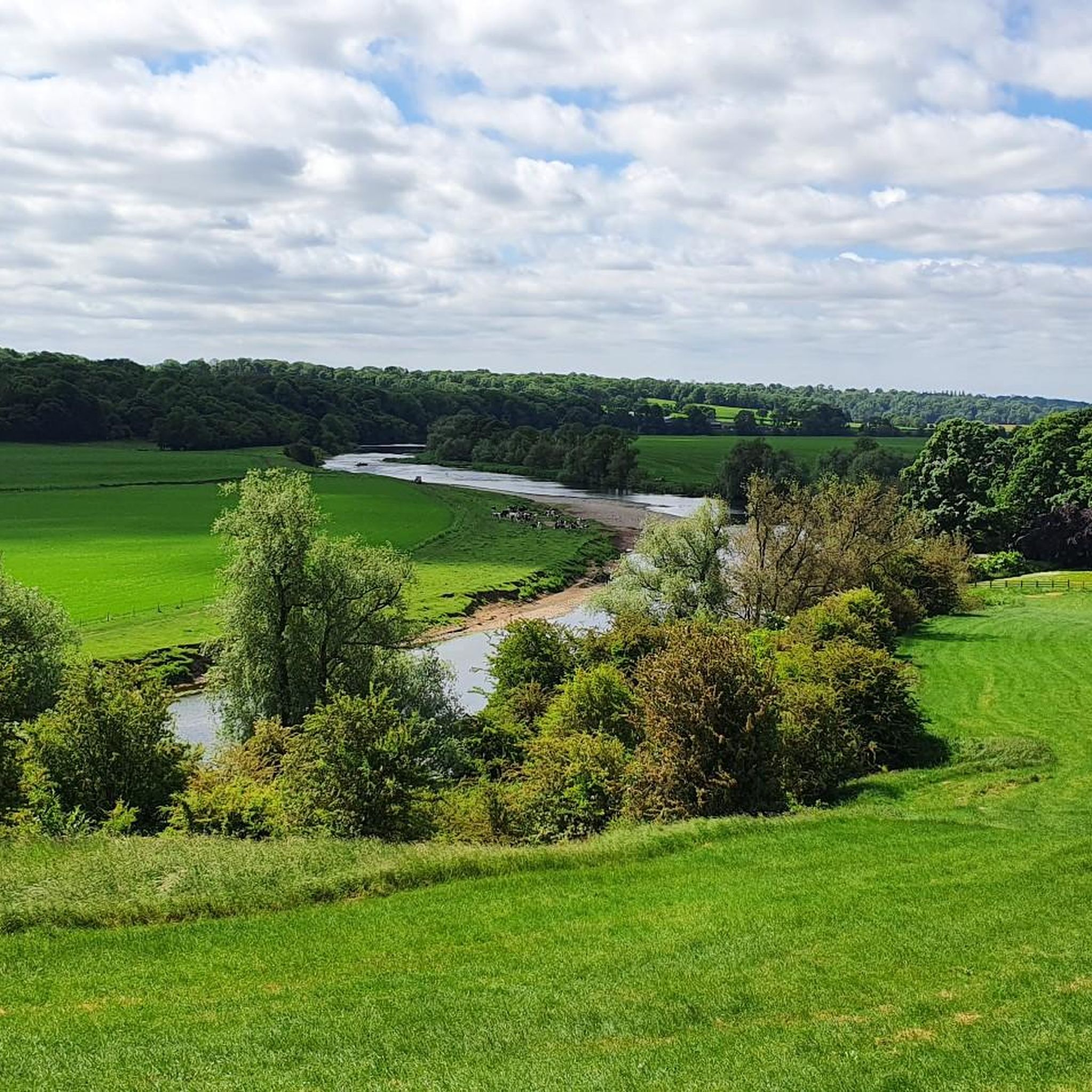
Confluence of the Rivers Calder and Ribble
Highlight • Natural Monument
Tip by

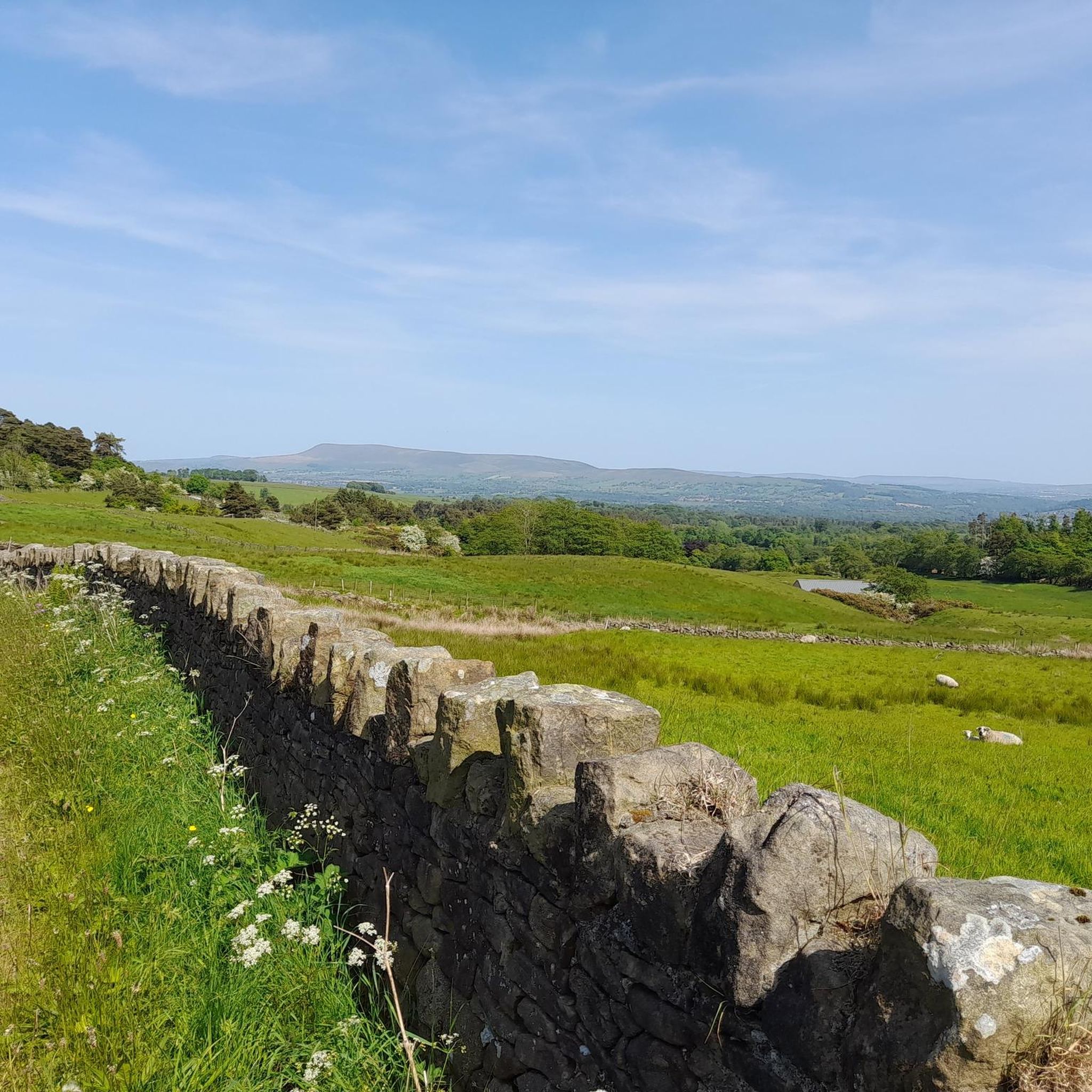
View of the Forest of Bowland from Jeffrey Hill
Highlight • Viewpoint
Tip by

Sign up now to discover places like this
Get recommendations on the best single tracks, peaks, & plenty of other exciting outdoor places.
Sign up for free
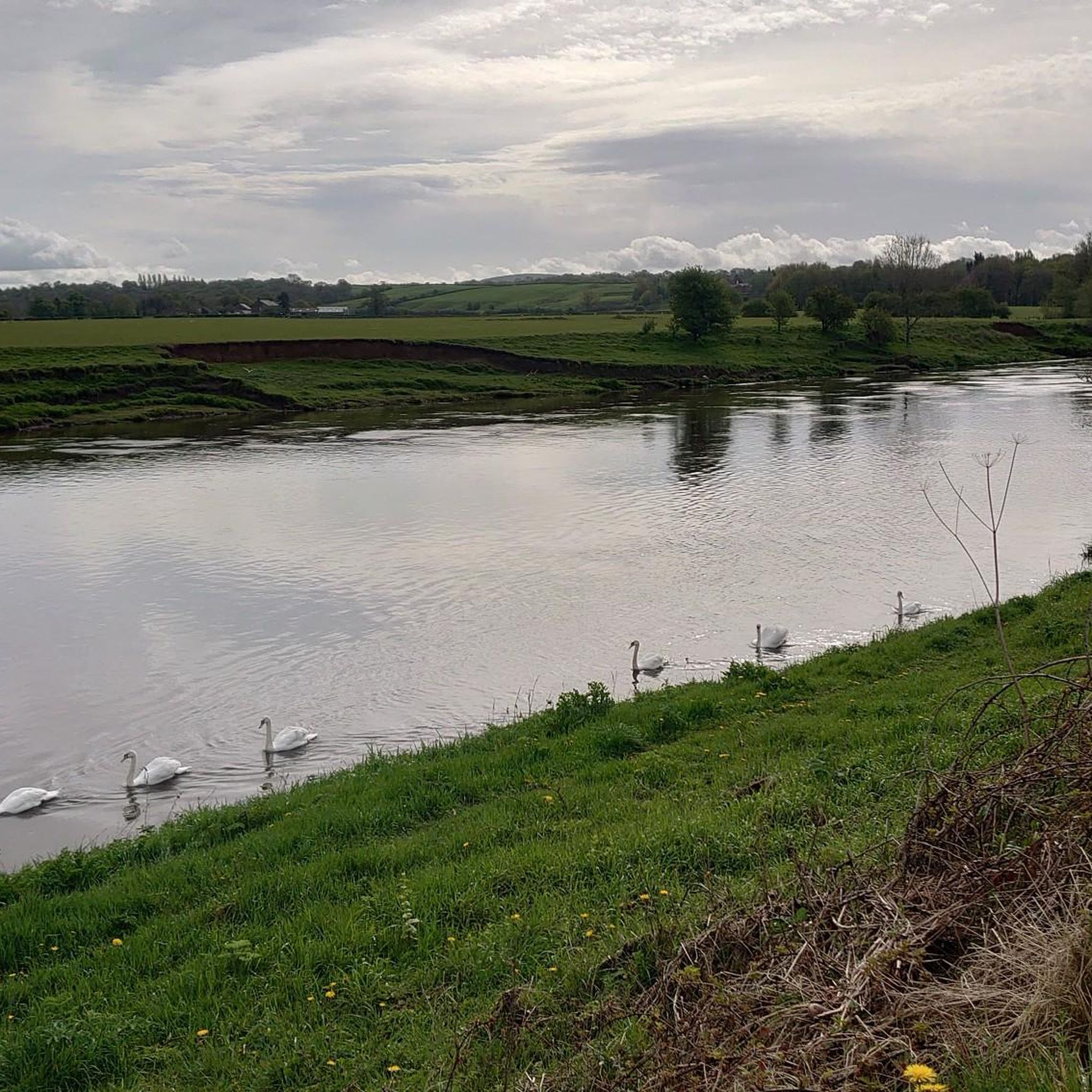
Tolkien Oak Tree – River Hodder
Highlight • Viewpoint
Tip by

Hough Hill Trig Point
Highlight • Viewpoint
Tip by

View of Parlick and Beacon Fell
Highlight • Trail
Tip by

Start today with a free account
Your next adventure awaits.
Login or Signup

Tips from the Community


any age can do this walk, was a really nice most flat, very enjoyable and had lunch in pub at end great day in all
0
0

From the Car park, if you stay to the left along the path, you’ll be blessed with stunning views of Beacon Fell and Parlick Fell. As you carry along this path, you’ll see in the distance, the shadow of one of the three peaks, Pen-Y-Ghent. Come here on a clear day and especially at sunset 👌🏼
0
0

This oak tree was touched by J.R.R. Tolkien and more importantly, the tree touched J.R.R. Tolkien. Some say it may have inspired the Ents in The Lord of the Rings
0
0

Amazing place enjoyed the scenery but climbs was a little tough
1
0
The Forest of Bowland National Landscape covers 312 square miles of rural Lancashire and adjacent Yorkshire. From Hurst Green in the south to Wennington in the North, the Forest of Bowland is dotted with charming stone villages, some of which date as far back as pre-historic times. It took me breath away when I saw the views here
3
0


Beautiful views of the Ribble Valley and generally good walking conditions underfoot all year round.
0
0
Frequently Asked Questions
What are the most popular natural monuments around Balderstone?
Visitors frequently enjoy the panoramic views from View of the Forest of Bowland from Jeffrey Hill. Another highly regarded spot is the Confluence of the Rivers Calder and Ribble, where two major rivers merge. The ancient Tolkien Oak Tree – River Hodder is also a significant natural monument appreciated for its size and scenic location.
Are there family-friendly natural monuments around Balderstone?
Yes, the Confluence of the Rivers Calder and Ribble is noted as family-friendly, offering a chance to see where the rivers meet. Additionally, the Tolkien Oak Tree – River Hodder is also suitable for families, providing beautiful views and an interesting natural feature.
What kind of views can I expect from the natural monuments?
You can expect diverse views, from expansive landscapes to riverine scenery. For instance, View of the Forest of Bowland from Jeffrey Hill offers breathtaking vistas of the Forest of Bowland National Landscape. The Hough Hill Trig Point provides panoramic views, including Blackpool Tower and the Ribble Estuary on clear days. You can also get stunning views of Beacon Fell and Parlick Fell from the View of Parlick and Beacon Fell.
What outdoor activities can I do near these natural monuments?
The area around Balderstone is excellent for outdoor activities. You can find numerous hiking trails, such as those detailed in the Easy hikes around Balderstone guide, including routes around Brockholes Nature Reserve. For cyclists, there are options for both road cycling and gravel biking, with guides like Cycling around Balderstone and Gravel biking around Balderstone offering various routes.
Are there specific hiking trails near the natural monuments?
Yes, the Ribble Way hiking path passes directly through the area of the Confluence of the Rivers Calder and Ribble, allowing you to follow the river towards its source. The wider Ribble Valley also features established footpaths and trails through woodlands and moorlands, particularly around Longridge Fell, offering diverse walking experiences.
What kind of wildlife can I observe near Balderstone's natural monuments?
The natural areas around Balderstone are rich in wildlife. Brockholes Nature Reserve, though not a listed highlight, is a significant site for observing varied wildlife, including breeding wading birds, ospreys, otters, and bitterns. Along the rivers, you might spot herons, kingfishers, and otters. The Ribble Estuary, downstream from the confluence, is internationally important for overwintering birds.
What are some unique geological features or natural formations in the area?
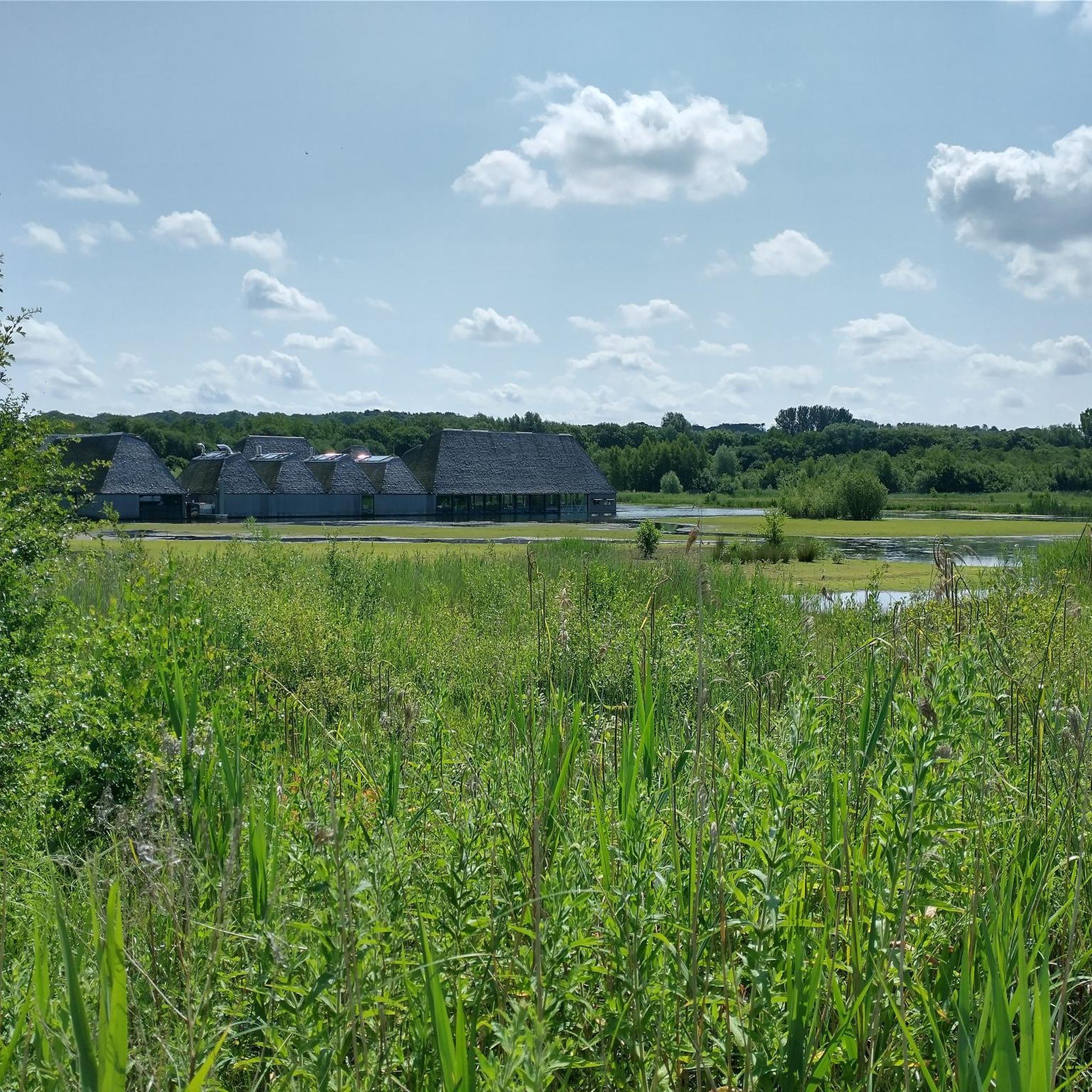
Beyond the listed highlights, the region boasts interesting natural formations. Hoghton Bottoms Weir and Viaduct features a picturesque sandstone gorge leading to a cascading weir, with the impressive viaduct above. The Confluence of the Rivers Calder and Ribble itself is a notable hydrological feature where two major rivers merge.
What is the best time to visit the natural monuments around Balderstone?
The best time to visit depends on your preferred activity. Spring and summer offer lush greenery and warmer weather for hiking and exploring. Autumn brings beautiful foliage, while winter can offer crisp, clear views, though trails might be boggy, especially at places like Hoghton Bottoms Weir. For birdwatching, the Ribble Estuary is particularly important for overwintering birds.
Are there any historical connections to the natural monuments?
Yes, the area has interesting historical connections. The Tolkien Oak Tree – River Hodder is famously associated with J.R.R. Tolkien, who regularly stayed nearby and is believed to have drawn inspiration from the local landscape for his 'Lord of the Rings' saga. There's also a historical note that a ferry once operated near the Confluence of the Rivers Calder and Ribble, potentially inspiring Bucklebury Ferry in his works.
What do visitors enjoy most about the natural monuments in this region?
Visitors particularly enjoy the stunning panoramic views, such as those from Jeffrey Hill, which are often described as 'taking your breath away'. The peaceful atmosphere of the river confluences and the impressive scale of ancient trees like the Tolkien Oak Tree are also highly appreciated. The diverse landscapes provide excellent opportunities for photography and connecting with nature.
Are there any natural reserves or protected areas nearby?
Yes, Brockholes Nature Reserve is a significant 250-acre reserve managed by the Lancashire Wildlife Trust, featuring ancient woodland, lakes, and wetlands. The Ribble Estuary, downstream from the Confluence of the Rivers Calder and Ribble, is also an internationally recognized Ramsar site, Special Protection Area, Marine Conservation Zone, Site of Special Scientific Interest, and National Nature Reserve.
What should I wear or bring when visiting the natural monuments?
For most outdoor activities, especially hiking, sturdy hiking boots are recommended, as some trails, particularly around Hoghton Bottoms Weir, can be boggy after rain or in winter. Layers of clothing are advisable to adapt to changing weather conditions, and bringing water and snacks is always a good idea for longer explorations.
Most popular attractions around Balderstone

Get inspired with the komoot mobile app


Explore more
Extend your search for the best caves by checking out these guides of the top ones around Balderstone:
