Top 13 Natural Monuments around Killearn
Best natural monuments around Killearn are found in a region characterized by rolling hills, expansive lochs, and significant geological formations. Situated at the foot of the Campsie Fells, Killearn offers access to diverse natural features. The area serves as a gateway to the landscapes of Loch Lomond & The Trossachs National Park, known for its varied terrain and scenic views. This region presents numerous opportunities for exploring natural attractions.
Best natural monuments around Killearn
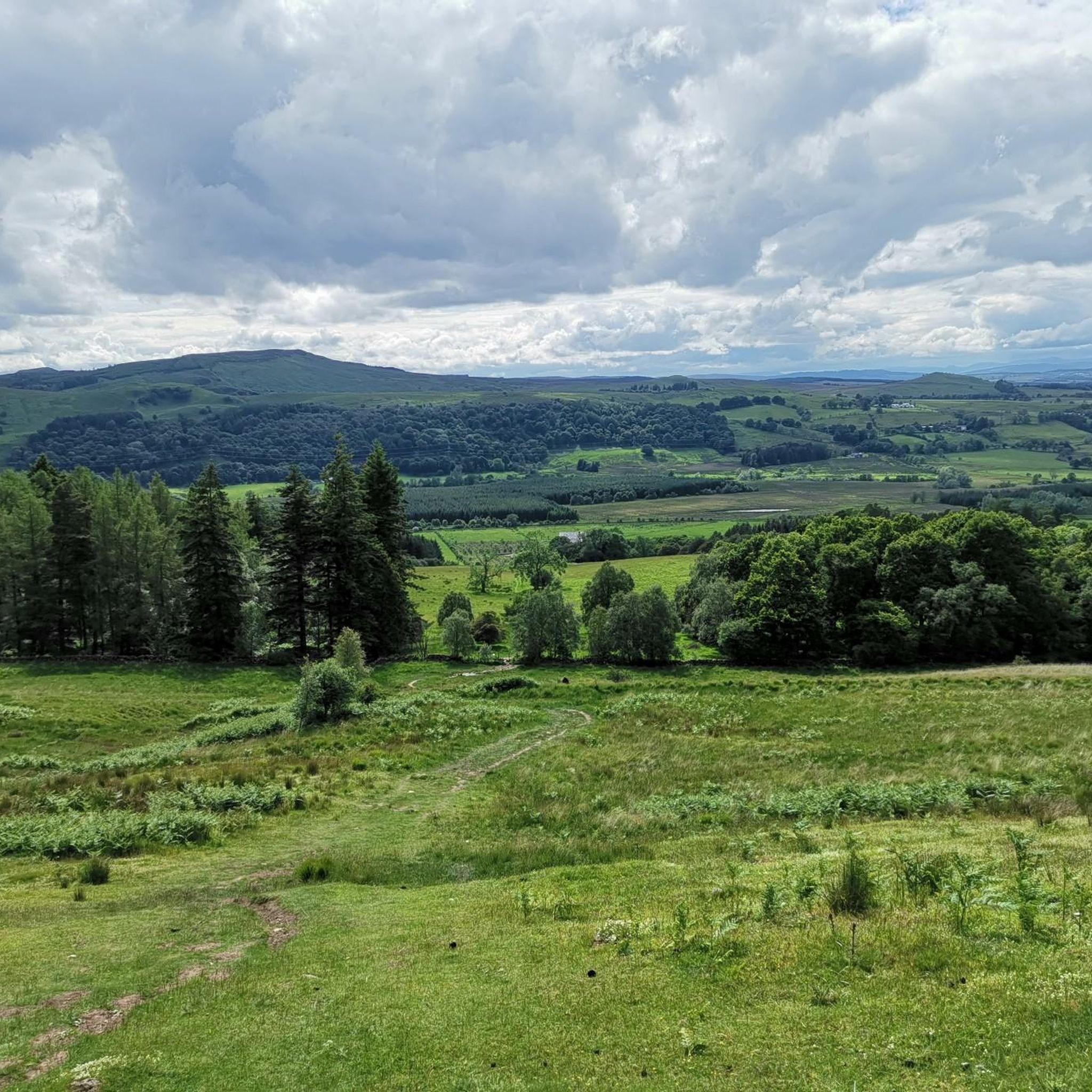
- The most popular natural monuments is View of Loch Lomond from Conic Hill, a viewpoint that offers views of Loch Lomond and the Highlands. This location is a popular hiking destination, especially for those exploring parts of the West Highland Way.
- Another must-see spot is Mugdock Castle, a castle and natural monument. This historical site stands on a rocky promontory, offering a glimpse into the area's past.
- Visitors also love Devil's Pulpit (Finnich Glen), a gorge with narrow, moss-covered walls. This site offers a unique geological formation.
- Killearn is known for its hills, lochs, and gorges. The area offers a variety of natural monuments to see and explore, from summits with panoramic views to unique geological features.
- The natural monuments around Killearn are appreciated by the komoot community. More than 820 upvotes and over 340 photos have been shared by visitors.
Last updated: August 10, 2026
View of Loch Lomond from Conic Hill
Highlight • Viewpoint
Sometimes it can be a bit crowded, as many day trippers from Balmaha also venture the climb.
Translated by Google •
Tip by

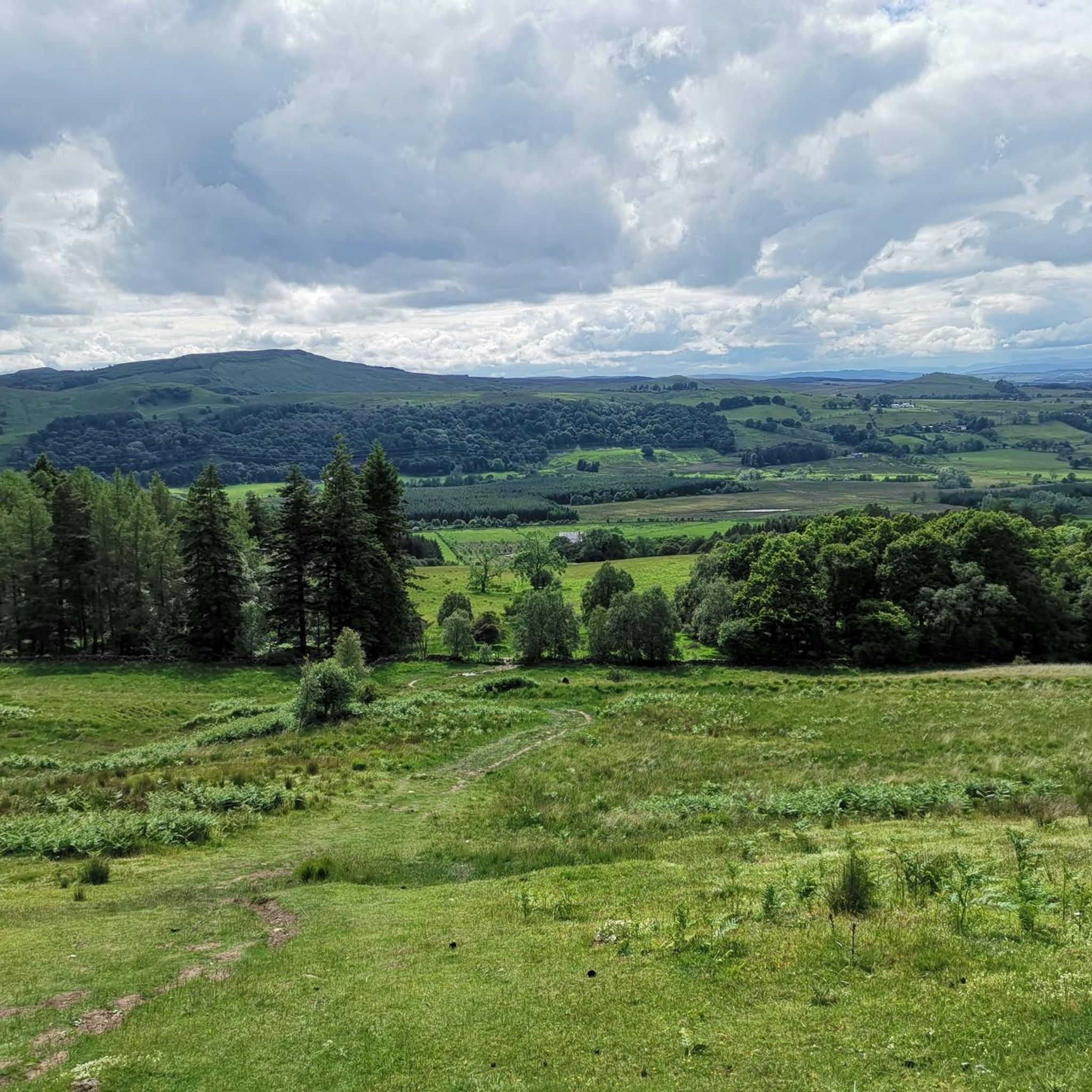
View over Loch Lomond from Conic Hill
Highlight • Lake
Translated by Google •
Tip by

Sign up now to discover places like this
Get recommendations on the best single tracks, peaks, & plenty of other exciting outdoor places.
Sign up for free
Mugdock Castle
Highlight • Castle
Tip by

Devil's Pulpit (Finnich Glen)
Highlight • Natural Monument
Tip by

West Highland Way: Southern Section in Loch Lomond and The Trossachs National Park
Highlight (Segment) • Viewpoint
In addition, a pause at the distillery Glengoyne worthwhile :)
Translated by Google •
Tip by

Sign up for free to discover even more natural monuments around Killearn.
Sign up for free
Already have an account?
Start today with a free account
Your next adventure awaits.
Login or Signup

Tips from the Community

Impressive view. But also quite busy.
0
0
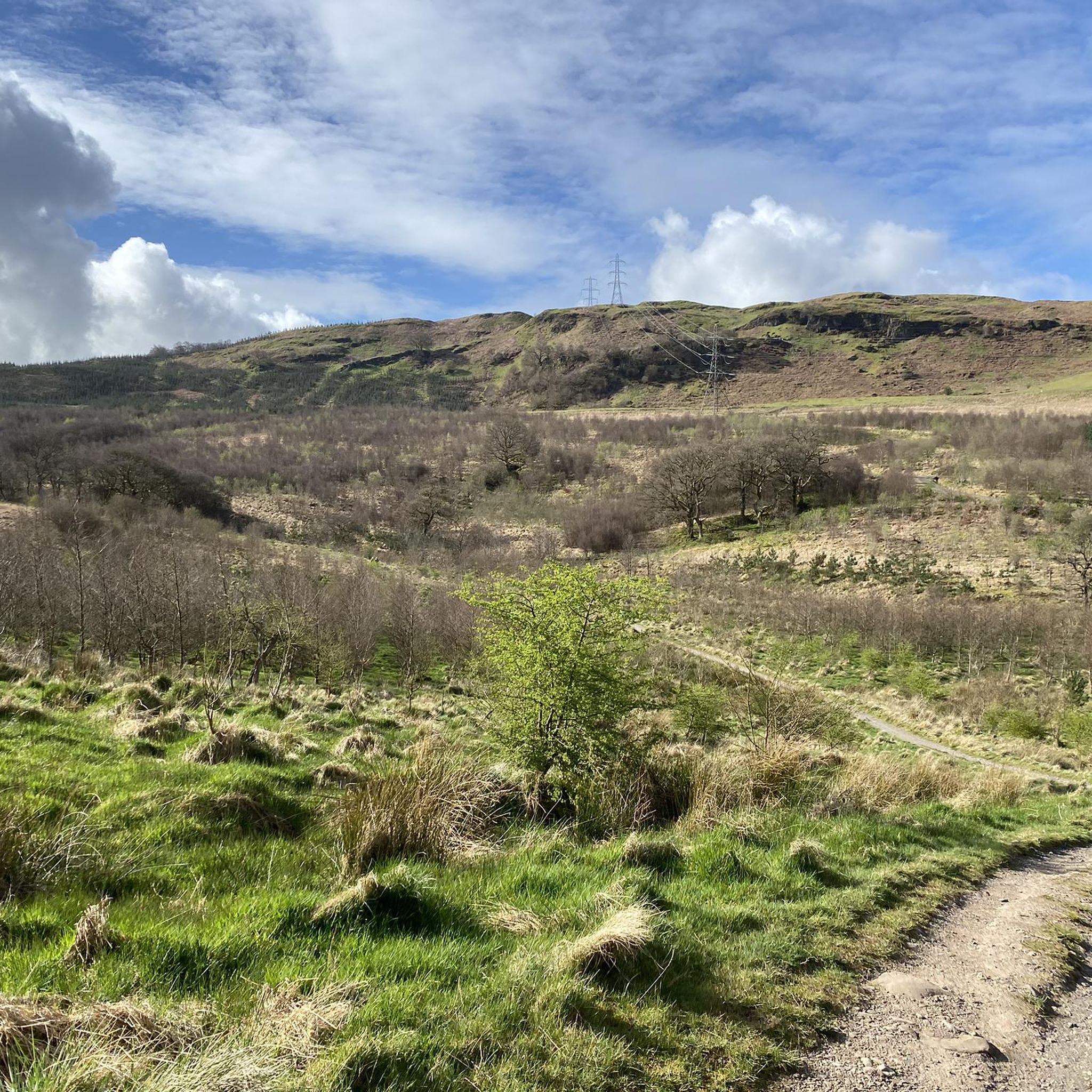
Solid starting stage of the West Highland Way. Every day heading north, it becomes more "typically Scottish".
0
0
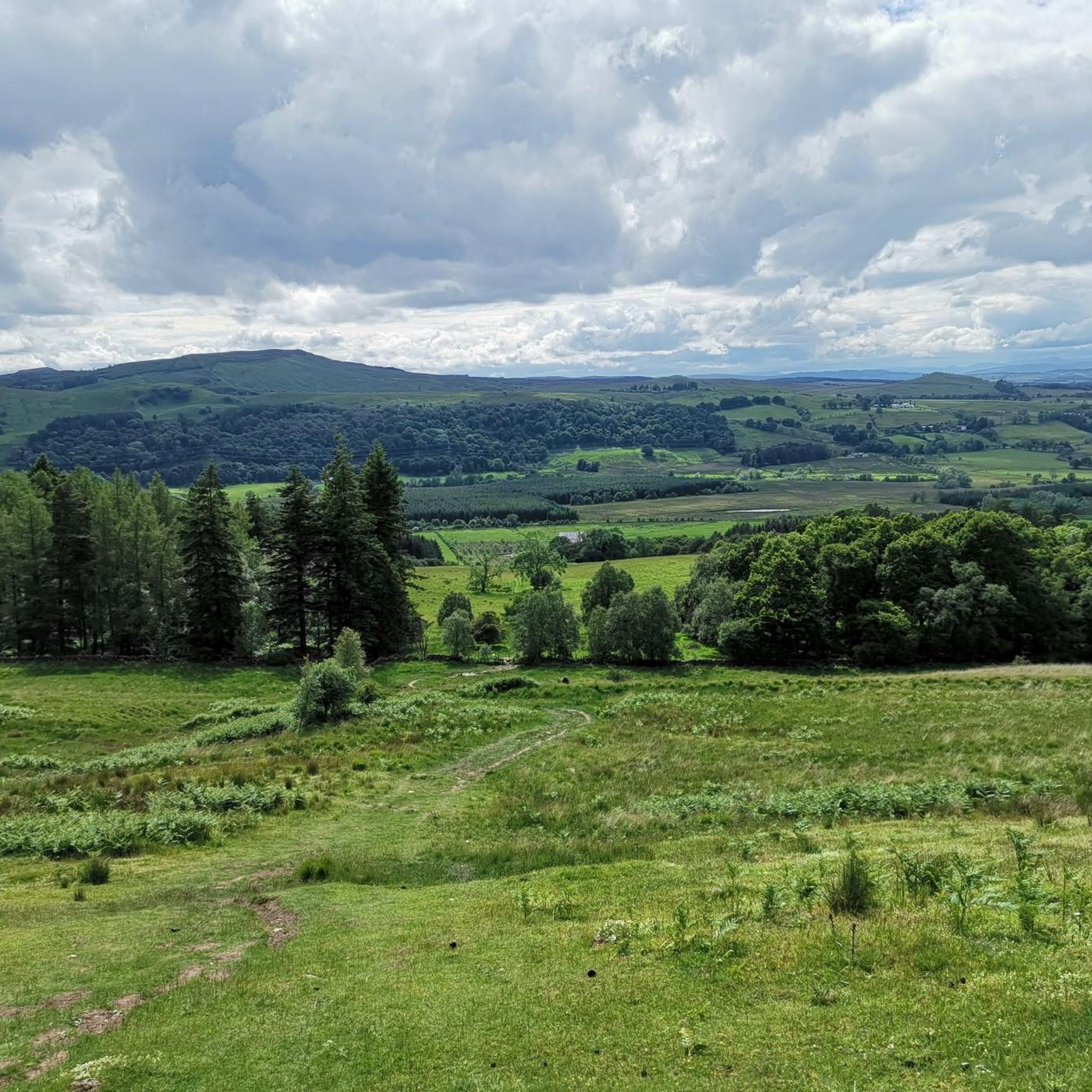
Above all, the path through Mugdock-Forest is worth it.
0
0

The original Castle on this site was built in the 13th century by the Graham family. The Grahams were a family on the rise and the family were made the Earls of Montrose in 1505. The most famous Graham resident of Mugdock Castle was James Graham (1612-1650) known as The Great Montrose. He was a poet and soldier who fought for the cause of King Charles I during the Wars of The Three Kingdoms (more commonly referred to as The English Civil Wars) and was marked as one of the greatest soldiers of the time. So great was his military fame that King Louis XIV offered him the role as Marshal of France. His success ultimately ran out in 1650 with the loss of The Battle of Carbisdale in Rosshire. Montrose was betrayed by a fellow Scotsman and was ultimately Hung, Drawn and Quartered for his part in the war. His campaigns were immortalised by Sir Walter Scott in his 1819 novel A Legend of Montrose.
0
0

Great views over Loch Lomond from this iconic summit on the West Highland Way.
0
0

Loch Lomond is a large and deep loch in Scotland. It is located on the western edge of the southern Highlands. The loch is approximately 37 km long and up to 8 km wide, has an average depth of 37 metres and a maximum depth of 190 metres. Loch Lomond is the largest loch in both Scotland and Great Britain by surface area and, at 2.6 km³, the second largest by volume of water, after Loch Ness. The loch contains many islands, including Inchmurrin, the largest freshwater island at 1.2 km². The loch is the centrepiece of the Loch Lomond and Trossachs National Park, which was established in 2002 and includes the Trossachs. It is located twenty kilometres from Glasgow, making it an important tourist area. The West Highland Way walking route runs along the entire eastern shore of the loch.
0
0

Sturdy shoes are highly recommended, as it is usually very wet and slippery. Not recommended for small children or people with walking problems!
0
0
Great gorge, brown-red water. In warmer seasons, the Devils Pulpit is also perfect for a swim. Be sure to park a few meters further north at the intersection (small parking lot). The actual path to the pulpit is south, just behind the bridge. STURDY footwear is a must
0
0
Frequently Asked Questions
What are some of the most scenic natural monuments around Killearn?
For breathtaking views, consider the View of Loch Lomond from Conic Hill, which offers panoramas of Loch Lomond and the Highlands. Another rewarding spot is Cort-ma-Law Summit, providing expansive vistas, though its path can be boggy at times.
Are there any family-friendly natural monuments near Killearn?
Yes, Mugdock Castle is a family-friendly natural monument. It's a historical site set on a rocky promontory, offering free entry and parking, making it an accessible option for families to explore.
What unique geological features can I explore around Killearn?
The area boasts significant geological formations. Conic Hill is part of the Highland Boundary Fault, a major geological feature separating the Scottish Lowlands from the Highlands. Another unique site is the Devil's Pulpit (Finnich Glen), a gorge known for its narrow, moss-covered walls and unusually colored water, offering a fascinating and atmospheric experience.
What outdoor activities can I do near these natural monuments?
The region around Killearn, including the Campsie Fells and Loch Lomond & The Trossachs National Park, is excellent for outdoor activities. You can find numerous routes for cycling, mountain biking, and gravel biking. For detailed routes and guides, explore options like Cycling around Killearn, MTB Trails around Killearn, and Gravel biking around Killearn.
Are there hiking trails associated with these natural monuments?
Absolutely. Conic Hill is a popular hiking destination, especially for those exploring parts of the West Highland Way. The Path to Conic Hill Summit offers a rewarding climb with great views. The Campsie Fells also provide numerous walking routes for various fitness levels.
What should I know before visiting Devil's Pulpit (Finnich Glen)?
The Devil's Pulpit (Finnich Glen) involves a very steep descent, requiring good footwear and careful navigation. It's recommended to arrive early if you wish to experience the site with fewer crowds. Due to its challenging terrain, some visitors prefer to explore it as part of an organized tour.
Is there parking available at natural monuments near Killearn?
Yes, for instance, Mugdock Castle offers free parking. For other locations like Conic Hill, parking is typically available at nearby trailheads such as Balmaha, though it can get crowded, especially during peak times.
What is the best time of year to visit the natural monuments around Killearn?
The natural monuments around Killearn are beautiful year-round. Spring and summer offer lush greenery and longer daylight hours, ideal for hiking and outdoor activities. Autumn brings vibrant colors to the landscapes. Winter can be picturesque, but paths like the one to Cort-ma-Law Summit can be very boggy, so it's best tackled after a long dry spell or hard frost.
Can I find less crowded natural monuments or hidden gems?
While popular spots like Conic Hill can attract crowds, exploring the wider Campsie Fells offers opportunities for more secluded walks. The Killearn Pipe Track, running along the foot of the Campsie Fells, provides a relatively flat and accessible route with pleasant views that can be less frequented than major summits.
What kind of wildlife might I encounter near Killearn's natural monuments?
The diverse landscapes of the Campsie Fells and Loch Lomond & The Trossachs National Park support a variety of wildlife. You might spot various bird species, red deer, and other small mammals. The rich biodiversity of the park makes it a prime location for nature enthusiasts.
Are there any natural monuments that offer a good view of Ben Lomond?
Yes, the Campsie Fells, where Killearn is situated, offer stunning views that often include panoramas of Ben Lomond. From the summit of Conic Hill on a clear day, you might even catch a glimpse of Ben Lomond, Scotland's southernmost Munro.
Most popular routes around Killearn
Most popular attractions around Killearn

Get inspired with the komoot mobile app


Explore more
Extend your search for the best caves by checking out these guides of the top ones around Killearn:
