Top 12 Natural Monuments around Ancrum
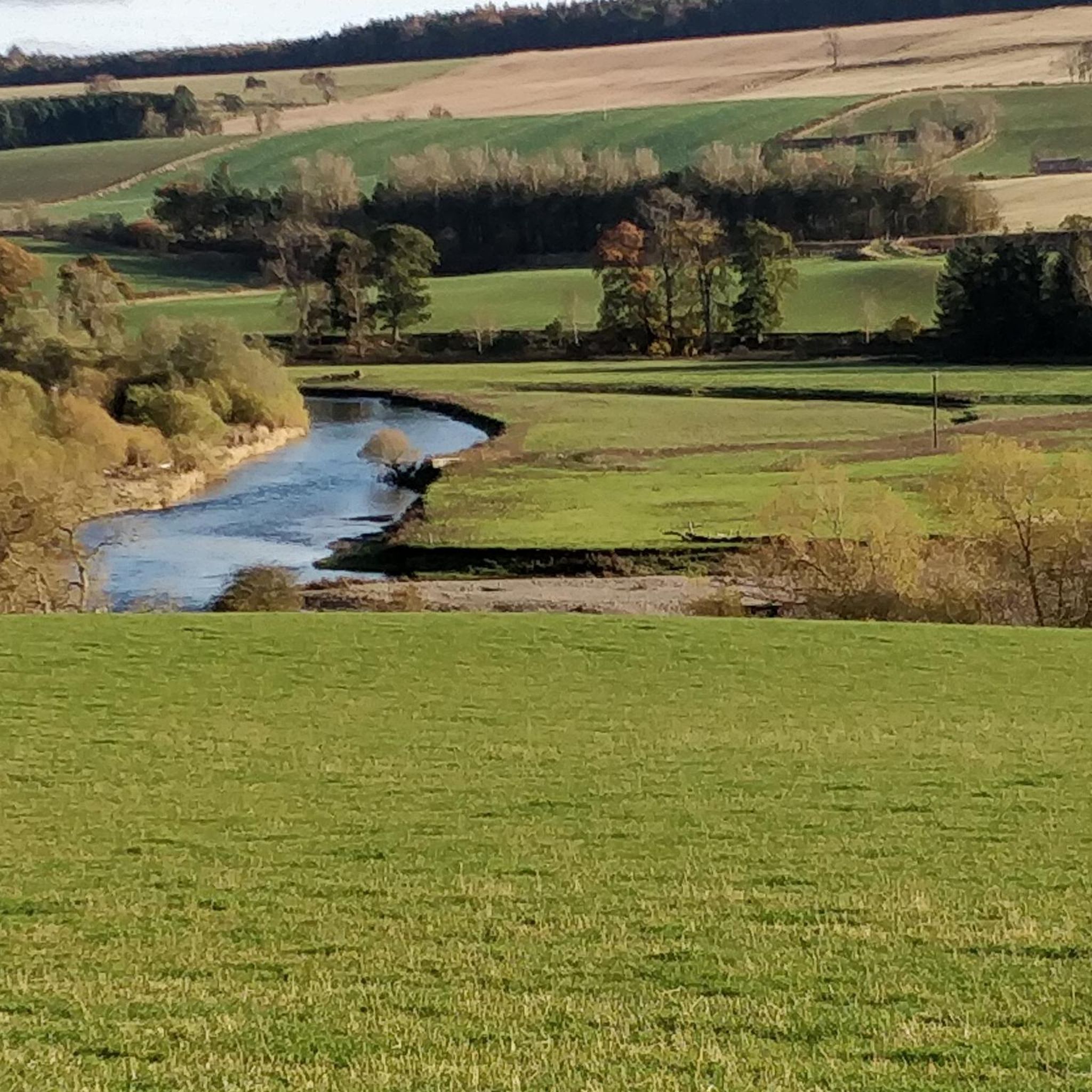
Best natural monuments around Ancrum include a variety of geological formations and historically significant natural features. The area is characterized by the confluence of the River Teviot and Ale Water, offering scenic river landscapes. Prominent hills like the Eildon Hills and Rubers Law provide elevated viewpoints and showcase ancient human activity integrated with the natural environment. These features offer insights into both the region's geology and its rich historical narrative.
Best natural monuments around Ancrum
- The most popular natural monuments…
Last updated: May 3, 2026
Eildon Hill North
Highlight • Summit
Tip by

Eildon Mid Hill Summit
Highlight • Viewpoint
Tip by

Sign up now to discover places like this
Get recommendations on the best single tracks, peaks, & plenty of other exciting outdoor places.
Sign up for free
Eildon Wester Hill
Highlight • Summit
Tip by
Lilliard's Stone and Lilliot Cross
Highlight • Historical Site
Tip by
Rubers Law Summit and Trig Point
Highlight • Viewpoint
The black toposcope placed on top of …
Tip by

Sign up for free to discover even more natural monuments around Ancrum.
Sign up for free
Already have an account?
Start today with a free account
Your next adventure awaits.
Login or Signup
Popular around Ancrum


Tips from the Community

Some say Maid Lilliard fought at Lilliard’s Edge during the Battle of Ancrum Moor to avenge her slain lover, while others believe she sought revenge for her lost family. According to legend, she either killed the ruthless English leaders Sir Ralph Evers and Sir Brian Laiton or rallied the outnumbered Scots to victory. After the battle, searchers found her body near the fallen English leaders. Though badly injured, she was recognized by her golden hair and white plume. Whether she truly struck down Laiton remains unknown, but she was given an individual burial, and a memorial was later erected in her honor.
0
0

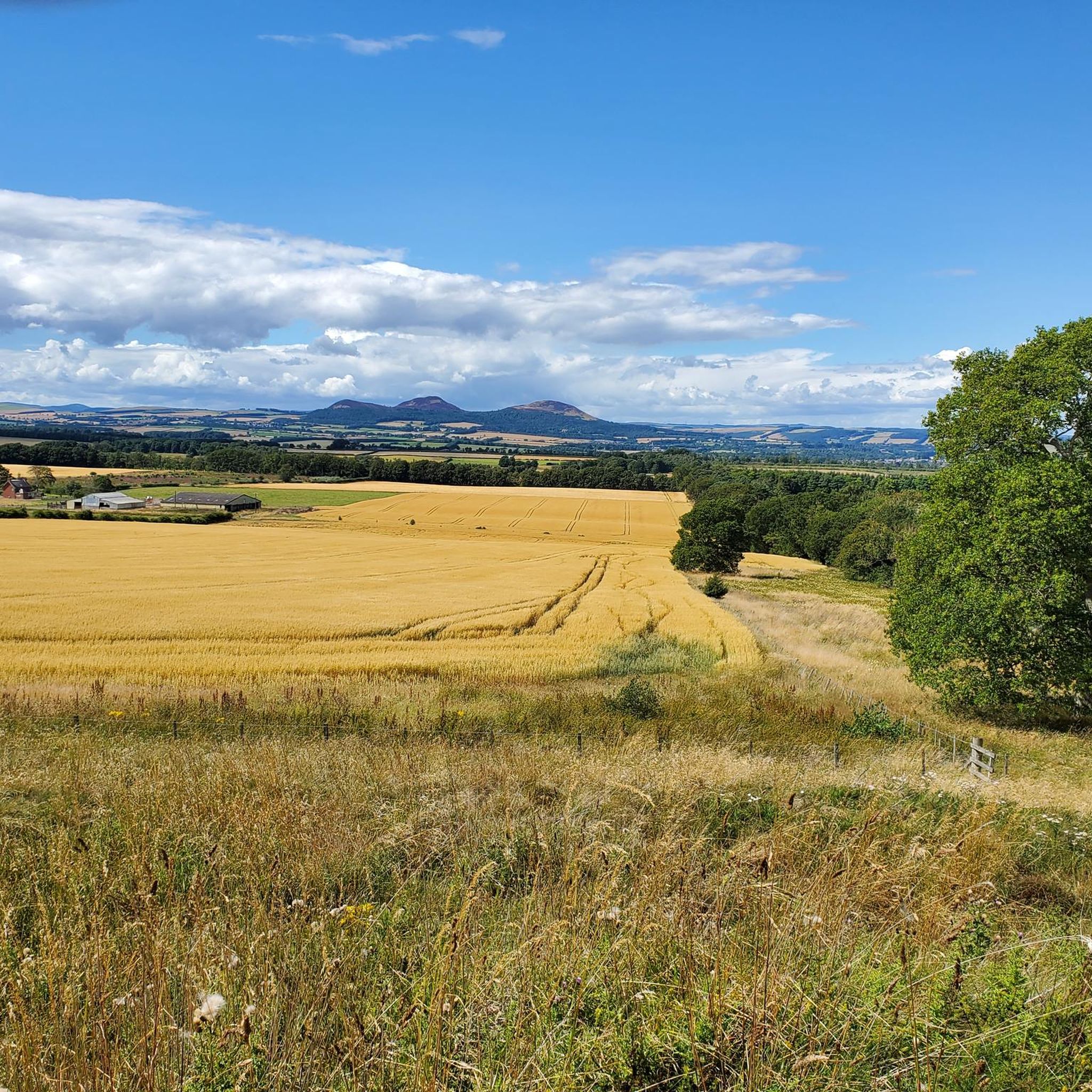
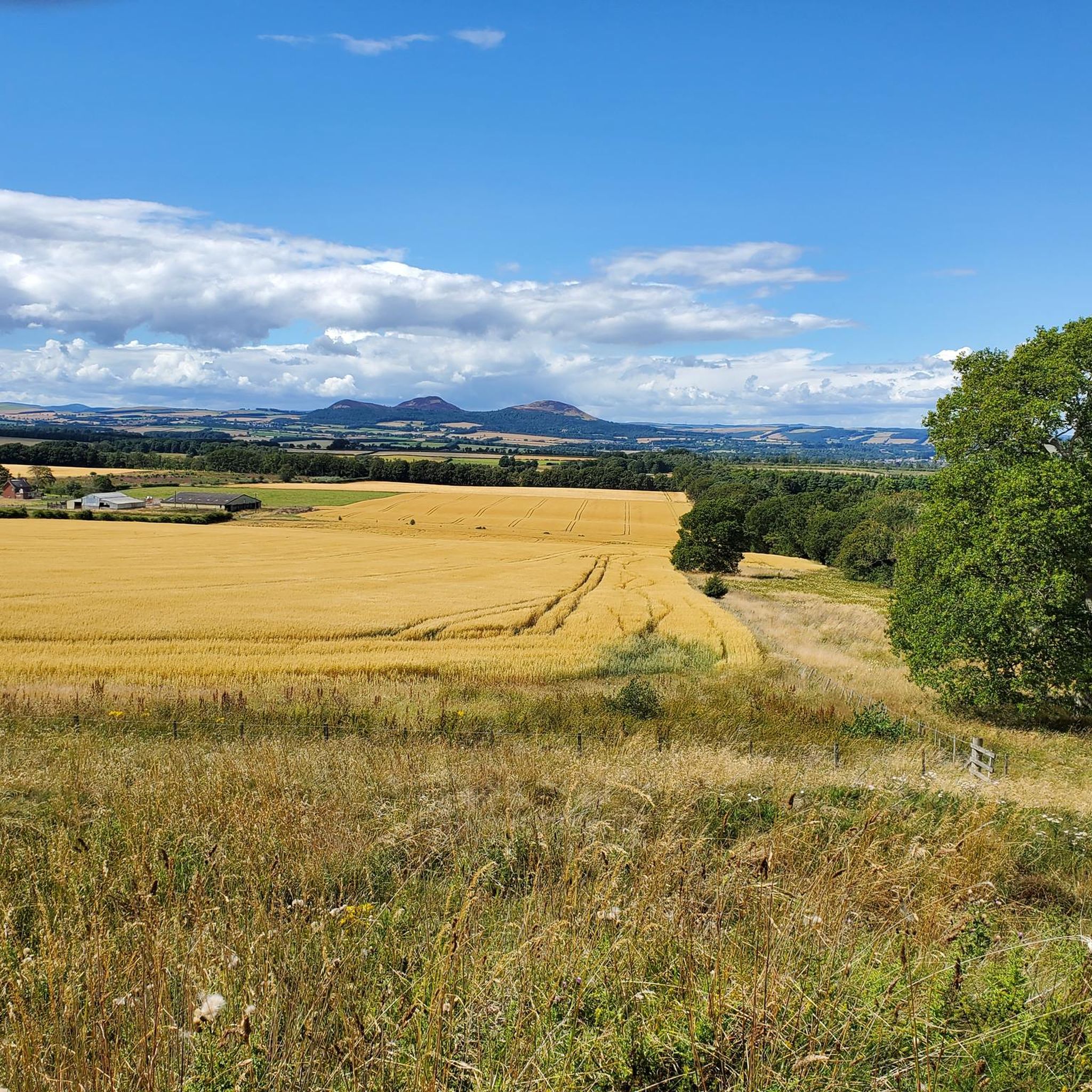
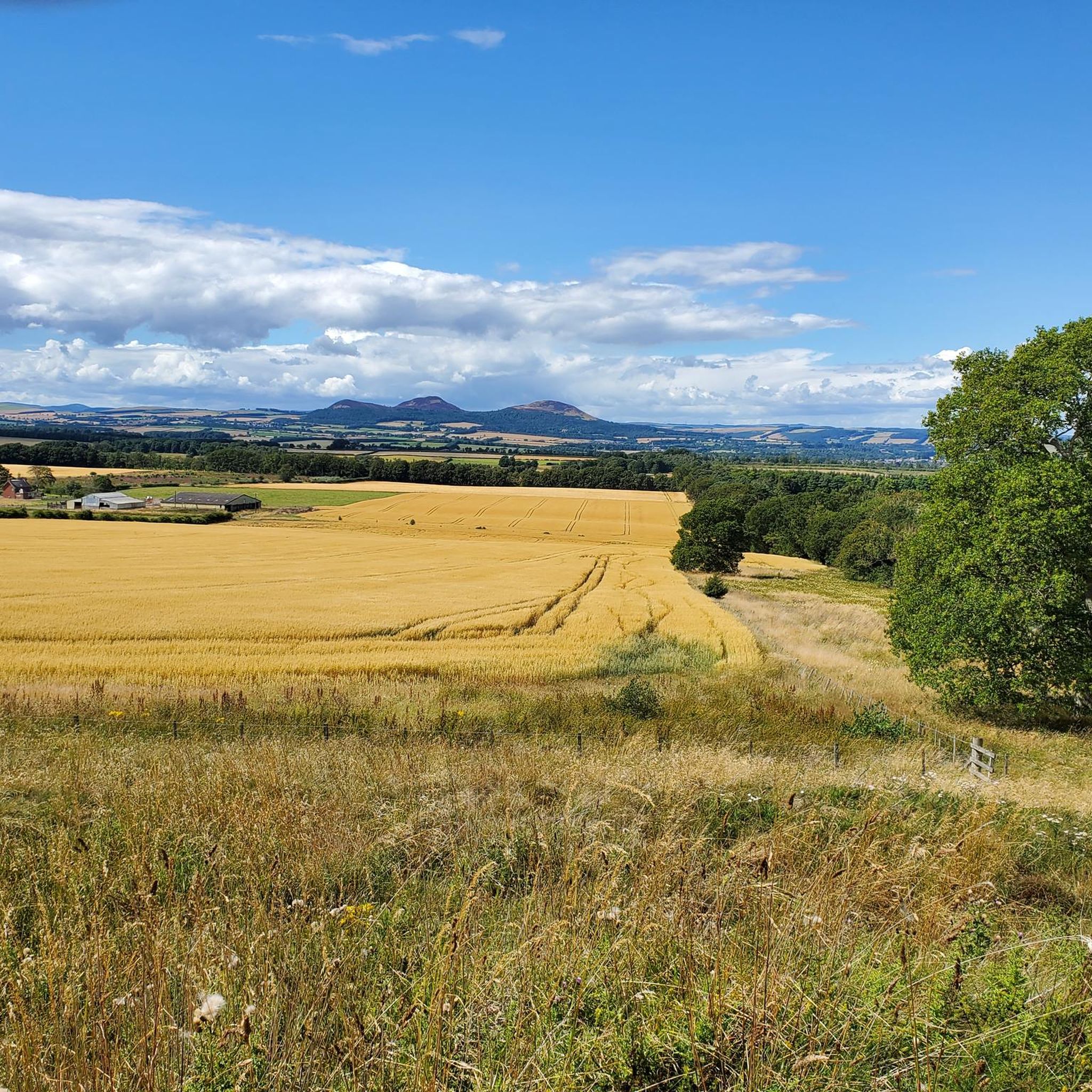
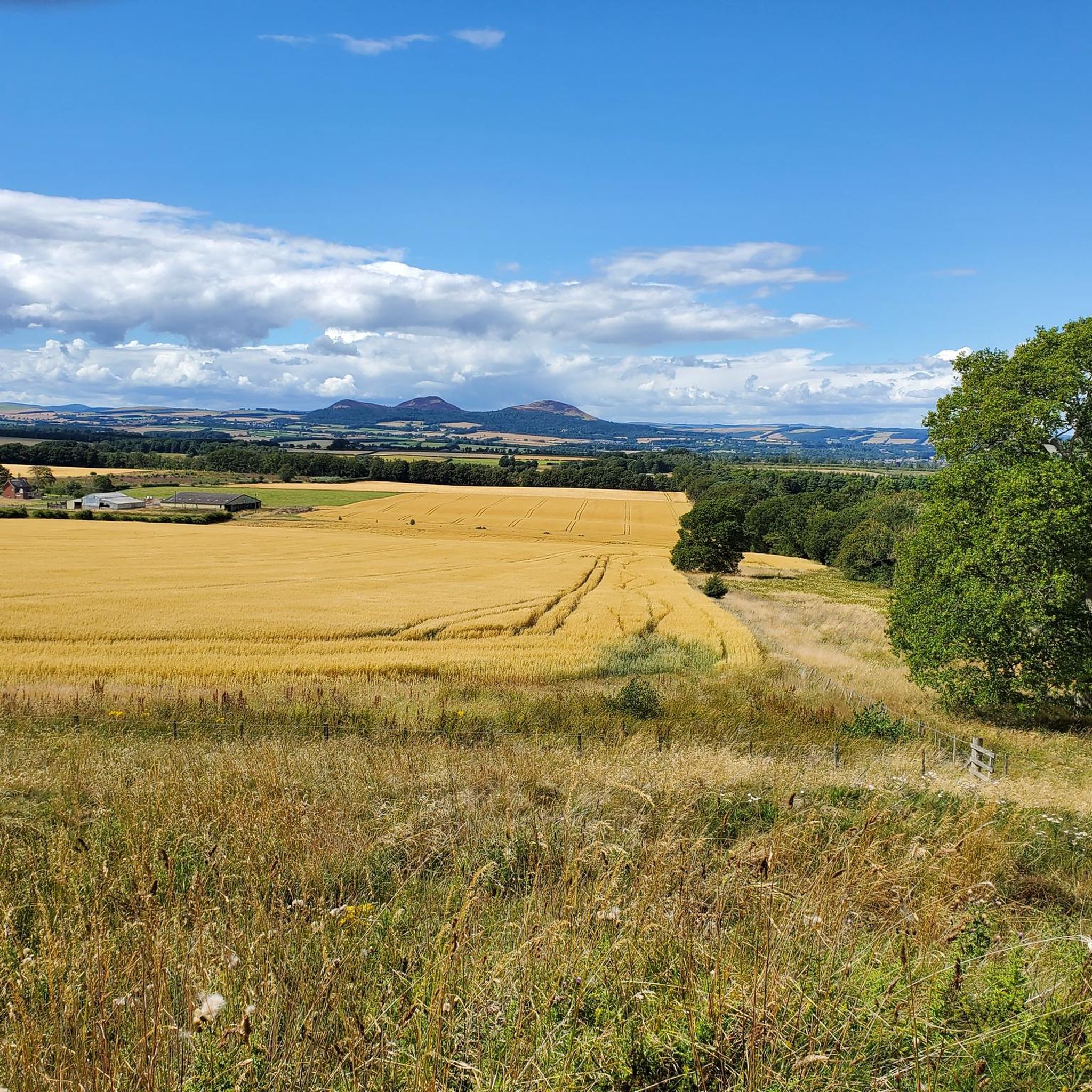
Eildon Hill North is an historic, photogenic and widely visible landmark in the Scottish Borders. At 1325 feet (404 m) this peak is the second highest of the three Eildon (pronounced ‘Eeldon’) Hills located just south of Melrose. The significance of Eildon Hill North was recognised by Bronze Age and Iron Age peoples and by the Romans. This peak was the site of the largest Iron Age hill fort in Scotland. Up to 2000 people are thought to have lived here at the same time. Today the pockmarks from hundreds of roundhouse platforms and nearly 1-mile of defences are still visible. When the Romans came in about 80 AD they built their mighty garrison fort called ‘Trimontium’ (named after the three Eildon peaks) immediately below Eildon Hill North and also placed a signal station on this summit. Trimontium was the largest Roman settlement north of Hadrian’s Wall. The short but steep climb up Eildon Hill North is well worth the effort! On a clear day you will be rewarded with stunning views. The popular St Cuthbert’s Way that runs from Melrose Abbey to Holy Island in Northumberland climbs over the col in the Eildon Hills and provides a pleasant way up Eildon Hill North.
2
0

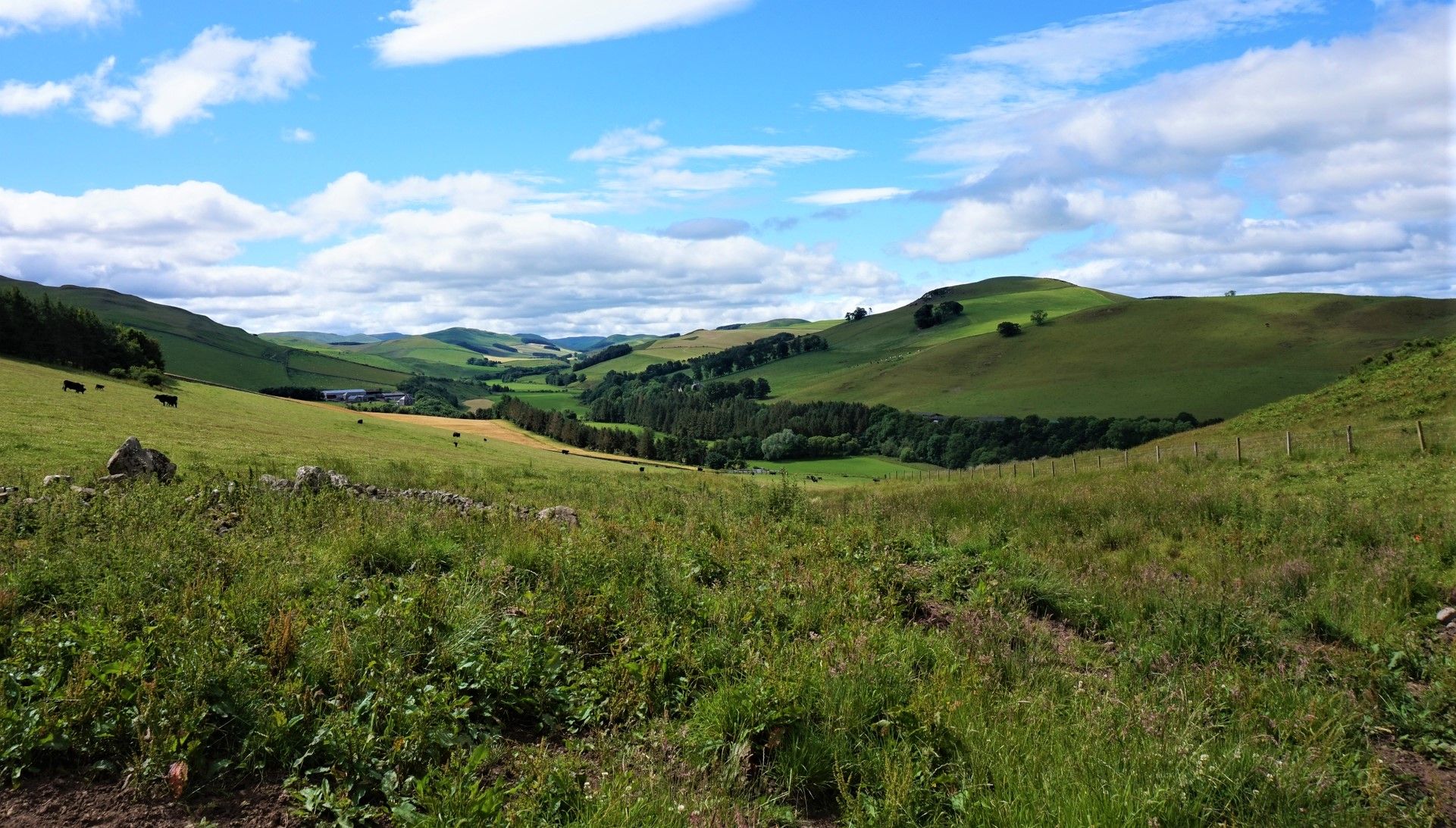
This lovely hill (424m), south of Denholm, has a hill fort and was a Roman signal station. Fantastic, far-reaching views in all directions. The black toposcope placed on top of the triangulation pillar here identifies many of the hills / landmarks visible from up here.
1
0

The central and highest of the Eildon Hills Eildon Mid Hill stands at 422m and offers the best views. Look northeast to the Iron Age hill fort ramparts on the north hill, south over the smaller Wester Hill and north over Melrose. The three hills are a great run from Melrose, steep and punchy but not actually that high or far so perfect for a half day or pre/post work run. Great views and some good vert for the distance.
0
0
The most western and the lowest of the three Eildon Hills this is also the furthest from Melrose which is the normal starting point for this run. The Wester Hill stands at 371m and like the other two summits you still get great views.
0
0
The north summit of the Eildon Hills stands at 404m. It was the largest Iron Age hill fort in Scotland with spaces flattened for at least 300 dwellings and a set of walls and ramparts around the whole summit. Later the Romans built a signalling station here. Today it's a great running loop from Melrose taking in the three summits in a nice loop.
0
0

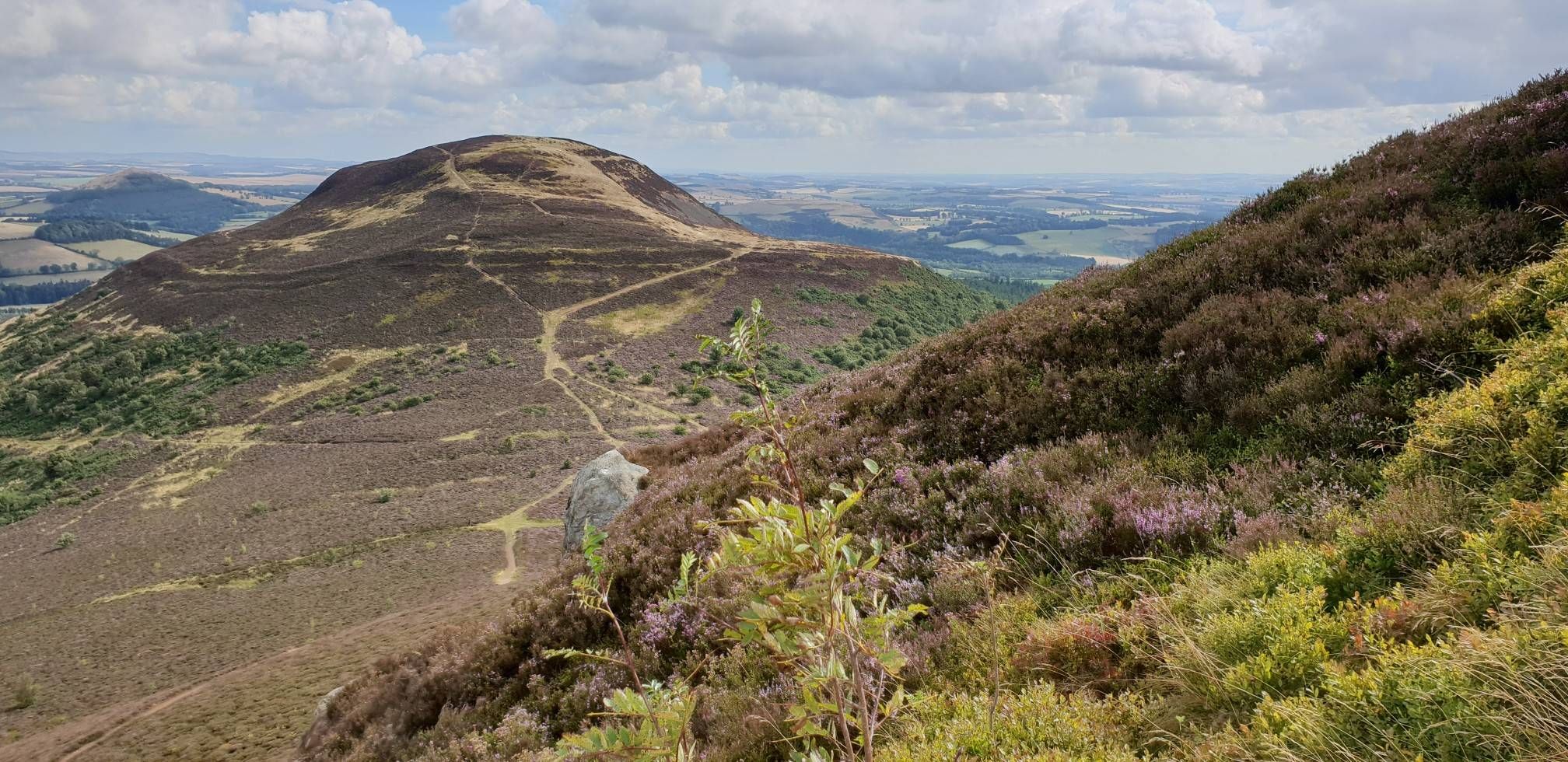
Great views of the surrounding area and the other Eildon HIlls. A steep mid section adds an element of toughness but the majority of the climb is pretty easy going.
0
0

At 1,217 feet (371 m), Wester Hill is the smallest of the three peaks that make up the Eildon Hills. However, it's definitely worth the trek for the views back towards lofty Mid Hill and North Hill, which was once the site of one of the largest hillforts in Scotland. Late summer, when the heather is at its most vibrant, is a glorious time to explore these hills.
2
0
Frequently Asked Questions
What natural features can I explore around Ancrum?
The area around Ancrum is characterized by the scenic confluence of the River Teviot and Ale Water. You can also explore prominent hills like the Eildon Hills and Rubers Law, which offer geological interest and elevated viewpoints.
What makes the natural monuments around Ancrum unique?
The natural monuments in Ancrum are unique due to their deep integration with the region's rich history. Features like the Eildon Hills, for example, were not only formed by ancient geological processes but also served as significant Iron Age hill forts and Roman signal stations, blending natural beauty with historical narrative.
Are there specific natural monuments that offer great views?
Yes, several natural monuments provide stunning panoramic views. Eildon Mid Hill Summit is the highest of the Eildon Hills, offering sumptuous views of the surrounding countryside. Rubers Law Summit and Trig Point also provides far-reaching views in all directions, and Eildon Hill North offers breathtaking vistas.
What outdoor activities can I do near these natural monuments?
The area around Ancrum offers a variety of outdoor activities. You can find numerous hiking trails, including easy to moderate loops like the Monteviot Suspension Bridge loop from Ancrum. There are also options for gravel biking and general cycling. For more details on routes, you can explore the Hiking around Ancrum guide, the Gravel biking around Ancrum guide, or the Cycling around Ancrum guide.
Are there family-friendly natural monuments or walks around Ancrum?
While specific 'family-friendly' tags aren't always present, many of the walks around Ancrum's natural features, especially along the River Teviot and Ale Water, are suitable for families. The shorter, easier hiking loops mentioned in the Hiking around Ancrum guide, such as the Monteviot Suspension Bridge loop, are generally good options for families.
Can I bring my dog to the natural monuments around Ancrum?
Many natural areas and trails around Ancrum are dog-friendly. However, it's always advisable to keep dogs on a leash, especially near livestock or in areas with wildlife, and to follow any local signage regarding dog regulations. Always clean up after your pet to preserve the natural environment for everyone.
What is the best time of year to visit the natural monuments in Ancrum?
The natural monuments around Ancrum can be enjoyed year-round, but each season offers a different experience. Late summer, particularly August, is a glorious time to explore the Eildon Hills when the heather is in full bloom, adding vibrant color to the landscape. Spring and autumn also offer pleasant walking conditions and beautiful scenery.
Are there any historical sites integrated with the natural monuments?
Absolutely. The natural landscape of Ancrum is deeply intertwined with its history. Eildon Hill North was the site of the largest Iron Age hill fort in Scotland and a Roman signal station. Rubers Law Summit also served as a Roman signal station. Additionally, the ancient remains of the Old Ancrum Bridge on the River Teviot are historically significant, dating back to the mid-1300s.
Where can I find parking when visiting natural monuments near Ancrum?
Parking availability varies by specific location. For popular spots like the Eildon Hills, there are usually designated parking areas near trailheads, often in or around Melrose. For other natural features, local village parking in Ancrum or smaller lay-bys might be available. It's recommended to check specific route details for parking information before your visit.
What geological features are notable in the Ancrum area?
The Eildon Hills are a prime example of geological interest, formed from the eroded remnants of igneous trachytic and rhyolitic sills, where magma solidified between sedimentary layers some 350 million years ago. This geological history contributes to their distinctive shapes and prominence in the landscape.
Are there any hidden natural gems or less-known spots around Ancrum?
While the Eildon Hills are well-known, exploring the banks of the River Teviot and Ale Water can reveal quieter, picturesque spots. The historical significance of the Old Ancrum Bridge, though man-made, highlights a natural river location with ancient oak timbers that are remarkably well-preserved and offer a unique blend of nature and history.
What amenities are available near the natural monuments in Ancrum?
Ancrum village itself offers some local amenities, including cafes and accommodation options. For a wider range of services, nearby towns like Melrose or Jedburgh provide more choices for dining, shopping, and lodging. It's a good idea to plan your visit with these options in mind, as amenities directly at the natural monument sites are limited.
Most popular attractions around Ancrum

Get inspired with the komoot mobile app


Explore more
Extend your search for the best caves by checking out these guides of the top ones around Ancrum:
