Top 5 Natural Monuments around Maryhill And Summerston
Best natural monuments around Maryhill And Summerston offer a surprising array of natural spaces within an urban setting. These areas provide vital green corridors, historical connections, and opportunities for recreation. Visitors can explore tranquil river paths, historic waterways, and expansive country parks. The region's natural features contribute significantly to its ecological value and scenic beauty.
Best natural monuments around Maryhill And Summerston
- The most popular natural monuments is Mugdock Castle, a castle and natural monument that stands on a…
Last updated: July 28, 2026
Mugdock Castle
Highlight • Castle
Tip by

West Highland Way: Southern Section in Loch Lomond and The Trossachs National Park
Highlight (Segment) • Viewpoint
In addition, a pause at the distillery Glengoyne worthwhile :)
Translated by Google •
Tip by

Sign up now to discover places like this
Get recommendations on the best single tracks, peaks, & plenty of other exciting outdoor places.
Sign up for free
Glasgow Green
Highlight • Historical Site
Translated by Google •
Tip by

Scholars Rocks
Highlight • Structure
Translated by Google •
Tip by

I Remember – Scotland's Covid Memorial Walk, Pollok Country Park
Highlight • Monument
Tip by

Sign up for free to discover even more natural monuments around Maryhill And Summerston.
Sign up for free
Already have an account?
Start today with a free account
Your next adventure awaits.
Login or Signup

Tips from the Community

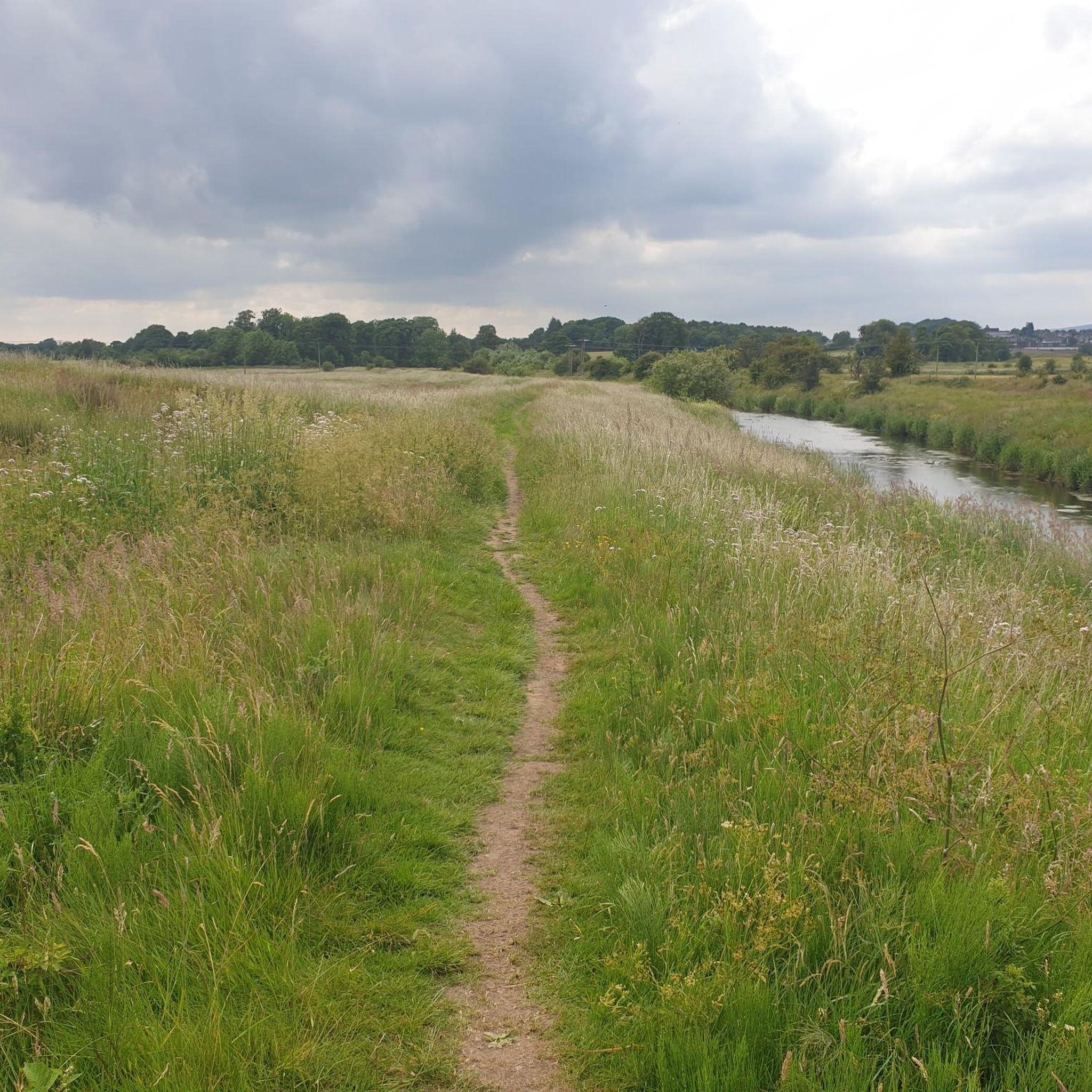
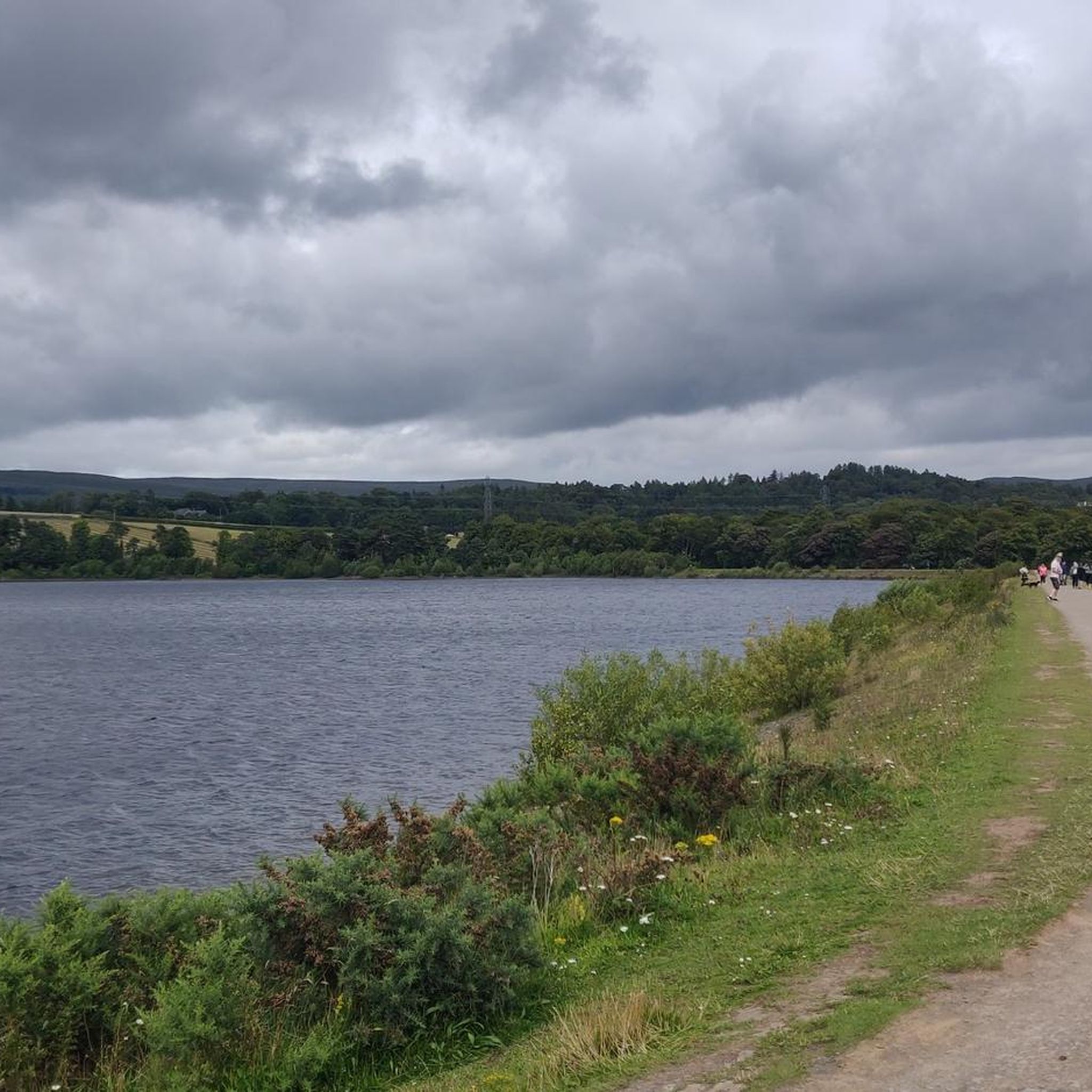
Solid starting stage of the West Highland Way. Every day heading north, it becomes more "typically Scottish".
0
0
Above all, the path through Mugdock-Forest is worth it.
0
0

The original Castle on this site was built in the 13th century by the Graham family. The Grahams were a family on the rise and the family were made the Earls of Montrose in 1505. The most famous Graham resident of Mugdock Castle was James Graham (1612-1650) known as The Great Montrose. He was a poet and soldier who fought for the cause of King Charles I during the Wars of The Three Kingdoms (more commonly referred to as The English Civil Wars) and was marked as one of the greatest soldiers of the time. So great was his military fame that King Louis XIV offered him the role as Marshal of France. His success ultimately ran out in 1650 with the loss of The Battle of Carbisdale in Rosshire. Montrose was betrayed by a fellow Scotsman and was ultimately Hung, Drawn and Quartered for his part in the war. His campaigns were immortalised by Sir Walter Scott in his 1819 novel A Legend of Montrose.
0
0

The oldest of Glasgow's city parks, a short walk from the centre, Glasgow Green is a great place to spend a day outdoors, enjoy a picnic or go for a walk. Attractions include: • The People's Palace, a museum dedicated to the history of Glasgow's working class • The Nelson Monument, a 130-foot (40-metre) column dedicated to Admiral Lord Nelson • The McLennan Arch, a 19th-century archway • The St. Andrew's Suspension Bridge, connecting Glasgow Green to the south side of the River Clyde
0
0

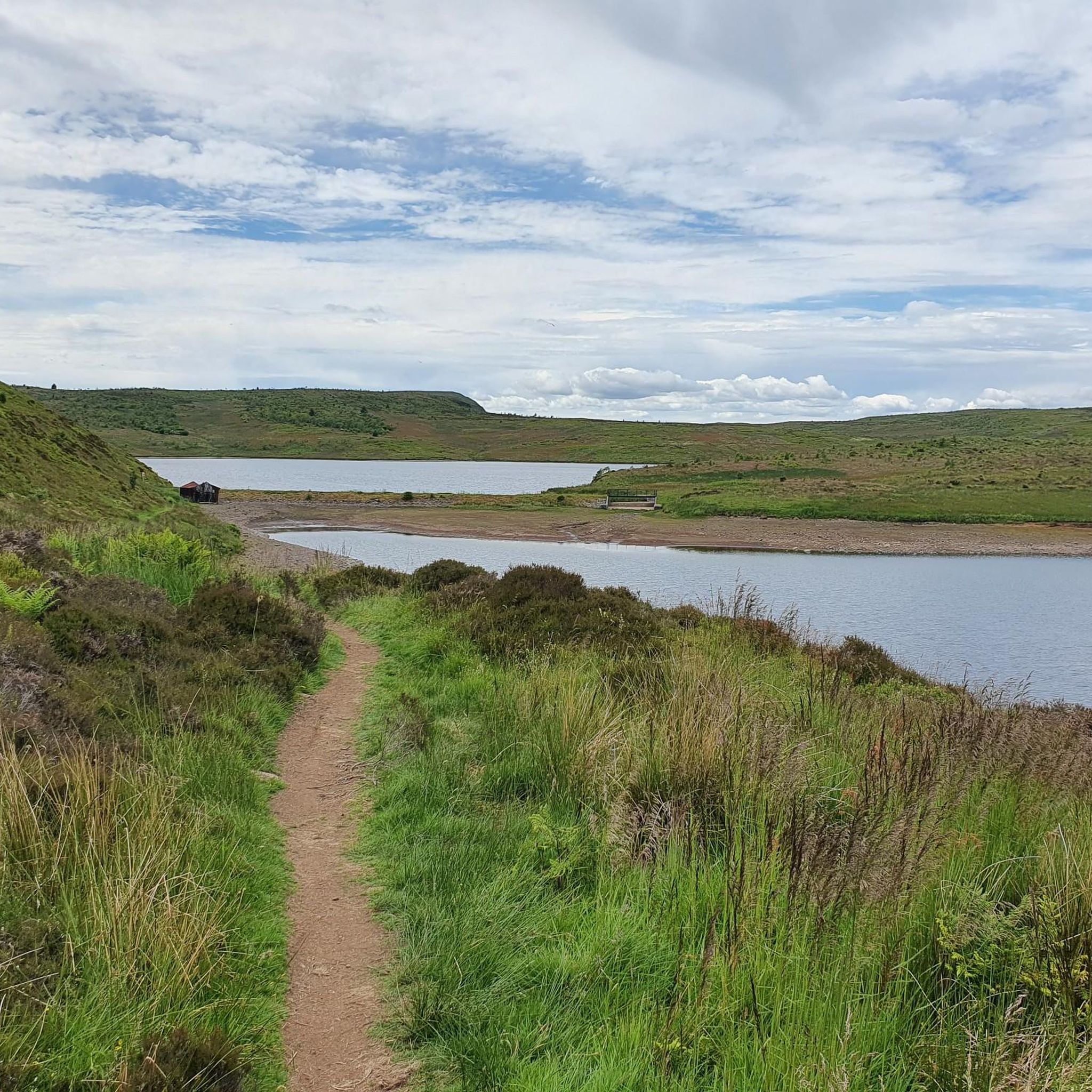
"I Remember" is a memorial walk through Pollok Country Park. There are 40 tree supports installed alongside the paths. The idea was to create a safe place for anyone affected by the pandemic to walk in nature and remember, reflect and hope for healing.
0
0

Some of these sculptures stand here along the way.
6
0


Frequently Asked Questions
What unique natural features can I explore around Maryhill and Summerston?
You can explore a blend of natural and historically significant features. The River Kelvin offers a tranquil green corridor with the Kelvin Walkway, ideal for peaceful strolls. The Forth & Clyde Canal, while man-made, functions as a vital natural monument, featuring the impressive Kelvin Aqueduct carrying the canal over the river. Further afield, Mugdock Country Park boasts diverse landscapes including woodland, moorland, and the scenic Mugdock Loch.
Are there family-friendly natural monuments in the area?
Yes, several natural monuments are great for families. Maryhill Park provides accessible green space and a community garden, with a footpath linking to the Kelvin Walkway. Glasgow Green is another excellent option, appreciated for its beauty year-round and offering facilities. For a more expansive outing, Mugdock Country Park offers extensive opportunities for walking and nature enjoyment suitable for all ages.
What historical natural monuments can I visit near Maryhill and Summerston?
The area is rich in historical natural monuments. The Forth & Clyde Canal features the Kelvin Aqueduct, a scheduled ancient monument and a marvel of 18th-century engineering. Mugdock Castle, located within Mugdock Country Park, stands on a rocky promontory, historically protected by Mugdock Loch. Additionally, Glasgow Green is a historical site that has served as a public park since the 15th century.
What outdoor activities can I do near these natural monuments?
The natural monuments around Maryhill and Summerston offer various outdoor activities. You can enjoy walking and cycling along the Kelvin Walkway and the Forth & Clyde Canal towpaths. For more extensive adventures, Mugdock Country Park provides numerous trails for walking and cycling. If you're looking for specific routes, you can find easy hikes like the "Kelvin Aqueduct – Maryhill Rail Viaduct loop" or explore MTB trails and road cycling routes in the wider area. For more details, check out the easy hikes, MTB trails, and road cycling routes guides.
Are there hiking trails near the natural monuments?
Yes, there are several hiking trails. The Kelvin Walkway offers a continuous path along the River Kelvin, connecting various green spaces. The towpaths of the Forth & Clyde Canal also provide scenic walking routes. For dedicated hiking, Mugdock Country Park has extensive trails through diverse landscapes. An easy hike option is the "Kelvin Aqueduct – Maryhill Rail Viaduct loop" which is about 7.3 km long. You can find more hiking options in the easy hikes around Maryhill And Summerston guide.
What is the best time to visit the natural monuments in Maryhill and Summerston?
The natural monuments can be enjoyed year-round. Spring and summer offer lush greenery and warmer weather, ideal for walking and cycling. Autumn brings beautiful foliage, particularly along the River Kelvin and in Mugdock Country Park. Even in winter, places like Glasgow Green are appreciated for their beauty, offering peaceful walks. Always check local weather conditions before your visit.
Are there any hidden gem natural monuments or lesser-known spots?
While not exactly 'hidden,' Craigallian Loch, located further north but accessible from the area, offers a serene natural setting with historical significance related to the 'Craigallian Fire.' It provides a sense of wildness and is valued for peaceful walks away from the immediate urban bustle. The River Kelvin's more secluded sections, away from the main walkway, can also feel like hidden gems.
What do visitors enjoy most about the natural monuments in Maryhill and Summerston?
Visitors particularly enjoy the tranquility and natural beauty these spaces offer within an urban environment. The opportunity for wildlife spotting along the River Kelvin and Forth & Clyde Canal is a highlight. Many appreciate the historical elements, such as the Kelvin Aqueduct and Mugdock Castle. The extensive trails in Mugdock Country Park are also highly rated for their diverse landscapes and opportunities for exploration.
Are the natural monuments accessible by public transport?
Many natural monuments in and around Maryhill and Summerston are well-connected by public transport. The River Kelvin and Forth & Clyde Canal run directly through urban areas, making them easily reachable. Maryhill Park is also centrally located. For places like Mugdock Country Park, while a bit further out, public transport options are available to nearby towns like Milngavie, from where the park is accessible.
Can I bring my dog to these natural monuments?
Yes, many of the natural monuments are dog-friendly. The Kelvin Walkway and the Forth & Clyde Canal towpaths are popular for dog walks. Maryhill Park and Mugdock Country Park also welcome dogs, though it's always advisable to keep them on a lead, especially in areas with wildlife or livestock, and to clean up after them. Scotland's Covid Memorial Walk in Pollok Country Park is also noted as dog-friendly.
Are there any natural monuments with significant ecological value?
Absolutely. The River Kelvin is recognized for its diverse habitats and clearer waters, supporting various bird species. The Forth & Clyde Canal, particularly with areas like Possil Marsh Nature Reserve along its course, provides crucial habitats. Mugdock Country Park is especially significant, with parts designated as a Site of Special Scientific Interest due to its rich biodiversity across woodlands, moorlands, and heathlands.
Where can I find parking for natural monuments trails?
Parking is generally available near many of the natural monuments. For instance, Mugdock Country Park offers free parking. For urban areas like the River Kelvin and Forth & Clyde Canal, street parking or public car parks in nearby neighborhoods might be available. It's recommended to check specific locations for the most convenient parking options before your visit.
Most popular routes around Maryhill And Summerston
Most popular attractions around Maryhill And Summerston

Get inspired with the komoot mobile app


Explore more
Extend your search for the best caves by checking out these guides of the top ones around Maryhill And Summerston:
