Top 6 Natural Monuments around Kelvindale
Best natural monuments around Kelvindale are primarily centered around the River Kelvin and its associated green spaces. The River Kelvin, a 22-mile tributary of the River Clyde, flows through the area, providing a significant natural corridor. The Kelvin Walkway offers a 10 km route for walking and cycling, connecting various green spaces within the urban environment. This area supports diverse wildlife and features scenic pathways through wooded areas and under historic sandstone bridges.
Best natural monuments around Kelvindale
- The most…
Last updated: August 10, 2026
Mugdock Castle
Highlight • Castle
Tip by

West Highland Way: Southern Section in Loch Lomond and The Trossachs National Park
Highlight (Segment) • Viewpoint
In addition, a pause at the distillery Glengoyne worthwhile :)
Translated by Google •
Tip by

Sign up now to discover places like this
Get recommendations on the best single tracks, peaks, & plenty of other exciting outdoor places.
Sign up for free
Glasgow Green
Highlight • Historical Site
Translated by Google •
Tip by

Linn Park Waterfall
Highlight • Natural Monument
Tip by

Scholars Rocks
Highlight • Structure
Translated by Google •
Tip by

Sign up for free to discover even more natural monuments around Kelvindale.
Sign up for free
Already have an account?
Start today with a free account
Your next adventure awaits.
Login or Signup

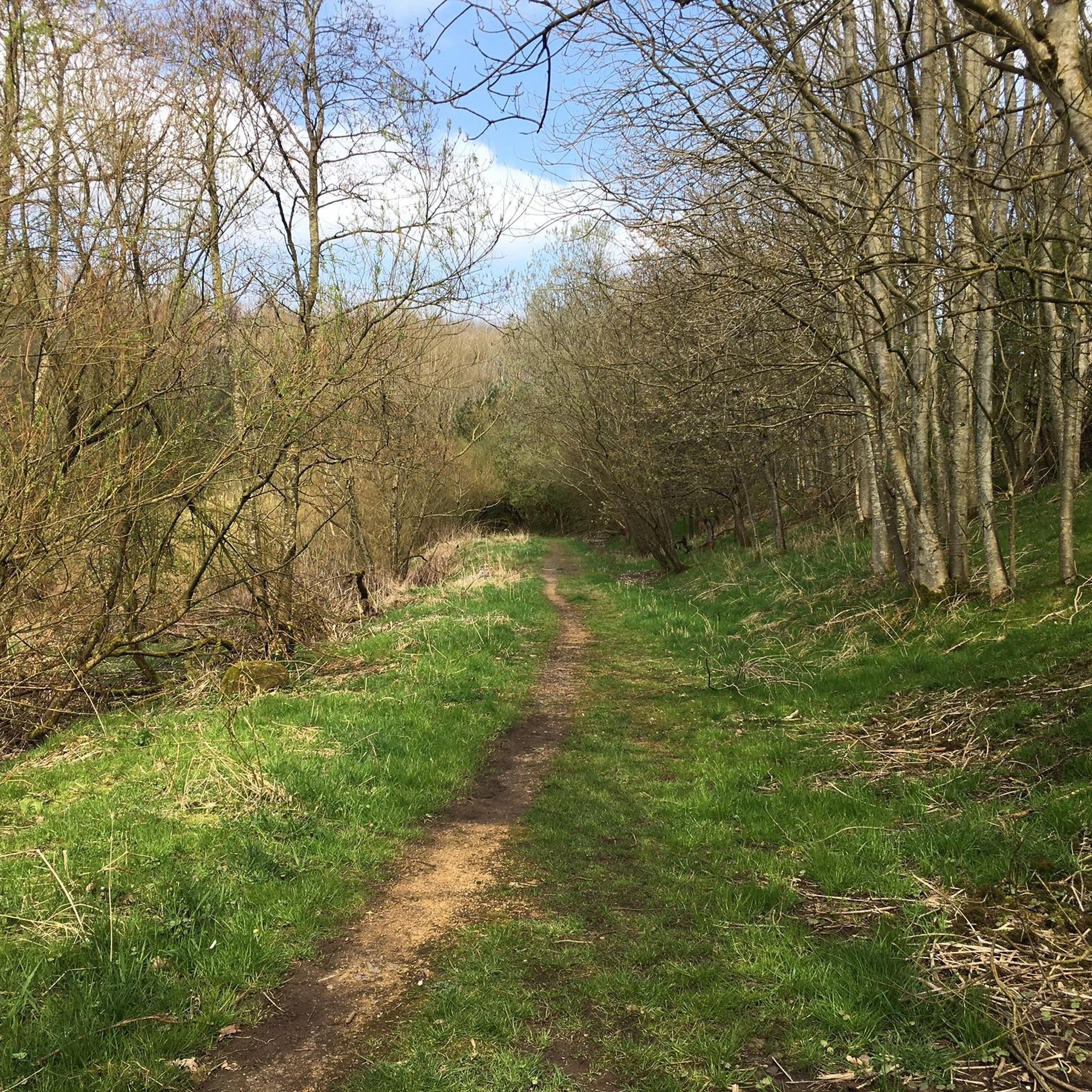
Tips from the Community

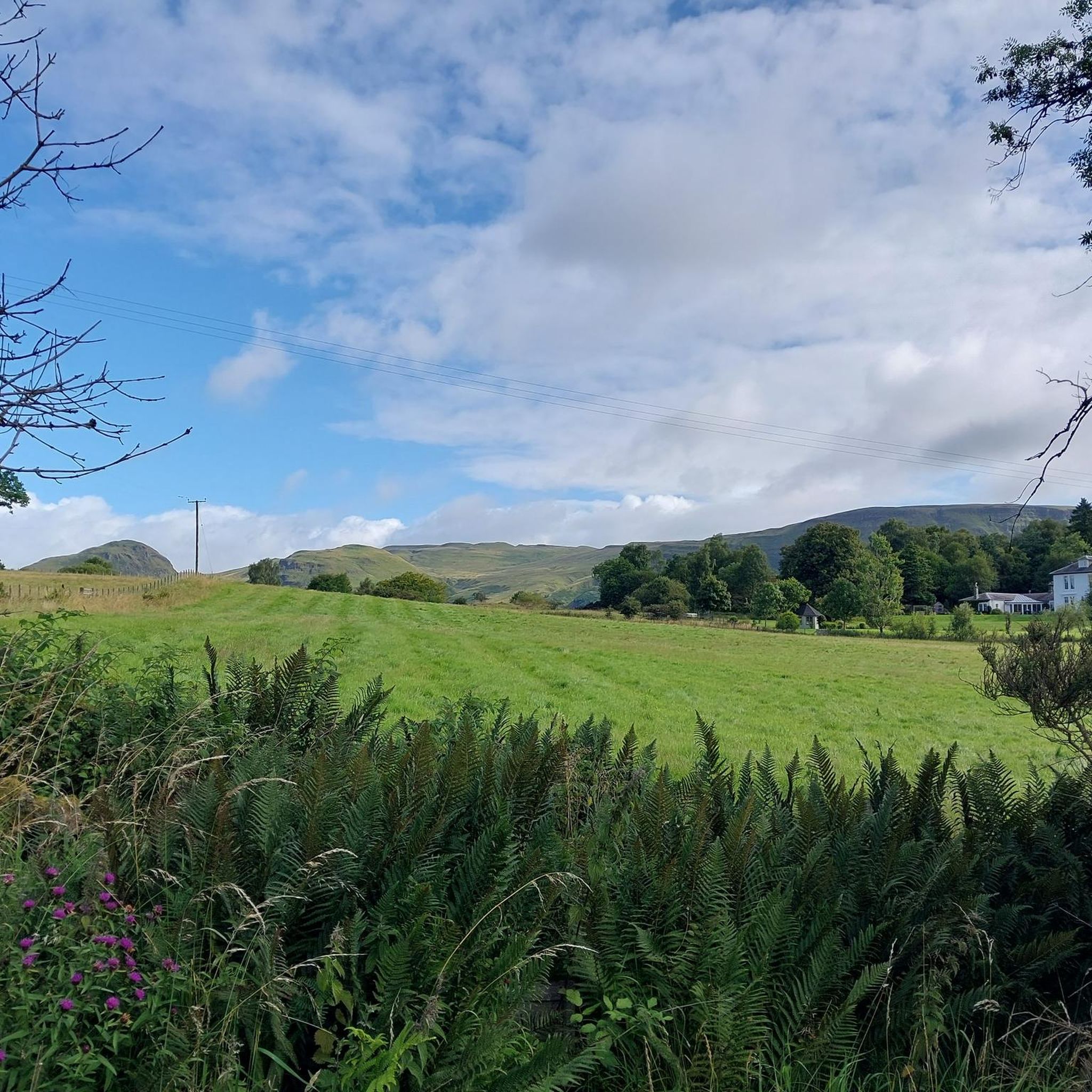
Solid starting stage of the West Highland Way. Every day heading north, it becomes more "typically Scottish".
0
0
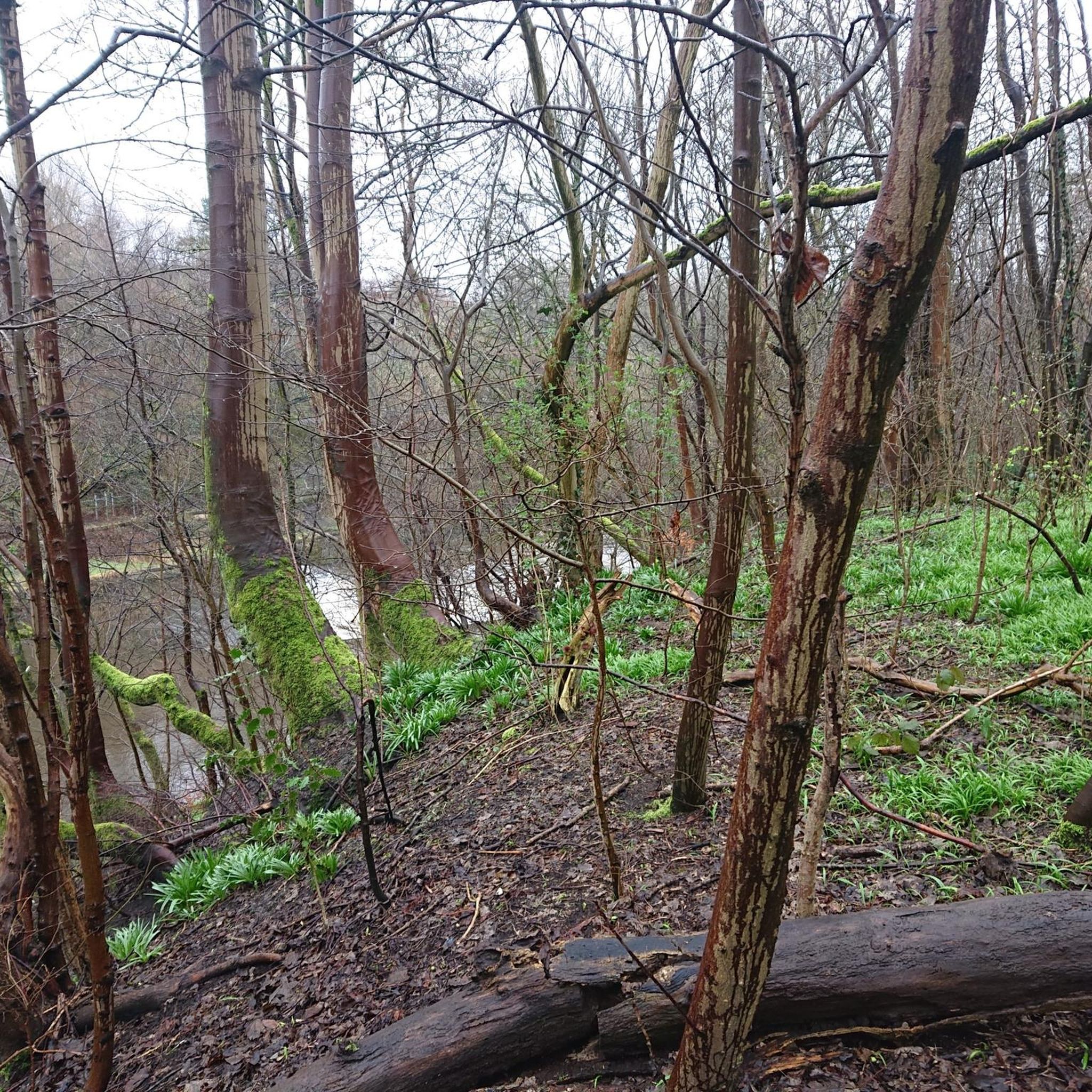
Above all, the path through Mugdock-Forest is worth it.
0
0

The original Castle on this site was built in the 13th century by the Graham family. The Grahams were a family on the rise and the family were made the Earls of Montrose in 1505. The most famous Graham resident of Mugdock Castle was James Graham (1612-1650) known as The Great Montrose. He was a poet and soldier who fought for the cause of King Charles I during the Wars of The Three Kingdoms (more commonly referred to as The English Civil Wars) and was marked as one of the greatest soldiers of the time. So great was his military fame that King Louis XIV offered him the role as Marshal of France. His success ultimately ran out in 1650 with the loss of The Battle of Carbisdale in Rosshire. Montrose was betrayed by a fellow Scotsman and was ultimately Hung, Drawn and Quartered for his part in the war. His campaigns were immortalised by Sir Walter Scott in his 1819 novel A Legend of Montrose.
0
0

The oldest of Glasgow's city parks, a short walk from the centre, Glasgow Green is a great place to spend a day outdoors, enjoy a picnic or go for a walk. Attractions include: • The People's Palace, a museum dedicated to the history of Glasgow's working class • The Nelson Monument, a 130-foot (40-metre) column dedicated to Admiral Lord Nelson • The McLennan Arch, a 19th-century archway • The St. Andrew's Suspension Bridge, connecting Glasgow Green to the south side of the River Clyde
0
0

Some of these sculptures stand here along the way.
6
0


The second largest area of parkland in Glasgow Linn Park is banked by White Car Water. There is a pretty footbridge and a waterfall. There is a golf course, equestrian centre, cemetery and a large area of parkland to explore.
0
0
Frequently Asked Questions
What natural features can I explore around Kelvindale?
The primary natural feature is the River Kelvin and the extensive Kelvin Walkway, which offers a 10 km route through wooded areas and under historic sandstone bridges. You can also visit the beautiful Linn Park Waterfall, which is part of Glasgow's second-largest parkland.
Are there family-friendly natural monuments in the Kelvindale area?
Yes, several natural monuments are suitable for families. Glasgow Green is a large urban park with facilities, often featuring an ice cream truck, and is enjoyed year-round. Mugdock Castle and its surrounding country park offer free entry and parking, making it an accessible historical site for all ages. The Linn Park Waterfall area also provides plenty of space for family exploration.
What kind of wildlife can be spotted along the River Kelvin?
Despite its urban setting, the River Kelvin corridor is a haven for wildlife. You might spot grey squirrels, magpies, grey herons, cormorants, and mallards. Kingfishers are also present, and efforts to improve water quality have led to the return of salmon, with brown trout always being present. Occasionally, roe deer and red foxes can also be seen.
What historical sites are integrated with the natural landscape near Kelvindale?
The area boasts several historical sites. Glasgow Green is a significant historical park. Mugdock Castle stands on a rocky promontory, historically protected by Mugdock Loch. Along the River Kelvin, you can find remnants of its industrial past, including old paper mills and weirs, as well as the historic Kelvin Aqueduct, which carries the Forth and Clyde Canal over the river. Additionally, Scholars Rocks features arrangements of stones that are old traces of settlement.
Are there hiking trails near the natural monuments around Kelvindale?
Yes, there are numerous hiking opportunities. The Kelvin Walkway itself is a popular route. For more structured hikes, you can explore routes like the 'Glasgow Botanic Gardens – Kelvin Aqueduct loop' or the 'Kelvin Aqueduct – Maryhill Locks loop'. You can find more details and route options in the Hiking around Kelvindale guide.
What cycling routes are available near Kelvindale's natural monuments?
Cyclists can enjoy a variety of routes, many of which incorporate the natural beauty of the area. Options include the 'Glasgow Green – Clyde Cycleway loop' and the 'Mugdock Castle – Mugdock Loch loop'. The 'Kelvin Aqueduct – Stockingfield Junction Bridge loop' is an easier option. Discover more routes in the Cycling around Kelvindale guide.
What do visitors enjoy most about the natural monuments around Kelvindale?
Visitors frequently appreciate the tranquil escape offered by the River Kelvin and Kelvin Walkway within the urban environment. The scenic pathways, diverse wildlife, and the blend of natural beauty with historical elements are often highlighted. Places like Glasgow Green are loved for their year-round appeal and convenience as starting/finishing points for activities.
Is there parking available for visiting natural monuments near Kelvindale?
Yes, for specific locations like Mugdock Castle and its country park, free parking is available. For other areas, especially along the Kelvin Walkway, parking may be available at various access points or nearby public car parks within Glasgow's West End.
What is the best time of year to visit the natural monuments in Kelvindale?
The natural monuments around Kelvindale, particularly the Kelvin Walkway and Glasgow Green, are appreciated year-round. Spring and summer offer lush greenery and more active wildlife, while autumn provides beautiful foliage. Even in winter, these areas offer a peaceful escape, though some paths might be less accessible depending on weather conditions.
Are there options for gravel biking near Kelvindale's natural areas?
Yes, the region offers challenging gravel biking routes that incorporate natural landscapes. Examples include the 'Craigallian Loch – Burncrooks Reservoir loop' and the 'River Kelvin – Craigallian Loch loop'. These routes often feature varied terrain. You can find more detailed information and routes in the Gravel biking around Kelvindale guide.
How accessible are the natural monuments around Kelvindale by public transport?
The Kelvin Walkway and other green spaces in Kelvindale are generally well-connected by Glasgow's public transport network, with numerous access points throughout the West End. This makes it convenient to reach these natural areas without a car.
Can I find cafes or pubs near the natural monuments for refreshments?
Yes, especially around popular spots like Glasgow Green, where you can find a bike shop and brewery nearby. The connectivity of the Kelvin Walkway to Glasgow's West End means there are many cafes, pubs, and other amenities within easy reach of various access points.
Most popular routes around Kelvindale
Most popular attractions around Kelvindale

Get inspired with the komoot mobile app


Explore more
Extend your search for the best caves by checking out these guides of the top ones around Kelvindale:
