Top 4 Natural Monuments around Luing
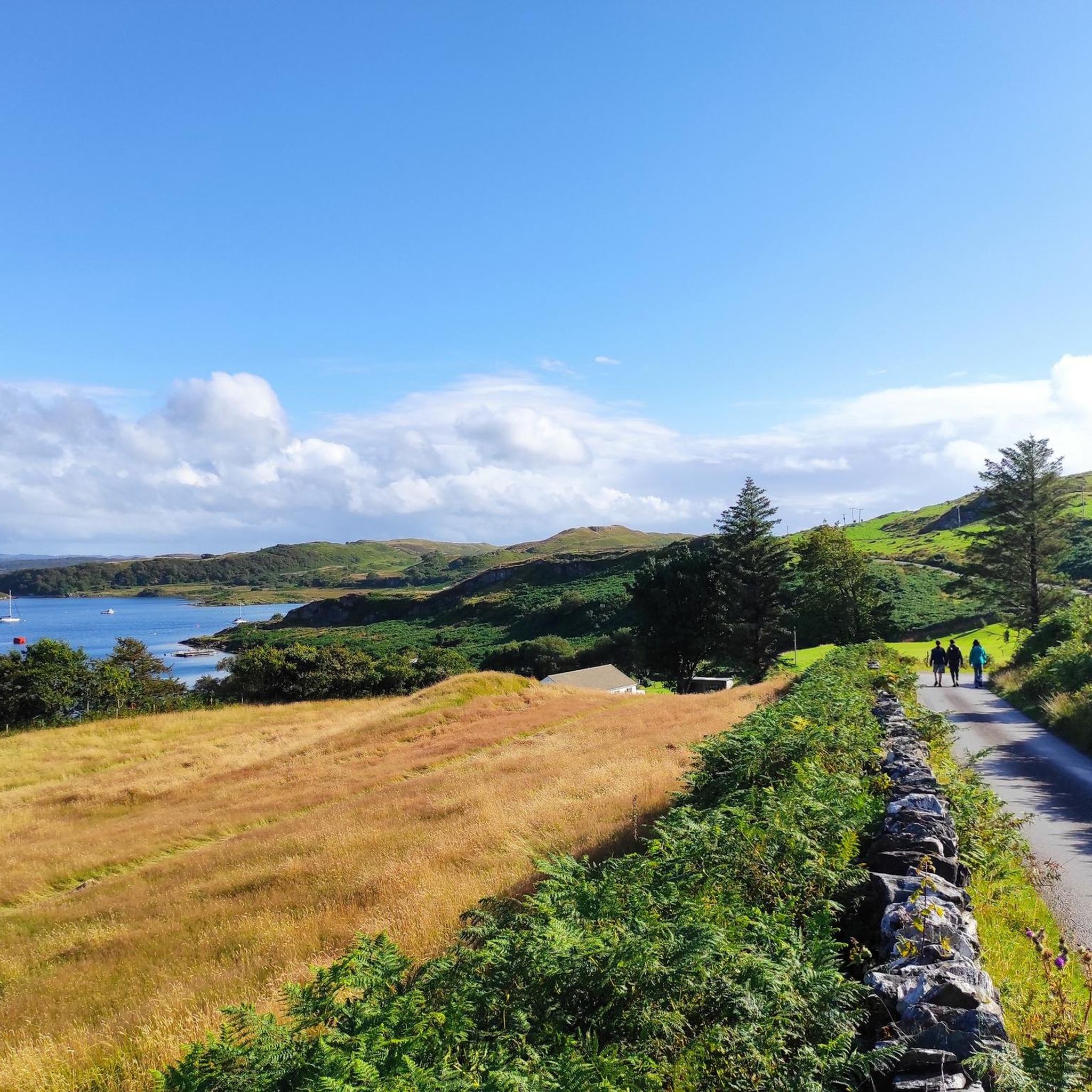
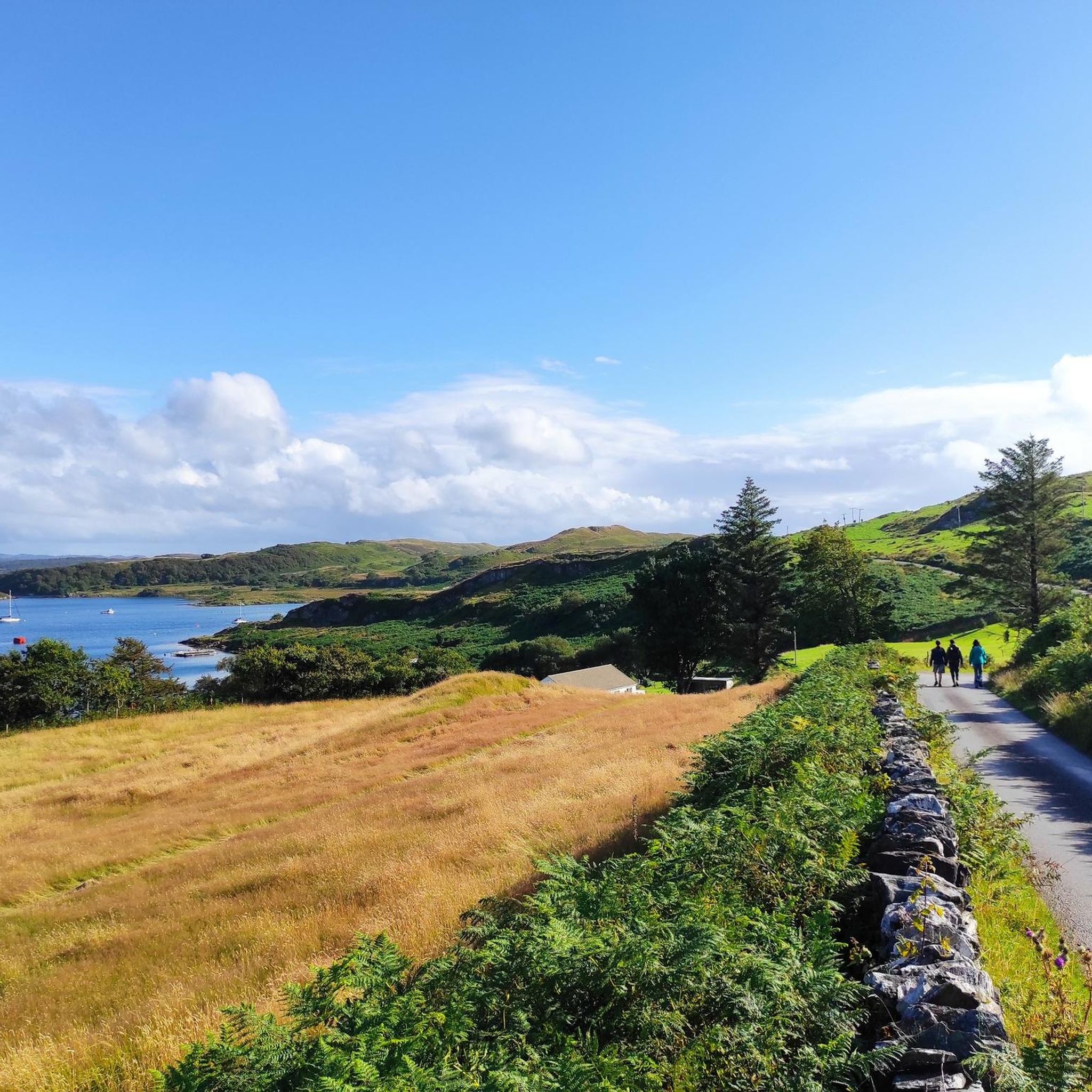
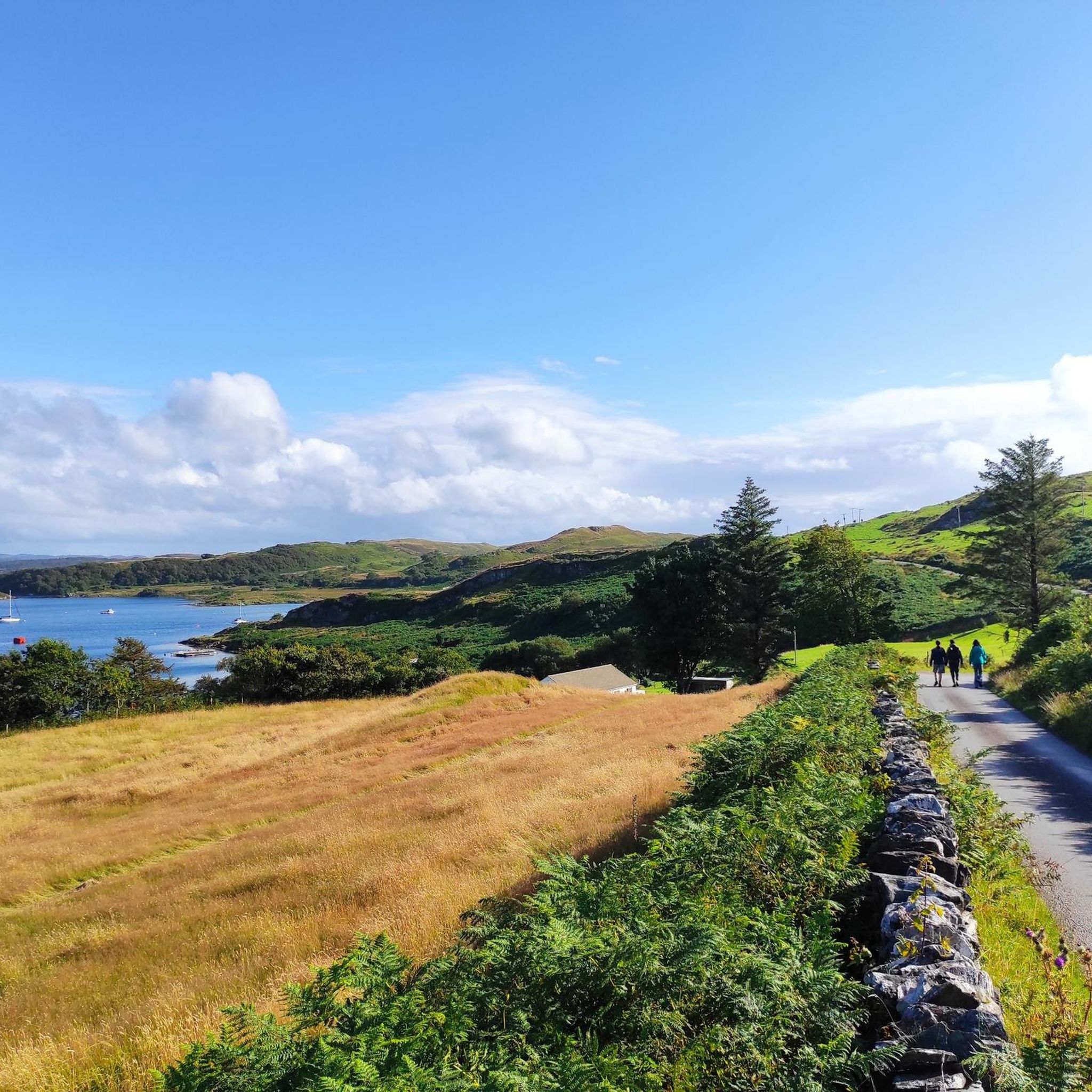
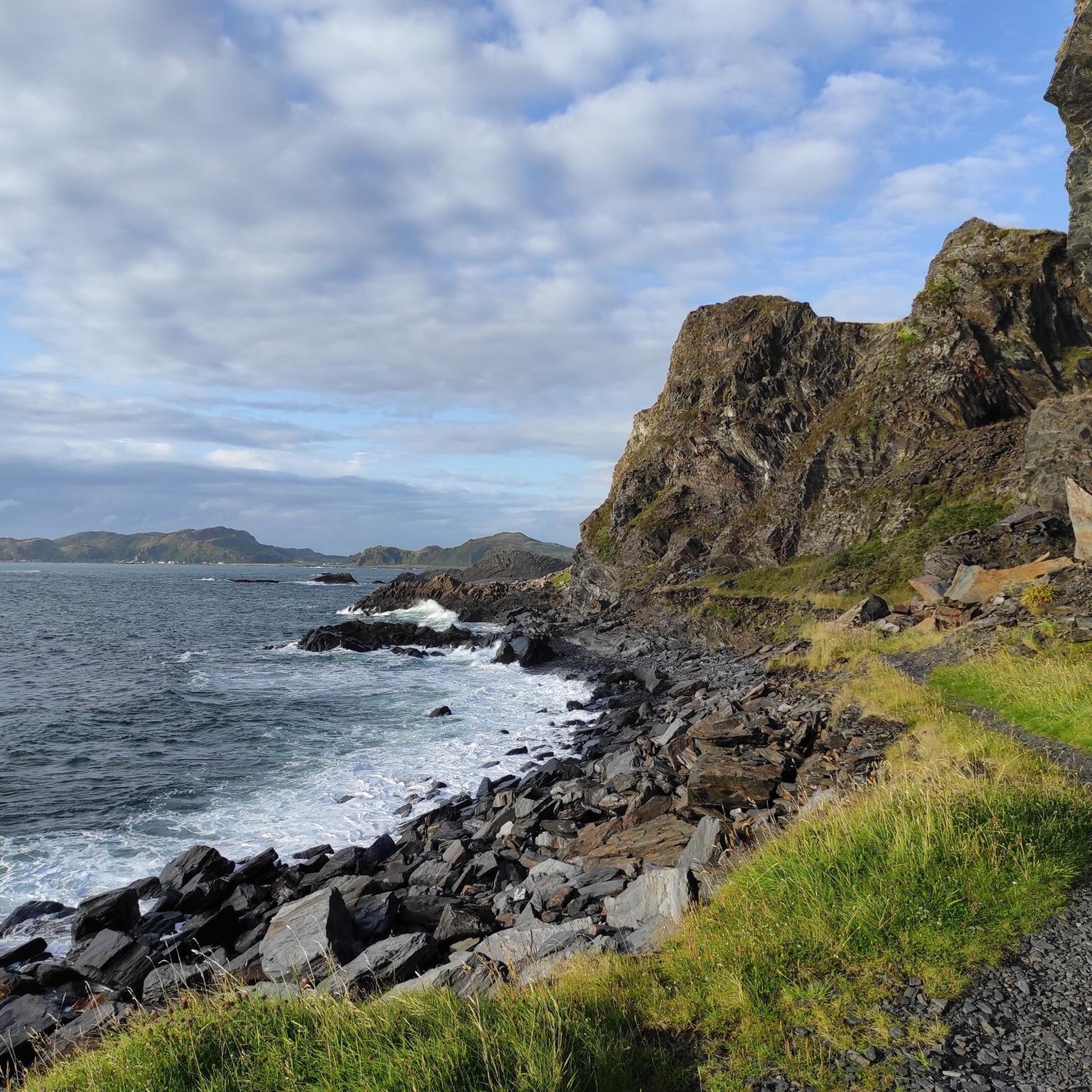
Best natural monuments around Luing showcase the island's unspoiled natural beauty and geological significance. The Isle of Luing, located in Argyll, Scotland, features a coastline characterized by dramatic rocky cliffs and secluded bays. Inland, rolling hills with heather and grasses offer panoramic viewpoints across the Inner Hebrides. The island's history as one of Scotland's "Slate Islands" is evident in its unique slate beaches and abandoned quarries, providing insight into its geological past.
Best natural monuments around Luing
- The most popular…
Last updated: October 31, 2026
Easdale Quarry Swimming Spot
Highlight • Lake
Tip by

Ormaig Cup and Ring Marked Stones
Highlight • Historical Site
Tip by

Sign up now to discover places like this
Get recommendations on the best single tracks, peaks, & plenty of other exciting outdoor places.
An Cala Garden
Highlight • Natural
Tip by

Hike to the Gulf of Corryvreckan
Highlight • Natural
Tip by

View of the Gulf of Corryvreckan
Highlight • Viewpoint
Tip by

Start today with a free account
Your next adventure awaits.
Tips from the Community


A gorgeous garden on the Isle of Seil, An Cala was established in 1930 and today boasts a pleasant mix of streams, waterfalls, ponds & various horticulture.
1
0

The cup and ring marked stones are a form of Neolithic art. These designs would have been carved into the rocks as far back as 5,000 years, offering a wonderful window into the past.
1
0


The Corryvreckan whirlpool is caused by a combination of a strong tidal current and underwater topography. A tall basalt pillar and deep underwater pit combine to create the third largest whirlpool in the world. You can see the maelstrom from the headland which is a good walk up the northeast coast.
0
1

hike final 2miles to the Corryvreckan after track runs out. take care as many deer means many ticks
0
0
Cycle from Craighouse, 20miles on tarmac, 5miles on gravelly track, then hike final 2miles to the Corryvreckan. Keep a look out for sea eagles! We saw one, very close overhead, joy.
1
0

This is an idea spot to stop and swim. The quarry here does not reach the sea and therefore Is free of jellyfish and tides.
1
0
Frequently Asked Questions
What unique natural features can I explore on the Isle of Luing?
The Isle of Luing offers a variety of compelling natural features. You can explore dramatic rocky cliffs and secluded bays along the coastline, rolling hills adorned with heather and grasses inland, and unique slate beaches. The island's geological history is evident in its abandoned slate quarries, particularly near Cullipool, where the blue-grey slate once 'roofed the world'.
Are there any historical natural monuments on Luing?
Yes, you can visit the Ormaig Cup and Ring Marked Stones. These are a form of Neolithic art, with designs carved into rocks as far back as 5,000 years ago, offering a fascinating glimpse into the past.
Where can I go for a swim in a natural setting on Luing?
The Easdale Quarry Swimming Spot provides a calm and peaceful location for swimming. This quarry does not reach the sea, so it is free of jellyfish and tides, making it an ideal spot.
Can I see the famous Corryvreckan whirlpool from Luing?
Yes, you can experience the Corryvreckan whirlpool. Consider the Hike to the Gulf of Corryvreckan, which leads to a viewpoint of this significant natural phenomenon. The Corryvreckan is the third largest whirlpool in the world, caused by strong tidal currents and underwater topography.
What kind of wildlife can I expect to see around Luing's natural monuments?
Luing is an excellent destination for wildlife watching. You might spot otters, especially near the ferry at South Cuan and in Blackmill Bay. Both Harbour and Common seals are frequently seen in the waters, and dolphins, whales, and porpoises are common in the Sound of Cuan. The island is also home to resident hares, various bird species like buzzards and peregrines, and even visiting eagles. Feral goats, red deer, fallow deer, and roe deer also graze wild.
Are there family-friendly natural monuments or attractions on Luing?
For families, the An Cala Garden on the Isle of Seil (easily accessible from Luing) is a beautiful option. Established in 1930, it features streams, waterfalls, ponds, and diverse horticulture. The Easdale Quarry Swimming Spot is also a calm and safe place for families to enjoy a swim.
What are the best walking trails to experience Luing's natural beauty?
Luing offers scenic trails across its rolling hills and along its dramatic coastline. For specific routes, you can explore options like the 'Cnoc Domhnuill & Cullipool' route for an easy walk, or the 'Ballachuan Hazelwood Wildlife Reserve & An Cala loop' for a moderate hike. Find more details and routes in the Hiking around Luing guide.
Is Luing known for any specific geological formations?
Yes, Luing is one of Scotland's 'Slate Islands,' and its geological history is prominent. You'll find unique slate beaches, particularly in Cullipool, and abandoned slate quarries that showcase the island's past as a major slate producer. The hard, altered basaltic rocks on the east side of Luing also represent ancient volcanic eruptions and geological deformation.
When is the best time of year to visit Luing for nature exploration and wildlife spotting?
The warmer months, from spring to early autumn, generally offer the best conditions for exploring Luing's natural beauty and spotting wildlife. Birdwatching is particularly rewarding during migration seasons, and marine wildlife like dolphins and whales are often seen during early morning or sunset in the Sound of Cuan.
Are there any viewpoints offering panoramic scenery of Luing and the surrounding islands?
Yes, the rolling hills across Luing provide numerous panoramic viewpoints. The area around the ruined Kilchattan Chapel, for instance, offers wonderful views across the southern end of Luing and out to the mountainous Isle of Scarba. Black Mill Bay also provides imposing views of Scarba and the unusual 'Cobblers of Lorn' rock formation to the north.
What outdoor activities, besides visiting natural monuments, can I do near Luing?
Beyond exploring natural monuments, Luing and its surroundings are excellent for various outdoor activities. You can find numerous hiking opportunities, from easy strolls to moderate trails. Road cycling and touring bicycle routes are also popular, with options ranging from moderate to difficult. For detailed routes, refer to the Hiking around Luing, Road Cycling Routes around Luing, and Cycling around Luing guides.
What do visitors enjoy most about the natural monuments around Luing?
Visitors particularly enjoy the tranquility and unspoiled scenery. The Easdale Quarry Swimming Spot is praised for being a peaceful place to swim, free of jellyfish and tides. The Ormaig Cup and Ring Marked Stones are appreciated for their impressive historical significance. The dramatic landscapes, rich wildlife, and unique geological formations also contribute to a memorable experience.
Most popular routes around Luing
Most popular attractions around Luing

Get inspired with the komoot mobile app


Explore more
Extend your search for the best caves by checking out these guides of the top ones around Luing:
