Top 10 Natural Monuments around Ferryden And Craig
Best natural monuments around Ferryden And Craig include a diverse range of coastal features and protected areas. This region in Scotland is characterized by its dramatic cliffs, expansive sandy beaches, and significant geological formations. Visitors can explore areas recognized for their botanical importance and ancient volcanic rocks. The landscape offers opportunities to observe varied natural habitats and coastal scenery.
Best natural monuments around Ferryden And Craig
- The most popular natural monuments is Castle Gate Sea Arch, a beach feature…
Last updated: July 28, 2026
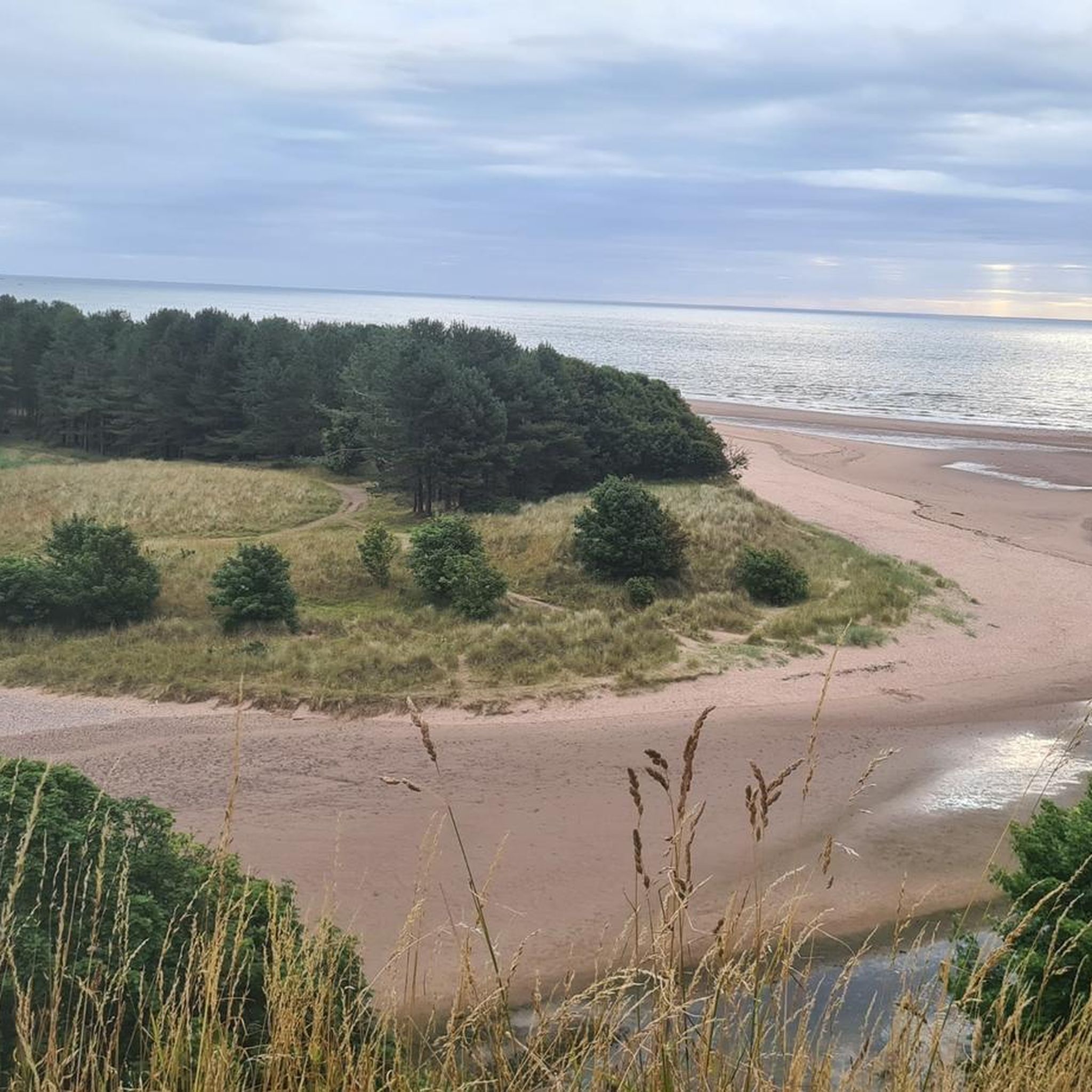
St Cyrus National Nature Reserve
Highlight • Natural Monument
Tip by

Light Cave
Highlight • Cave
Tip by

Sign up now to discover places like this
Get recommendations on the best single tracks, peaks, & plenty of other exciting outdoor places.
Sign up for free
St Cyrus Beach
Highlight • Beach
Tip by

Deil's Heid Cave
Highlight • Cave
Tip by

Woodston Burn Waterfall and Rocks
Highlight • Waterfall
Tip by
Sign up for free to discover even more natural monuments around Ferryden And Craig.
Sign up for free
Already have an account?
Start today with a free account
Your next adventure awaits.
Login or Signup
Tips from the Community

If you are looking for a coastal walk with stunning views, diverse wildlife and rich history, you might want to visit St Cyrus National Nature Reserve. This reserve is located on the north-east coast of Scotland, between the village of St Cyrus and the North Sea. It has a warm and sunny microclimate, thanks to the shelter provided by the inland cliffs and the sand dunes. You can enjoy the sight of colourful wildflowers, rare butterflies, lizards and birds, as well as explore the remains of an old lifeboat station and a salmon fishing station. The reserve is open all year round and has a visitor centre, toilets and parking facilities
0
0
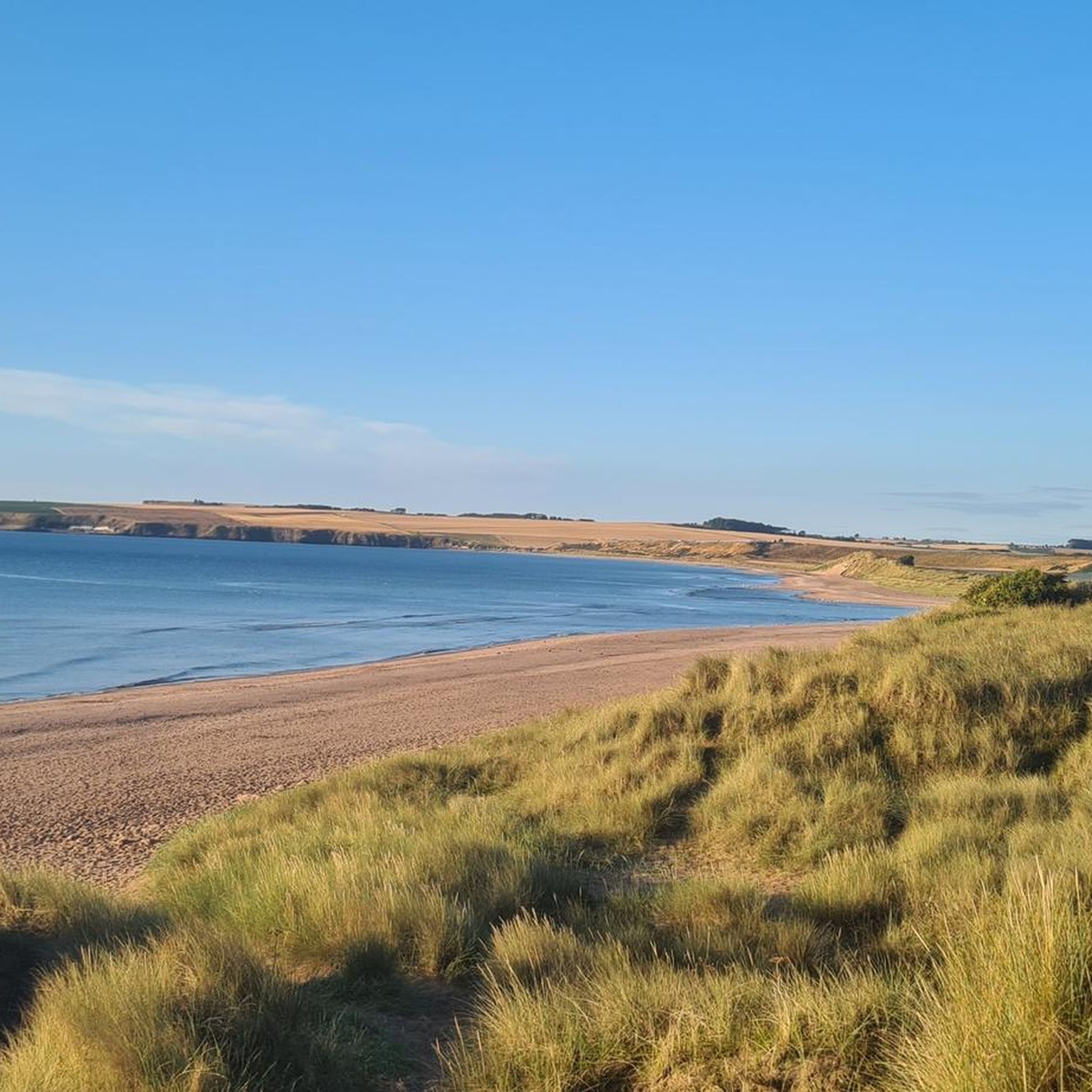
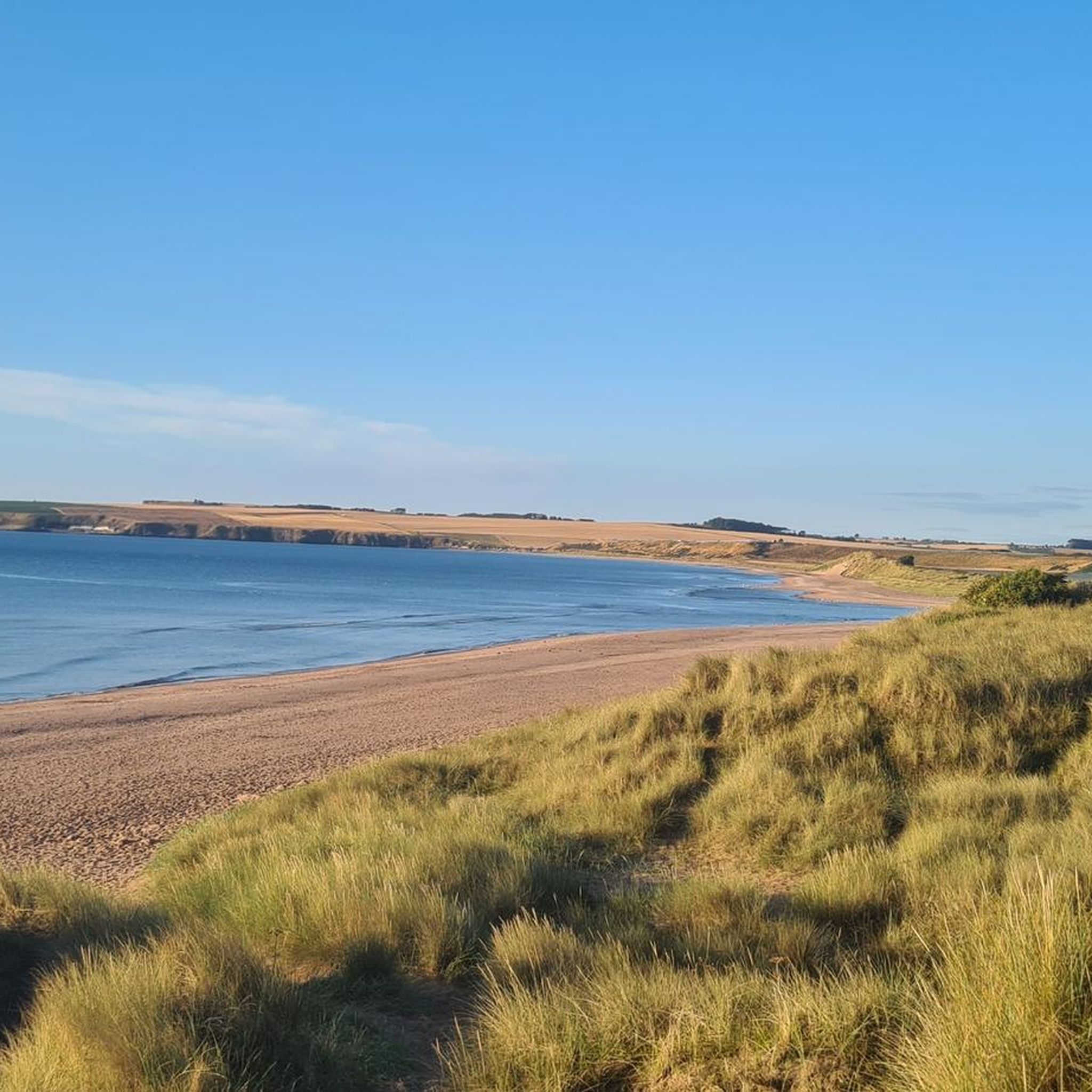
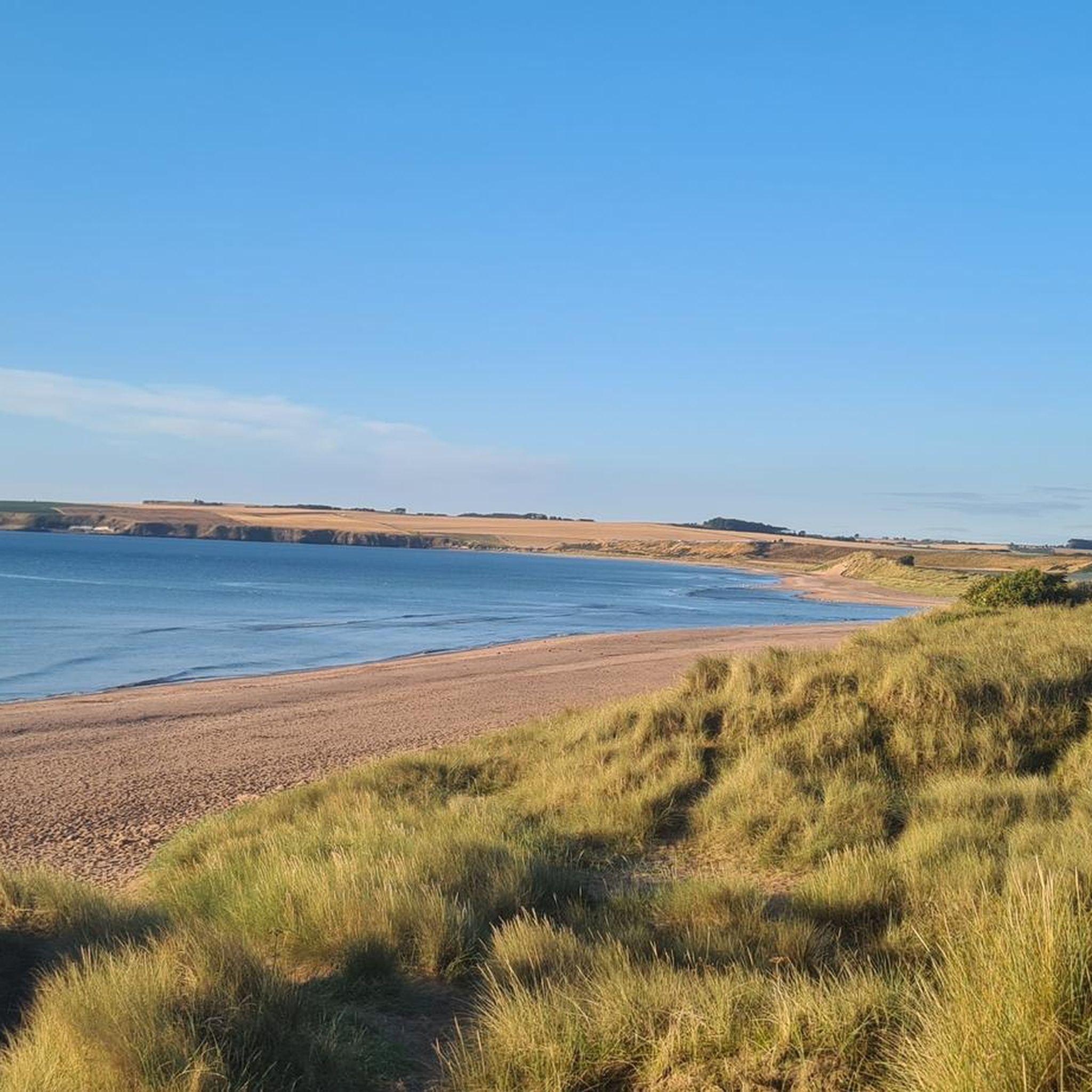
St Cyrus beach is a sandy beach located on the eastern coast of Scotland, between Aberdeen and Dundee. It is part of the St Cyrus National Nature Reserve, which is home to many birds and butterflies. The beach is accessible from the cliff path or from the visitor centre, where you can find parking and toilets. St Cyrus beach is a great place to enjoy nature and relax.
1
0
If you're looking for a scenic and adventurous day out, why not visit the Woodston Burn waterfall at St Cyrus beach? This hidden gem is tucked away at the northern end of the beach, where you can also see the ruins of the 15th century Kaim of Mathers Castle. To reach the waterfall, you'll need to scramble over some foreshore rocks, so make sure you wear sturdy shoes and check the tide times before you go. The waterfall is a spectacular sight, especially after heavy rain, and you might even spot some wildlife along the way. You can also explore the old cottage near the waterfall, which was once used by salmon fishermen. For more information about this area, you can visit the St Cyrus Nature Reserve Visitor Centre, where you'll learn about the rich history and biodiversity of this coastal landscape. So don't miss this opportunity to discover one of Scotland's best-kept secrets, and enjoy a walk with a difference at the Woodston Burn waterfall.
0
0

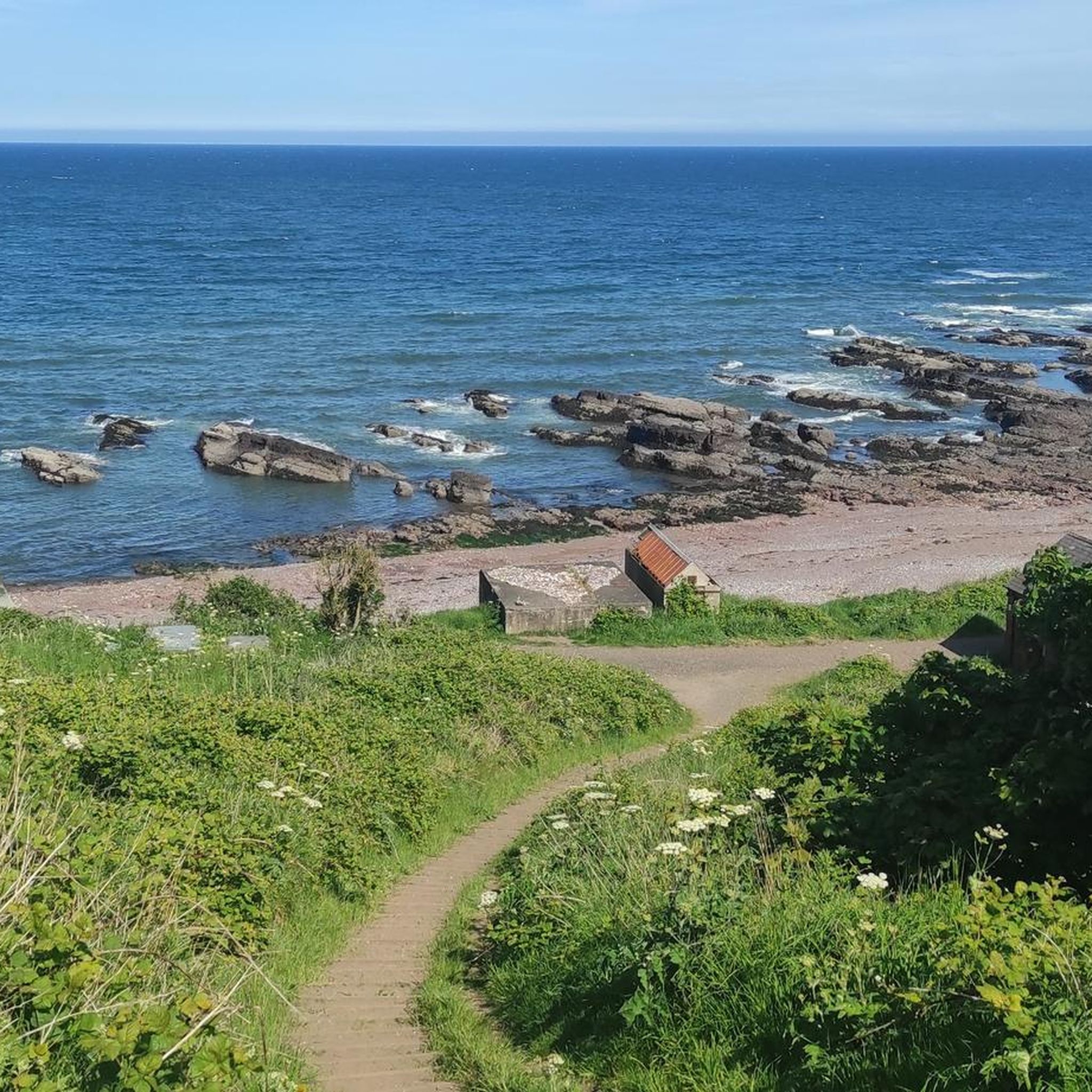
One of the caves marked on the Arbroath Cliff Trail, Light cave is easy to access along the rocks at low tide. You can walk through to the other side to another beach, and return either the same way or via Dark Cave, just further up the beach. You won't need a head torch for this one but watch your head!
0
0

The Light Cave is located just right of the Dark Cave. It also takes you to the beach „on the other side“. It is not accessible if the tide is high.
1
0

Fabulous nature reserve. There’s a waterfall at the northern end accessible at low tide.
0
0

The sand bank and dunes at the seaward side and small cliffs inland create a pocket of warmer and protected habitat. St Cyrus National Nature Reserve is an area of maritime grassland, gorse and sand dune on the east coast of Scotland. It's rich in wildflowers and a haven for insects. There are meadow pipits, stonechat and skylarks as well as a host of sea birds and waders. Native cattle graze between April & October keeping the gorse down and adding manure to the area.
1
0
Frequently Asked Questions
What are some unique geological features to explore around Ferryden And Craig?
The region offers fascinating geological formations. You can visit the Castle Gate Sea Arch, which is easily accessible from the beach at low tide, allowing you to walk through to an adjoining beach. Near Scurdie Ness Lighthouse, you can find the Ferryden Lavas, identified as some of Scotland's oldest volcanic rocks, offering a glimpse into the area's ancient geological past. Additionally, the Light Cave provides an interesting coastal exploration, leading to another beach at low tide.
Where can I experience diverse plant and wildlife in the Ferryden And Craig region?
The primary location for diverse plant and wildlife is the St Cyrus National Nature Reserve. This significant botanical site boasts over 300 plant species and provides crucial habitats for various insects and flowering plants. The reserve's cliffs and dunes create a unique environment. The adjacent St Cyrus Beach is also known as a habitat for birds and butterflies.
Are there family-friendly natural monuments around Ferryden And Craig?
Yes, both St Cyrus National Nature Reserve and St Cyrus Beach are considered family-friendly. St Cyrus Beach offers a wide sandy area for relaxation and play, while the nature reserve provides opportunities for gentle walks and wildlife spotting, with a visitor centre to learn more about the local environment.
What kind of coastal scenery can I expect when visiting natural monuments here?
The natural monuments around Ferryden And Craig are characterized by dramatic coastal scenery. You'll find spectacular cliffs, expansive sandy beaches like St Cyrus Beach, and unique dune systems within the St Cyrus National Nature Reserve. Sea arches, such as the Castle Gate Sea Arch, and coastal caves also add to the rugged beauty of the coastline.
Are there any waterfalls to visit near the natural monuments?
Yes, you can discover the Woodston Burn Waterfall at the northern end of St Cyrus Beach. This hidden gem requires scrambling over some foreshore rocks to reach, so sturdy shoes and checking tide times are recommended. It's particularly spectacular after heavy rain and is located near the ruins of the 15th-century Kaim of Mathers Castle.
What outdoor activities can I do near these natural monuments?
The area offers various outdoor activities. You can explore cycling routes like the 'Scurdie Ness Lighthouse & the Montrose Basin loop' or the 'St Cyrus Beach loop'. For hikers, there are easy trails such as the 'Montrose Basin Bird Hides loop' and the 'Scurdie Ness Lighthouse loop'. Mountain biking trails are also available. You can find more details on these activities in the cycling guide, easy hikes guide, and MTB trails guide for Ferryden And Craig.
Are there hiking trails near the natural monuments in Ferryden And Craig?
Yes, there are several hiking trails. For easy walks, consider routes like the 'Montrose Basin Bird Hides loop' or the 'Scurdie Ness Lighthouse loop from Montrose'. These trails allow you to experience the coastal and natural beauty of the area. More information on these and other hiking options can be found in the easy hikes guide around Ferryden And Craig.
What do visitors enjoy most about the natural monuments in Ferryden And Craig?
Visitors frequently appreciate the diverse landscapes, from the dramatic cliffs and dunes of St Cyrus National Nature Reserve to the expansive sandy shores of St Cyrus Beach. The unique geological formations, such as the Castle Gate Sea Arch and the ancient Ferryden Lavas, also draw significant interest. The opportunity for wildlife observation and coastal walks is a major highlight for many.
Is there a visitor center available at any of the natural monuments?
Yes, the St Cyrus National Nature Reserve has a visitor centre located in the old lifeboat station. Here, you can learn more about the local bird and plant life, enhancing your understanding and appreciation of the reserve's biodiversity.
Can I access the natural monuments by public transport?
While specific public transport routes directly to each monument may vary, the St Cyrus National Nature Reserve and St Cyrus Beach are generally accessible. For detailed public transport information to the wider Ferryden And Craig area, it's advisable to check local bus schedules or transport websites for routes connecting to Montrose or St Cyrus village.
Are there any specific tips for visiting the Woodston Burn Waterfall?
When planning to visit the Woodston Burn Waterfall, located at the northern end of St Cyrus Beach, it's crucial to wear sturdy shoes as you'll need to scramble over foreshore rocks. Always check the tide times before you go, as access can be limited at high tide. The waterfall is particularly impressive after heavy rain.
What is the best time to visit the natural monuments in Ferryden And Craig?
The best time to visit depends on your interests. For botanical enthusiasts, spring and summer offer the most vibrant display of the over 300 plant species at St Cyrus National Nature Reserve. Wildlife observation, including birds and butterflies, is also excellent during these warmer months. Coastal walks and exploring geological features like the Ferryden Lavas can be enjoyed year-round, though checking weather and tide conditions is always recommended.
Most popular routes around Ferryden And Craig
Most popular attractions around Ferryden And Craig

Get inspired with the komoot mobile app


Explore more
Extend your search for the best caves by checking out these guides of the top ones around Ferryden And Craig:
