Top 19 Natural Monuments in Rohrbrunner Forst
Best natural monuments in Rohrbrunner Forst are found within this vast forest area in the Bavarian Spessart, which forms part of Germany's largest continuous forest. The region is characterized by its expansive mixed forests and diverse natural features. Visitors can explore a landscape known for its rare plant species and extensive meadows. The area offers opportunities to experience protected nature and significant elevations.
Best natural monuments in Rohrbrunner Forst
- The most popular natural monuments is Geiersberg Summit, a summit…
Last updated: October 4, 2026
Geiersberg Summit
Highlight • Summit
Translated by Google •
Tip by

Eichhall Natural Forest Reserve
Highlight • Forest
Translated by Google •
Tip by

Sign up now to discover places like this
Get recommendations on the best single tracks, peaks, & plenty of other exciting outdoor places.
Ju 88 G-1 Memorial at Geierskopf
Highlight • Monument
A German fighter aircraft dropped off at Rohrbrunn in the Karlsbuch forest department.
Translated by Google •
Tip by

Rohrbrunner Forest
Highlight • Forest
Translated by Google •
Tip by
Steinbach Valley
Highlight • Gorge
Translated by Google •
Tip by

Sign up for free to discover even more natural monuments in Rohrbrunner Forst.
Already have an account?
Start today with a free account
Your next adventure awaits.
Tips from the Community

Here the forest is allowed to be a forest again
2
0


Here the forest is left to itself and can develop without human intervention. 😊
4
0

Good opportunity to put your feet in the ice-cold spring water. The meadow in front of it invites you to linger.
1
0

ECOLOGICAL FEATURES In terms of the variety of animal and fungal species, the Hochspessart with its oaks that are up to 400 years old and its old copper beech forests is a treasure trove of biodiversity in Bavaria. Six species of woodpecker, including the otherwise rare middle spotted woodpecker, are found here. The name "Spechtshaart", also commonly used for the area, refers to this fact. The woodpeckers also ensure that other cavity-nesting birds find sufficient breeding space in the forests. This includes the collared flycatcher, which is one of the last migratory birds to return to us from southern Africa. Even swifts find their breeding space in the caves of the old oaks. As the name suggests, this bird usually nests high up on buildings. The hermit beetle, also known as the musk beetle, prefers an exclusive habitat. The larvae develop in large trunk cavities and feed on fungal wood material there. To date, over 300 wood-dwelling beetle species have been identified in Eichhall, including several so-called "primeval forest relic species". (Extract from the Bavarian State Forests flyer "Natural Forest Reserve Eichhall")
1
0
EUROPEAN NATURAL HERITAGE The Eichhall natural forest reserve is located in the middle of the Spessart in the district of Aschaffenburg. The reserve is part of the FFH area (Flora-Fauna-Habitat) Hochspessart and the European bird sanctuary Spessart. It is located in the state forest and is managed by the Rothenbuch forestry company of the Bavarian State Forests. The 67-hectare area is part of the "Heisterblock", famous for its oak trees, and was designated a natural forest reserve in 2003. LOCATION Around 250 million years ago, very sandy rock materials, sometimes several hundred meters thick, were deposited, which were baked into red sandstone by strong pressure. Due to faults in the earth's crust and erosion, these rock layers came back to the surface and form the bedrock of the Spessart. Layered sandy soils, which are mostly low in nutrients, have developed on this geological subsoil. FOREST COMMUNITY The beech tree naturally dominates the Spessart. Under the dense, dark canopy of oak and beech leaves, there is only a very sparse ground flora with white woodrush and quaking sedge. Mosses such as maidenhair moss form small carpets. This type of forest, which is poor in vegetation, is known as a “woodrush beech forest”. The oak tree has been promoted and cared for by people in the Spessart for centuries.
1
0
NATURAL FOREST RESERVE – What is it? Natural forest reserves are forests that are largely in a natural state. Natural forest development takes place here undisturbed. Over time, “primeval” forests with strong trees and lots of dead wood emerge. In Bavaria there are 159 natural forest reserves with an area of more than 7,000 hectares. For the Bavarian Forestry Administration, they are a kind of open-air laboratory. Here, scientists collect data on the natural forest and its development, as well as on the species-rich flora and fauna. The data provides valuable insights for foresters and forest owners on how they can manage their forests in a natural way. Especially in times of climate change, these tips are important so that healthy and stable forests can continue to grow in Bavaria in the future. For more information, visit: www.naturwaldreservate.de
2
0

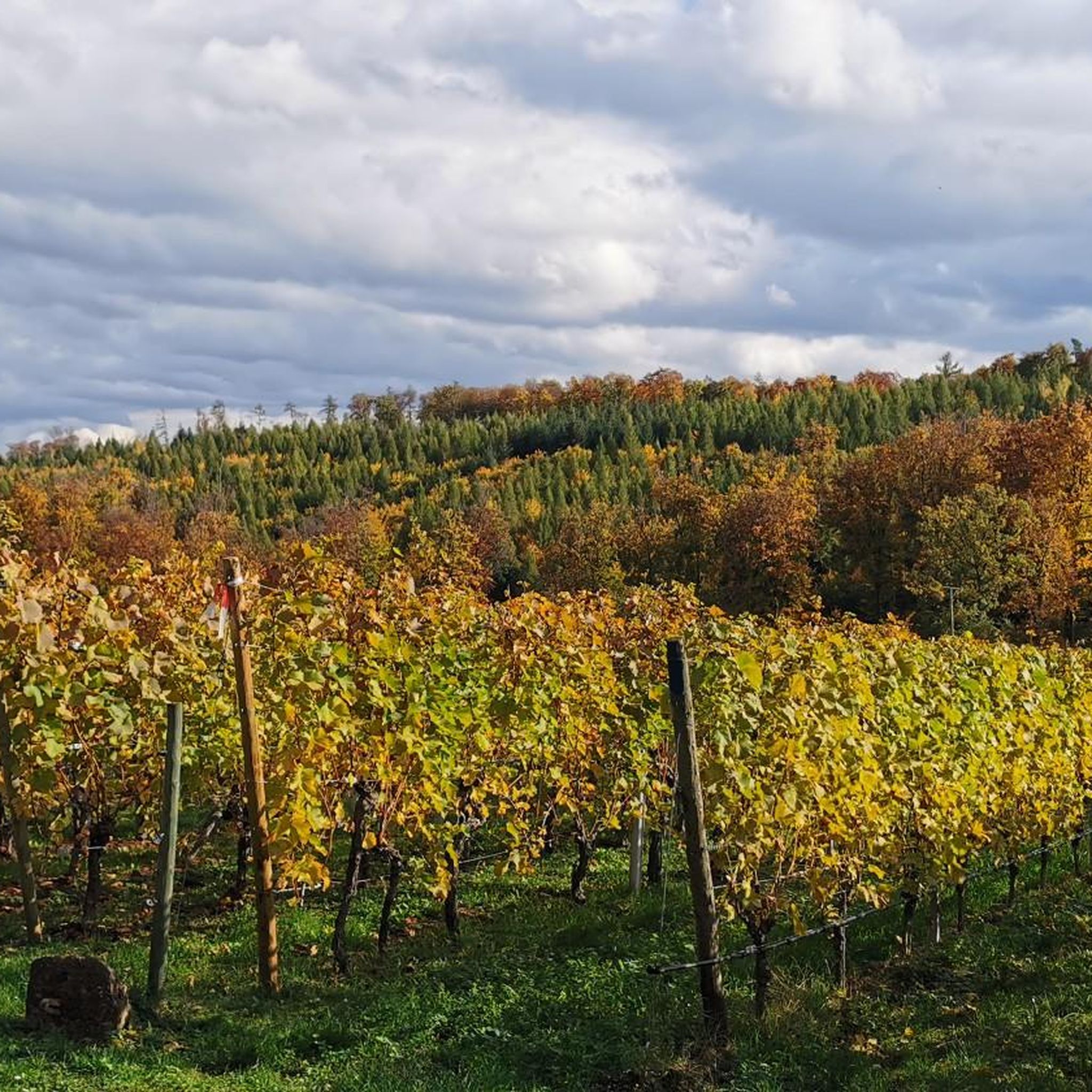
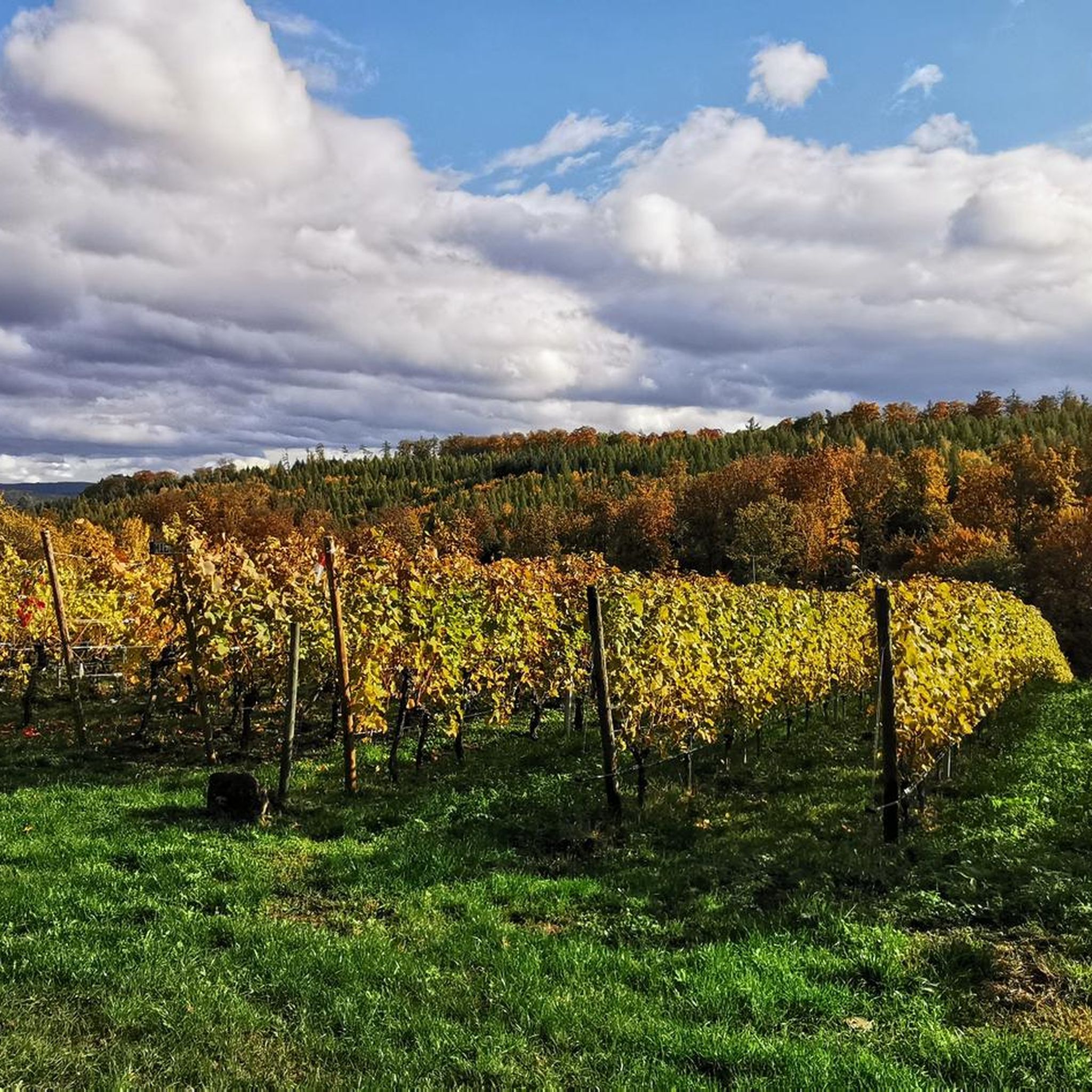
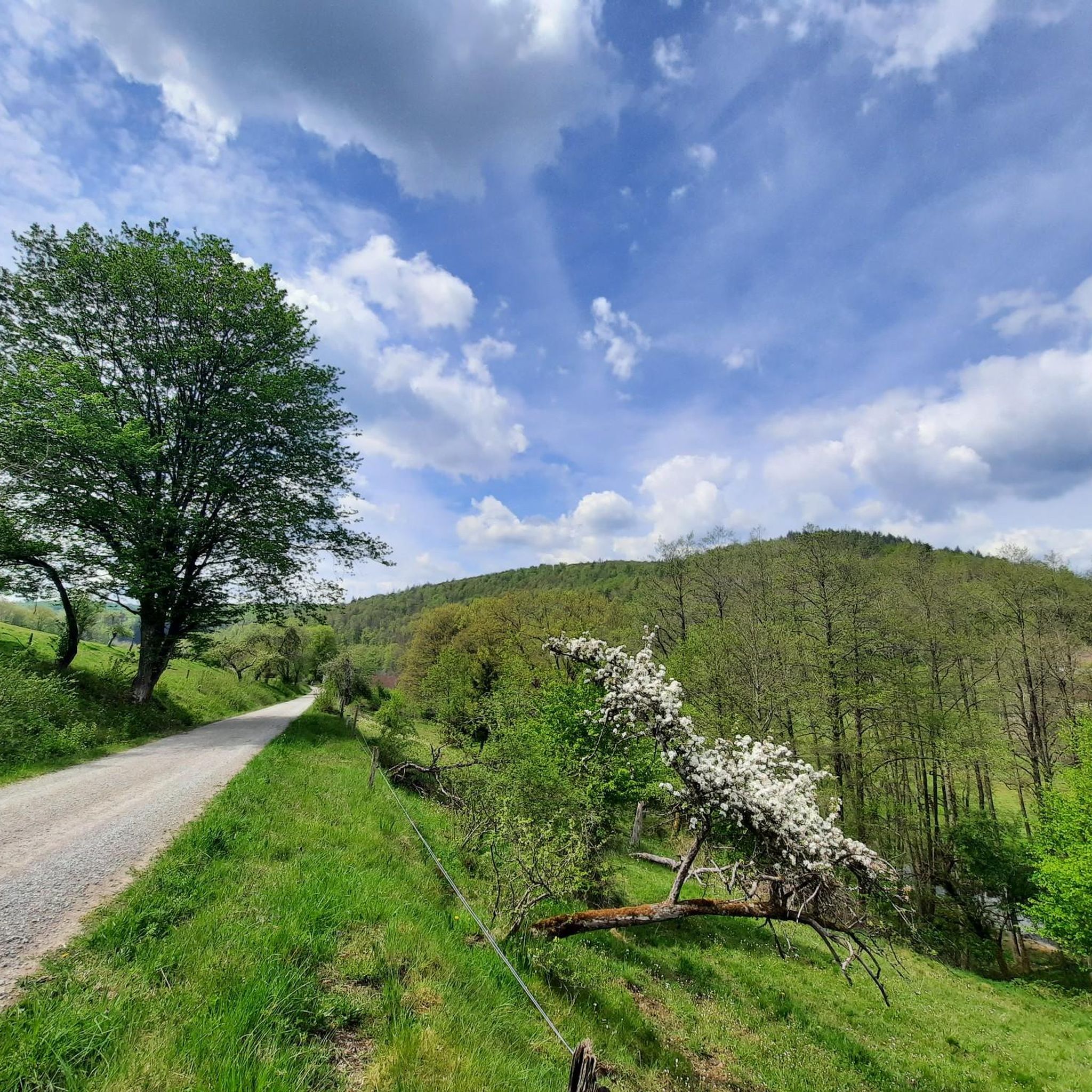
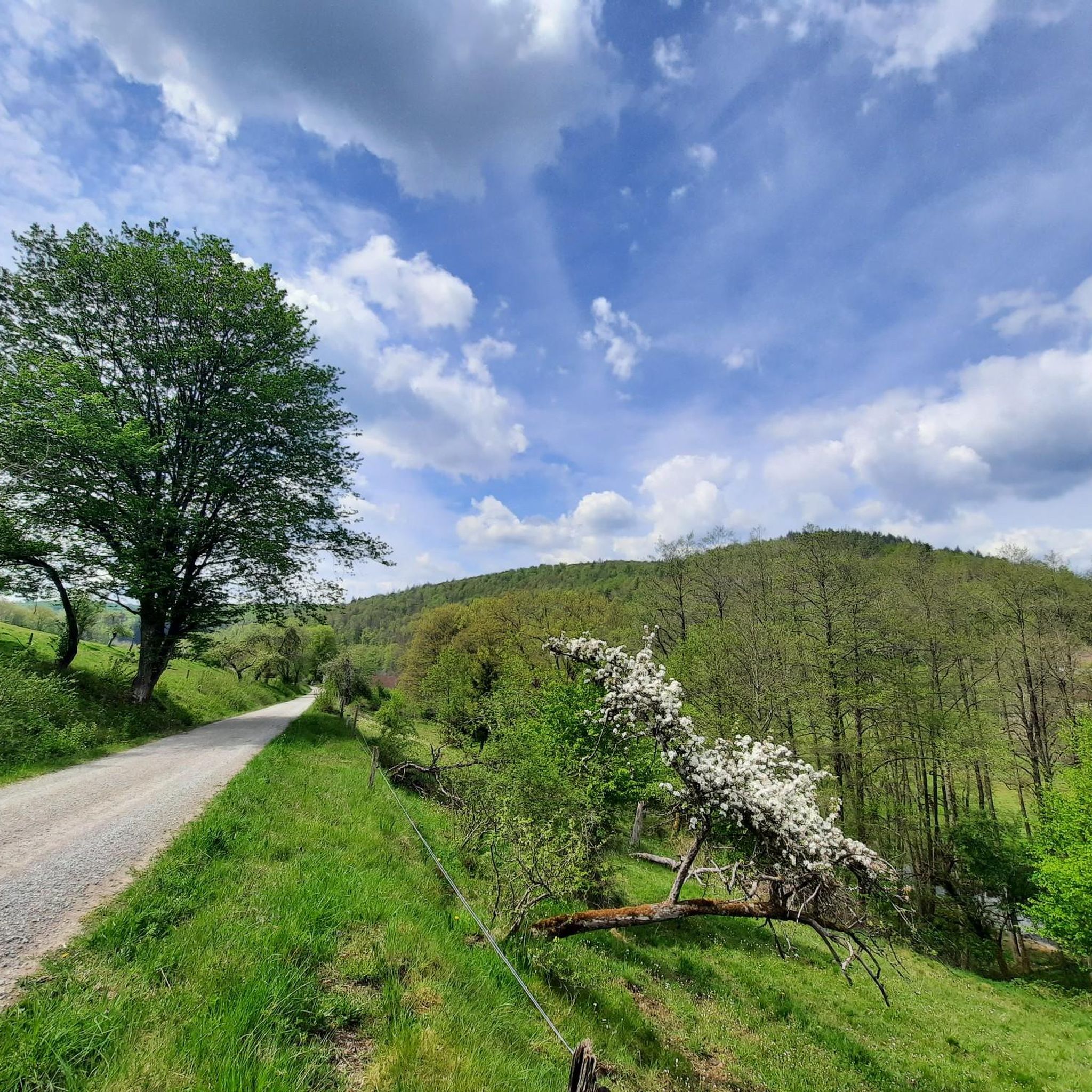
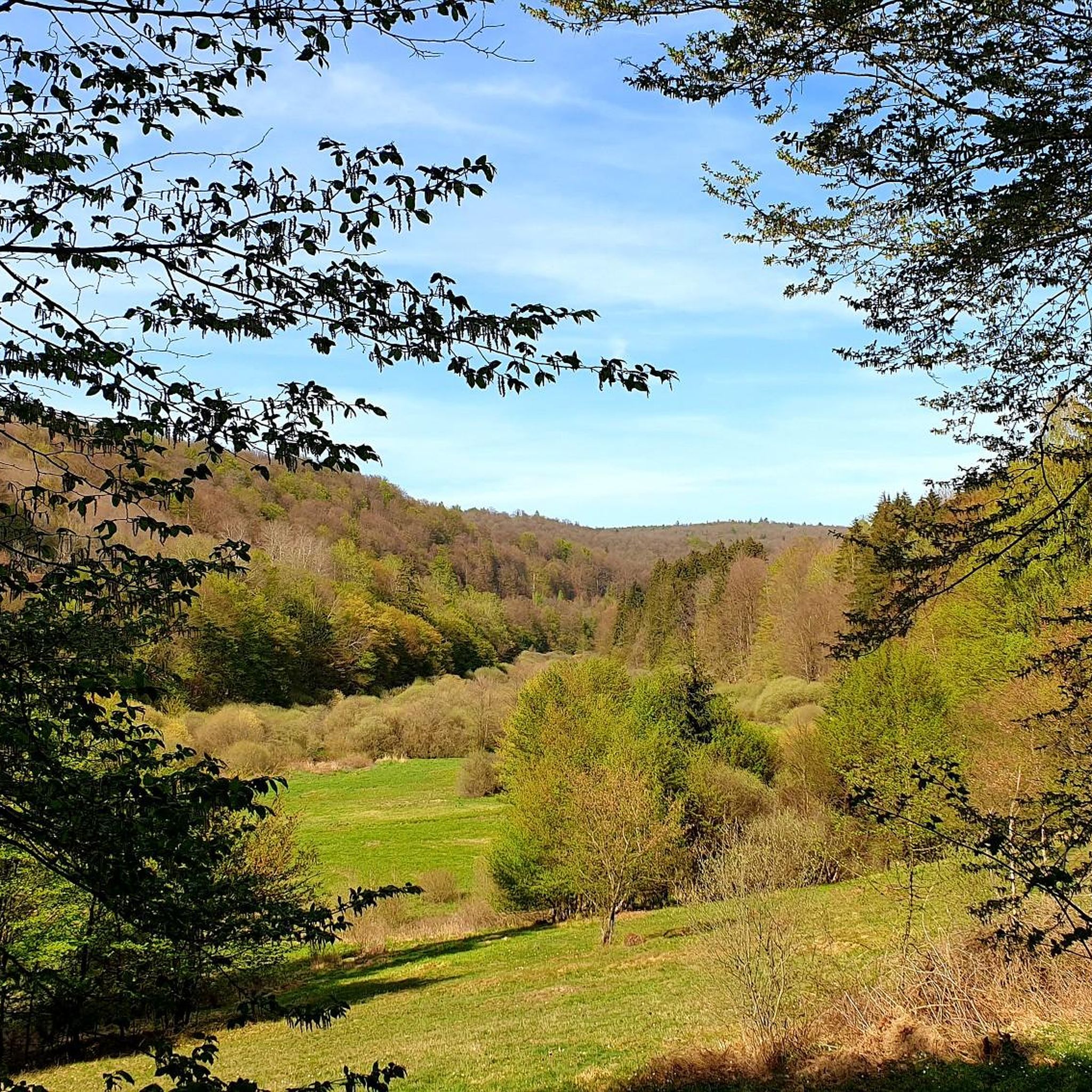
Forest and meadow meadows of Hafenlohr and Steinbach alternate here. This brings with it an equally varied low mountain range landscape and thus also opportunities for hiking tours.
5
0
Frequently Asked Questions
What unique natural features can I explore in Rohrbrunner Forst?
Beyond the well-known summits and valleys, Rohrbrunner Forst is home to the Bohlensteg am Hafenlohrbach, a unique boardwalk that allows visitors to traverse the sensitive ecosystem of the Hafenlohrtal without disturbance. This area is rich in biodiversity, including rare dragonflies, butterflies, and botanical treasures like marsh lousewort. The region also boasts expansive mixed forests, part of Germany's largest continuous forest area, and meadows with fruit trees.
Are there any historical sites or memorials within the natural monuments of Rohrbrunner Forst?
Yes, while primarily known for its natural beauty, you can find the Ju 88 G-1 Memorial at Geierskopf. This site commemorates a historical event, serving as a reminder of a past misfortune within the forest landscape.
Which natural monuments are suitable for families with children?
Several natural monuments in Rohrbrunner Forst are family-friendly. The Hafenlohr Valley and Steinbach Valley offer scenic and accessible paths. Additionally, the area around the Ancient Oaks of Rohrberg provides an engaging environment for children to explore impressive old trees.
What kind of flora and fauna can I expect to see in Rohrbrunner Forst?
Rohrbrunner Forst is celebrated for its rich biodiversity. The Hafenlohrtal, in particular, is a designated nature reserve known for its extensive meadows and diverse species, including various dragonfly and butterfly species, some of which are endangered. You can also find unique botanical treasures like the large stock of marsh lousewort. The expansive mixed forests themselves are home to a variety of plant and animal life typical of the Spessart region.
What are the highest points in Rohrbrunner Forst and what do they offer?
The Rohrbrunner Forst contains the three highest peaks of the Spessart: the Geiersberg Summit (586 m), the Lärchhöhe (573 m), and the Hohe Warte (573 m). The Geiersberg, the highest, features a summit cross and summit book, offering a significant point for hikers. These elevations provide opportunities for challenging hikes and panoramic views of the surrounding forest landscape.
Are there hiking trails near the natural monuments in Rohrbrunner Forst?
Yes, Rohrbrunner Forst offers numerous hiking opportunities. You can find easy hikes that take you past features like the Ox Head Tree and the Hafenlohr Valley. For more options, explore the Easy hikes in Rohrbrunner Forst guide, which includes routes like the 'Hafenlohr Valley – Ox Head Tree loop'.
Can I go running or cycling near the natural monuments?
Absolutely. The region provides various routes for different activities. For running, you can find moderate trails such as the 'Mespelbrunn Castle – Echterspfahl loop'. If you're into gravel biking, there are challenging routes like the 'Hafenlohrtal Valley – Hafenlohr River loop'. More details are available in the Running Trails in Rohrbrunner Forst and Gravel biking in Rohrbrunner Forst guides.
What do visitors particularly enjoy about the natural monuments in Rohrbrunner Forst?
Visitors frequently praise the tranquil and untouched nature of the region. The Hafenlohr Valley is often described as 'fantastically beautiful and relaxing,' with the river meandering in a 'completely natural and idyllic way.' The characteristic Spessart landscape found in areas like the Steinbach Valley is also highly appreciated for its scenic views.
Are there any ancient trees or notable forest areas to visit?
Yes, the Ancient Oaks of Rohrberg are a significant natural monument. This area is popularly known as the 'forest of thousand-year-old oaks,' featuring specimens up to 400 years old. While the oldest known oak fell in a storm, the remaining trees still offer an impressive sight and a connection to the region's long natural history.
What is the best time of year to visit the natural monuments in Rohrbrunner Forst?
The Rohrbrunner Forst is beautiful year-round, but spring and autumn offer particularly pleasant conditions for exploring. In spring, the awakening nature and blooming flora, especially in areas like the Hafenlohrtal, are vibrant. Autumn brings a spectacular display of colors in the expansive mixed forests, making it ideal for hiking and enjoying the scenic views.
Is public transport available to reach the natural monuments in Rohrbrunner Forst?
While the Rohrbrunner Forst is a vast forest area, public transport options directly to all natural monuments can be limited. It's advisable to research specific bus routes to nearby villages or trailheads. Many visitors opt for personal vehicles to access various starting points for hikes and explorations within the forest.
Are the trails to the natural monuments generally difficult?
The difficulty of trails varies. Many paths, especially those leading through valleys like the Hafenlohrtal and Steinbach Valley, are considered easy and suitable for most visitors. However, reaching summits like the Geiersberg Summit, while not overly technical, involves some elevation gain. You can find easy, moderate, and difficult routes depending on your chosen activity and destination.
Most popular routes in Rohrbrunner Forst
Most popular attractions in Rohrbrunner Forst

Get inspired with the komoot mobile app


Explore more
Extend your search for the best caves by checking out these guides of the top ones in Rohrbrunner Forst:
